
This post may contain affiliate links. If you buy through them, we may earn a small commission at no extra cost to you.
Learning to identify birds by song roughly doubles how many birds you find, because you hear far more than you ever see. In dense summer woodland an experienced ear will log thirty species where an experienced eye logs eight, and the skill transfers everywhere: the same five minutes in your garden becomes a survey rather than a glance.
It also feels impossible at first, which puts most people off in week one. It is not impossible, it is just taught badly. You do not memorise two hundred songs; you learn a handful properly, learn what makes them different from each other, and let the rest attach themselves to that frame over a couple of seasons. If you are just starting out, our birdwatching guide for beginners covers the visual side first.
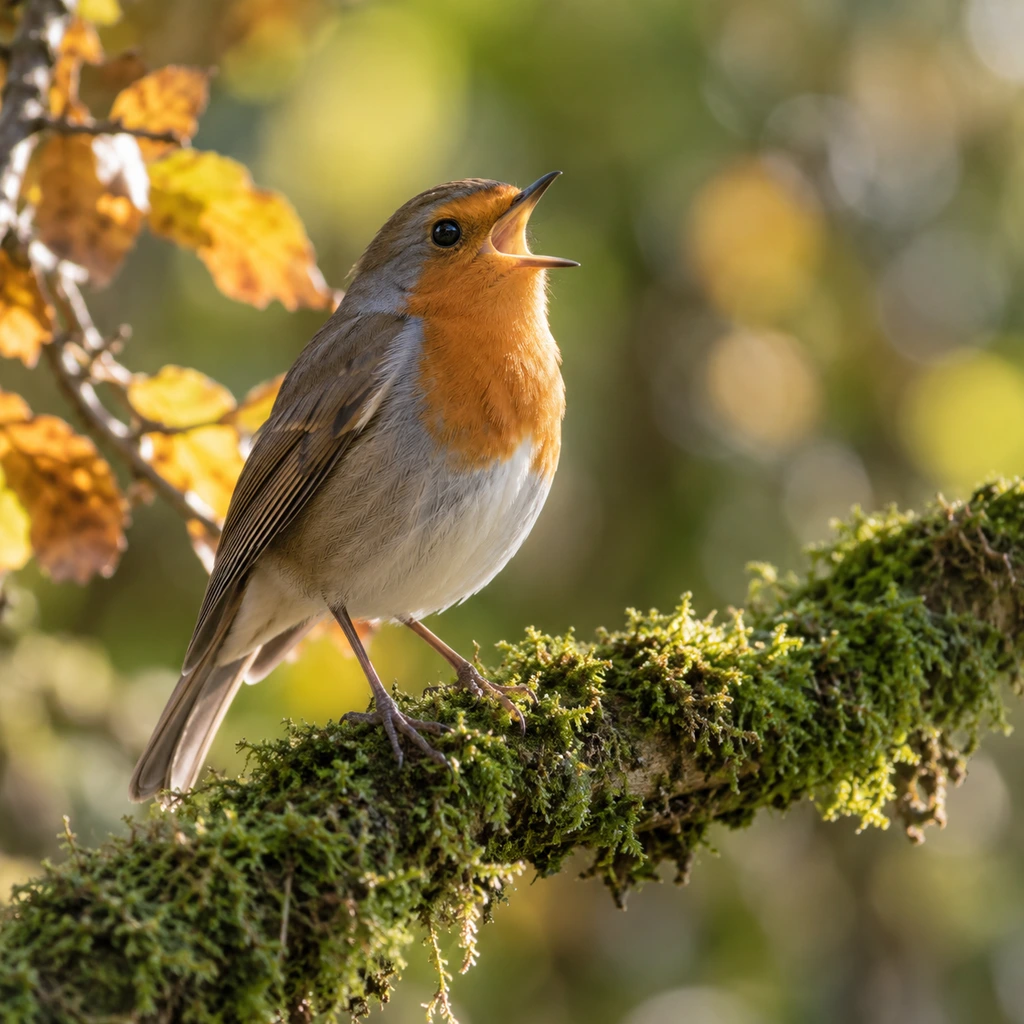
Table of Contents
Why Ears Beat Eyes
You Hear Through Cover
A bird thirty feet up in full leaf is a silhouette at best. The same bird singing is unambiguous, and you do not need it to move into a gap or turn its head. In woodland, song is the only practical way to know what is actually around you, which is why ears matter more than a good view of the garden once the leaves are out.
Song Comes to You
Visual birding means walking and scanning. Listening works standing still, which means it works while you are doing something else: drinking coffee on a step, waiting at a trailhead, or walking a loop you have walked a hundred times. It is the lowest effort way to add species to a day, and it works just as well from a camp chair as from a trail. It is one of the better things to do with a slow morning at a dispersed campsite.
It Works in the Dark and the Fog
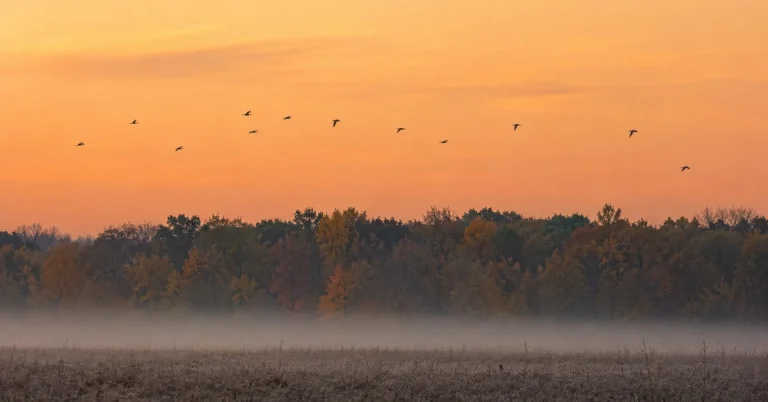
Owls, rails, nocturnal migrants and anything in thick fog are identified by ear or not at all. Autumn nights are one of the best times to hear migrating birds passing overhead, which pairs with the timing in our fall migration guide.
How to Identify Birds by Song: 7 Ways to Learn Faster
1. Start With Five Birds, Not Fifty
Pick the five commonest singers in your own garden or local park and learn only those, properly, until you know them without thinking. Every later song gets filed by how it differs from one of those five. People who try to learn a whole field guide of recordings retain almost none of it, because there is nothing to attach the new sound to.
2. Learn the Common Birds First, Deliberately
It feels more exciting to learn the rare bird’s song, and it is close to useless. Ninety percent of what you hear is common species, so knowing them well is what lets you notice the one sound that does not fit. Identification by elimination is the whole skill, and it only works if the common set is solid.
3. Describe the Sound in Your Own Words
Field guides write songs as nonsense syllables that mean nothing to anyone but the author. Make your own: a rising squeaky wheel, a bouncing ball coming to rest, two notes then a trill. Your own description sticks because you built it, and it survives the year between hearing that species and hearing it again.
4. Listen for Pattern Before Pitch
Most people try to remember the tune and cannot. Pattern is easier and more reliable: how many notes, is it repeated, does it rise or fall, is it fast or slow, is there a buzz or a rattle in it. Two species with a similar tune usually have completely different rhythm, and rhythm is what your memory holds onto.
5. Use an App, but Check It
Sound identification apps are genuinely good now and they are the fastest way to learn, with one condition: treat the answer as a hypothesis. Confirm it by finding the bird, or by hearing the same sound again in a context that makes sense. Apps misidentify in wind, in traffic noise, and with overlapping singers, and a wrong answer you accepted is worse than no answer. Download the offline pack before you lose signal, the same forethought as checking the forecast properly.
6. Separate Song From Call
Song is the long, structured, usually male, usually breeding season performance. Calls are short, given all year by both sexes, and are what you mostly hear in autumn and winter. Learning contact calls and alarm calls is less glamorous and more useful outside spring, which is exactly the season most guides ignore.
7. Practise the Same Patch Repeatedly
One local loop walked weekly beats five new places, because you build a baseline. Once you know what should be singing there, an unfamiliar sound stands out immediately. This is also how you notice arrivals and departures across the season without any effort at all. A patch you already walk for a loaded walk or an autumn run doubles as your listening ground.
A Practical Method in the Field
Stop, Face, Wait
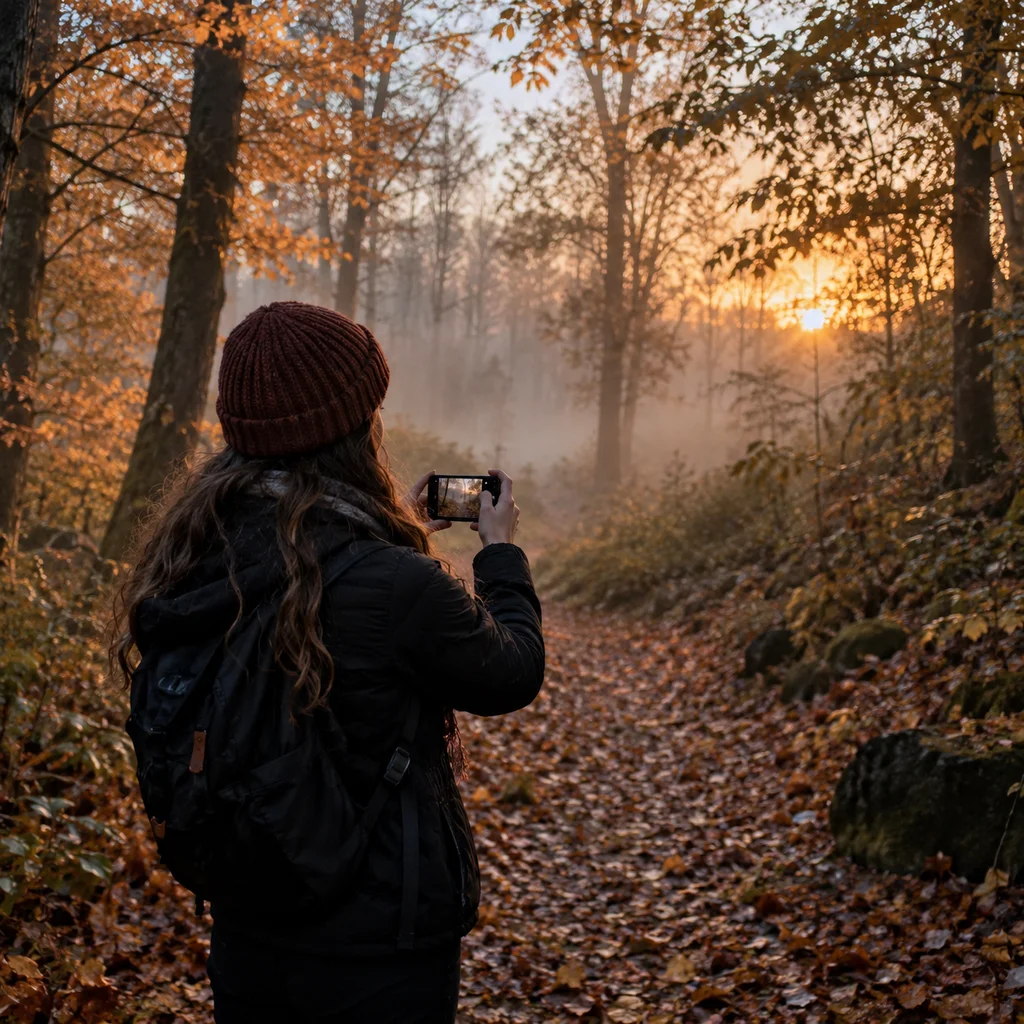
When you hear something unfamiliar, stop walking, turn to face it, and wait for it to repeat. Most singers repeat within thirty seconds. Walking while listening puts your own footsteps and clothing noise over the top of the thing you are trying to hear, which is the commonest beginner mistake.
Record It on Your Phone
A phone voice memo held still in the direction of the bird is enough for identification later, and it beats trying to hold a sound in your head until you get home. Say the location and date at the start of the recording, then stay quiet.
Follow It Up Visually Once
The song sticks permanently the first time you see the bird making it. Once per species is enough. That single connection is worth more than twenty recordings, which is why the app-then-confirm loop works so much better than app alone.
What Changes Through the Year
Spring Is Song Season
From March through June, males sing to hold territory and attract mates, so the songs are long, loud and repeated. This is when learning is easiest and when a dawn hour teaches more than a month of afternoons.
Summer Goes Quiet
Once birds are feeding young, song drops off sharply and you hear begging calls and alarm calls instead. Alarm calls are worth knowing: they tell you a predator is around, which is often how people find owls and hawks. Late summer is also when a light daypack and a flask beat any amount of gear.
Autumn Is Calls and Flight Notes
Right now, most of what you hear is contact calls and the thin flight notes of migrating birds, including at night. It is harder than spring song and it is the skill that separates casual birders from serious ones. Pair it with a well stocked garden and you can learn it from a doorstep.
Winter Is the Best Time to Practise
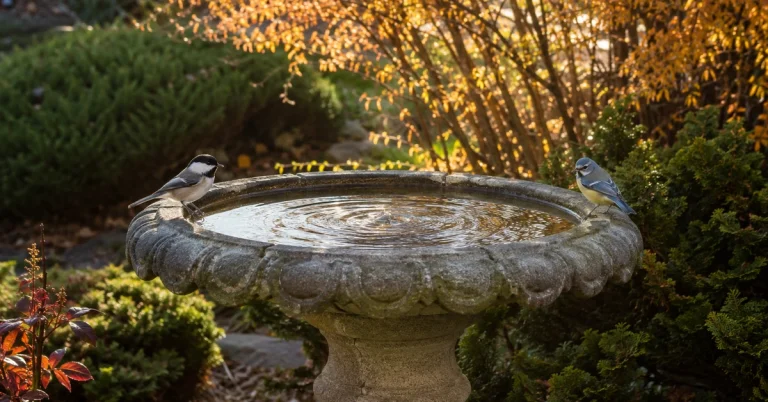
Fewer species, no leaves, and hungry birds that come to feeders and stay put. The sound landscape is simple enough to pick apart, which makes January a far better classroom than May for a beginner. A good feeder and a water source do most of the work.
The Kit That Helps
Your Phone
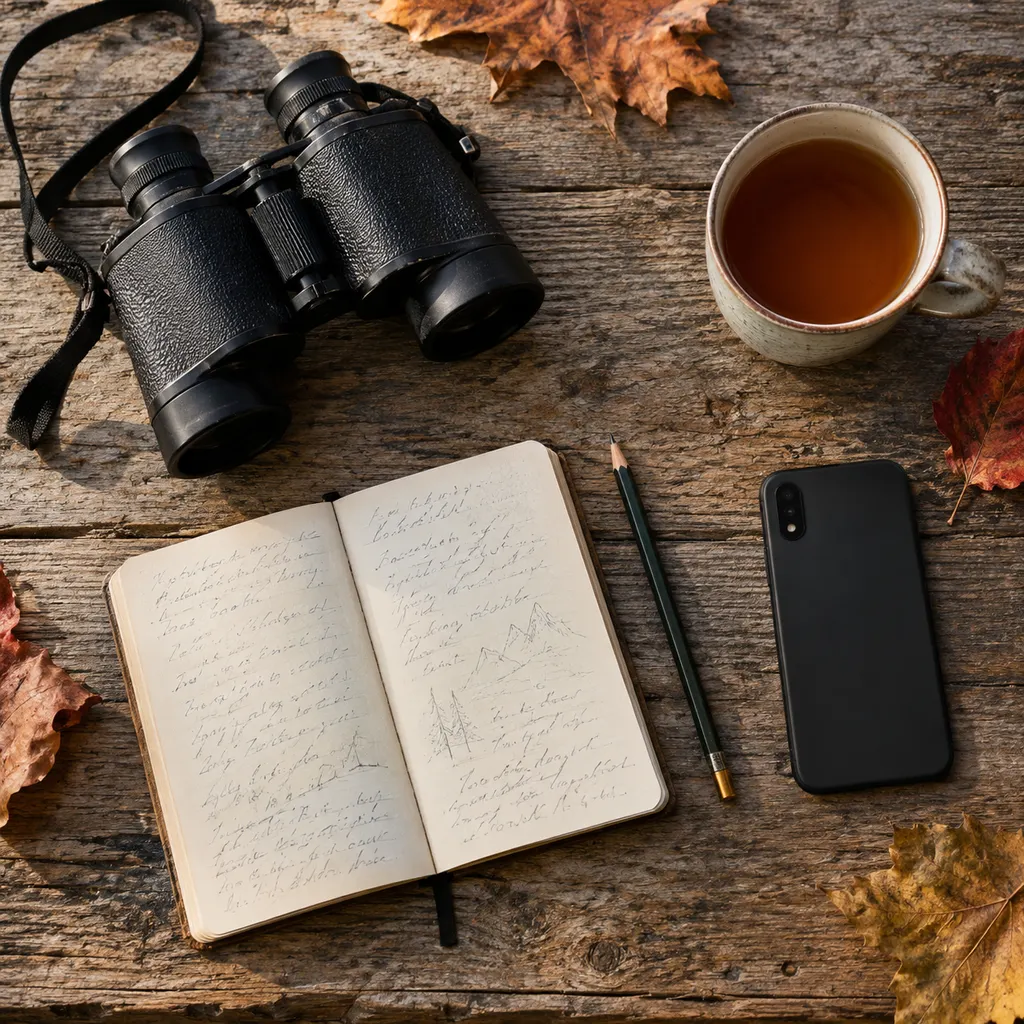
A sound identification app and the voice recorder are the two most useful tools in birding by ear, and you already own them. Download the offline sound pack for your region before you go somewhere without signal. Battery drains faster in the cold, so treat it the way you would a headlamp on an autumn evening and carry a top up.
Binoculars for the Confirmation
You need optics only for the follow up look that locks a song into memory, so anything decent works. If you are also watching birds at distance on water or open ground, a scope becomes worth it: our spotting scope round up covers when the jump makes sense.
Something to Write In
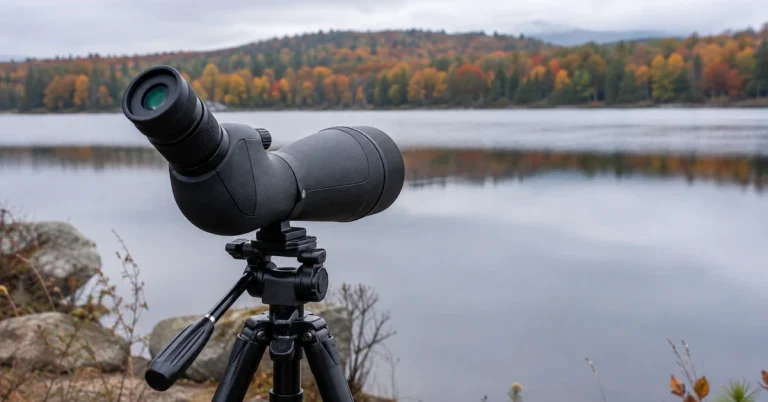
A notebook or a notes app for your own descriptions. Writing your own words for a sound is the step that makes it stick, and a list you can reread in a year is how you find out how much you have learned. Budget options that do the job: a compact spotting scope with a tripod for garden and pond watching, or for close range work a simple waterproof birding scope if you already own binoculars. For serious distance, the Vortex Diamondback HD is the step up.
Common Mistakes
- Trying to learn from a hundred recordings at home rather than five birds outdoors.
- Walking while listening, so your own footsteps mask the bird.
- Accepting an app’s first answer without confirming it, especially in wind or traffic.
- Learning rare species songs before the common ones that make elimination possible.
- Only learning spring song, then being lost from July onward when calls take over.
- Giving up in week two. Ear skills feel like nothing is happening, then suddenly work.
- Playing recordings out loud in the field to draw birds in, which disturbs breeding territories. See shared space etiquette.
A Four Week Starting Plan
Fifteen minutes a day, in one place you can reach easily.
| Week | Focus | Time | Goal |
|---|---|---|---|
| Week 1 | Two commonest singers | 15 min, same spot | Recognise both without thinking |
| Week 2 | Add three more | 15 min, same spot | Five species by ear, no app |
| Week 3 | Contact calls of those five | 15 min, any time | Know them when they are not singing |
| Week 4 | New location, same five | 30 min | Prove the five transfer off your patch |
At the end of a month, five species by ear in any location is a genuine foundation, and everything after that is addition rather than starting over. Take it somewhere new on a quiet autumn walk and you will notice how much of the wood you were missing.
Frequently Asked Questions
How long does it take to learn bird songs?
Five species take about a month of short daily sessions. Fifty species take two or three seasons. The curve is slow at first and then accelerates sharply, because new songs get filed against the ones you already hold.
What is the best app for identifying bird song?
The free sound identification tools from major ornithology labs are excellent and improving. Whichever you use, treat the suggestion as a hypothesis to confirm rather than an answer, particularly in wind or with several birds singing at once.
What is the difference between a bird song and a call?
Song is long, structured and mostly a breeding season behaviour used to hold territory and attract a mate. Calls are short, used all year by both sexes, and cover contact, alarm and flight. Outside spring, calls are most of what you hear.
Can I learn bird songs from recordings alone?
Partly, and it is much slower. Recordings lack the context of distance, habitat and what else is singing, and a song learned in headphones often does not register outdoors. Use recordings to review species you have already heard in the field.
When is the best time of day to listen?
The first two hours after dawn, all year. Birds sing most then, background noise is lowest, and in autumn dawn is also when night migrants are coming down. Second best is the last hour before dusk.
The way to identify birds by song is narrower than it looks: five birds, your own words for each, and one repeated local patch. Do that for a month and the woods stop being background noise. When you want to put a name to the distant ones on water or open ground, our spotting scope picks cover the optics, and the migration guide covers what is moving through right now.
Discover more from Maive Verse
Subscribe to get the latest posts sent to your email.