
This post may contain affiliate links. If you buy through them, we may earn a small commission at no extra cost to you.
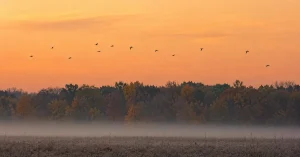
Fall bird migration is the biggest wildlife event most people never notice, and it is happening over your house right now. Billions of birds are moving south across North America between August and November, the majority of them at night, and on a good evening the radar picture looks like weather rather than wildlife.
You do not need to travel for it. Migration funnels birds through ordinary gardens, city parks and roadside hedges, including species that are nowhere near you for the other ten months of the year. This guide covers when it peaks, the seven easiest ways to see it, and what to put in your garden while it is happening.
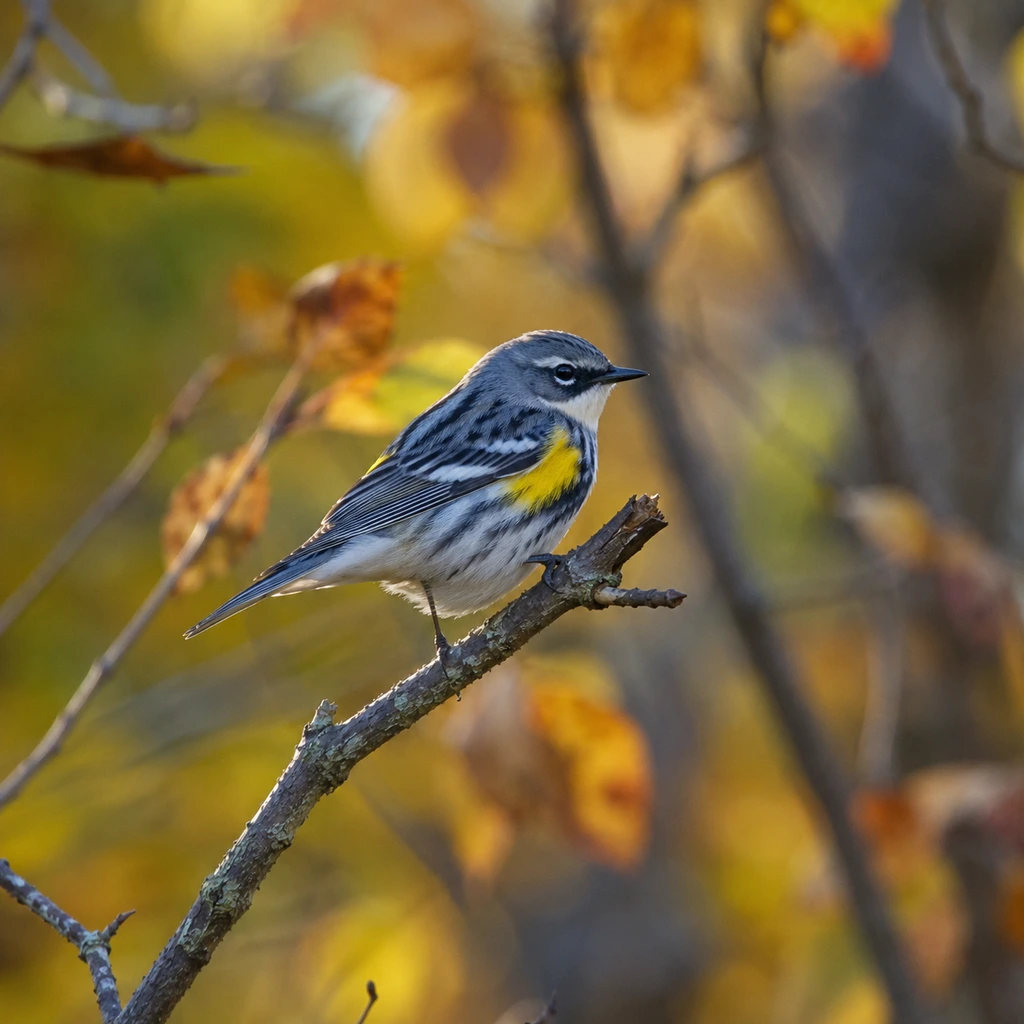
Table of Contents
When It Happens and Why It Is Different
Autumn movement is longer and less tidy than spring. Spring migration is a sprint driven by the race to breed; autumn is a drawn out drift that starts with shorebirds in July and finishes with waterfowl in November, with the songbird peak across most of the United States falling in September and early October.
- It lasts far longer. Four months rather than six weeks, so there is no single window to miss.
- The birds look different. Autumn plumage is drab compared with spring, and many birds are juveniles making the trip for the first time. This is why autumn has a reputation for difficult identification.
- There are more of them. The population is at its annual peak because this year is young are included, so sheer numbers are higher than in spring.
- It happens mostly at night. Most songbirds migrate after dark and come down at dawn to feed, which is why early mornings are so productive.
The single best tool for knowing which nights matter is BirdCast, the Cornell Lab live migration map, which uses weather radar to forecast and measure how many birds are aloft over your county tonight. Check it in the evening, and if the map is lit up, plan an early start.
Fall Bird Migration: 7 Easy Ways to See It
In order of effort. The first three cost nothing at all.
1. Go Out at Dawn, Especially After a Cold Front
Night migrants land at first light and feed hard. The best mornings follow a night with a northerly wind behind a cold front, because birds ride the tailwind and drop in numbers when it passes. A still, warm night produces very little; the morning after a front can fill a hedge. Knowing how to read an incoming front is the most useful skill here.
2. Check the Radar the Night Before
Migration is now genuinely forecastable. The BirdCast maps show live migration traffic across the country, so you can see whether tonight is a big movement night before deciding whether to set an alarm. It turns a hopeful early start into an informed one.
3. Watch the Water
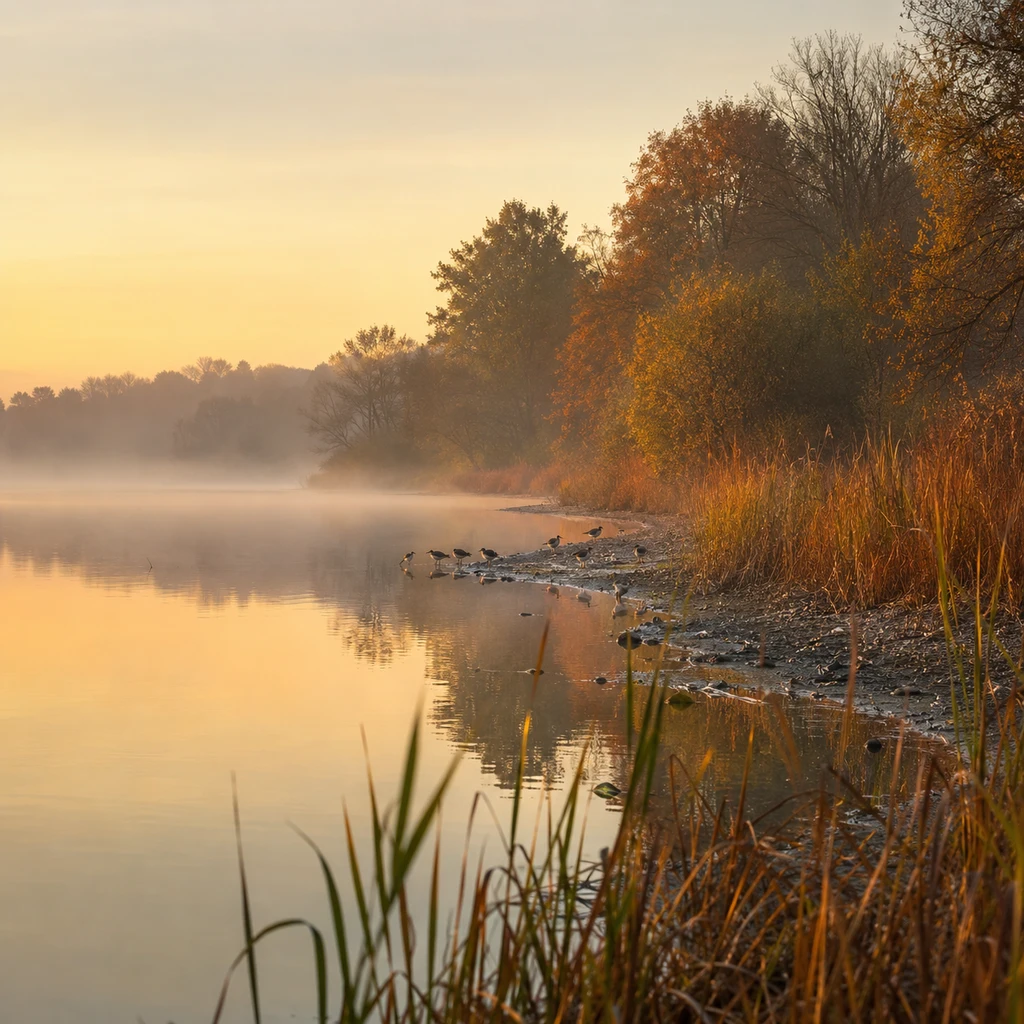
Any water pulls migrants down: a reservoir, a river, a marsh or a garden bird bath. Migrating birds arrive dehydrated and water is the first thing they look for, which is why a bath outperforms a feeder during migration. Our round up of the best bird baths covers what actually gets used.
4. Look for Edges and Corridors
Birds follow the landscape. Coastlines, river valleys and ridgelines concentrate migrants, and so does any edge where two habitats meet. In a city, a park with mature trees surrounded by streets acts as an island and can hold remarkable numbers on the right morning. The same landscape reading that finds good low elevation trails works for finding migrant traps.
5. Learn a Few Flight Calls
Night migrants call as they fly, thin single notes overhead in the dark. You do not need to identify them to enjoy it: stand outside on a still night in September, listen upward for a few minutes, and you will hear the movement happening. It is the moment migration stops being abstract.
6. Leave the Garden a Little Messy
Migrants need fuel, and insects on native plants matter more than seed. Seed heads left standing, a shrub left unpruned and leaf litter under a hedge all feed passing birds. The wider recipe is in our guide to attracting birds to your yard.
7. Keep a List and Compare Years
Write down what you see and when. Migration is a pattern that only becomes visible across seasons, and a list turns scattered sightings into something you can read. The free eBird platform does this on a phone and feeds real conservation science at the same time.
What to Look For
Warblers, Vireos and Flycatchers
The classic autumn songbird movement, and the hardest to identify because breeding colour is gone. Look in the canopy on the sunny side of a wood in the first hours of light, where insects warm up first and the birds follow. A few well planted garden corners will hold them far longer than a bare lawn.
Raptors on Rising Air
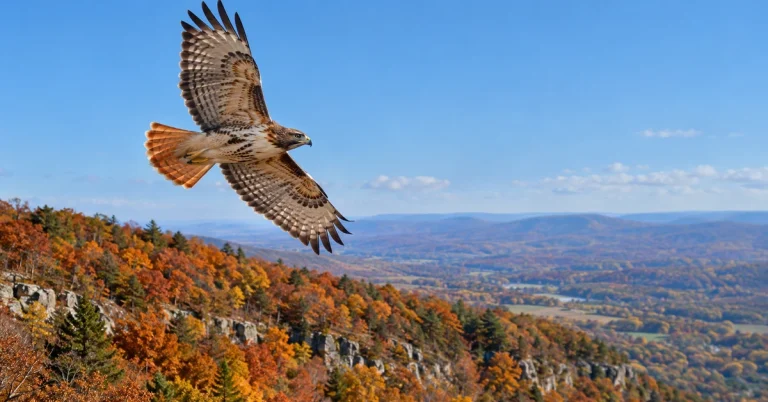
Hawks migrate by day and use thermals, so they move once the ground has warmed, from late morning onward. Ridges and coastlines concentrate them, and a clear September day with light wind can produce a steady stream overhead.
Shorebirds and Waterfowl
Shorebirds move earliest, from July, and waterfowl latest, into November. Both reward the same tactic: find water, sit still and scan. This is the part of migration that keeps going after the songbirds have passed through.
What You Actually Need
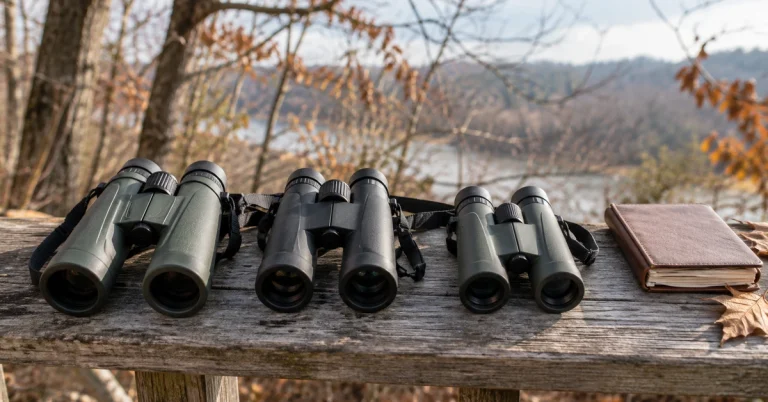
Very little. Binoculars are the only real purchase, and 8×42 is the format that suits nearly everyone because it balances a steady image with a wide field of view. Our beginner birdwatching guide explains the specifications in full and compares six pairs worth buying.
In the garden, water does more than food during migration, and a bird bath with a solar fountain carries further than a still bowl because birds detect moving water from a distance. If you would rather know what landed than work it out later, a camera feeder with species recognition will name it for you. Neither is necessary, and a shallow dish of water refreshed every couple of days will still bring birds in. Seed still has its place once the movement is over, and our feeder round up covers that side.
Beyond that, dress for a cold dawn and expect to stand still. The same layering logic as our what to wear hiking guide applies, and it matters more when you are stationary than when you are walking.
Migration Etiquette
Migrating birds are running an energy deficit, and every flush costs them fuel they need. Keep your distance, do not chase a bird for a better view, and never use recorded calls to pull a tired migrant off cover. The ABA code of birding ethics is the short version worth reading once, and the same restraint that governs a quiet autumn day hike applies here.
Two things you can do that genuinely help: turn off unnecessary outdoor lights at night during peak movement, because artificial light disorients night migrants and draws them into buildings, and keep cats indoors at dawn when exhausted birds are on the ground and least able to escape. The National Audubon Society runs the lights out campaigns that push this nationally, and the principle matches the Leave No Trace principles outdoors.
Frequently Asked Questions
When does fall bird migration peak?
For songbirds across most of the United States, September into early October. Shorebirds start as early as July and waterfowl continue into November, so the season as a whole runs roughly August to November depending on where you are and which group you are watching.
Do birds migrate at night or during the day?
Most songbirds migrate at night and feed by day, which is why dawn is the best time to look for them. Raptors and swallows are the main daytime migrants, and hawks specifically wait for thermals to build in the late morning.
Why are autumn birds so hard to identify?
Breeding plumage is gone, many birds are juveniles in their first year, and a lot of species look confusingly similar without it. Work from shape, size and behaviour rather than colour, and accept that not everything gets a name.
Should I keep feeding birds during migration?
Yes, and it does not delay anyone leaving. Migration is triggered by day length rather than food supply, so a full feeder helps birds fuel up without persuading them to stay. Water helps more than seed does.
Can I see migration from a city?
Easily, and sometimes better than in open countryside. City parks act as islands of habitat in a sea of buildings, so migrants concentrate in them. A mature park at dawn in late September is one of the most reliable places to watch autumn movement.
Check the radar tonight, set an alarm for first light, and look at the nearest water. That is genuinely all fall bird migration asks of you. Put a bath out from our guide to the best bird baths while the birds are moving, and read our birdwatching guide for beginners to work out what came down.
Discover more from Maive Verse
Subscribe to get the latest posts sent to your email.