
This post may contain affiliate links. If you buy through them, we may earn a small commission at no extra cost to you.
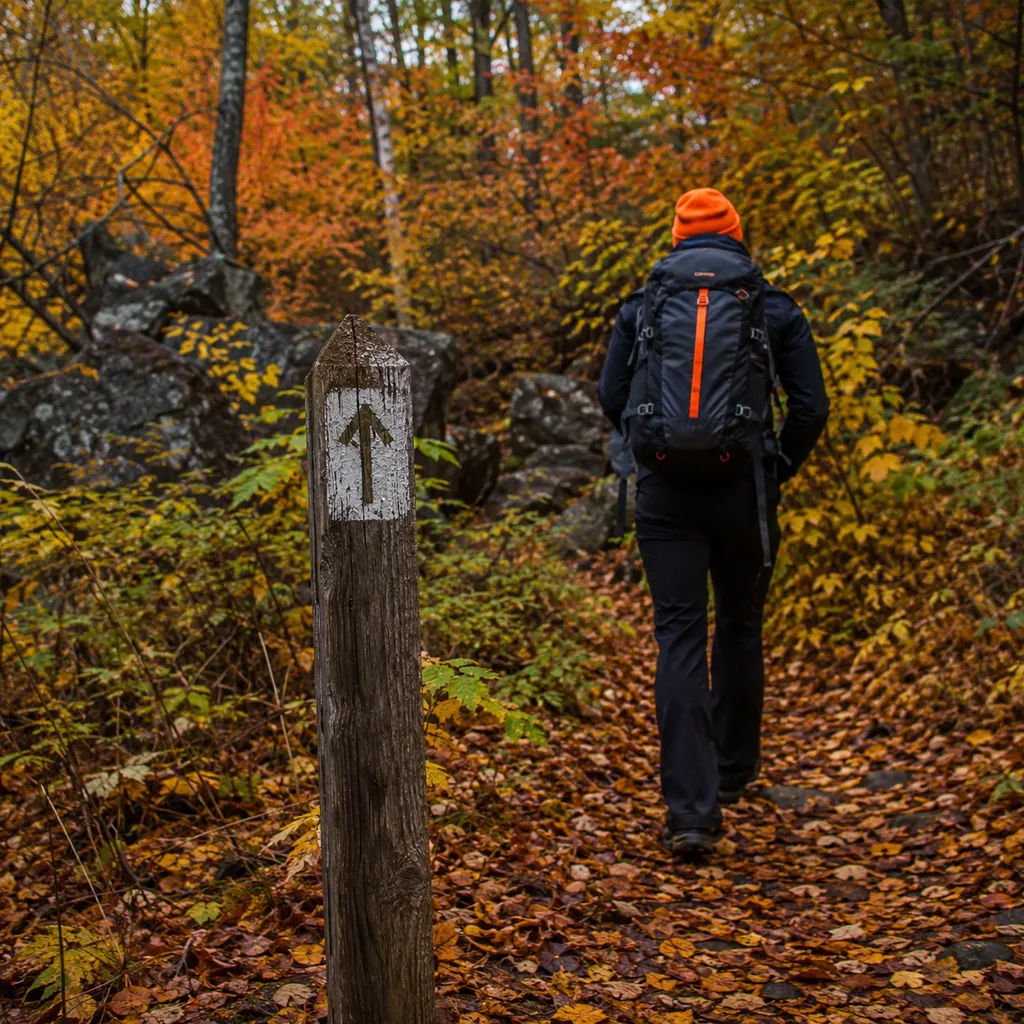
The trail you walked in July is a different trail in October. Same parking lot, same mileage, same sign at the junction, but the light goes flat by four, the creek crossing runs colder, and the leaves that look beautiful in photographs turn the descent into a skating rink. Fall hiking is the best season most people never quite plan for, and the fix is small: a slightly different pack, a slightly earlier start, and a habit of checking sunset instead of temperature.
This fall hiking guide covers what actually changes between summer and autumn on a day hike, how to layer for a morning that starts at 38 degrees and ends at 70, what belongs in the pack once the days get short, and where the season is worth a drive. None of it needs new gear. Most of it needs a little more respect for the clock.
What Changes When Summer Turns Into Fall Hiking
Fall hiking does not simply mean cooler air. It changes four separate variables at once, and they interact. Understanding them is most of the safety margin you need.
Daylight Disappears Faster Than You Expect
Between the start of September and the end of October, most of the country loses roughly an hour and a half of evening light. Worse, the useful light goes before the official sunset, because the sun drops behind ridges and the forest canopy holds shade. A four hour loop that felt roomy in July now finishes in dusk if you leave at two.
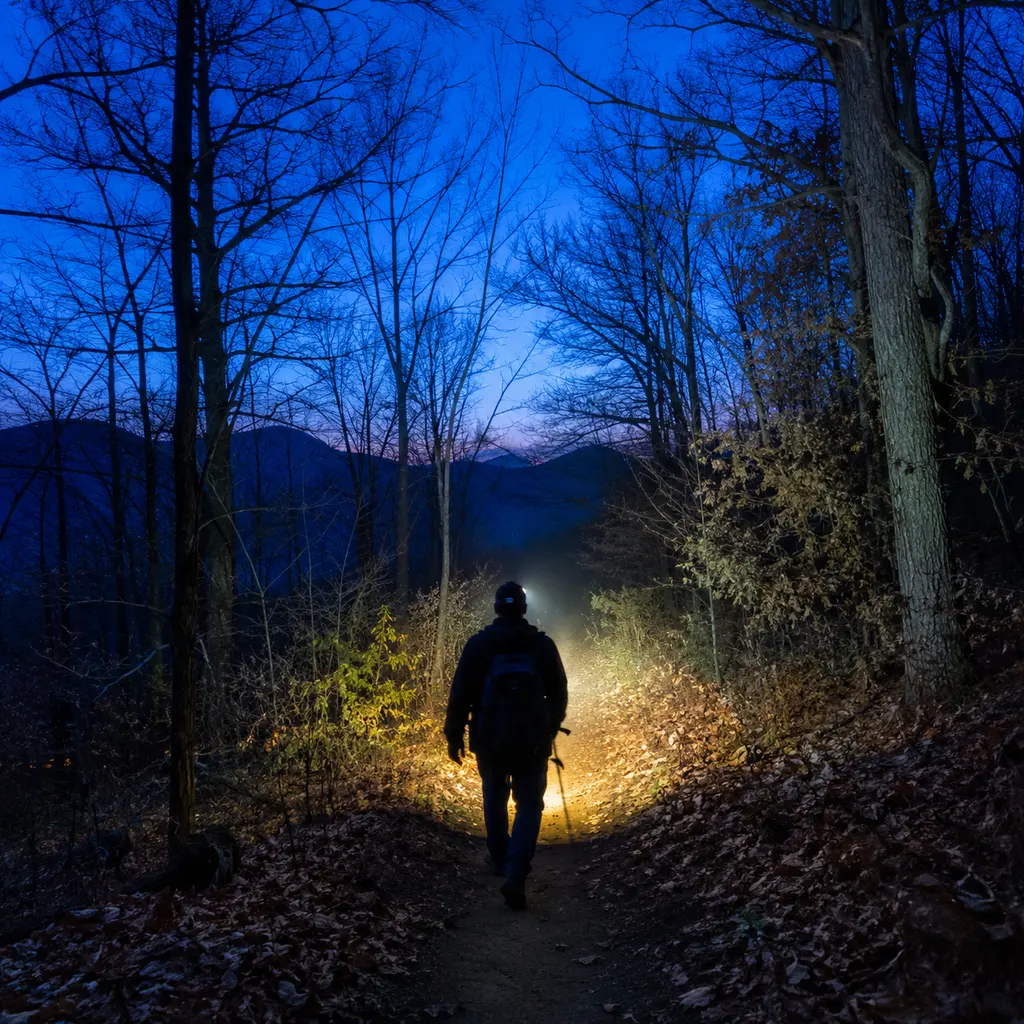
The habit that solves this is simple: work backwards from sunset, not forwards from breakfast. Look up the sunset time for the trailhead, subtract an hour of buffer, subtract your realistic round trip pace, and that is your last acceptable start time. If you do end up finishing in the dark, our guide to night hiking and sunset safety covers how to do it calmly rather than by phone torch.
Big Temperature Swings in a Single Hike
A fall day can move 30 degrees between the trailhead at seven and the ridge at noon, then drop again the moment you stop moving. Your body adds to the swing: climbing generates enough heat that you can hike in a t shirt at 40 degrees, then chill hard within four minutes of stopping for lunch. Dressing for the car park is the classic autumn mistake.
Wet Leaves, Hidden Rocks, and Colder Water
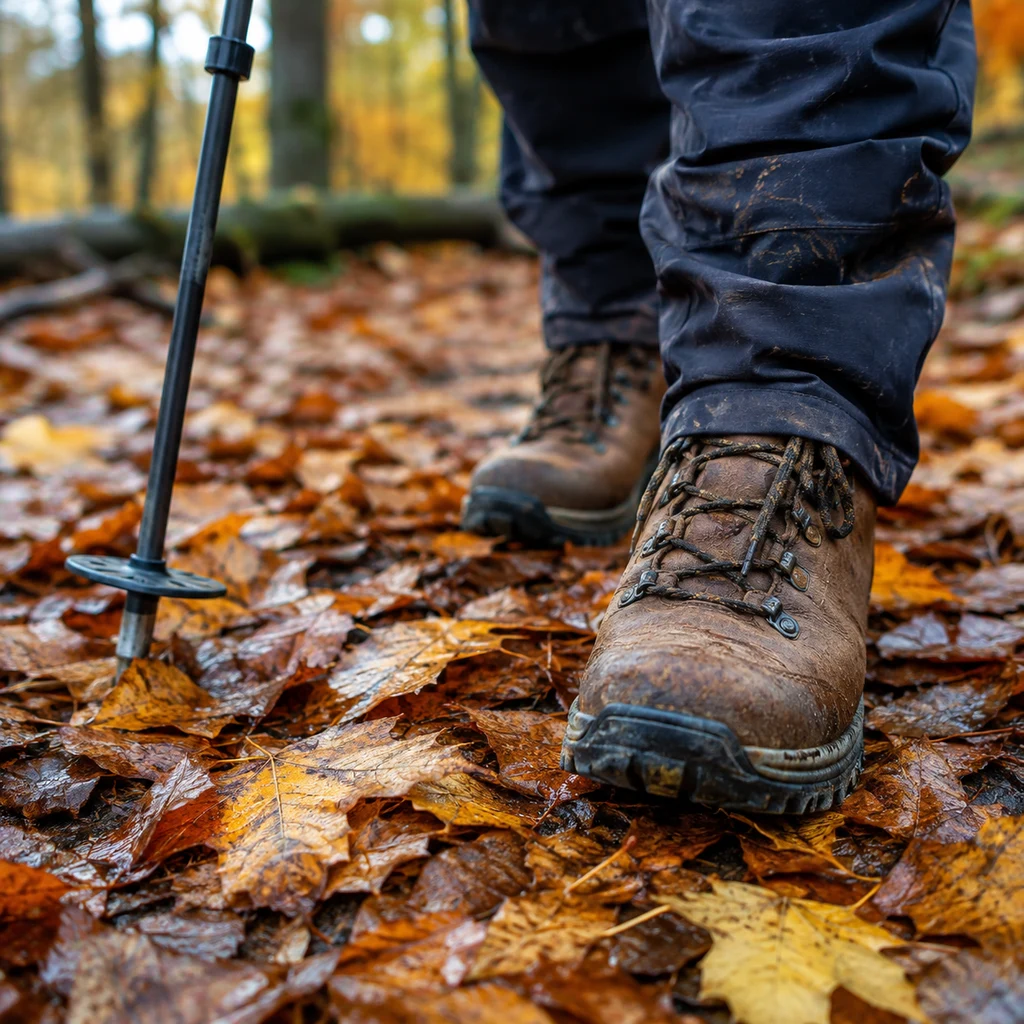
Leaf litter is the underrated hazard of the season. A layer of wet maple leaves on rock has roughly the friction of loose gravel, and it hides ankle turning holes, roots, and small drop offs. Descents get slower, not faster. Water crossings that were an ankle deep nuisance in August carry snowmelt cold that numbs feet in seconds, and a slip that meant wet socks in summer means a real problem in November.
Weather Arrives Faster and Sticks Around
Autumn storm systems move quickly and the first mountain snow often lands weeks before anyone expects it. Elevation matters more than the date: a 45 degree drizzle at the trailhead can be sleet and 20 mile per hour wind two thousand feet up. Checking a mountain specific forecast rather than the town forecast is the whole difference, and our notes on predicting trail weather with satellite apps explain how to read one properly. The National Weather Service point forecast for the actual trailhead coordinates is free and better than any app summary.
How to Layer for Fall Hiking
Layering for fall hiking is not about owning expensive clothing. It is about being able to shed and add fast enough that you never sweat through and never sit still while cold. Three pieces do it.
Base Layer: Thin, Not Warm
The layer against your skin has one job, which is moving moisture off it. Merino wool or a synthetic tee both work. Cotton does not, because it holds water and then holds cold. A thin base layer plus movement is warmer than a thick one plus stopping, and the same shirts that carried you through summer sun still earn their place, as our roundup of UV protective hiking shirts points out for high altitude autumn days.
Mid Layer: The Piece You Actually Adjust
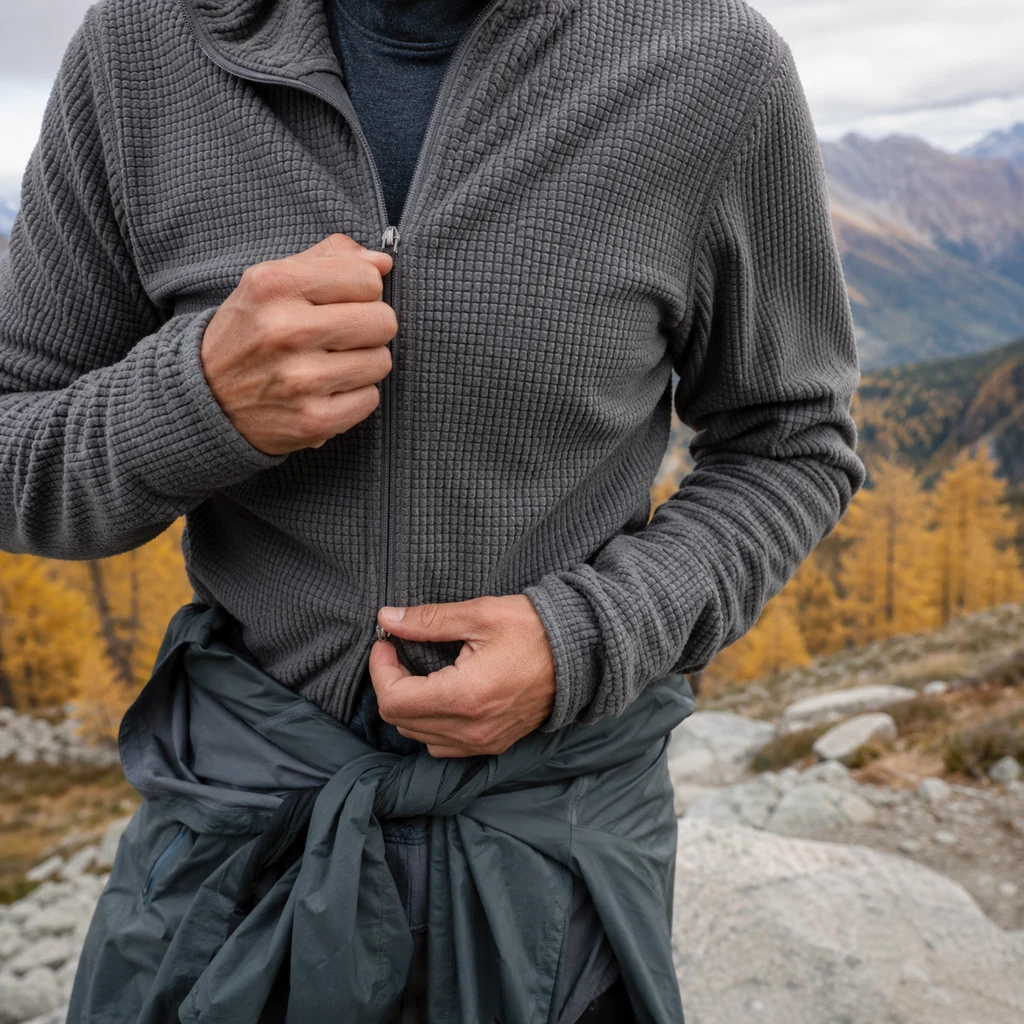
A grid fleece or a light synthetic pullover is the workhorse of the season. It goes on at the trailhead, comes off ten minutes into the first climb, and goes back on at every break. Choose one you can put on without taking your pack off, because the ones that need a full stop end up staying in the pack while you get cold.
Shell: Wind First, Rain Second
Most autumn discomfort is wind, not rain. A light wind shell that packs to the size of a fist blocks the ridge line breeze that turns a pleasant 50 degrees into a miserable 50 degrees. If the forecast holds real rain, carry a proper waterproof instead and accept the weight. For the full head to toe version of this, see our guide to what to wear hiking.
Hands, Head, and the Two Ounce Rule
A thin beanie and cheap liner gloves weigh almost nothing and buy back more comfort per ounce than any other item in autumn. Add a buff for the neck. Those three things live in the lid of the pack from September onward and never come out.
What to Pack for an Autumn Day Hike
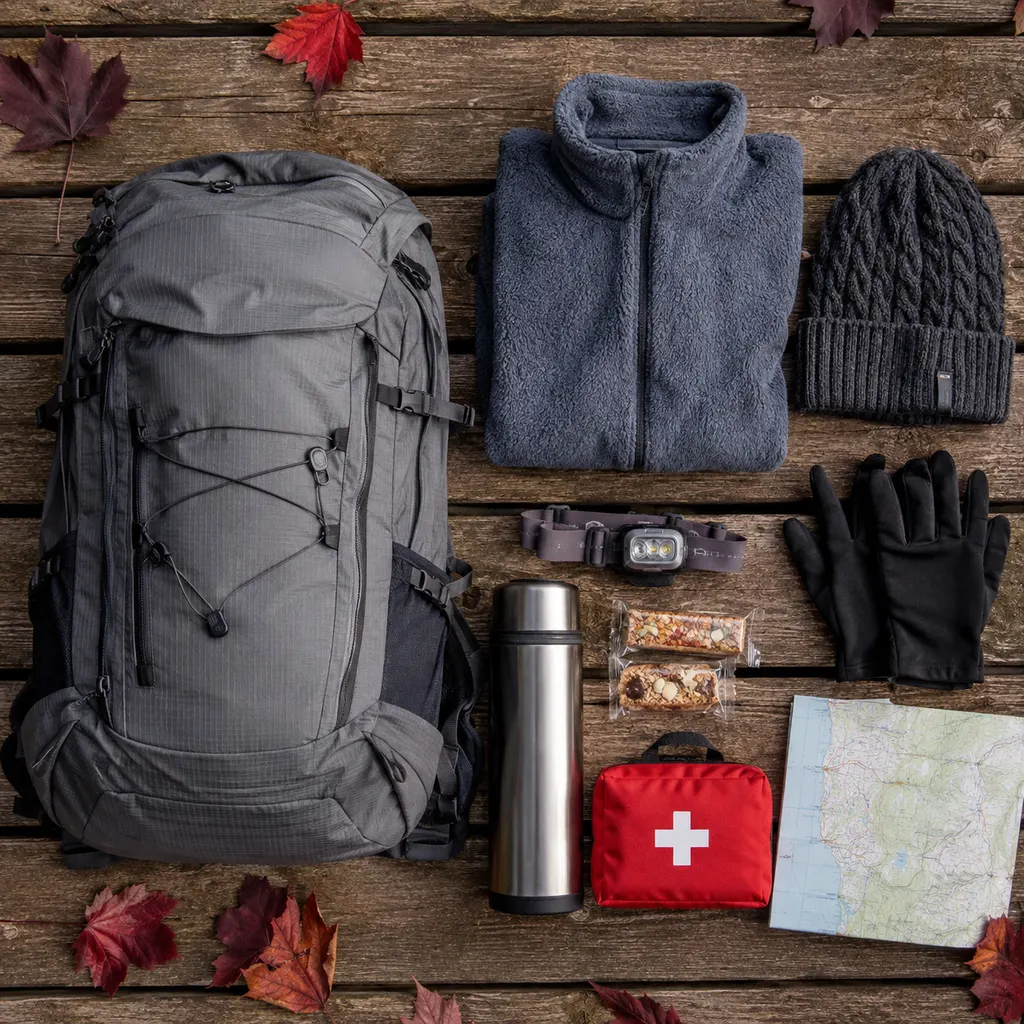
The fall hiking pack is the summer pack with four additions and one subtraction. It still fits in a 20 litre daypack, and if you are building one from scratch our picks for the best hiking daypacks break down which size suits which kind of day.
- A headlamp with fresh batteries, carried on every single hike from September onward, no exceptions
- An insulating layer you do not expect to wear, so a stopped hike never becomes a cold one
- Warm liquid in an insulated bottle, plus your normal water. Cold weather blunts thirst and people quietly drink far less than they need
- Food that still works cold, since bars go brick hard below 40 degrees. Our list of high protein hiking snacks has options that stay chewable
- A phone battery pack, because cold cuts battery life roughly in half
- Blaze orange, if you are hiking anywhere near public land where hunting seasons overlap
The subtraction: you need less water than midsummer, usually a litre less for the same mileage, which is exactly the weight the extra layer costs. For the finer points of keeping that load light, our ultralight day pack packing hacks still apply in autumn.
Where to Go for Fall Hiking in the United States
Fall hiking colour moves from north to south and from high ground to low, which gives you roughly a six week window if you are willing to chase it. These are the regions that reliably deliver.
The Blue Ridge and the Southern Appalachians
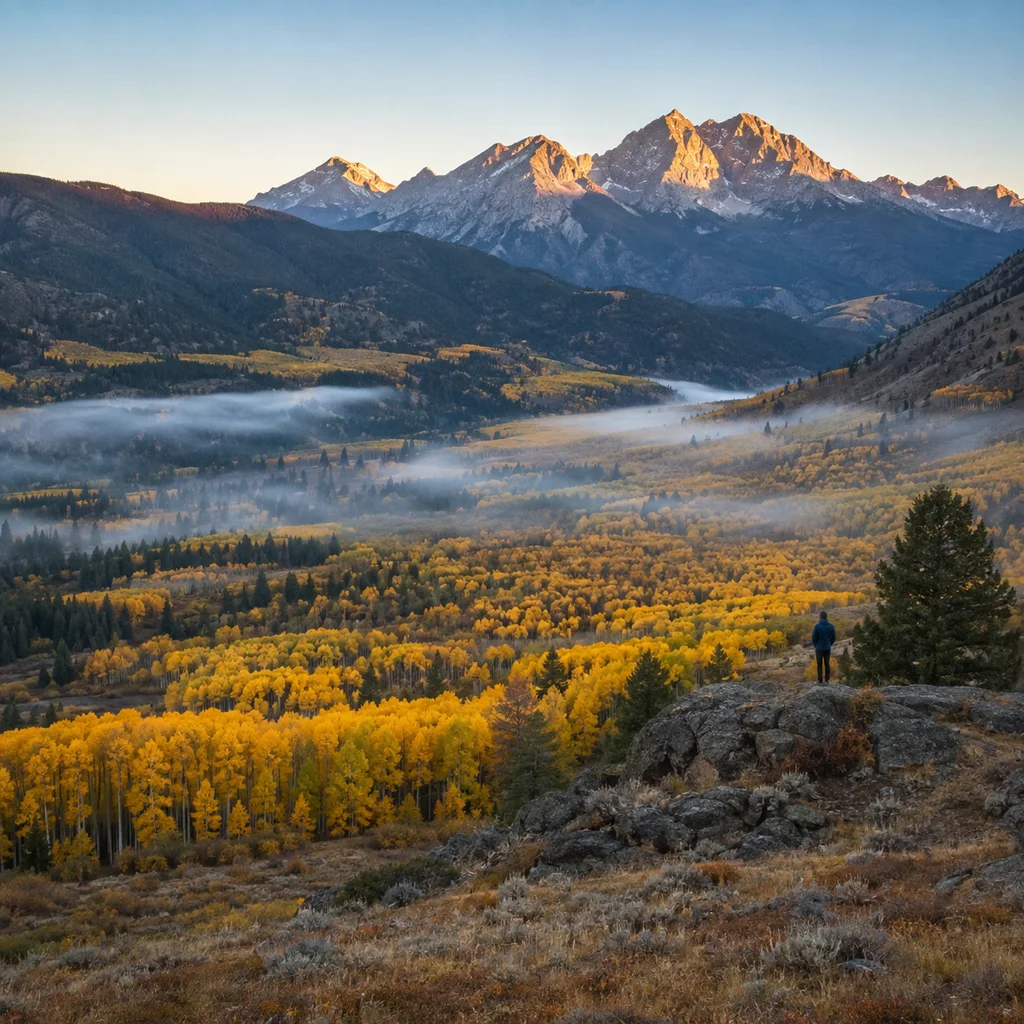
Mid September through early November, the Blue Ridge holds the longest colour season in the country because the elevation range does the work. High ground turns first, so if you arrive early, hike high, and if you arrive late, hike the valleys. Weekends are busy and parking fills by nine, which is another argument for early starts.
Colorado Aspens and the Mountain West
Aspen gold peaks in the last two weeks of September, and it is short. The trade off is weather: passes can hold snow while the trailhead is 65 degrees and dusty. If you live at sea level and are heading for a 10,000 foot trail, read our notes on training for elevation first, because autumn does nothing to soften altitude.
National Parks Worth the Drive
Glacier National Park is the most dramatic early autumn hiking in the country and the least forgiving, since Going to the Sun Road and the high trails close on snow with little notice. Yellowstone National Park quietens dramatically after Labor Day, with elk bugling through September and far emptier trailheads. Grand Teton National Park pairs golden cottonwoods against grey rock and stays walkable well into October. All three ask the same thing: check the National Park Service alerts page the morning you go, because autumn closures happen overnight.
Low Elevation Trails When the High Ones Close
Once the first storms land, the answer is not to stop hiking, it is to drop elevation. Coastal forest, river valleys, and desert canyon trails all hold good conditions weeks after the peaks turn white, and our list of snow free low elevation hikes is built for exactly that part of the calendar.
Fall Hiking Safety, Season by Season Problem
Fall hiking accidents are rarely dramatic. They are almost always a late start, a wrong turn in the dark, or a wet descent taken at summer speed.
Hunting Season Overlaps Hiking Season
On national forest and most state land, autumn is hunting season, and the answer is visibility rather than avoidance. Wear blaze orange on your pack and your head, keep dogs leashed and orange too, and stay on marked trail. Checking the state wildlife agency dates for the county you are visiting takes two minutes.
The First Snow Always Surprises Somebody
Above about 6,000 feet, snow can arrive in September and it does not need to be deep to matter. An inch of fresh snow hides trail markers, blurs the line between path and drop, and turns rock slabs into a genuine fall risk. Turn around early rather than committing to a descent you have not seen.
Tell Someone, Especially Solo
Shorter days shrink the margin for a twisted ankle, so the plan you leave behind matters more than in July. Text a route and a return time, and if you hike alone in low signal country, a satellite messenger stops being a luxury. Our guide to satellite messengers for solo hiking covers what actually works.
Fall Hiking With Kids
Fall hiking with children needs a different plan, because children cool down faster than adults and they stop moving without warning, so the autumn version of a family hike is shorter, snackier, and layered heavier than you would choose for yourself. Aim for a destination they care about, a turnaround time you enforce, and one more layer than seems necessary. Our trail games for hiking with kids are useful when the light goes and enthusiasm goes with it.
Busier Trailheads, Same Etiquette
Leaf season concentrates crowds into a handful of famous trails, which means narrow paths, passing, and photographers standing in them. The rules do not change, but they get tested, and our summary of trail etiquette on shared paths is worth a refresher before a peak weekend.
Frequently Asked Questions
When is the best time for fall hiking?
For colour, aim your fall hiking at the last two weeks of September in the northern mountains and the Rockies, then early to mid October in the mid Atlantic and Midwest, and late October into early November in the South. For conditions rather than colour, September is the sweet spot almost everywhere: bugs are gone, water is low, and the heat has broken.
What should I wear for a fall day hike?
Fall hiking clothing is three pieces: a thin moisture moving base layer, a fleece or light synthetic mid layer you can add and remove without stopping properly, and a wind shell. Add a beanie, liner gloves, and a buff from September. Avoid cotton, and expect to start slightly cold rather than comfortable at the trailhead.
Is hiking in the fall safe for beginners?
It is arguably the easiest season to start, because the temperatures are kind and the trails are dry. The two things beginners underestimate are how early the light goes and how slippery leaf cover makes a descent. Start with a short well marked loop, and read our hiking for beginners guide before the first one.
How much water do I need in cooler weather?
Roughly half a litre per hour of moderate walking, which is often a litre less than the same hike in July. The risk is not carrying too little, it is drinking too little, because cool air blunts thirst. Warm liquid in an insulated bottle solves both problems at once.
Do I need a headlamp for a daytime hike?
Yes, from September onward. It weighs three ounces and it is the difference between a slow finish and a stopped one. Phone torches drain the battery you might need for navigation and throw a narrow beam that makes footing harder to read.
What are the best fall hikes if the mountains are already snowed in?
Drop elevation and head for coastal forest, river valleys, canyon country, or state park trails under about 3,000 feet. Conditions there usually stay good for another month, and the colour lasts longer at low elevation anyway.
Before You Head Out
Fall hiking rewards planning more than any other season, and the planning is short. Look up sunset, set a turnaround time, pack a headlamp and one layer you hope not to need, and pick a trail that matches the weather rather than the photograph you saw. Do that and fall hiking becomes the best six weeks of the year: cool air, quiet trails, and light that makes ordinary woods look extraordinary.
Check the forecast for the trailhead the morning you leave, tell someone your plan, and if the day is shorter than the route, save the route for next weekend. The colour will still be there.
Discover more from Maive Verse
Subscribe to get the latest posts sent to your email.