
This post may contain affiliate links. If you buy through them, we may earn a small commission at no extra cost to you.
Dispersed camping is the free, no-frills way to sleep outdoors on public land, far from crowded campgrounds and reservation systems. Instead of paying for a numbered site with a picnic table, you find your own quiet spot on national forest or Bureau of Land Management land and set up camp for the night.
It takes a little more planning than a developed campground, because there are no toilets, no water spigots, and no trash pickup. Once you learn how it works, though, it opens up some of the most peaceful and scenic places you can legally camp for nothing.
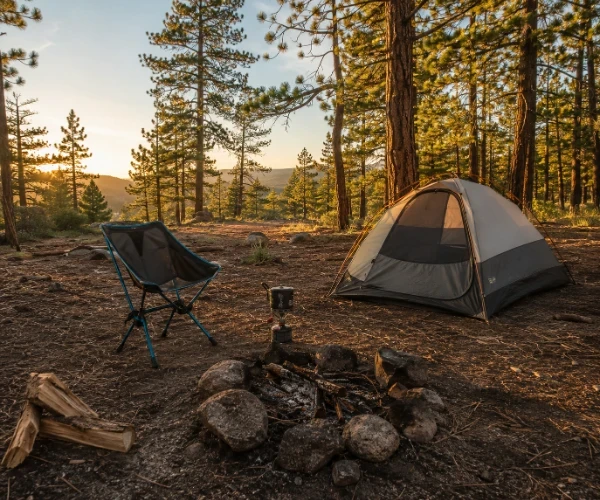
Table of Contents
What Is Dispersed Camping?
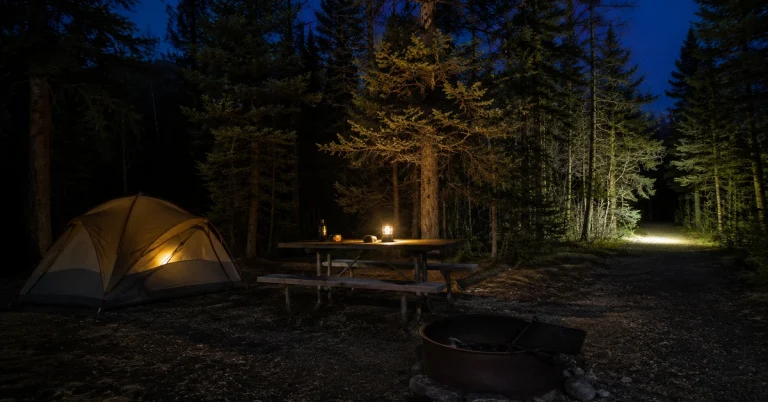
Dispersed camping means setting up outside of a designated campground, usually on federal public land where it is allowed. There are no marked sites and no amenities, so you carry in everything you need and pack out everything you brought.
No Amenities, Full Freedom
There are no bathrooms, running water, fire rings, or trash cans. That sounds intimidating at first, but it is the trade for solitude and a campsite you often get all to yourself. You bring your own water, a way to handle waste, and bags to carry out every scrap of trash.
Where It Is Allowed
Most dispersed camping happens on national forest and grassland or on land managed by the Bureau of Land Management. Rules vary by district, so always check the local ranger station or the official land agency site before you go. Some areas are open, while others limit camping to marked pullouts.
Why People Love It
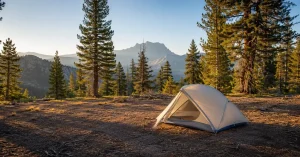
It is free, it is quiet, and it puts you closer to nature than a packed campground ever will. For many campers, waking up with no neighbors in sight and a mountain view out the tent door is the whole point.
How to Find Dispersed Camping Spots
Finding a good spot is part research and part driving slowly with your eyes open. Start online, then confirm on the ground once you arrive. A little homework the night before saves you from hunting for a site in the dark.
Start With Official Maps
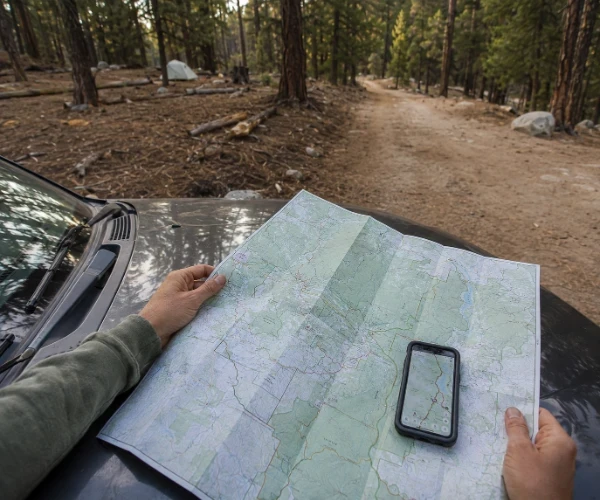
Motor vehicle use maps from the Forest Service show which roads are open and where camping is allowed. The Forest Service know before you go pages are the most reliable place to confirm current rules and closures.
- Check the Motor Vehicle Use Map for the district you are visiting
- Look for existing pullouts and previously used clearings, not fresh ground
- Call the local ranger station to confirm fire rules and stay limits
- Have a backup area in mind in case your first choice is full or closed
Use Camping Apps and Reviews
Apps and crowd-sourced sites list known dispersed areas with photos, road conditions, and cell signal notes left by other campers. Read the most recent reviews, since road washouts and seasonal closures change access quickly.
Follow the 200-Foot Rule
Set up at least 200 feet from any lake, stream, or spring to protect water sources and give wildlife room. Camp on durable surfaces like gravel or bare dirt, and reuse a spot that has clearly been camped before instead of clearing a new one.
Essential Gear for Dispersed Camping
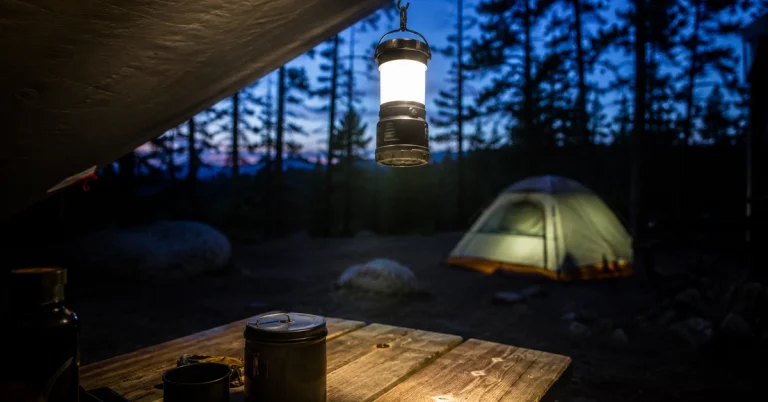
Because there are no services, self-sufficiency is the whole game. Water, waste, power, and a warm place to sleep are the four things you cannot improvise once you are miles down a forest road. A good gear checklist from REI is worth reviewing before your first trip.
- Budget: a collapsible water container to haul several days of drinking and cooking water
- Mid-range: a portable camping toilet or waste kit to pack out human waste responsibly
- Premium: a portable power station to keep phones, lights, and a cooler running off-grid
Do Not Forget the Basics
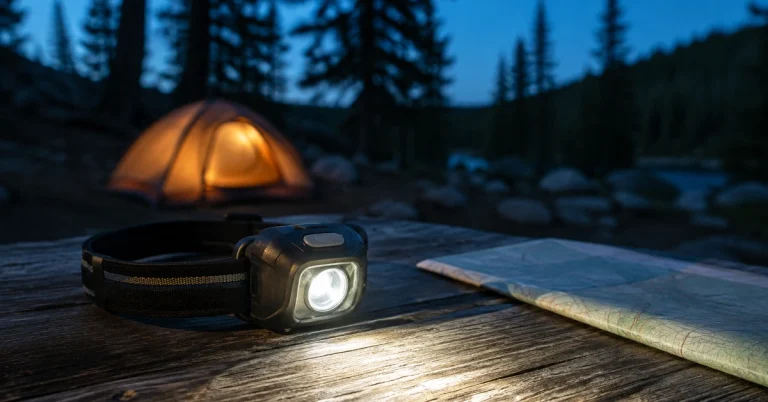
A warm sleep system matters more when you have no cabin or camp store nearby. Pack a season-appropriate bag, a sleeping pad, layers, a headlamp, and a first aid kit. Our guide to choosing a summer sleeping bag can help you match your bag to the nights you expect.
- Plenty of water, plus a filter or tablets for backup
- Trash bags to pack out every piece of waste
- A shovel for digging a cat hole if you have no toilet
- Paper maps and a compass in case you lose signal
- A fully charged power bank and extra batteries
Dispersed Camping Rules at a Glance
| Rule of Thumb | What to Do | Why It Matters |
|---|---|---|
| Stay limit | Move on after 14 days | Most districts cap stays to protect the land |
| Distance from water | Camp 200 feet away | Keeps water clean and wildlife safe |
| Campfires | Check current fire rules | Bans are common in dry season |
| Waste | Pack it all out | There is no trash service at all |
| Campsite choice | Reuse existing sites | Prevents new damage to plants and soil |
Frequently Asked Questions
Is dispersed camping really free?
Yes, on most national forest and Bureau of Land Management land there is no fee to camp in dispersed areas. You are paying with self-reliance instead of money, since you supply all your own water, power, and waste handling.
How long can I stay in one spot?
Most areas allow up to 14 days within a rolling window, then ask you to move several miles away. Limits vary by district, so confirm the exact rule with the local ranger office before a long trip.
Do I need a permit?
Many areas need no permit at all, but some require a free dispersed camping permit or a fire permit during dry months. Check the managing agency website for the specific forest or district you plan to visit.
Is it safe for beginners?
It can be, as long as you tell someone your plans, arrive with a full tank of gas, and pick a spot with a little cell signal for your first few trips. Start close to a town, then venture further out as you gain confidence.
Final Thoughts
Dispersed camping rewards a bit of planning with quiet nights, big views, and a campsite that costs nothing. Learn the local rules, pack for full self-sufficiency, and leave every spot cleaner than you found it. When you are ready to bring the whole crew, our ultimate guide to family summer camping will help you scale up the fun.
Discover more from Maive Verse
Subscribe to get the latest posts sent to your email.