

Master solo hiking safety with our guide on satellite messengers. Learn technical protocols for emergency SOS, tracking, and redundant communication.
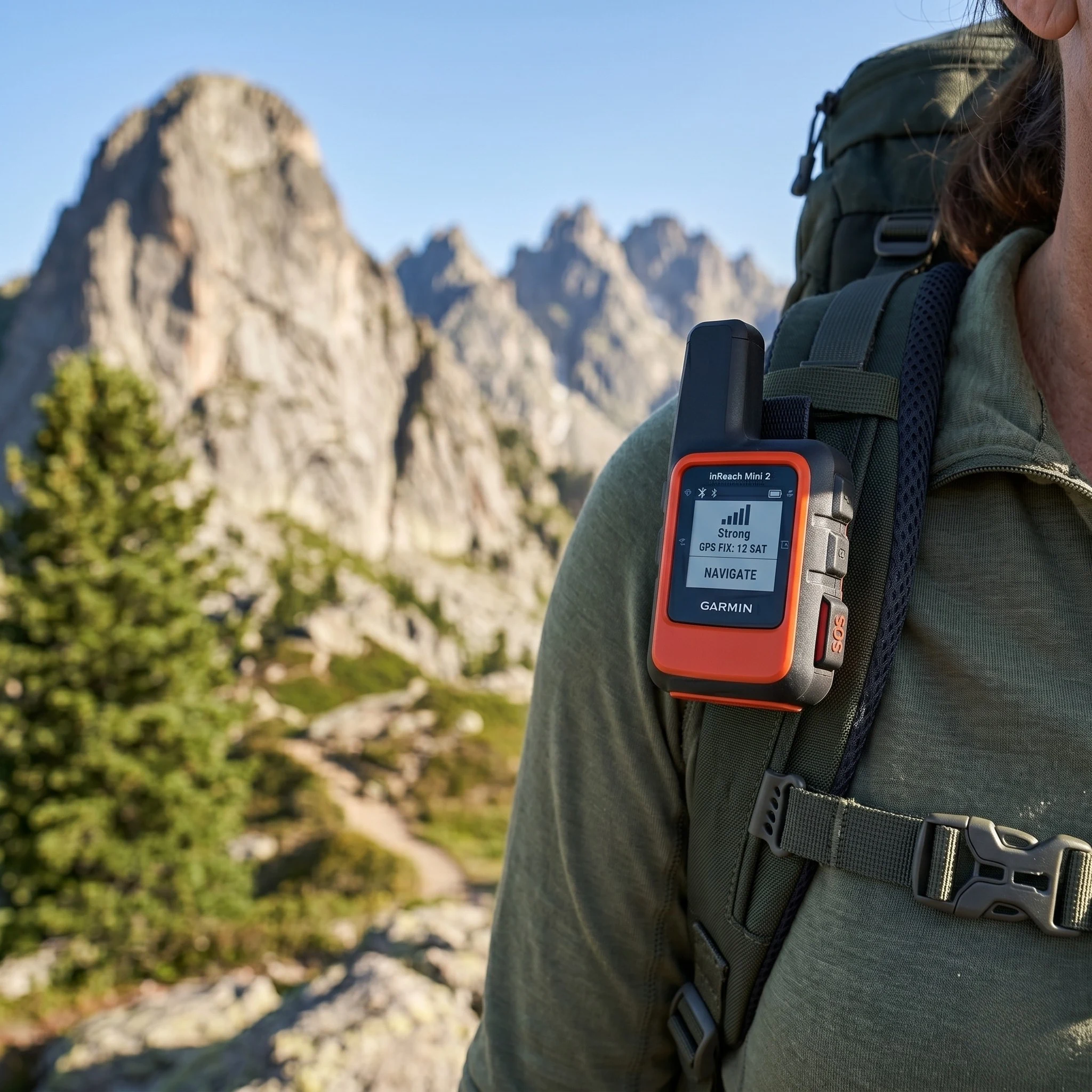
Table of Contents
Introduction: The Mechanical Requirement for Remote Communication
Utilizing satellite messengers is a technical requirement for any individual engaging in high-stakes solo wilderness travel. In remote backcountry environments, standard cellular infrastructure frequently fails due to terrain shadowing and lack of tower density. For those transitioning into Solo Bikepacking Safety or extended mountain trekking, the ability to transmit data outside of traditional networks is a non-negotiable safety protocol. A satellite messenger serves as a dedicated digital lifeline, facilitating two-way communication, real-time tracking, and emergency rescue coordination.
The primary objective of this hardware is the prevention of isolation during a crisis. Unlike standard GPS units used for Off-Road Navigation, messengers focus on the transmission of short-burst data packets to global satellite constellations. This guide provides a disciplined technical analysis of how to select, configure, and operate these devices to maintain a positive safety balance. Mastering these systems is as critical for the solo hiker as the physical conditioning found in a Bikepacking Training Plan.
1. Understanding the Physics of Satellite Connectivity
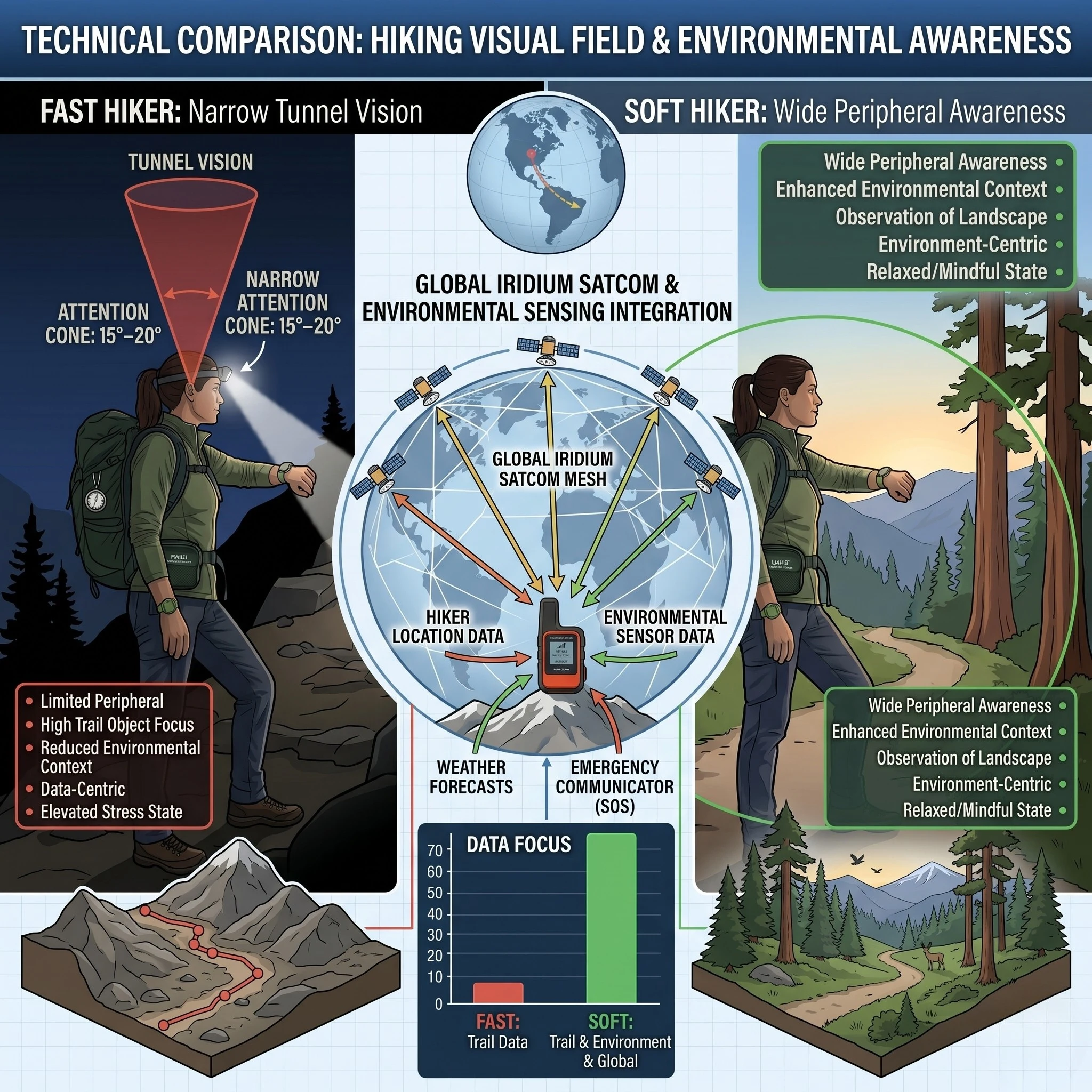
To effectively use satellite messengers, the hiker must understand the mechanical limitations of the signal path. Most modern devices, such as those from Garmin and Zoleo, utilize the Iridium Satellite Network, a constellation of 66 low-earth orbit (LEO) satellites. This provides 100% global coverage, including the poles.
Line-of-Sight Requirements
A satellite signal requires a clear line-of-sight to the sky. Dense forest canopies, narrow slot canyons, and high-angle granite walls can block or “shadow” the signal. The hiker must recognize that messages may not be sent instantly; the device must wait for a satellite to pass overhead. This understanding is vital for maintaining a calm Bikepacking Mindset when a message status remains “Pending” during a storm.
The Role of Antenna Orientation
Device placement is a primary operational factor. For optimal performance, the antenna should be oriented toward the zenith (directly upward). Attaching the device to the top of a pack or a shoulder strap is superior to placing it inside a pocket or a Bikepacking Bag.
2. Technical Comparison: Garmin inReach vs. Zoleo vs. Spot
Selecting from available satellite messengers requires an evaluation of the device’s feature set relative to the hiker’s specific needs for Solo Safety.
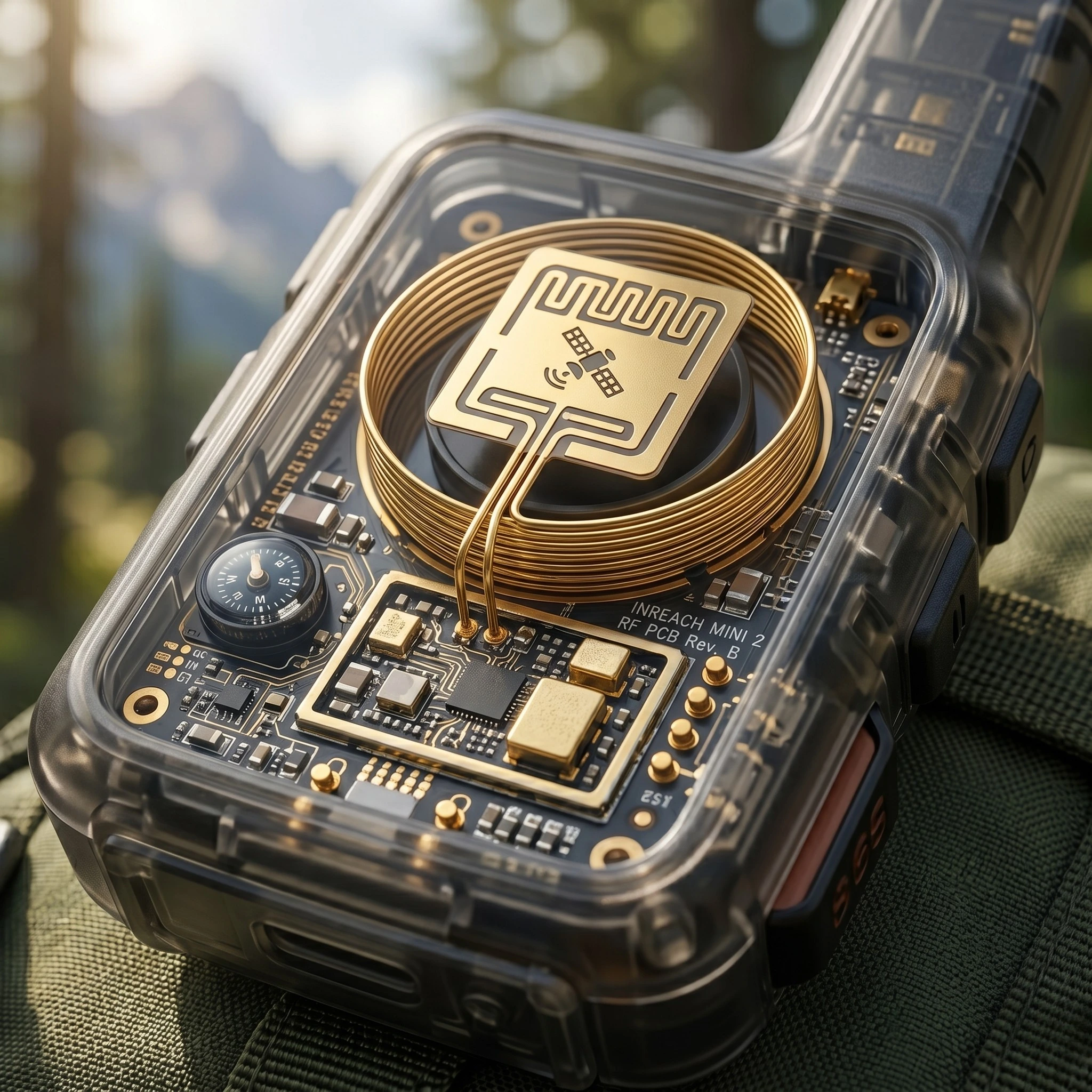
Garmin inReach Mini 2 (The Industry Standard)
Key Feature
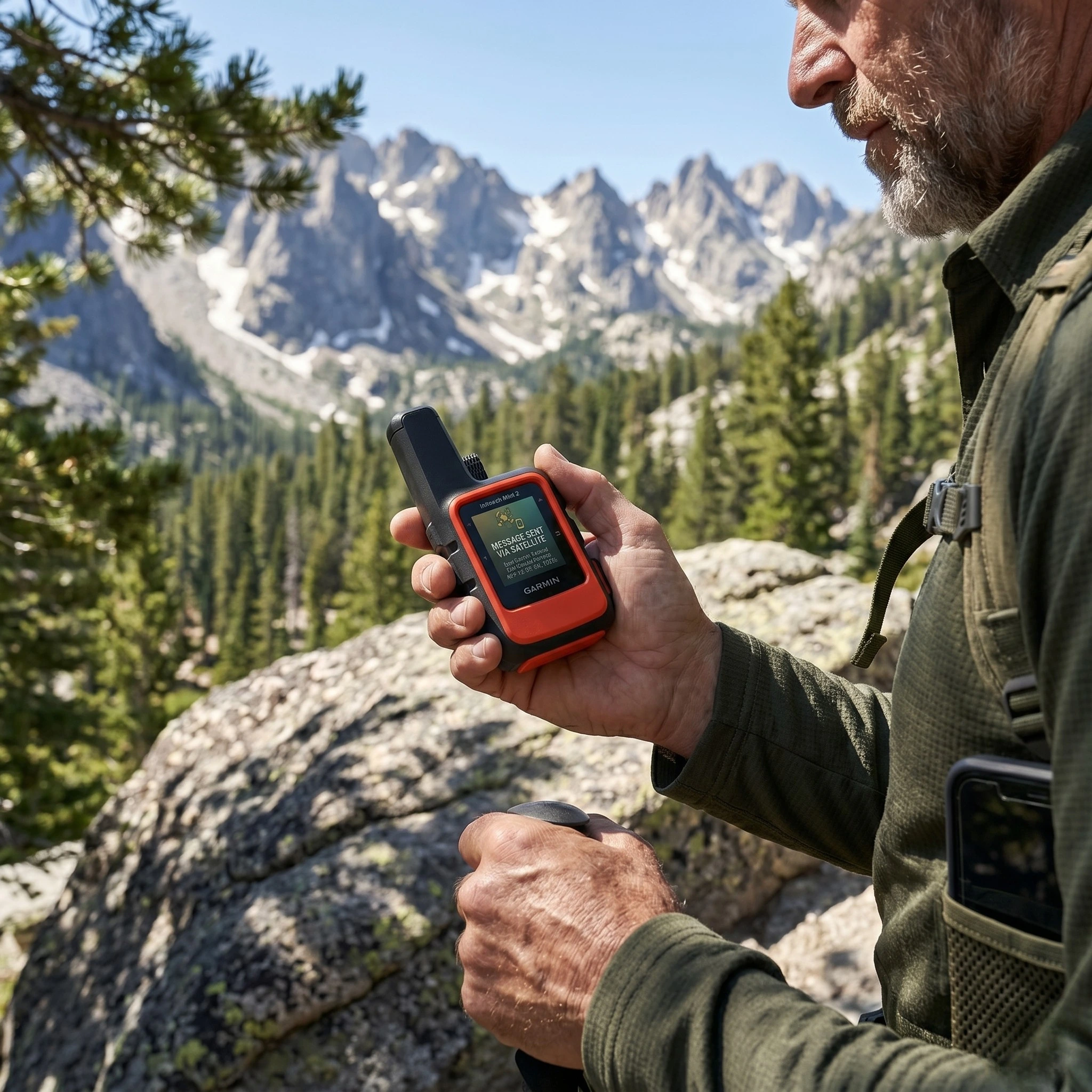
Pros
Cons
Zoleo Satellite Communicator (The Messaging Specialist)
Key Feature