
Master extreme solar protection with the best uv-protective hiking shirts of 2026. Learn the physics of UPF ratings, weave mechanics, and heat management.
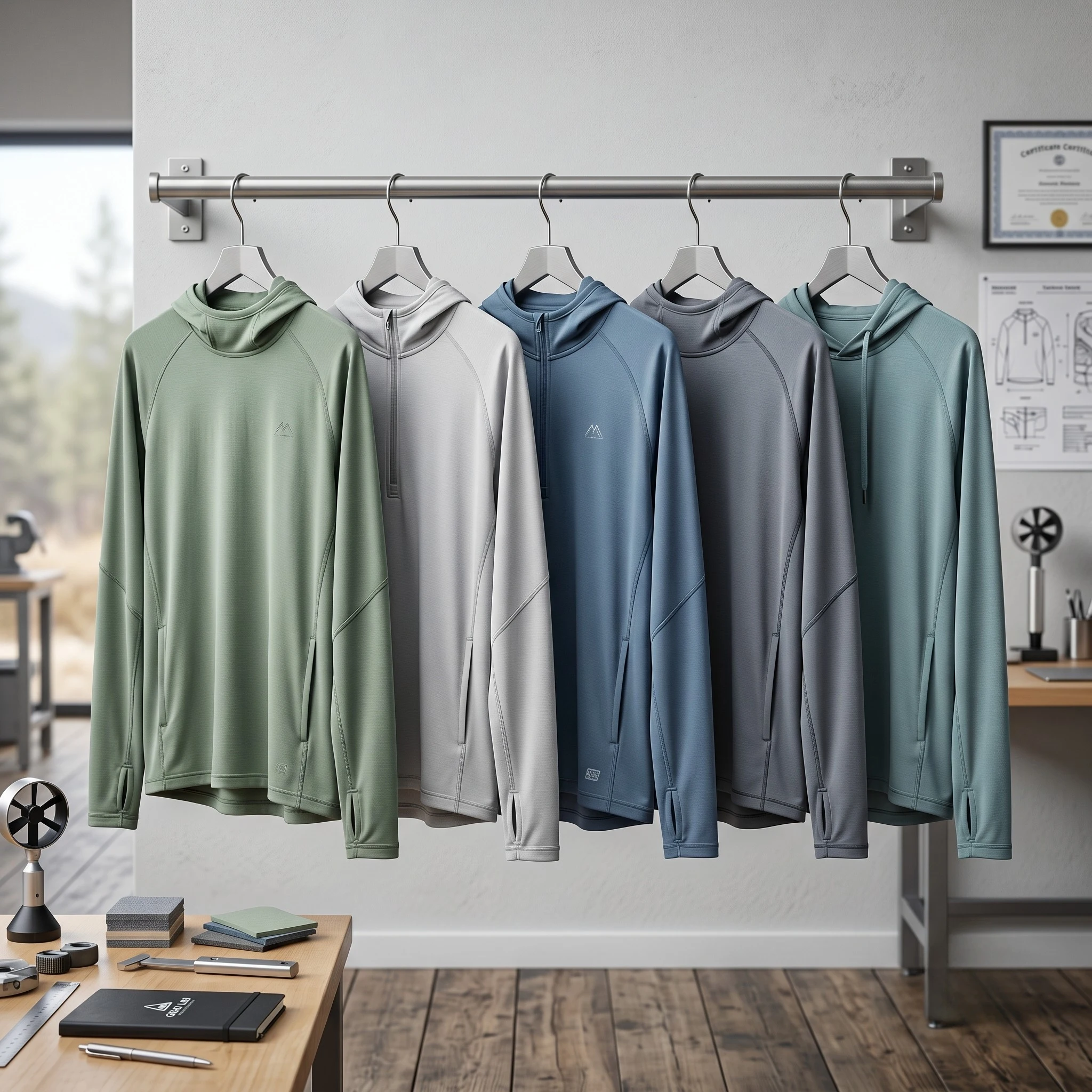
Table of Contents
Introduction: The Physics of Solar Radiation on the Trail
Selecting the best uv-protective hiking shirts is a fundamental requirement for maintaining physical health and cognitive performance during extreme summer trail travel. When traversing open alpine ridges, high-altitude deserts, or sun-exposed valley floors, the human body is subjected to intense electromagnetic radiation from the sun. Unlike standard recreational apparel, which offers minimal barrier efficiency against shortwave solar energy, specialized technical shirts are engineered to function as high-performance optical filters. This protective layer is the physiological equivalent of the Bikepacking Mindset required to navigate long-distance exhaustion.
For beginners transitioning from local paths to high-altitude routes, managing solar exposure is as critical as establishing a proper Bikepacking Training Plan. The cumulative impact of ultraviolet (UV) radiation on the skin causes systemic inflammation, accelerates dehydration, and degrades metabolic efficiency. By understanding the physics of fabric construction, thread density, and chemical finishes, an adventurer can choose apparel that actively assists in body temperature regulation and skin preservation. This guide provides a detailed, data-driven analysis of the five best shirts currently available for extreme summer sun in the 2026 season.
The Biophysics of UV Radiation: UVA vs. UVB
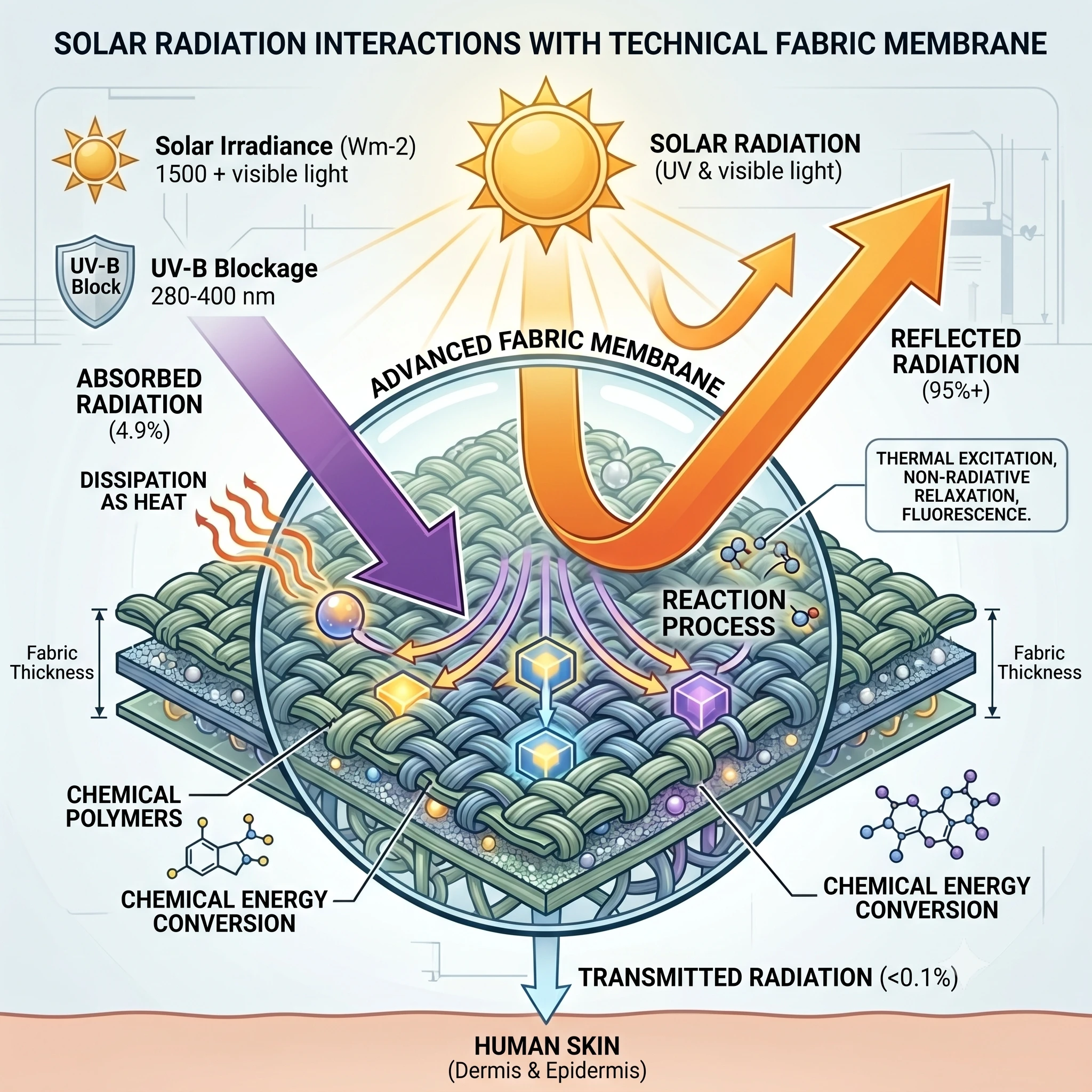
To select the best uv-protective hiking shirts, the adventurer must first understand the characteristics of the radiation they are defending against. Solar ultraviolet radiation that reaches the Earth’s surface is divided into two primary bands: Ultraviolet A (UVA) and Ultraviolet B (UVB). According to the World Health Organization (WHO) Sun Safety Guidelines, both bands pose distinct threats to human cellular structures, demanding a comprehensive, multi-spectral barrier.
Dalton’s Law and Photonic Energy Absorption
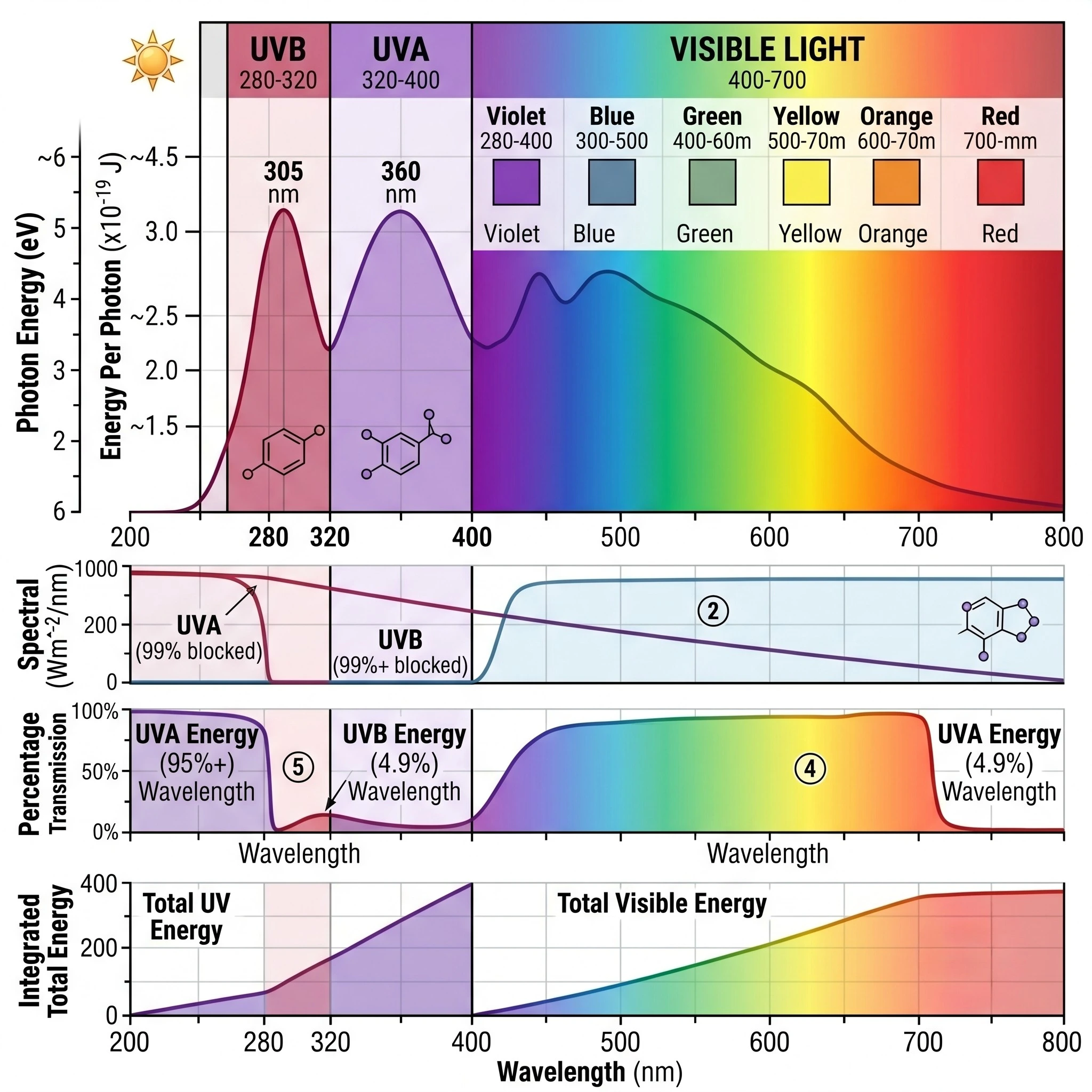
The energy ($E$) of a single solar photon is inversely proportional to its wavelength ($\lambda$), defined by the fundamental quantum mechanical equation:$$E = \frac{h \cdot c}{\lambda}$$
Where:
- $h$ is Planck’s constant ($6.626 \times 10^{-34} \text{ J}\cdot\text{s}$).
- $c$ is the speed of light ($2.998 \times 10^8 \text{ m/s}$).
- $\lambda$ is the photon’s wavelength in meters.
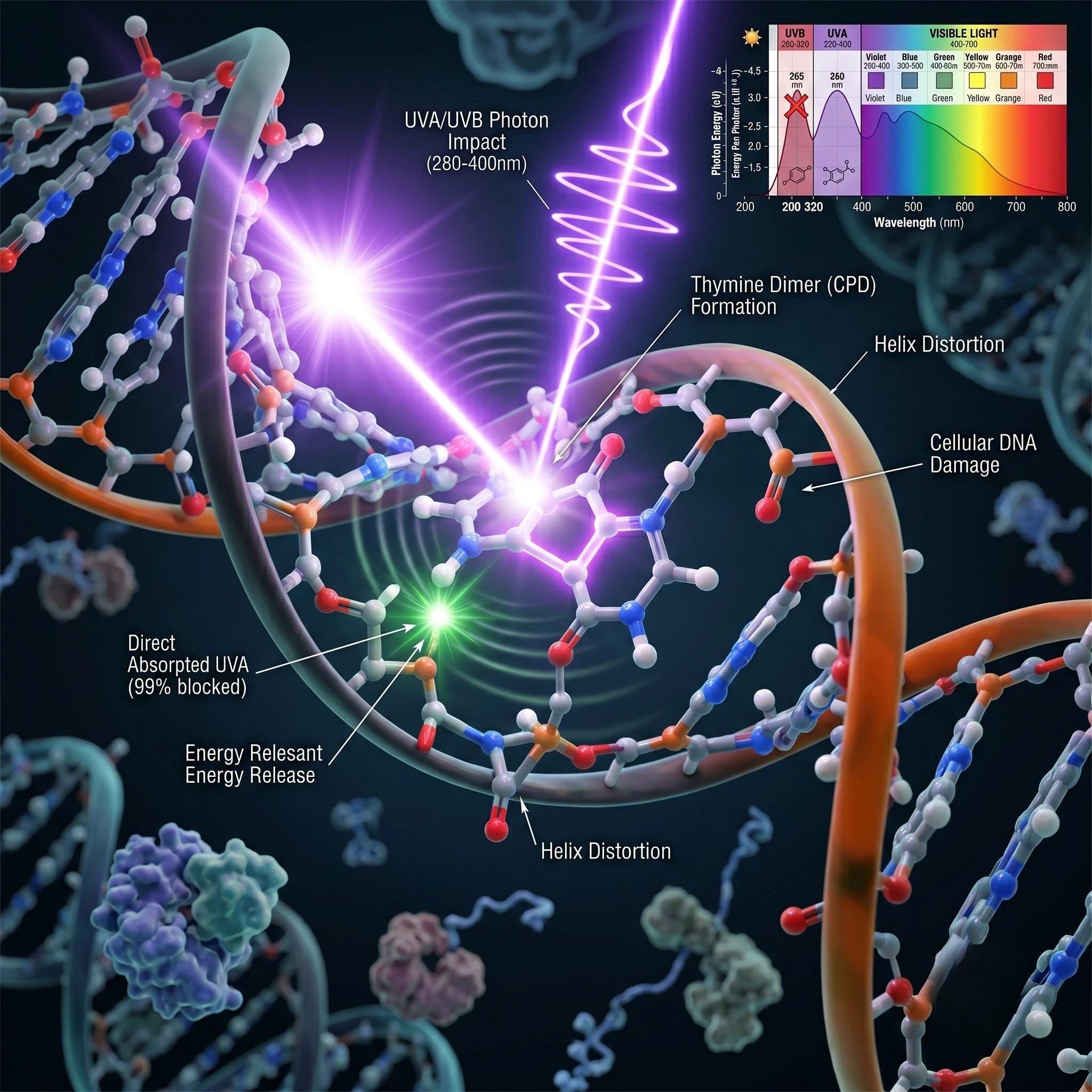
Because UVB radiation operates at shorter wavelengths ($280\text{ to }320\text{ nm}$), its photons carry higher individual energy levels than UVA ($320\text{ to }400\text{ nm}$). This high-energy state allows UVB to directly damage DNA molecules in the skin’s epidermal layers, leading to acute sunburn and cellular mutations. This process of cellular stress is as physically taxing as navigating the Difficult Routes of a remote mountain pass.
Physiological Impact on Skin and Immunological Stress
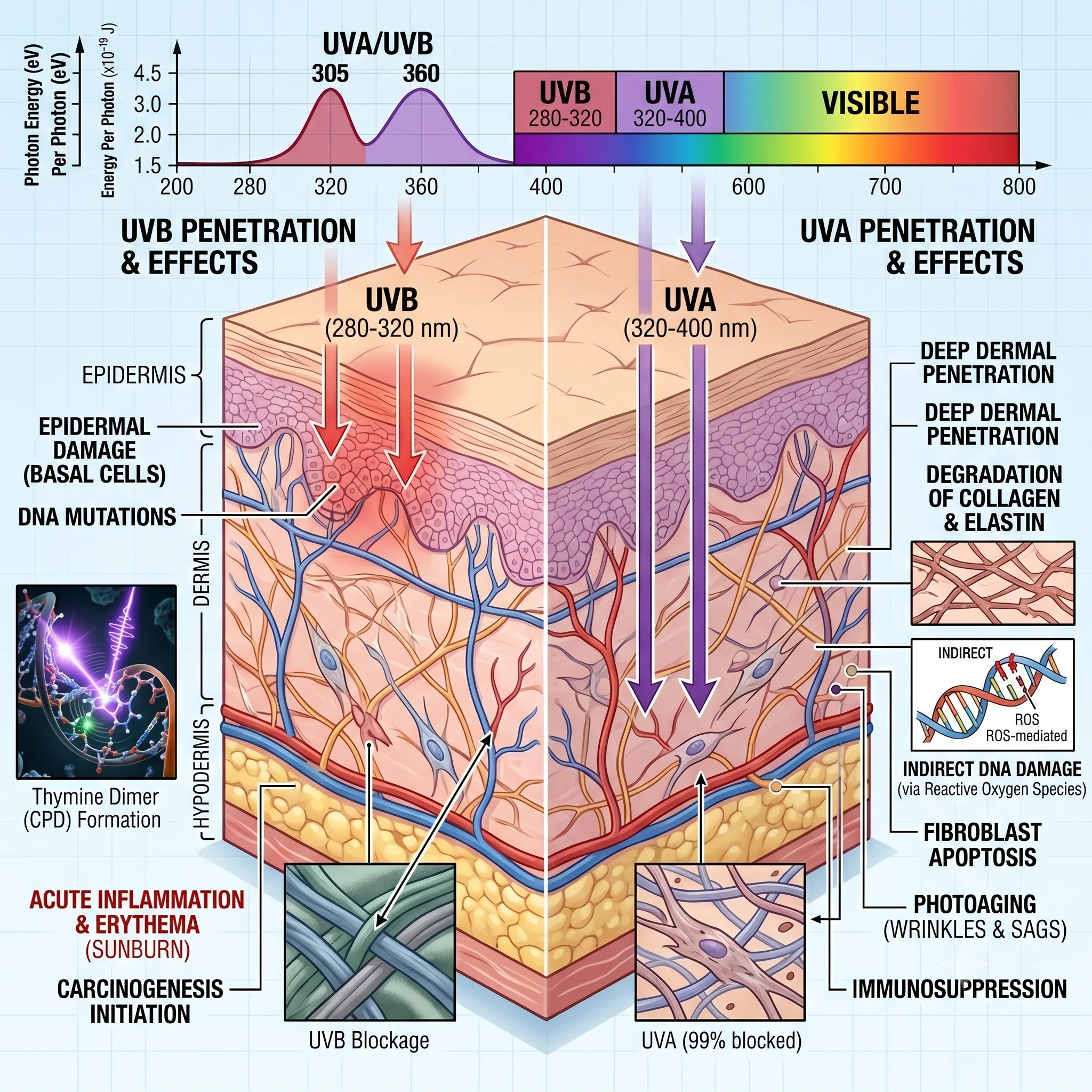
UVA radiation, although carrying lower photonic energy, penetrates deeper into the dermal layers. It destroys collagen and elastin fibers, leading to premature aging, and generates highly reactive oxygen species (ROS) that cause indirect DNA damage. Overexposure to both bands triggers a systemic inflammatory response, redirecting valuable blood plasma and immune resources away from the working muscles to repair skin damage.
This physiological strain accelerates the onset of fatigue and increases the body’s sweat rate, making a proper Hiking Hydration Guide protocol even more critical. To understand the cellular mechanisms of this immunological stress, refer to the research published by the National Institutes of Health (NIH).
Decoding UPF Ratings: The Science of Fabric Defense
The standard metric used to measure the sun-protective performance of textiles is the Ultraviolet Protection Factor (UPF). While SPF (Sun Protection Factor) measures the effectiveness of topical sunscreens against UVB only, UPF evaluates a fabric’s ability to block both UVA and UVB radiation.

The Standardized ASTM D6603 and AATCC 183 Methods
The evaluation of the best uv-protective hiking shirts is governed by strict laboratory testing standards established by organizations like the American Society for Testing and Materials under ASTM D6603 Standards and the American Association of Textile Chemists and Colorists under the AATCC TM183 Test Method.
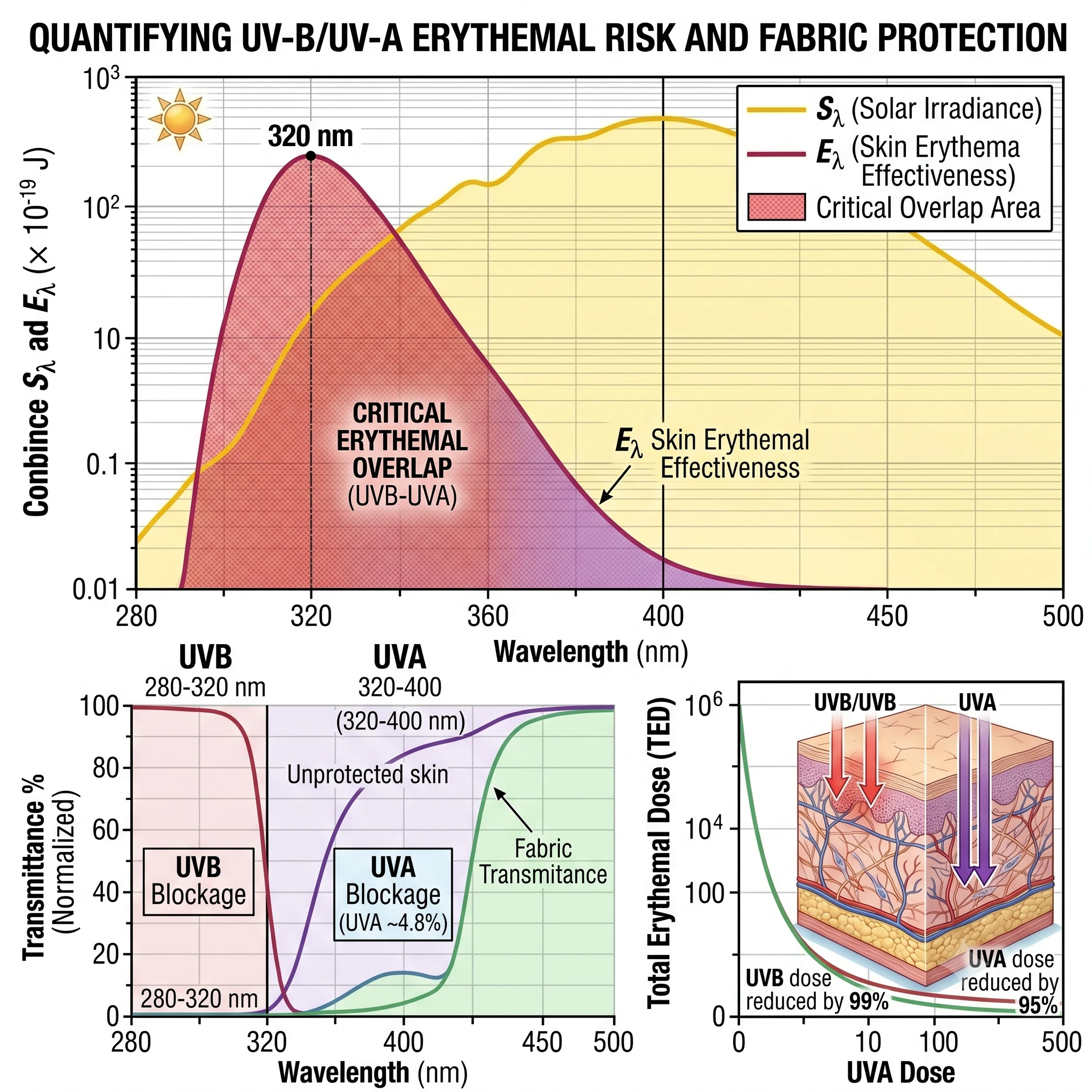
These tests use a spectrophotometer to measure the spectral transmission of UV radiation through a fabric sample across a range of $290\text{ to }400\text{ nm}$. The UPF value is mathematically calculated using the following integration formula:$$UPF = \frac{\sum_{290}^{400} E_\lambda \cdot S_\lambda \cdot \Delta\lambda}{\sum_{290}^{400} E_\lambda \cdot S_\lambda \cdot T_\lambda \cdot \Delta\lambda}$$
Where:
- $E_\lambda$ is the relative erythemal spectral effectiveness (the skin’s sensitivity to each wavelength).
- $S_\lambda$ is the solar spectral irradiance (the intensity of the sun at each wavelength).
- $T_\lambda$ is the spectral transmission of the fabric sample.
- $\Delta\lambda$ is the wavelength interval used in the measurement (typically $5\text{ nm}$).
A fabric must block at least 97.5% of UV radiation to receive a UPF 40 rating, and at least 98% to receive a UPF 50+ rating. This level of defense is highly recommended by the Skin Cancer Foundation for anyone engaging in prolonged outdoor exposure.
Thread Density, Weave Patterns, and Dye Chemistry
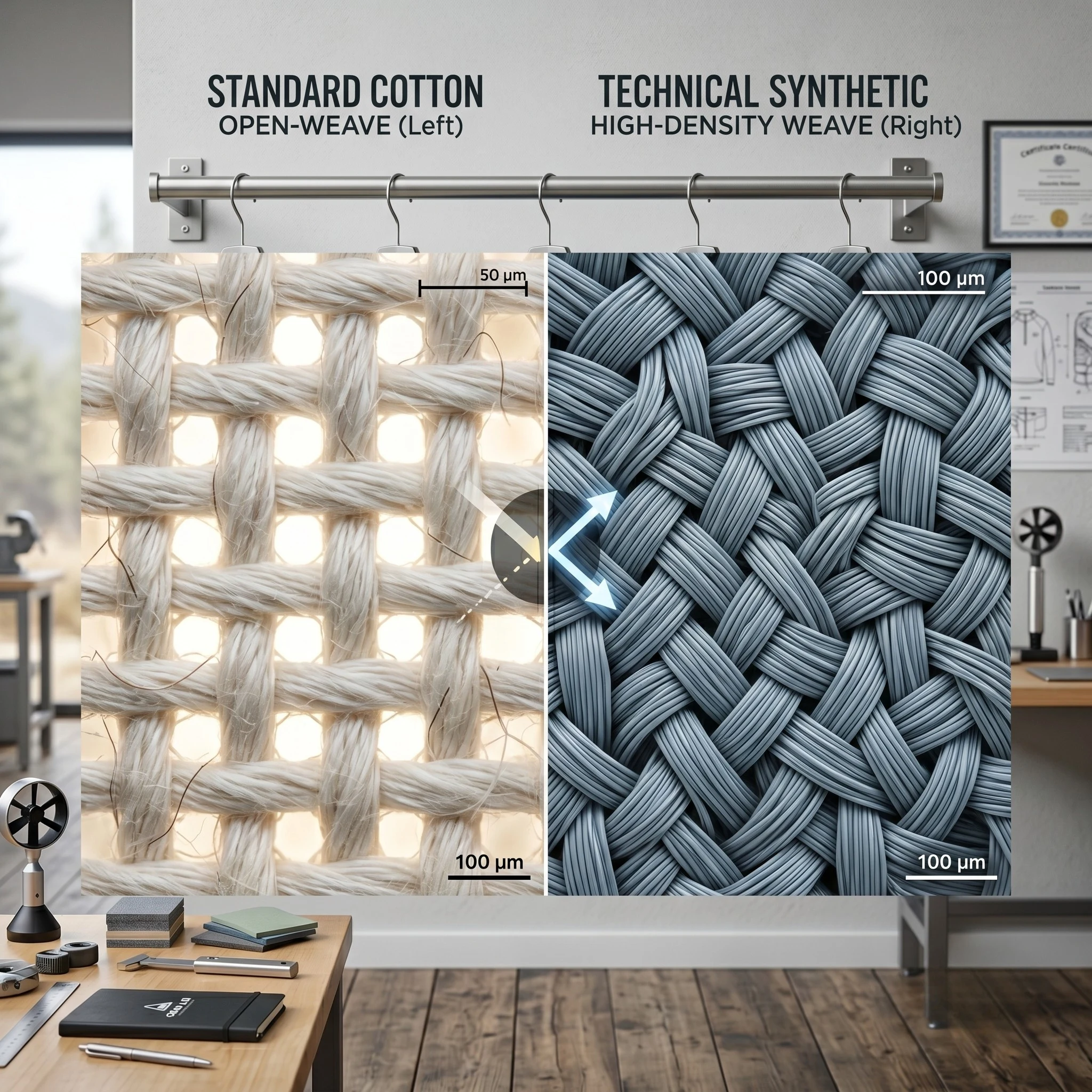
The mechanical construction of the fabric is the primary factor in determining its baseline UPF rating.
- Thread Density: The closer the threads are to one another, the smaller the microscopic gaps (apertures) through which light can pass.
- Weave Patterns: Twill and heavy knit structures provide superior coverage compared to open, porous mesh weaves.
- Dye Chemistry: Darker colors and highly saturated dyes contain pigments that absorb significantly more UV radiation than white or pastel fabrics. This absorption is similar to the light-trapping properties of the technical materials used in our Best Ski Goggles guides.
Wet vs. Dry UPF Performance Decay
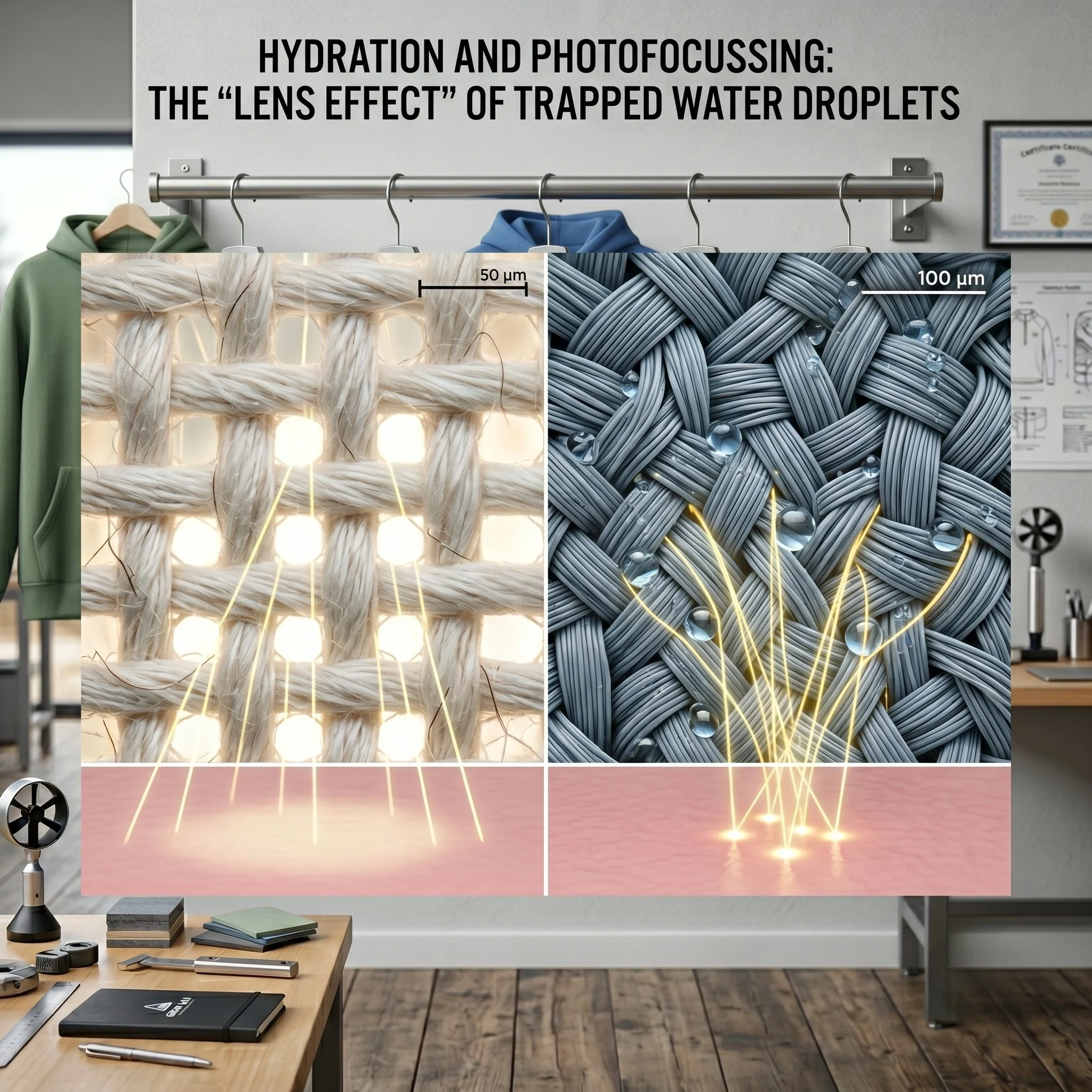
A critical consideration for summer hikers is that a fabric’s UPF rating can degrade when the material becomes wet. When a shirt absorbs sweat or water, the fibers swell, and the water filling the gaps between the threads acts as a lens, focusing and transmitting more UV light to the skin.
For some fabrics, wetness can reduce the effective UPF rating by up to 50%. The best uv-protective hiking shirts utilize hydrophobic fibers and specialized construction to maintain their protective rating even when saturated, a technical requirement also analyzed in our Wet Weather Bikepacking Guide.
Technical Criteria for Selecting High-Performance Sun Apparel
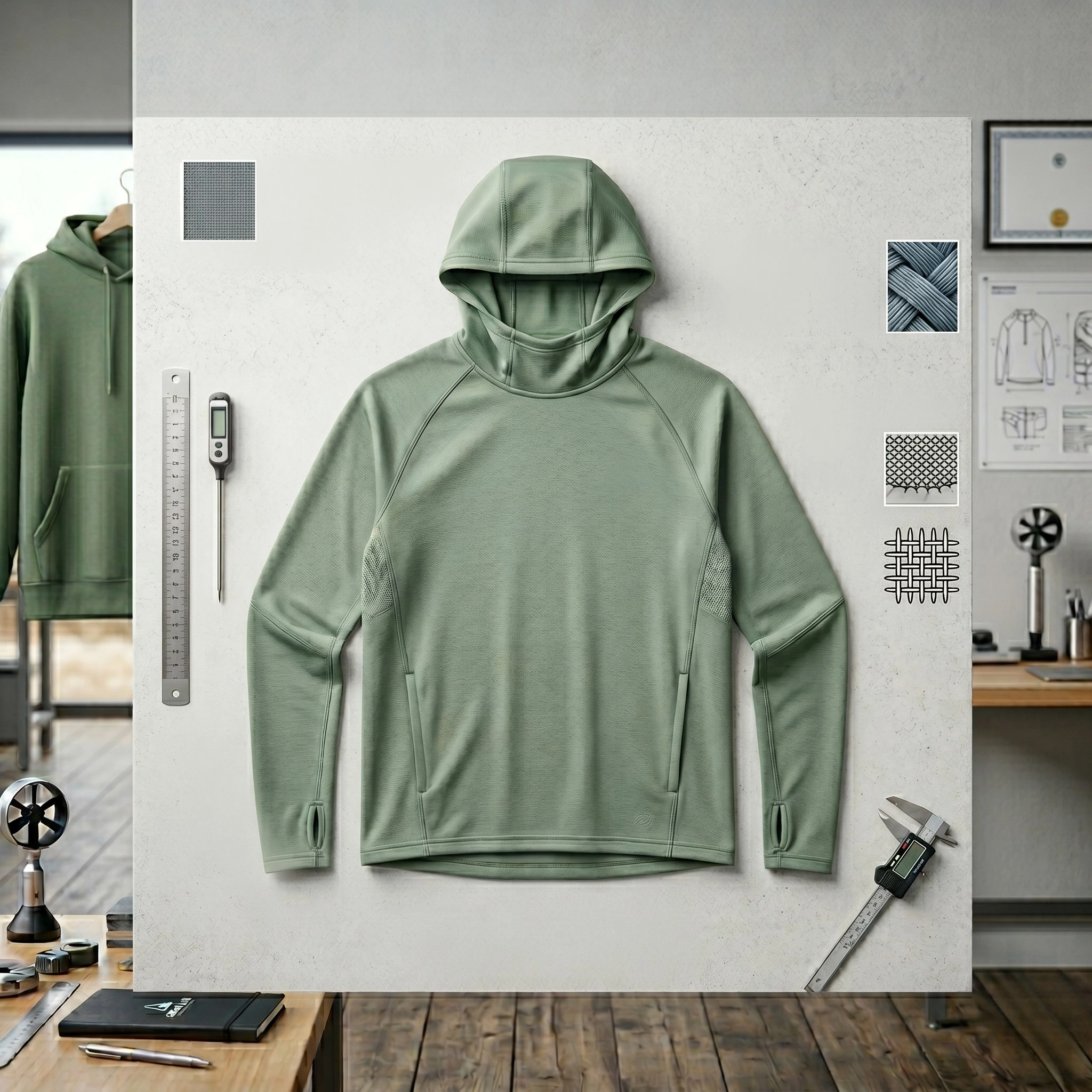
Before investing in specific models, the adventurer must understand the technical metrics that define high-performance sun apparel. These standards ensure that the garment remains comfortable and functional under extreme thermal loads.
Moisture Wicking, Capillary Action, and Evaporative Cooling
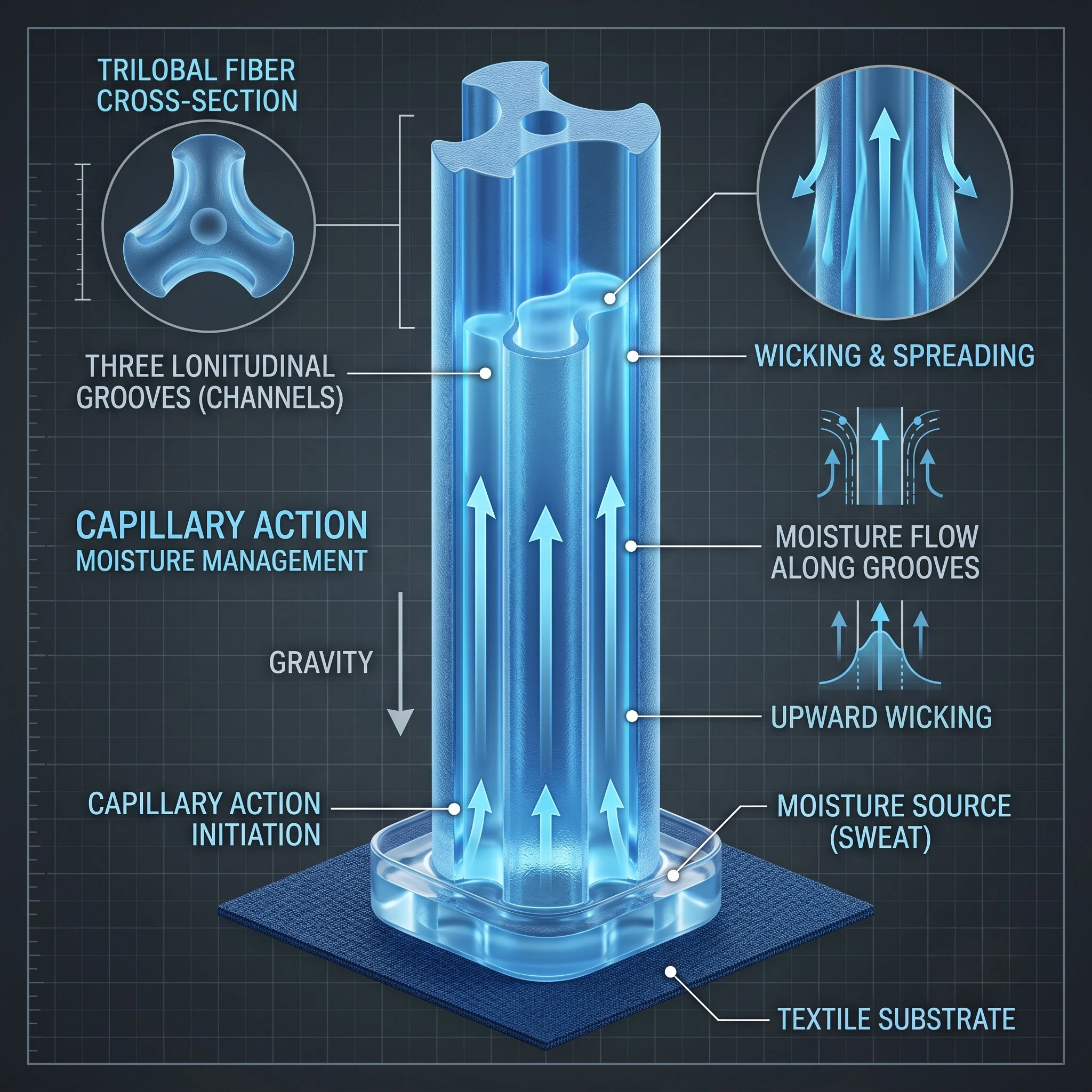
To prevent heat illness during high-temperature hikes—scenarios detailed in our Heat Hacking Guide—the shirt must facilitate rapid evaporative cooling. This relies on “capillary action,” where the physical structure of the fibers draws sweat away from the skin and distributes it across a large exterior surface area for fast evaporation. This fluid transport can be modeled by the Lucas-Washburn equation:$$h^2 = \frac{\gamma \cdot r \cdot \cos(\theta)}{2\eta} \cdot t$$
Where:
- $h$ is the height of the liquid front.
- $\gamma$ is the surface tension of the fluid (sweat)
- $r$ is the pore radius of the fiber channel.
- $\theta$ is the contact angle.
- $\eta$ is the dynamic viscosity.
- $t$ is time.
The best uv-protective hiking shirts utilize custom-shaped fibers (such as trilobal or clover-leaf profiles) that minimize the pore radius ($r$), accelerating the wicking height ($h$) and maximizing the rate of evaporative cooling. This cooling effect is the body’s primary mechanism for maintaining homeostatic temperature, a process that should be supported by a disciplined Hiking Hydration schedule.
Fiber Selection: Polyester, Nylon, and Merino Wool
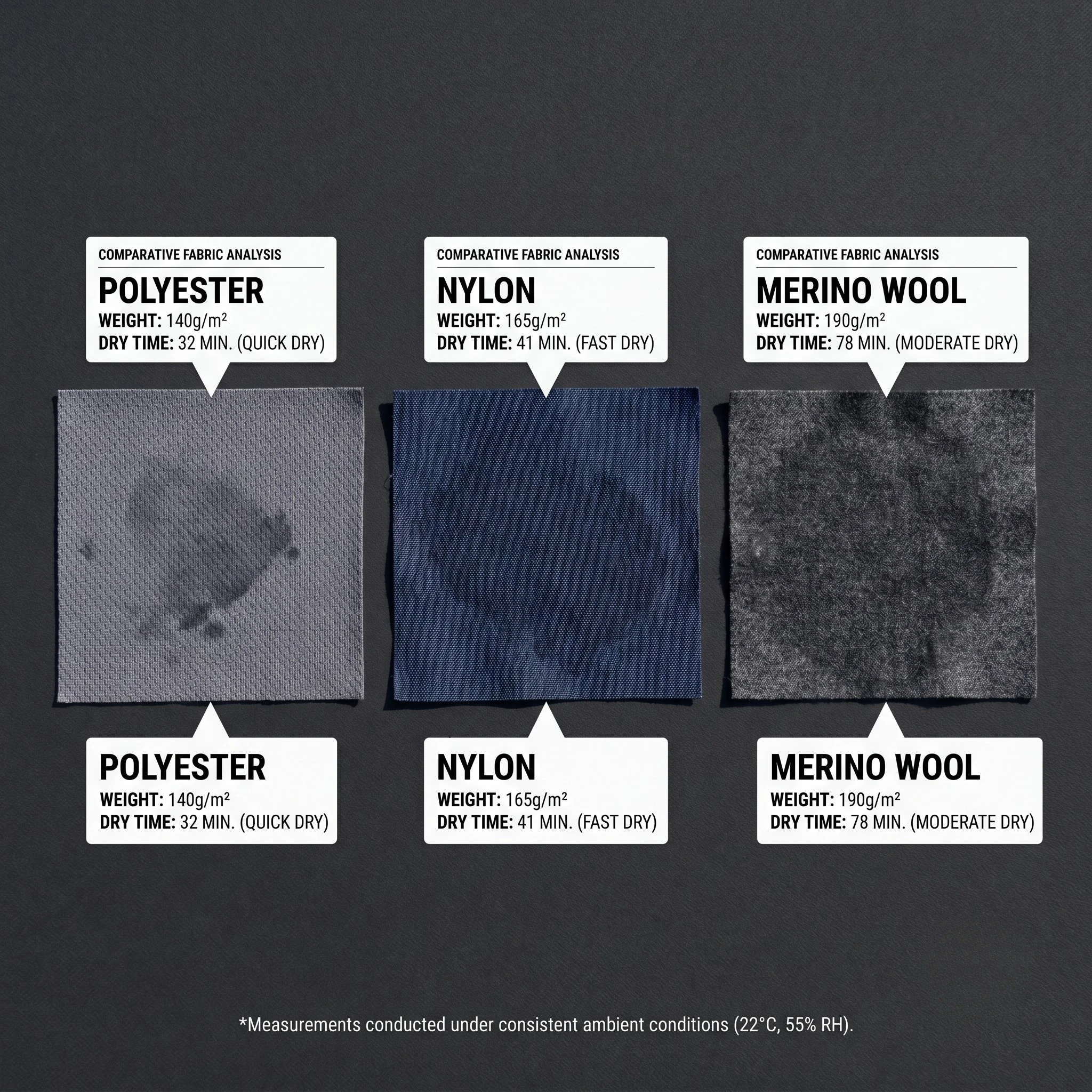
The choice of raw fiber dictates the garment’s durability, weight, and drying speed.
- Polyester: Offers the fastest drying times, exceptional strength-to-weight ratios, and natural hydrophobic properties. It is the preferred base material for most sun hoodies.
- Nylon: Provides superior abrasion resistance and a cooler “hand-feel” against the skin, making it ideal for rugged scrambling.
- Merino Wool: Offers natural temperature regulation and unmatched odor resistance, but is heavier and slower to dry than synthetics. This material is a key element of the layering strategies in our Ultimate Bikepacking Gear List.
Antimicrobial Treatments and Silver Ion Infusion
Synthetic fabrics are highly susceptible to bacterial buildup, which leads to permanent odors. High-performance shirts resolve this by incorporating antimicrobial treatments during the manufacturing process.
Infusing the fibers with silver ions (such as Polygiene or HeiQ Mint) disrupts the cellular membrane of bacteria, preventing them from multiplying. This technology ensures the garment remains fresh over multi-day expeditions, which is a key requirement for Thru-Hiking and Long-Distance Travel.

The 5 Best UV-Protective Hiking Shirts of 2026
The following five models have been selected based on their laboratory-verified UPF ratings, moisture-wicking efficiency, real-world durability, and trail versatility.
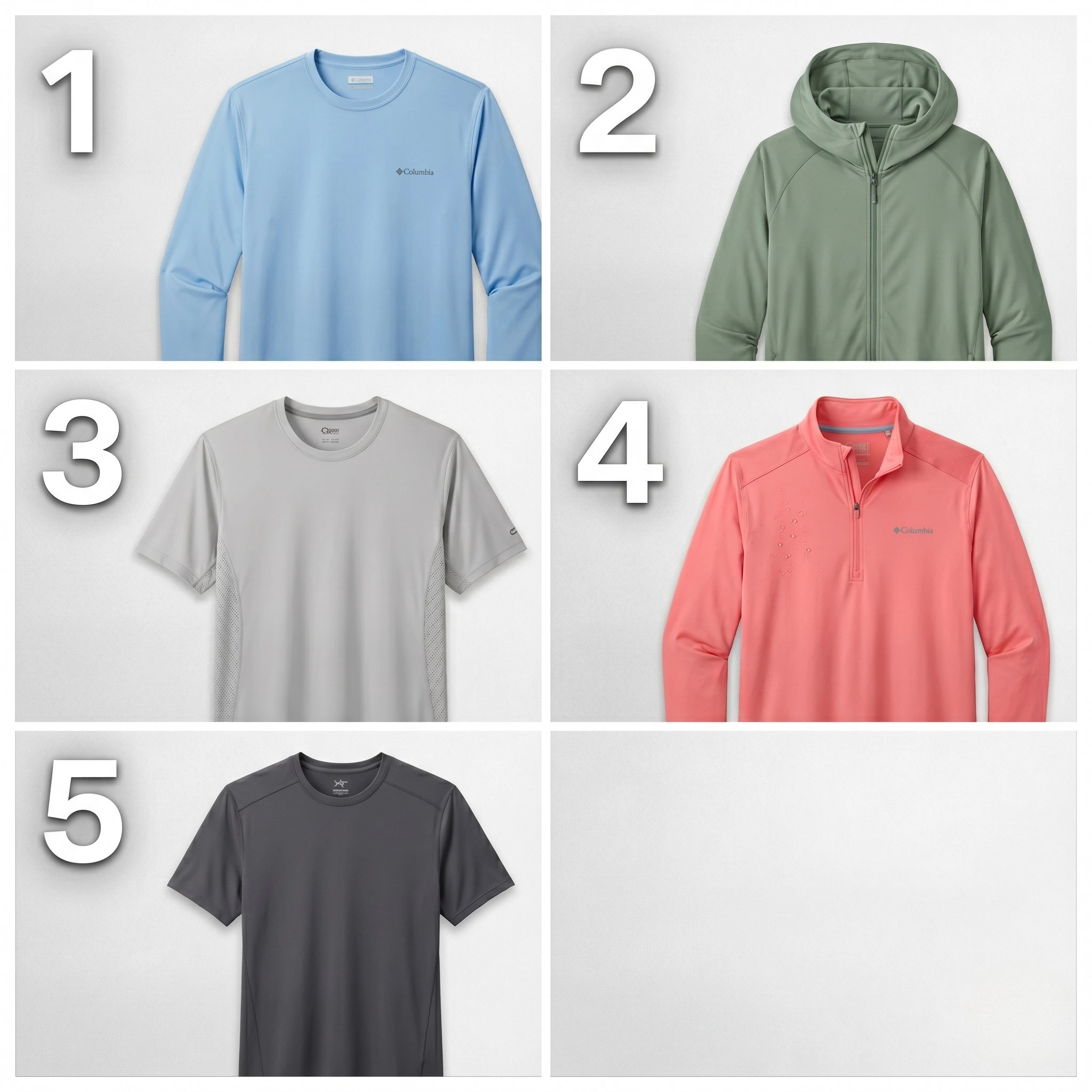
1. Outdoor Research Echo Hoodie (The Ultralight Champion)
The Outdoor Research Echo Hoodie is widely considered the gold standard for high-temperature exertion. It is designed for maximum breathability while maintaining reliable sun defense.
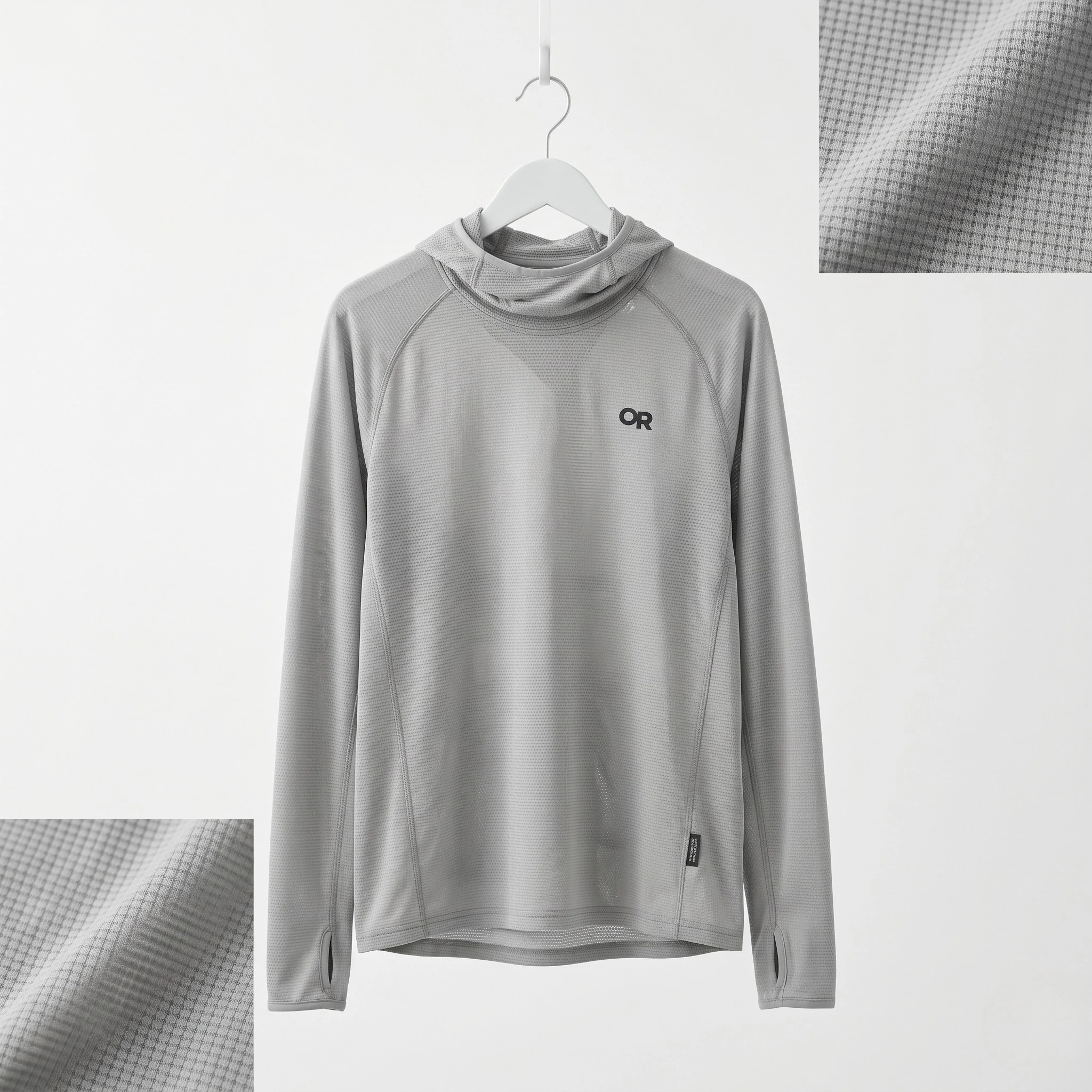
Technical Specifications and Materials
The Echo Hoodie is constructed from 100% recycled polyester utilizing AirGrid fabric technology. It features an incredibly lightweight fabric density of only $75\text{ g/m}^2$, making it virtually imperceptible on the body.
It is treated with HeiQ Pure odor control and offers a UPF 15 rating for light colors, and a UPF 20+ rating for darker colors. This ultralight construction makes it an ideal fit for the compact packing strategies in our Ultralight Daypack Hacks.
Strategic Advantages and Performance Benefits
- Airflow Maximization: The open-grid knit allows the slightest breeze to pass directly through the garment, accelerating evaporative cooling.
- Rapid Drying Time: Dries faster than any competitor in this guide, preventing the “wet-clump” feel during high-exertion climbs.
- Comfort and Mobility: Flatlock seams and underarm gussets eliminate under-pack chafing, a critical requirement for maintaining a positive Bikepacking Mindset.
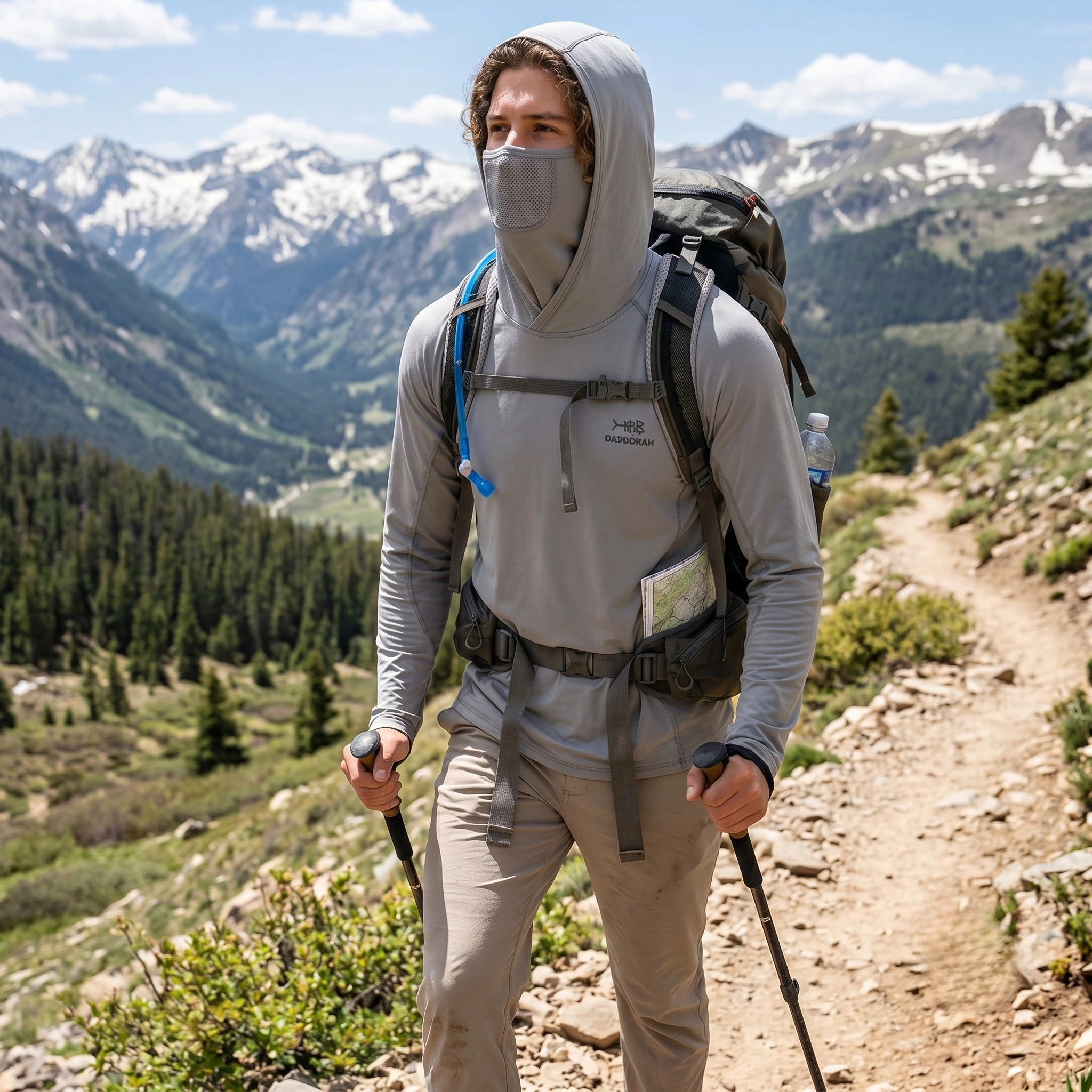
Potential Disadvantages and Operational Limitations
- Lower UPF Barrier: The open-knit structure means the UPF rating (15–20) is lower than heavy-duty competitors (50+). It is not recommended for individuals with extreme sun sensitivity or those traveling at extreme altitudes.
- Snag Vulnerability: The delicate grid mesh is susceptible to snagging on trail brush and rock faces.
2. Patagonia Capilene Cool Daily Hoody (Best Versatility)
Patagonia’s Capilene Cool Daily is a highly versatile garment that transitions seamlessly from high-output trail runs to water sports and casual travel.
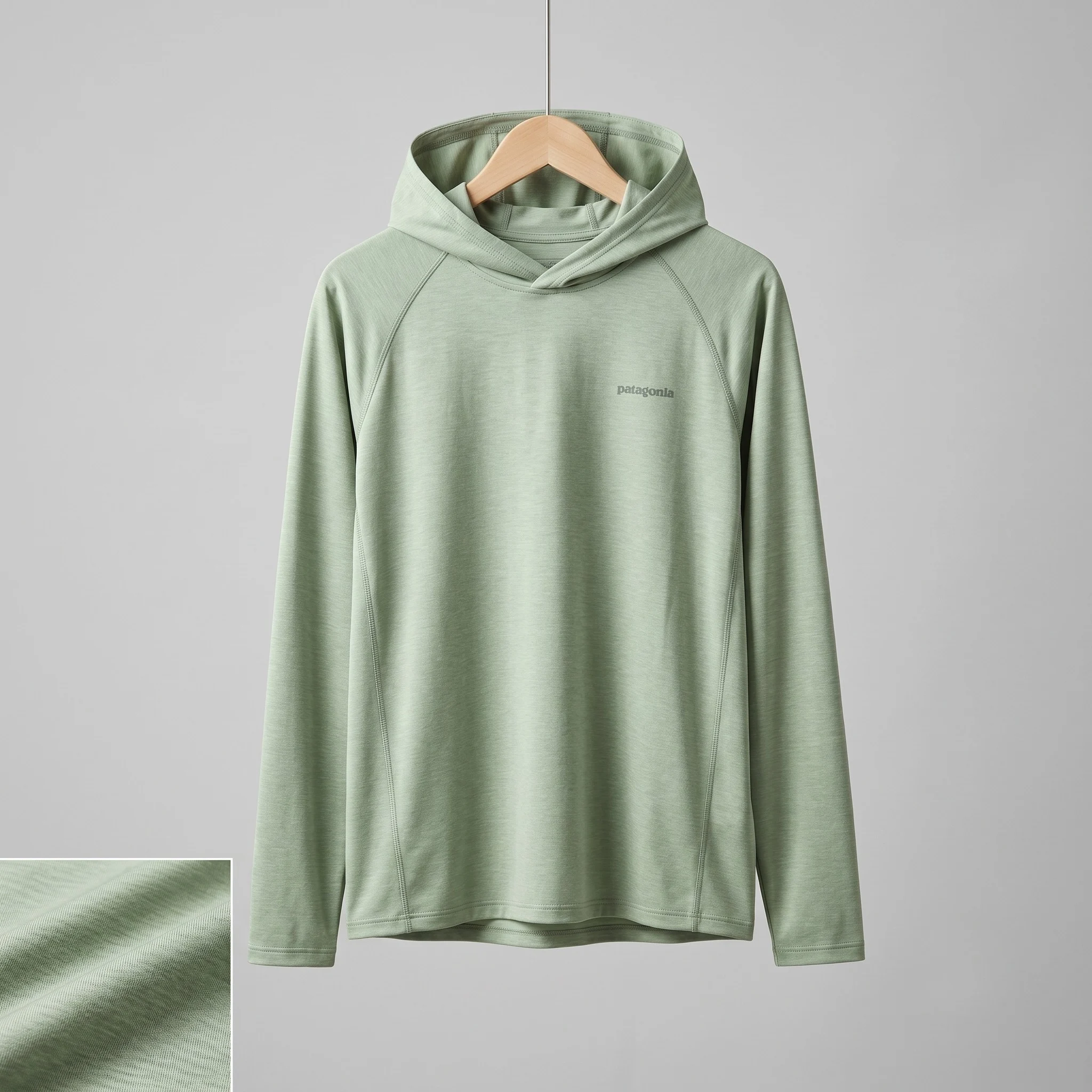
Technical Specifications and Materials
Constructed from 100% recycled polyester jersey ($125\text{ g/m}^2$), this hoody features MiDori bioSoft for added wicking and softness, and HeiQ Pure odor control. It offers a UPF 50+ rating, blocking 98% of harmful UV rays.
This robust barrier is highly recommended by the Skin Cancer Foundation Prevention Guidelines. This level of safety is a primary pillar of our Bikepacking for Beginners Overnight Guide.
Strategic Advantages and Performance Benefits
- Premium Hand-Feel: The jersey knit has a silk-like texture that feels cool against the skin, even in direct heat.
- High UPF Security: Provides maximum sun defense, making it suitable for long days in the Extreme Summer Sun.
- Environmental Sustainability: Constructed entirely from recycled ocean plastics, aligning with the standards in our Eco-Friendly Hiking Guide.
Potential Disadvantages and Operational Limitations
- Heat Retention: The tighter jersey weave retains more ambient body heat than open-mesh designs. In humid, windless conditions, it can feel warmer than the Outdoor Research Echo.
- Weight: At $125\text{ g/m}^2$, it is heavier and bulkier when packed.
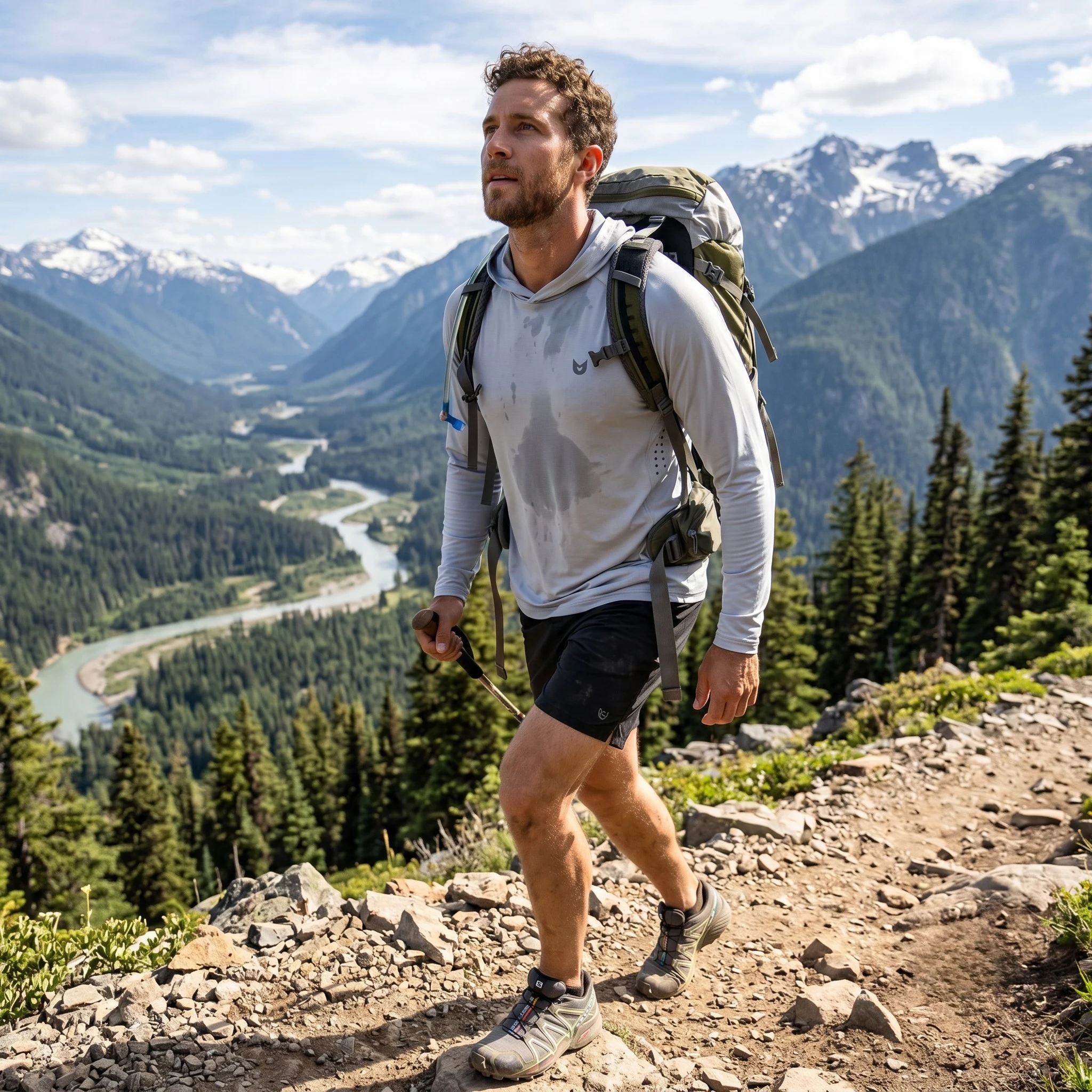
3. Columbia PFG Bahama II (Best Utility and Airflow)
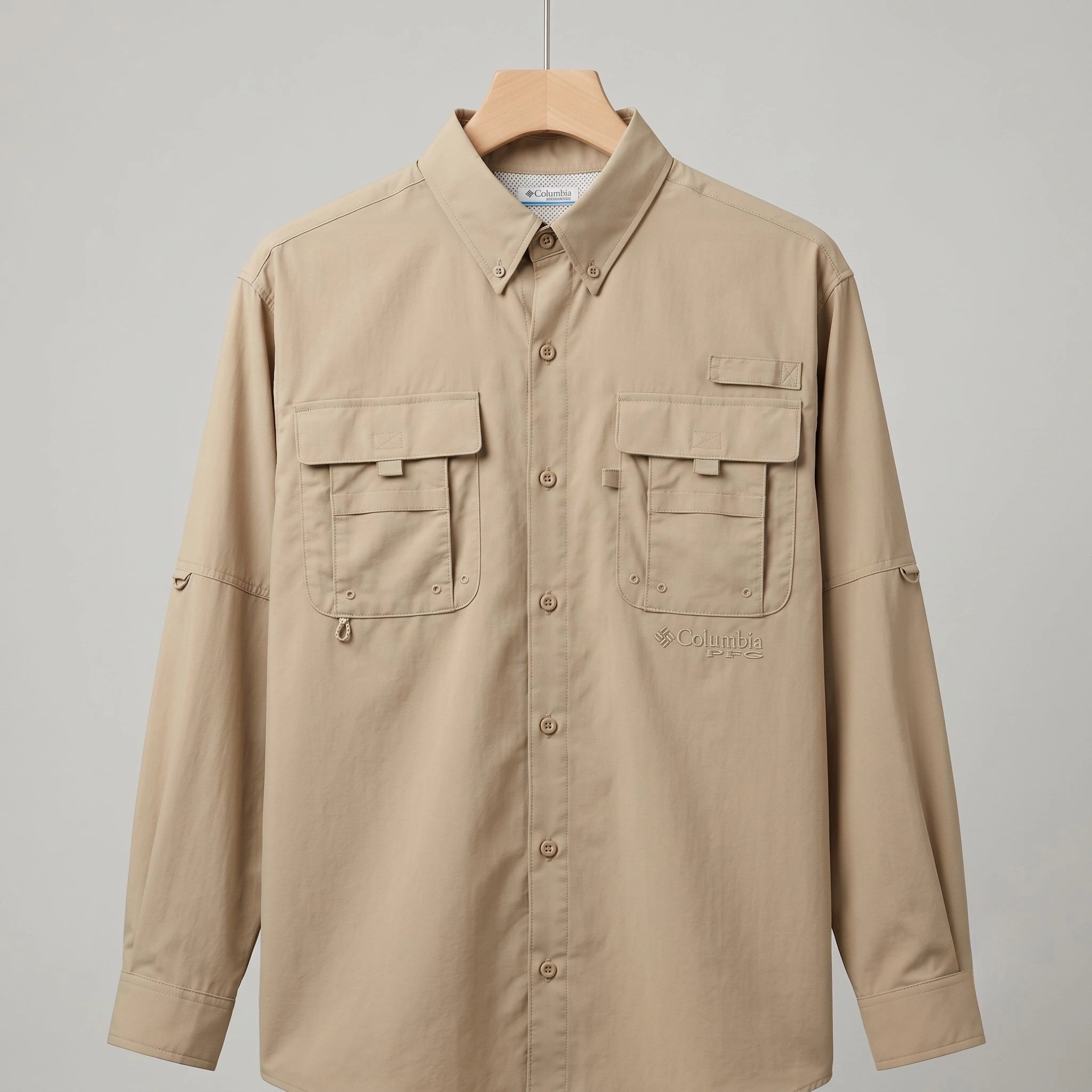
For hikers who prefer a traditional button-down aesthetic with physical venting options, the Columbia PFG Bahama II remains an industry icon.
Technical Specifications and Materials
The Bahama II is constructed from 100% Back Country nylon tactel, a highly abrasion-resistant fiber. It features a mesh-lined back vent that allows air to circulate freely.
It is treated with Omni-Shade technology to achieve a UPF 30 rating. This rugged utility is a prerequisite for navigating Rugged Terrains or performing trail maintenance with heavy tools.
Strategic Advantages and Performance Benefits
- Mechanical Ventilation: The massive cape vent on the upper back allows body heat to escape immediately, providing excellent airflow in hot environments.
- High Durability: The nylon tactel fabric is virtually impervious to tears from thorns, branches, and rock surfaces.
- Roll-Up sleeves: Features integrated button-tabs to secure rolled-up sleeves during active work or Water Filtration tasks.
Potential Disadvantages and Operational Limitations
- High Bulk: Takes up significantly more space in a Bikepacking Bag than minimalist hoodies.
- Heavy Weight: The heaviest shirt in this guide, making it less suitable for fast-and-light packing lists.
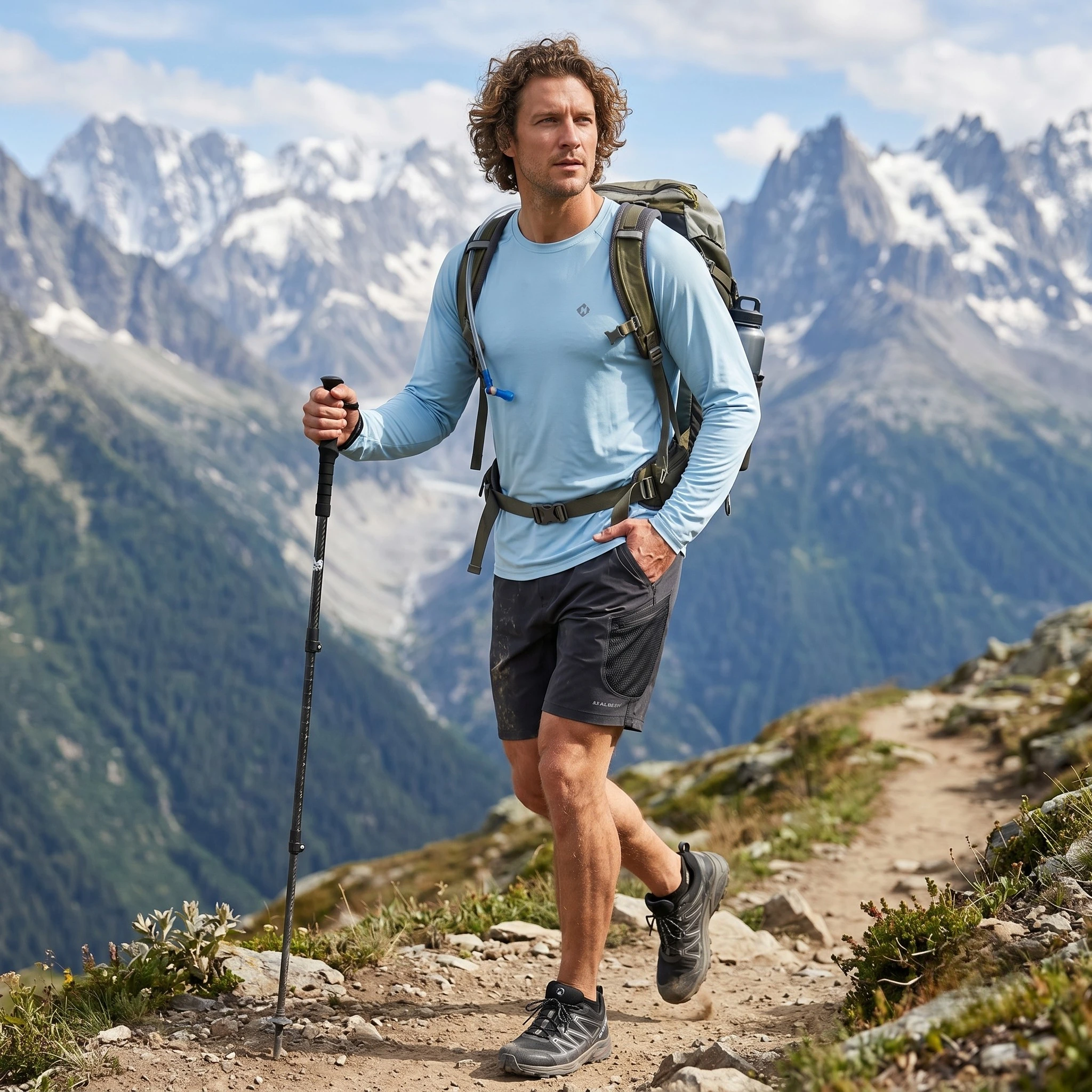
4. REI Co-op Sahara Shade Hoodie (Best Value and Features)
The REI Co-op Sahara Shade Hoodie is a feature-rich, high-performance sun hoody offered at an accessible price point, making it a favorite for Budget Bikepacking Setups.
Technical Specifications and Materials
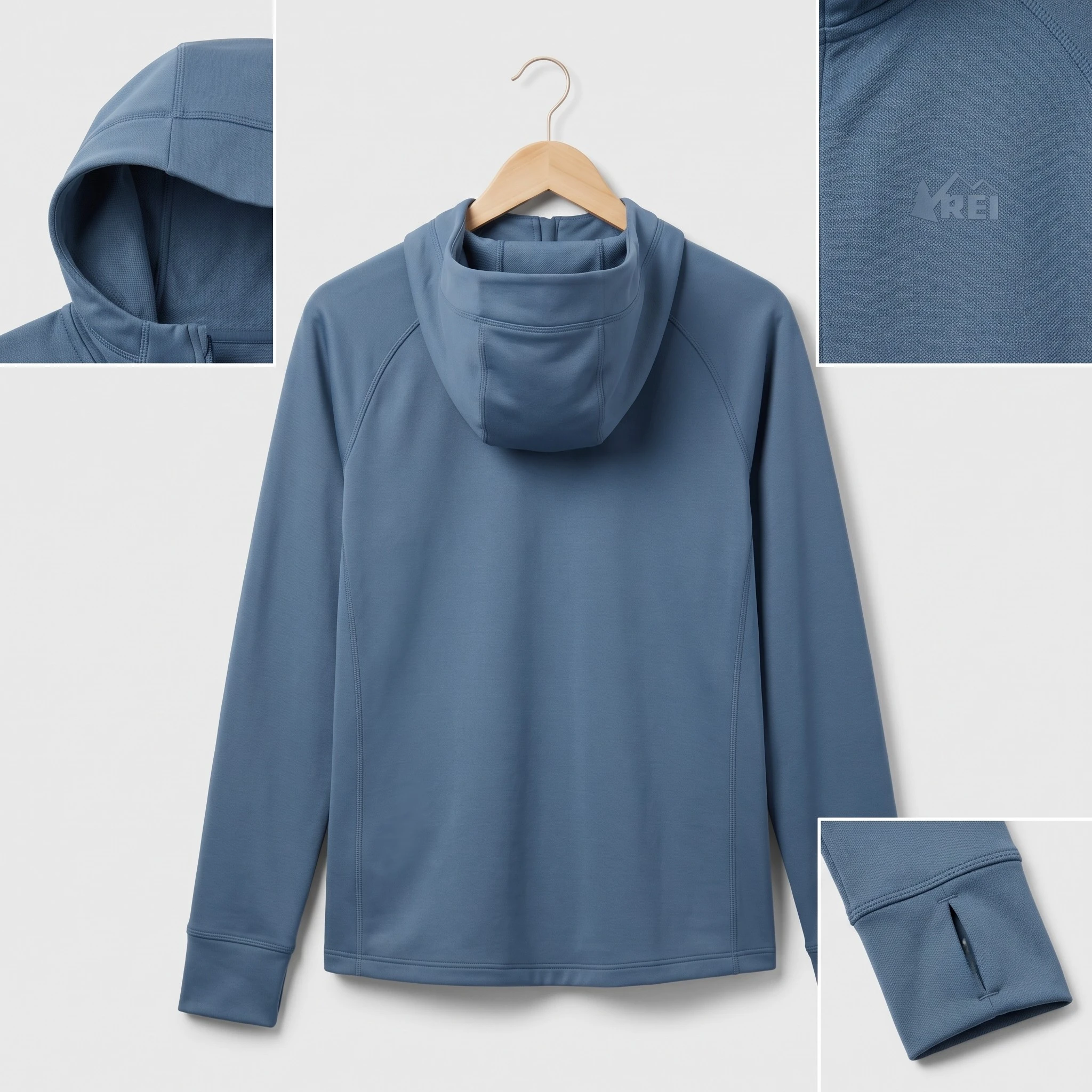
Constructed from a polyester-spandex blend ($92\%\text{ polyester, }8\%\text{ spandex}$) at a weight of $136\text{ g/m}^2$. It features 4-way stretch, flatlock seams, and thumb loops to keep the sleeves secure.
It offers a certified UPF 50+ rating and is bluesign approved, ensuring it meets strict Environmental Safety Standards.
Strategic Advantages and Performance Benefits
- Excellent Stretch and Recovery: The addition of 8% spandex allows for complete freedom of movement, which is essential when practicing Perfect Skiing Posture – Contextual cross-niche reference) during offseason training.
- Deep Hood Coverage: The hood is designed to fit over a climbing helmet or trail hat, providing complete facial protection.
- Incredible Value: Offers the same performance as premium hoodies at a fraction of the cost, perfect for those starting their First Bikepacking Trip.
Potential Disadvantages and Operational Limitations
- Moisture Retention: The spandex content absorbs more water and dries slower than pure polyester, making it heavier when saturated with sweat.
- Warm Feel: The heavier fabric density ($136\text{ g/m}^2$) makes it feel warm in low-wind environments.
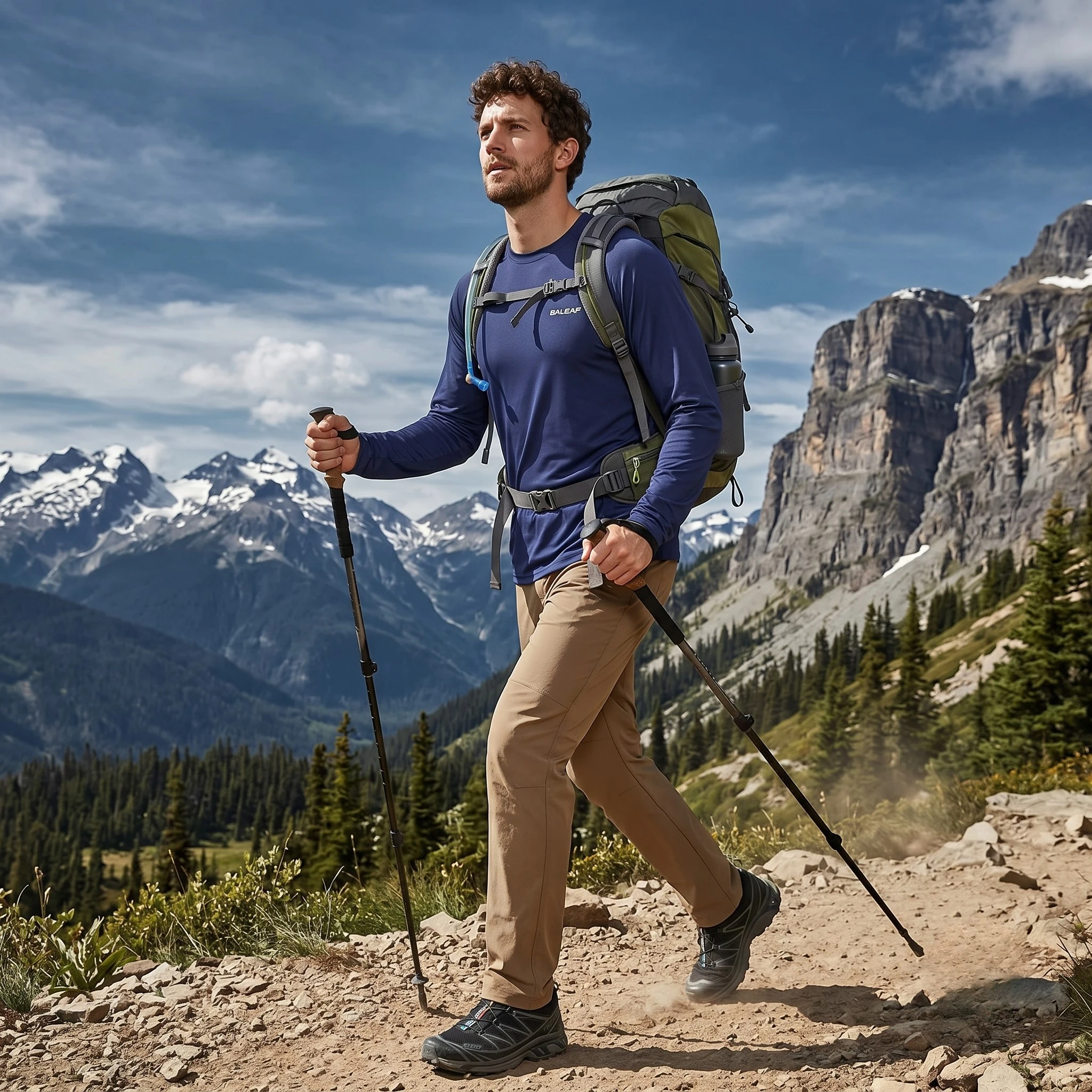
5. Mountain Hardwear Crater Lake Hoody (The Softest High-UPF Shell)
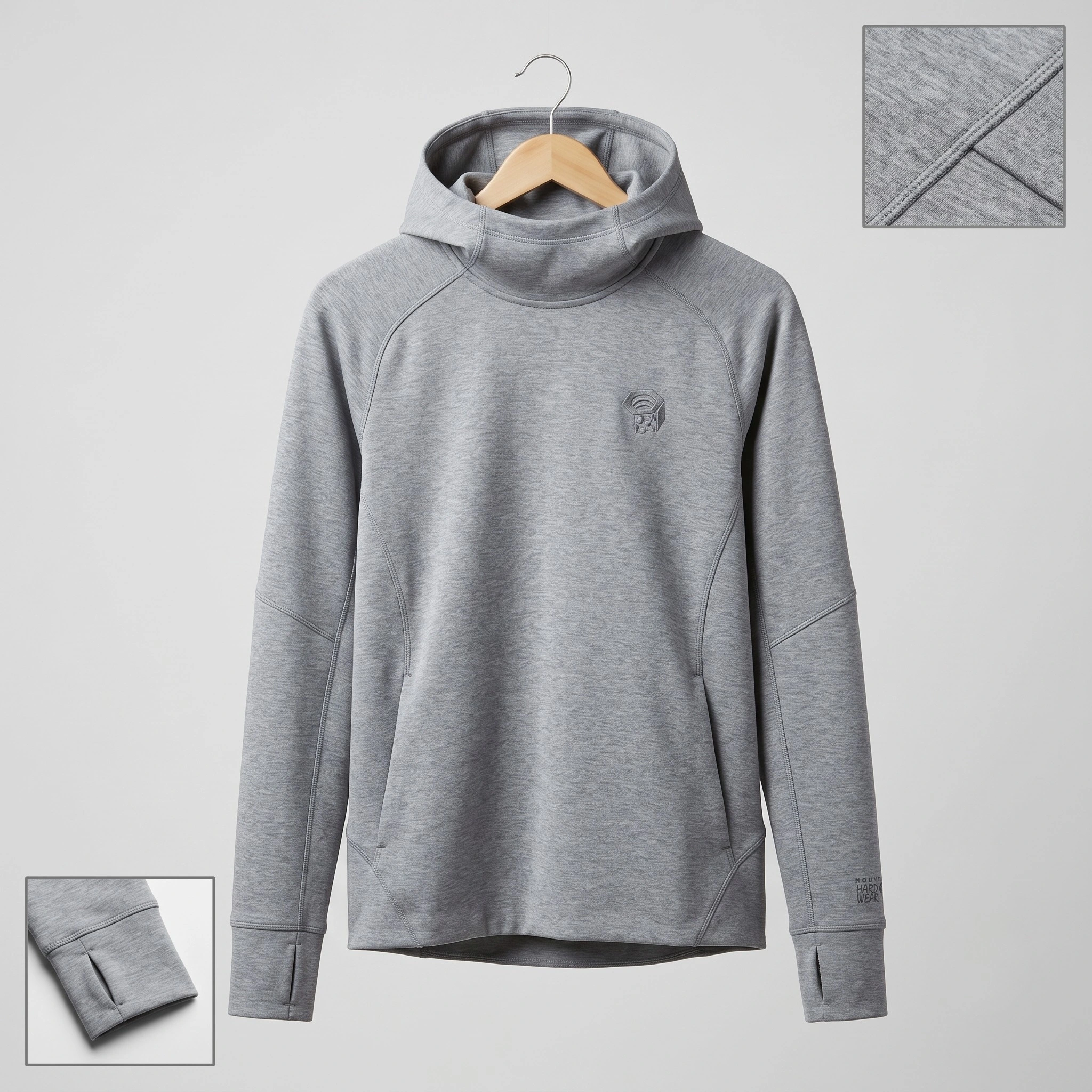
The Crater Lake Hoody focuses on comfort, utilizing an incredibly soft, knit fabric that offers a “cool-to-the-touch” feel while providing maximum sun defense.
Technical Specifications and Materials
Constructed from a high-performance polyester-elastane blend ($88\%\text{ polyester, }12\%\text{ elastane}$) at a weight of $120\text{ g/m}^2$. It features solar-defending knit technology to achieve a UPF 50+ rating.
It is treated with durable antimicrobial control and features integrated thumbholes. This soft, protective barrier is ideal for those who prefer comfort during Soft Hiking excursions.
Strategic Advantages and Performance Benefits
- Unmatched Softness: The high elastane content gives the fabric an incredibly soft, premium hand-feel that reduces skin irritation.
- Cooling Sensation: The knit structure has a natural cooling effect against the skin, making it highly comfortable in direct sun.
- Deep Neck Gaiter Integration: The hood features a built-in neck gaiter design, providing maximum coverage for the neck and lower face.
Potential Disadvantages and Operational Limitations
- Heavy Spandex Weight: The 12% elastane content is the highest in this guide, resulting in slower drying times and higher weight when wet.
- Delicate Fabric: The soft knit is susceptible to pilling when rubbed continuously against heavy backpack straps, a factor to consider when following our Bikepacking Bag Packing Guide.

Comparative Analysis of the Best UV-Protective Hiking Shirts
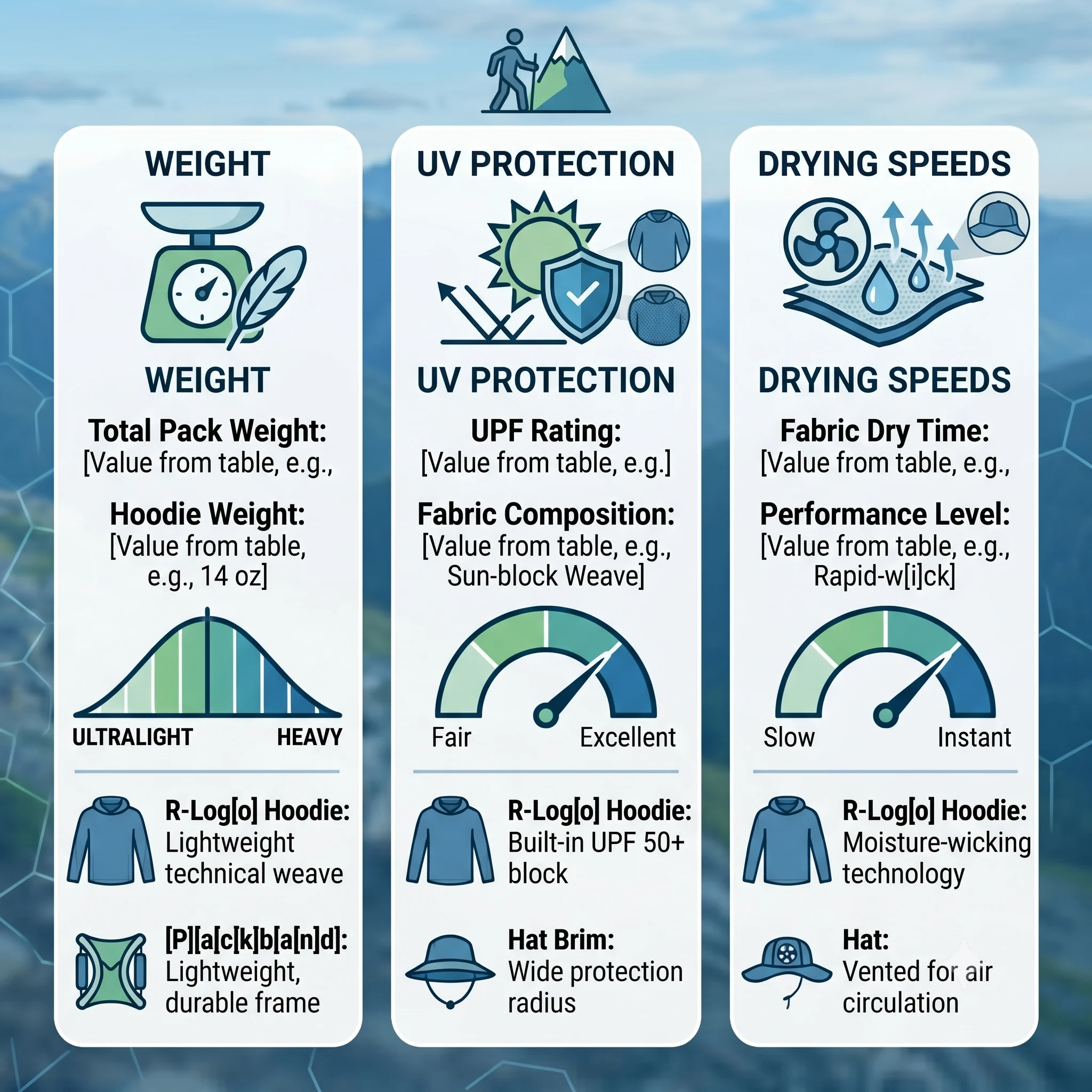
To assist with your Ultimate Bikepacking Gear List preparations, the following table summarizes the performance metrics of the top five models.
| Model | Fabric Blend | Weight ($$\text{g/m}^2$$) | UPF Rating | Primary Application |
|---|---|---|---|---|
| OR Echo | 100% Recycled Polyester | 75 | 15–20 | High-Intensity Training |
| Patagonia Capilene | 100% Recycled Polyester | 125 | 50+ | All-Mountain Versatility |
| Columbia Bahama | 100% Nylon Tactel | 180 | 30 | Rugged Work / Utility |
| REI Sahara | 92% Poly, 8% Spandex | 136 | 50+ | Budget Value / Comfort |
| MH Crater Lake | 88% Poly, 12% Elastane | 120 | 50+ | Soft Comfort / Alpine |
Active Thermoregulation: Sweat Rates, Hydration, and Heat Sinks
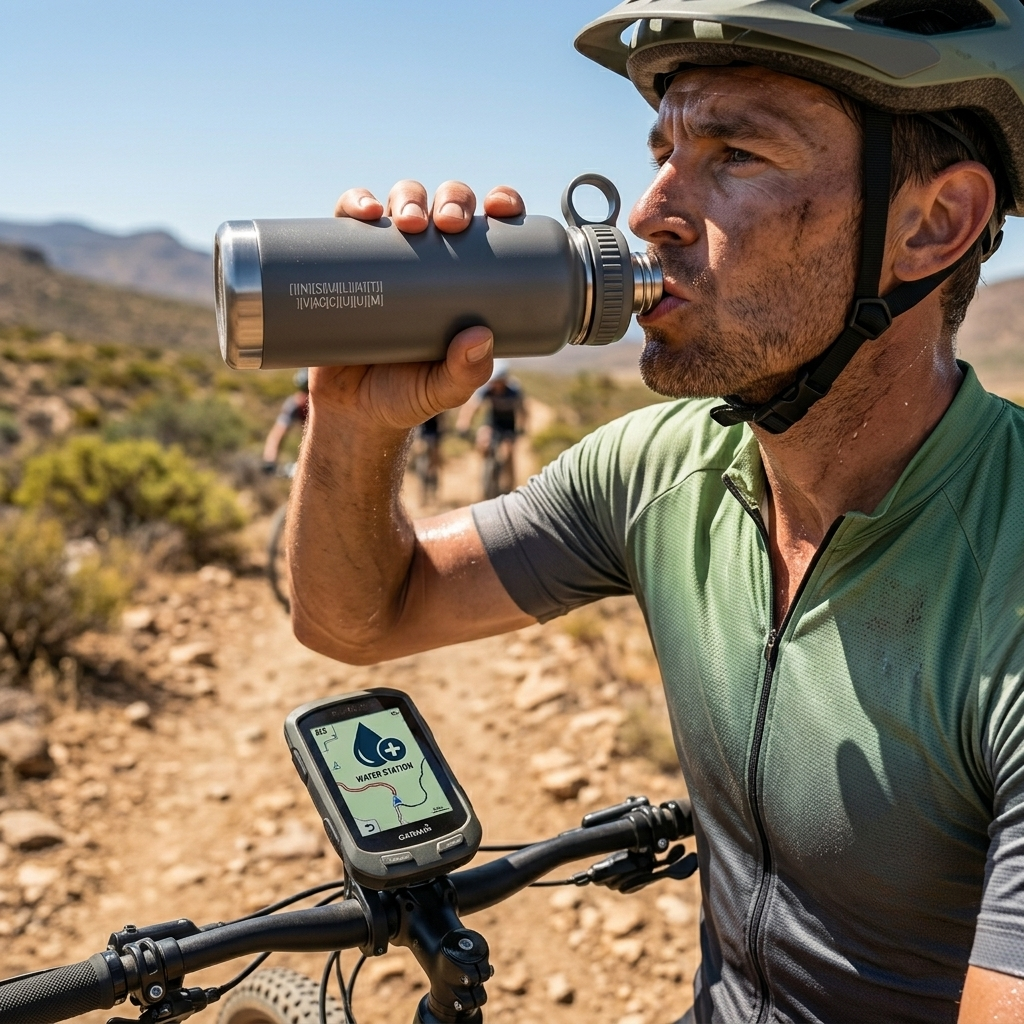
A high-performance shirt is only one part of the thermoregulation system. To maintain core stability under extreme summer sun, the hiker must manage their biological hydration levels. Perspiration is the body’s primary method of heat dissipation, but it relies on a steady supply of blood plasma.
Sweat Rate Calculations and Dehydration
During active hiking in temperatures exceeding $90^\circ\text{F}$, a hiker’s sweat rate can easily exceed $1.5\text{ liters per hour}$. This rapid fluid loss reduces blood volume, forcing the heart to beat faster to maintain blood pressure and oxygen delivery to the muscles. This cardiovascular strain can be monitored using the methods outlined in our Hiking Hydration Guide.
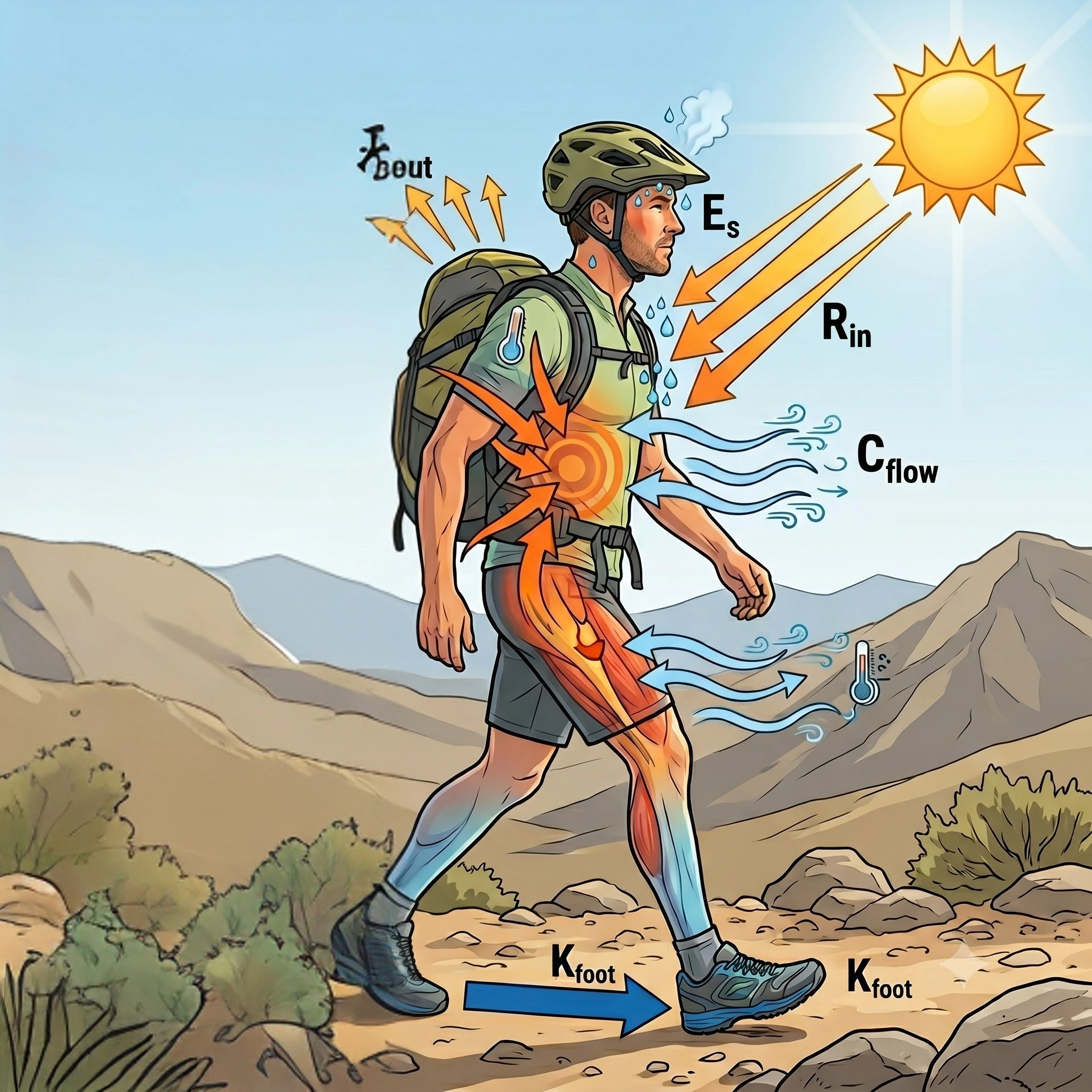
The Human Heat Balance Equation
The body’s thermodynamic relationship with the environment can be modeled by the Heat Balance Equation:$$S = M \pm R \pm C – E \pm K$$
Where:
- $S$ is heat storage (must equal zero to maintain core stability).
- $M$ is metabolic heat generated by the muscles.
- $R$ is radiative heat exchange (absorption of solar energy).
- $C$ is convective heat exchange (heat transfer from wind).
- $E$ is evaporative heat loss (sweating).
- $K$ is conductive heat exchange (contact with cold surfaces).
The best uv-protective hiking shirts actively minimize $R$ (by blocking solar radiation) while maximizing $E$ (through rapid capillary action and evaporation). If $S$ becomes positive, the hiker enters a state of heat exhaustion, a critical emergency that requires the immediate execution of Solo Safety Protocols.
The Carotid Artery Heat Sink Method
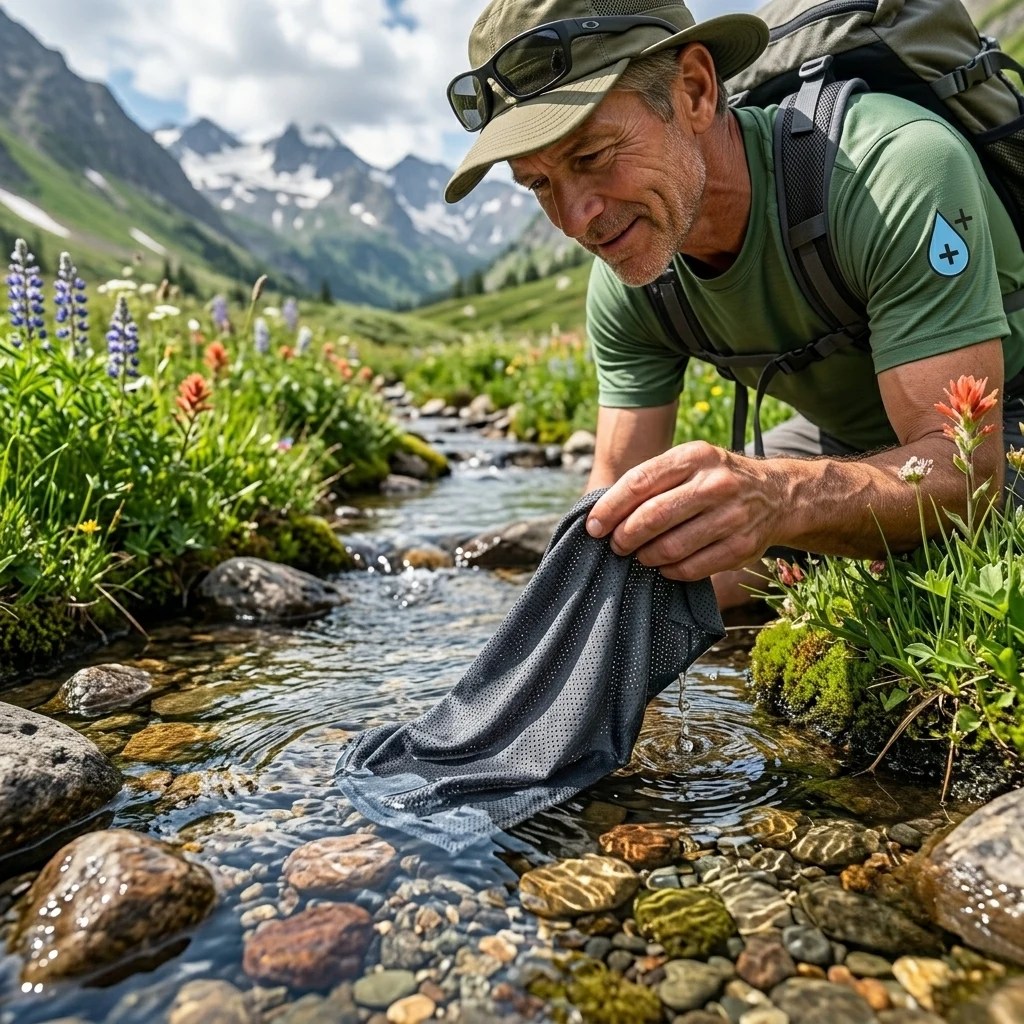
In emergency scenarios where core temperature must be reduced quickly, hikers can utilize the “carotid artery heat sink” method. By soaking a technical bandana or neck gaiter in cold stream water—harvested using a reliable Water Filtration System—and wrapping it around the neck, the cold water cools the blood passing through the carotid arteries directly to the brain. This rapid cooling provides immediate cognitive relief and prevents heat stroke during high-elevation ascents, a technique also detailed in our Trail Elevation Prep Guide.
Environmental Stewardship and Chemical Sunscreen Alternatives
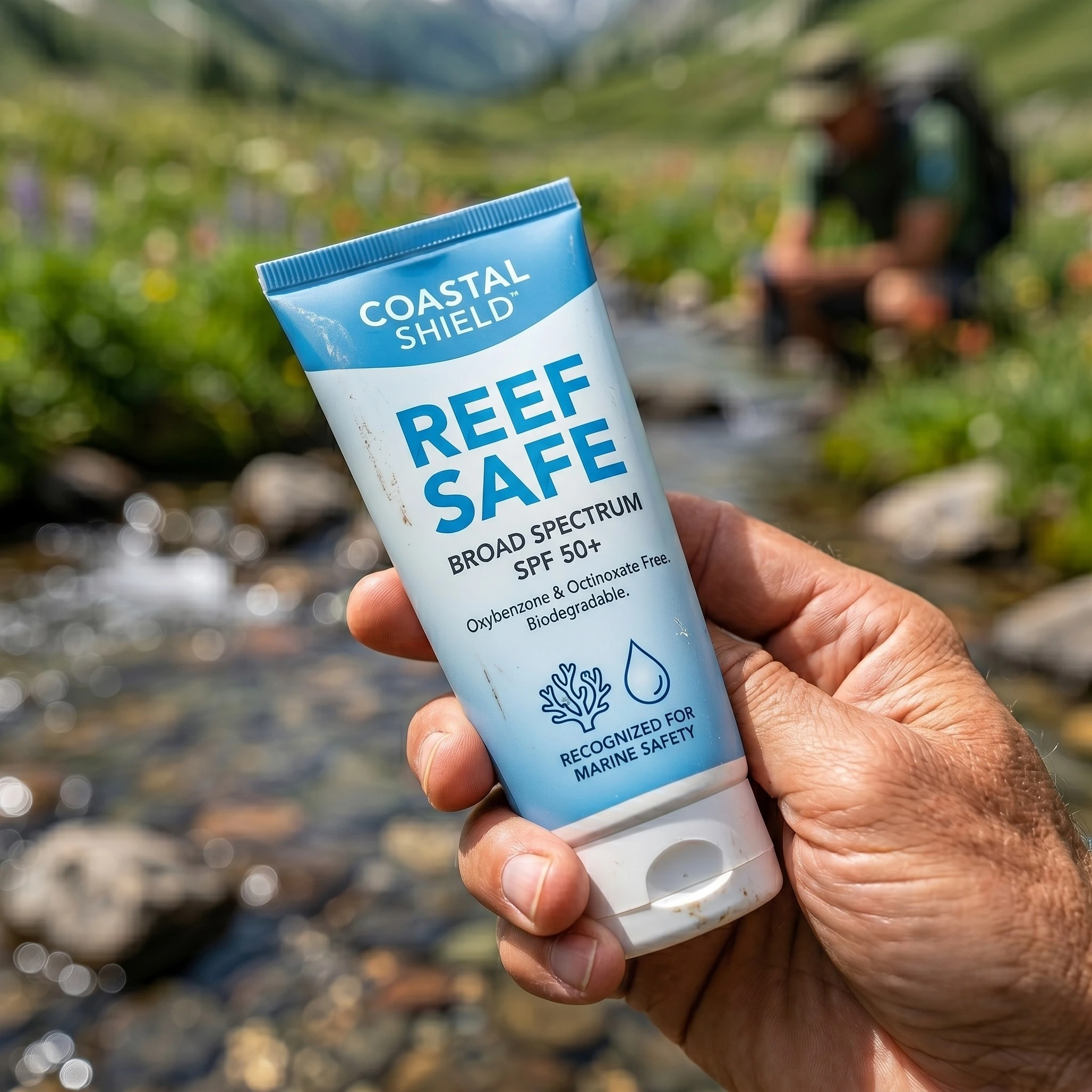
While topical chemical sunscreens provide protection, they carry significant environmental costs. Many chemical filters—such as oxybenzone and octinoxate—are highly toxic to aquatic life, causing coral bleaching and bioaccumulation in freshwater fish.
The Chemical Runoff Threat to Alpine Watersheds
When a hiker applies topical sunscreen and then bathes in a pristine alpine lake, the chemicals wash off directly into the water. In fragile, low-volume watersheds, this chemical runoff can disrupt the delicate balance of aquatic plants and insect larvae.
By transitioning to best uv-protective hiking shirts, the adventurer eliminates the need for topical chemicals over 90% of their body surface area. This low-impact approach is a core requirement of the Leave No Trace Center for Outdoor Ethics, which is a primary pillar of our Eco-Friendly Hiking Guide.
Physical vs. Chemical Sun Protection
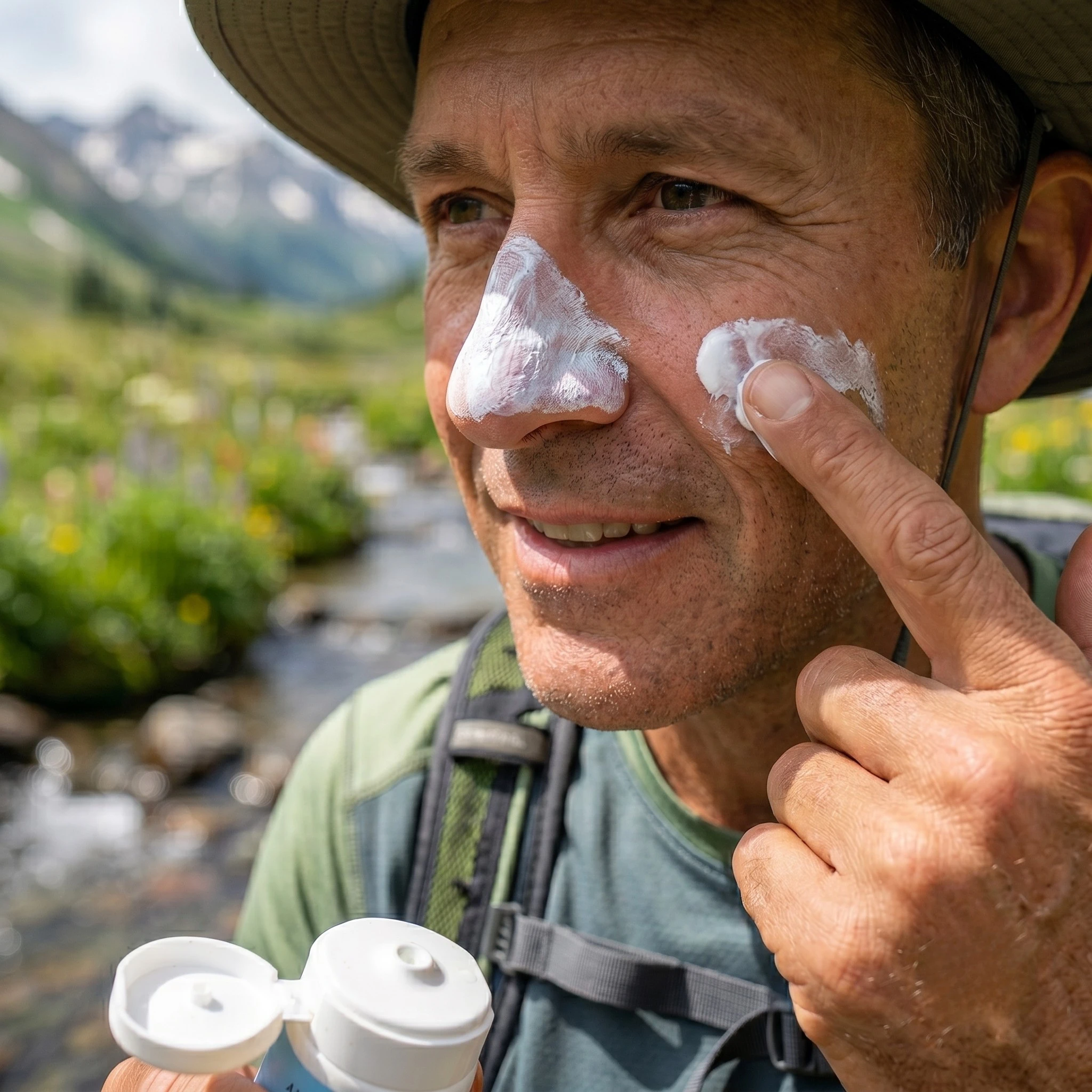
For the remaining exposed skin (hands and face), physical sunscreens utilizing zinc oxide or titanium dioxide are preferred. These minerals create a physical barrier that reflects UV light, rather than absorbing it chemically, and they do not break down into toxic compounds.
This conscious selection of materials is the hallmark of a seasoned adventurer, a mindset also detailed in our Night Hiking Guide and safety manuals.
Maintenance and Longevity of UPF-Rated Garments
To ensure your investment in high-performance sun apparel continues to deliver certified protection, a disciplined maintenance schedule is required. Over time, trail dust, body oils, and improper laundry detergents can degrade the fibers and chemical coatings that provide UV defense.
Washing Protocols for Technical Fabrics
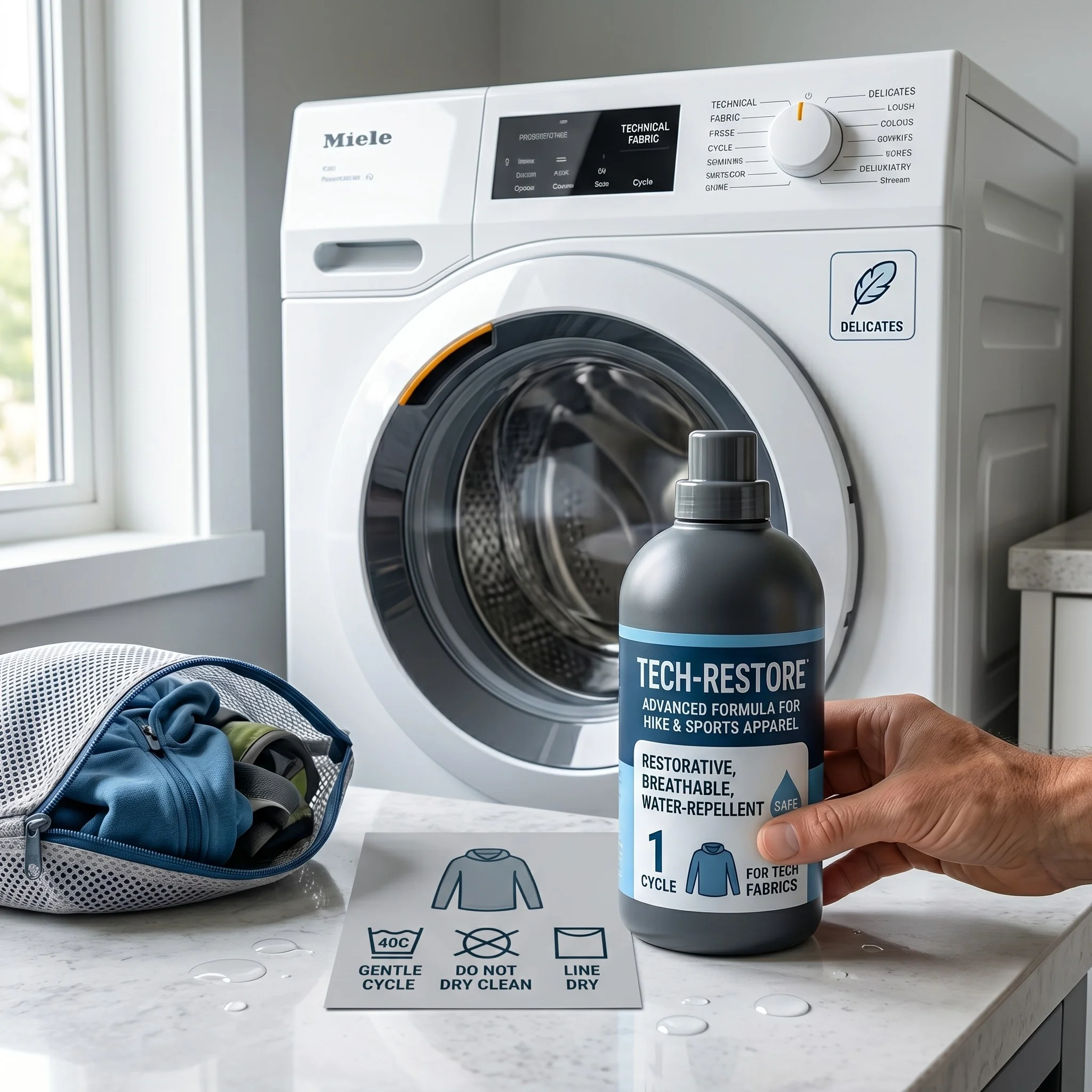
- Avoid Standard Detergent: Household soaps contain fabric softeners and optical brighteners that can coat the fibers, clogging the capillary channels and reducing overall breathability. Use a specialized technical wash, such as Nikwax Tech Wash.
- Cold Water Only: High temperatures can break down the elastic polymers (such as spandex and elastane) in the fabric, leading to permanent bagging and loss of structural shape. This care standard is identical to the Bikepacking Sleeping Systems maintenance guidelines.
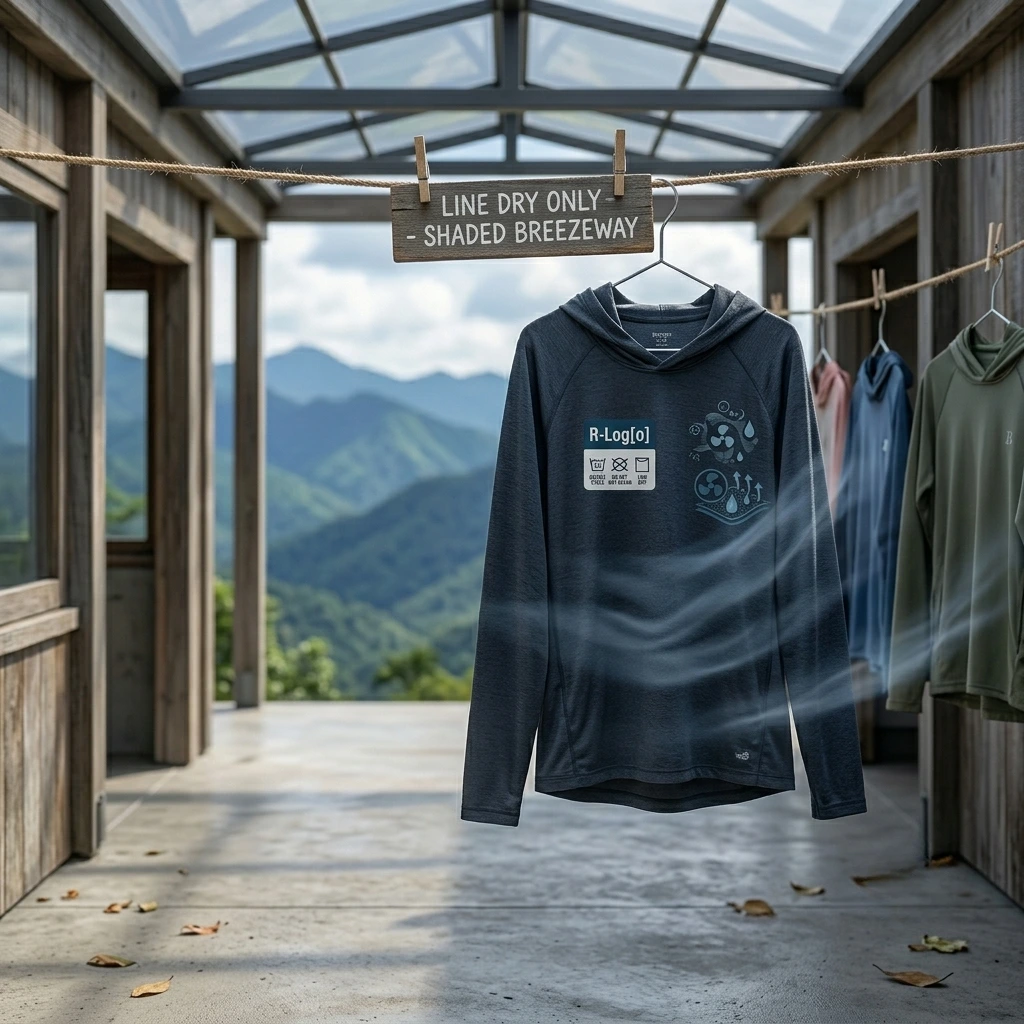
- Air Dry Recommended: While some polyesters can handle low heat, air drying is the safest method for preserving the integrity of the UV-blocking weave. Hanging the shirt in a shaded, well-ventilated area prevents UV degradation during the drying process.
Restoring the DWR and Fabric Integrity
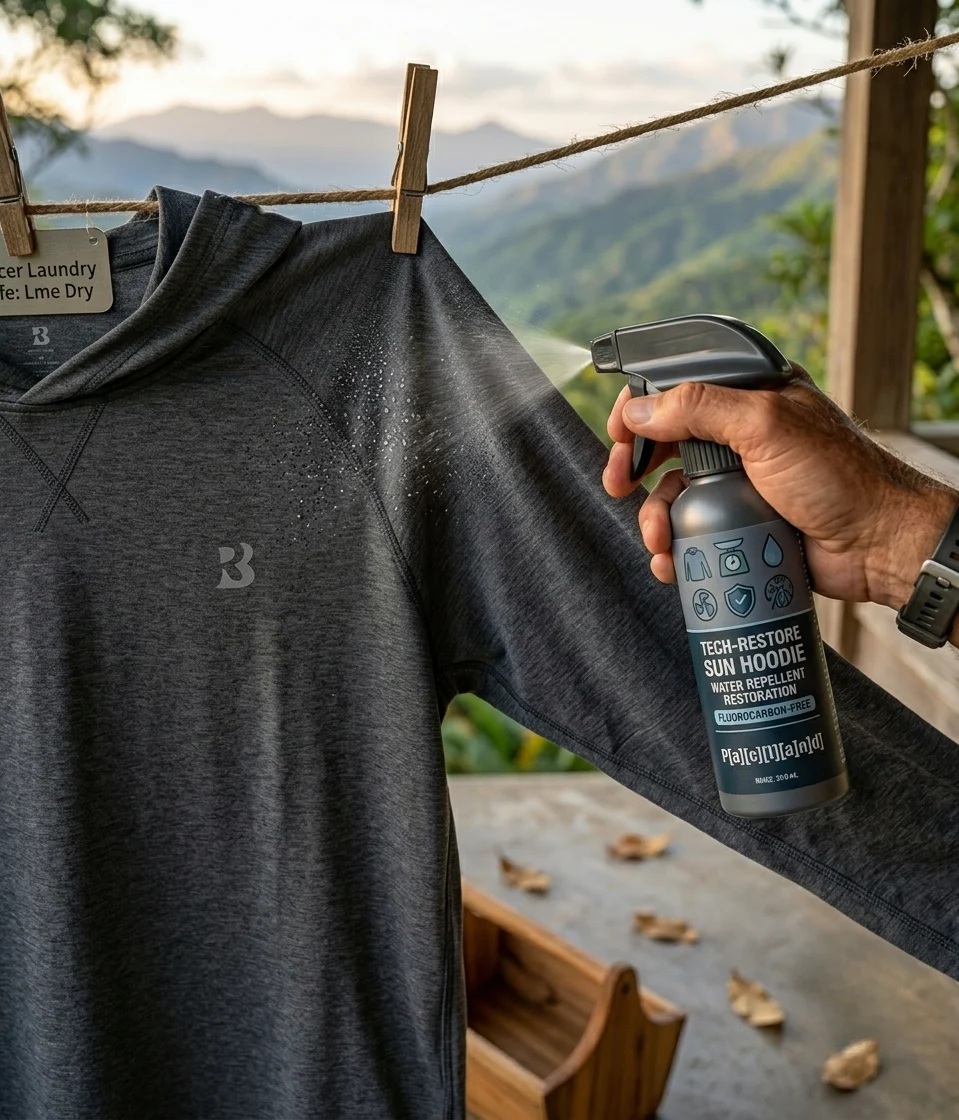
If the shirt features a light water-repellent coating (common in hybrid wind/sun jackets), the DWR must be restored periodically. If the fabric is “wetting out” with sweat or rain, wash with a technical treatment and tumble dry on low heat for 15 minutes to reactivate the polymer chains.
Regular maintenance prevents the fibers from fraying, which would increase the light aperture and reduce the effective UPF rating. This proactive preservation of equipment is a core skill taught in our Gravel Bike Benefits Guide.
Conclusion: Elevating Performance Under the Extreme Summer Sun
Mastering the selection and maintenance of the best uv-protective hiking shirts is the definitive step toward professional-level wilderness safety. By prioritizing high-density weaves (Section 2), matching fabric characteristics to your typical trail intensity (Section 4), and managing your biological hydration needs (Section 5), you eliminate the primary drivers of summer exhaustion and skin damage. Safety on the trail is not a matter of fortune; it is a matter of technical preparation and proactive environmental management.
Remember that a sun shirt is a technical tool that works in harmony with the rest of your backcountry setup. Ensure your First Aid Preparedness is high, your Satellite Messengers are functional, and your route is planned with precision. As you progress from local day hikes to remote multi-day loops, your understanding of these physical and biological variables will become your greatest asset.
The high-alpine ridges and desert trails are waiting, and with the right sun protection, you are ready to conquer them safely. Treat the environment with respect, follow Leave No Trace Principles, and enjoy the unique liberation of self-contained wilderness travel. The transition from a recreational walker to a seasoned backcountry expert is a path paved with preparation. Step onto the trail with a plan, respect your physiological limits, and embrace the unparalleled power of data-driven safety.
Discover more from Maive Verse
Subscribe to get the latest posts sent to your email.