
Master hiking hydration with our technical guide. Calculate sweat rates, fluid loss, and electrolyte balance for safe wilderness trail travel.
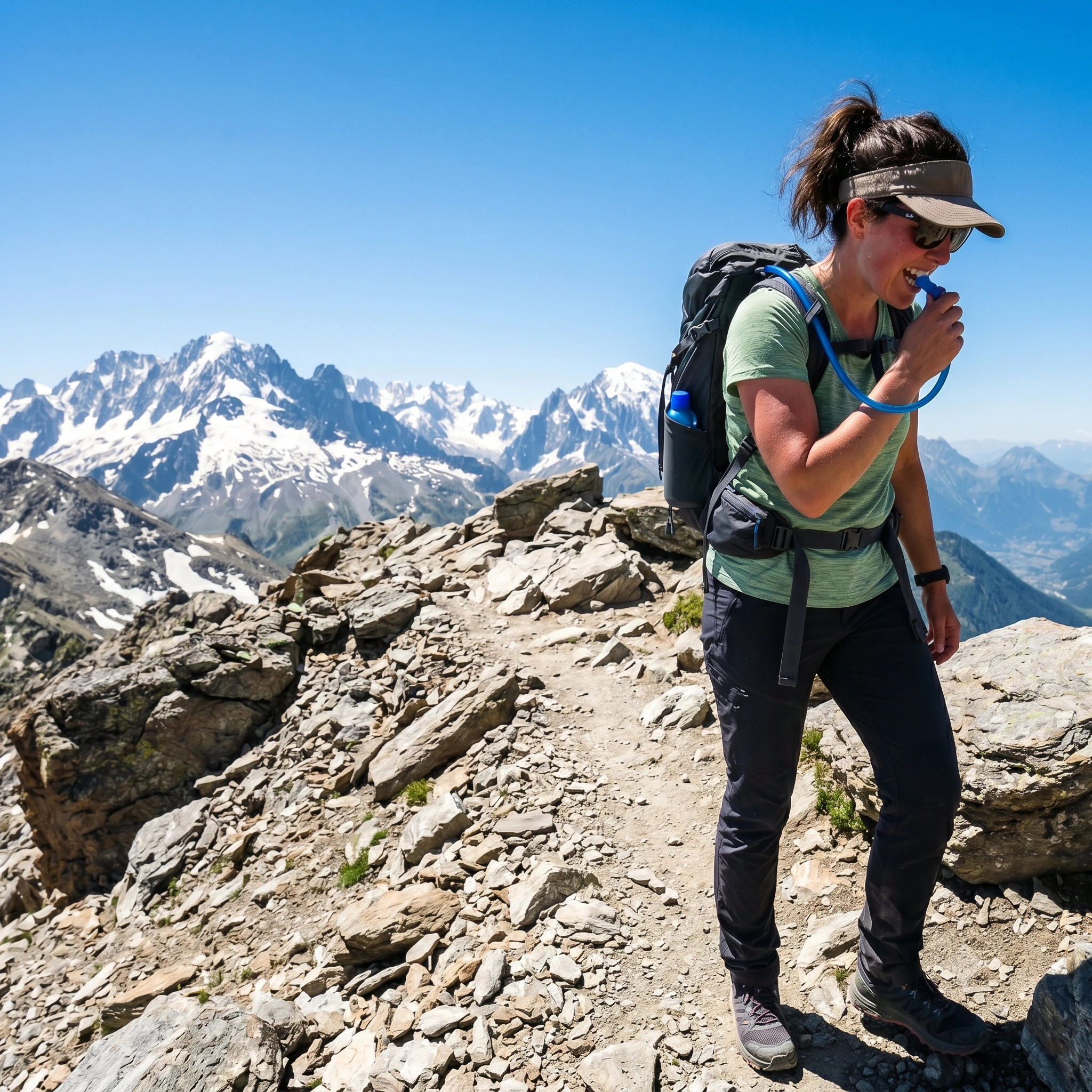
Table of Contents
Introduction: The Physiological Imperative of Fluid Balance
Establishing a systematic approach to hiking hydration is a fundamental requirement for maintaining safety and physical output during any wilderness expedition. In the backcountry, water represents both a critical biological fuel and the single heaviest component of a traveler’s gear system. Because the human body cannot store water in reserve, active fluid losses must be replenished continuously to prevent systemic failure. A decline in hydration levels is a silent and potent driver of the cognitive fatigue and decision-making errors analyzed in our Bikepacking Mindset frameworks.
For those practicing the mindful pacing of our Soft Hiking Guide, fluid management remains a core logistical metric. The objective is to match intake precisely to the rate of fluid loss, preventing both the cellular degradation of dehydration and the dangerous sodium dilution of overhydration. This guide provides a detailed, scientific analysis of how to calculate personal sweat rates, maintain electrolyte balance, and select the optimal filtration hardware to ensure complete trail self-sufficiency.
1. Calculating Personal Sweat Rate ($SR$) on the Trail
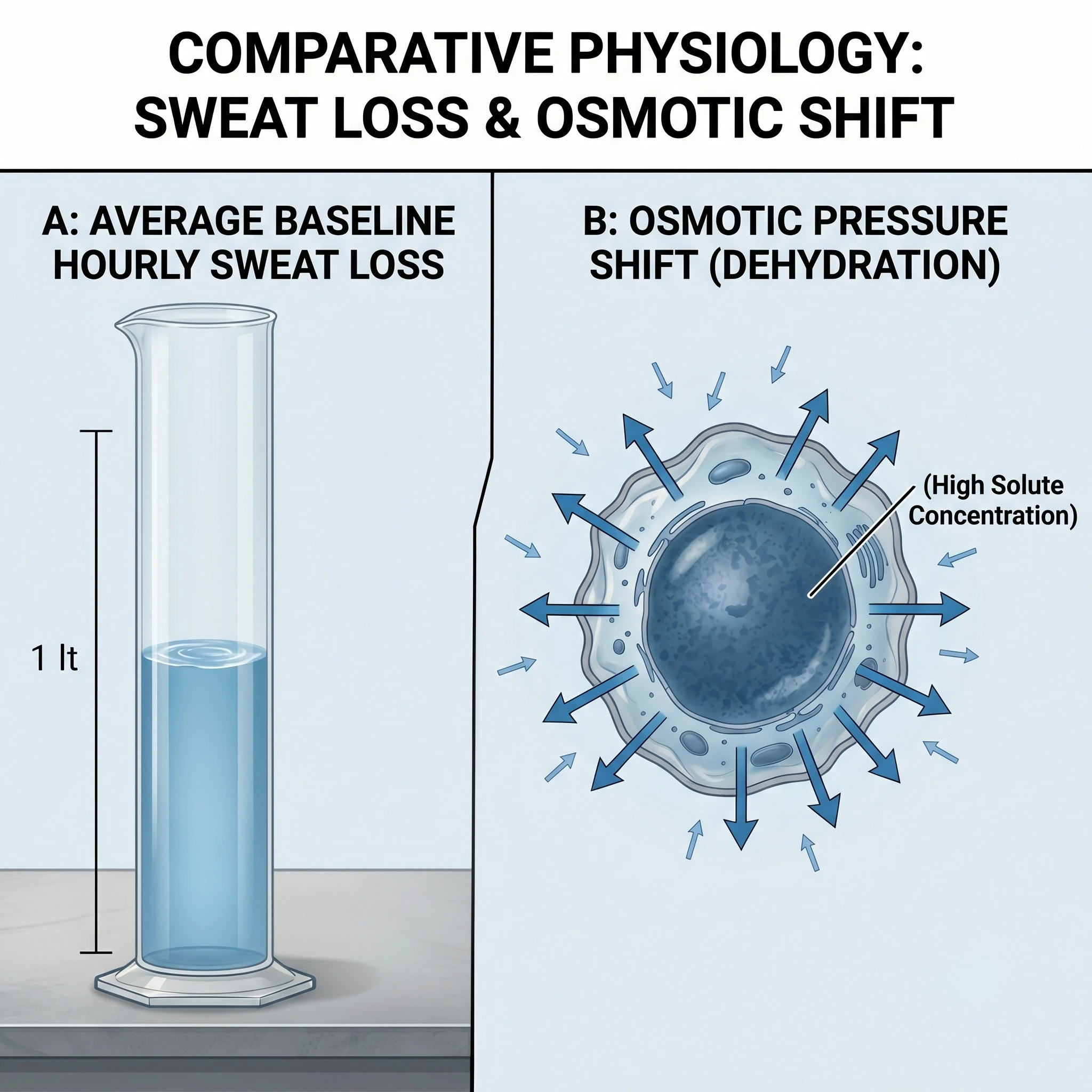
The standard baseline recommendation of “one liter per hour” is a dangerous generalization that fails to account for individual biological differences and environmental variables. Precise water planning requires the calculation of the personal sweat rate ($SR$) under active trail conditions.
The sweat rate can be mathematically modeled using the following physiological equation:$$SR = \frac{(W_{\text{pre}} – W_{\text{post}}) + V_{\text{intake}} – V_{\text{urine}}}{t}$$
Where:
- $W_{\text{pre}}$ is the body weight in kilograms before the hike.
- $W_{\text{post}}$ is the body weight in kilograms after the hike.
- $V_{\text{intake}}$ is the volume of fluid consumed during the hike in liters.
- $V_{\text{urine}}$ is the volume of urine excreted during the hike in liters.
- $t$ is the active hiking time in hours.
A loss of 1 kilogram of body weight during the trial equates to approximately 1 liter of fluid lost. Under hot, dry conditions—scenarios analyzed in our Heat Hacking Guide—the sweat rate can easily exceed $1.5 \text{ liters per hour}$ due to high thermal load and increased respiration. Understanding this formula allows the hiker to scale their carrying capacity to match the specific demands of the route’s elevation and temperature profile.
2. Managing Electrolyte Homeostasis and Osmotic Pressure
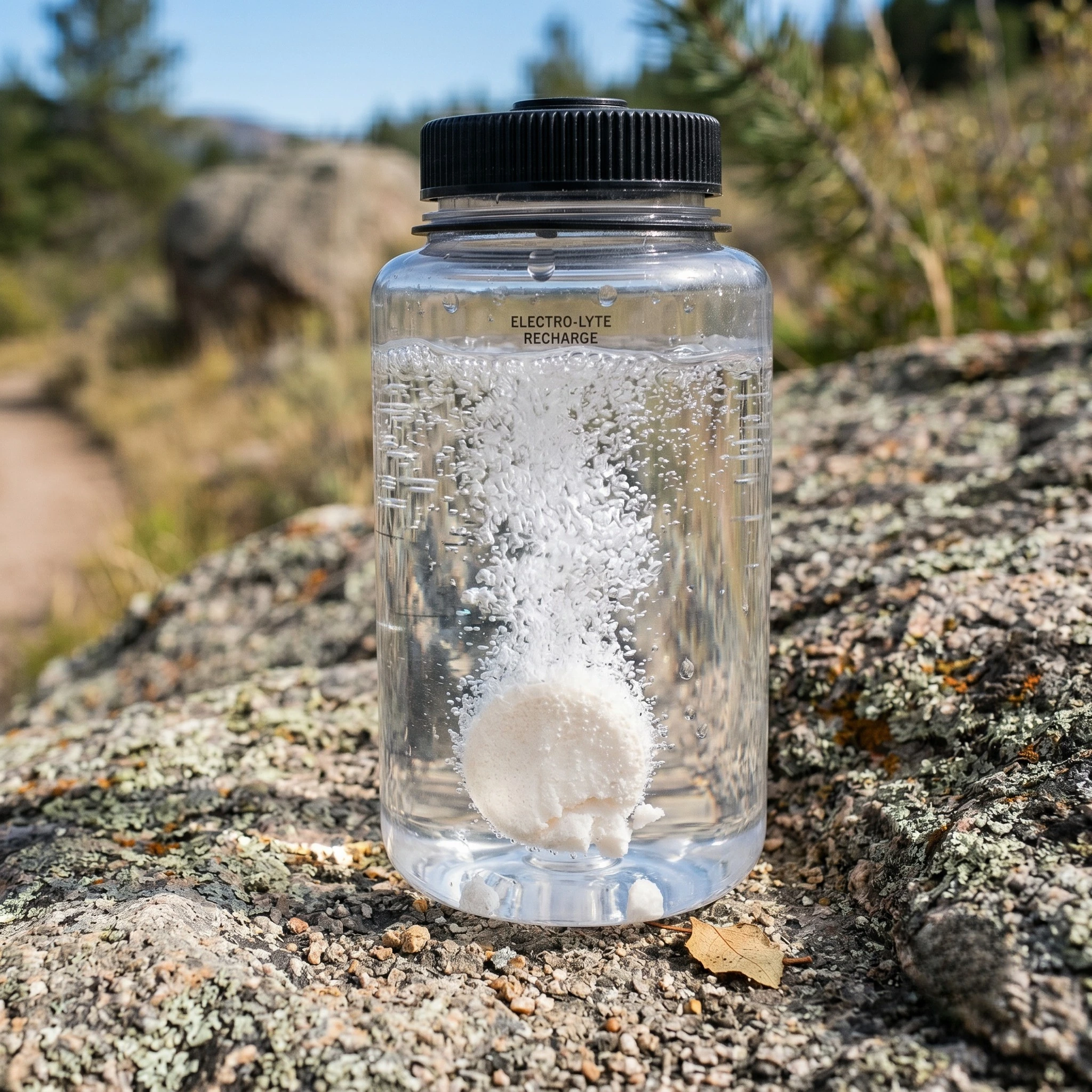
Drinking large volumes of pure water without replacing lost minerals is a critical physiological error. Perspiration removes not only water, but also essential minerals—primarily sodium, potassium, and magnesium—which are required for cellular communication.
The concentration of sodium in the extracellular fluid ($C_{\text{Na}^+}$) determines the osmotic pressure across cell membranes:$$C_{\text{Na}^+} = \frac{n_{\text{Na}^+}}{V_{\text{plasma}}}$$
Where:
- $n_{\text{Na}^+}$ is the total moles of sodium in the plasma.
- $V_{\text{plasma}}$ is the total plasma volume.
If a hiker drinks pure water at a rate that exceeds sweat loss, $V_{\text{plasma}}$ increases while $n_{\text{Na}^+}$ remains depleted. This drop in $C_{\text{Na}^+}$ causes water to rush into the cells via osmosis, leading to hyponatremia (water intoxication). Symptoms range from muscle cramps and headaches to cerebral edema and disorientation. To maintain cellular integrity, the hiker must consume high-sodium electrolyte supplements alongside their water, a protocol also emphasized in our Hiking Nutrition Guide.
3. The Mechanics of Dehydration and Cognitive Decline
Dehydration is a progressive physiological decline that begins long before the sensation of thirst is triggered. By the time a hiker feels thirsty, they have already lost approximately $1\% \text{ to } 2\%$ of their total body water weight.
At a $2\%$ fluid deficit, the volume of blood plasma decreases, forcing the heart to beat faster to maintain blood pressure and oxygen delivery to the muscles. Studies published by the National Institutes of Health (NIH) confirm that this cardiovascular strain significantly increases the Rate of Perceived Exertion (RPE) and impairs motor coordination.
At a $5\%$ deficit, cognitive function is degraded by up to $30\%$, leading to a marked decrease in spatial awareness and navigational accuracy. For solo travelers, this cognitive decline represents a severe hazard that directly compromises Solo Safety Protocols (Internal Link).
4. Selecting the Optimal Water Filtration and Carry Hardware
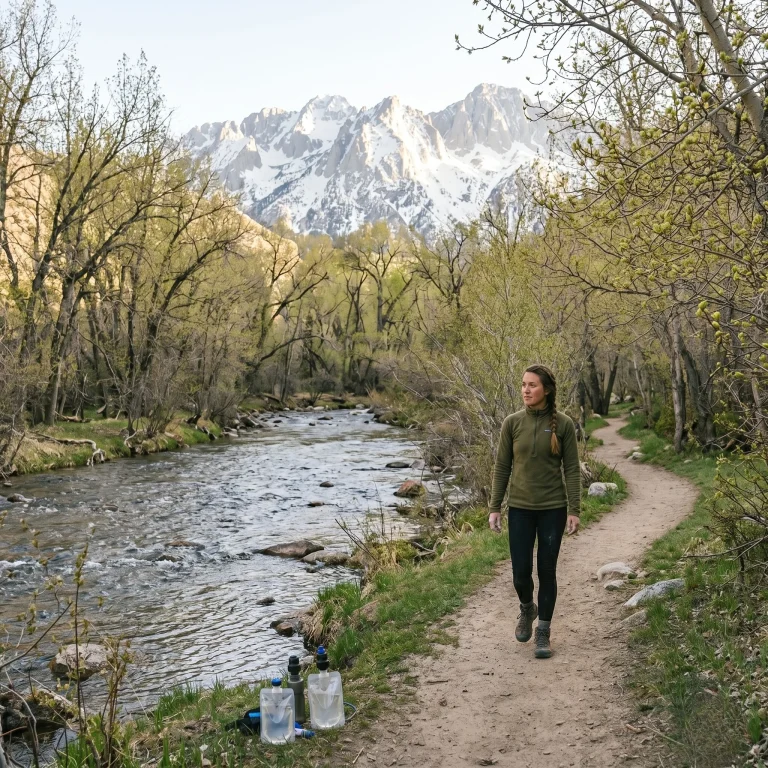
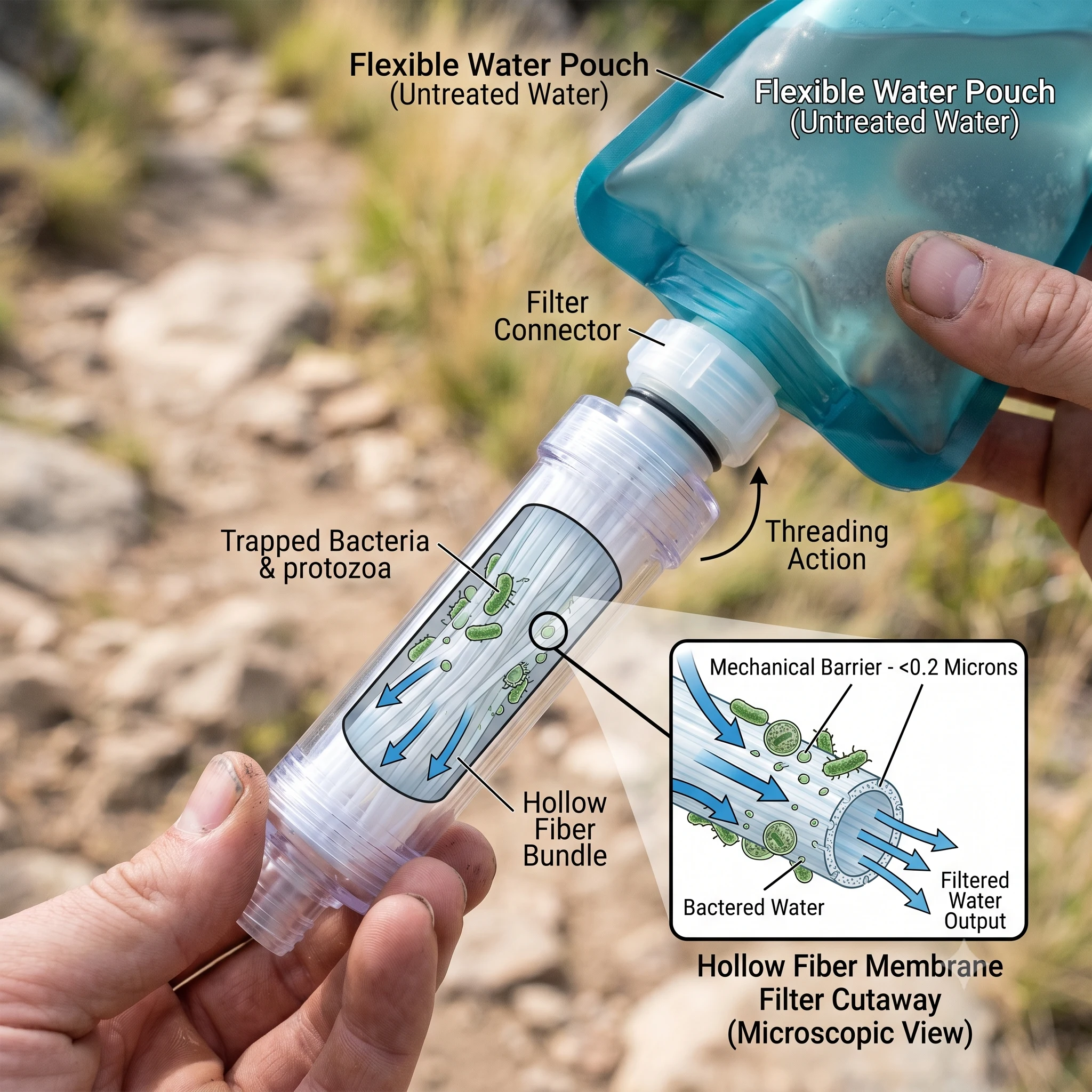
Because carrying a full multi-day water supply is physically impossible due to weight constraints, the hiker must rely on harvesting water from natural sources. This requires a highly reliable, field-cleanable filtration system to eliminate biological pathogens.
The choice of carry system depends on the required volume and accessibility of the route. While standard bottles are easy to clean, a high-capacity reservoir stored close to the spine keeps the center of gravity low and stable. This “heavy-low” packing strategy is a primary rule analyzed in our Bikepacking Hydration Guide manuals.
Furthermore, all water collection must adhere strictly to Leave No Trace Principles to prevent the contamination of fragile alpine watersheds.
5. Recommended Hydration Gear for Endurance Hikers
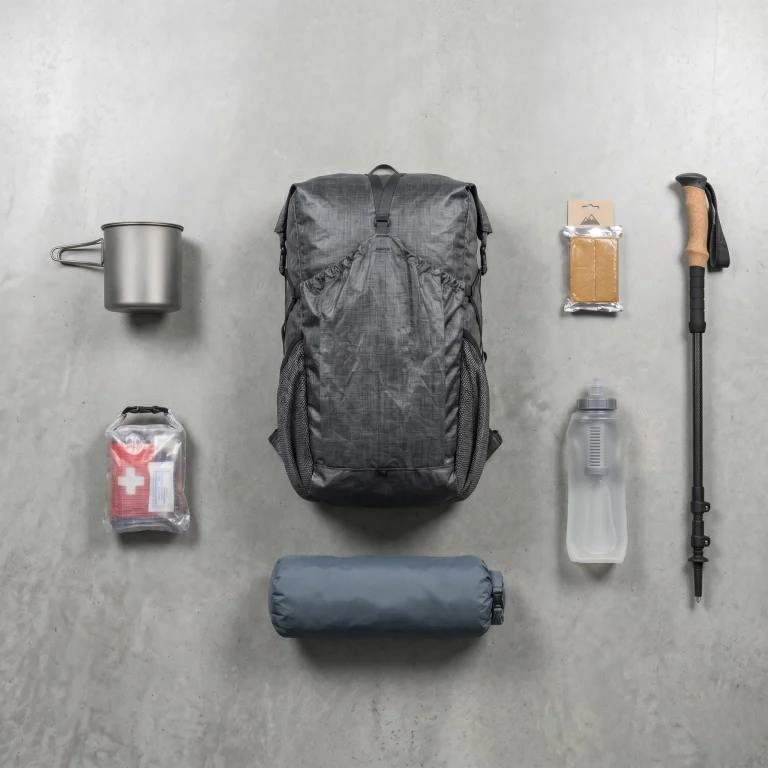
To ensure consistent performance on long-distance trails, the selection of high-quality, lightweight filtration and storage hardware is essential.
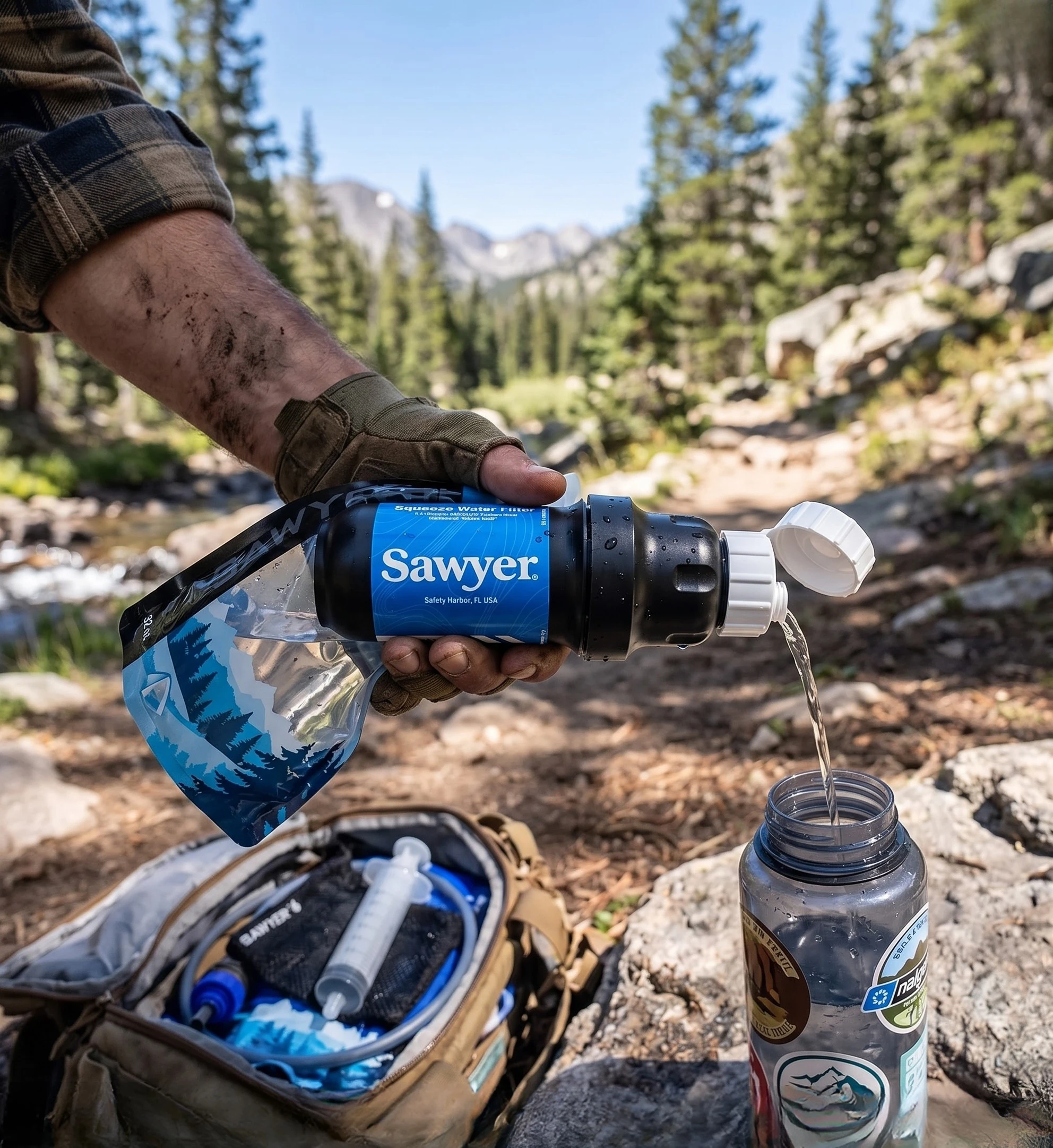
1. Sawyer Squeeze Water Filtration System
Key Feature
Pros
Cons
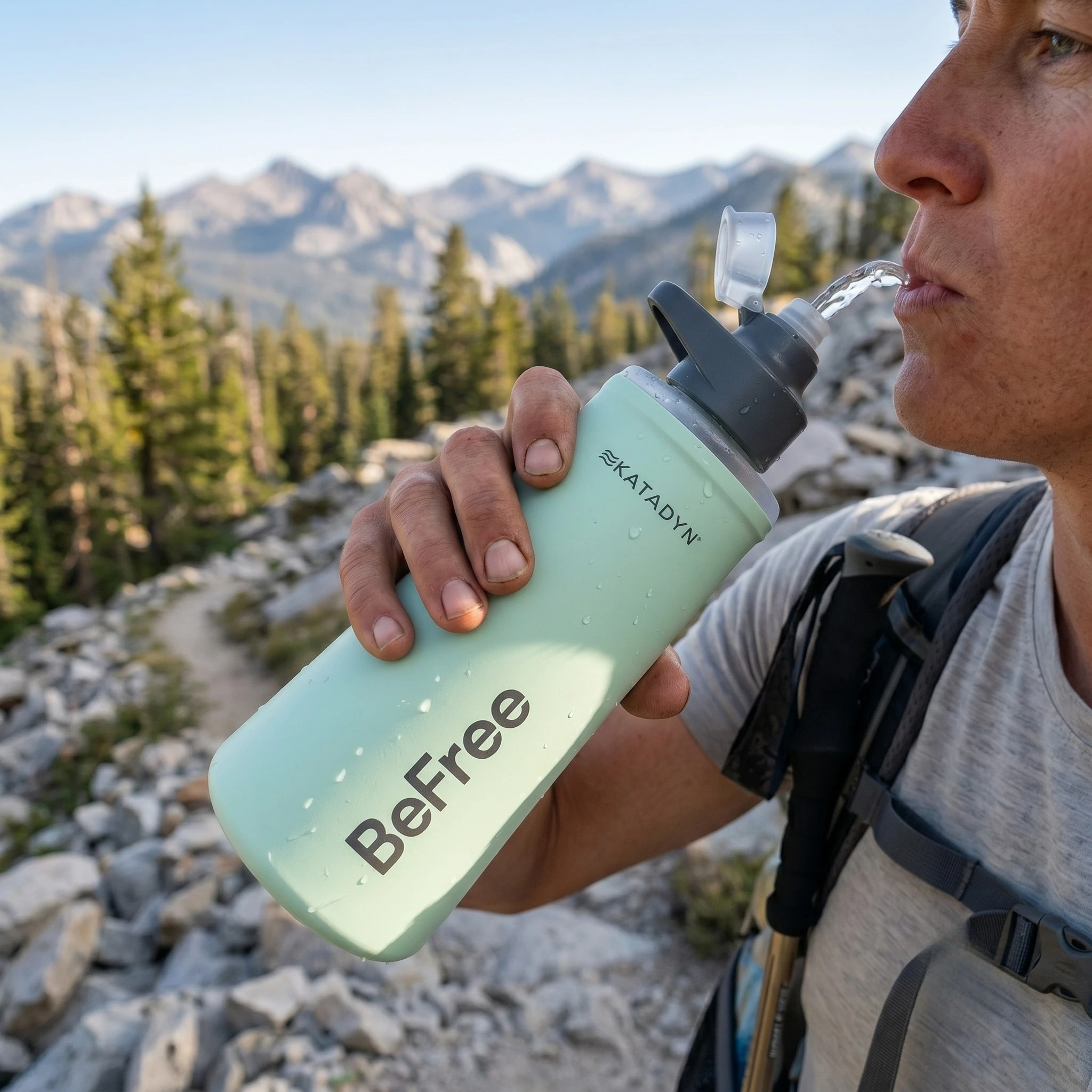
2. Katadyn BeFree 1.0L Filtration Flask
Key Feature
Pros
Cons
Conclusion: The Professional Path to Trail Self-Sufficiency
Mastering hiking hydration is the definitive step toward professional-level trail safety and physical longevity. By calculating your personal sweat rate (Section 1), managing electrolyte homeostasis with sodium-dense supplements (Section 2), and implementing a highly reliable filtration protocol (Section 4), you eliminate the primary driver of wilderness exhaustion. Safety is not a matter of fortune; it is a matter of technical preparation and physiological awareness.
The mountain rewards those who plan with precision. Treat your body’s fluid balance with the same mechanical respect you apply to your footwear or your shelter. Maintain your fitness, pack with intention, and enjoy the unique liberation of a well-hydrated journey.
Discover more from Maive Verse
Subscribe to get the latest posts sent to your email.