
This post may contain affiliate links. If you buy through them, we may earn a small commission at no extra cost to you.
Learning how to purify water backpacking is one of the first real skills of overnight trips, because you cannot carry three days of water on your back. A clear mountain stream looks safe, but it can carry Giardia, Cryptosporidium and bacteria that will ruin a trip a week after you get home. The fix is simple, cheap and light, as long as you pick the right method for the water in front of you.
This guide compares the six practical methods, squeeze filters, pump filters, boiling, chemical tablets, UV light and gravity systems, and explains when each one makes sense. If you are still planning your first trip, start with our backpacking for beginners guide and come back when you are building your kit.
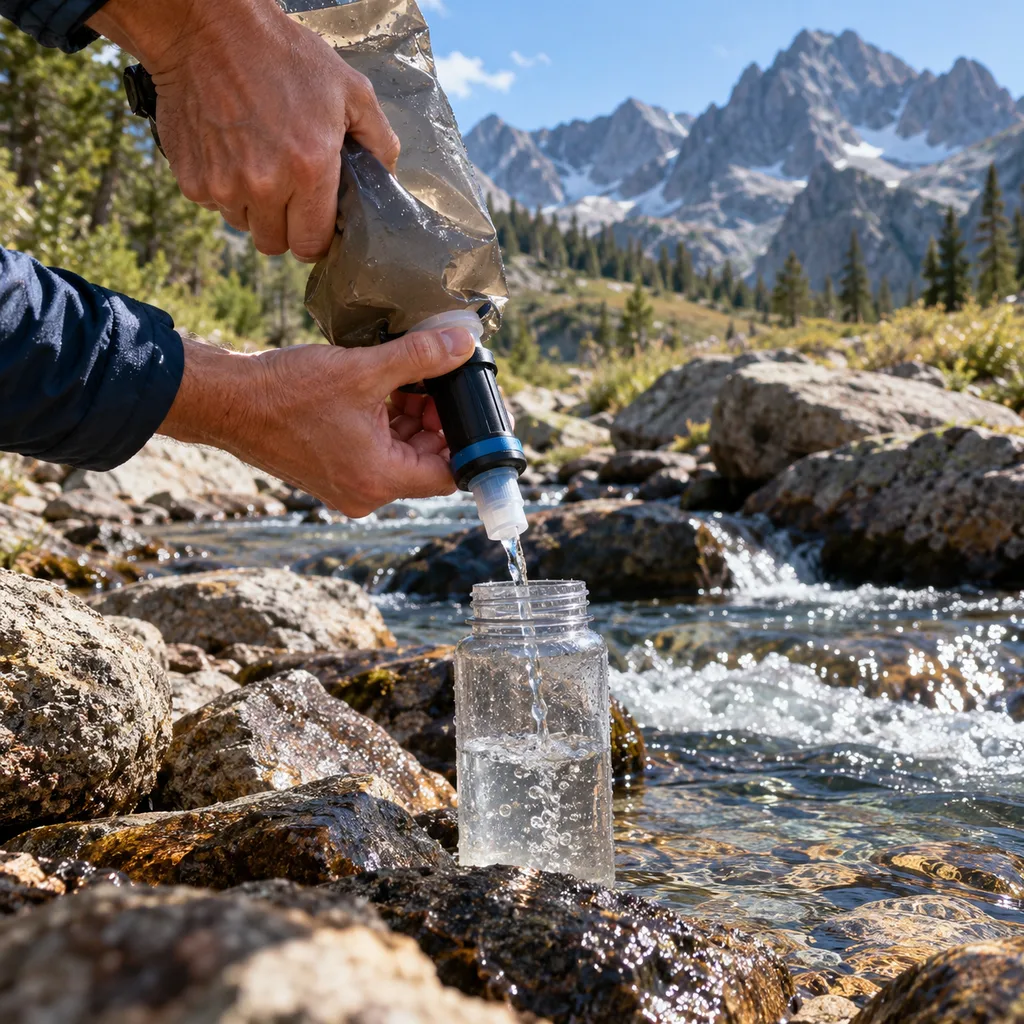
Table of Contents
Why Backcountry Water Needs Treating
What Is Actually in the Water
Backcountry water can carry three kinds of pathogens. Protozoa such as Giardia and Cryptosporidium are the most common problem in North American streams. Bacteria such as E. coli and Salmonella come from animal and human waste. Viruses such as norovirus and hepatitis A are rarer in remote US wilderness but more likely near busy campsites, trailheads and anywhere people are careless with waste.
Clear Does Not Mean Clean
A pathogen is invisible, and a single cow or beaver upstream can contaminate a stream that looks perfect. Spring water straight from the ground is lower risk, but it is still worth treating, because you rarely know what sits above the source.
How Sick You Can Get
Waterborne illness usually shows up one to two weeks after exposure, so many people never connect it to the trip. Giardiasis can mean weeks of cramps and diarrhea. Public health guidance, including from the CDC, is to treat all surface water before drinking it.
How to Purify Water Backpacking: 6 Methods Compared
Every method below works when used correctly. They differ in what they remove, how fast they are, how much they weigh and how they cope with cold, murky or very dirty water.
1. Hollow Fiber Filters
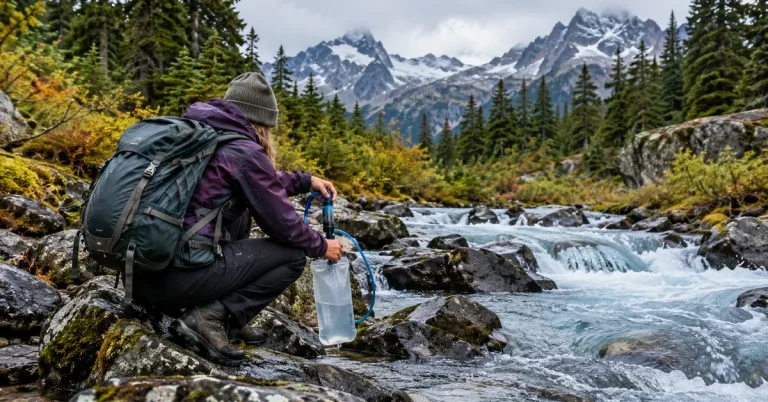
Squeeze, straw and inline filters push water through thousands of tiny hollow fibers with pores around 0.1 micron, small enough to stop protozoa and bacteria. They are light, fast and need no waiting. The Sawyer Squeeze is the classic example, and the tiny Sawyer Mini weighs about two ounces. Standard filters do not remove viruses, which are far smaller.
Hollow fiber filters also need regular backflushing with the included syringe or plunger to keep flow up. A filter that has slowed to a trickle is usually clogged with sediment rather than worn out, and a few pushes of clean water backward through it restores most of the speed.
2. Pump Filters
A pump filter lets you draw water from shallow puddles and slow seeps that a squeeze pouch cannot fill from. Pumps like the Katadyn Hiker Pro are heavier and have more parts, but they are handy in the desert and for groups filling several bottles at once.
3. Boiling
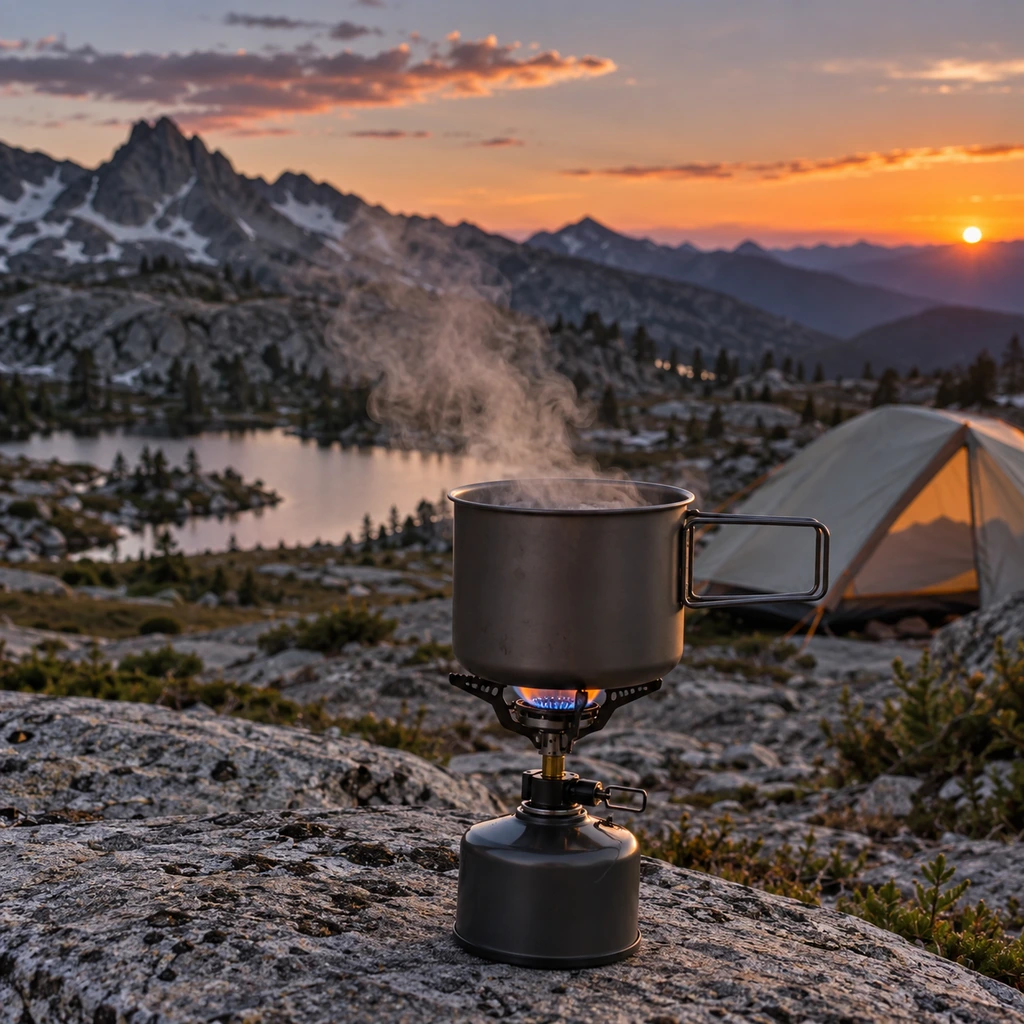
Boiling kills everything: protozoa, bacteria and viruses. Bring water to a rolling boil for one minute, or three minutes above about 6,500 feet, where water boils at a lower temperature. The downside is fuel, time and waiting for it to cool, so most backpackers boil only the water they are already heating for meals.
If you cook every night anyway, boiling is free protection for dinner and coffee water. A small canister stove from our list of the best camping stoves boils a liter in a few minutes, and our camp cooking for beginners guide covers how much fuel to carry for a weekend.
4. Chemical Treatment
Chlorine dioxide tablets and drops weigh almost nothing and kill bacteria and viruses within about 30 minutes. Cryptosporidium is tougher and can need up to four hours, and cold water slows everything down, so follow the label wait times exactly. Iodine works too but tastes worse and is not recommended for long use or during pregnancy.
5. UV Light
Ultraviolet treatment pens stir clear water under a UV lamp for about 90 seconds and neutralize protozoa, bacteria and viruses. They need batteries or charging, and they fail in cloudy water because particles shade the pathogens from the light.
6. Gravity Systems
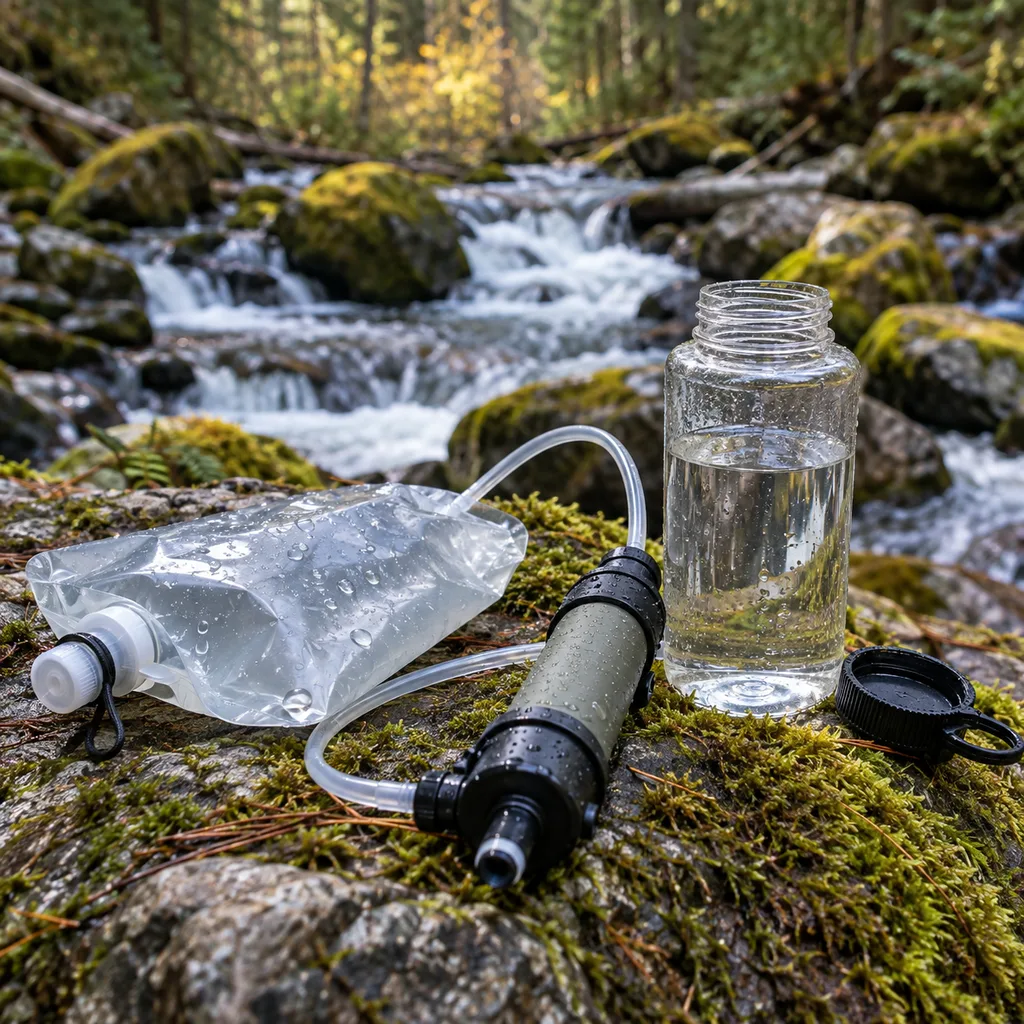
A gravity filter is a hollow fiber filter with a dirty water bag you hang from a branch. Fill it, hang it and let it drain into your bottles while you set up camp. The best backpacking water filters round-up covers gravity options, which are ideal for groups and base camps.
Water Treatment Methods at a Glance
| Method | Removes | Speed | Weight | Weak Spot |
|---|---|---|---|---|
| Hollow fiber filter | Protozoa, bacteria | Instant | 2 to 3 oz | Freezing, no viruses |
| Pump filter | Protozoa, bacteria | About 1 liter per minute | 11 oz and up | Weight, moving parts |
| Boiling | Everything | 5 to 10 minutes | Stove and fuel | Fuel, time, hot water |
| Chemical tablets | Bacteria, viruses, most protozoa | 30 minutes to 4 hours | Under 1 oz | Wait time, taste |
| UV pen | Everything in clear water | About 90 seconds | 3 to 5 oz | Batteries, cloudy water |
| Gravity system | Protozoa, bacteria | 1 to 2 liters per minute | 6 to 12 oz | Needs a place to hang |
Many backpackers carry two methods: a filter as the main system and a few chemical tablets as a backup in case the filter fails, freezes or clogs. The tablets weigh nothing and have saved plenty of trips.
Choosing the Right Method for Your Trip
Solo Weekend Trips
A squeeze filter and a few tablets cover most solo trips in the US. They add almost no weight to the pack, which matters when you are trying to keep your load down in one of the best backpacking backpacks.
Groups and Base Camps
A gravity filter wins for two or more people. Squeezing four liters by hand at the end of a long day gets old fast, while a hanging bag does the work while you cook.
Travel and Popular Areas
Near busy trailheads, in developing countries or anywhere viruses are a real concern, add chemical treatment or UV after filtering, or use a purifier rated for viruses. Filtering first removes particles, which makes chemicals and UV work better.
Desert and Low Water
Shallow pools and seeps call for a pump or a scoop and a squeeze pouch. Silty desert water clogs filters quickly, so let it settle in a bag or pot first and pour off the clearer water on top.
Cold Weather Water Treatment
Protect Your Filter From Freezing
This is the most important fall tip in this guide. Water trapped inside a hollow fiber filter expands when it freezes and can crack the fibers without any visible sign, leaving a filter that looks fine but no longer protects you. On nights near freezing, keep the filter in a zip bag in your sleeping bag, and keep it in an inside pocket during the day. Our guide to cold weather backpacking has more ways to keep gear warm overnight.
If You Think It Froze
Most manufacturers say a filter that may have frozen should be replaced, because there is no reliable field test. Switch to boiling or tablets for the rest of the trip.
Slower Chemicals in Cold Water
Chemical treatments work more slowly in cold water, so double the wait time when water is near freezing. Boiling is the most reliable cold weather method, especially if you are already melting snow. A warm sleeping bag from our list of the best backpacking sleeping bags makes keeping a filter warm overnight easy.
Good Water Habits on the Trail
How you collect and store water matters almost as much as how you treat it. These habits also keep you in line with the low impact hiking rules that protect the sources everyone depends on.
Collect From the Best Source
Choose flowing water over still water, and collect upstream of trails, campsites and crossings. Avoid water near grazing animals, and let murky water settle before filtering. A bandana over the intake catches the worst of the sediment.
Keep Dirty and Clean Separate
Label a dirty bottle or bag and never let dirty water drip onto the threads of your clean bottle. Cross contamination is the most common way people get sick even after treating their water.
Plan How Much to Carry
Check your map for reliable sources and carry enough to reach the next one, plus a margin in dry seasons. Our hiking hydration guide explains how much you really need per mile and per hour.
On dispersed sites without facilities, camp and wash at least 200 feet from water, as our guide to dispersed camping explains. Soap and food scraps near streams are a big part of why backcountry water needs treating in the first place.
Practice at Home
Set up and use your filter in the kitchen before your first trip, including backflushing. Knowing how to purify water backpacking by feel means you can do it tired, cold and in the dark. The same routines apply on a bike, as our guide to bikepacking hydration and water filtration explains.
Every ounce matters on a long trip, which is why a two ounce filter plus tablets beats carrying extra liters between sources. Our ultralight packing hacks show where else to save weight, and our look at the science of thru-hiking explains why staying hydrated matters so much over many days.
Common Water Treatment Mistakes
- Letting a hollow fiber filter freeze and trusting it afterward.
- Drinking chemically treated water before the full wait time.
- Touching the clean bottle threads with dirty hands or dirty water.
- Skipping backflushing until flow slows to a trickle.
- Carrying only one method with no backup tablets.
- Filtering silty water without letting it settle first.
Most of these come from rushing at the end of a long day. Build the routine into camp setup, the same way you build a campfire or pitch a shelter, and it stops feeling like a chore. Understanding how to purify water backpacking is also worth sharing with everyone in your group, since one careless person can make the whole party sick.
Frequently Asked Questions
Do I need to purify water from a mountain stream?
Yes. Even remote, clear streams can carry Giardia and bacteria from animals. Treat all surface water unless you are drinking directly from a tested source.
What is the difference between a filter and a purifier?
A filter removes protozoa and bacteria. A purifier also removes or kills viruses, usually through chemicals, UV or a much finer membrane. In most US backcountry a filter is enough; the broader field of portable water purification covers both.
How long do I boil water to make it safe?
One minute at a rolling boil, or three minutes above about 6,500 feet. You do not need to boil for ten or twenty minutes.
Can I drink snowmelt without treating it?
Fresh snow is usually low risk, but old or trampled snow can carry pathogens. Boiling is the simplest option because you are already heating it to melt it.
How long do water purification tablets take?
Most chlorine dioxide tablets kill bacteria and viruses in about 30 minutes and Cryptosporidium in up to four hours. Cold water needs longer, so always follow the label.
Knowing how to purify water backpacking comes down to a light filter as your main system, a few tablets as backup, boiling when you are already cooking, and a warm pocket for the filter once nights turn cold. Pick your gear from our best backpacking water filters, pack it in a bag you trust, and read our guide to fall camping essentials before the next trip.
Discover more from Maive Verse
Subscribe to get the latest posts sent to your email.