

This post may contain affiliate links. If you buy through them, we may earn a small commission at no extra cost to you.
Knowing how to find owls opens up a side of birdwatching most people never see. Owls live in almost every neighborhood, park and forest in North America, yet they spend the day tucked against a trunk or hidden in a cavity, and they do their hunting after dark. With a little knowledge of their calls, habits and favorite roosts, you can find them far more often than you might expect.
This guide covers the owls you are most likely to meet, the best seasons and times to look, how to use your ears, the clues owls leave behind, and how to watch them ethically. Late fall and winter are the best owling months of the year, so this Halloween is a great time to start. If you are new to birding, read our birdwatching for beginners guide first.
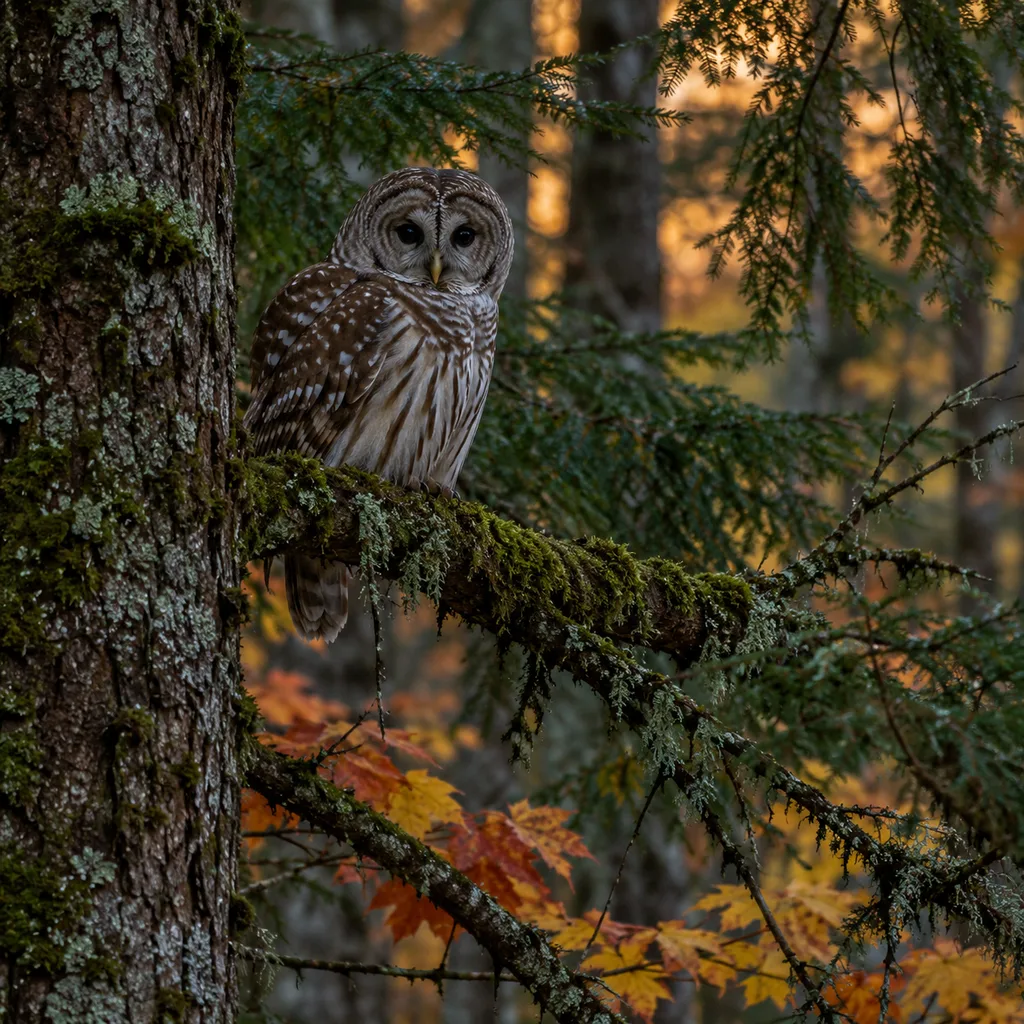
Table of Contents
Owls You Are Most Likely to Find
Great Horned Owl
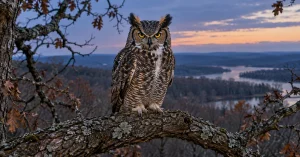
The great horned owl is the most widespread owl in North America, found in forests, deserts, farmland and city parks. It is large, with prominent ear tufts and a deep, soft hoot, usually in a rhythm of five notes. It is also one of the earliest nesting birds of the year, with courtship hooting peaking from late fall into winter.
Barred Owl
The barred owl lives in mature, wet woods across the East and has spread through the Pacific Northwest. It has dark eyes, no ear tufts and a famous call that sounds like “who cooks for you, who cooks for you all.” Barred owls are often active at dusk and on cloudy days.
Eastern and Western Screech Owls
Screech owls are small, about the size of a robin, and live in suburbs, parks and woodlots. They nest and roost in tree cavities and nest boxes. Despite the name, they do not screech: the eastern species gives a descending whinny and a long, even trill.
Northern Saw-whet Owl
The northern saw-whet owl is tiny and secretive, roosting low in dense conifers. Many move south in October and November, and banding stations catch hundreds in a season, which shows how common they are despite how rarely people see them.
Snowy, Short-eared and Barn Owls
In open country, look for barn owls around farms and grasslands, short-eared owls hunting low over fields at dusk in winter, and in some years snowy owls arriving from the Arctic to sit on shorelines, fields and even airports. A spotting scope helps with these distant birds; the Vortex Diamondback HD tops our best spotting scopes list.
When to Look for Owls
The Best Season
Late fall through early spring is prime owling season. Leaves are off the trees, many species are calling to defend territories or court mates, and migrants like saw-whets are on the move. Our guides to fall bird migration and winter bird feeding explain what else is changing at this time of year.
The Best Time of Night
The hour after sunset and the hour before dawn are when owls call most and are easiest to see against the fading sky. Calm, clear nights carry sound best. Windy or rainy nights are usually quiet.
| Owl | Habitat | Best Season | Call |
|---|---|---|---|
| Great horned | Almost anywhere | November to February | Deep, rhythmic hoots |
| Barred | Wet mature forest | Year round | Who cooks for you |
| Eastern screech | Suburbs and woodlots | Fall and winter | Whinny and trill |
| Saw-whet | Dense conifers | October to November | Repeated toots |
| Short-eared | Open fields | Winter dusk | Raspy barks |
Where to Look for Owls
Parks, Cemeteries and Woodlots
You do not need wilderness to find owls. Older city parks, cemeteries and wooded neighborhoods with big trees often hold great horned and screech owls, because they offer cavities, roost trees and plenty of rodents. Walk the edges where lawn meets trees, since owls like to hunt open ground from a sheltered perch. A quiet, slow walk like those in our forest bathing guide is exactly the right pace for owling.
Dense Conifers and Evergreen Stands
In winter, owls seek shelter from wind and from mobbing songbirds in thick evergreens. Pine plantations, cedar groves and spruce stands are worth checking slowly from the trail, scanning close to the trunk at about two thirds of the tree’s height. Stay on the path; walking under roost trees flushes the birds.
Local Trails at Dusk
Many state parks and nature centers run guided owl walks in the fall and winter, which is the easiest way to learn local hotspots. On your own, pick an easy, familiar trail from our hiking for beginners guide and arrive before sunset so you know the route before it gets dark. Feeders bring rodents too, so the woods near a busy bird feeder can attract a hunting owl.
How to Find Owls by Sound
Learn the Calls First
Most owls are heard before they are seen. Spend some time learning the calls of the owls in your area before you head out. Our guide on how to identify birds by song explains how to learn calls, and sound ID apps can help confirm what you hear.
Stop, Listen and Wait
Walk slowly and stop every few hundred yards to listen for two or three minutes. Turn your head slowly to locate a call, then move quietly in that direction. Many owlers find their first owl simply by standing still at a trail junction at dusk.
Follow the Alarm Calls
During the day, crows, blue jays, chickadees and titmice often gang up on a roosting owl, scolding loudly. This behavior is called mobbing, and it is one of the best ways to find a hidden owl. When you hear a sudden racket of crows in one tree, go take a look.
Clues Owls Leave Behind
Whitewash on Trunks and Branches
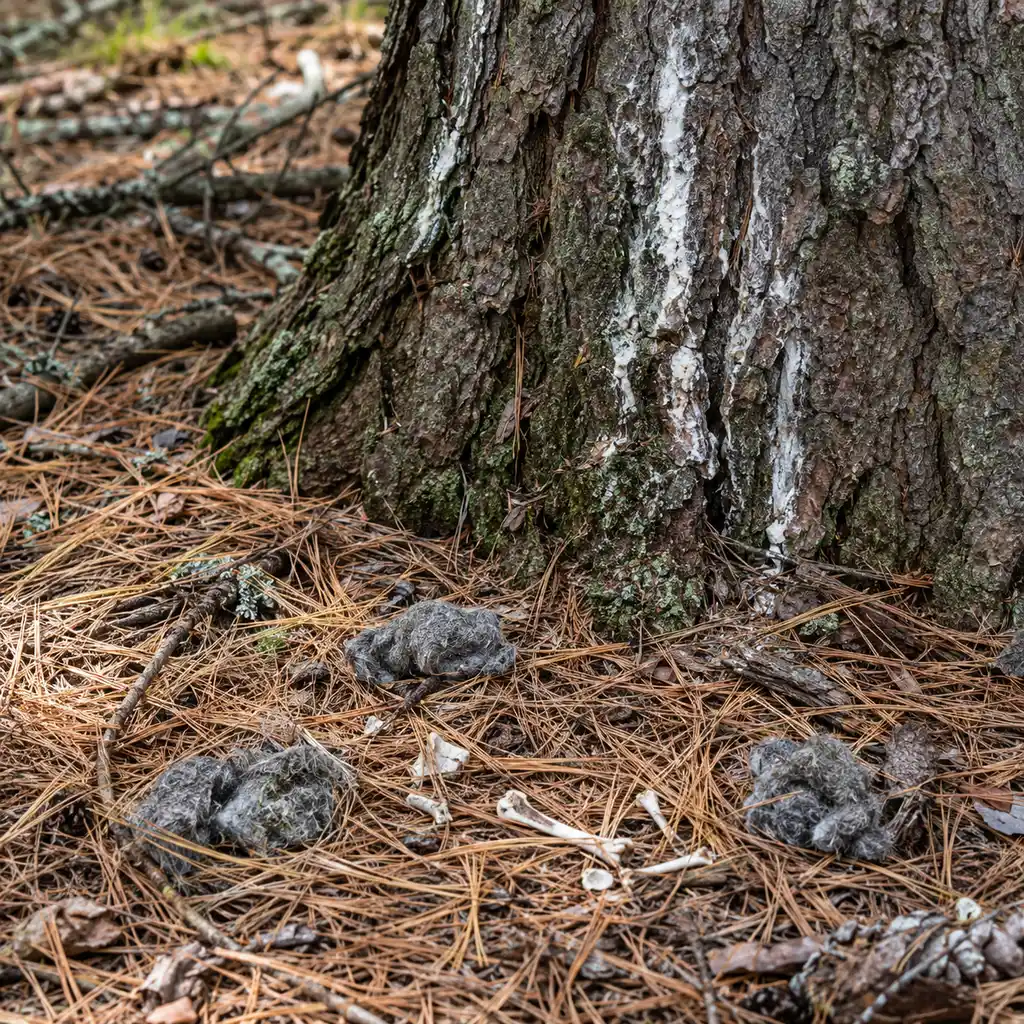
Owls tend to use the same roosts day after day, and their droppings leave white streaks down the trunk and splattered on the ground below. Check the bases of dense pines, spruces and hemlocks.
Owl Pellets
Owls swallow prey whole and cough up the fur and bones as compact pellets. A cluster of gray pellets under a tree is a strong sign an owl roosts above. Scan slowly, because the bird is usually tucked tight against the trunk.
Cavities and Nest Boxes
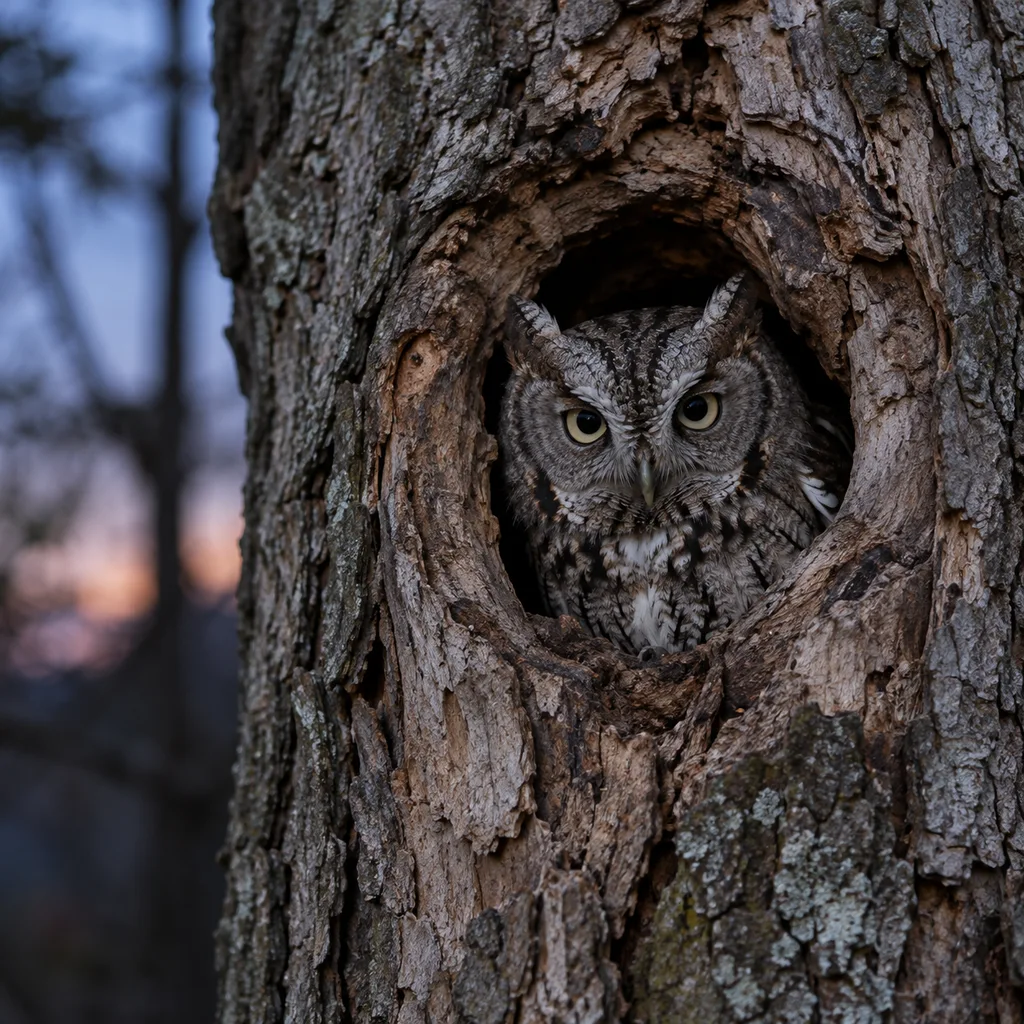
Screech owls often sit in the entrance of a cavity on sunny winter afternoons. Check old trees with woodpecker holes along the edges of parks and yards. A nest box can even bring one to your yard; see our tips on how to attract birds to your yard.
Gear for Owling
Binoculars
A good pair of 8×42 binoculars gathers enough light for dusk viewing. The Celestron Nature DX 8×42 is a great value, and our best binoculars for birdwatching list covers brighter options.
A Red Light
A headlamp with a red mode, like the Black Diamond Spot 400-R, lets you walk safely without blinding yourself or the birds. Avoid shining bright white light directly at an owl. Our night hiking guide has more tips for walking after dark.
Warm Layers
Owling means standing still on cold evenings. Dress in layers using our how to layer for hiking guide, and bring a hat and gloves.
Owl Watching Ethics
Give Them Space
If an owl stares at you, stretches, or starts to fly, you are too close. Back away and watch from a distance. Owls that are flushed during the day waste energy and become exposed to mobbing birds and predators.
Use Playback Sparingly
Playing recorded calls can stress owls and pull them away from hunting or nesting. Many birders avoid it entirely, especially in popular areas and during nesting season. The ABA Code of Birding Ethics is a good standard to follow.
Be Careful Sharing Locations
Popular owl roosts can attract crowds that disturb the birds. Share sightings with trusted friends rather than on social media, and when logging sightings on eBird, be aware that some sensitive species are hidden from public view for good reason.
Frequently Asked Questions
What time of year is best for owling?
Late fall through early spring. Owls are vocal, the leaves are down and many species are courting or migrating.
What time of day are owls most active?
Most are active at night, with peaks just after sunset and just before dawn. Some, like short-eared and burrowing owls, are also active in daylight.
How do I find owls in my backyard?
Listen at dusk on calm nights, check for whitewash and pellets under dense trees, and consider a screech owl nest box. Mature trees nearby help.
Should I call owls in with recordings?
It is best to avoid it or use it very sparingly. Recordings can disrupt hunting and nesting, so patient listening is the better approach.
Now you know how to find owls: go out at dusk in late fall or winter, learn a few calls, listen at quiet stops, and look for whitewash, pellets and mobbing songbirds. Bring binoculars and a red light, keep a respectful distance, and be patient. Your first owl sighting is one you will remember for years. Next, sharpen your raptor skills with our guide on how to identify hawks.
Discover more from Maive Verse
Subscribe to get the latest posts sent to your email.