Start bikepacking for beginners with our 7-step guide. Master gear selection, technical packing strategies, and wilderness safety for your first successful overnight trip.
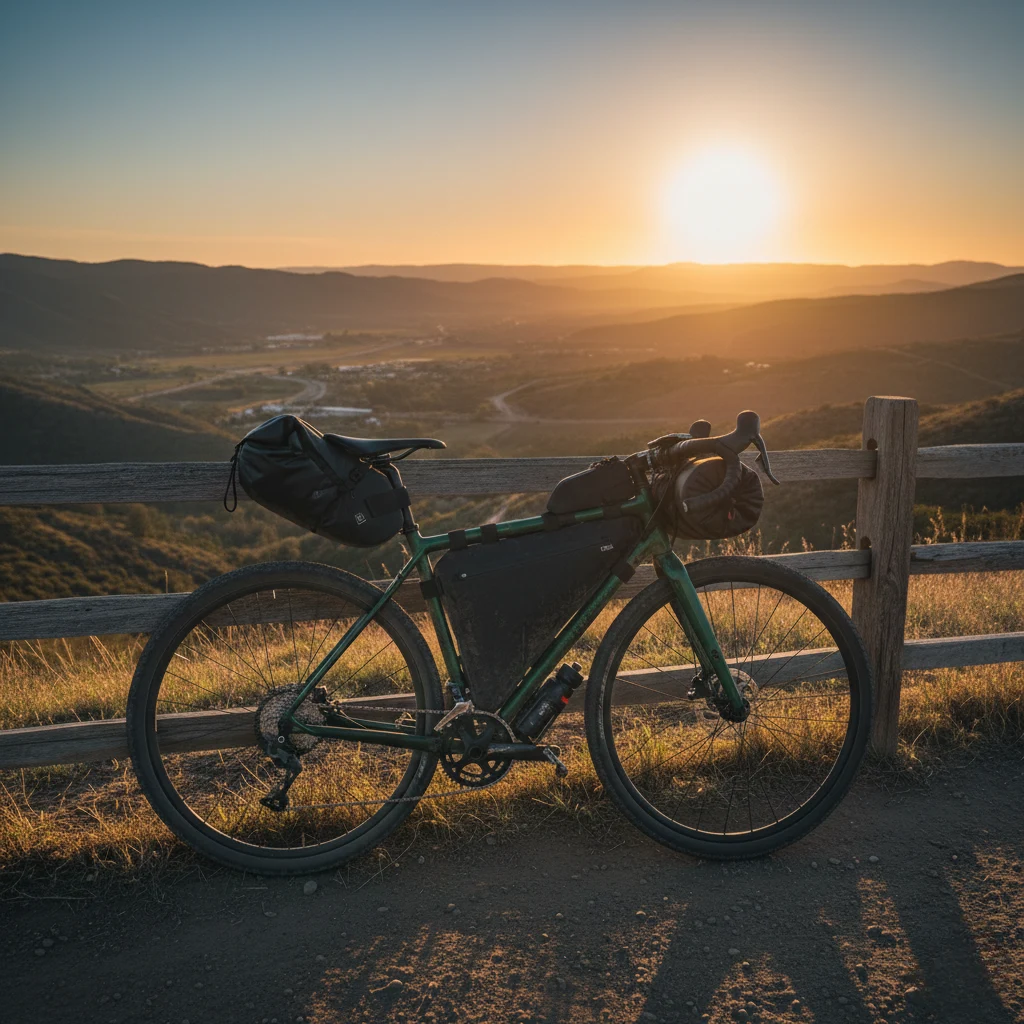
Table of Contents
Introduction: The Technical Foundation of Off-Road Adventure
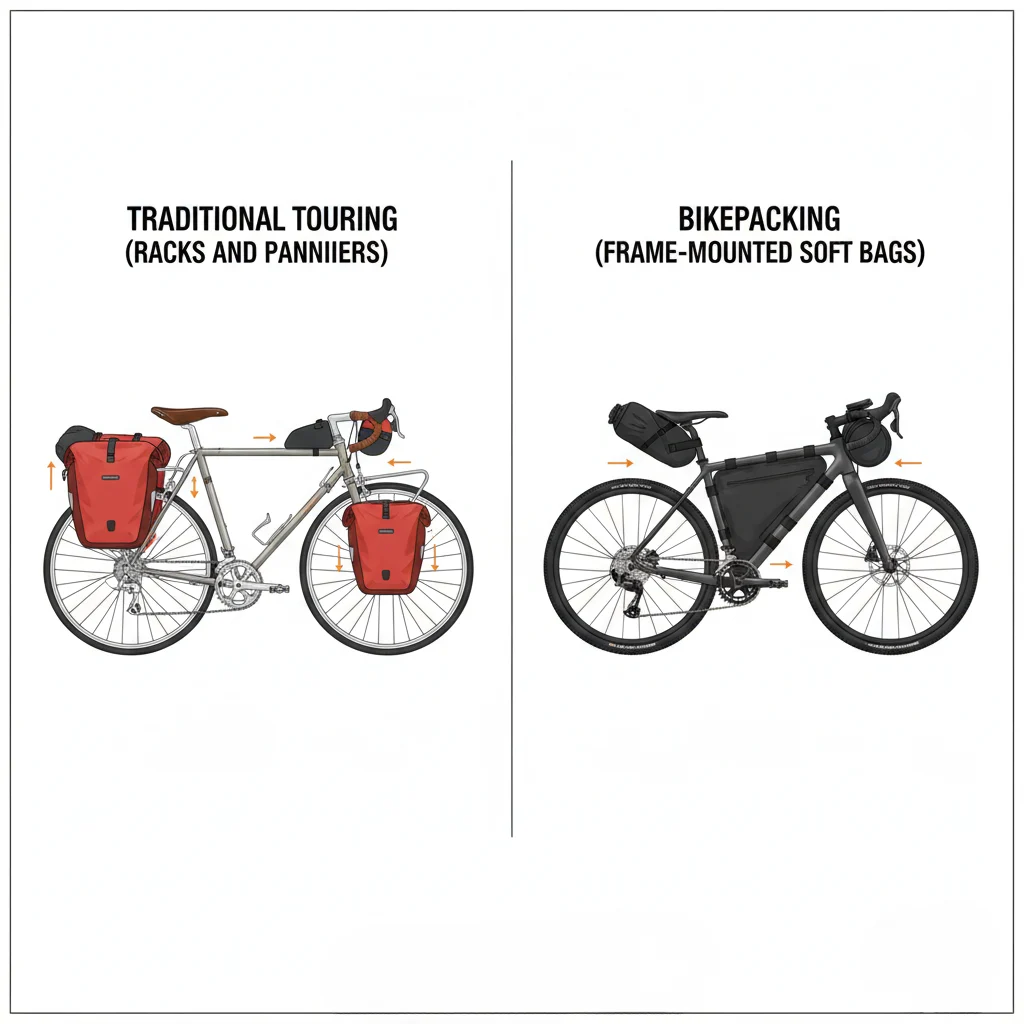
Bikepacking is a specialized discipline that merges the physical endurance of mountain biking with the minimalist efficiency of wilderness backpacking. Unlike traditional bicycle touring, which primarily utilizes paved roads and rigid racks, bikepacking for beginners focuses on navigating off-road terrain, singletrack trails, and forest service roads using soft-mounted bag systems. This approach allows cyclists to access remote landscapes inaccessible to motorized vehicles. The transition from day riding to multi-day expeditions requires a fundamental shift in gear management, physical preparation, and mechanical self-sufficiency.
Success on a first overnight trip is dictated by proactive planning rather than reactive decision-making. Beginners must recognize that every gram of weight added to the frame impacts the bicycle’s center of gravity and handling characteristics. High-quality gear selection is paramount for maintaining safety and comfort across varying elevations and weather conditions. Understanding the mechanical relationship between the load and the terrain is the first step in demystifying the sport for new participants.
Physical conditioning is a mandatory prerequisite for navigating technical trails with a loaded bicycle. Carrying an additional 20 to 30 pounds of equipment places significant stress on the core, glutes, and lower back stabilizer muscles. A structured fitness regimen focusing on functional strength ensures that the rider can manage the increased torque required for steep climbs without suffering from premature fatigue. This foundational strength prevents the lapse in concentration that often leads to mechanical errors or navigational mistakes in remote environments.

Selecting the Ideal Bicycle for Wilderness Travel
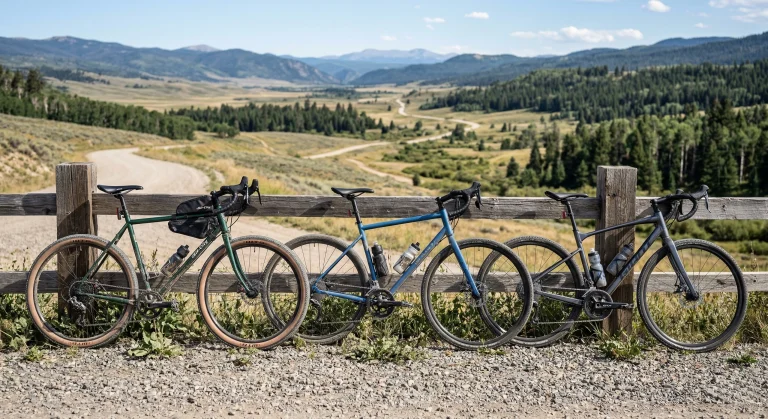
The primary requirement for bikepacking for beginners is a bicycle capable of handling rough terrain while supporting a significant gear load. While many frame styles can be adapted for short trips, mountain bikes with front suspension (hardtails) and dedicated gravel bikes are the most common platforms. The frame must provide adequate clearance for wider tires, which are essential for traction and vibration dampening on unpaved surfaces. Selecting a bicycle involves a technical assessment of gear range, braking power, and mounting point availability.
- Hardtail Mountain Bikes: These provide superior control and comfort on technical singletrack trails. The front suspension absorbs impacts, reducing rider fatigue on rocky or root-heavy terrain.
- Gravel Bikes: Designed for efficiency on forest service roads and doubletrack, these bikes prioritize speed and multi-position handlebars for long-distance comfort.
- Frame Material: Steel and titanium frames are favored for their durability and natural compliance, while aluminum and carbon frames offer weight savings at different price points.
- Tire Volume: Tires ranging from 2.1 to 2.4 inches are standard for providing the necessary “floatation” over loose gravel or sandy sections.
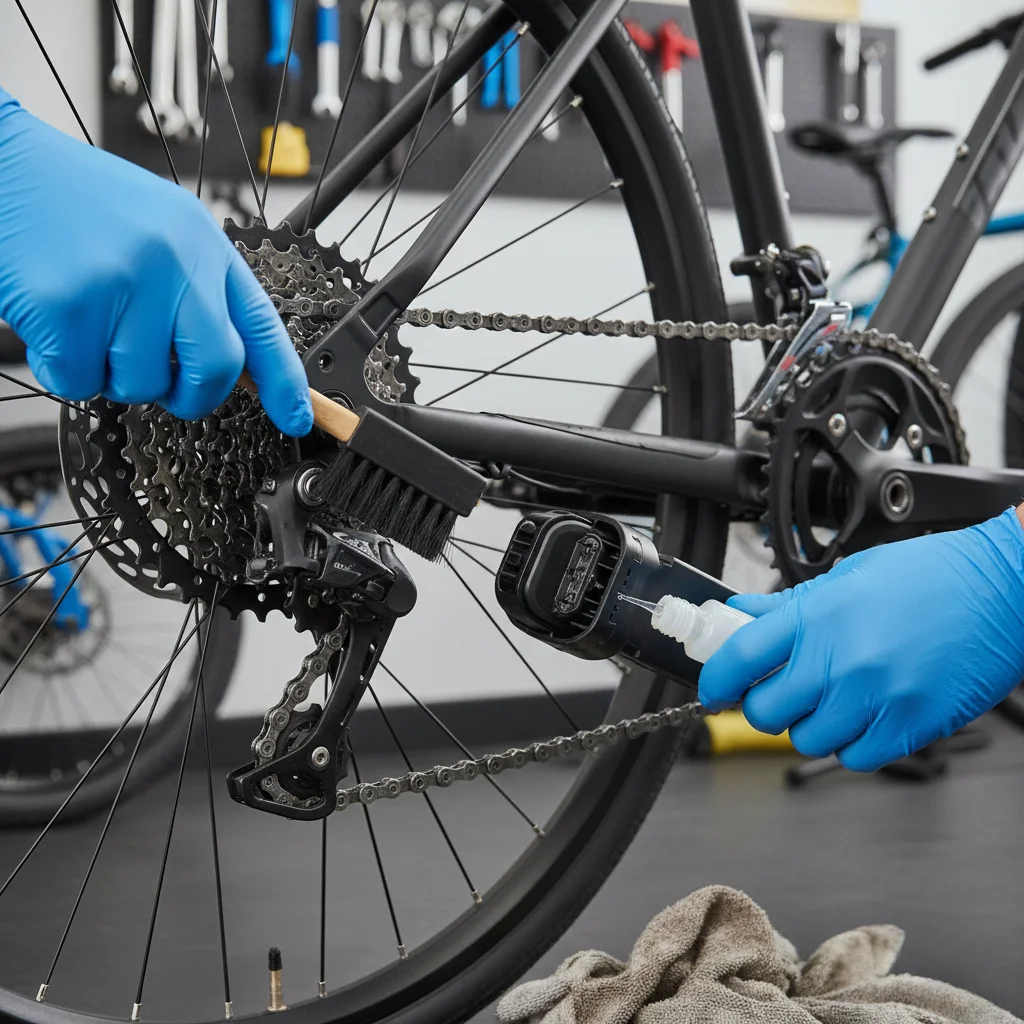
Mechanical reliability is the most influential factor when exploring remote areas. A comprehensive pre-trip inspection of the drivetrain, hydraulic braking systems, and tire integrity is non-negotiable. Many cyclists choose to switch to tubeless tire systems to minimize the risk of pinch flats and improve overall ride quality. Proper bicycle fit is equally critical; an incorrectly positioned saddle or handlebar can lead to chronic nerve compression or joint pain over multiple days of riding. Professional fitting services at a local bike shop can optimize power transfer and minimize injury risk.
Mastering Technical Bag Systems and Weight Distribution
The defining feature of bikepacking is the use of soft-sided bags that strap directly to the bicycle frame. This integrated system maintains a narrow profile, which is essential for navigating narrow singletrack without snagging on vegetation. Effective bikepacking for beginners requires a disciplined approach to weight distribution to ensure the bike remains balanced and predictable. Placing too much weight in the wrong location can lead to a “light” front end during climbs or a dangerous “speed wobble” during descents.
- The Frame Bag: Sits within the main triangle of the bike. This is the ideal location for the heaviest items, such as water bladders, tools, and dense food items, as it keeps the center of mass low and centered.
- The Seat Pack: Mounted behind the saddle. This bag should be reserved for light, bulky items like sleeping bags or clothing. Excessive weight here can cause the bag to sway laterally.
- The Handlebar Roll: Attaches to the bars. It typically contains the tent or sleep system. It must be packed carefully to avoid interfering with brake lines or shifting cables.
- Accessory Bags: Top tube bags and stem-mounted “feed bags” provide easy access to high-calorie snacks and navigational tools without requiring the rider to stop.
Securing the bags properly is a continuous task during the journey. High-frequency vibrations from the trail can cause straps to loosen, potentially leading to gear damage or interference with moving parts. Utilizing high-quality straps and fasteners ensures that the load remains stationary. Beginners should perform a “shakedown ride” with a fully loaded bike on local trails to identify potential rubbing points or mounting issues before the actual trip. Maintaining a silent, secure load is a hallmark of an experienced bikepacker.

For those operating on a limited budget, specialized bags can be expensive. Many first-timers successfully use heavy-duty dry bags secured with rubberized straps as a cost-effective alternative to dedicated seat packs. This modular approach allows for gear upgrades as the rider gains experience. Regardless of the bag type, protecting the frame’s finish with protective tape is a proactive measure to prevent abrasion from grit trapped between straps and the frame.
Optimized Sleeping and Cooking Systems for Remote Camps
The camping equipment used in bikepacking must be ultralight and highly packable to fit within the limited volume of the bag system. The “Big Three”, the shelter, sleeping bag, and sleeping pad, represent the largest and most critical investments. For bikepacking for beginners, prioritizing ease of setup and thermal efficiency is paramount for recovery after long days of exertion. A well-rested rider is more capable of making sound technical decisions on the trail.
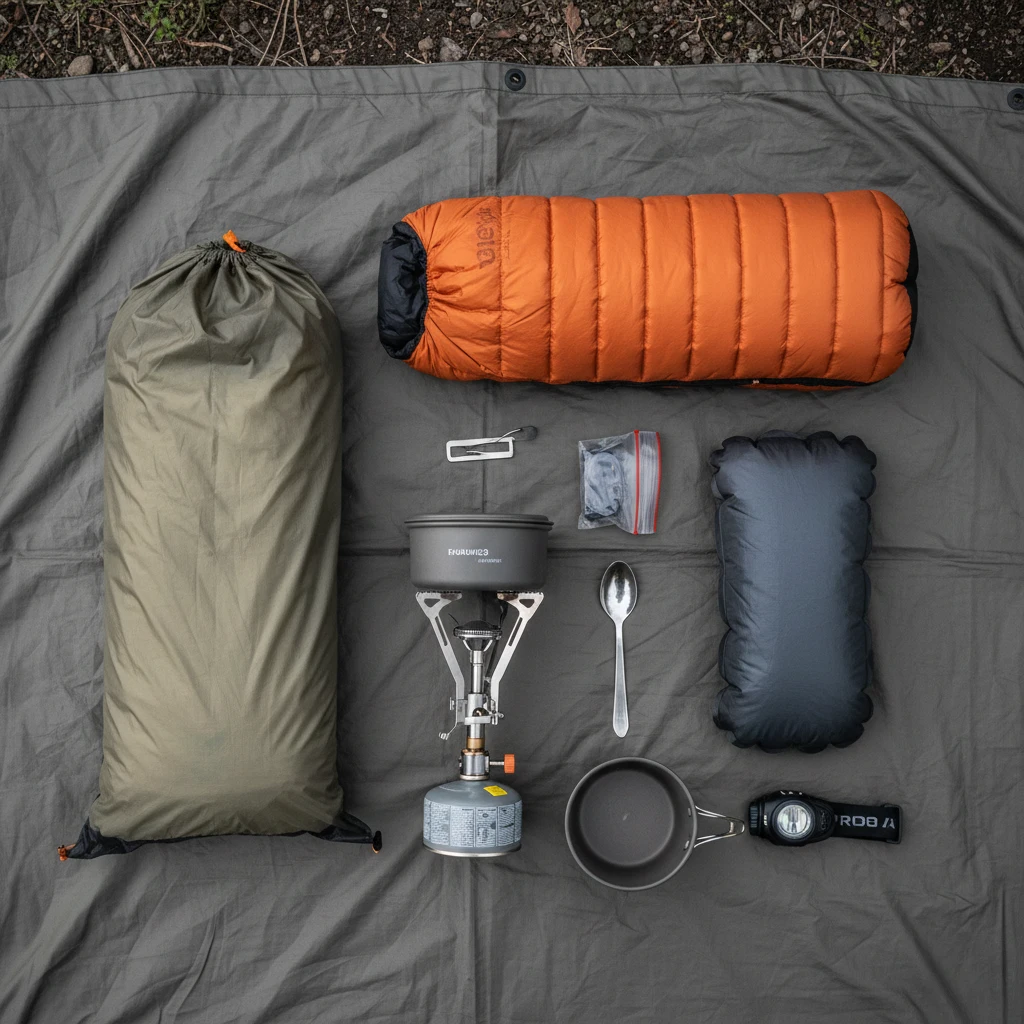
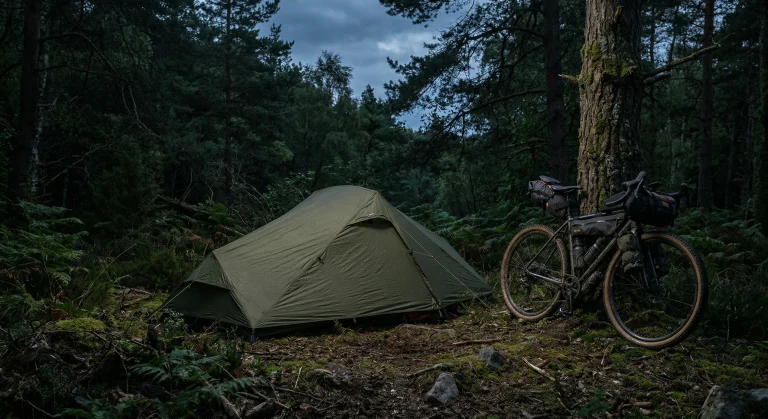
Shelter options range from minimalist bivys and tarps to ultralight freestanding tents. While bivys offer the lowest weight, a 1-person tent provides superior protection from insects and condensation, which can be critical for restorative sleep in humid or cold environments. The choice of insulation depends on the climate; down quilts are often preferred over traditional sleeping bags for their superior warmth-to-weight ratio and packability. Ensuring the sleeping pad has a high R-value is essential for insulation from the cold ground.

Cooking systems should focus on fuel efficiency and simplicity. A small canister stove or an alcohol stove is usually sufficient for boiling water for dehydrated meals. Caloric density is a vital consideration for endurance; riders should focus on foods high in protein and healthy fats. Proper water purification is a non-negotiable safety requirement. Relying on a single filtration method can be risky, so carrying chemical tablets as a backup is a standard practice for backcountry travel.
Environmental stewardship is a core component of the sport. Every participant must adhere to Leave No Trace principles to minimize their impact on the wilderness. This includes packing out all waste, camping on durable surfaces, and respecting wildlife habitats. In areas with bear activity, proper food storage using bear-resistant containers or localized hanging methods is mandatory. A responsible approach to camping ensures that these remote trails remain accessible for future generations of adventurers.
Strategic Route Planning and Navigation Protocols
The success of a first bikepacking trip is largely determined by route selection. Beginners should avoid overly technical singletrack or extreme elevation gains on their initial outing. A route following rail-trails or well-maintained forest roads provides a predictable environment for learning how a loaded bicycle handles. Gradually increasing the difficulty of the terrain is the safest methodology for building technical skills and confidence.

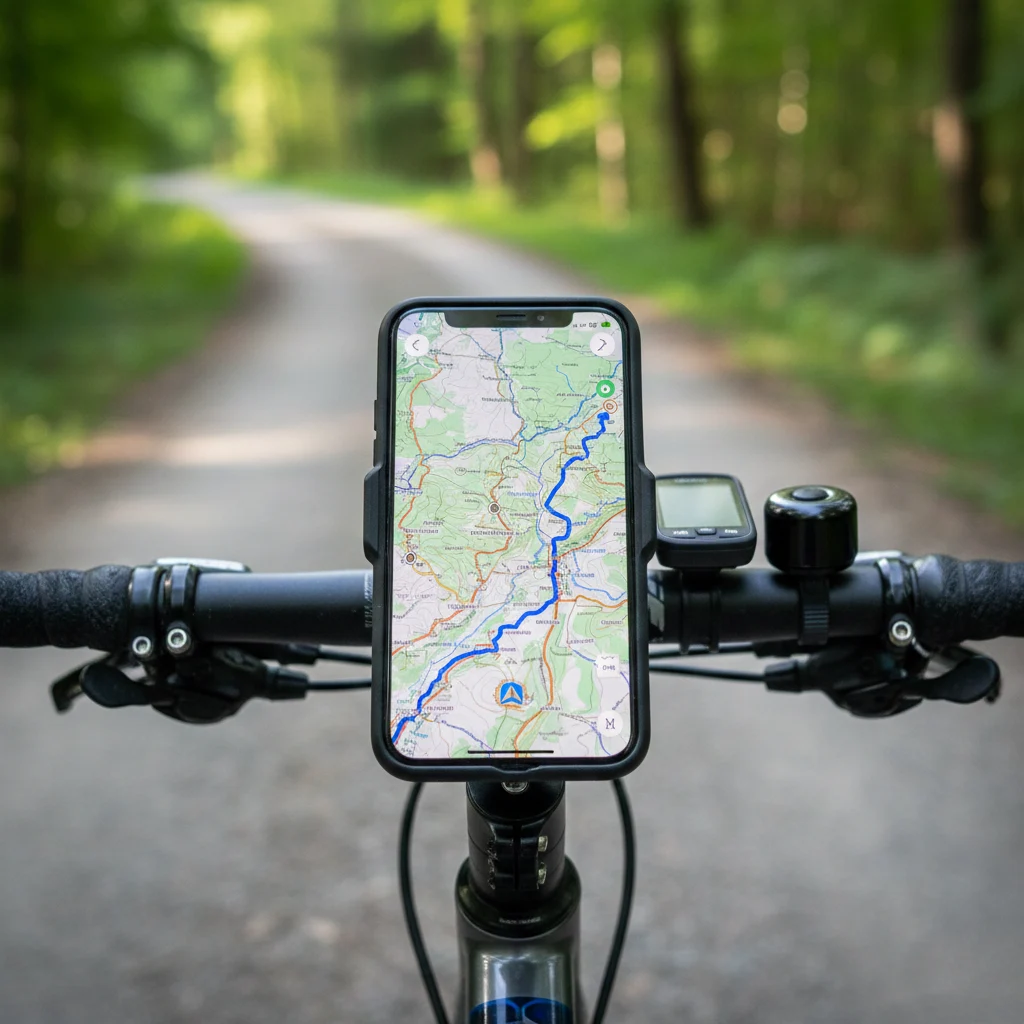
Digital navigation has become the primary standard for backcountry travel. Platforms like Ride with GPS and Komoot allow riders to create detailed routes and download offline maps. These maps are essential for maintaining orientation in areas without cellular service. However, relying exclusively on electronics is a safety risk due to potential battery failure or software glitches. Carrying a paper topographic map and a compass, and knowing how to use them, is a foundational safety skill.
Understanding terrain ratings and difficulty levels prevents beginners from entering dangerous situations. Many trail systems use a standardized color-coding system to indicate steepness and technicality. A loaded bike effectively increases the difficulty of any trail; a “blue” intermediate trail may feel like a “black” expert trail when the bicycle weighs 50 pounds. Proactive route research should include checking current trail conditions and potential closures due to seasonal weather or maintenance.
Logistical planning must also account for reliable resupply points and water sources. Carrying excessive water adds significant weight, but carrying too little is a major safety hazard. Researching the frequency of streams, springs, or towns along the route ensures that the rider remains hydrated. Many bikepackers utilize community-sourced data to find established routes that have been vetted for accessibility and safety. A well-researched itinerary reduces stress and allows the rider to focus on the experience.
Essential Mechanical Tools and Safety Readiness
Self-sufficiency is the primary requirement for safely navigating the backcountry on a bicycle. Mechanical failures that would be a minor inconvenience in a city can become life-threatening situations in remote areas. Every participant in bikepacking for beginners must carry a comprehensive tool kit and possess the knowledge to perform field repairs. This preparedness is the foundation of wilderness safety and ensures that the rider can return to the trailhead without assistance.
A basic tool kit should include a high-quality cycling multi-tool with a chain breaker, a tire plug kit for tubeless setups, and a compact pump. Carrying a spare tube and a tire boot is essential for repairing sidewall tears that sealant cannot fix. Furthermore, a small bottle of chain lubricant and a spare derailleur hanger are highly recommended for multi-day trips. Mastery of basic repairs, such as fixing a broken chain or adjusting a cable, should be achieved before departure.
- Tire Maintenance: Monitor tire pressure constantly; lower pressures improve traction on loose surfaces but increase the risk of rim damage.
- Bolt Check: High-vibration terrain can loosen critical bolts; check the torque on rack mounts, axles, and cleats daily.
- DriveTrain Care: Dust and grit accelerate wear; clean and lubricate the chain every morning to maintain shifting precision.
- Brake Inspection: Long descents with a loaded bike can overheat brake pads; inspect pad thickness before any mountainous trip.
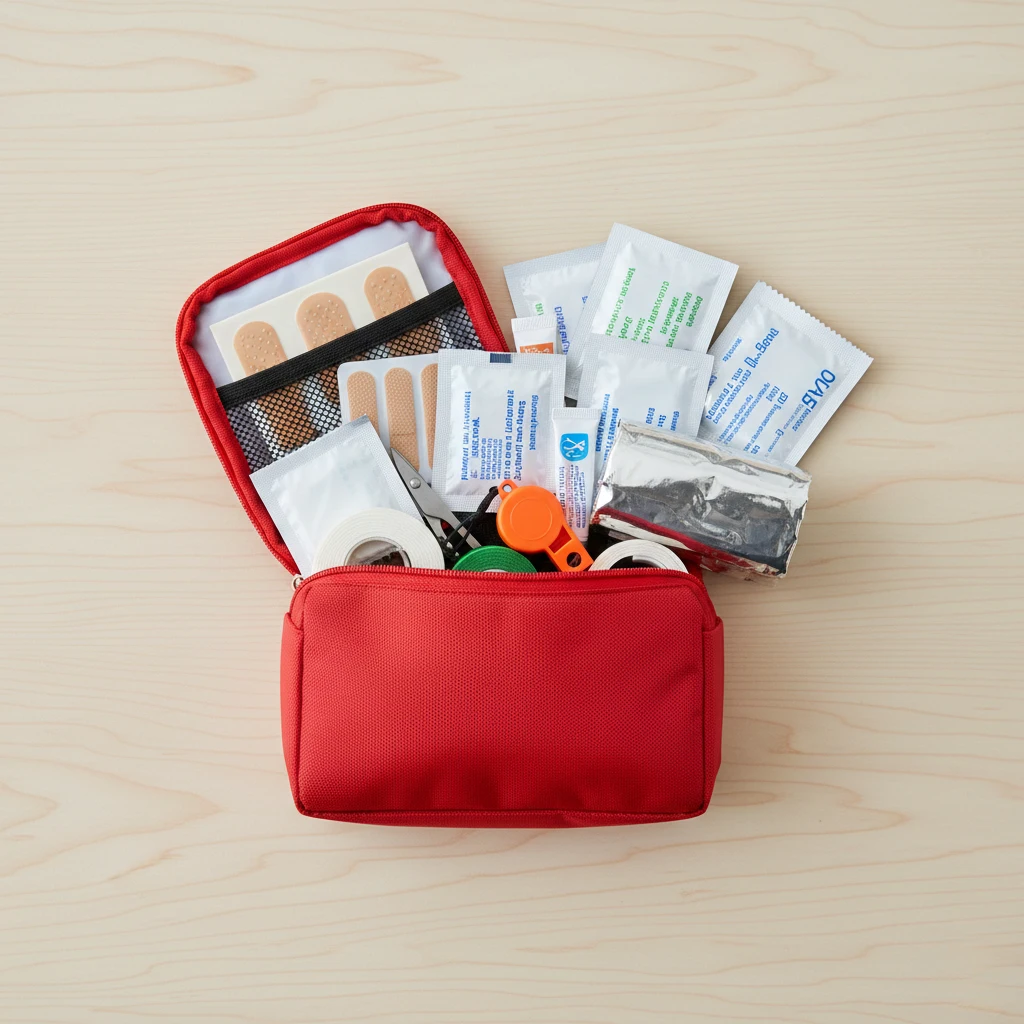
In addition to mechanical tools, a comprehensive first aid kit is mandatory. The kit should be tailored for cycling-specific injuries, such as abrasions, lacerations, and insect stings. For communication in areas without service, a satellite messenger is a critical safety investment. These devices allow for two-way messaging and feature an SOS button for emergency rescue. This technology provides peace of mind for both the rider and their emergency contacts. Safety readiness is a reflection of the rider’s respect for the environment and their own limitations.

Environmental awareness also includes preparation for wildlife encounters. Depending on the geographic region, riders should carry bear spray and know how to deploy it. Understanding the local ecosystem and weather patterns prevents dangerous situations. For beginners, joining a community or taking a wilderness first aid course can provide the skills necessary to manage crises in the backcountry. Proper preparation transforms fear into confidence.
Budget-conscious beginners should focus on the quality of their safety gear above all else. Repurposing existing outdoor equipment for cooking and sleeping is a common strategy, but compromising on a helmet or a repair kit can have serious consequences. As the participant’s skills evolve, they can transition to more specialized bikepacking equipment designed for extreme endurance. The journey to mastery is a gradual process of learning, testing, and refining one’s approach to the trail.
Conclusion: The Successful Transition to Multi-Day Cycling
Mastering bikepacking for beginners is a rewarding milestone that unlocks a lifetime of exploration and self-reliance. By selecting an appropriate bicycle, mastering the mechanics of weight distribution, and prioritizing high-quality sleeping and safety systems, any cyclist can successfully navigate their first overnight trip. The sport is not defined by speed or technical prowess, but by the ability to move through the wilderness with intention and respect.
A successful first journey depends on starting small and focusing on the fundamentals of gear management and route planning. Consistency in maintenance and a disciplined approach to safety ensure that the rider can overcome the challenges inherent in remote travel. As the beginner progresses from flat rail-trails to mountainous singletrack, their understanding of the bicycle as a tool for wilderness access will deepen. The tranquility of a remote campsite and the freedom of the trail are the ultimate rewards for proper preparation.
The wilderness is waiting, and with the right technical foundation, you are ready to embark on your first overnight journey. Treat the environment with care, pack with purpose, and embrace the unique rhythm of life on two wheels. The transition from a day rider to a bikepacker is a transformative experience that fosters a deeper connection to nature and a profound sense of accomplishment. Step out with a plan, respect your physical limits, and enjoy the unparalleled liberation that only bikepacking can provide.
Discover more from Maive Verse
Subscribe to get the latest posts sent to your email.