
Master for summer trails. Discover 7 technical tips to stay cool, manage hydration, and select gear for safe summer hiking in 2026.
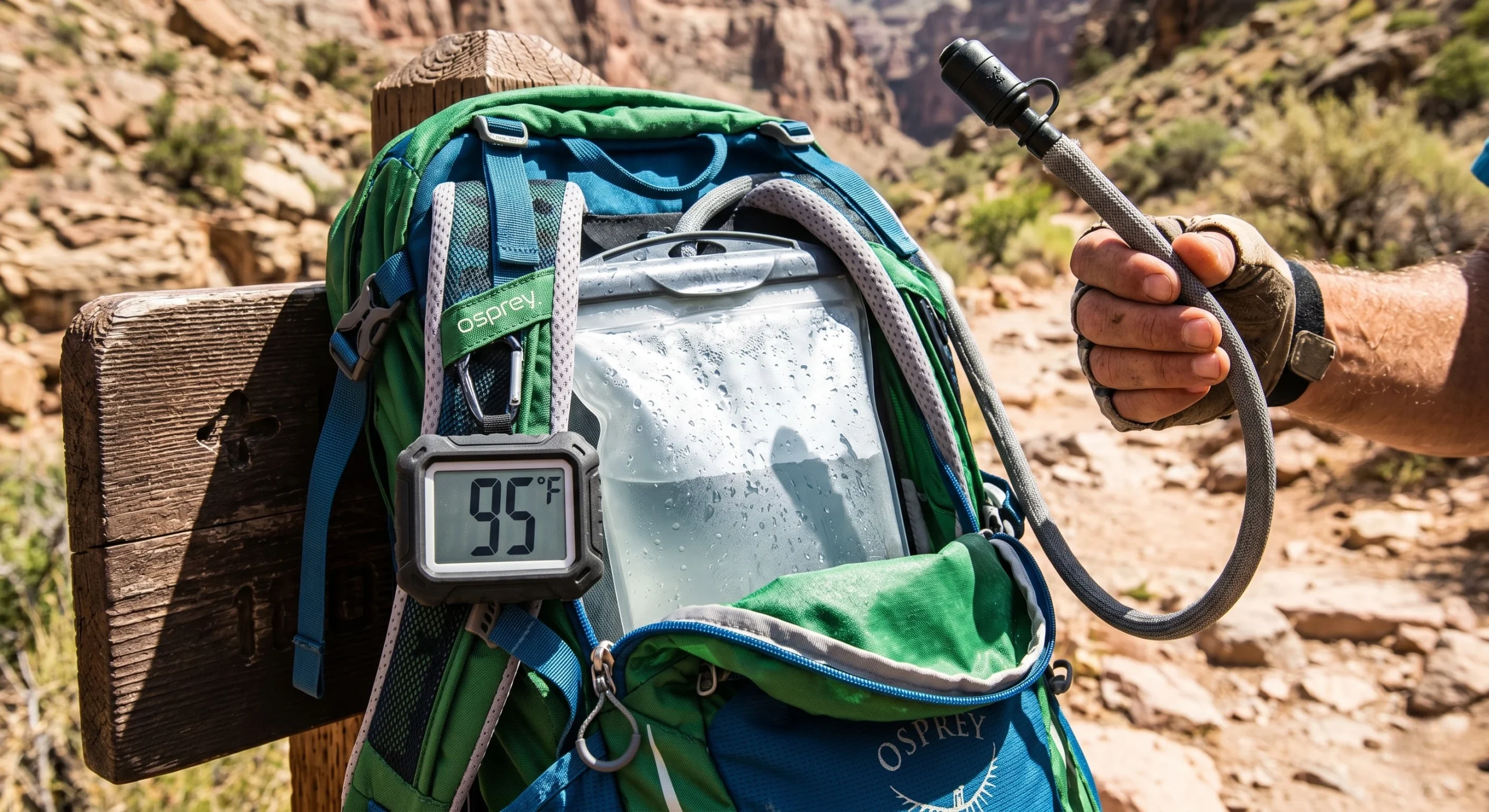
Table of Contents
The Physiology of Summer Hiking and Thermal Load
Implementing effective heat hacking strategies is a technical requirement for maintaining safety during high-temperature wilderness expeditions. In 2026, increasing average summer temperatures demand a more rigorous approach to thermoregulation than standard recreational hiking. When the body’s internal core temperature rises, physical output decreases, and cognitive function becomes impaired. This leads to the same type of decision-making errors discussed in our Bikepacking Mindset Guide. A successful summer mission depends on a proactive management of sweat evaporation, solar radiation, and metabolic heat.
1. Advanced Hydration and Electrolyte Management
The foundation of heat hacking is the maintenance of blood plasma volume. High-frequency perspiration removes not just water, but critical minerals required for muscle contraction. The hiker must begin a “pre-hydration” protocol 12 to 24 hours before the ascent.
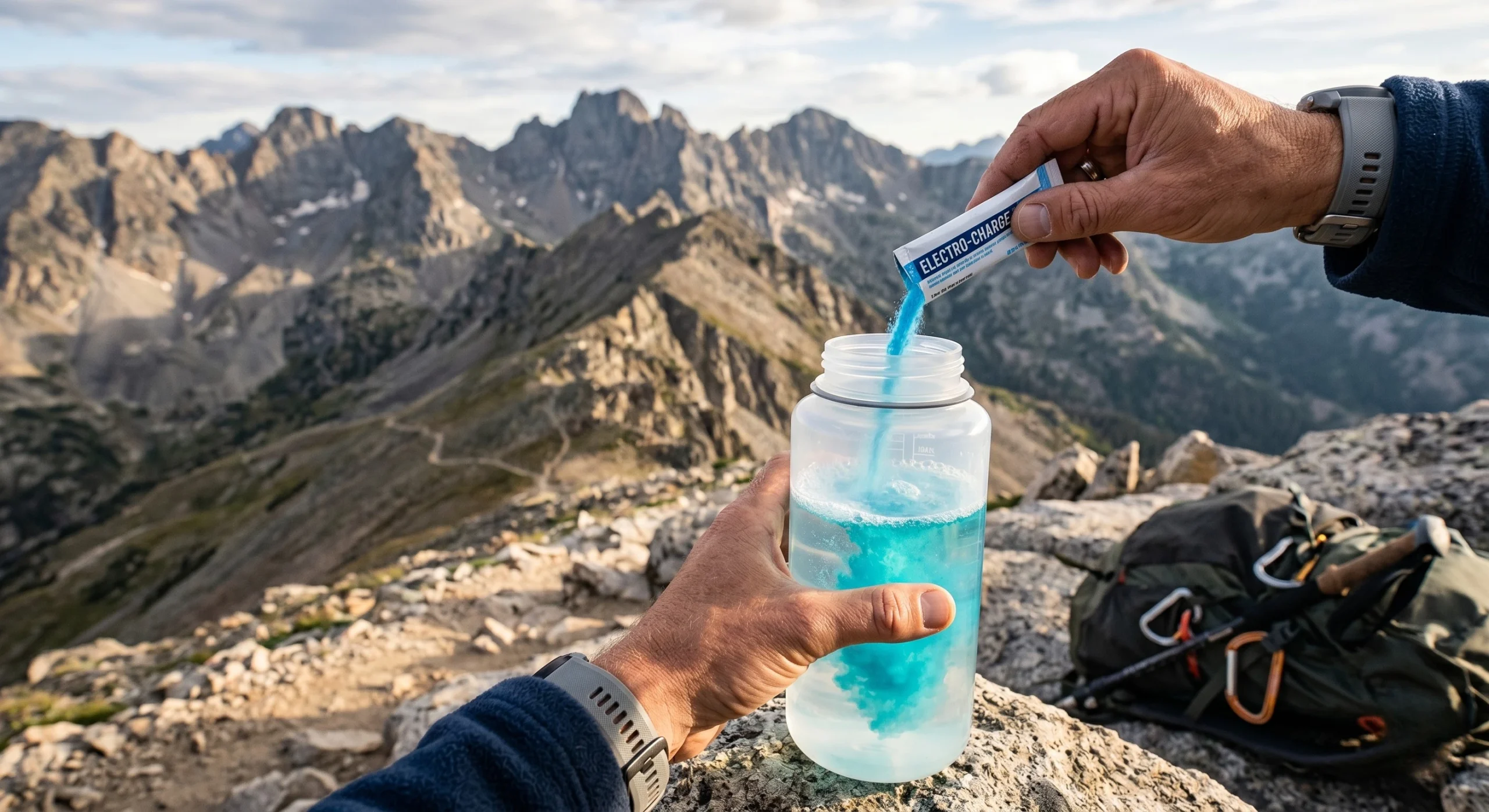
- Electrolyte Ratios: Relying on plain water can lead to hyponatremia. The participant should utilize salt tabs or powders containing sodium, potassium, and magnesium.
- Insulated Storage: Utilizing an insulated sleeve for a hydration bladder prevents the water from reaching ambient air temperature, providing a “heat sink” effect for the core.
- Sip Frequency: Small, regular intakes (every 10–15 minutes) are more efficient for absorption than large volumes consumed at longer intervals. For gear that accommodates high-capacity water systems, refer to our Ultimate Gear List.
2. Technical Apparel and UPF Layering
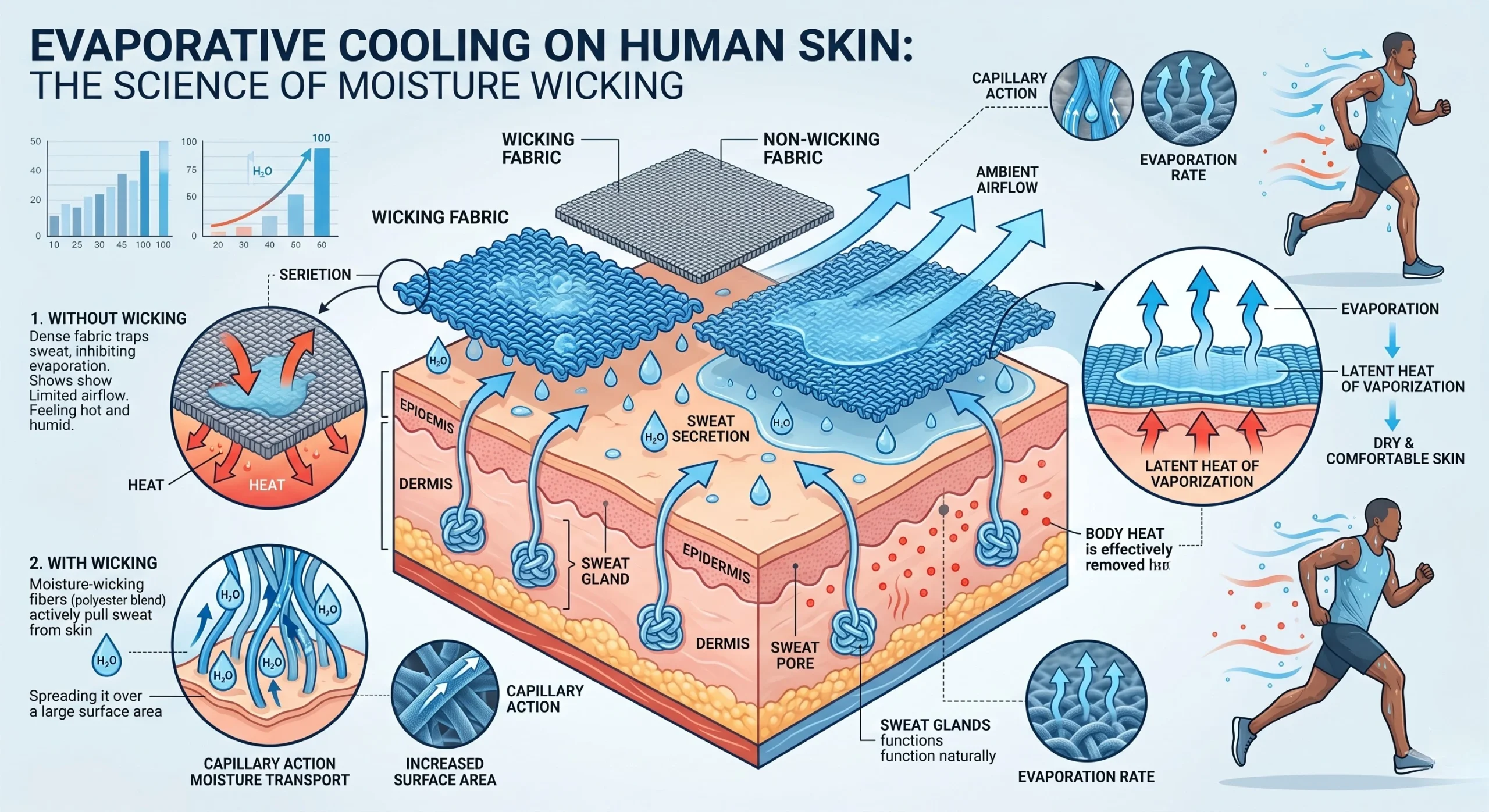
Selecting the correct textile is a primary heat hacking mechanical advantage. While the instinct may be to expose skin, technical coverage provides superior cooling by blocking direct UV radiation and facilitating the capillary action of sweat.
- UPF-Rated Fabrics: Synthetic fibers with a high Ultraviolet Protection Factor (UPF) reduce the thermal load on the skin surface.
- The “Sun Hoodie” Standard: In 2026, lightweight polyester hoodies are the industry standard. The hood protects the neck and ears, while the loose fit allows for internal airflow.
- Vapor Management: Avoid cotton entirely. Once cotton becomes saturated, it ceases to wick and becomes a heavy, non-breathable barrier. For technical safety standards on heat illness, the CDC Heat Safety Guidelines provide critical physiological benchmarks.
3. Logistical Timing and Terrain Selection
Effective heat hacking involves manipulating the environment through timing. The peak of solar intensity occurs between 11:00 AM and 4:00 PM. Technical hikers utilize the “Alpine Start” to minimize exposure to these peak hours.
- Shade-First Planning: Routes should be vetted for canopy cover or canyon shadows. Utilizing NPS Wilderness Navigation maps allows the hiker to identify north-facing slopes which typically remain cooler.
- The Mid-Day Siesta: If hiking in desert environments, the protocol involves finding deep shade during peak hours and remaining static until the sun angle drops.
- Elevation Advantage: For every 1,000 feet of gain, the temperature generally drops by 3.5°F. Targeting high-alpine trails is a logistical requirement for summer comfort.
4. Mechanical and Evaporative Cooling Methods
The final layer of heat hacking involves active cooling techniques. These are required when the ambient air temperature exceeds the skin’s ability to cool itself naturally.
- The Wet Bandana Technique: Soaking a neck gaiter or bandana in cold water provides immediate conductive cooling to the carotid arteries.
- Footwear Breathability: High-volume boots trap significant heat. Switching to mesh trail runners increases airflow to the feet, where blood vessels are close to the surface.
- Emergency Recognition: The hiker must monitor for signs of heat exhaustion: dizziness, rapid pulse, and cessation of sweating. Training from NOLS Wilderness Medicine is recommended for identifying these thresholds before they become critical.
Conclusion: The Professional Approach to Summer Trails
Mastering heat hacking transforms a potentially dangerous summer hike into a calculated technical exercise. By prioritizing electrolyte balance (Section 1), utilizing UPF-rated technical shells (Section 2), and adhering to strict timing protocols (Section 3), any hiker can manage extreme thermal loads. The success of a summer expedition is measured by the ability to maintain core stability regardless of external conditions.
Remember that the mountain dictates the rules. Treat the heat with the same mechanical respect you would a winter blizzard. Keep your gear updated, your water supplies redundant, and your knowledge of physiological limits sharp. The transition from a casual walker to a seasoned summer adventurer is found in the discipline of the preparation. Step out with a plan, respect the sun, and enjoy the unique clarity of the high-summer wilderness.
Discover more from Maive Verse
Subscribe to get the latest posts sent to your email.