
This post may contain affiliate links. If you buy through them, we may earn a small commission at no extra cost to you.
Knowing how to prevent blisters when hiking is the difference between a day you remember for the views and a day you remember for every limping step back to the car. Blisters are the most common hiking injury, and almost all of them are avoidable. They come from three things working together: friction, moisture and heat. Take away any one of them and your skin stays intact. If you are just getting started on the trail, our hiking for beginners guide covers the rest of the basics.
This guide covers the whole system: boots that fit, the right socks, lacing tricks, tape and lubricant, what to do the moment you feel a hot spot, and how to care for a blister that gets through anyway. Most of it costs little or nothing, and once it becomes habit you will rarely think about your feet again.
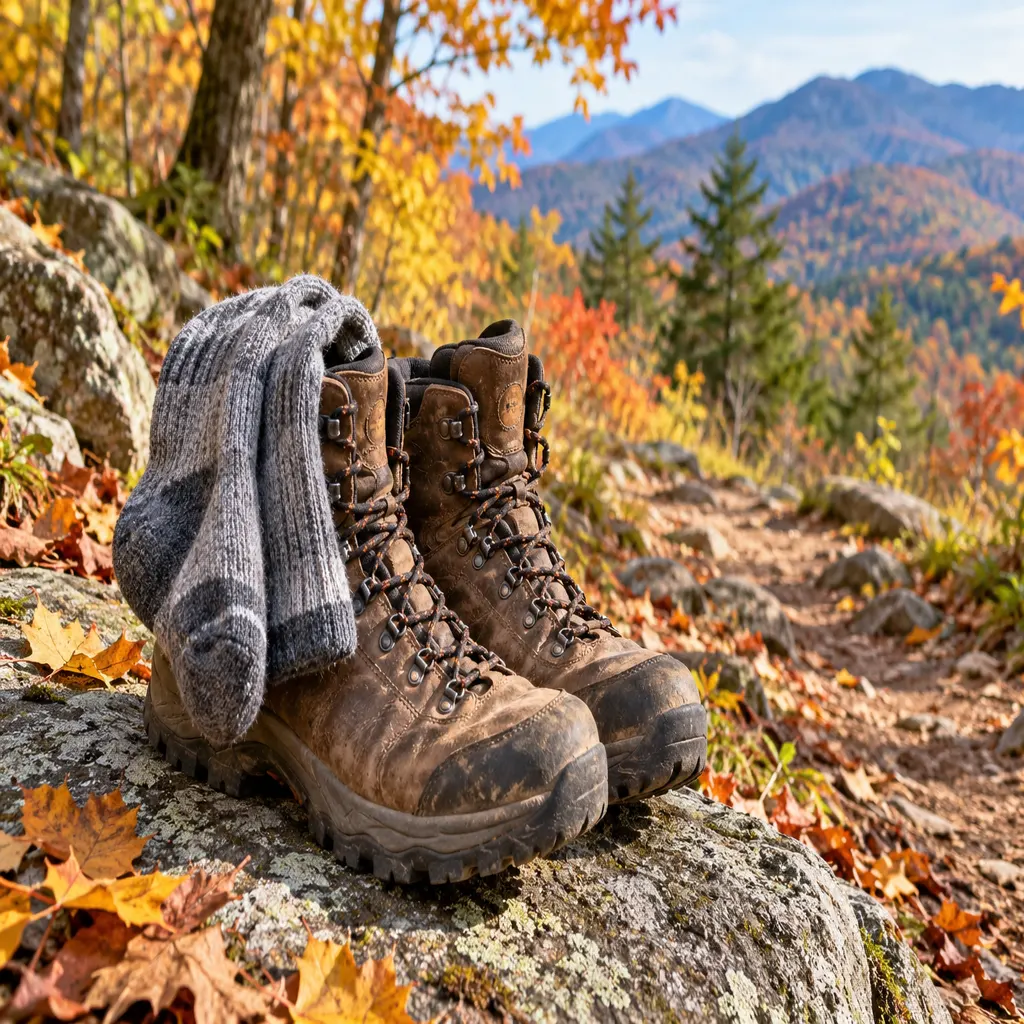
Table of Contents
Why Hiking Blisters Happen
A blister forms when skin is rubbed back and forth repeatedly, so the outer layer separates from the layer beneath and the gap fills with fluid. The American Academy of Dermatology lists friction as the leading cause, and hiking delivers plenty of it: thousands of steps, uneven ground, and feet that swell as the day goes on.
Friction
Friction is the engine. It is highest wherever the foot moves inside the shoe: heels lifting on climbs, toes sliding forward on descents, and seams pressing on the same spot every stride.
Moisture
Damp skin is softer and tears more easily, and wet fabric grips skin rather than sliding over it. Sweat, creek crossings and rain all raise your risk, which is why blisters often show up in the second half of a hike.
Heat
Warm feet sweat more and swell more. Long summer days, black boots on hot rock and heavy socks in mild weather all add up. Swelling is also why boots that feel fine at the trailhead can feel tight by mile eight.
Start With Boots That Fit
No sock or tape can fix a shoe that is the wrong shape for your foot. Our guide on how to choose hiking boots goes deep on fit, and our list of the best hiking boots highlights models with roomy toe boxes and secure heels.
Shop Late in the Day
Feet swell through the day, so try boots on in the afternoon, wearing the socks you hike in. You want roughly a thumb width of space in front of your longest toe, so your toes do not hit the front on downhills.
Lock the Heel
A heel that lifts more than a little with each step will blister. Try on boots on an incline board if the store has one, and walk downhill to check that your toes stay put. If your heel still slips, the lacing trick below usually solves it.
Break Them In Gradually
Modern trail shoes need little break in, but leather boots still need some. Wear new boots around the house, then on short walks, then on a short hike before you take them anywhere long. Hot spots that show up on a two mile walk will be blisters on a ten mile one.
Choose Socks That Fight Friction
Socks are your first line of defense and the cheapest upgrade you can make. Skip cotton entirely. It holds sweat, stays wet and bunches up, which is the perfect recipe for blisters. Our what to wear hiking guide explains why cotton is a bad idea for the rest of your clothing too.
Merino Wool or Synthetic
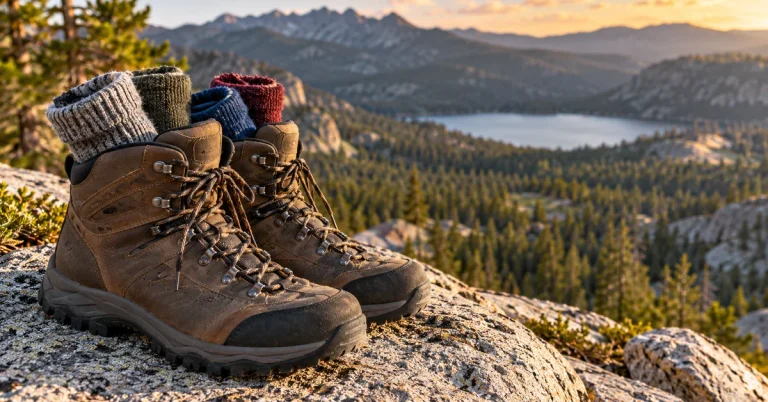
Merino wool wicks moisture, stays warm when damp and resists odor. Synthetic blends dry faster and last longer. Many of the best hiking socks combine both, with merino for comfort and nylon for durability. A snug fit with no bunching matters as much as the material.
Liner and Double Layer Socks
A thin liner sock under your main sock moves friction between the two layers of fabric instead of between fabric and skin. Double layer socks build the same idea into one sock. If you blister easily, this single change can solve the problem.
Toe Socks
Toe socks wrap each toe separately, which stops toes rubbing against each other. If your blisters appear between or on top of your toes, they are worth trying.
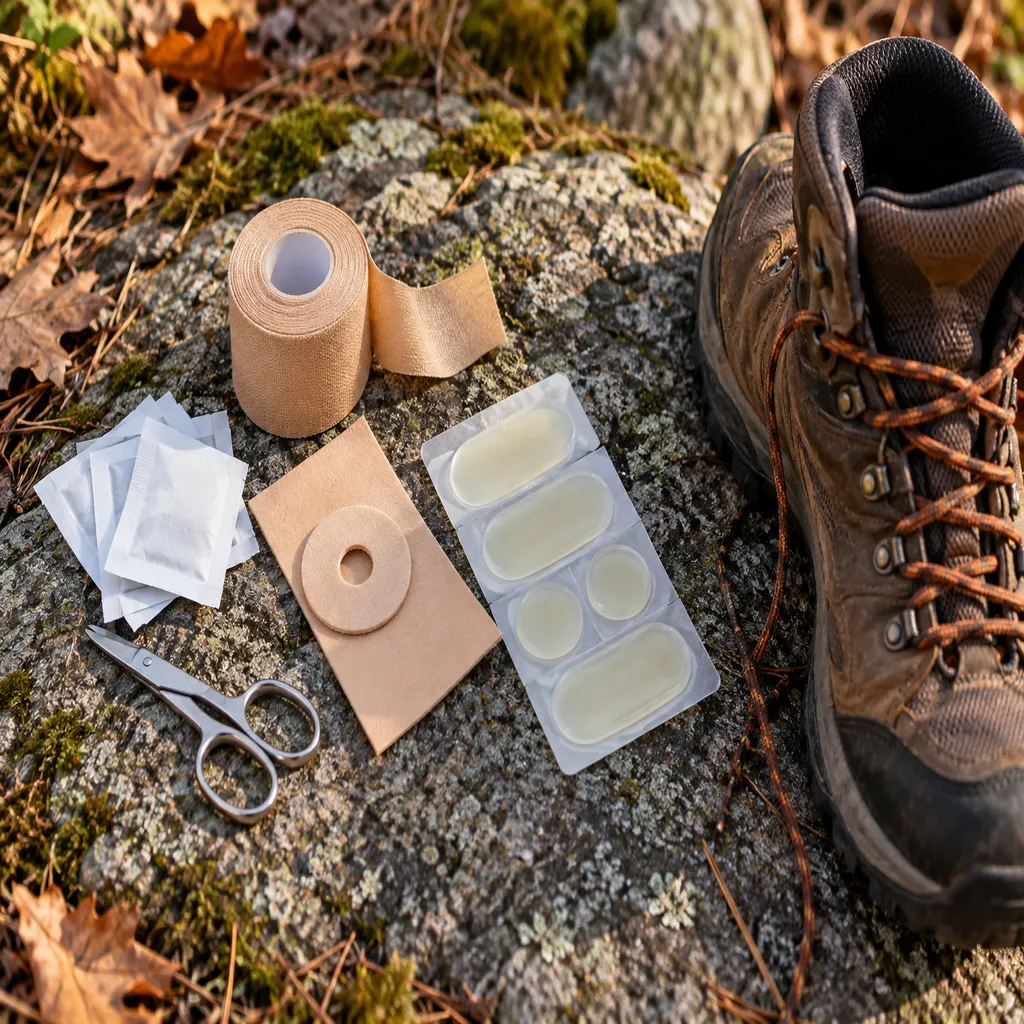
How to Prevent Blisters When Hiking With Lacing, Tape and Lube
Use a Heel Lock Lace
A heel lock, also called a runner’s loop, uses the top eyelet on each side to create a small loop, then crosses the laces through the opposite loop before tying. It pulls the heel back into the cup without tightening the whole boot. Loosen the forefoot a little on long descents if your toes feel squeezed.
Pre-Tape Known Trouble Spots
If you always blister in the same place, tape it before you start. Smooth, thin athletic tape such as Leukotape, or a moleskin patch with rounded corners, takes the friction instead of your skin. Apply it to clean, dry skin and press it down for a minute so the adhesive warms up.
Lubricate High Friction Areas
An anti chafe balm such as Body Glide Foot Glide on heels, toes and the balls of your feet reduces friction for hours. It works well for hikers who sweat heavily, and it pairs nicely with a liner sock.
Keep Feet Dry
Change into dry socks at lunch on long days, and take your shoes off for ten minutes to let your feet air out. Gaiters keep grit and pebbles out of your shoes, and a little foot powder helps sweaty feet. On longer trips, our guide on packing a light daypack explains how to fit a spare pair without the bulk.
Trim Your Toenails
Long toenails push back into the toe and rub the next toe over. Trim them straight across a day or two before a big hike so any sharp edges have time to soften.
Stop at the First Hot Spot
A hot spot is the warm, stinging patch that comes before a blister. It is your last warning, and stopping right then takes five minutes. Waiting until the next viewpoint can cost you the rest of the trip.
What to Do in Five Minutes
- Stop, sit down and take the shoe and sock off.
- Dry the skin and check for grit, a twisted sock seam or a wrinkle.
- Cover the spot with tape, a moleskin patch or a hydrocolloid dressing.
- Put on a dry sock if yours is damp, and re-lace to stop any heel lift.
Keep a Small Foot Care Kit
A zip bag with a few strips of tape, two hydrocolloid blister patches such as Compeed, an alcohol wipe and a safety pin weighs almost nothing. Keep it in the top pocket of your pack so you actually use it. Our roundup of the best hiking daypacks covers packs with easy access pockets.
How to Treat a Blister on the Trail
Small, Intact Blisters
Leave them alone. The skin on top is the best possible bandage. Cover the blister with a hydrocolloid patch or a moleskin donut, a ring of moleskin with a hole cut in the middle so pressure stays off the bubble.
Large or Painful Blisters
If a blister is large, tense and making walking impossible, you can drain it. Clean the area, sterilize a needle with an alcohol wipe, prick the edge, press the fluid out gently and leave the roof of skin in place. Cover it with antibiotic ointment and a dressing. REI expert advice on blisters walks through the same steps with photos.
When to See a Doctor
Watch for redness that spreads, warmth, pus, or red streaks, all signs of infection. People with diabetes or poor circulation should be extra careful and see a doctor about any foot blister rather than treating it themselves.
More Ways to Protect Your Feet
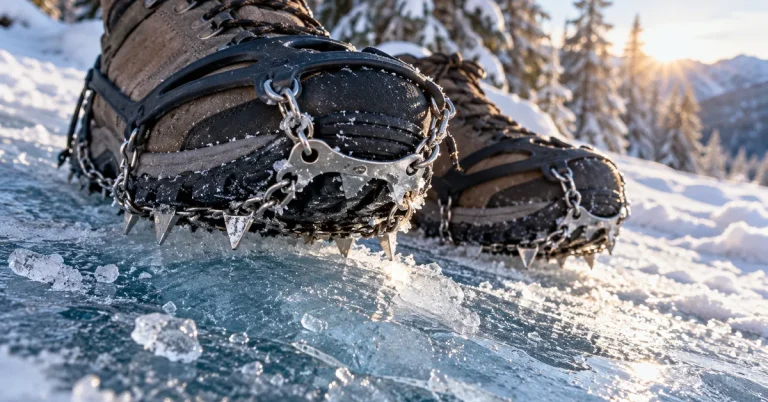
Trekking poles take weight off your feet on descents, where many blisters start. See our guides to the best trekking poles and how to use trekking poles. Staying hydrated reduces swelling, as our hiking hydration guide explains, and winter hikers should read our tips for hiking in snow and ice, since cold, wet feet blister just as easily.
The same rules apply off the trail. Runners will find more in our trail running for beginners guide, and anyone walking with a weighted pack should check our rucking for beginners guide, because extra load means extra friction. If you are planning your first overnight, our backpacking for beginners guide covers foot care over multiple days.
Frequently Asked Questions
What is the best way to prevent blisters when hiking?
Wear boots that fit, merino or synthetic socks, and stop to fix hot spots immediately. Those three habits prevent the vast majority of hiking blisters.
Should I pop a hiking blister?
Only if it is large and painful enough to stop you walking. Small blisters heal faster with the skin intact. If you do drain one, keep the skin on top and cover it.
Do liner socks really help?
Yes, for many hikers. Liners move friction between two fabric layers instead of fabric and skin. They help most for people who blister on the heel.
Is Vaseline good for preventing blisters?
Petroleum jelly reduces friction for a while, but it attracts dirt and can make socks soggy. Purpose made anti chafe balms last longer and stay cleaner.
How long does a hiking blister take to heal?
A small, intact blister usually heals in three to seven days. A drained or torn blister can take a week or two, so keep it clean and covered.
Discover more from Maive Verse
Subscribe to get the latest posts sent to your email.