


This post may contain affiliate links. If you buy through them, we may earn a small commission at no extra cost to you.
Learning how to run uphill is less about fitness than most runners think. Climbs feel brutal because people attack them the same way they run the flat: long strides, upright torso, effort climbing until the legs and lungs give out at the same moment. Good trail running climbers look almost unhurried by comparison, with short quick steps, a small lean from the ankles and an effort level they can hold all the way to the top.
This guide covers the technique, the effort control and the training that turn climbs from something you survive into something you are good at. It pairs with our guide on how to run downhill, because what goes up comes down, and if you are new to dirt, start with our trail running for beginners guide.
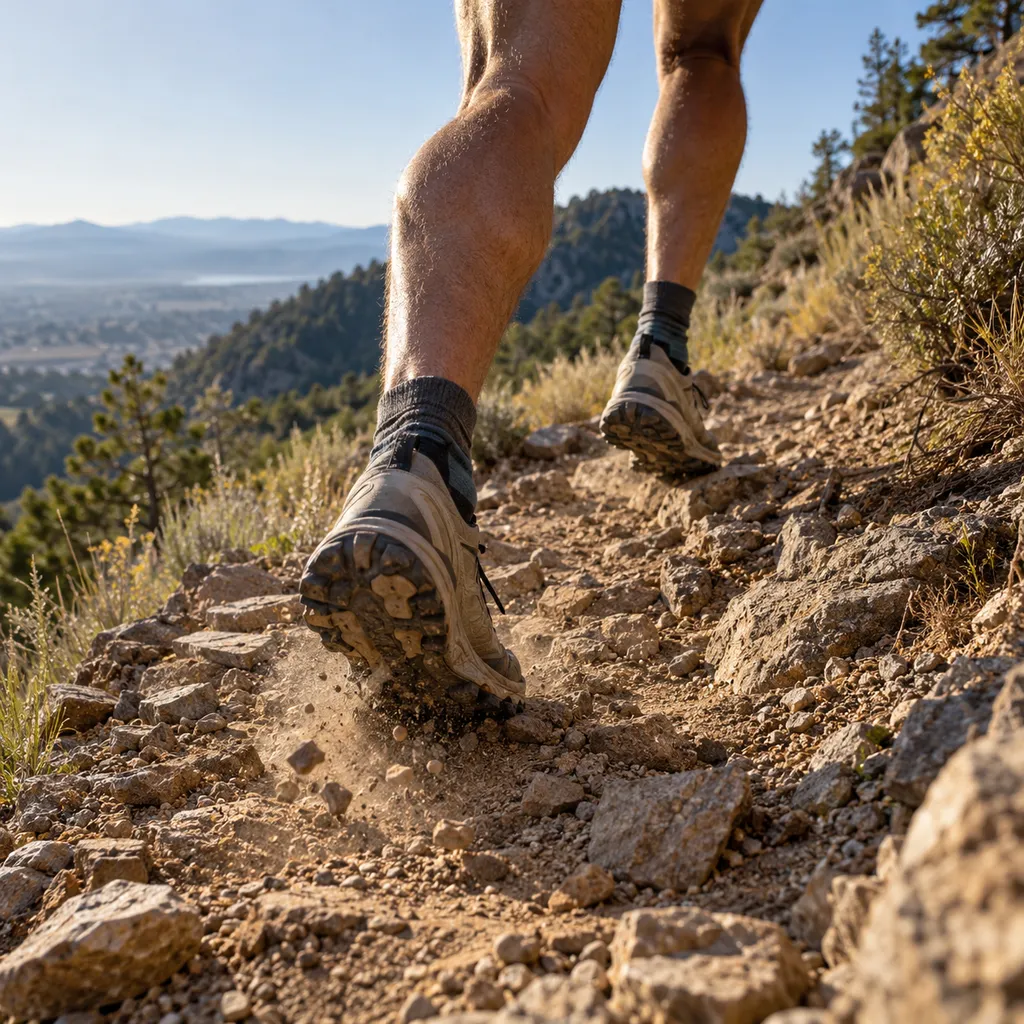
Table of Contents
Why Climbs Feel So Hard
You Are Lifting Your Whole Body
On the flat, most of your energy goes into moving forward. On a climb, a big share goes into lifting your full body weight up every step. A 10 percent grade means rising one foot for every ten you travel, and your legs pay for every inch of it.
Effort Spikes Faster Than You Notice
Your heart rate lags behind the effort you are making, so the first minute of a climb can feel fine right up until it suddenly does not. By the time your breathing tells you that you went out too hard, you have already crossed your lactate threshold and the rest of the hill becomes damage control.
Different Muscles Do More Work
Climbing leans harder on your glutes, your calves and the Achilles tendon than flat running does. If those areas are undertrained, your form breaks down first, then your pace follows.
How to Run Uphill: 9 Techniques That Work
Knowing how to run uphill well is a set of small habits rather than one big trick. Practice one or two of these at a time on a moderate climb before taking them onto anything long or steep. Most of them feel strange for a week and natural after a month.
1. Lean From the Ankles, Not the Waist
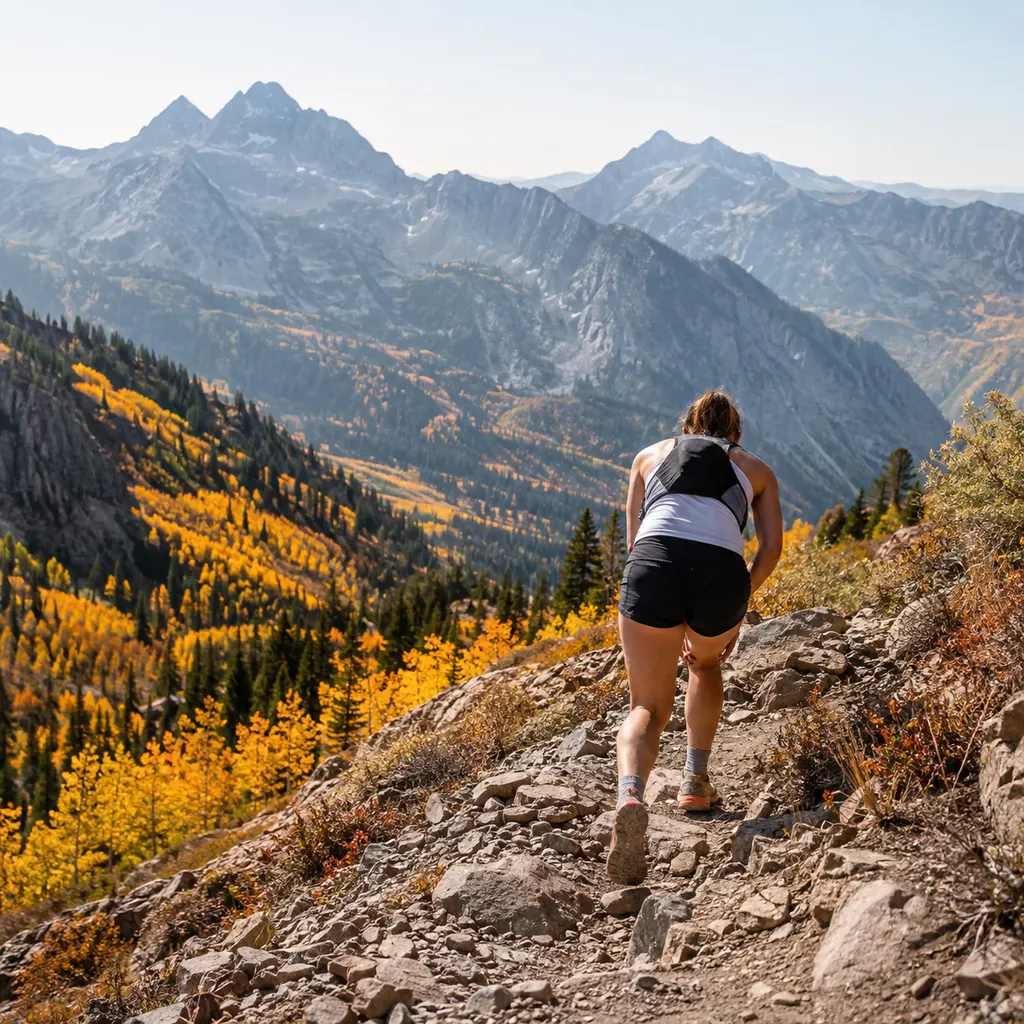
A slight forward lean helps, but it should come from the ankles with your body in a straight line, not from folding at the hips. Bending at the waist shortens your breathing and shifts work onto your lower back. Imagine a straight line from your ear through your hip to your ankle, tipped gently into the hill.
2. Shorten Your Stride
Short steps are the single most important change. A long stride on a climb means lifting your body further with each step, which burns the legs fast. Take steps short enough that your foot lands under your body, even if that means barely moving forward on the steepest pitches.
3. Keep Your Cadence Up
As the stride shortens, keep your cadence quick. Many runners let both stride length and step rate drop on a climb, which makes them feel stuck. Quick, light feet keep momentum going and spread the work across more, smaller efforts.
4. Land on Your Midfoot or Forefoot
On a climb your heel rarely needs to touch first. Landing on the midfoot or forefoot lets your calf and Achilles act like a spring. On very steep ground, let the heel drop briefly once the foot is planted, which gives the calves a moment of rest and protects the Achilles from constant strain.
5. Drive With Your Arms
Your arms set the rhythm for your legs. On a climb, bend them a little more than usual and drive them forward and back, not across your body. When your legs start to fade, picking up the arm swing is often enough to pull your cadence back up with it.
6. Look Up the Trail, Not at Your Feet
Staring down at your shoes rounds your back and closes your chest. Keep your eyes a few meters ahead so your head stays up and your breathing stays open. Pick a landmark, a rock or a tree, and run to it, then pick the next one.
7. Run by Effort, Not Pace
Your pace will drop on a climb, and that is fine. What should stay steady is effort. Use a perceived exertion scale: on a long climb, hold a level where you can still speak in short sentences. If you are gasping, you are spending energy you will need later.
8. Breathe Deeply and Rhythmically
Shallow, panicked breathing makes everything worse. Breathe from the belly and try to match it to your steps, for example in for two steps and out for two. On steeper sections, a rhythm of in for two and out for one keeps oxygen coming in without having to think about it.
9. Know When to Power Hike
There is a grade where walking becomes as fast as running and far cheaper. For most runners that is somewhere between 15 and 25 percent, and earlier on loose ground. Switching to a fast power hike, hands pushing on the thighs, saves your legs for the runnable ground above. Elite mountain runners and ultrarunners hike steep climbs constantly. It is a tactic, not a failure.
Uphill Effort Guide by Grade
Grade changes how to run uphill more than anything else. Use this as a rough guide, and adjust for footing and fatigue.
| Grade | What It Feels Like | What to Do |
|---|---|---|
| Under 5% | Barely there, slight extra effort | Run normally, shorten the stride a touch |
| 5% to 10% | Noticeably harder, steady climbing | Short steps, quick cadence, run by effort |
| 10% to 15% | Hard, legs start to burn | Very short steps, strong arm drive |
| 15% to 25% | Very steep, running costs a lot | Mix running and power hiking |
| Over 25% | Steep hiking territory | Power hike, use poles or hands on thighs |
Power Hiking and Poles
How to Power Hike Well
Keep your steps short and your pace brisk. Lean slightly forward and put your hands on your thighs just above the knees, pushing down with each step so your arms take some of the load off your quads. Keep moving: a steady hike beats a run that turns into a stop every few minutes.
When Poles Help
On long, steep climbs, poles move part of the work to your upper body and give your legs a real break. Plant both together slightly ahead and push down and back. Folding poles like the Black Diamond Distance Carbon Z or the budget AONIJIE trail running poles stow on a vest between climbs, and race poles like the LEKI Ultratrail FX.One are built for exactly this. See our guide to the best trail running poles, and our tips on how to use trekking poles for technique.
When to Leave Them Behind
On short climbs, rolling trails and anything technical where you need your hands, poles slow you down. They are a mountain tool, not an everyday one. Check race rules too, as a few events ban them.
Adjusting for Terrain
Switchbacks
A switchback trail spreads the climb out, so you can often run more of it. Take the turns wide where the grade is gentler instead of cutting the steep inside line, and never shortcut between switchbacks. Our trail etiquette guide explains why shortcuts damage trails.
Loose Gravel and Scree
On loose ground, every push loses a little to slipping. Shorten your stride even more, place your feet flat for grip, and look for firm patches such as embedded rocks. On true scree, hiking with careful foot placement is nearly always faster than trying to run.
Steps, Roots and Rock
Big steps force a high knee lift that burns energy fast. Where you can, take the smaller step around the side of a rock or root rather than straight over it. On staircase sections, a short rhythmic hike usually beats running.
Mud and Wet Leaves
Fall climbs bring slick leaves and mud, which steal traction on every push. Shoes with deep lugs make a real difference, as our list of the best trail running shoes explains, and our fall trail running guide covers more on mud and leaf-covered trails.

How to Train for Climbs
Technique only goes so far if your legs fade halfway up. The runners who know how to run uphill strongly late in a race have almost always trained for it on purpose.
Hill Repeats
Find a hill of six to ten percent that takes one to three minutes to climb. Run up at a hard but controlled effort, then walk or jog back down to recover. Start with four to six repeats once a week and add one every week or two. This kind of interval training builds climbing power and teaches you to hold form when it hurts.
Long, Steady Climbs
Repeats build power, while long climbs build patience. Once a week, include a run with a sustained climb of ten to thirty minutes at a steady, conversational effort. If you live somewhere flat, a treadmill on an incline or a long staircase works. Our guide to training for elevation has more ideas for sea level runners.
Strength Work
Step-ups, lunges, single-leg squats and calf raises target exactly what climbs demand. Two short sessions a week strengthen the glutes and calves and protect the Achilles. Loaded walking helps too: our guides to rucking for beginners and rucking vs running explain how it builds climbing strength without the pounding.
If you are training for a hilly race, practice on similar climbs: same grades, same footing, same length if possible. That is how you learn where your run and hike switch point sits, which is far more useful than any rule of thumb. Mountain racers in skyrunning and fell running build their whole season around this kind of practice.
Pacing Climbs in a Race
Start every climb slower than you think you need to. The first two minutes set the tone, and going out hard almost always costs more time at the top than it saved at the bottom. Aim to finish the climb feeling like you could keep going, then use that energy on the flat or downhill that follows.
Fuel and drink before long climbs, not halfway up them, when your breathing makes eating hard. Our hydration guide and trail nutrition guide cover what to carry, and a vest from our list of the best trail running vests keeps it all within reach.
Common Uphill Running Mistakes
- Taking long strides that lift your body further than necessary.
- Bending at the waist and staring at your feet.
- Starting the climb too fast and blowing up halfway.
- Refusing to hike sections where hiking is faster.
- Letting arm swing collapse as the legs tire.
- Holding your breath or breathing shallow and fast.
- Only training on flat ground before a hilly race.
Most of these come from treating a climb like a test of toughness rather than a skill. The fix is practice on moderate hills until short steps and steady effort feel normal. Dress for the climb, not the start, as our guide on how to layer explains, because overheating on a long climb is a fast way to blow up.
Frequently Asked Questions
Should I run or walk uphill?
Run the grades where running is efficient and walk the ones where it is not. For most runners the switch point is somewhere between 15 and 25 percent, earlier on loose or technical ground. A fast power hike is often as quick as a slow run on steep climbs.
How do I stop getting so out of breath on hills?
Slow down at the start of the climb, shorten your stride and run by effort rather than pace. Breathe deeply from the belly in a steady rhythm. Regular hill training also improves your fitness so the same climbs feel easier over time.