
This post may contain affiliate links. If you buy through them, we may earn a small commission at no extra cost to you.
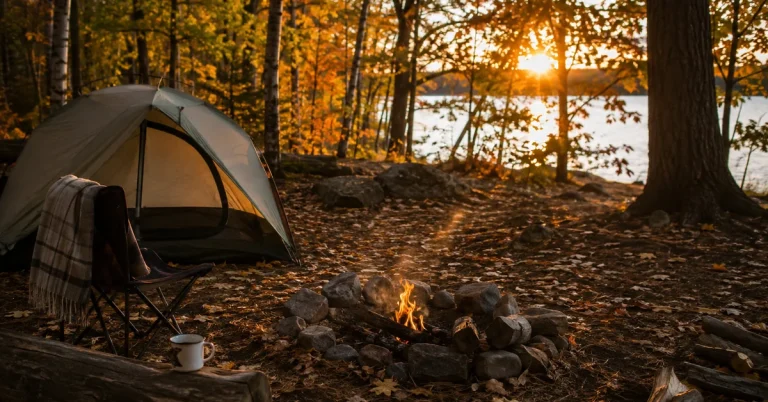
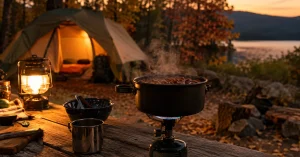
One pot camp meals exist because washing up outdoors in the cold is miserable, and because a single pot on a single burner is all most camp kitchens actually have. Nine dinners below, all cooked in one vessel, all sized for two to four people, and all built for the part of the year when you want something hot rather than something clever. It is the same stripped down thinking as an autumn camp setup.
The principle is the same every time: brown what needs browning, add the slow things, add the fast things later, and finish with something sharp or fatty to stop it tasting flat. Get that order right and almost anything works. If you are still choosing a stove, our stove round up covers that first.
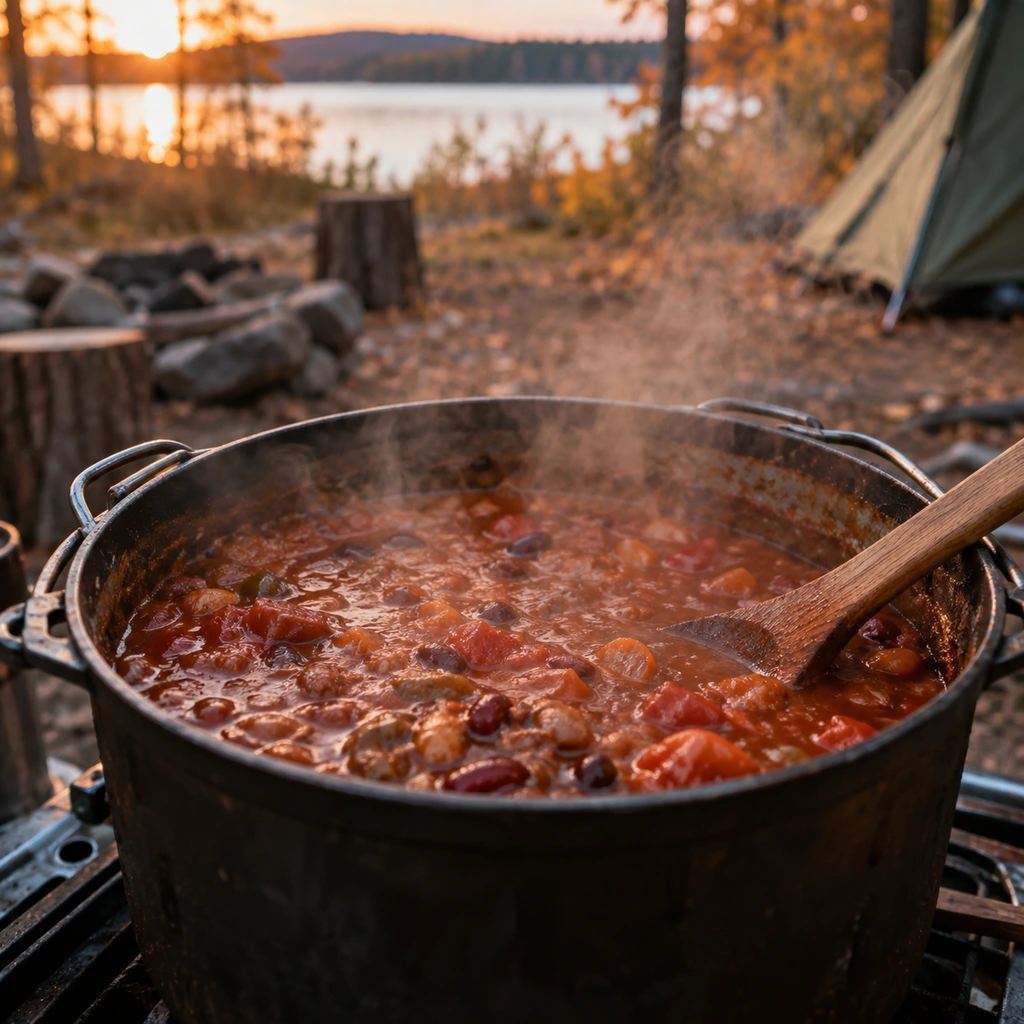
Table of Contents
What Makes a Good One Pot Camp Meal
It Tolerates Being Ignored
Camp cooking happens in the dark, in wind, while someone is looking for a head torch. A good one pot meal survives five minutes of inattention. Anything needing constant stirring or precise timing belongs at home, which is why risotto is a bad camp dish and chilli is a very good one. The same tolerance test applies to everything a beginner cooks outdoors.
The Ingredients Survive the Journey
Hard vegetables, cured meat, tinned fish, dried pulses and hard cheese all travel without refrigeration for a weekend. Fresh mince, soft cheese and delicate greens do not, unless you are car camping with a proper cooler. Build around what keeps.
It Is Mostly Prep You Did at Home
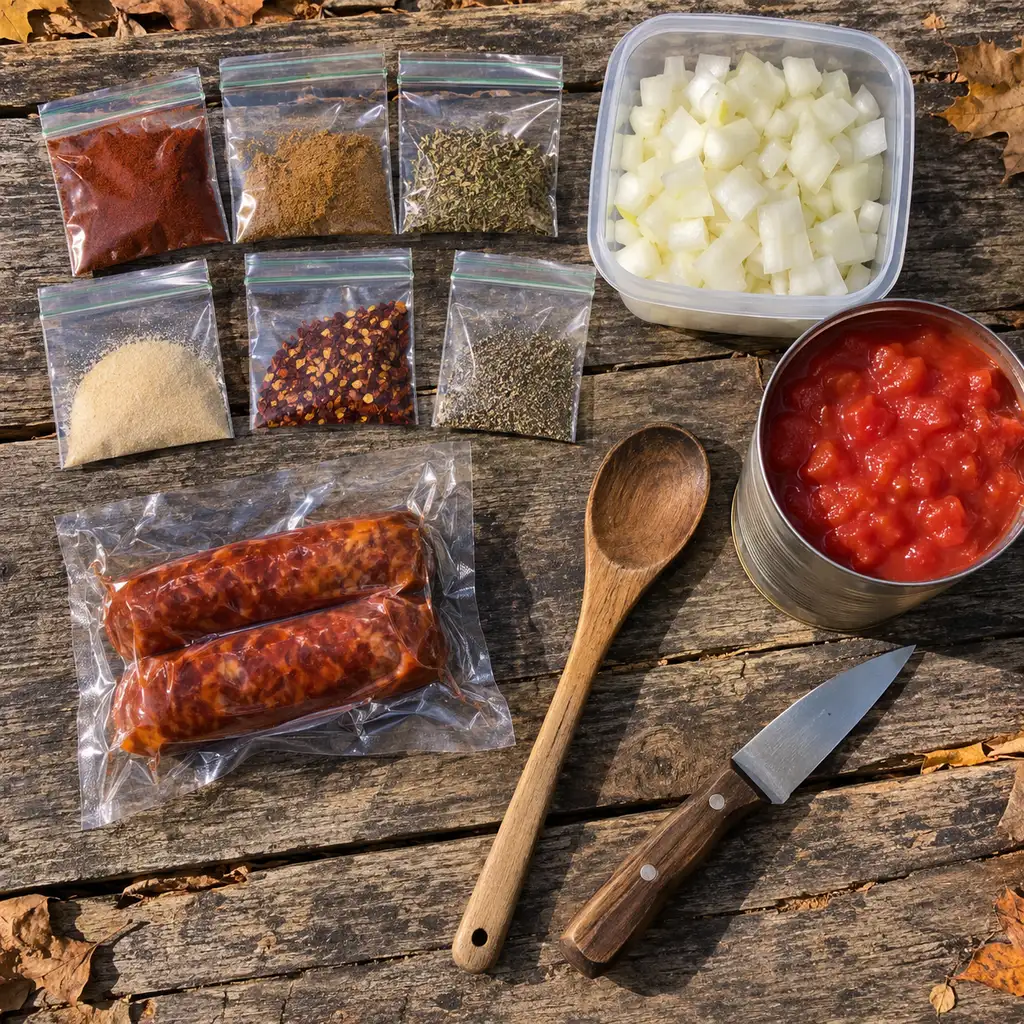
Chop onions, measure spices into a bag, pre cook rice, portion everything into labelled bags. Ten minutes at your kitchen table removes twenty minutes of fiddling in the cold and a surprising amount of washing up, which is the whole point, and it is the same logic as packing from a list rather than a pile.
One Pot Camp Meals: 9 Dinners
1. Camp Chilli
The default for a reason. Brown mince or chorizo, add a tin of chopped tomatoes, a tin of kidney beans, a spoon of smoked paprika and cumin, simmer twenty minutes. Tolerant of everything, better the longer it sits, and good cold for breakfast. Add a square of dark chocolate at the end if you have one. The dish is a chili con carne in all but name.
2. Sausage and White Bean Stew
Brown sliced sausage, add a tin of cannellini beans, a tin of tomatoes, a handful of dried herbs and any hard vegetable you have. Fifteen minutes. It is the cheapest hot meal on this list, and leftovers keep if you have somewhere cold to stash them.
3. One Pot Pasta
Pasta cooked directly in just enough water to absorb, so there is no draining and no second pot. Add the sauce ingredients to the same water: tomatoes, garlic, chilli, tinned tuna or bacon. Stir occasionally so it does not catch. Uses less fuel than boiling a big pot, which matters on a long trip or a multi day walk.
4. Couscous and Chorizo
The fastest real meal here. Fry chorizo until the fat renders, add water, bring to a boil, stir in couscous, take it off the heat and cover for five minutes. No simmering at all, so it uses almost no fuel. Lemon or vinegar at the end makes it. Couscous is steamed semolina, which is why it rehydrates rather than boils.
5. Curried Lentils and Rice
Red lentils and rice cook in roughly the same time, so they can share a pot. Fry an onion and curry powder, add both with double the water, simmer until soft. Entirely shelf stable, vegetarian by default, and it reheats better than almost anything. Red lentils break down rather than holding shape, which is what thickens it.
6. Gnocchi and Pesto
Shelf stable gnocchi cooks in three minutes in a small amount of water. Drain most of it, stir through a jar of pesto and any hard cheese. It is barely cooking, which is exactly what you want on the night you arrive late and it is already dark. Shelf stable gnocchi keeps for months unopened.
7. Camp Shakshuka
Tinned tomatoes, an onion, paprika and cumin simmered down, then crack eggs into the surface and cover until set. Works as dinner or as a very good breakfast the next morning. Eggs travel better than people expect if you carry them in the middle of a pot. Shakshuka is a North African and Middle Eastern dish that happens to suit a camp stove perfectly.
8. Smoky Potato Hash
Pre boiled potatoes from home, fried hard with onion, bacon or smoked tofu, and paprika. Because the potatoes are already cooked it is ten minutes and mostly frying, so it works on a stove that only really does high heat, which most budget camp stoves are.
9. Instant Noodle Upgrade
Not a joke. Instant noodles plus an egg, a handful of dried mushrooms and a spoon of miso or peanut butter is a genuinely good meal for almost no weight or fuel. This is the backpacking option and the one to fall back on when the weather turns, and it sits alongside the rest of camping food tradition.
Cooking Them Well Outdoors
Shield the Burner
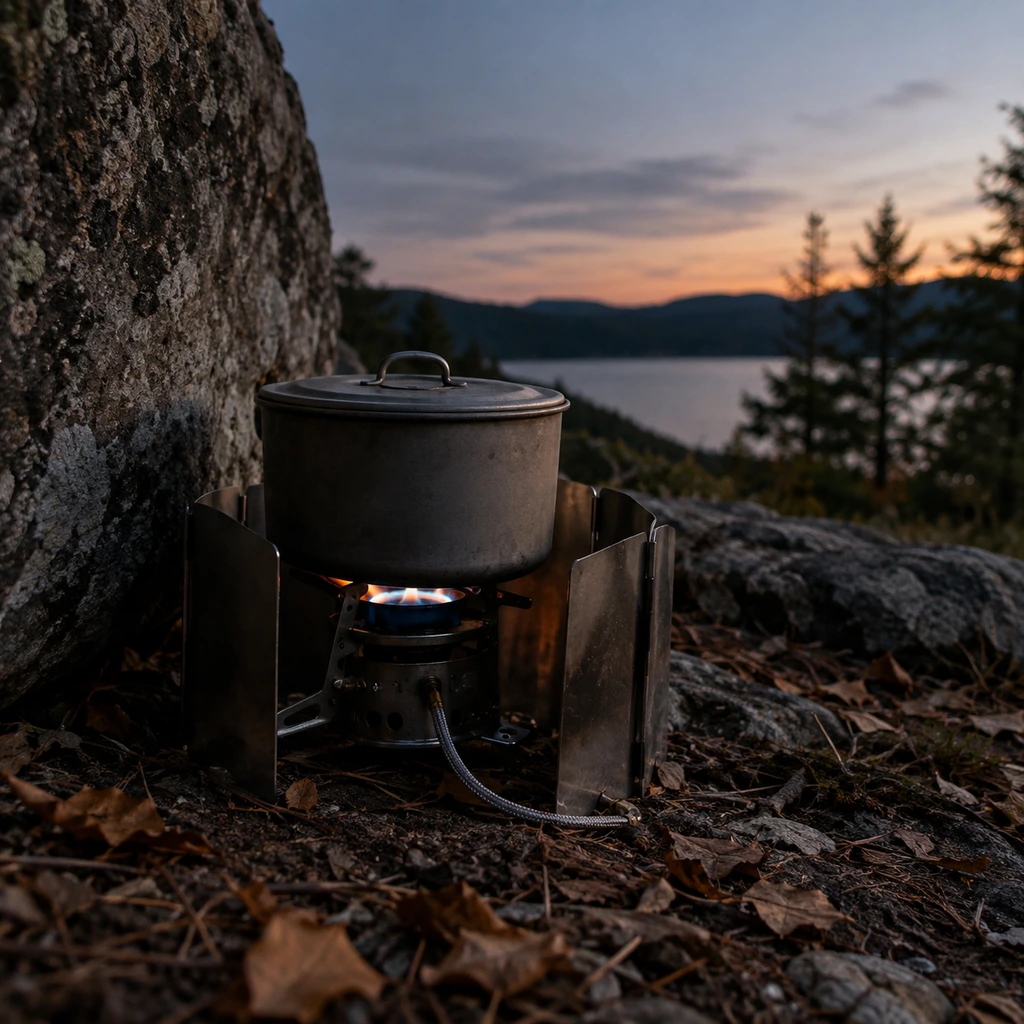
Wind steals more heat than cold air does and it is the main reason camp meals take twice as long as expected. Use a windscreen, or build one from your pack and a rock, and keep the lid on between stirs. It is the single biggest fuel saving available, and it matters more as nights slide toward genuine cold.
Low Heat, Longer
Most camp stoves have one useful setting and it is too hot. Anything with tomato or dairy in it will catch and burn on a thin pot base at full blast. Turn it down further than feels right and stir the bottom occasionally.
Season at the End
Cold air and tiredness blunt your palate, so food that tastes right at home tastes flat at camp. Carry salt, a lemon or a small bottle of vinegar, and chilli flakes, and add them at the end rather than at the start. Dehydration blunts taste too, so drink more than you feel like, per our hydration guide.
Clean While It Is Warm
Wipe the pot out while it is still warm and everything comes off with a splash of water. Leave it until morning and you are chipping. Wash well away from any water source and scatter the grey water, per leave no trace and the Leave No Trace principles.
The Kit That Earns Its Place
One Pot That Does Everything
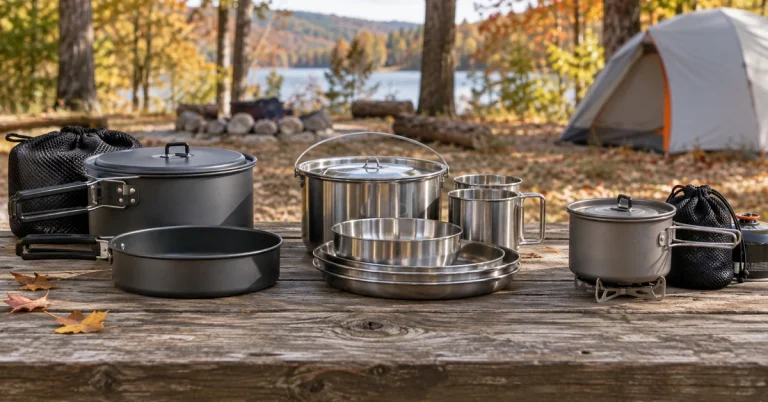
A single pot of around two litres with a lid covers all nine meals for two people. Non stick makes the washing up trivial but wears out; stainless survives everything and needs more scrubbing, the same durability trade as canvas against nylon. Our round up of the best camping cookware sets compares six. For one or two people the MalloMe mess kit covers it; if you cook properly the ALOCS three pot set gives you somewhere to park a component; and solo backpackers want the Fire-Maple Petrel G3 for its fuel saving base.
A Stove You Can Turn Down
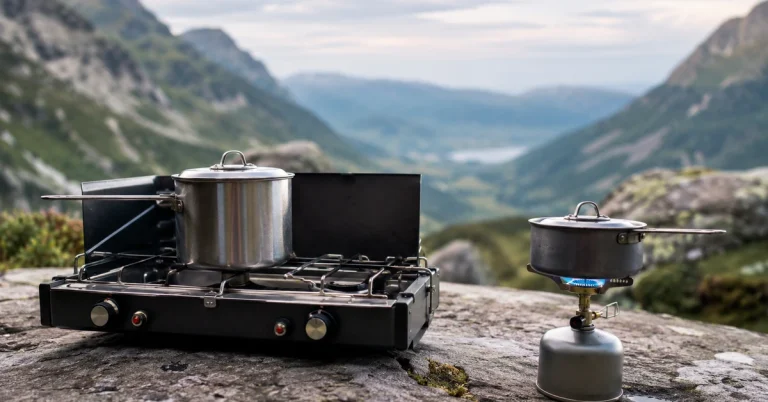
Simmer control matters more than raw power for this kind of cooking, which is the opposite of what the boil time numbers on the box suggest. Our stove guide covers which ones actually simmer.
The Small Things
A long spoon, a sharp knife, a chopping board or a flat stone, a windscreen, and labelled bags of pre measured spice. Plus a headlamp, because by October you are cooking in the dark whether you planned to or not.
Common Mistakes
- Cooking on full heat, which burns anything with tomato or dairy onto a thin pot base.
- No windscreen, which doubles cook time and wastes fuel.
- Chopping everything at camp in the dark instead of at home in the light.
- Bringing fresh ingredients that will not survive two days without refrigeration.
- Under seasoning, because cold and tiredness blunt your palate.
- Leaving the pot to soak overnight, which turns a ten second wipe into a scraping job.
- Washing up at the water’s edge. Carry water away from the source and scatter it, see dispersed camping etiquette.
A Two Night Menu That Shares Ingredients
Buy once, cook twice, carry less. This is how the nine above combine in practice.
| When | Meal | Shares |
|---|---|---|
| Friday night | Couscous and chorizo | Chorizo, onion, stock |
| Saturday breakfast | Smoky potato hash | Onion, paprika, leftover chorizo |
| Saturday night | Camp chilli | Onion, cumin, paprika, tinned tomatoes |
| Sunday breakfast | Camp shakshuka | Tinned tomatoes, paprika, eggs |
One onion, one packet of chorizo, two tins of tomatoes and a spice bag cover four meals. That is the real trick of one pot cooking outdoors: not recipes, but overlap. It pairs well with the rest of an autumn camp setup.
Frequently Asked Questions
What is the easiest one pot camp meal?
Couscous and chorizo. It needs one boil and five minutes off the heat, uses almost no fuel, and there is nothing to simmer or burn. It is the meal to cook on the night you arrive in the dark.
How do I stop food burning on a camp stove?
Turn the heat lower than feels right, use a lid, and stir the bottom occasionally. Thin pot bases and stoves with one hot setting are what burn food, not the recipe.
What food keeps without a cooler?
Cured meat, hard cheese, tinned everything, dried pulses, couscous, rice, pasta, onions, carrots, potatoes and eggs. That list covers every meal here, which is why they work for a weekend without refrigeration. Check park guidance on food storage where bears are a factor.
How much fuel do I need?
For two people and two nights of one pot cooking, a single small canister is usually enough with a windscreen and a lid, and marginal without them. Meals that need only one boil, like couscous, stretch it much further, which matters when camping somewhere without a resupply.
Can I cook these on a campfire instead?
Yes, with a heavier pot and more patience. Fires give uneven heat, so anything with dairy or tomato wants the pot at the edge rather than over the flames. A Dutch oven handles it best. Check current fire restrictions before you light anything, and see our campfire guide.
One pot camp meals are less about recipes than about overlap and order: shared ingredients, prep done at home, low heat, and seasoning at the end. Start with the chilli and the couscous, and the rest follow. Our cookware round up covers the pot, the stove guide covers the burner, and camp cooking for beginners covers the basics.
Discover more from Maive Verse
Subscribe to get the latest posts sent to your email.