
Master the art of soft hiking. Learn why this slow movement is trending and how to implement technical wellness and accessibility into your walks in 2026.
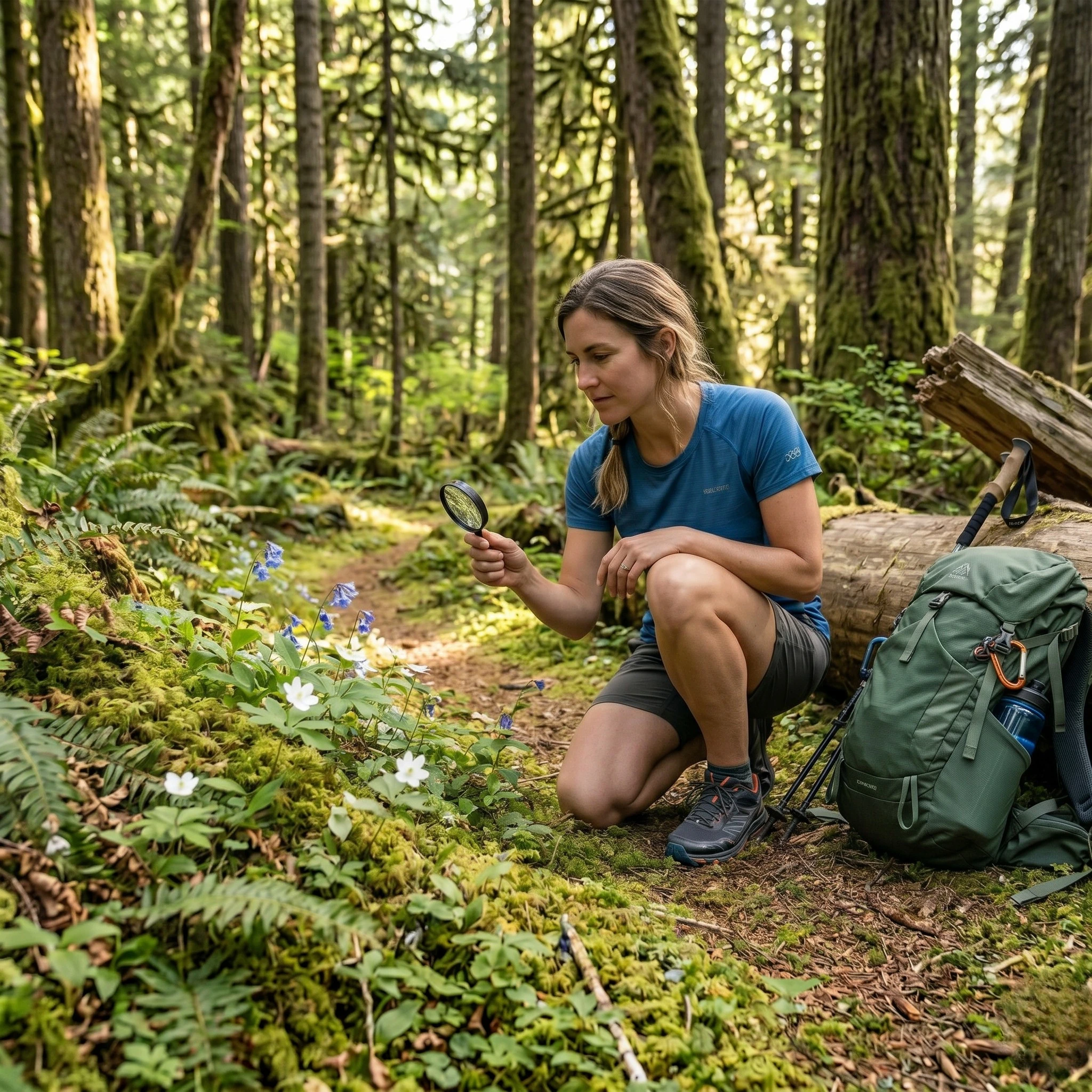
Table of Contents
Introduction: The Technical Evolution of the Slow Movement
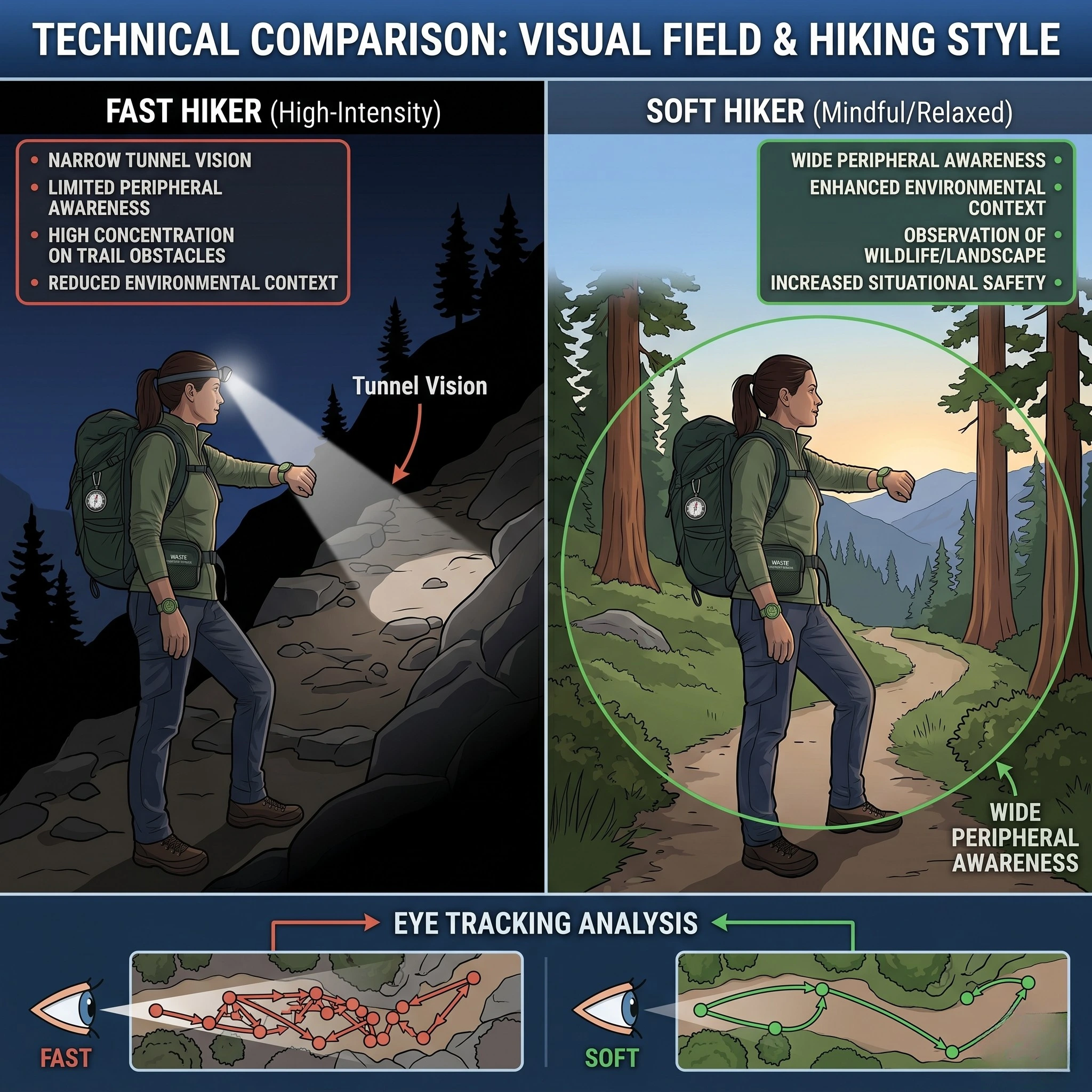
The emergence of soft hiking represents a significant shift in outdoor philosophy, prioritizing sensory engagement and mental restorative recovery over traditional metrics of speed, distance, and elevation gain. In 2026, as digital fatigue reaches unprecedented levels, the “slow movement” has transitioned from a niche lifestyle choice to a mandatory wellness protocol for many wilderness enthusiasts. Unlike high-intensity peak bagging, this discipline focuses on the quality of the presence within the environment. Understanding this trend is essential for anyone looking to build a sustainable relationship with nature, much like the foundations established in our Bikepacking for Beginners Guide.
The objective of a soft hike is to lower the physiological and psychological barriers to entry. By removing the pressure of “performance,” the participant can focus on mechanical mindfulness. This does not imply a lack of preparation; rather, it requires a different set of technical skills involving observation, biological regulation, and environmental ethics. For those who have already mastered the Bikepacking Mindset, soft hiking offers a complementary way to engage with the unpaved world at a human-centric pace. This guide analyzes eleven reasons why this movement is redefining the modern trail experience.
1. Radical Accessibility and Inclusivity
The primary driver of the soft hiking trend is its inherent accessibility. Traditional hiking culture often emphasizes “epic” feats that require elite levels of physical conditioning. Soft hiking removes these gatekeeping metrics, allowing individuals of all fitness levels to participate. This inclusivity is a core tenet of the Maive Verse mission to demystify the outdoors. By focusing on flat or low-angle terrain, the movement opens the wilderness to those who might be intimidated by steep Black Diamond style challenges.
2. Physiological Cortisol Management
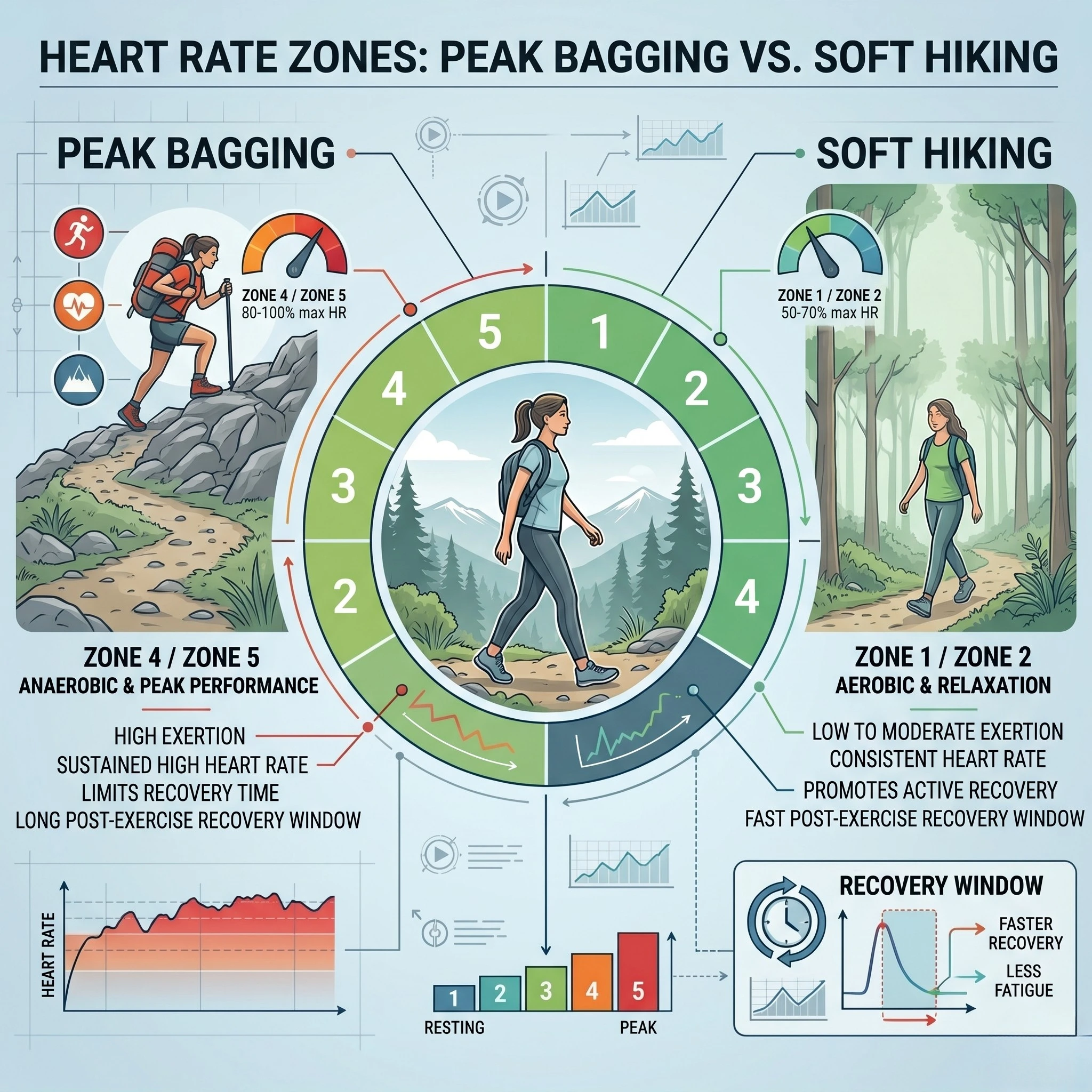
High-intensity exercise, while beneficial for cardiovascular health, can occasionally spike cortisol levels—the body’s primary stress hormone. Soft hiking functions as a mechanical “off-ramp” for the nervous system. Walking at a relaxed pace in green spaces has been scientifically proven to lower blood pressure and heart rate variability. This biological regulation is as critical for long-term health as the Ski Fitness Plans used for seasonal preparation.
3. Advanced Biodiversity Observation
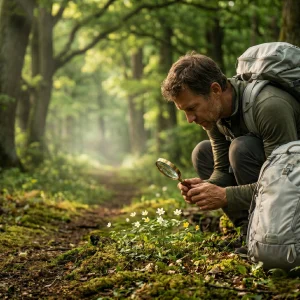
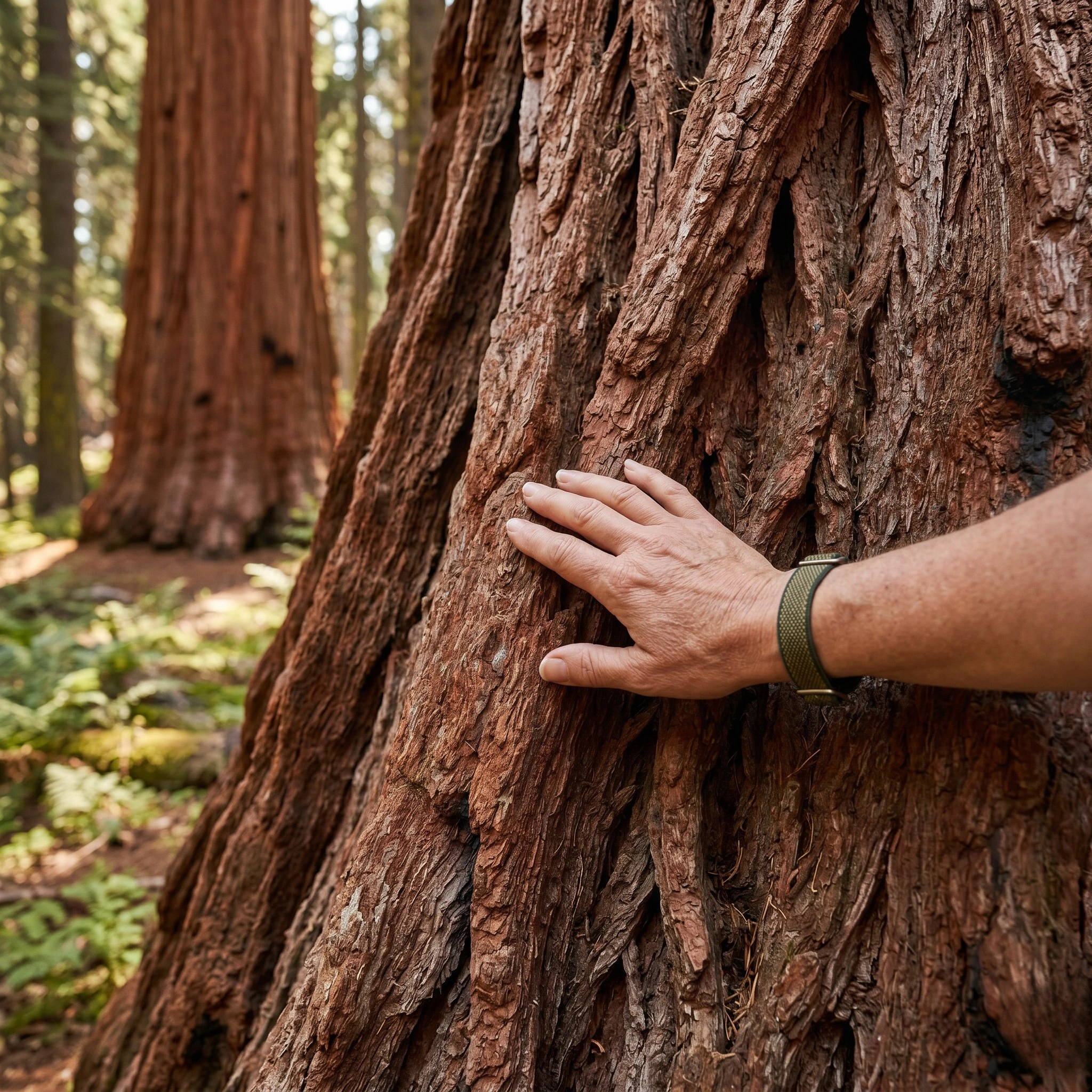
When speed is the primary objective, the nuances of the ecosystem are often ignored. The soft hiking protocol encourages frequent pauses for “micro-observations.” This involves identifying local flora, tracking insect patterns, or observing the play of light on rock formations. Such detailed engagement fosters a deeper understanding of the Wilderness Terrains that adventurers often rush through. It transforms the trail from a gym into a living laboratory.
4. Reduced Mechanical Impact on Joints
Unlike high-impact sports or heavy-load expeditions, soft hiking minimizes the stress on the knee and ankle joints. By carrying a minimalist Ultimate Gear List and maintaining a gentle pace, the risk of overuse injuries is significantly diminished. This makes it an ideal “active recovery” activity for those recovering from more strenuous missions or for older participants looking to maintain longevity in the sport.
5. Seamless Integration with Trail Photography
For many, the outdoors is a visual pursuit. Soft hiking provides the necessary time and stability for high-quality trail photography. Without the pressure to reach a summit before sunset, the participant can wait for the “golden hour” or set up complex macro shots of fungi and lichen. This artistic engagement is a vital component of the Digital Detox that the movement promotes.
6. Sustainable Environmental Ethics
The slow movement is intrinsically linked to Eco-Friendly Bikepacking and hiking principles. By moving slowly and staying on established paths, soft hikers are less likely to disturb soil crusts or startle wildlife. The focus is on leaving zero evidence of transit. This heightened awareness of one’s surroundings makes the implementation of Leave No Trace protocols a natural byproduct of the activity rather than a forced requirement.
7. Psychological Clarity and Mindfulness
Mental fatigue is a primary byproduct of modern work environments. Soft hiking acts as a cognitive reset. By focusing on the rhythm of the breath and the sound of the wind, the hiker enters a state of mindfulness that is difficult to achieve in high-stakes environments. This mental training is the foundation for the Mindset Mastery required for more difficult multi-day challenges.
8. Cost-Effective Equipment Requirements
One of the most appealing aspects of the trend is its affordability. While specialized expeditions require expensive Bikepacking Bags or technical shells, soft hiking can be performed with basic, high-quality gear many people already own. This reduces the financial barrier to adventure, aligning with the strategies found in our Budget Bikepacking Setup guides.
9. Enhanced Social Connectivity
Traditional hiking can often become an individualistic pursuit of speed. Soft hiking facilitates conversation and shared experiences. Because the physical demand is low, participants can talk without breathlessness, making it an ideal format for community-building and mentorship. This social aspect is emphasized by organizations like the American Hiking Society, which advocates for trails as inclusive public spaces.
10. Better Circadian Rhythm Alignment
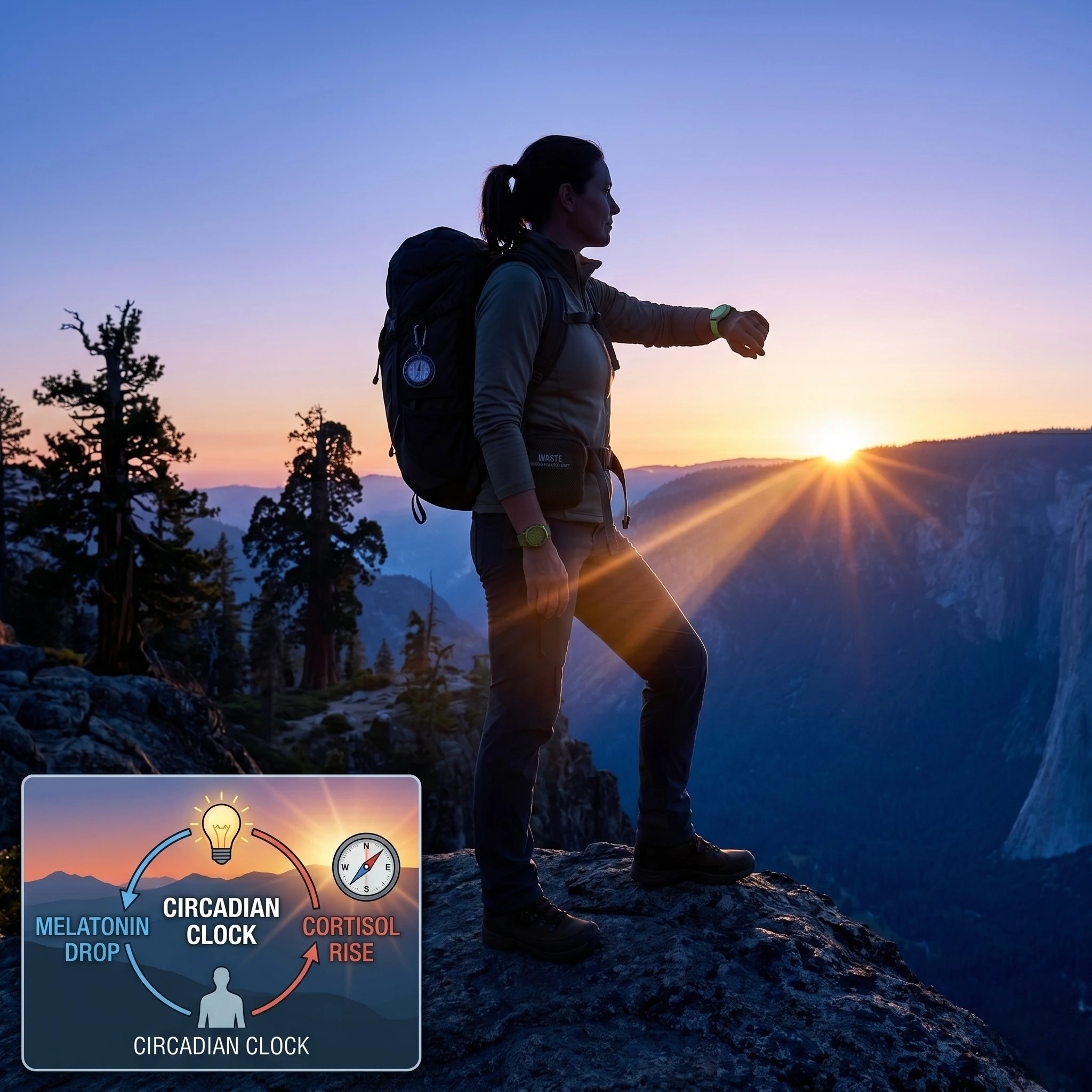
Spending extended periods in natural light—even at a slow pace—helps regulate the body’s internal clock. Soft hiking allows for long-duration exposure to vitamin D and full-spectrum light without the exhaustion that leads to “bonking.” This helps participants achieve better sleep quality, a prerequisite for the 3-Day Adventure Gear List level of preparation.
11. Seasonal Adaptability and Versatility
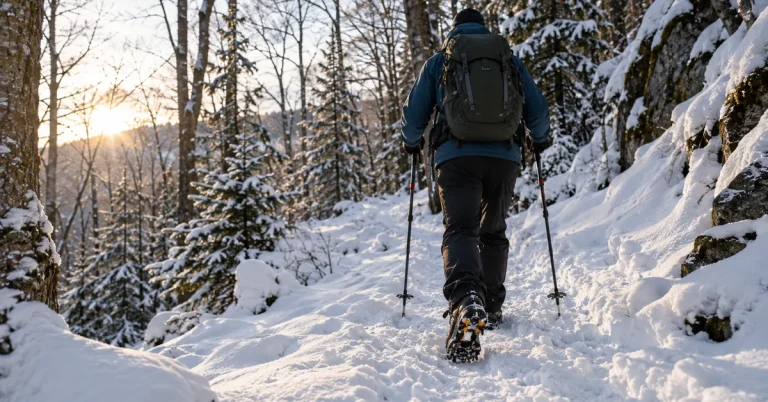
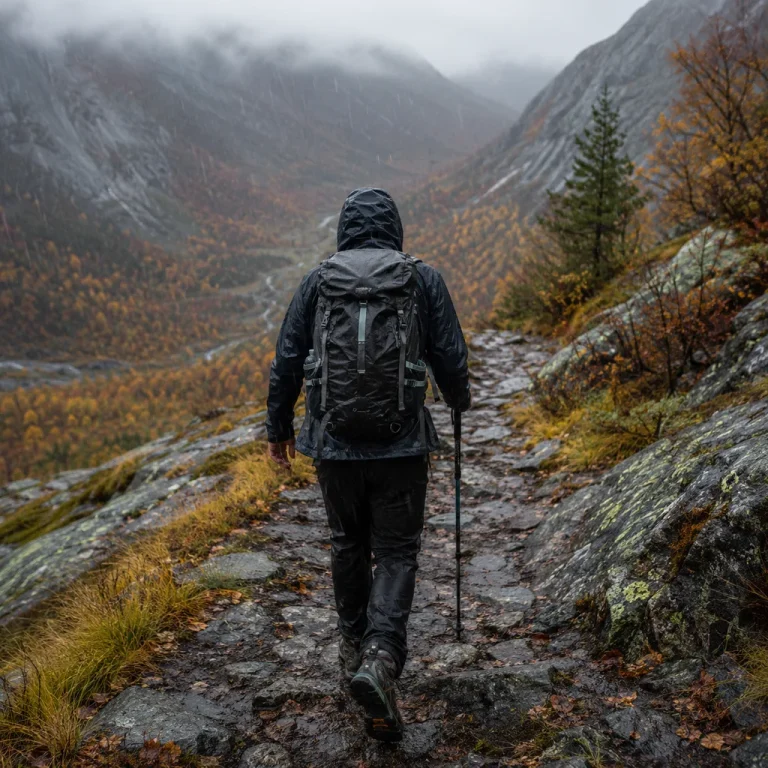
Because soft hiking does not require “peak” conditions (like dry rock or deep snow), it is viable in almost any weather. A slow walk in the rain becomes an exercise in Wet Weather Protection, while a stroll in the winter is an entry point for Beginner Snowshoeing. This versatility ensures year-round engagement with the outdoors.
Technical Comparison: Soft Hiking vs. Traditional Peak Bagging
To help you understand the mechanical shift required, the following table compares the two philosophies across core technical metrics.
| Metric | Soft Hiking | Traditional Peak Bagging |
|---|---|---|
| Primary Goal | Sensory Engagement / Wellness | Altitude / Mileage Achievement |
| Heart Rate Zone | Zone 1 – 2 (Aerobic Base) | Zone 3 – 5 (Anaerobic / Threshold) |
| Pace Requirement | Conversational / Stop-Start | Consistent / High-Cadence |
| Gear Weight | Ultralight / Minimalist | Variable (Technical/Heavy) |
| Navigational Focus | Local Landmarks / Flora | Summit coordinates / Contours |
| Recovery Time | Minimal / Immediate | 24 – 48 Hours |
Essential Gear for the Slow Movement (Affiliate Picks)
While soft hiking is minimalist, certain technical tools enhance the experience of comfort and observation.
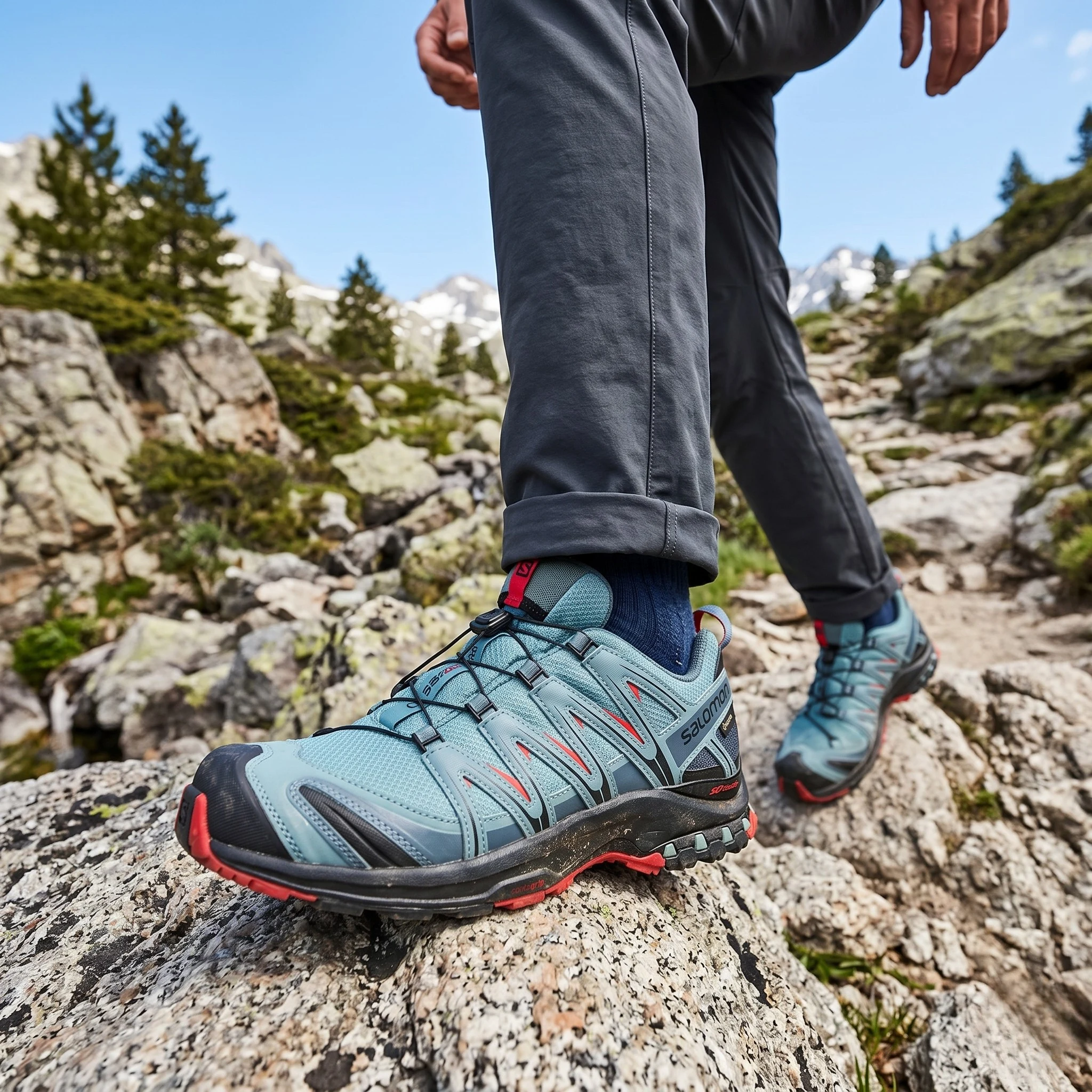
1. Hoka Speedgoat 6 Trail Runners
Key Features
Pros
Cons
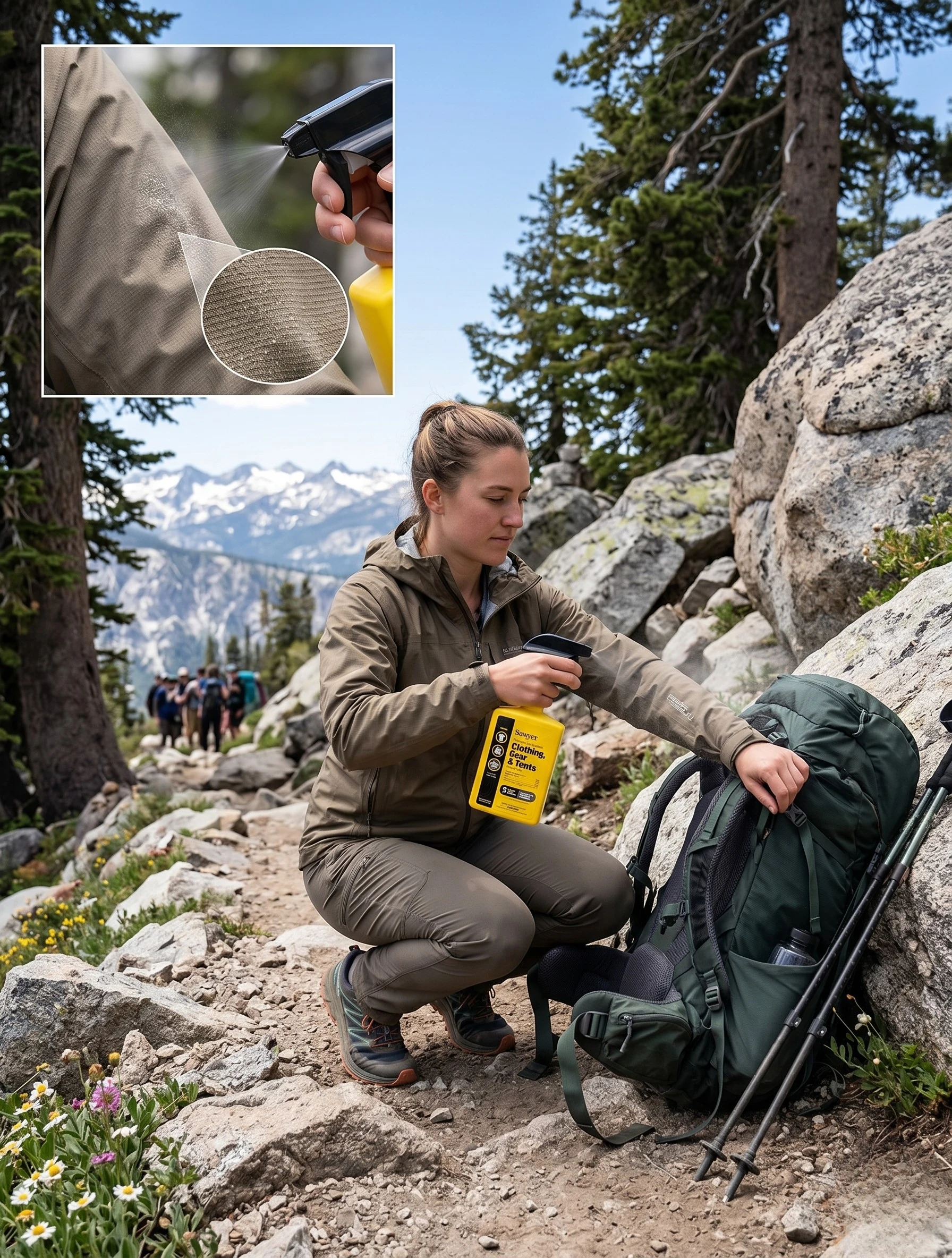
2. Sawyer Squeeze Water Filter
Key Features
Pros
Cons
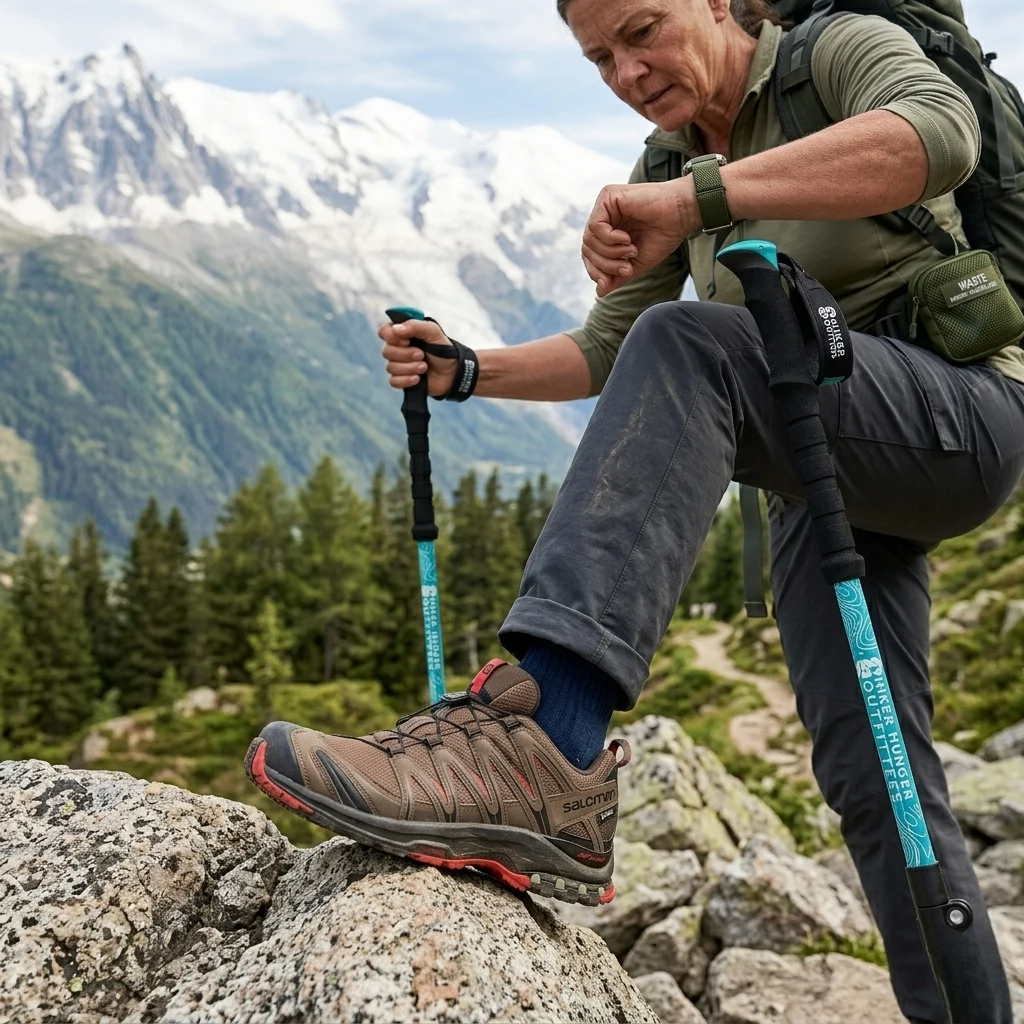
3. Black Diamond Pursuit Trekking Poles
Key Features
Pros
Cons
Safety and Ethics for the Soft Hiking Participant
Even at a slow pace, safety remains a technical requirement. The participant must adhere to the Solo Safety Protocols established for any wilderness activity.
- Hydration Redundancy: Even slow movement in heat can lead to dehydration. Refer to our Hydration Guide for mineral balance tips.
- Heat Management: Use Heat Hacking techniques like wearing UPF-rated sun hoodies during midday soft hikes.
- Navigation: Always carry a fully charged phone with offline maps and a backup Portable Power Bank.
- Wildlife Protocols: According to the National Park Service, moving slowly increases the chance of surprising wildlife. Maintain a safe distance and utilize noise if in bear territory.
Conclusion: The Future of Intentional Exploration
Mastering soft hiking is the definitive step toward a more sustainable and fulfilling outdoor lifestyle. By prioritizing inclusivity (Section 1), biological recovery (Section 2), and detailed observation (Section 3), any participant can transform a standard walk into a high-value technical adventure. The success of a mission is not measured by the miles covered, but by the level of presence and peace achieved during the journey.
Remember that the trail is a tool for self-discovery. Keep your Mechanical Readiness high and your expectations for distance low. As you progress from local greenbelts to remote wilderness loops, your ability to “soft hike” will become your most valuable psychological asset. Intentional exploration allows you to witness the mountain’s secrets that are invisible to those moving at speed.
The wilderness is waiting, and it does not demand your speed—it only requests your attention. Treat the land with respect, follow Leave No Trace principles, and enjoy the unique liberation of moving slow. The transition from a casual observer to a seasoned slow-movement expert is a path paved with preparation and a deep passion for the natural world. Step out with a plan, respect your limits, and embrace the unparalleled freedom of the unhurried life.
Discover more from Maive Verse
Subscribe to get the latest posts sent to your email.