


Master the bikepacking mindset to overcome mental fatigue. Discover 11 technical psychological strategies for grit and long-distance endurance.

Table of Contents
Introduction: The Psychological Requirements of the Trail
Developing a resilient bikepacking mindset is as critical to success as the mechanical preparation of the bicycle or the selection of an Ultimate Gear List. In long-distance wilderness travel, the primary barrier to completion is rarely muscular failure; rather, it is the degradation of cognitive resolve known as mental fatigue. When a rider is exposed to sustained isolation, sleep deprivation, and environmental stress, the brain’s executive function diminishes, leading to poor decision-making and a heightened desire to abandon the mission.
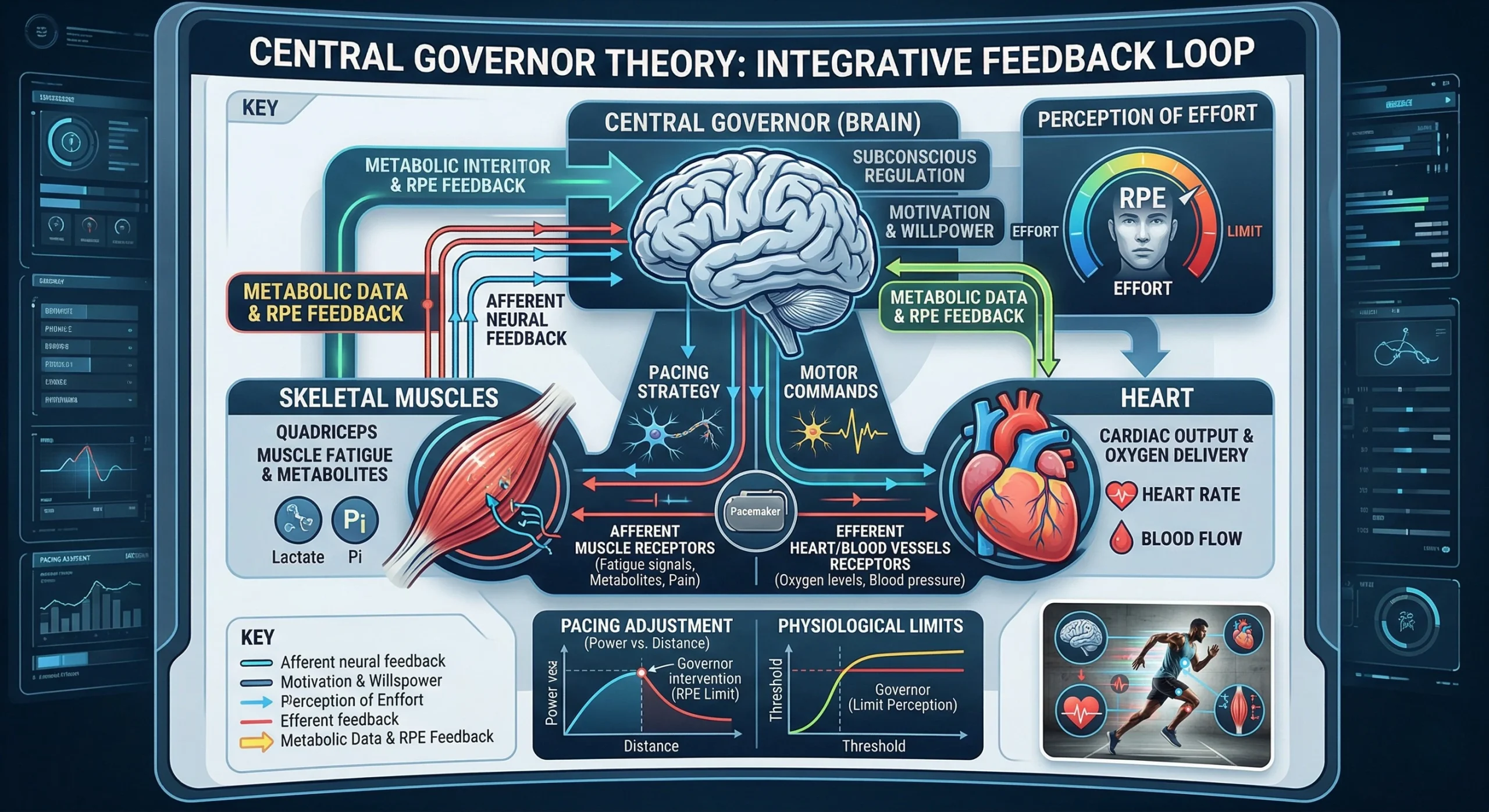
The objective of mental endurance is the management of the “central governor”—a subconscious neurological mechanism that regulates physical output to protect the body’s homeostasis. By mastering specific psychological frameworks, a rider can effectively negotiate with this internal feedback loop to maintain pace. This preparation is the mental equivalent of the Bikepacking Training Plan. This guide analyzes the technical strategies required to remain functional when the environment turns hostile or the miles become monotonous.
1. Implementing the “Ten Minute Rule” for Quitting
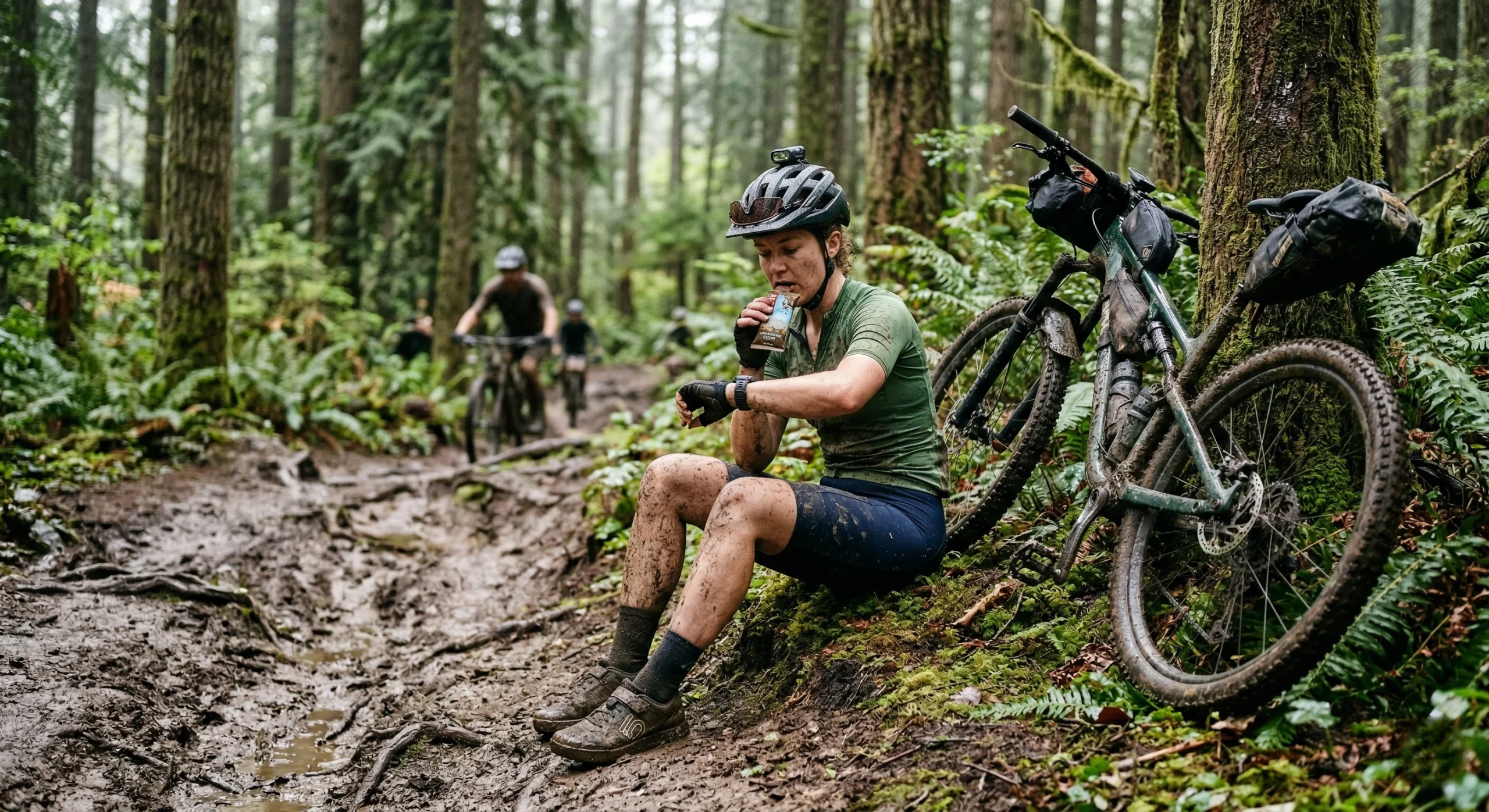
A cornerstone of the bikepacking mindset is the prevention of impulsive decision-making during psychological “lows.” Mental fatigue often peaks during Wet Weather Bikepacking or after a significant mechanical failure. The Ten Minute Rule dictates that a rider must not make a definitive decision to quit until they have addressed their immediate physiological needs (food, hydration, warmth) and waited for exactly ten minutes.
Often, the urge to quit is a temporary neurochemical response to a caloric deficit or a sudden spike in cortisol. By addressing these factors first, the rider allows the prefrontal cortex to regain control over the emotional centers of the brain. This protocol is a vital safety measure for Solo Bikepacking, where external motivation is absent. Professional endurance athletes utilize this delay to ensure they are making objective choices rather than reactive ones.
2. The Power of Chunking: Micro-Goal Setting
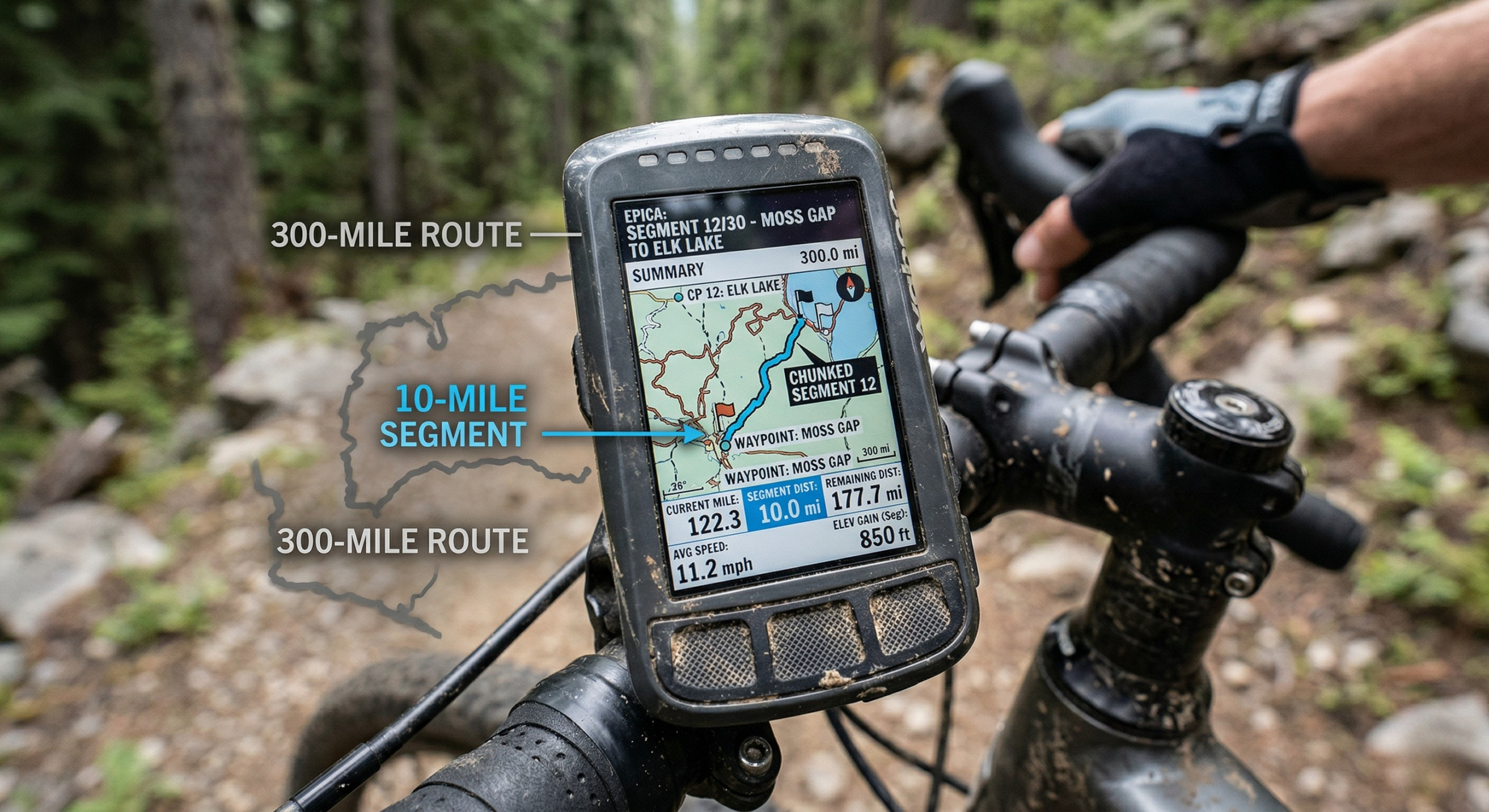
Cognitive load increases when the brain attempts to process a massive, multi-day objective. To maintain a productive bikepacking mindset, successful riders utilize “chunking”—the process of breaking a route into small, manageable units. Looking at a 500-mile track as one task can trigger an avoidant stress response. Instead, the focus must remain strictly on the immediate “micro-goal.”
- The Next Landmark: Focus only on reaching the next ridge or stream crossing.
- The Next Resupply: Use the next town as a psychological “finish line” for the day.
- The Next Hour: Commit to maintained output for a specific time block.
This strategy prevents the overwhelm that leads to mental fatigue. By achieving small, frequent successes, the brain receives regular dopamine releases, which sustain motivation. This methodology is consistently taught in NOLS Wilderness Leaders hip courses to manage group morale and individual grit.
3. Managing the Central Governor and Perception of Effort
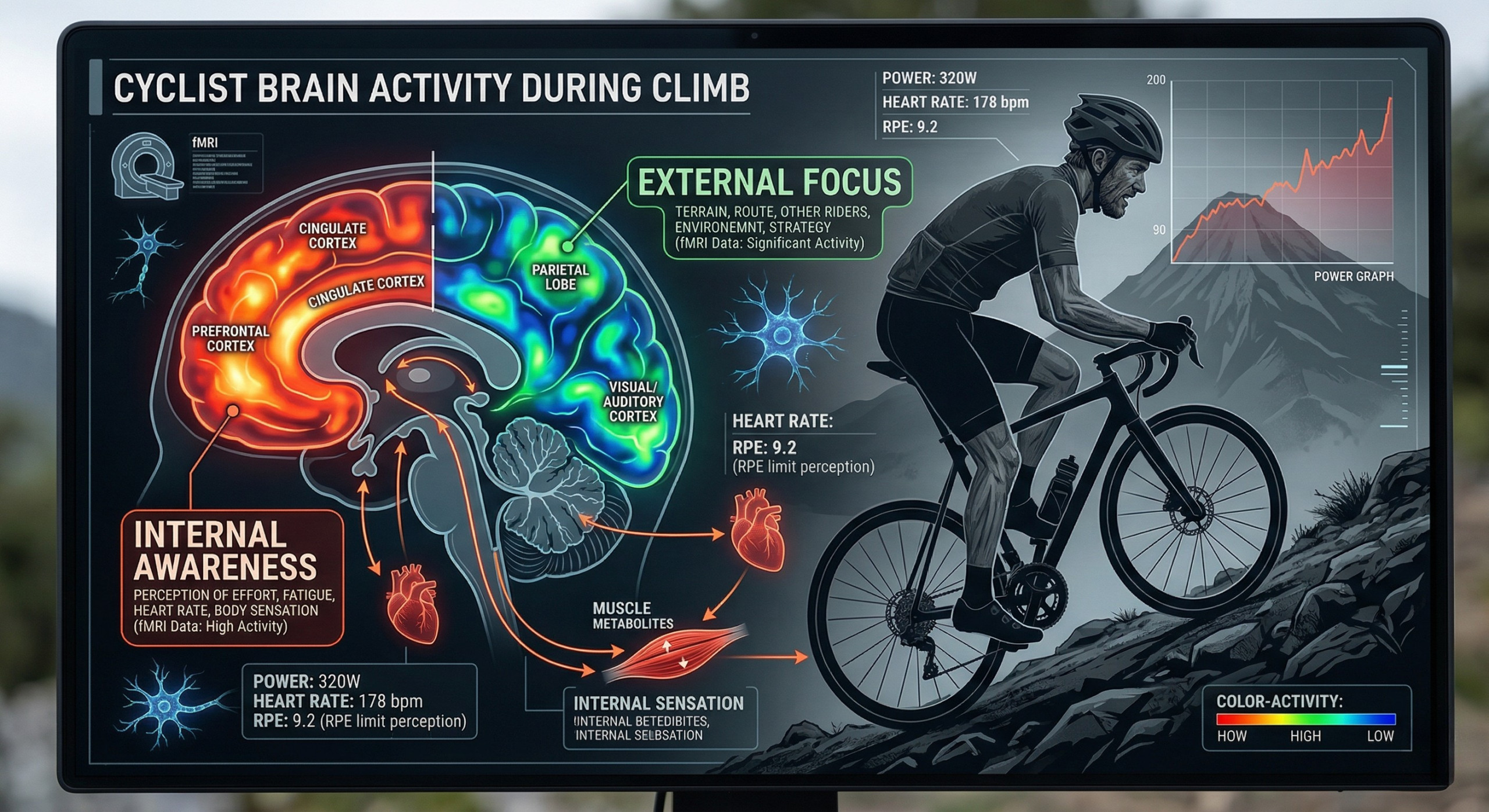
The bikepacking mindset requires an understanding of how the brain perceives effort. The sensation of fatigue is often a “brain-first” signal rather than a “muscle-first” signal. Studies in Sports Psychology from the APA suggest that mental fatigue increases the perceived exertion of a physical task, even if the muscles are capable of more work.
Riders can manipulate this perception by focusing on “external” rather than “internal” cues. Instead of focusing on the burning in the quadriceps, the rider should focus on maintaining a specific cadence or observing the trail surface. This shift in focus reduces the cognitive weight of the physical pain. This is especially important when following Bikepacking Routes that involve heavy “hike-a-bike” sections.
4. Strategic Sensory Management: Audio and Focus
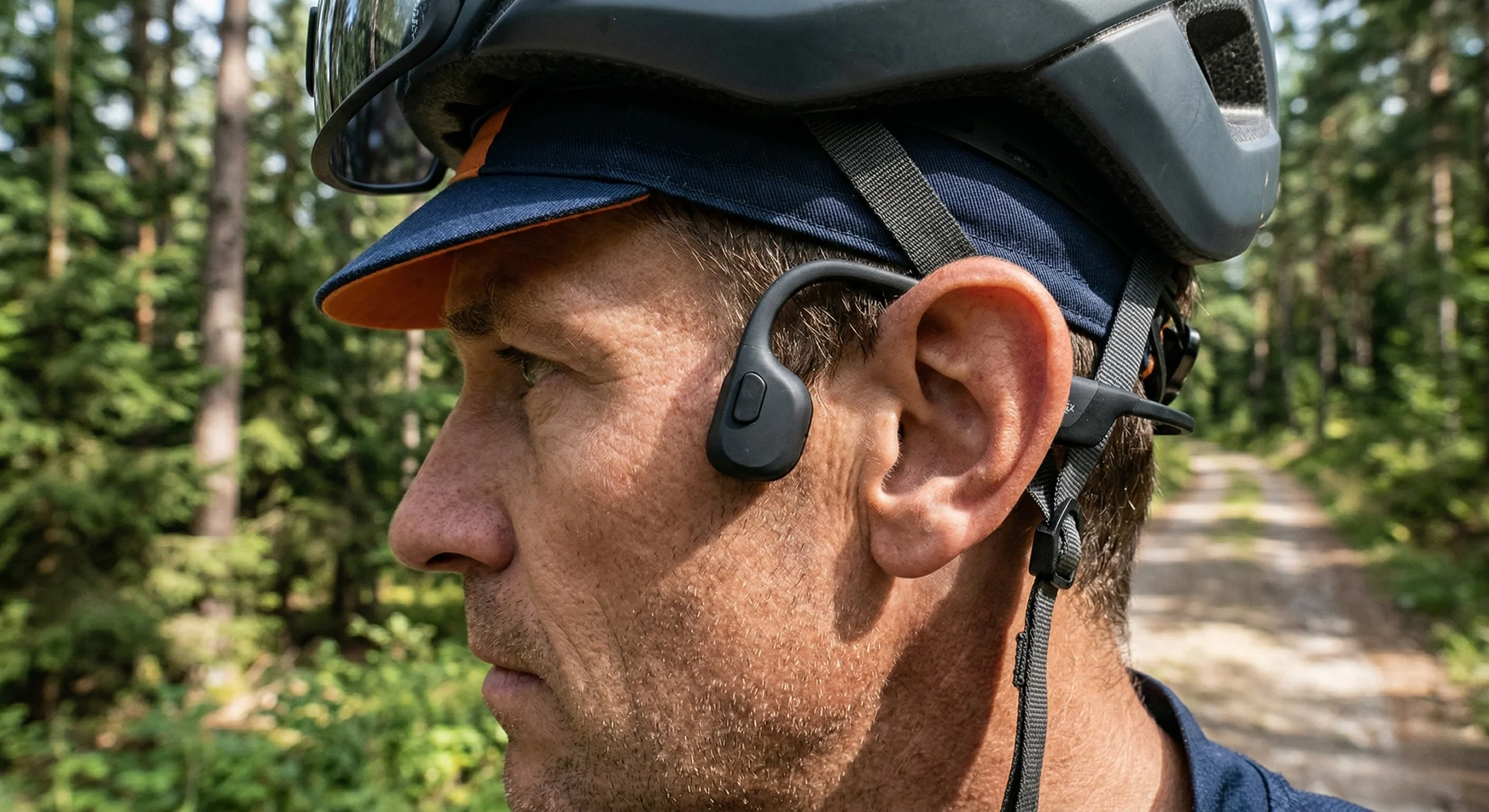
In the absence of a riding partner, the solo rider’s internal dialogue can become repetitive and negative. A technical tool for the bikepacking mindset is the strategic use of audio stimulation. Music, podcasts, or audiobooks provide an “external companion” that can disrupt the cycle of mental fatigue.
However, safety and situational awareness must remain the priority. Bone-conduction headphones are the industry standard for 2026, allowing for auditory entertainment while keeping the ear canal open to hear approaching wildlife or mechanical issues. Use high-tempo audio for difficult climbs and calm, familiar audio for night riding to reduce anxiety. This sensory control is a key part of the Bikepacking Packing Guide for long missions.
5. Ritualized Routine: Reducing Decision Fatigue
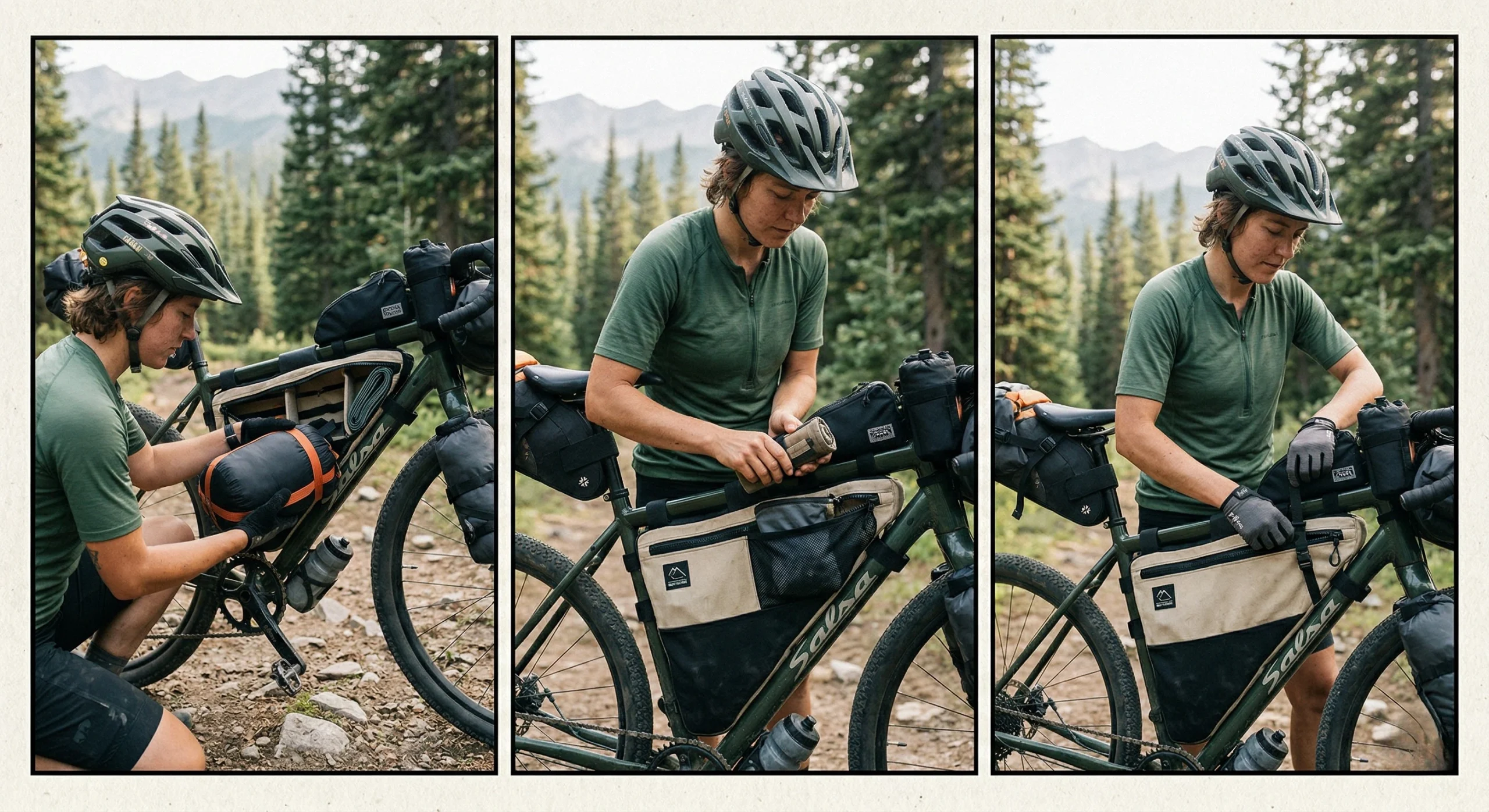
Decision fatigue occurs when the brain is exhausted by the constant need to make choices—where to camp, what to eat, or which layer to wear. A resilient bikepacking mindset is built on ritualized routines that turn complex tasks into “automatic” behaviors. By standardizing your trail habits, you conserve cognitive energy for navigation and safety.
- Morning Ritual: Pack your Bikepacking Bag in the exact same sequence every day.
- Mechanical Check: Perform an “M-Check” on your Gravel Bike every evening before sleep.
- Camp Protocol: Follow a strict Leave No Trace setup sequence to ensure nothing is lost or forgotten.
6. Cognitive Reframing of Physical Discomfort
Expert bikepackers view physical discomfort as a temporary state of being rather than a problem to be solved. In the bikepacking mindset, pain is reframed as “effort data.” When the body signals discomfort, the rider acknowledges the signal, checks for safety (is this an injury or just fatigue?), and then continues.
Reframing discomfort involves changing the language used in internal dialogue. Instead of thinking “This climb is miserable,” the rider thinks “This climb is requiring 80% of my current capacity.” This objective, third-person perspective reduces the emotional impact of the suffering. This mental skill is a prerequisite for navigating the Rugged Terrain of remote alpine loops.

7. Recommended Gear for Mental Support (Affiliate Picks)
While most gear serves a physical purpose, certain items provide significant psychological benefits that help maintain a healthy bikepacking mindset.
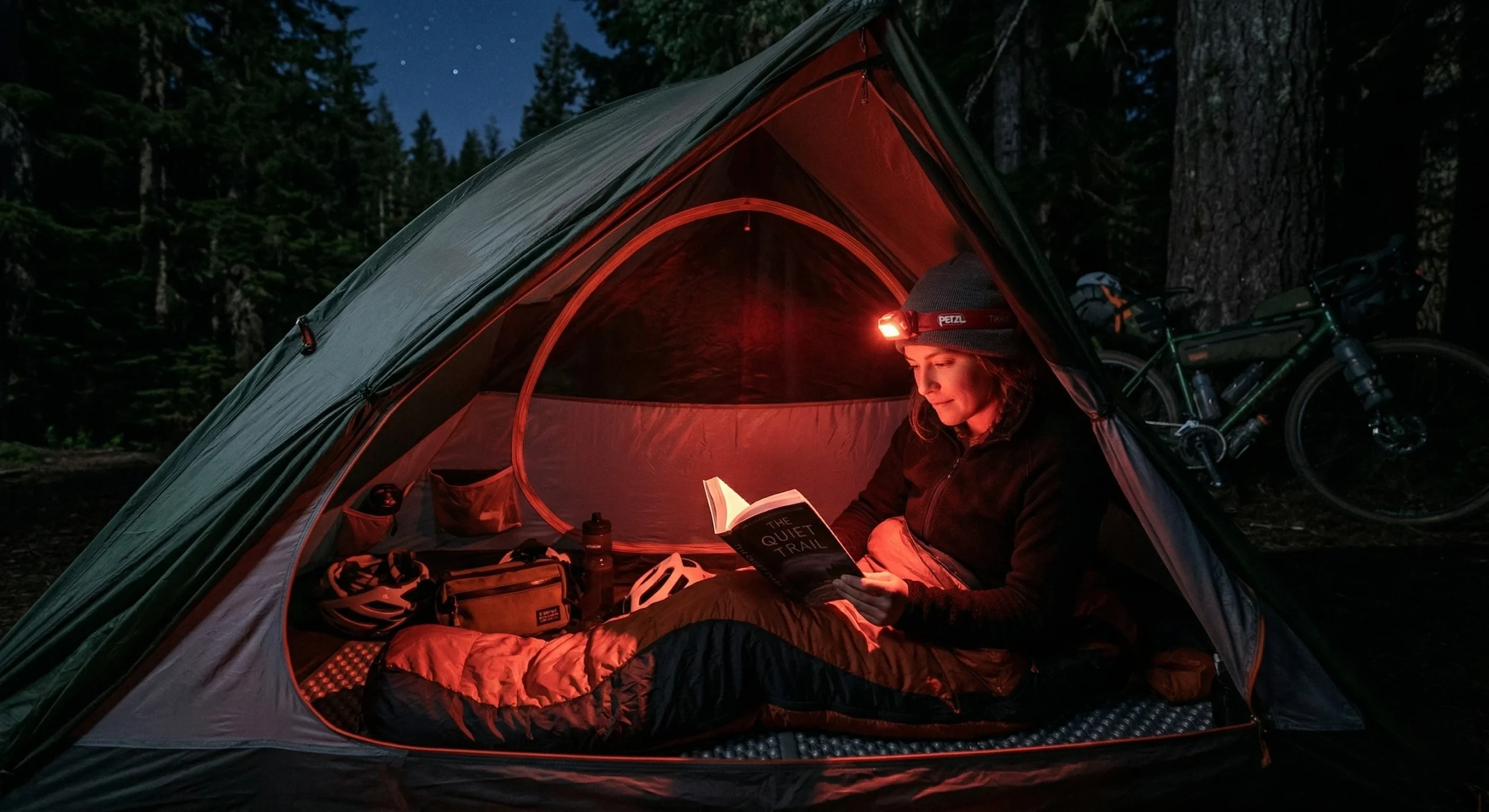
1. Petzl Actik Core Headlamp
- Key Features: 600 lumens, red lighting mode, hybrid battery system.
- Pros: High-quality lighting reduces the “fear of the dark” during night navigation; red light preserves night vision for star-gazing (a moral boost).
- Cons: Higher price point than basic LEDs.
- Check Price: Petzl Actik Core Headlamp.
2. Sea to Summit Aeros Premium Pillow
- Key Features: Inflatable, brushed polyester face, ergonomic shape.
- Pros: Dramatically improves sleep quality; Bikepacking Sleeping Systems without a pillow often lead to neck pain and mental irritability.
- Cons: An extra 3 ounces of weight.
- Check Price: Sea to Summit Aeros Pillow.