


Wondering what to wear kayaking? This beginner’s guide covers clothing, footwear & gear for every season. Stay safe, dry & comfortable.
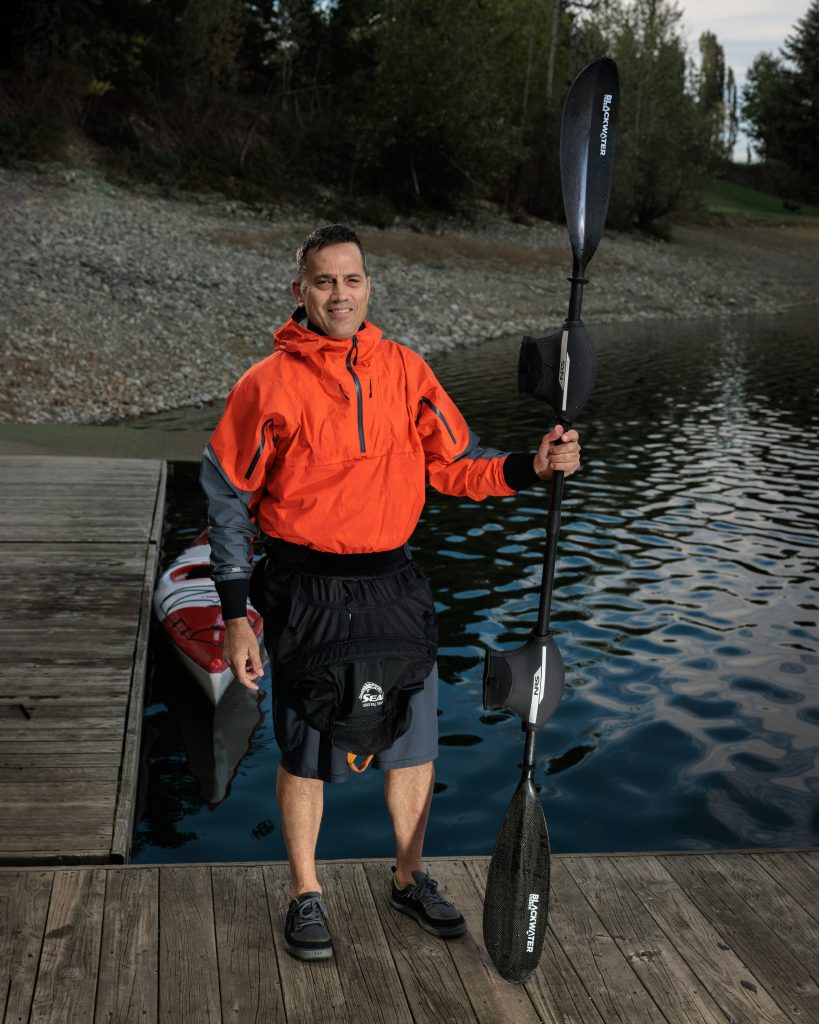
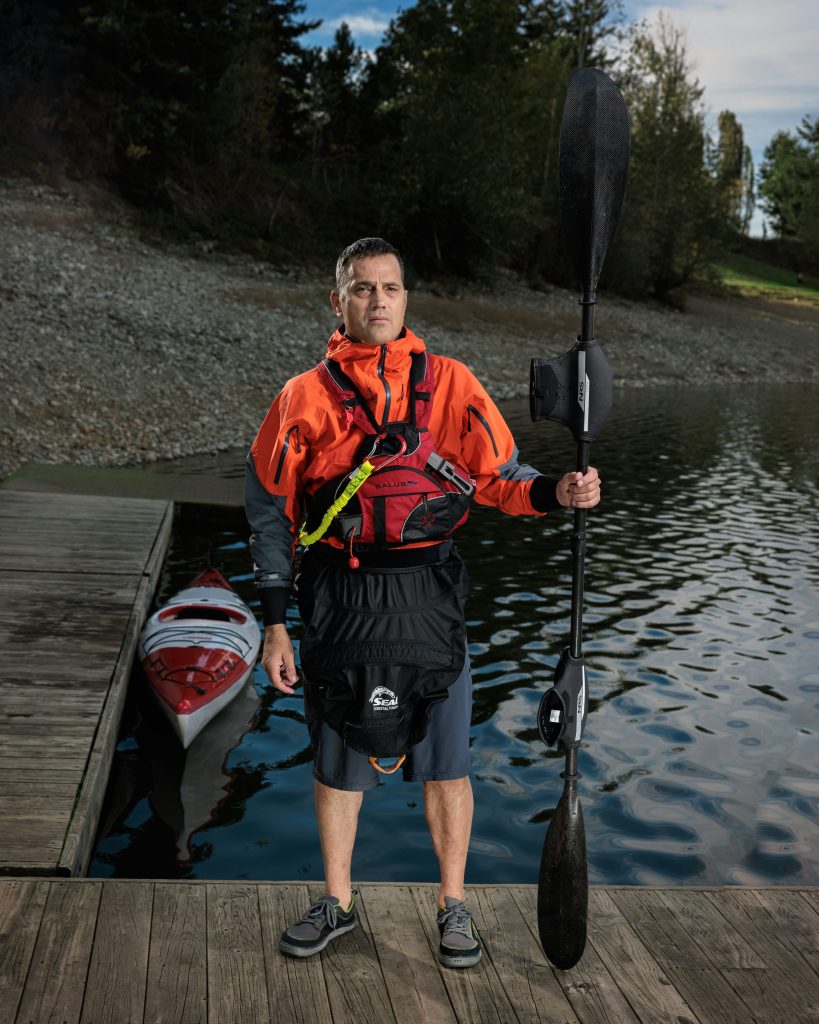
Table of Contents
Introduction
Kayaking offers a unique way to experience the outdoors—whether it’s paddling across a quiet lake, navigating coastal waters, or floating down a gentle river. But many beginners overlook one key factor that determines how enjoyable (and safe) the trip will be: what you wear.
The right clothing can protect you from the sun, wind, and water while ensuring freedom of movement. More importantly, dressing properly can be the difference between a comfortable adventure and a dangerous situation if you capsize in cold water.
In this guide, we’ll break down exactly what to wear kayaking in different conditions, from warm summer days to cold winter paddles. You’ll also learn which fabrics to avoid, what footwear works best, and how to dress kids for kayaking.
Why Clothing Matters in Kayaking
Unlike other outdoor sports, kayaking has one non-negotiable: you will get wet—either from splashes, rain, or possibly capsizing. Your clothing needs to handle that reality.
- Comfort: Restrictive or heavy clothing makes paddling difficult.
- Safety: Cold water shock and hypothermia are real risks; dressing right reduces them.
- Performance: Lightweight, flexible materials allow smoother paddling.
- Protection: Clothing shields against sunburn, wind, and scrapes when getting in and out of the kayak.
👉 For a deeper breakdown of staying safe on the water, check our guide: Kayaking Safety Tips: 15 Rules Every Beginner Should Know.
Golden Rules for Kayaking Clothing
Before choosing specific items, keep these principles in mind:
- Dress for the water temperature, not the air. Even on warm days, cold water can sap body heat quickly.
- Avoid cotton. Cotton traps moisture, stays wet, and increases risk of hypothermia.
- Choose quick-drying synthetic or wool fabrics. Polyester, nylon, and merino wool are best.
- Layer smartly. Base layer, insulating layer, and outer waterproof layer are the key system.
- Prioritize safety over style. Bright colors improve visibility for other boaters.
Base Layers: The Foundation of Comfort
Your base layer is the clothing that sits directly against your skin. Its main job is moisture management.
- Best fabrics: Polyester, nylon, or merino wool.
- Avoid: Cotton t-shirts or sweatshirts.
- Fit: Should be snug but not restrictive to avoid chafing when paddling.
Example: A long-sleeve polyester shirt paired with lightweight athletic leggings makes a solid base.
Mid Layers: Insulation for Changing Conditions
The mid layer provides warmth if the temperature drops. Depending on the season, this could mean:
- Fleece pullovers for cool spring mornings.
- Synthetic insulated jackets that stay warm even if damp.
- Wool sweaters (fine in cold but dry conditions).
Think of the mid layer as optional—it’s more about adjusting to conditions rather than a must-wear for all trips.
Outer Layers: The Barrier Against Water
This layer protects against splashes, wind, and rain. Kayak-specific outerwear is best:
- Paddling jackets: Lightweight, waterproof, and designed for movement.
- Rain jackets: Work in a pinch but may restrict range of motion.
- Drysuits: Fully waterproof suits with tight seals at wrists, ankles, and neck. Best for cold-weather kayaking.
What to Wear Kayaking in Warm Weather
Summer paddling is often the easiest to dress for, but mistakes still happen. Many beginners overdress or underestimate sun exposure.
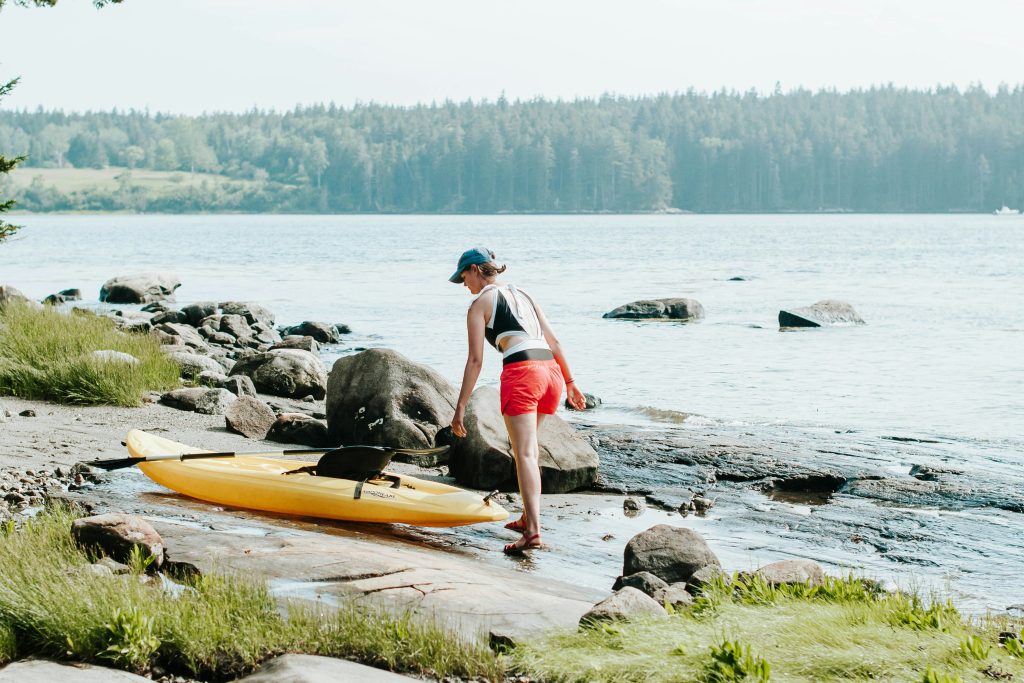
- Quick-dry shorts or leggings: Keep you cool and comfortable.
- Moisture-wicking shirt: Long sleeves with UPF rating are better than tank tops for sun protection.
- Hat: Wide-brim or cap to protect your face.