


This post may contain affiliate links. If you buy through them, we may earn a small commission at no extra cost to you.
Most people spend their money on a sleeping bag and then wonder why they still wake up cold. The pad underneath you matters more, because your body weight crushes the insulation on the bottom of the bag until it does almost nothing. The best sleeping pads for camping are the ones that stop the ground pulling heat out of you all night, and the right pick depends far more on how you camp than on price.
Below are six of the best sleeping pads for camping, each winning a clear category, from a two pound backpacking mat to a four inch thick mattress for car camping. First, the specs that actually decide whether you sleep well.
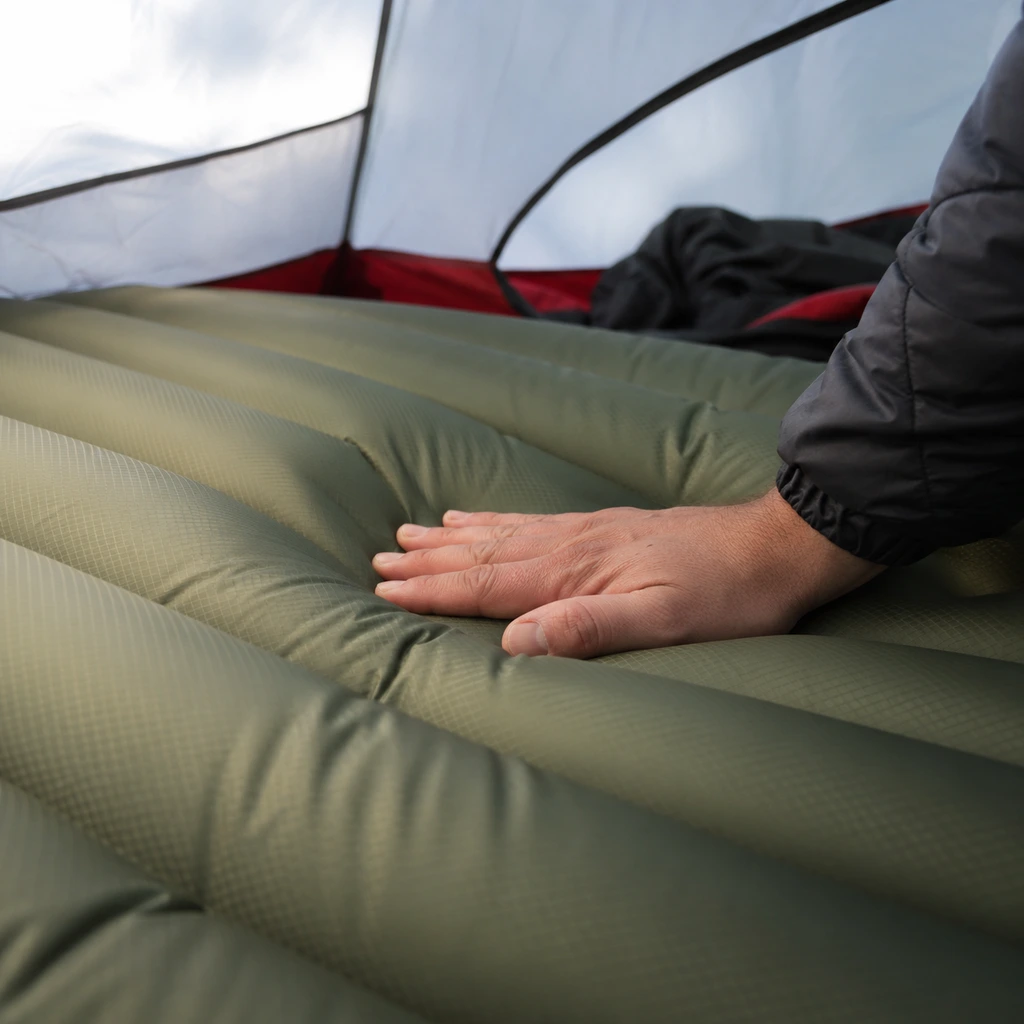
Why the Pad Matters More Than the Bag
Every discussion of the best sleeping pads for camping starts here: cold ground is a far more efficient thief than cold air. Conduction pulls heat out of you wherever your body presses against the earth, and the down or synthetic fill under your back is compressed flat, so it insulates almost nothing. That is why people with expensive bags still shiver on thin pads, and why a warm pad beats an upgraded bag almost every time. The first night out is usually where this lesson lands.
If you have ever woken at 3 a.m. with a cold back and warm shoulders, this is the reason. Our guide to cold weather camping covers the same principle from the other direction, and the camping packing list shows where the pad sits in a full kit.

How to Choose a Sleeping Pad
R-Value: The Only Warmth Number That Matters
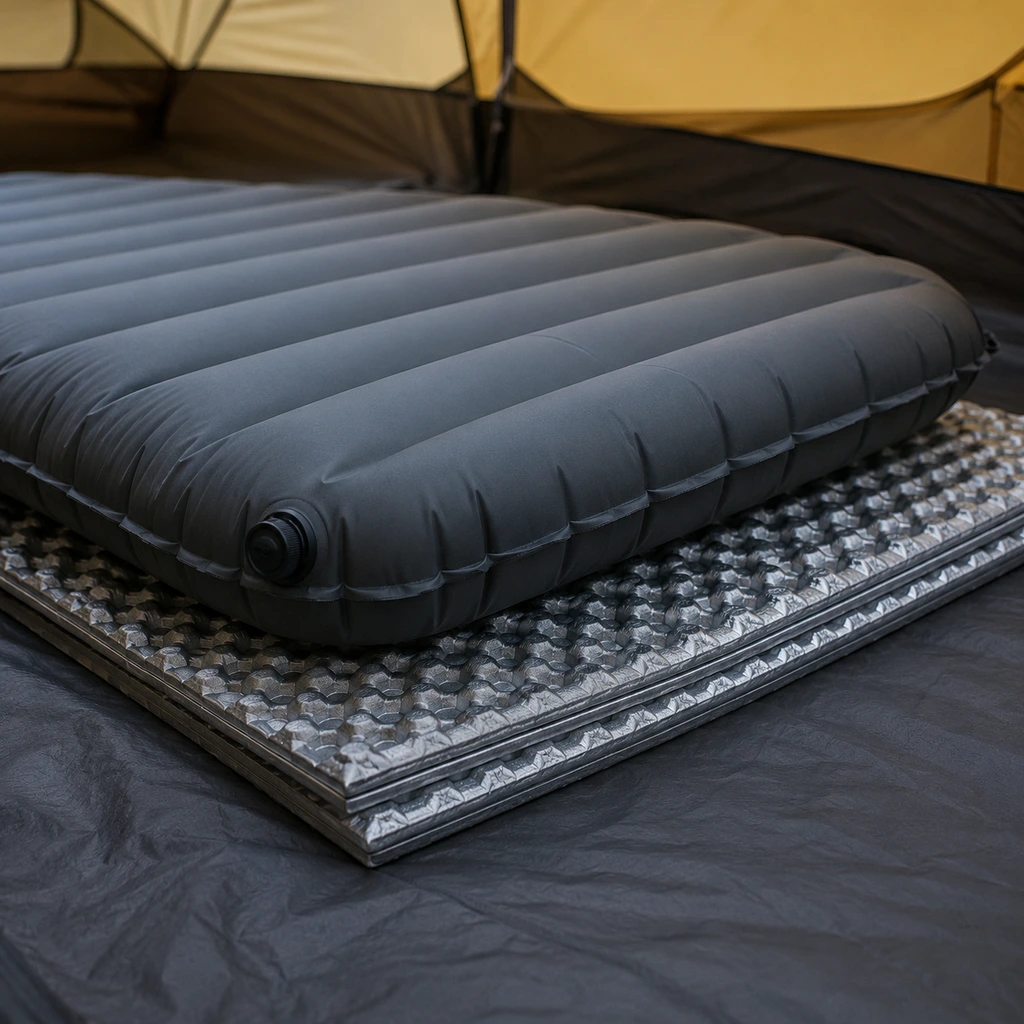
Comparing the best sleeping pads for camping comes down to R-value, which measures resistance to heat loss, and since 2020 it has been standardised, so numbers are directly comparable between brands. Roughly: R-2 and under is summer only, R-3 to R-4 handles three seasons, R-5 and above is genuine cold weather. R-values also add together, so laying a foam mat under an air pad combines both. REI explains the standardised test if you want the detail behind the number.
Thickness and Comfort
Thickness decides whether you bottom out, and it separates the best sleeping pads for camping from the merely cheap. Two inches is enough for back sleepers on soft ground. Side sleepers put all their weight through a hip and a shoulder and generally need three inches or more, otherwise they press through to the dirt. Anyone camping on gravel or roots should size up regardless of sleeping position, which is common on dispersed sites and when finding free camping spots without prepared pitches.
Weight and Packed Size
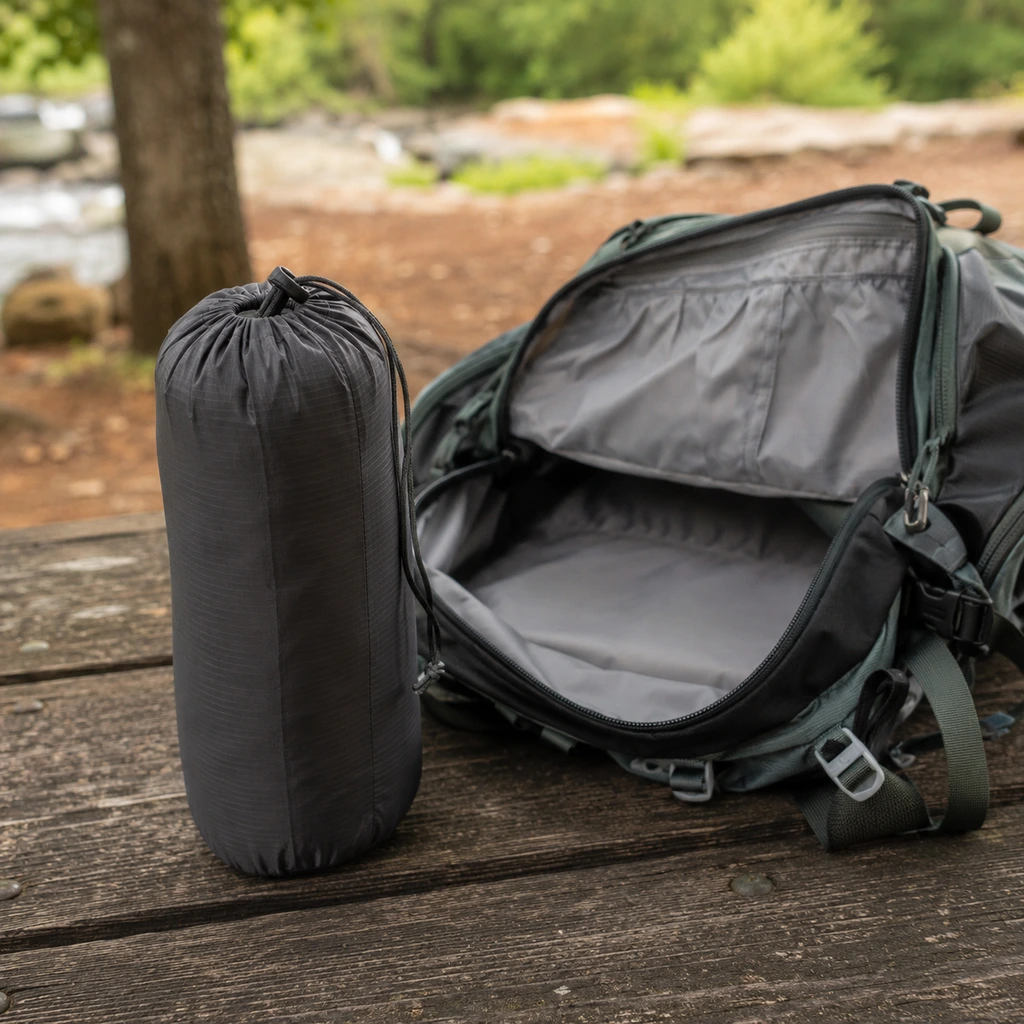
This is the fork in the road. If the pad rides in a car, ignore weight entirely and buy for thickness. If it goes in a pack, every ounce counts and you accept a narrower, thinner mat. Most people buy the backpacking pad, then car camp with it for years and sleep worse than they need to. Our ultralight packing guide is a useful sanity check on what you actually carry.
Inflation, Valves and Noise
Modern pads use a pump sack rather than lung power, which matters more than it sounds: breath carries moisture into the pad, and over a season that moisture degrades the insulation from the inside. Large flat valves inflate and deflate far faster than old screw valves, which matters at the end of a long day when you would rather be sorting the coffee kit. Some lightweight pads crinkle audibly when you move, which bothers some people and not others.
Width and Length
Standard pads run 20 inches wide, which is narrow if you sleep with your arms out. A 25 inch wide pad transforms comfort at a modest weight penalty, the same trade you make with a roomier camp chair or a bigger tent. Length matters for warmth too, since anything hanging off the end is unsupported and cold.
The 6 Best Sleeping Pads for Camping
Therm-a-Rest NeoAir XLite NXT: Best for Backpacking
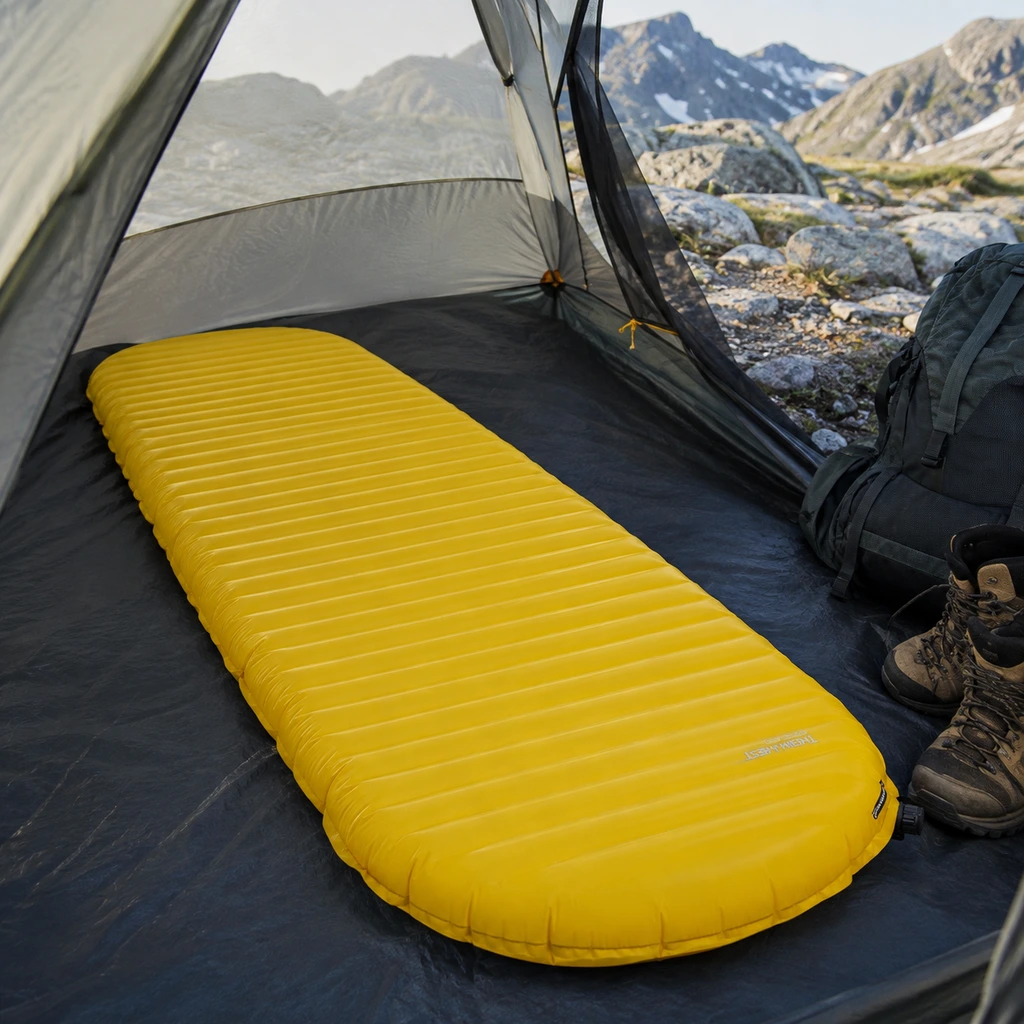
At around 13 ounces with an R-value of 4.5, the NeoAir XLite NXT is the pad most thru-hikers eventually settle on. The triangular baffle structure traps heat efficiently for the weight, and the WingLock valve inflates it in about a minute with the included pump sack. It is 3 inches thick, which is enough for most side sleepers, and it packs down to roughly the size of a water bottle. The trade is noise, since the internal film crinkles when you shift, and a price that stings.
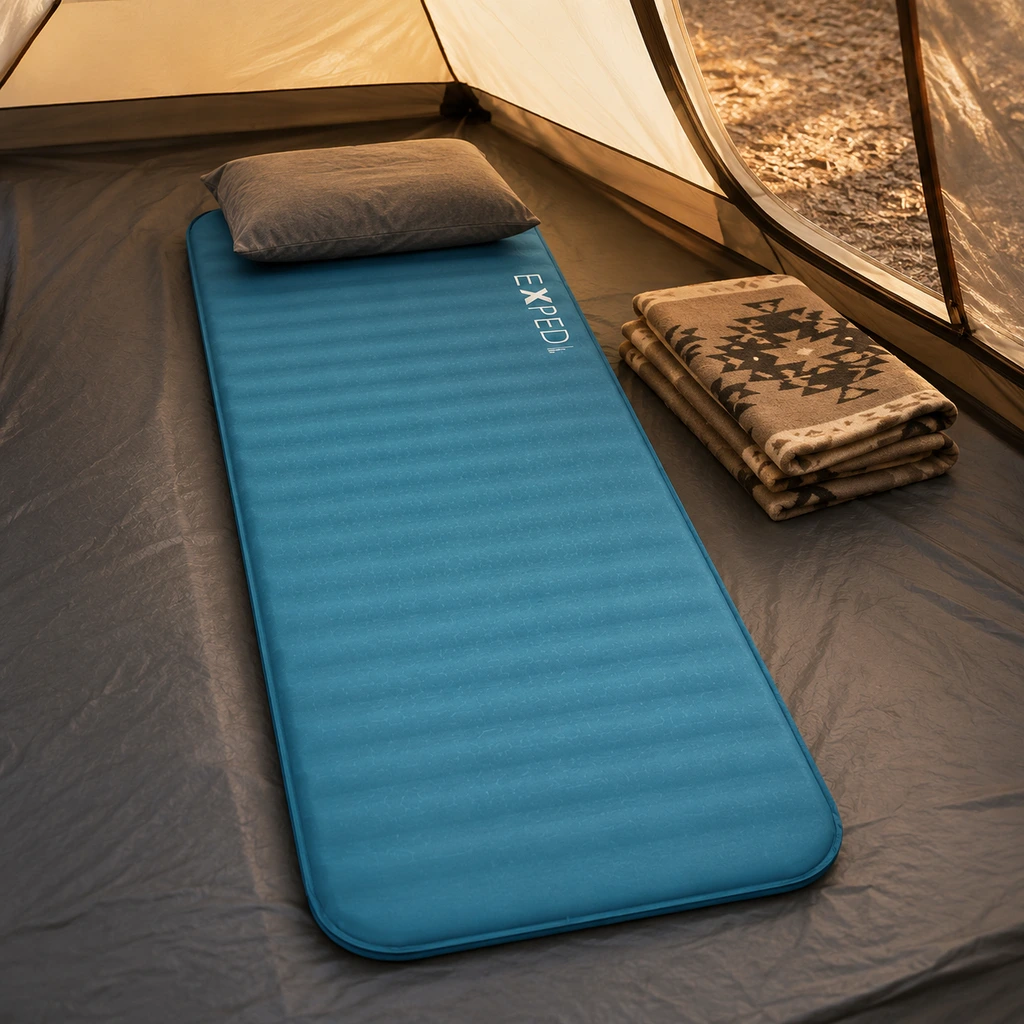
Exped MegaMat 10: Best for Comfort
The MegaMat 10 is four inches of open cell foam and air, and it is the closest thing to a real mattress that still packs into a car boot. R-value sits around 8.1, so it is warm enough for winter, and the horizontal baffles support your hips rather than letting you sink between them. It self-inflates most of the way and finishes with a few pumps. It is heavy and bulky, so this is strictly a car camping pad, but people who buy it stop complaining about sleep.
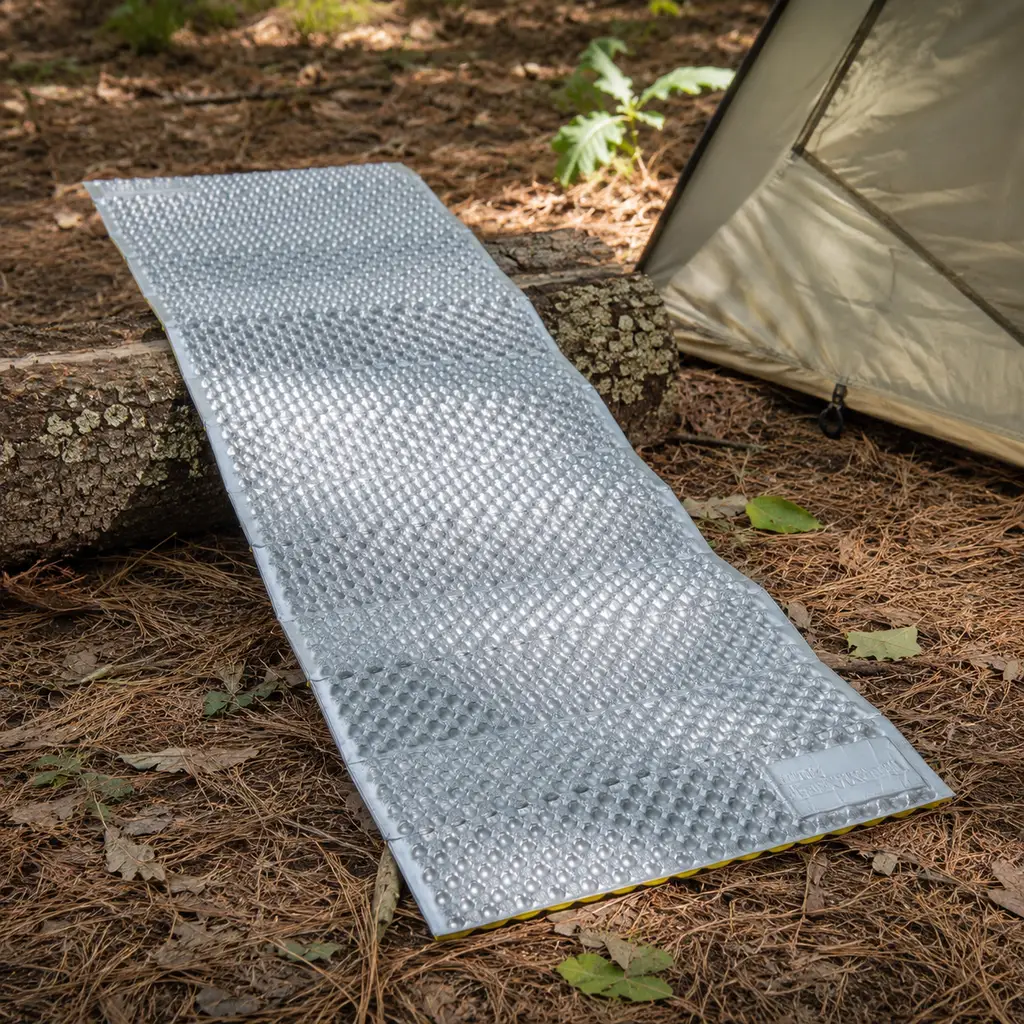
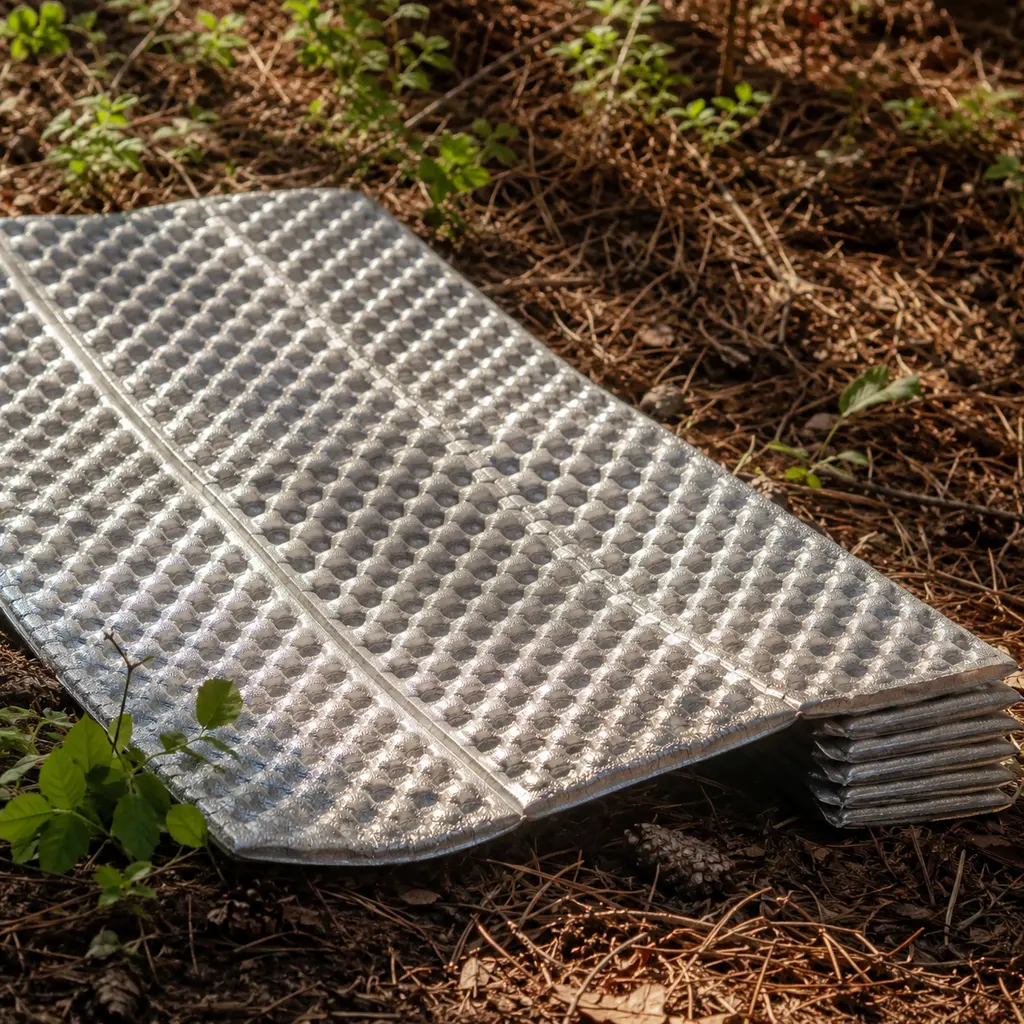
Therm-a-Rest Z Lite Sol: Best Foam and Best Budget
The Z Lite Sol is the accordion folding foam mat you see strapped to the outside of packs. It cannot puncture, it needs no inflation, it costs a fraction of an air pad, and its dimpled surface plus reflective coating pushes the R-value to about 2. On its own it is a summer pad, but its real value is as a layer underneath an air pad, where it adds warmth, protects against punctures and gives you a dry seat around camp.
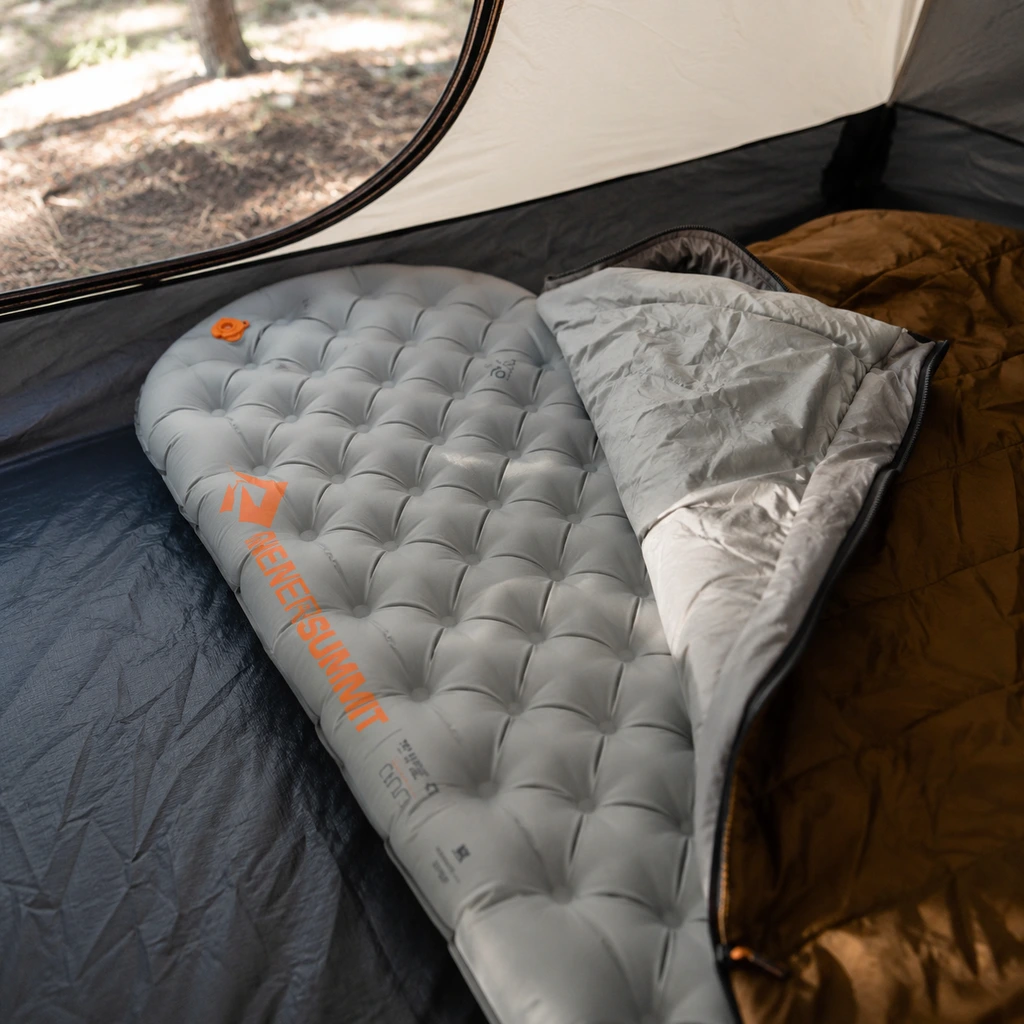
Sea to Summit Ether Light XT: Best for Side Sleepers
Four inches thick with an Air Sprung Cell design that behaves more like a pocket sprung mattress than a raft, the Ether Light XT is the pad to pick if you sleep on your side and keep waking with a dead arm. The extra depth means a hip never reaches the ground, and the surface flexes independently rather than rolling you off. R-value is around 3.2, so it is a three season pad, and it packs surprisingly small for the thickness.
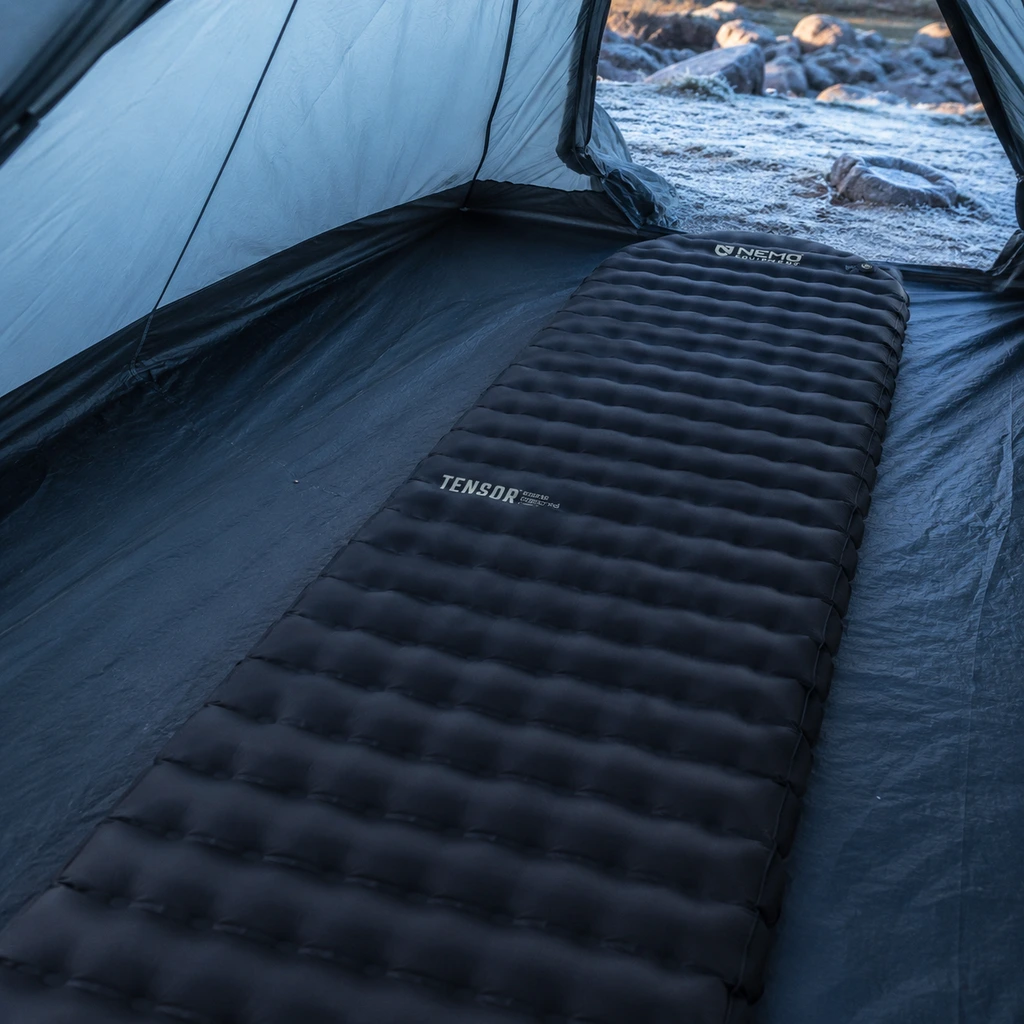
Nemo Tensor All-Season: Best All-Rounder
The Tensor All-Season splits the difference better than anything else here: roughly 17 ounces, three inches thick, and an R-value near 5.4 that carries it into genuine cold. Suspended metallised film layers do the insulating without the crinkle that makes some pads noisy, and Nemo includes a proper pump sack. If you camp across seasons and want one pad rather than two, this is the one to look at first.
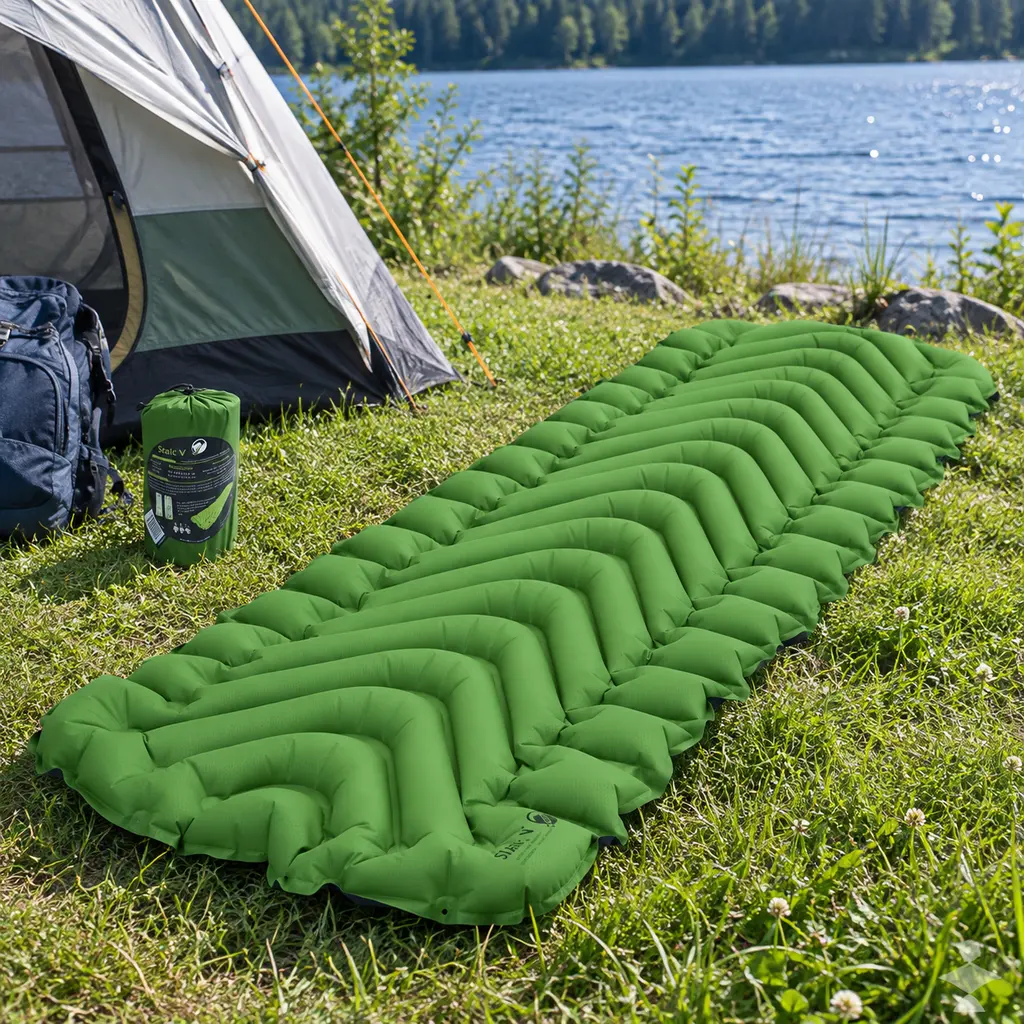
Klymit Static V: Best Cheap Air Pad
The Static V is the entry point to inflatable pads. The V shaped chambers limit air movement so you are not rolling around on a pool float, it inflates in about ten breaths, and it costs less than a tank of fuel. R-value is only about 1.3, so treat it as a summer pad or pair it with a foam mat underneath. For occasional warm weather trips, or a spare for guests, it is hard to argue with.
Foam, Air or Self-Inflating?
Closed Cell Foam
Cheap, indestructible and instantly ready. It cannot puncture, which is why guides and winter campers still carry it. The downsides are bulk, since it does not compress, and limited comfort on hard ground. It doubles as a dry seat by the fire though, which is worth something.
Air Pads
The best warmth and comfort for the weight, and the smallest packed size. They need inflating, they can puncture, and the cheap ones can be noisy. This is what most backpackers choose. Carry a patch kit, the same way you would on a multi day trip where a failure has no easy fix.
Self-Inflating
Open cell foam inside a sealed shell that draws in air when you open the valve. Heavier than a pure air pad but far more forgiving, and a small puncture does not leave you on bare ground. A sensible middle ground for car camping, and a natural step if you are moving toward glamping comfort.