
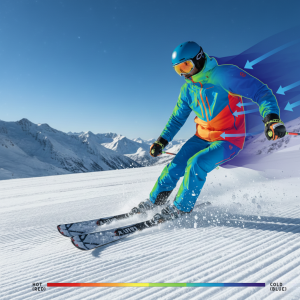

Master the slopes with the best ski jackets for 2026. Learn how waterproofing and insulation technology keep you warm and dry in any weather.
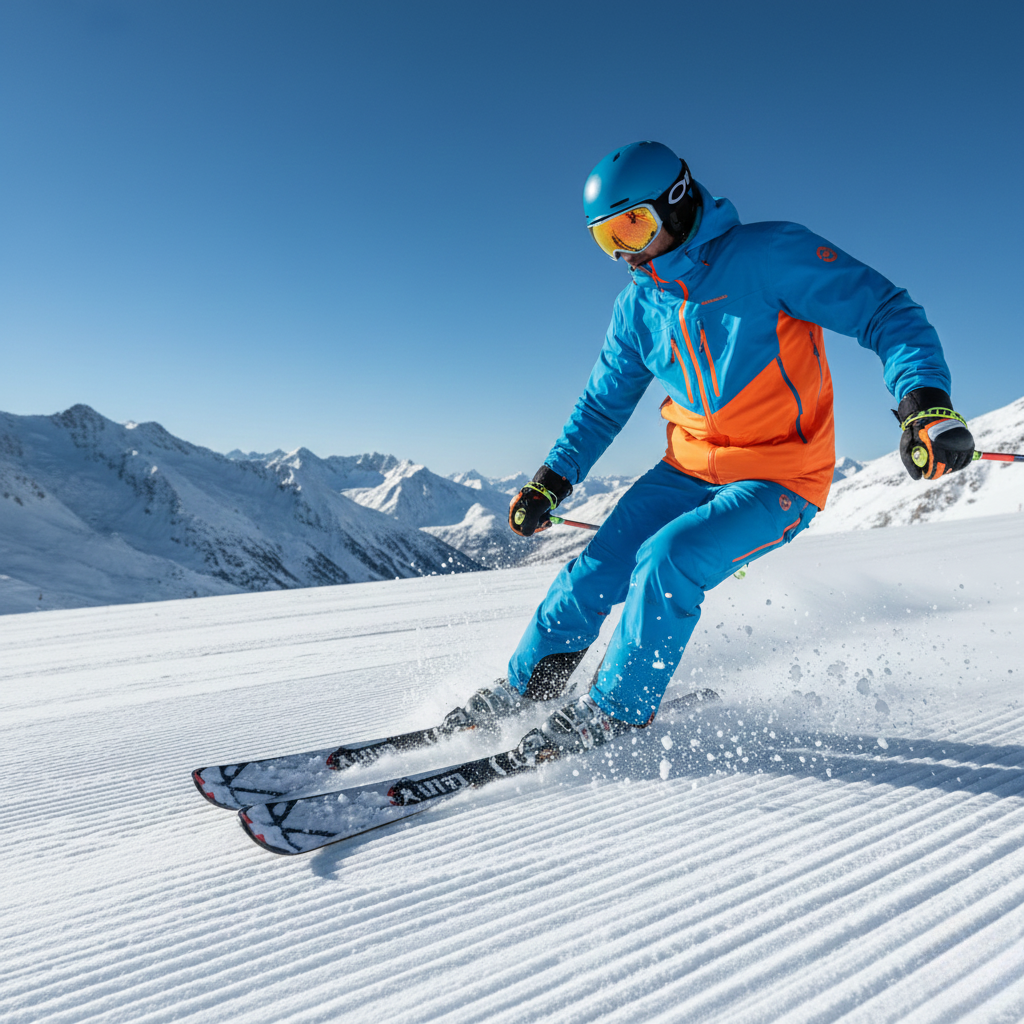
Table of Contents
The Foundation of High-Performance Outerwear
The selection of the best ski jackets is the foundation of a successful mountain experience. A jacket is not merely a garment; it is a piece of equipment designed to manage body temperature and block external moisture.
- Primary Function: High-quality outerwear acts as a barrier against wind, snow, and rain.
- Safety First: For beginners on their First Ski Day, proper gear prevents hypothermia.
- Dynamic Environment: Mountain weather can shift from intense sun to heavy snowfall within minutes.
- Moisture Management: Breathability prevents the “trash bag effect,” keeping you dry from your own perspiration.
- Core Protection: The jacket protects against wind chill, which can effectively double the perceived cold on a moving chairlift.
- Equipment Integration: It is a vital component of a Complete Winter Skiing Equipment Guide 2026.
Decoding Waterproofing and Breathability Ratings
To identify the best ski jackets, one must understand the numerical ratings found on technical tags. These numbers determine how well a jacket performs in extreme conditions.
- Waterproofing Metrics (The First Number):
- 10,000mm (10k): Suitable for light snow and fair weather resort skiing.
- 20,000mm (20k): The gold standard for heavy snow, wet conditions, and high-altitude winds.
- Testing: This number represents the height of a water column a fabric can withstand before leaking.
- Snow Versatility: High ratings are essential when Mastering Every Snow Condition.
- Breathability Metrics (The Second Number):
- Measurement: Measured in grams of vapor that can pass through a square meter of fabric in 24 hours.
- Activity Correlation: High-output activities like Mogul Skiing for Beginners require at least 20,000g.
- Internal Climate: High breathability ensures vapor escapes before condensing into cold sweat.
- Critical Technical Layers:
- DWR Coating: A chemical treatment that makes water bead off the surface; requires Off-Season Maintenance.
- Gore-Tex Membranes: Utilized by many of the best ski jackets for industry-leading performance.
- Fully Taped Seams: Every stitch is covered with waterproof tape to prevent leaks through needle holes.
- Fabric Comparison: For detailed material data, refer to the REI Ski Jacket Guide.
Comparing Insulation: Down vs. Synthetic Fill
Thermal regulation is a core function of the best ski jackets, and choosing the right fill type is critical for different skiing styles and climates.
- Natural Down Insulation:
- Pros: Highest warmth-to-weight ratio and excellent compressibility.
- Cons: Loses all insulating properties when wet; difficult to dry on the mountain.
- Ideal Use: Dry, extremely cold climates where moisture is minimal.
- Synthetic Insulation ( like PrimaLoft):
- Pros: Mimics down structure using polyester; retains warmth even when damp.
- Cons: Slightly heavier and less compressible than natural down.
- Versatility: Essential for active skiers following a Ski Fitness 8-Week Plan.
- Technical Specs: Learn about high-performance synthetic fills via Helly Hansen Tech.
- Hardshells and Layering:
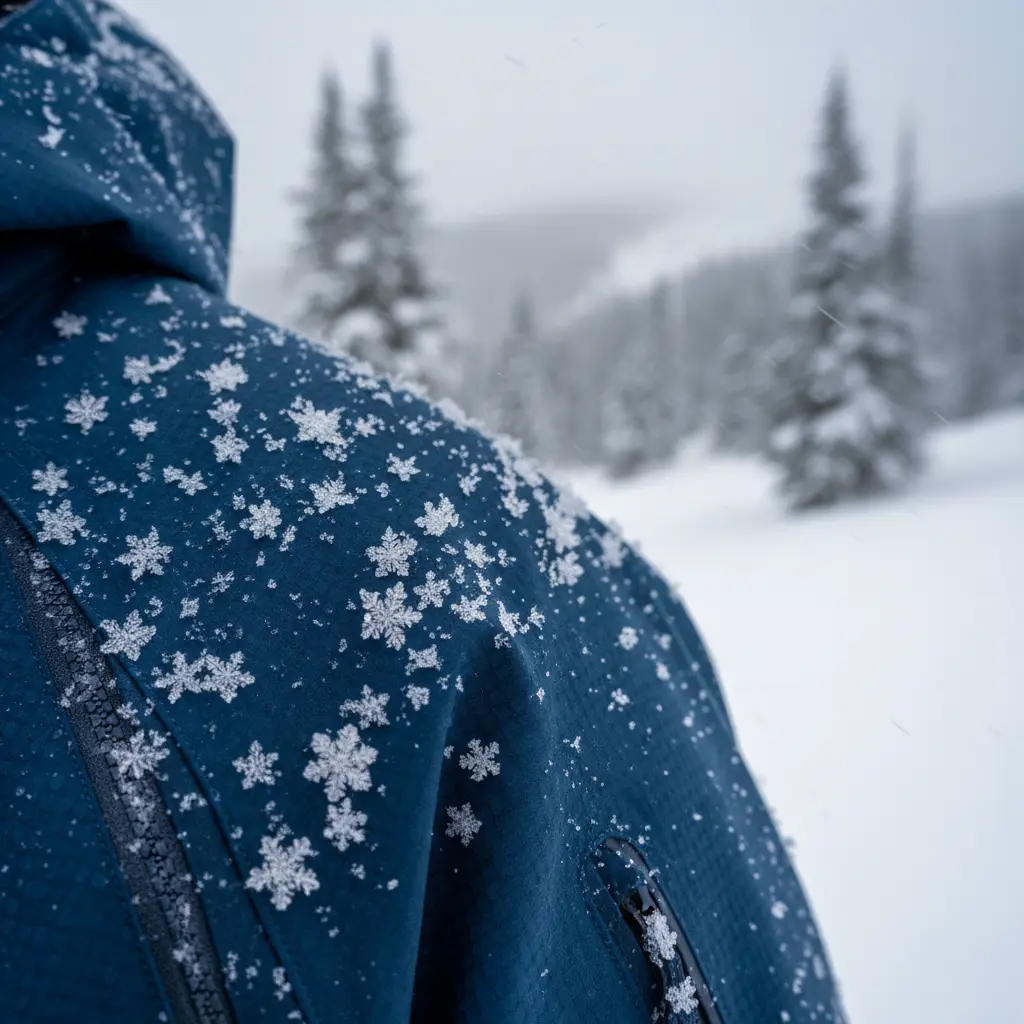
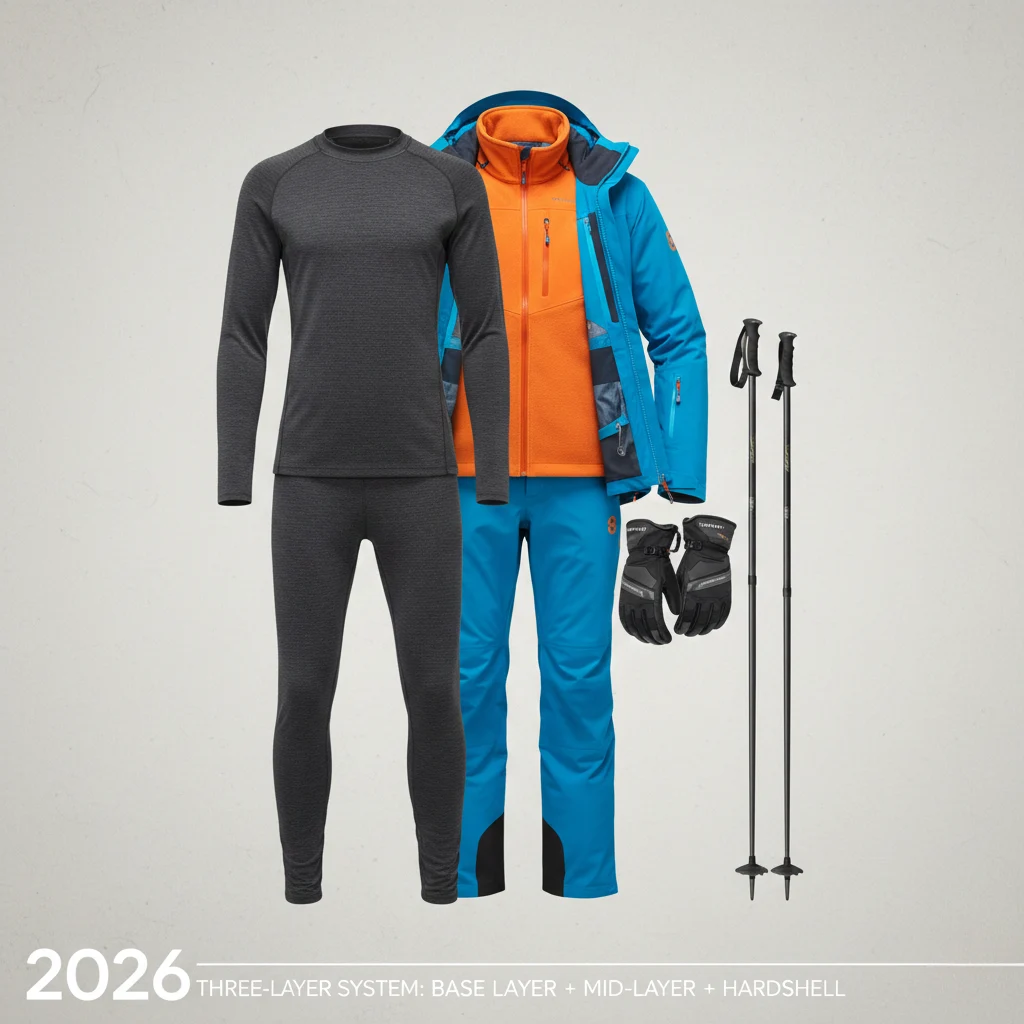
- The Shell Approach: No built-in insulation; designed for maximum versatility and layering.
- Backcountry Priority: Preferred for high-movement activities like Backcountry Touring.
- Mechanical Advantage: Allows for maximum range of motion when practicing Weight Distribution in Skiing.
- Posture Alignment: Lighter shells help maintain Perfect Skiing Posture & Balance.
The 7 Best Ski Jackets for the 2026 Winter Season
Selecting the best ski jackets requires balancing technical reliability with specific terrain needs. The following models are the top recommendations for 2026.
| Category | Recommended Model | Primary Benefit |
|---|---|---|
| Best Overall Shell | Arc’teryx Sabre SV | Ultimate Gore-Tex Pro durability and weather protection. |
| Best Insulated Resort | Helly Hansen Alpha 4.0 | Integrated Life Pocket for battery and high-tech PrimaLoft. |
| Best Value/Beginner | Columbia Whirlibird IV | 3-in-1 versatility with Omni-Heat reflective lining. |
| Best All-Mountain | Burton [ak] Cyclic GORE-TEX | Exceptional breathability and standard-setting mobility. |
| Best Backcountry | Outdoor Research Hemispheres II | Gore-Tex Stretch panels for unmatched range of motion. |
| Best Daily Driver | The North Face Freedom | Reliable Heatseeker insulation and rugged DryVent shell. |
| Best Sustainable Choice | Patagonia Powder Town | PFC-free DWR and 100% recycled H2No fabric. |
- System Compatibility:
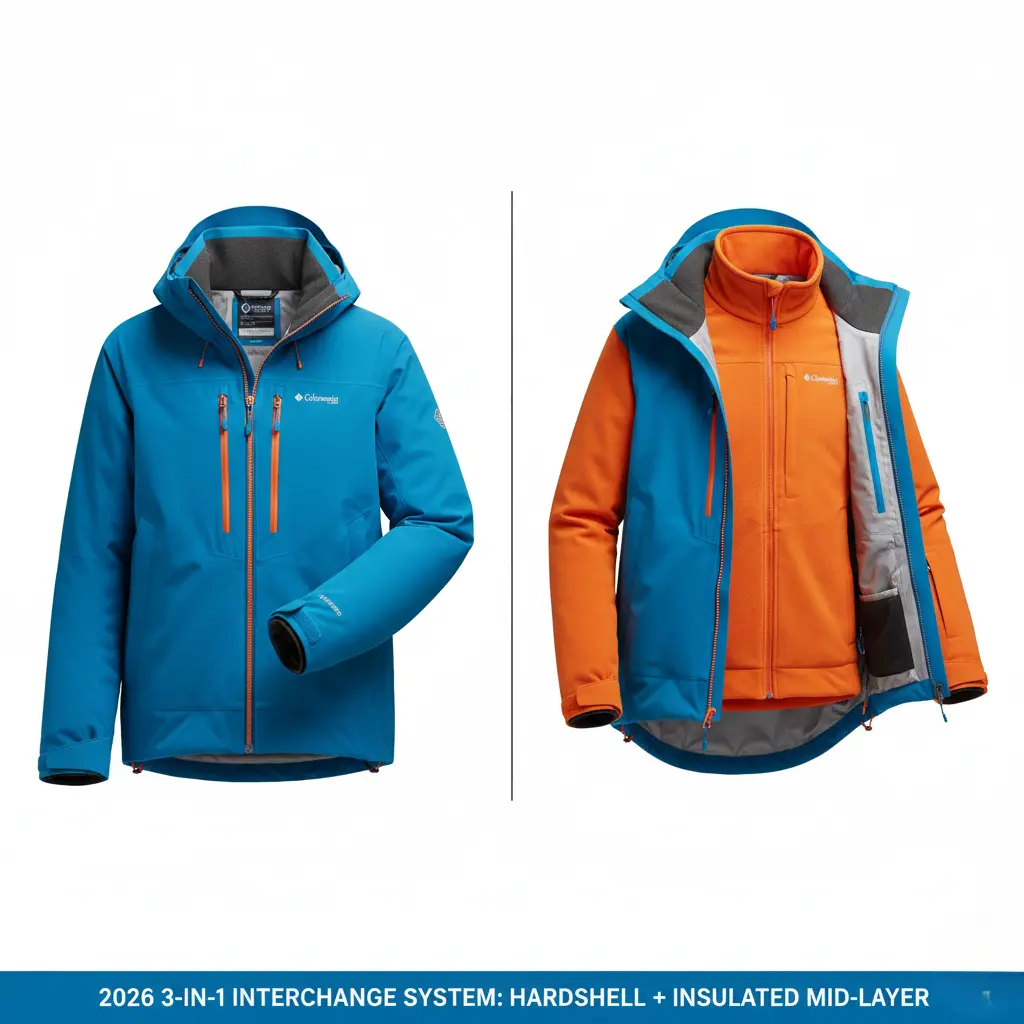
- 3-in-1 Systems: Allows for shell and liner to be worn together or separately for different temperatures.
- Progression Readiness: Choosing the right kit ensures safety at any Ski Slope Difficulty level.
- Expert Validation: These models are consistently validated by the Ski Mag Gear Guide.
Critical Functional Features and Technical Details
Beyond fabric, the functional details of the best ski jackets distinguish performance gear from standard winter coats.
- Hood and Neck Features:
- Helmet-Compatible Hoods: Essential for protecting the head without restricting safety gear.
- High Collars: Must be lined with soft material to prevent chin chafing in sub-zero winds.
- Snow and Wind Protection:
- Powder Skirts: An internal elastic band that prevents snow from entering during a fall.
- Jacket-to-Pant Interfaces: Connects the shell directly to pants for a total weather seal.
- Ventilation Control:
- Pit Zips: Underarm vents that allow for rapid heat dumping during Parallel Turn Progression.
- Mesh Lining: Prevents snow from entering while the vents are open.
- Specialized Storage:
- RFID Pass Pockets: Located on the sleeve for easy lift gate scanning.
- Goggle Pockets: Large internal mesh pockets to protect Ski Goggles.
- Insulated Media Pockets: Protects smartphone battery life from extreme cold.
Optimizing Fit, Sizing, and Protective Visibility
A proper fit ensures the best ski jackets don’t hinder movement. Sizing and color choices are vital for both performance and safety.
- The Three Primary Fits:
- Slim Fit: Aerodynamic and stylish, but may limit heavy layering.
- Regular Fit: The standard for resort skiing, offering balanced mobility.
- Relaxed Fit: Popular for freestyle, providing maximum range of motion for tricks.
- Movement-Specific Design:
- Articulated Elbows: Pre-curved sleeves that prevent fabric bunching during Ski Pole Plants.
- Drop Tails: Extended rear coverage for warmth while sitting on cold chairlifts.
- Sizing Strategy: Always try on jackets with your mid-layers to ensure a Proper Fit.
- Visibility as a Safety Tool:
- High-Contrast Colors: Bright orange or neon green improves visibility in Flat Light and Fog.
- Safety Tech: Look for RECCO reflectors for search and rescue, emphasized by brands like Patagonia.
Maintenance and Longevity of Technical Outerwear
Owning one of the best ski jackets requires consistent care to maintain the membrane’s integrity and waterproofing.
- Professional Washing Protocols:
- Avoid Household Detergent: Standard soaps clog microscopic pores and destroy DWR.
- Technical Washes: Use products like Nikwax Tech Wash to preserve performance.
- Drying Strategy: A medium-heat tumble dry “reactivates” the DWR coating.
- Storage and Repair:
- Airtight Storage: Never store damp gear; mold can cause irreversible delamination.
- UV Protection: Keep jackets away from direct sunlight during the off-season to prevent fiber degradation.
- Field Repairs: Small tears can be fixed with Tenacious Tape to maintain the waterproof seal.
- Replacement Signals:
- Wetting Out: If fabric soaks through after a fresh DWR treatment, the membrane may be failing.
- Peeling Tape: Internal seam tape peeling away indicates the jacket’s lifespan is ending.
- Consult Experts: Check the Ski Mag Gear Guide for the newest tech when it’s time to upgrade.