
Discover the 7 best bikepacking tents for 2026. Master stealth camping with technical reviews of ultralight, compact shelters designed for rugged trails.
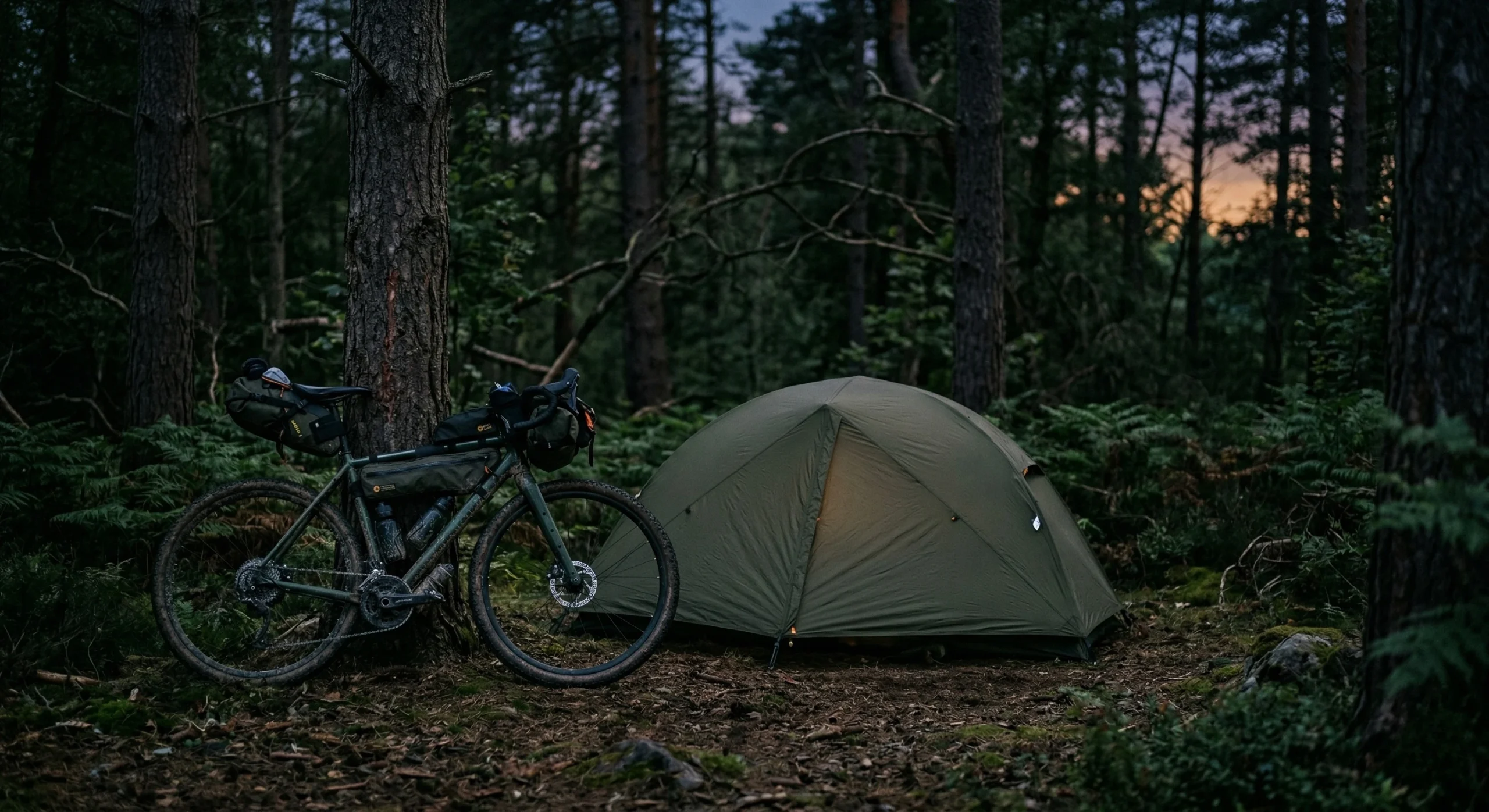
Table of Contents
Introduction: The Technical Role of Modern Shelters
Selecting the best bikepacking tents is a mechanical requirement for ensuring restorative recovery during multi-day wilderness expeditions. Unlike traditional backpacking tents, bikepacking-specific models are engineered with specific volume constraints to fit within the narrow dimensions of a Handlebar Roll or Seat Pack. In 2026, advancements in sil-nylon and Dyneema fabrics have reduced shelter weights to sub-two-pound benchmarks without compromising structural integrity in high-wind environments. This technical layer of the Bikepacking Sleeping System is what allows a rider to maintain autonomy in remote regions.
The primary objective of a stealth-focused shelter is to minimize the visual footprint of the campsite. This involves utilizing low-profile geometries and muted, natural colors that blend with local vegetation. For those following the 7 Proven Steps for Bikepacking for Beginners, mastering the “stealth” aspect is a key component of the Eco-Friendly Bikepacking philosophy. A well-chosen tent serves as the foundation for a successful 3-Day Wilderness Adventure. This guide provides a disciplined technical analysis of the seven best shelters currently defining the 2026 season.
Technical Criteria for High-Performance Bikepacking Tents
Before evaluating specific models, the rider must understand the technical metrics that define the best bikepacking tents. These standards are vetted by professional organizations like the International Mountain Bicycling Association (IMBA) for use in diverse environments.
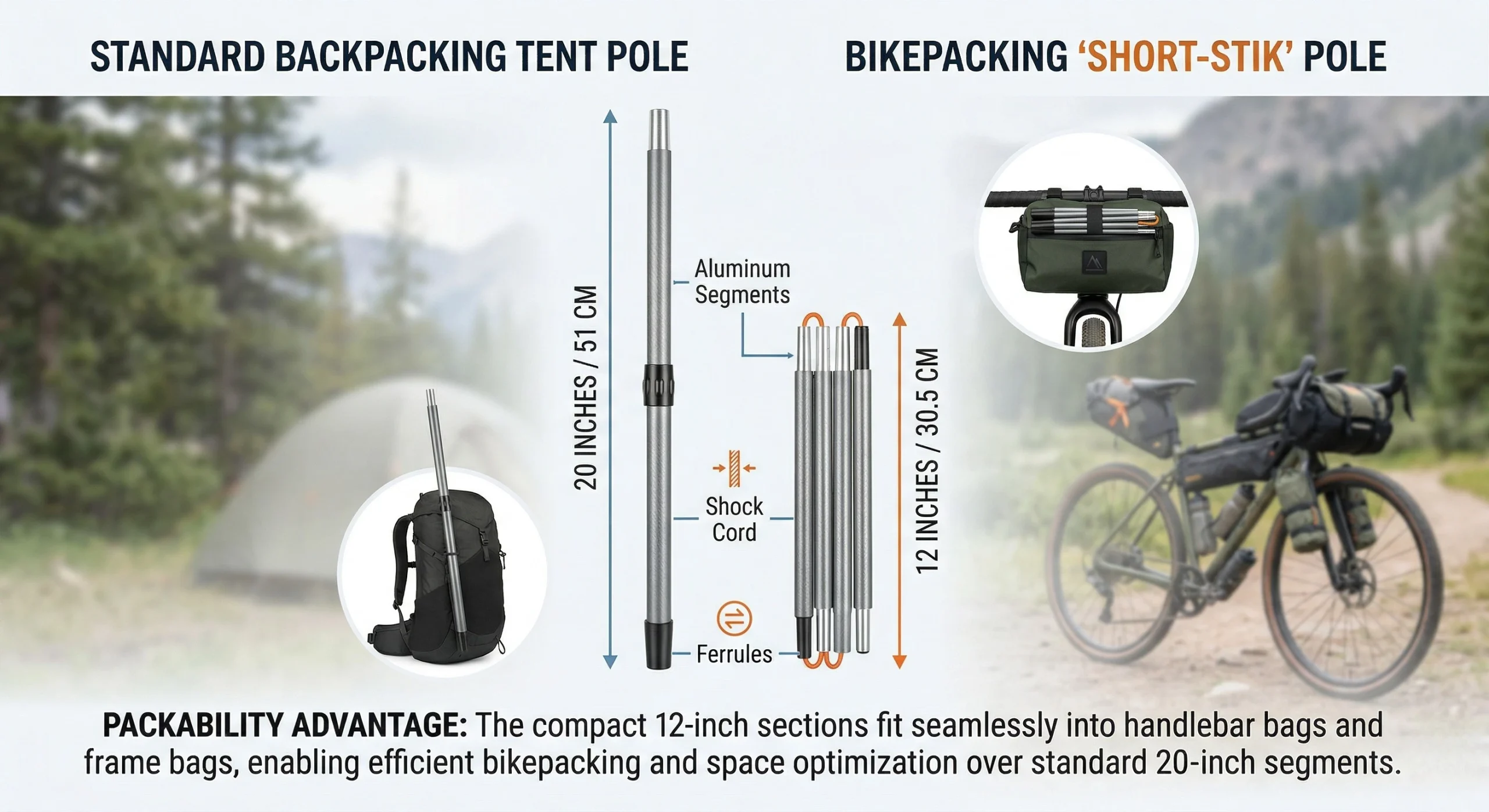
- Pole Length (Packability): The maximum length of a collapsed pole segment determines if the tent can fit between Drop Handlebars.
- Hydrostatic Head Rating: A measure of the fabric’s waterproofness (measured in millimeters). For Wet Weather Bikepacking, a rating of 1,200mm or higher is required.
- Interior Volume vs. Footprint: Stealth camping requires a small footprint to fit in irregular spots, while maintaining enough volume for gear organization.
- Condensation Management: The ability of the double-wall or single-wall hybrid design to exhaust moisture, which is critical for maintaining the Bikepacking Mindset during long missions.
- Stealth Aesthetics: The use of non-reflective materials and dark color palettes (olive, tan, slate).
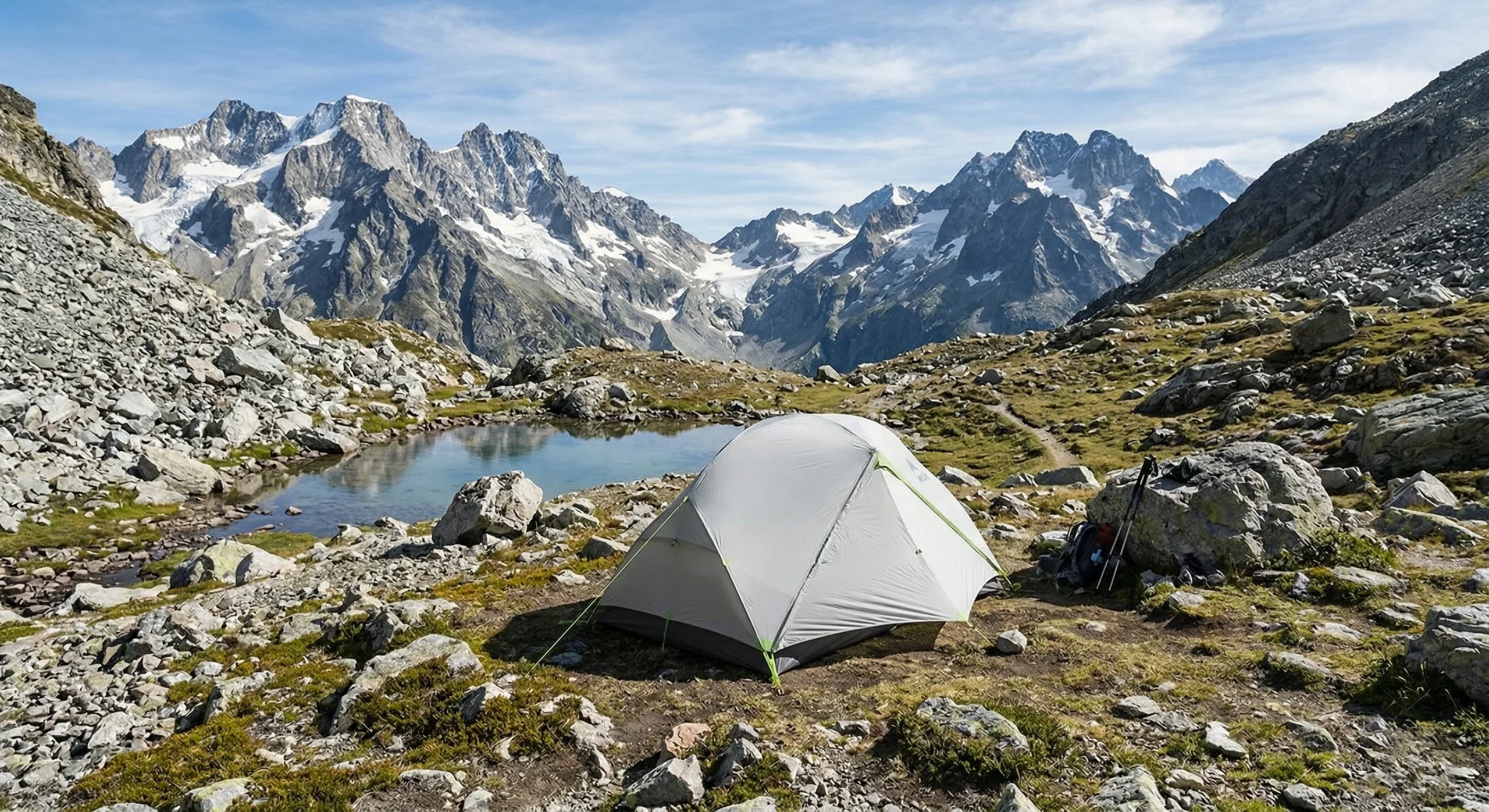
1. Big Agnes Fly Creek HV UL1 Bikepack Solution
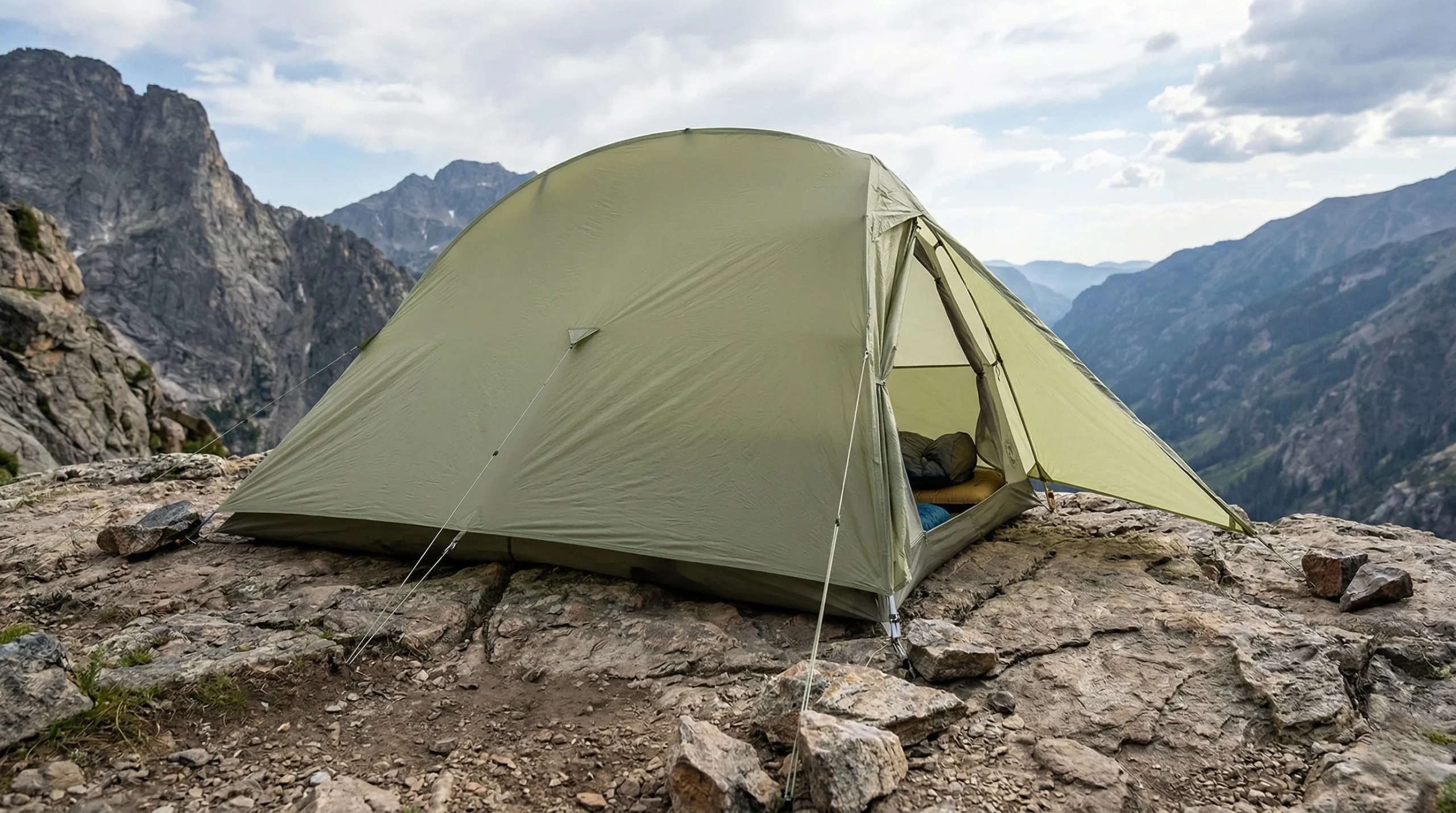
The Big Agnes Fly Creek remains the benchmark for weight-conscious riders. It is a semi-freestanding design that utilizes a single-pole structure to minimize weight and setup time.
Key Features
- Material: Solution-dyed fabric for UV resistance and durability.
- Pole System: “Short-Stik” poles with 12-inch segments.
- Organization: Integrated helmet storage and gear lofts.
Pros
- Extremely lightweight (under 2 lbs).
- Specifically engineered for Better Bike Handling when packed.
- Fast and easy setup in the dark.
Cons
- Tapered foot area can feel cramped for tall riders.
- Requires stakes to achieve full interior volume.
Check Price on Amazon: Big Agnes Fly Creek HV UL1 Bikepack.
2. Nemo Dragonfly Bikepack OSMO
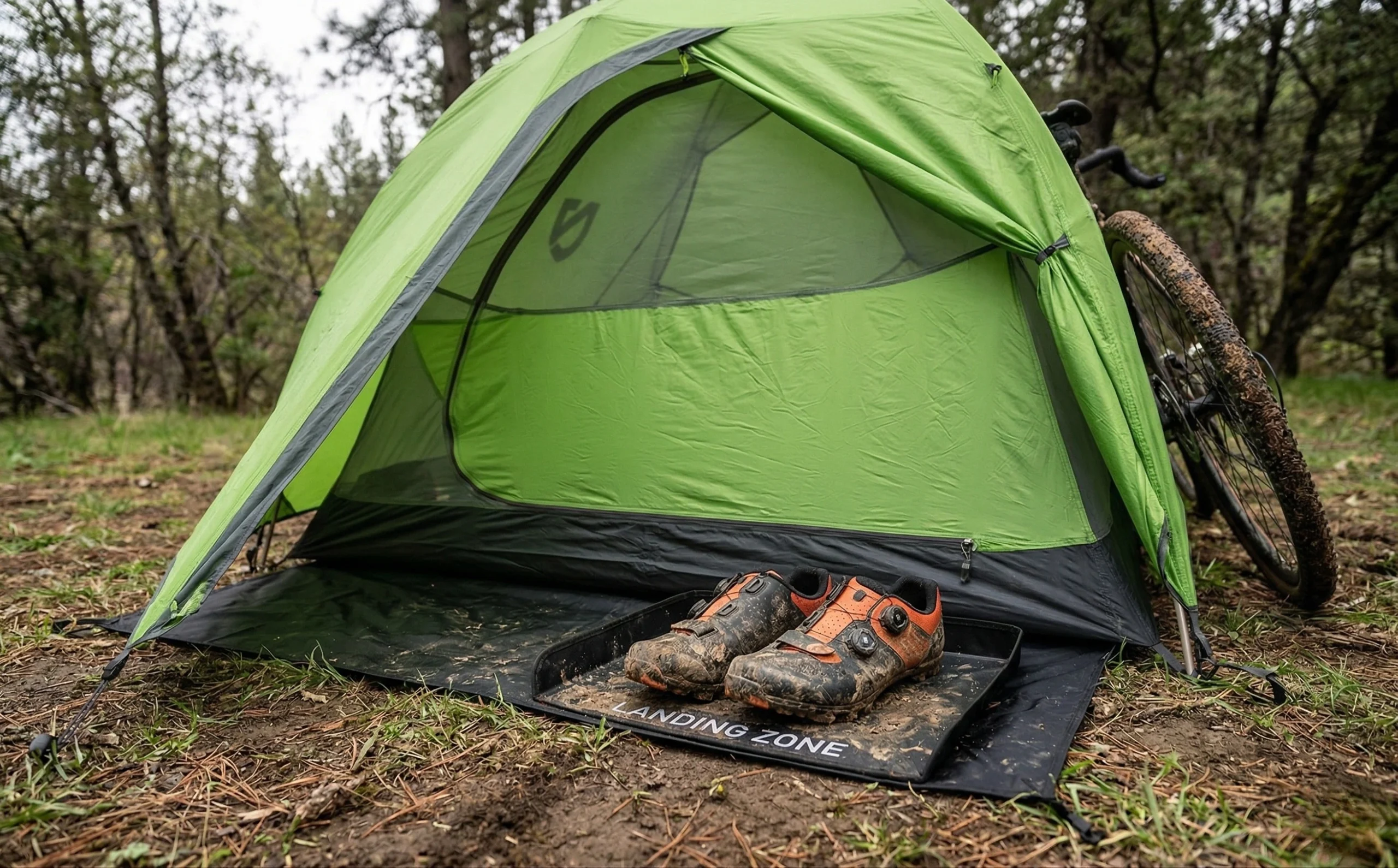
The Nemo Dragonfly focuses on livability and durability. It features a fully freestanding structure, making it ideal for camping on hard-packed surfaces where stakes cannot be easily driven.
Key Features
- Fabric: OSMO technical fabric with 4x higher water repellency.
- Storage: “Landing Zone” waterproof storage area in the vestibule.
- Colors: Muted earth tones optimized for Stealth Camping Protocols.
Pros
- Dual doors and vestibules for easy access.
- Freestanding design allows for easy site adjustment.
- Durable floor reduces the need for a separate footprint.
Cons
- Slightly heavier than minimalist semi-freestanding models.
- Higher volume when packed compared to the Fly Creek.
Check Price on Amazon: Nemo Dragonfly Bikepack OSMO
3. MSR Hubba Hubba Bikepack 1
The Hubba Hubba series is renowned for its architectural strength. The bikepacking-specific version modifies the pole lengths and the storage bag to integrate with the 9 Best Bikepacking Bags systems.
Key Features
- Durability: Easton Syclone poles are virtually indestructible in high winds.
- Coating: Xtreme Shield waterproof coating lasts 3x longer than standard PU.
- Mounting: Includes a waterproof handlebar bag as the tent stuff sack.
Pros
- Incredible wind stability for alpine missions.
- High vertical walls provide excellent interior volume.
- Included handlebar bag is a high-value Bikepacking Gear addition.
Cons
- Most expensive model in the 1-person category.
- Setup is slightly more complex due to the pole hub system.
Check Price on Amazon: MSR Hubba Hubba Bikepack
4. Tarptent ProTrail Li (The Dyneema Choice)
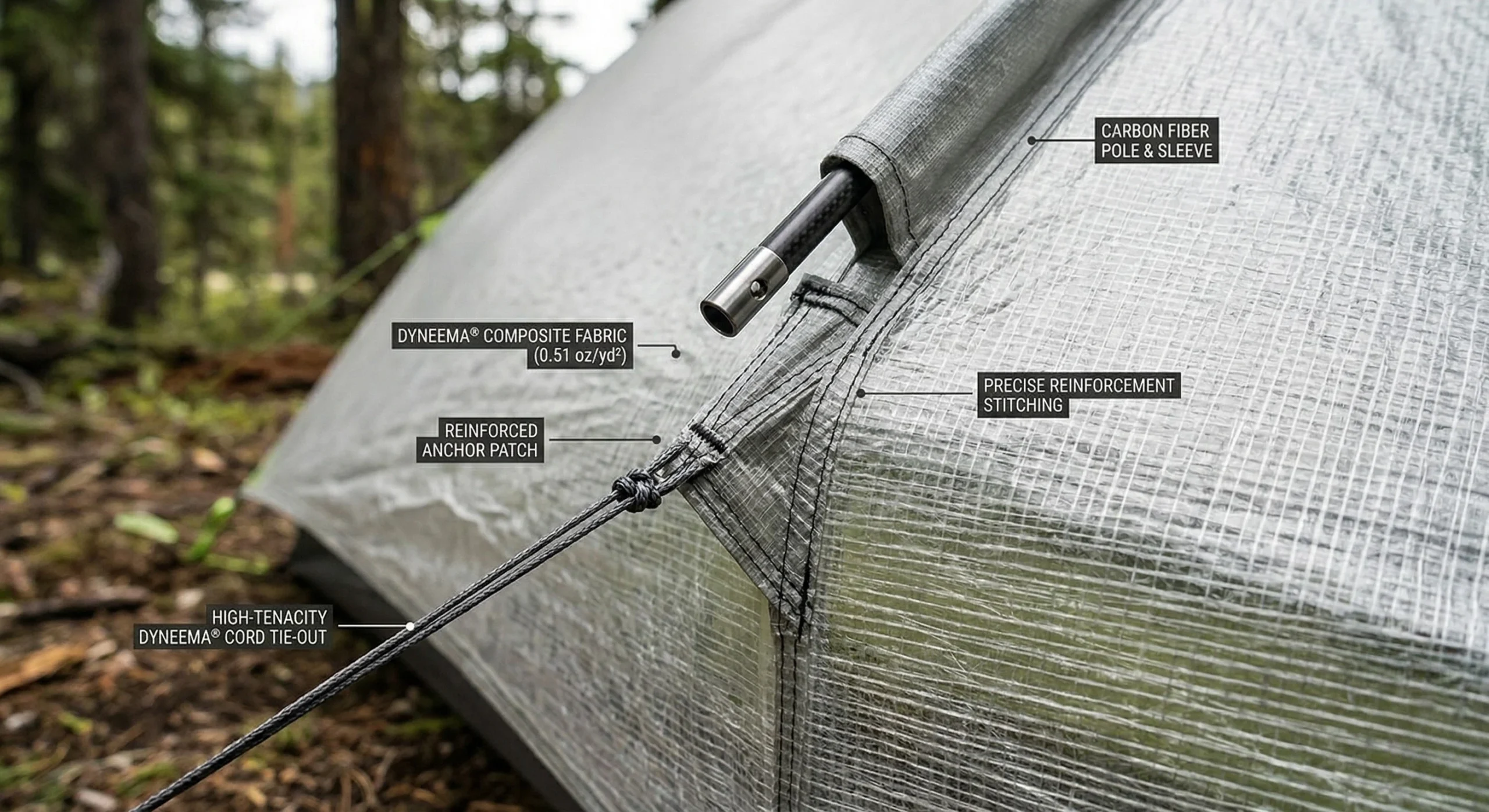
For elite riders seeking the lowest possible weight, the Tarptent ProTrail Li utilizes Dyneema Composite Fabric (DCF). This is a non-freestanding, single-wall shelter that requires trekking poles or optional bikepacking poles for setup.
Key Features
- Fabric: 0.51 oz/sqyd Dyneema (100% waterproof and does not stretch).
- Weight: 16 ounces (total).
- Design: A-frame structure for maximum airflow.
Pros
- The ultimate in weight savings for Solo Bikepacking Safety missions.
- Fabric does not sag when wet, maintaining tension in the rain.
- Extremely small packed volume.
Cons
- Single-wall design is susceptible to interior condensation.
- Requires a specific skillset for proper pitching on Difficult Routes.
Check Details: Tarptent Technical Engineering
5. Sierra Designs High Route 1 FL
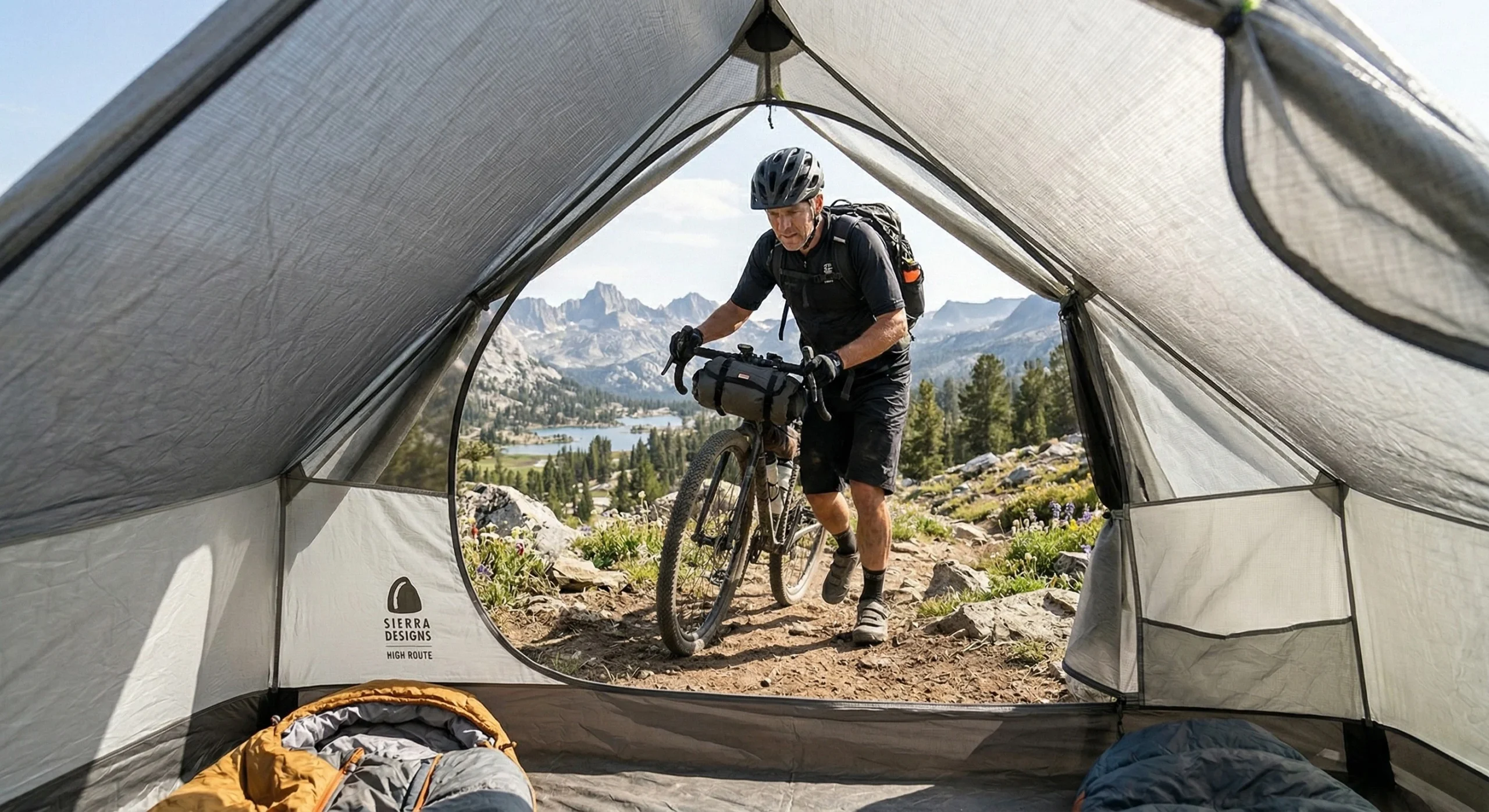
The High Route is a technical shelter designed by backcountry experts. It utilizes a diagonal ridge line to maximize internal space and provide a steep pitch for shedding Wet Weather loads.
Key Features
- Versatility: Can be used as a tarp only or with the nested mesh body.
- Access: Oversized door for easy gear transitions.
- Venting: High-low venting system for superior moisture management.
Pros
- Best-in-class ventilation for humid climates.
- Large interior fits a rider and all their Bikepacking Packing gear inside.
- Very stable in shifting wind directions.
Cons
- Non-freestanding; requires reliable stake points.
- Muted blue color is less “stealthy” than forest green.
Check Price on Amazon: Sierra Designs High Route 1 FL
6. Black Diamond FirstLight (Best for High Altitudes)
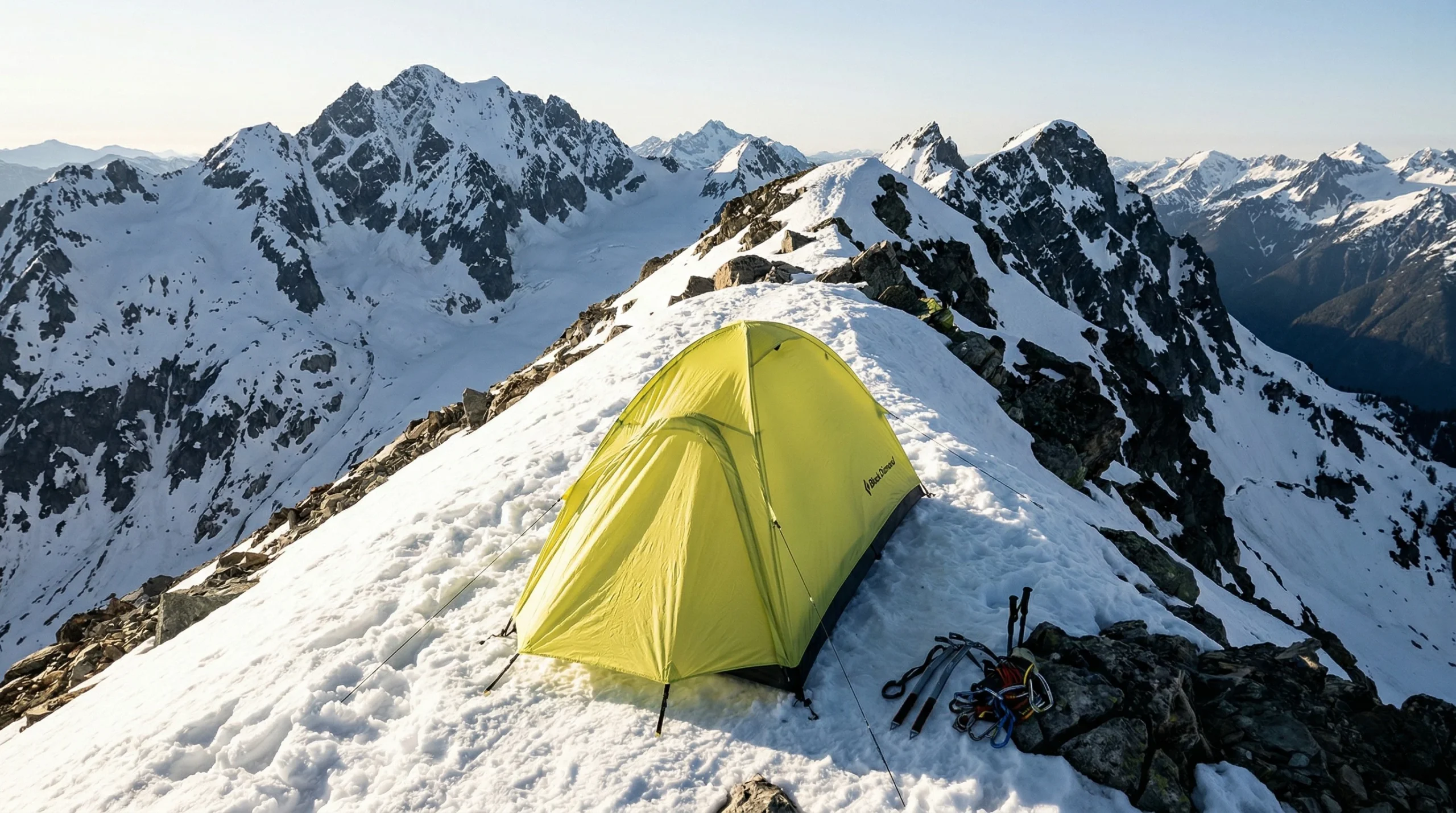
The FirstLight is a 4-season single-wall tent designed for high-altitude bivouacs. It is one of the best bikepacking tents for riders exploring mountainous Bikepacking Routes during early spring or late fall.
Key Features
- Fabric: NanoShield breathable single-wall fabric.
- Weight: ~2.5 lbs (2-person capacity).
- Design: Internal pole architecture for maximum strength.
Pros
- Incredible wind resistance and snow shedding.
- Very small footprint allows for camping on narrow ledges.
- Breathable fabric minimizes frost buildup.
Cons
- Lacks a vestibule for storing wet gear.
- Can become warm in low-elevation summer conditions.
Check Price on Amazon: Black Diamond FirstLight Tent
7. Six Moon Designs Lunar Solo
The Lunar Solo is a hybrid single-wall tent that provides the interior space of a 2-person tent with the weight of a 1-person model. It is a favorite for Budget Bikepacking Setups because of its high value-to-performance ratio.
Key Features
- Structure: Single-pole pyramid design.
- Material: 20D Silicon Nylon.
- Volume: 26 square feet of floor space.
Pros
- Exceptional space for gear organization.
- Low weight (26 oz).
- Muted green color is perfect for stealth camping in forests.
Cons
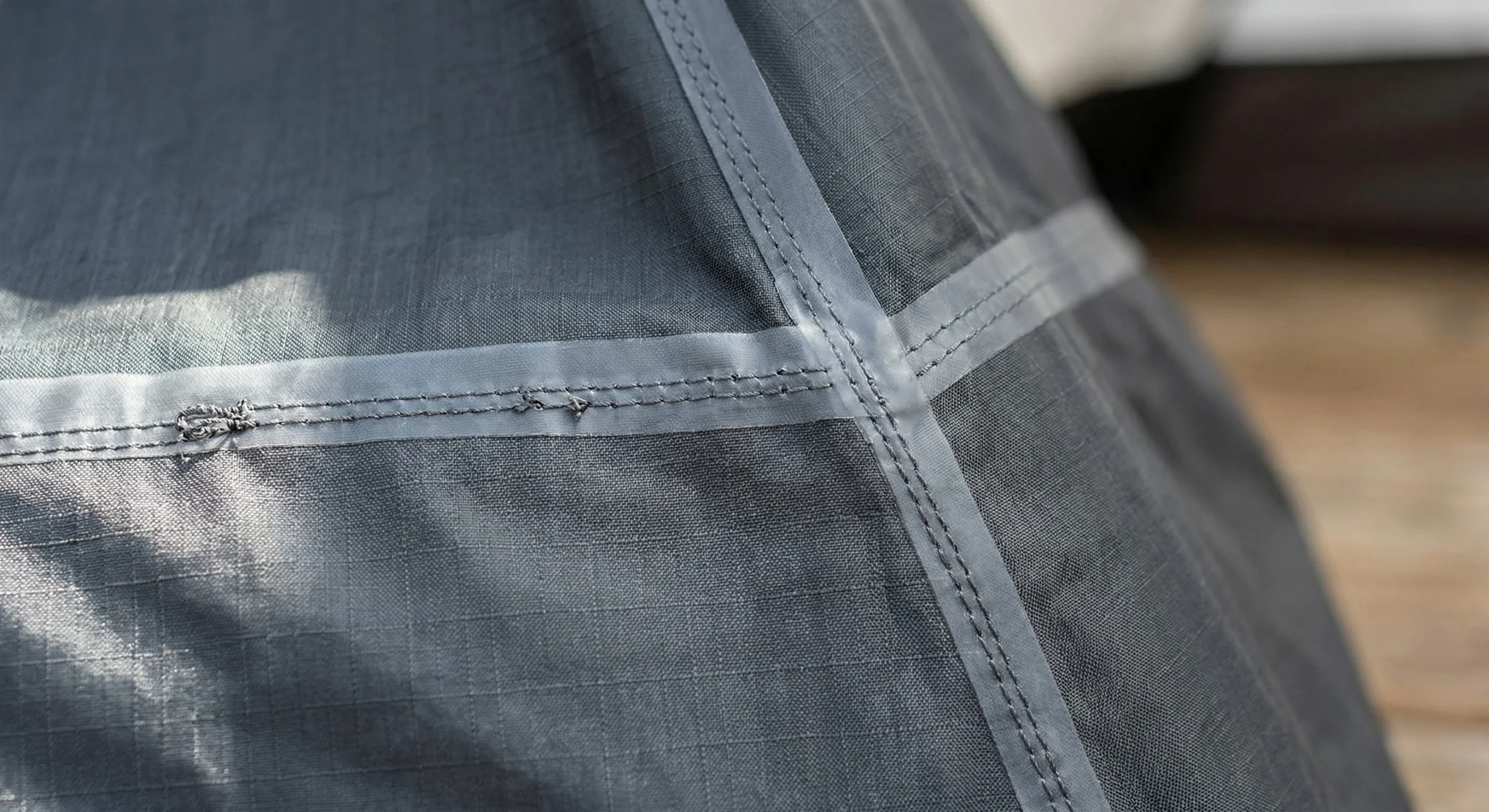
- Requires “seam sealing” by the user (or as a paid service).
- Condensation can be an issue if vents are not properly aligned.
Check Details: Six Moon Designs Stealth Shelters
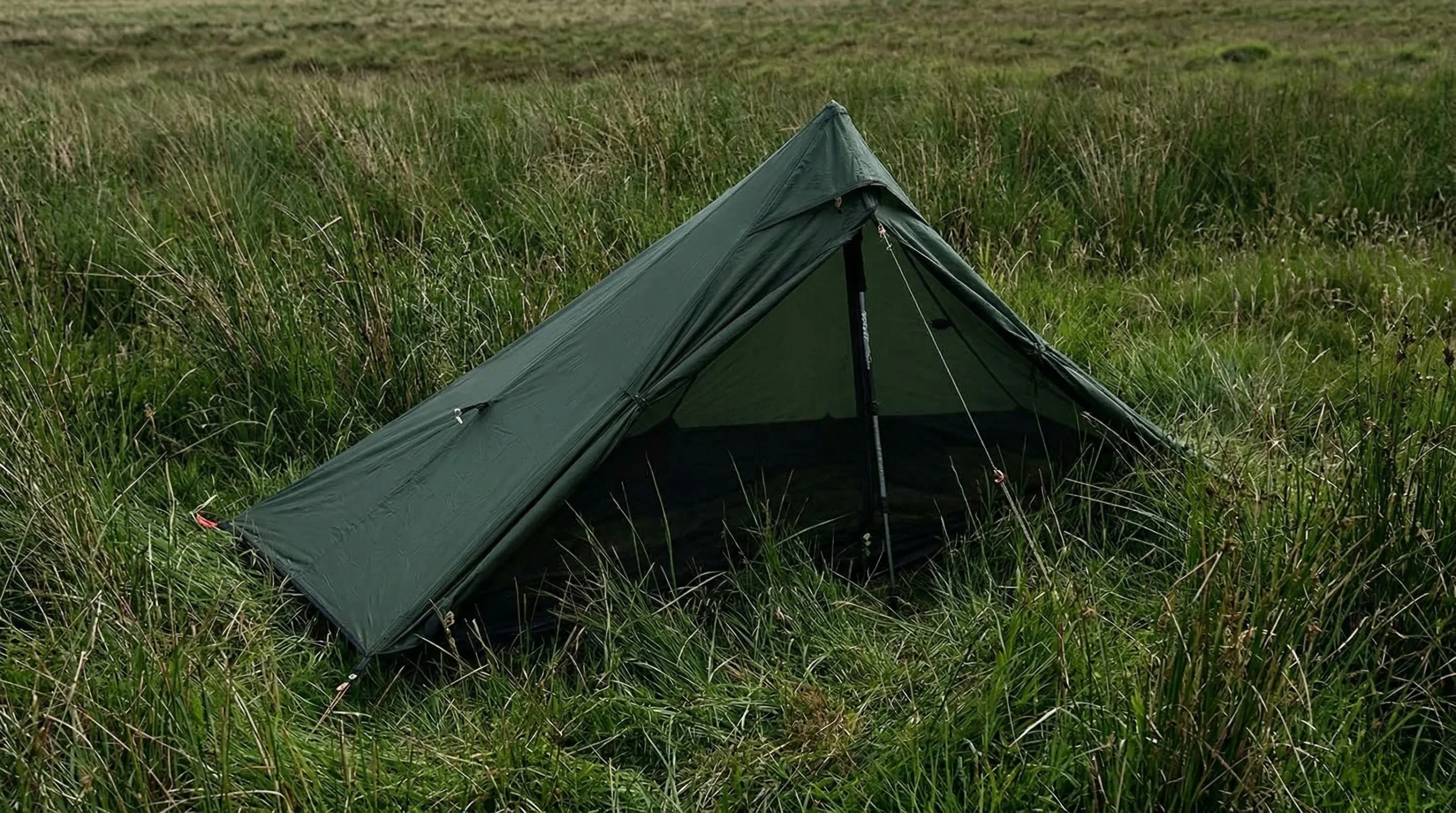
Technical Comparison of the Best Bikepacking Tents
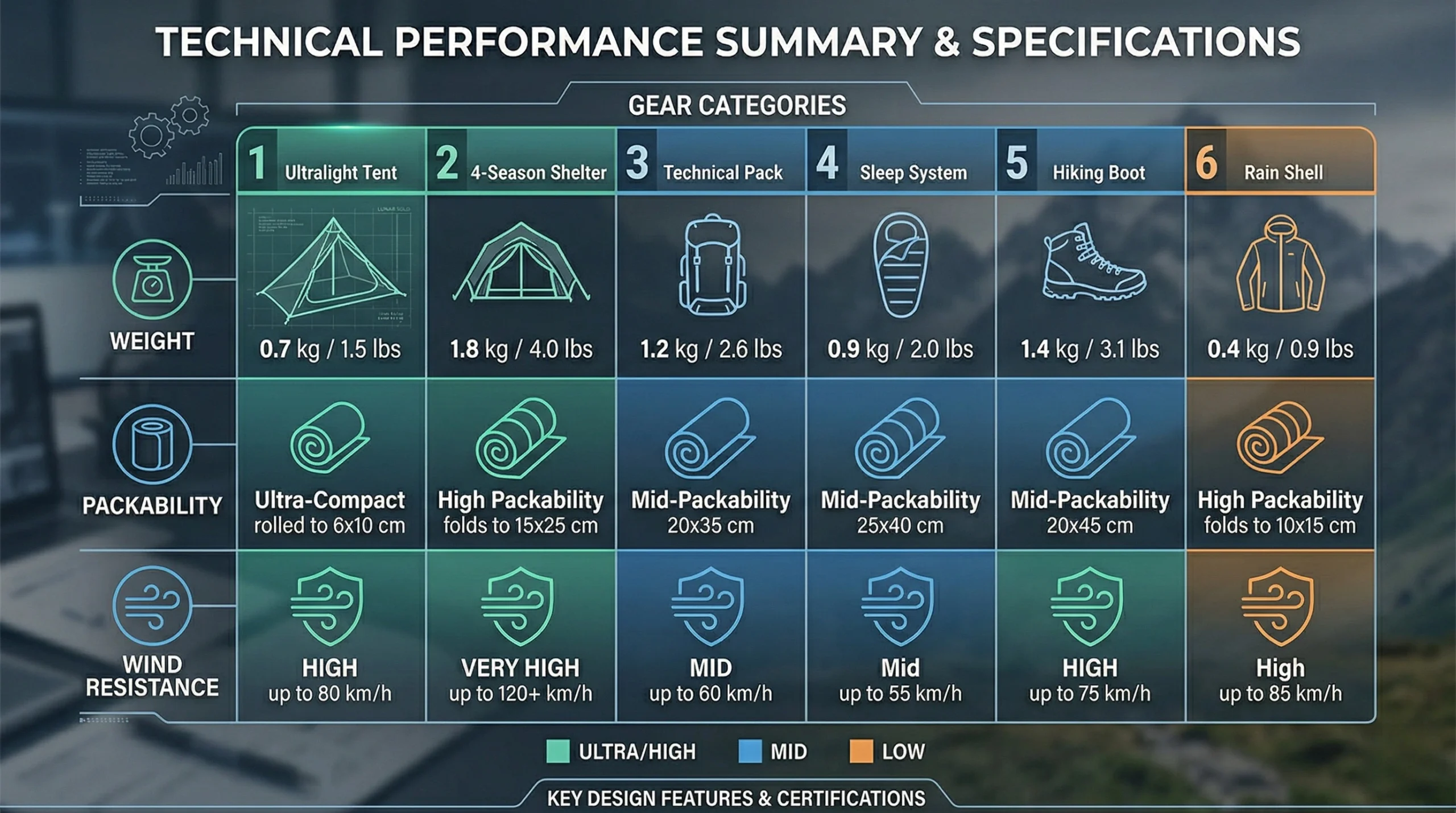
To assist with your Ultimate 3-Day Gear List preparations, the following table summarizes the mechanical specifications of the top models.
| Model | Type | Minimum Weight | Packed Size | Primary Application |
|---|---|---|---|---|
| Big Agnes Fly Creek | Semi-Freestanding | 1 lb 11 oz | 12″ x 5.5″ | Endurance Racing |
| Nemo Dragonfly | Freestanding | 2 lb 4 oz | 10″ x 6.5″ | Resort Base Camps |
| MSR Hubba Hubba | Freestanding | 2 lb 1 oz | 13″ x 4″ | Alpine Missions |
| Tarptent ProTrail | Non-Freestanding | 1 lb 0 oz | 10″ x 4″ | Ultralight Mastery |
| Lunar Solo | Hybrid | 1 lb 10 oz | 11″ x 4.5″ | Budget Value |
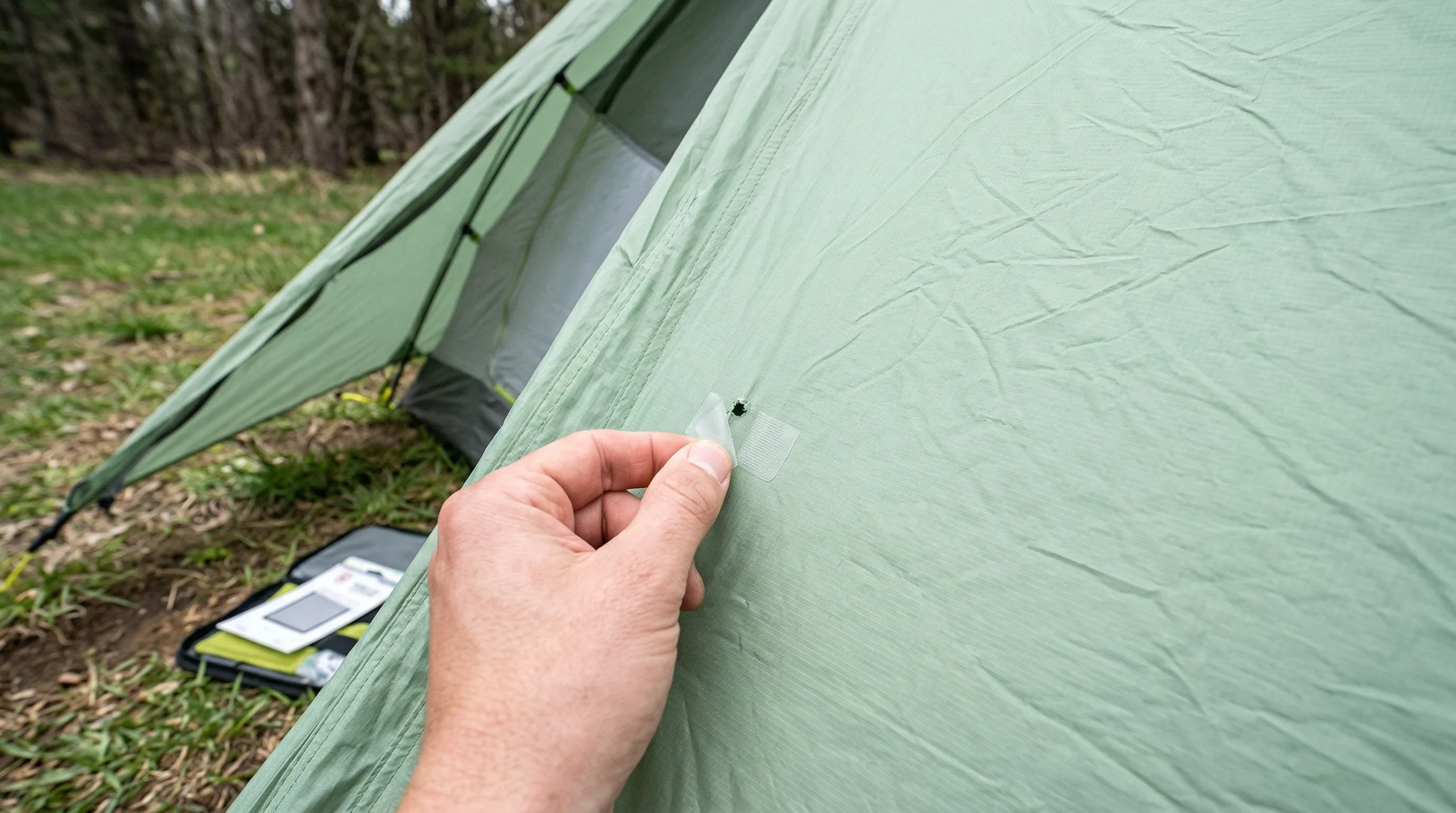
Logistical Maintenance for Technical Shelters
Owning one of the best bikepacking tents requires a disciplined approach to maintenance to ensure the longevity of the fabrics and waterproof coatings. High-frequency vibrations from unpaved surfaces can cause abrasion if the tent is not stored correctly in its Bikepacking Bag.
- Drying Protocol: Never store a tent while it is damp. Mold can destroy a technical membrane in less than 72 hours. Air dry thoroughly after every trip, as detailed in our Off-Season Maintenance guide.
- Zipper Care: Use a Zipper Lubricant to prevent snagging from trail dust and grit.
- Field Repair Kit: Always carry Tenacious Tape for immediate repair of fabric tears or mesh holes. This is a core part of Solo Bikepacking Safety.
- Frame Protection: Ensure tent poles are secured within the bag to prevent them from vibrating against the bike frame, which can cause finish damage.
Stealth Camping Ethics and Safety Protocols
Mastering the use of a stealth shelter involves more than just gear; it requires an understanding of land use and visibility management. According to the Leave No Trace Center for Outdoor Ethics, campsite selection is the most influential factor in environmental impact.
- Arrive Late, Leave Early: Minimize the time your shelter is visible to others.
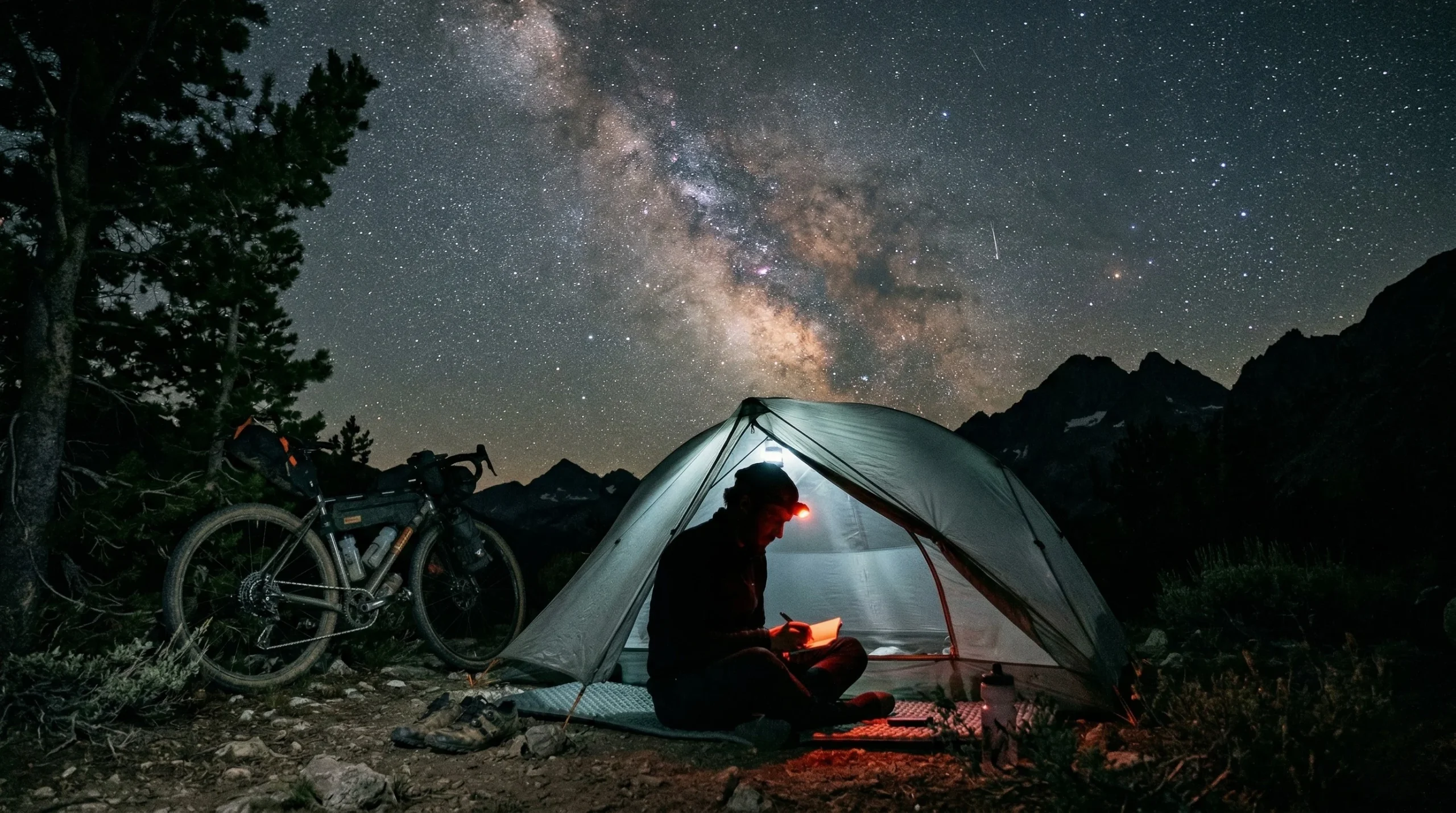
- No Lights Policy: Avoid using high-output headlamps when camp is set. Use the “Red Light” mode to maintain night vision and secrecy.
- Durable Surfaces: Only pitch your tent on rock, gravel, or established camp spots to prevent habitat damage. Refer to our Eco-Friendly Bikepacking Guide for site selection criteria.
- Noise Management: Keep your camp quiet to respect wildlife and preserve the Bikepacking Mindset of solitude.
Conclusion: The Foundation of Wilderness Mastery
Mastering the selection of the best bikepacking tents is the definitive step toward professional-level exploration. By prioritizing packability (Section 1) and utilizing low-profile stealth geometries (Section 5), any rider can achieve the autonomy required for the unpaved world. The success of an expedition is not measured by the cost of the shelter, but by the level of recovery and safety it provides across diverse Wilderness Terrains.
Remember that a tent is a technical tool. Keep your Mechanical Skills sharp and your Bikepacking Mindset resilient. As you progress from local gravel roads to remote mountain loops, your understanding of these systems will become your greatest asset. High-quality shelters allow you to focus on the trail rather than the stability of your machine.
The wilderness is waiting, and with the right ultralight shelter, you are ready to conquer it. Treat the environment with respect, follow Leave No Trace Principles, and enjoy the unique liberation of off-road cycling. The transition from a day-rider to a self-contained expert is a path paved with preparation. Step out with a plan, respect your machine’s limits, and embrace the unparalleled freedom of the bicycle.
Discover more from Maive Verse
Subscribe to get the latest posts sent to your email.