
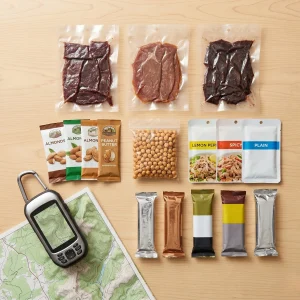

Master hiking nutrition for endurance. Discover the best high-protein snacks for long days on the trail to improve muscle recovery and energy.
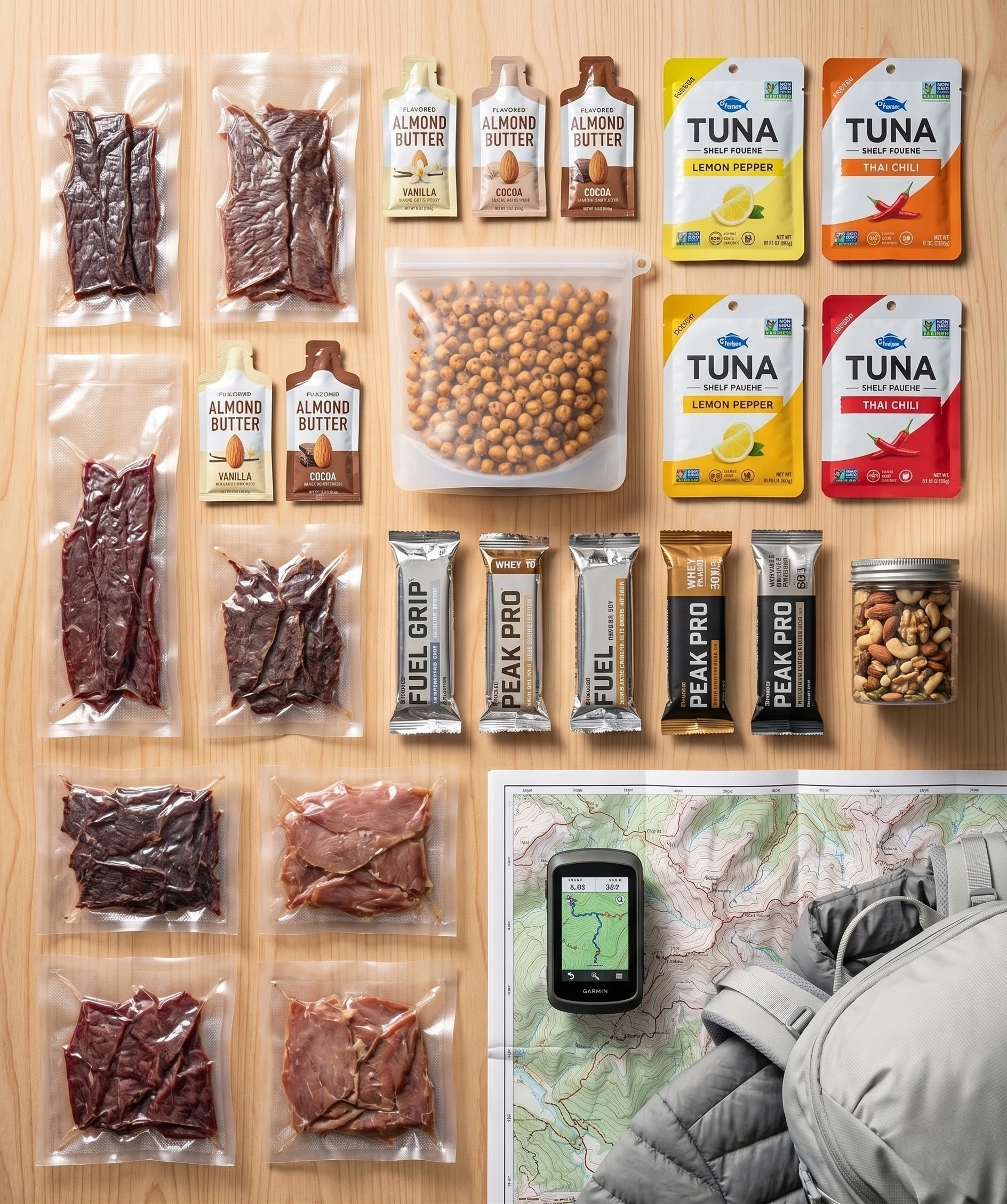
Table of Contents
The Metabolic Demand of Long-Distance Hiking
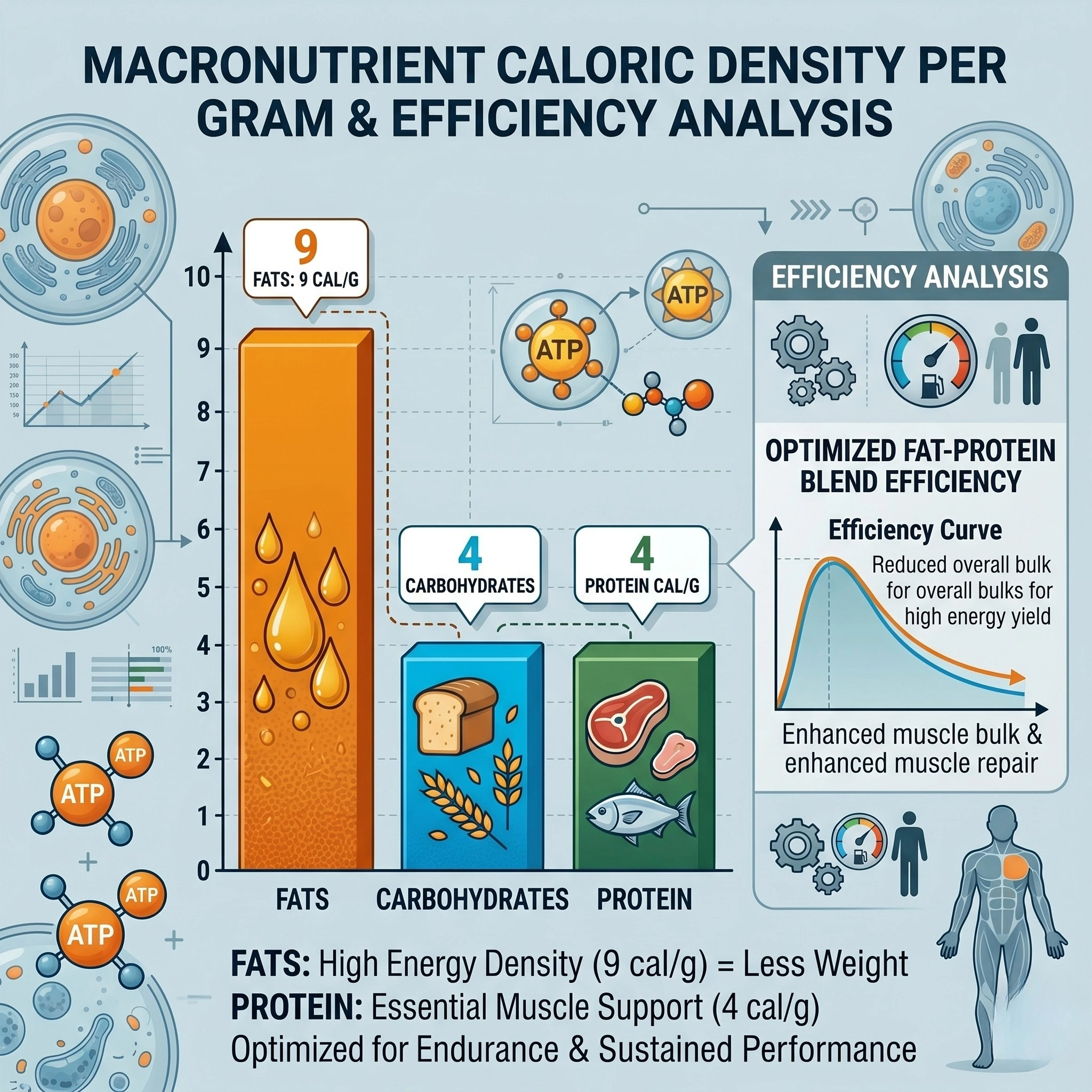
Implementing a rigorous hiking nutrition protocol is a technical requirement for maintaining physical output during high-mileage wilderness expeditions. On a long day, the human body can expend between 3,000 and 5,500 calories depending on elevation gain and the weight of the Ultimate Gear List being carried. While carbohydrates serve as the primary immediate fuel source for the cardiovascular system, protein is the mechanical driver of structural integrity. Without adequate protein intake during the mission, the body begins a process of catabolism, breaking down its own muscle tissue to satisfy energy requirements. This leads to the premature fatigue and cognitive decline discussed in our Bikepacking Mindset Guide.
The primary objective of this guide is to analyze the selection of high-protein snacks that provide the maximum biological utility with the minimum weight penalty. Success on the trail is dictated by the rider’s or hiker’s ability to maintain muscle protein synthesis (MPS) across a 10-to-12-hour window. This is especially critical for beginners who are still adapting to the physiological stress of the backcountry. By prioritizing shelf-stable, calorie-dense protein sources, an adventurer can ensure that their recovery begins while they are still in motion, rather than waiting until the campsite is established.
Biological Role of Protein in Muscle Recovery and Satiety
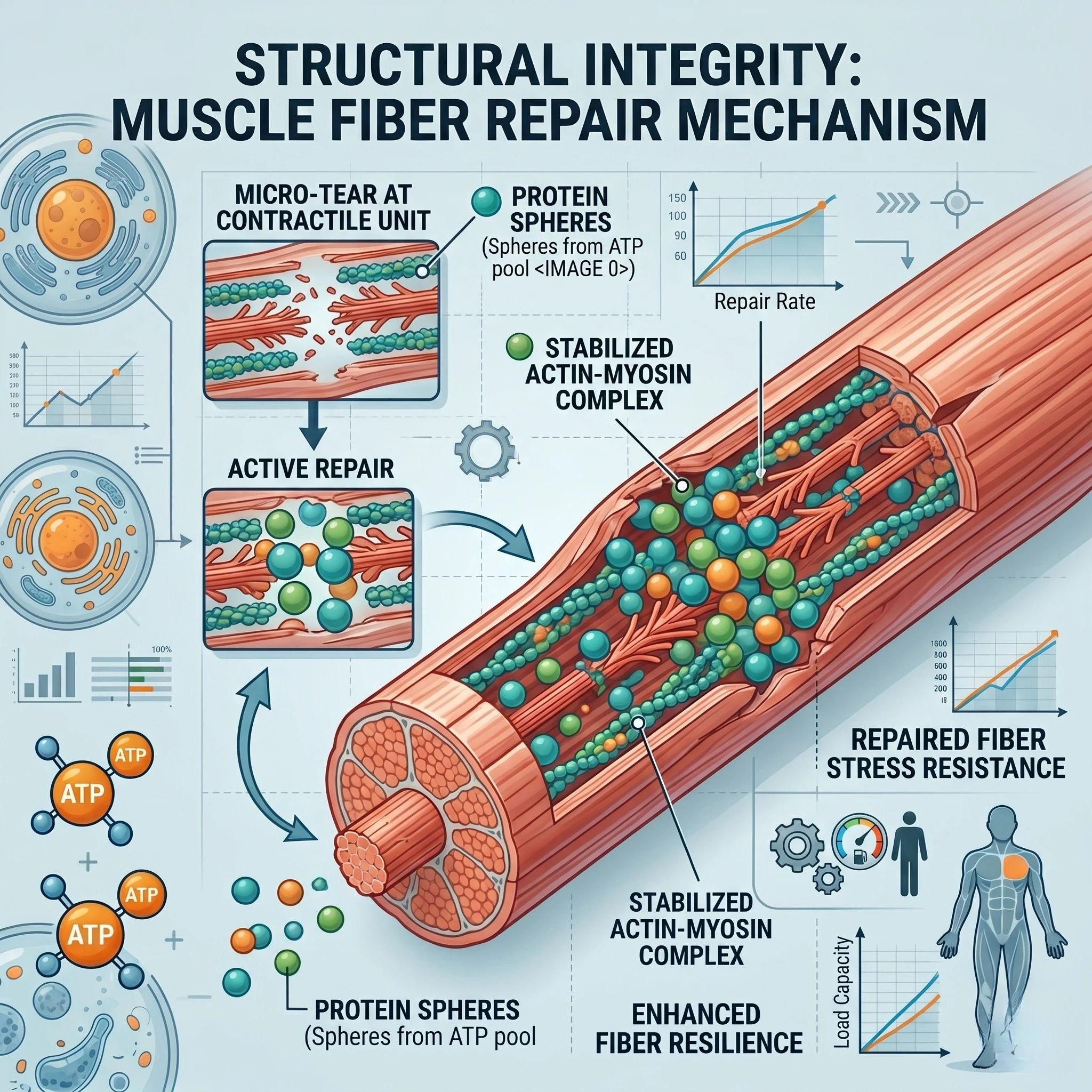
Protein serves two distinct mechanical functions in a hiking nutrition context: the repair of micro-trauma in muscle fibers and the management of hunger signaling. During a long ascent, the quadriceps and calves undergo significant eccentric and concentric stress. The consumption of Branched-Chain Amino Acids (BCAAs)—specifically leucine, isoleucine, and valine—triggers the repair mechanisms that prevent the “DOMS” (Delayed Onset Muscle Soreness) that can end a multi-day mission prematurely. According to research published by the National Institutes of Health (NIH), consistent protein ingestion at 3-to-4-hour intervals is more effective for endurance athletes than a single large dose at the end of the day.
Furthermore, protein has a higher satiety index than simple sugars or complex starches. When an individual relies exclusively on high-glucose energy gels, they often experience “insulin spikes” followed by rapid crashes. High-protein snacks mitigate these spikes by slowing the gastric emptying process, providing a steady stream of nutrients to the bloodstream. This physiological stability is a prerequisite for maintaining the focus needed for Solo Hiking Safety and complex navigation. In 2026, technical trail nutrition emphasizes the “Protein Pacing” method to ensure the body remains in a steady state of repair regardless of the external environmental load.
Top High-Protein Meat-Based Snacks for the Trail
Meat-based snacks are the gold standard for hiking nutrition due to their “complete” amino acid profiles, meaning they contain all nine essential amino acids required by the human body. For 2026, the focus has shifted toward low-sodium and grass-fed options to prevent the dehydration and systemic inflammation associated with highly processed preservatives.
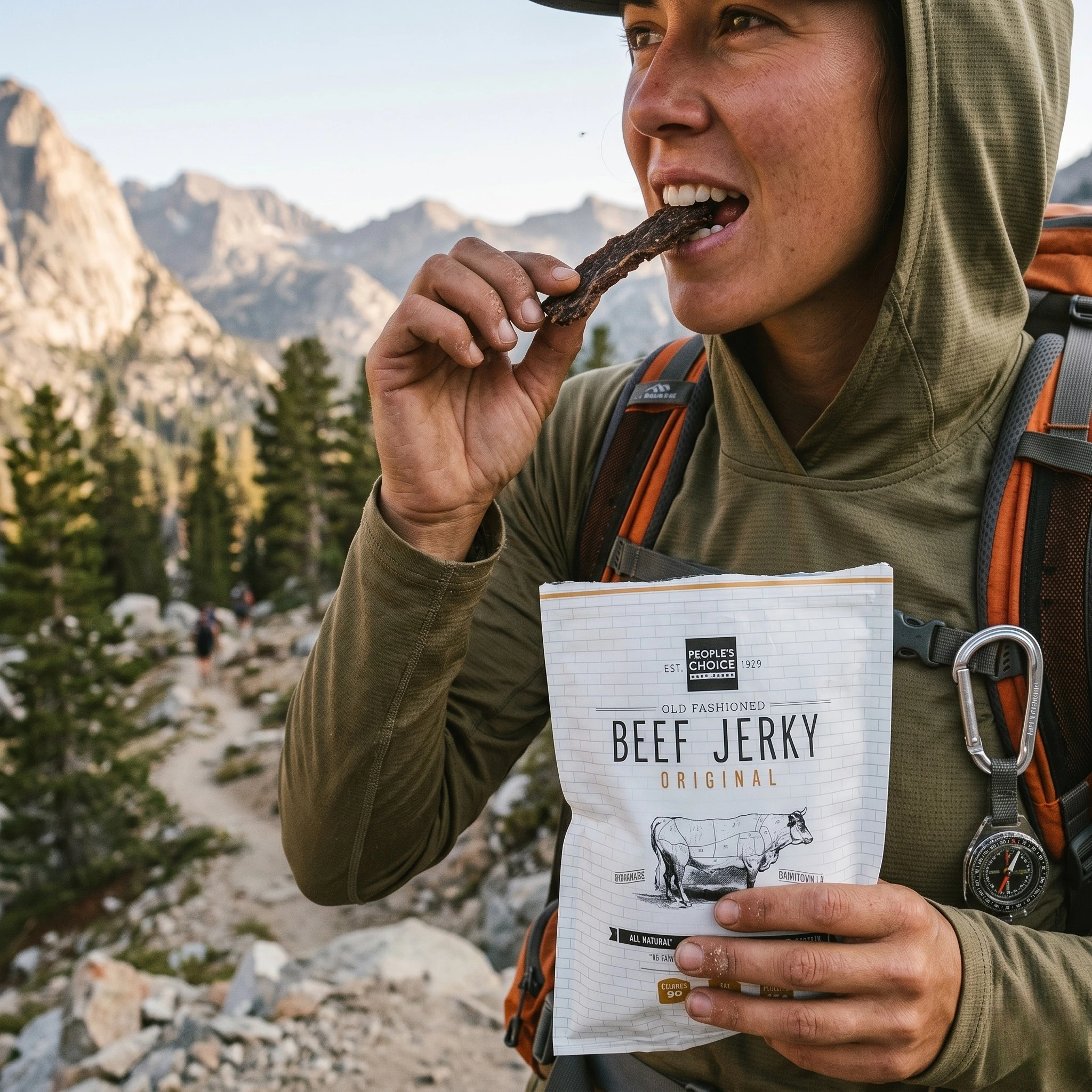
- Biltong vs. Jerky: Unlike traditional jerky, which is smoked and often sugar-cured, biltong is air-dried and cured with vinegar. This mechanical process results in a higher protein-to-weight ratio and a more tender texture that is easier to digest during high heart-rate exertion.
- Tuna and Salmon Pouches: Vacuum-sealed pouches have replaced heavy cans as a lightweight alternative. These provide high-quality Omega-3 fatty acids along with approximately 17-20 grams of protein per serving.
- Meat Sticks (EPC Sticks): Modern sticks from brands like Epic or Chomps utilize grass-fed venison, beef, or turkey. These are designed for one-handed operation, which is vital for maintaining momentum on Difficult Routes.
Recommendation: Old Trapper Old Fashioned Jerky
Key Features
Pros
Cons
Plant-Based Protein Alternatives for Sensory Variety
For many adventurers, relying exclusively on meat can lead to “palate fatigue.” Integrating plant-based high-protein snacks is a logistical strategy to maintain consistent caloric intake. While many plant sources are “incomplete,” combining different types—such as nuts and legumes—ensures a full amino acid profile.
- Roasted Chickpeas and Edamame: These provide a “crunch” factor that many hikers crave. They are high in fiber and protein, making them an excellent mid-afternoon grazing option.
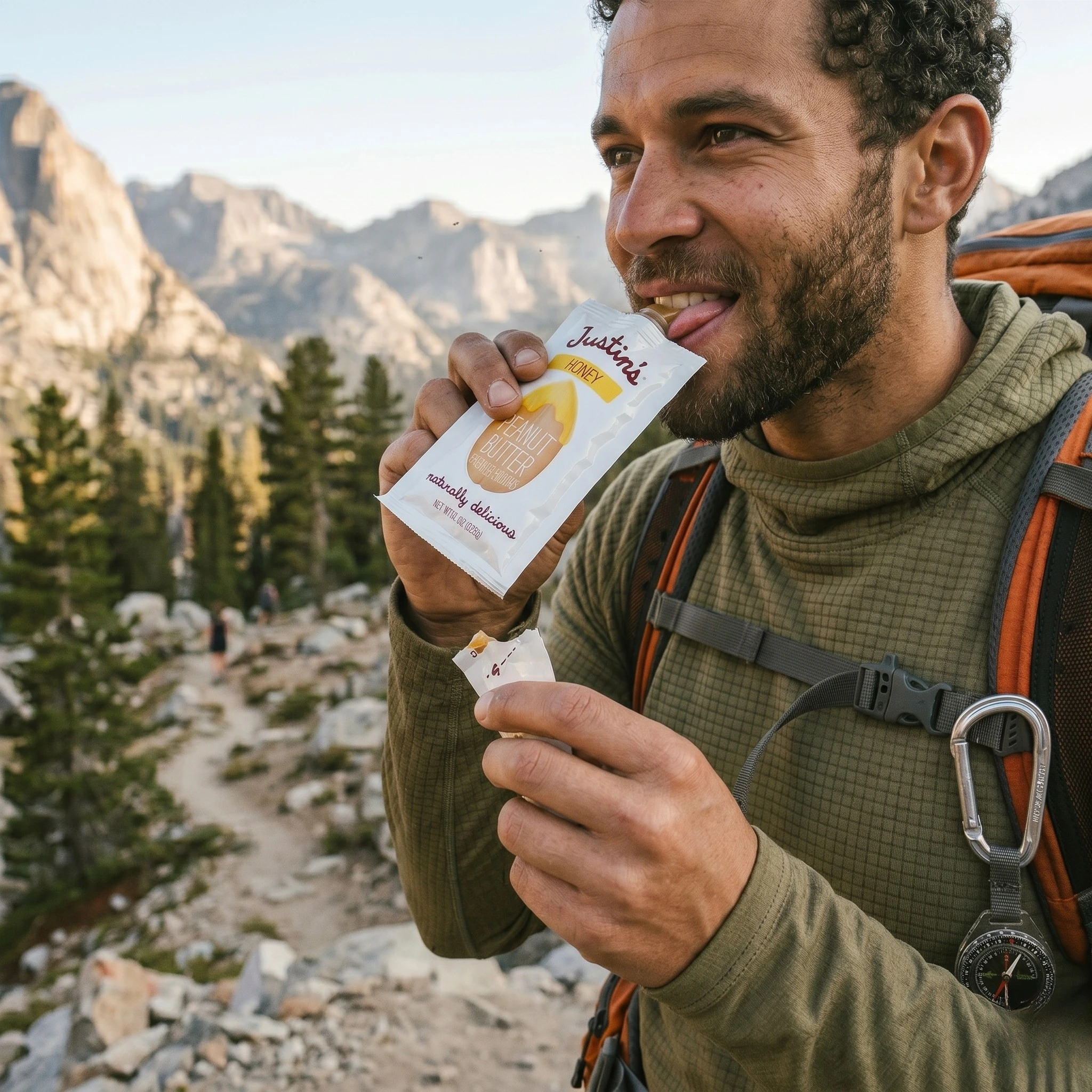
- Nut Butters (Single-Serve): Almond and peanut butter packets provide a mechanical advantage by offering high caloric density. They can be added to standard trail mix or eaten directly to prevent “bonking.”
- Seeds (Pumpkin and Hemp): These are the most protein-dense seeds available. Pumpkin seeds (pepitas) contain approximately 9 grams of protein per ounce and are high in magnesium, which is critical for preventing muscle cramps in Heat Hacking scenarios.
Recommendation: Justin’s Classic Almond Butter Squeeze Packs
Key Features
Pros
Cons