


Master eco-friendly bikepacking with our 7-step guide. Learn technical Leave No Trace principles to protect rugged terrain and minimize your impact.

Table of Contents
Introduction: The Technical Requirement for Environmental Stewardship
Implementing rigorous eco-friendly bikepacking protocols is a fundamental requirement for the long-term sustainability of off-road cycling. As the popularity of wilderness expeditions increases, the cumulative impact on fragile ecosystems—ranging from soil erosion to habitat disruption—becomes a significant mechanical and ethical challenge. A rider’s presence in remote areas must be calculated to leave zero permanent evidence of transit. This guide focuses on the technical application of “Leave No Trace” principles specifically tailored for the unique demands of rugged, unpaved terrain.
The goal of sustainable travel is to preserve the “wild” character of the backcountry for future generations. For those who have already established their Ultimate Bikepacking Gear List, environmental ethics represent the final layer of professional preparation. Every decision, from tire pressure to food storage, influences the ecological footprint of the mission. Mastering these principles is as critical as the Off-Road Navigation required to reach these remote locations.
1. Plan Ahead and Prepare for Rugged Terrain
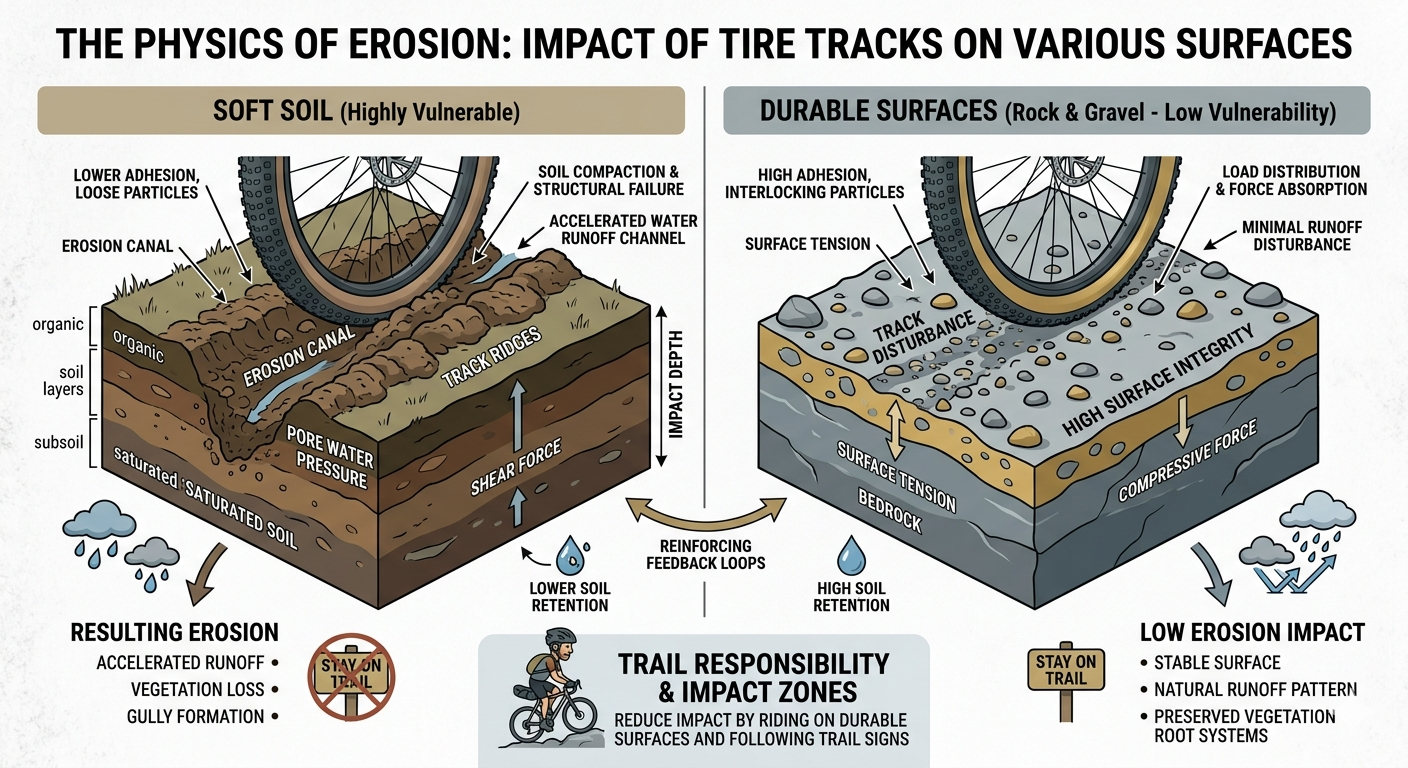
Strategic planning is the primary tool for achieving eco-friendly bikepacking success. Disorientation or mechanical failure in the backcountry often leads to emergency situations where environmental ethics are sacrificed for survival. By conducting thorough research on Bikepacking Routes, the rider can identify established campsites and water sources, reducing the need for “wild” impact.
- Weather Redundancy: Monitor regional forecasts to avoid riding on trails during “thaw-and-freeze” cycles or heavy rain, which maximizes the risk of deep rutting and trail damage.
- Regulation Compliance: Verify the specific land-use regulations for BLM and National Forest areas. Some regions require specific permits for overnight travel to limit human density.
- Repackaging Supplies: Remove all commercial packaging from food at home. This minimizes the volume of waste carried in the Bikepacking Bag and eliminates the risk of micro-plastic litter on the trail.
2. Travel and Camp on Durable Surfaces
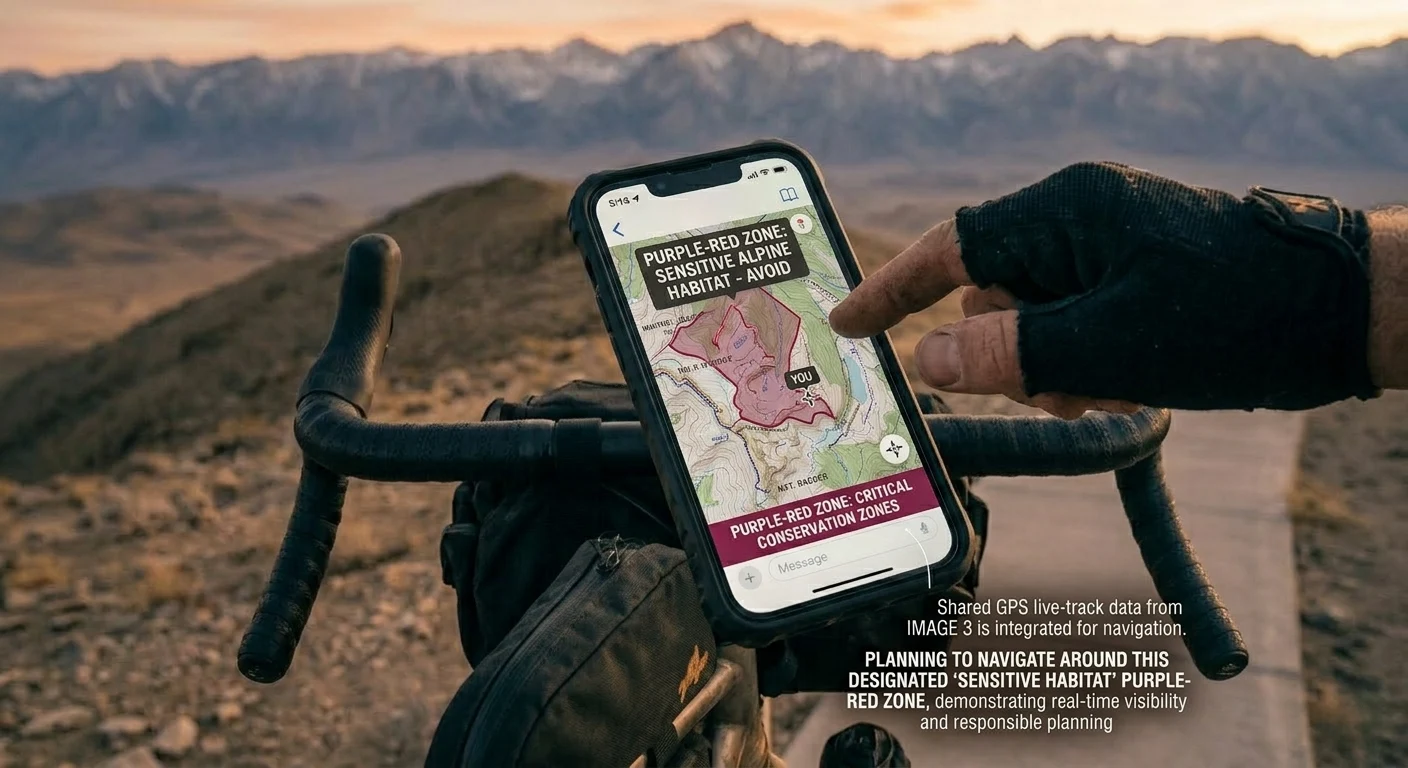
The mechanical weight of a loaded bicycle exerts significant pressure on the ground. To maintain eco-friendly bikepacking standards, the rider must strictly adhere to durable surfaces to prevent the widening of trails (trail braiding). Durable surfaces include established trails, gravel, rock, and dry grasses.
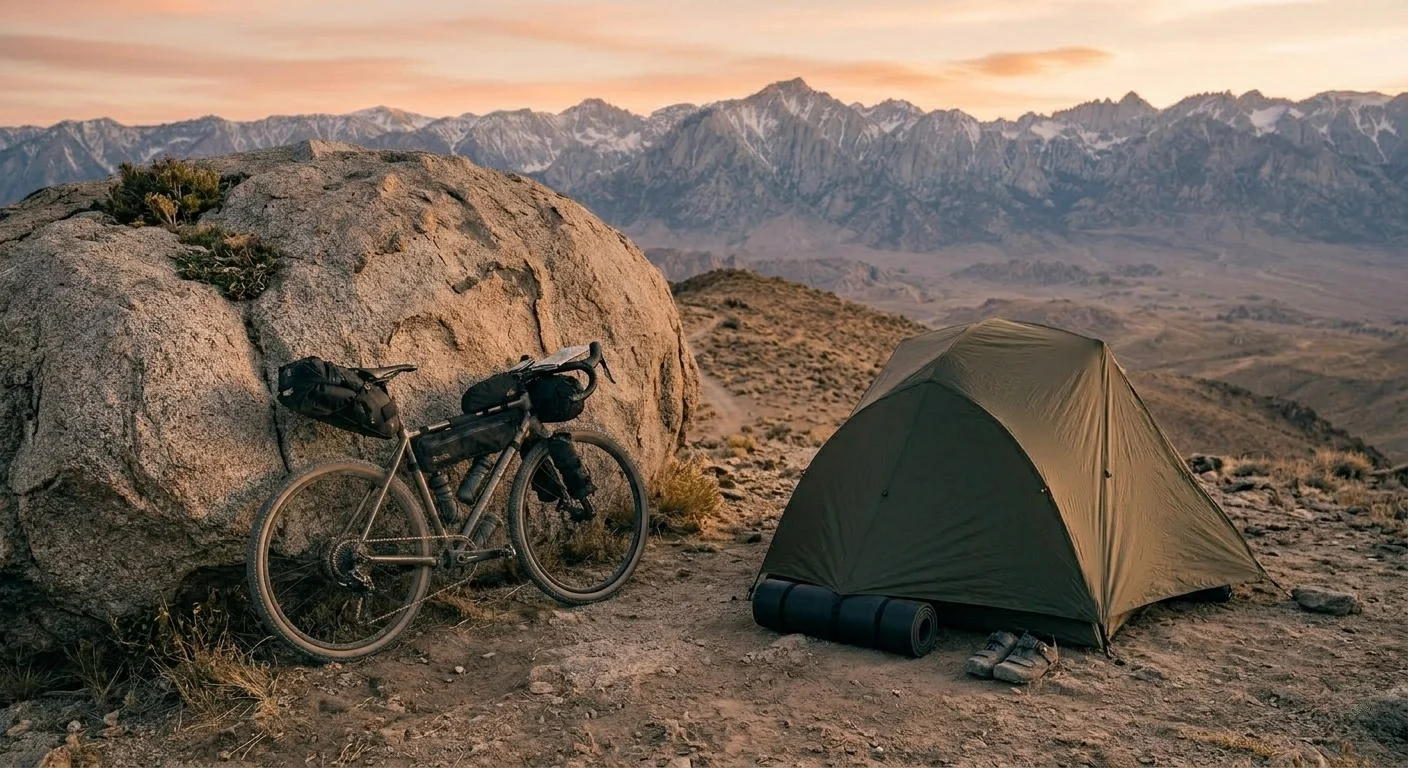
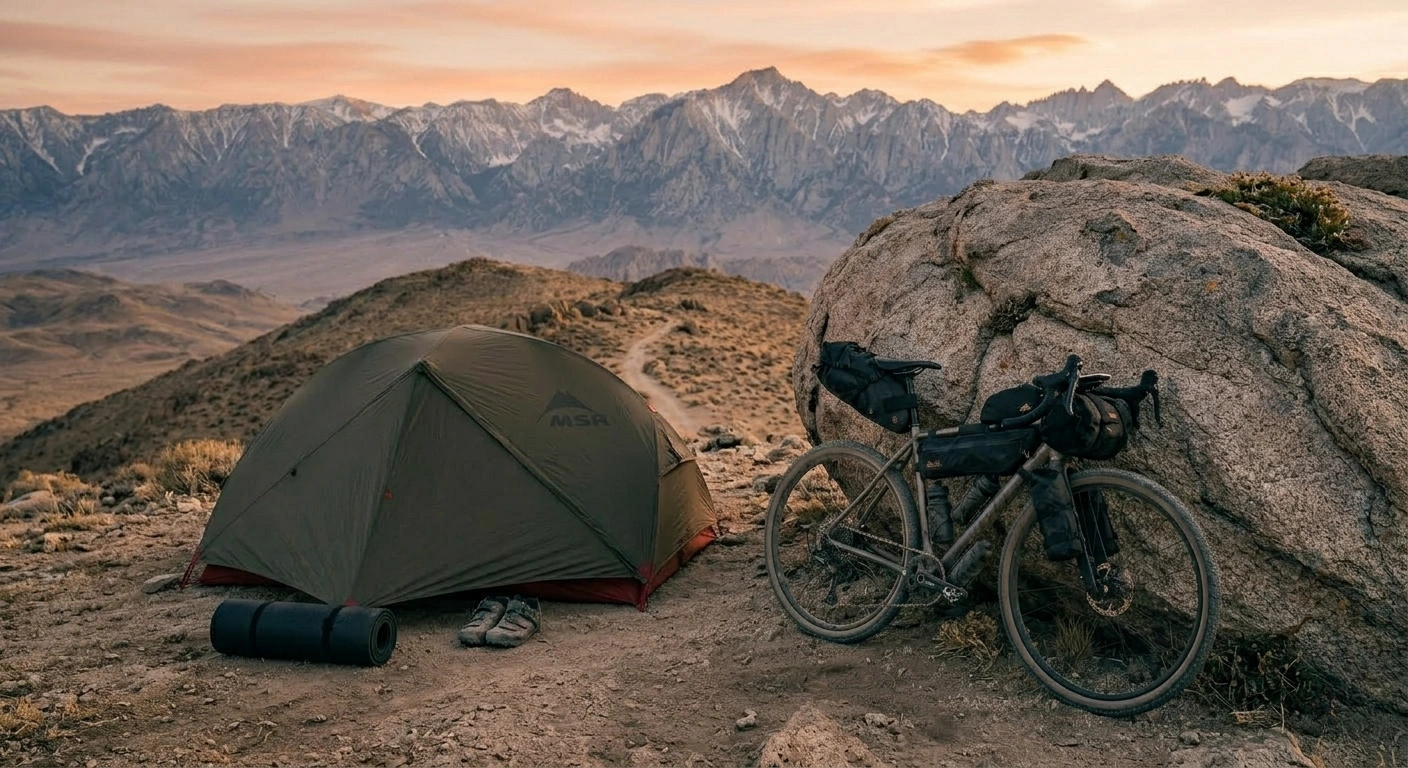
When selecting a Bikepacking Sleeping System location, the rider should prioritize sites where the ground is already impacted. If camping in high-alpine or desert environments, avoid cryptobiotic soil or fragile wildflowers. Using a hammock can be an effective strategy for “zero-footprint” camping, provided the trees are hardy and protected with wide straps. This methodology is a core tenet of the Leave No Trace Center for Outdoor Ethics.
3. Dispose of Waste Properly (Mechanical and Biological)
Waste management in eco-friendly bikepacking extends beyond simple litter. It includes biological waste and the chemical byproducts of bicycle maintenance. In rugged terrain, the “Pack It In, Pack It Out” rule is absolute. This includes items like fruit peels and organic scraps, which take years to decompose in high-altitude environments and disrupt local wildlife diets.
Biological Waste Protocols
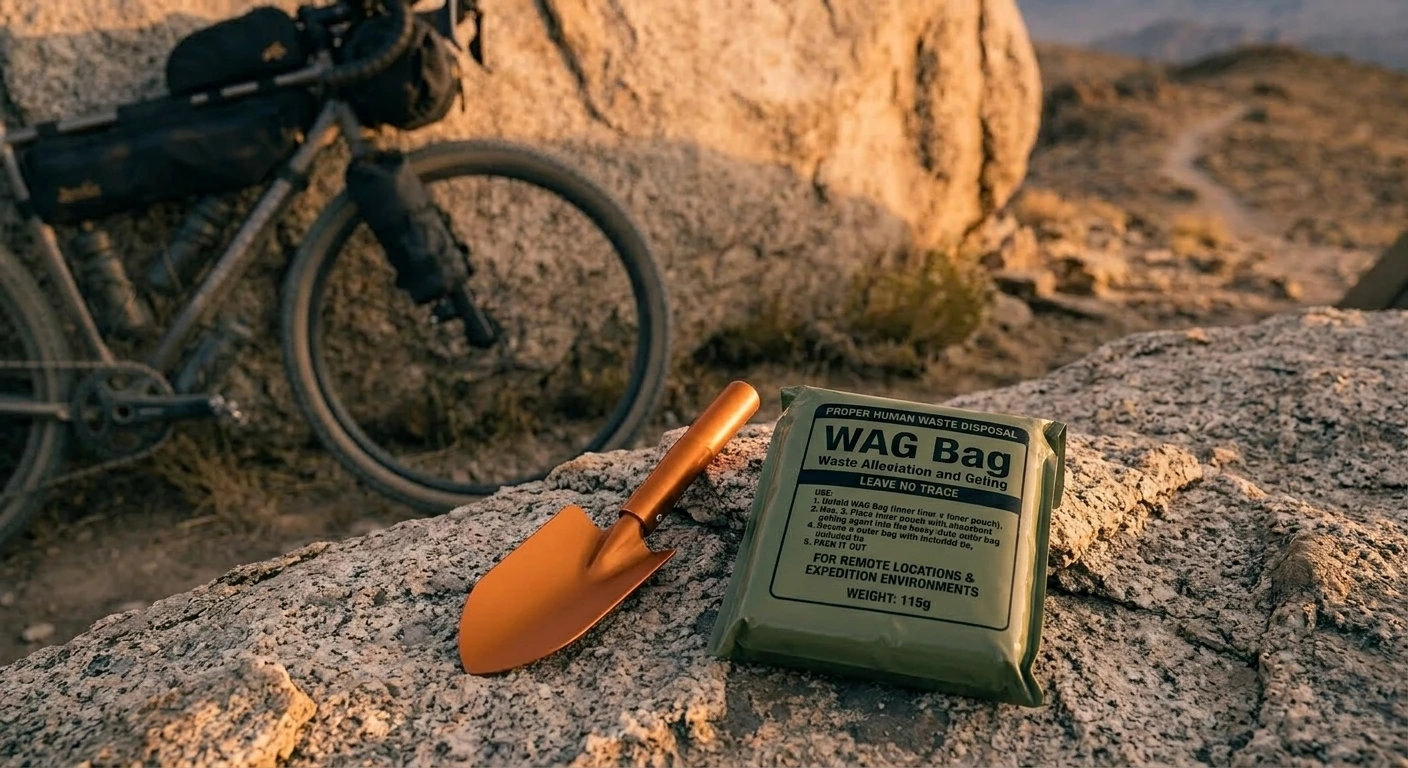
If a vault toilet is unavailable, riders must use a “cat hole” method. Dig a hole 6 to 8 inches deep and at least 200 feet away from any water source. For heavy-use areas, carrying a “WAG bag” for total waste removal is the professional standard. For more on hygiene management, refer to our Bikepacking Food and Hygiene guide.
Managing Mechanical Waste
Modern bikes utilize chemicals that are toxic to watersheds. This includes chain lubricants and tubeless tire sealant. If a tire gash occurs, as discussed in our Solo Safety Tips, ensure that excess sealant is wiped up and not left to soak into the soil. Use biodegradable chain lubes whenever possible to minimize chemical runoff during stream crossings.
4. Leave What You Find: Preserving the Landscape
The temptation to collect souvenirs like stones, feathers, or artifacts is high in the wilderness. However, eco-friendly bikepacking requires that the landscape remains unchanged by the rider’s presence. Every object plays a role in the ecosystem, from providing minerals to serving as shelter for insects.
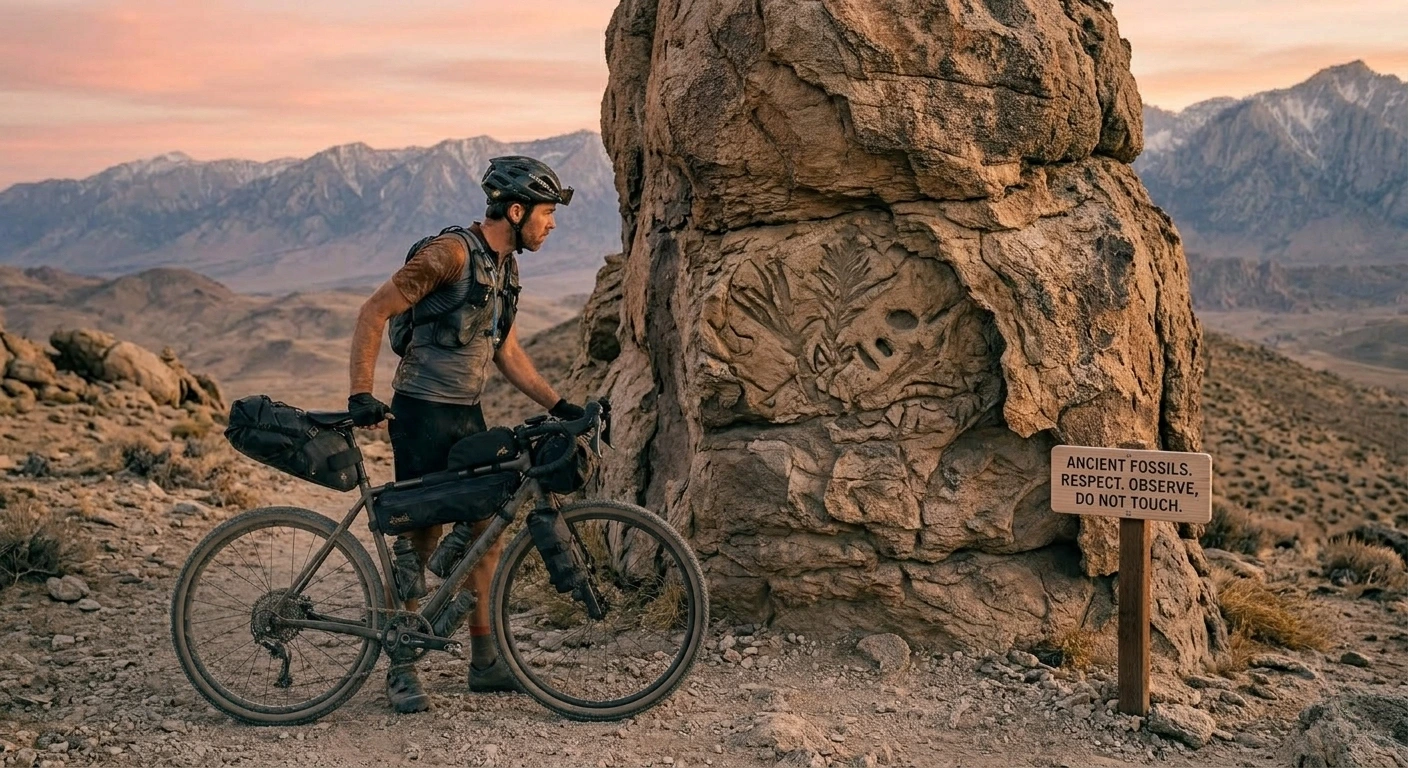
In many remote regions, you may encounter archaeological sites or historic structures. These are non-renewable cultural resources protected by law. Avoid touching or moving stones at these sites. Following the protocols of Responsible Wilderness Travel ensures these sites remain intact. This respect for the environment is as vital as the Mechanical Mastery established in our beginner guides.
5. Minimize Campfire Impacts in the Backcountry
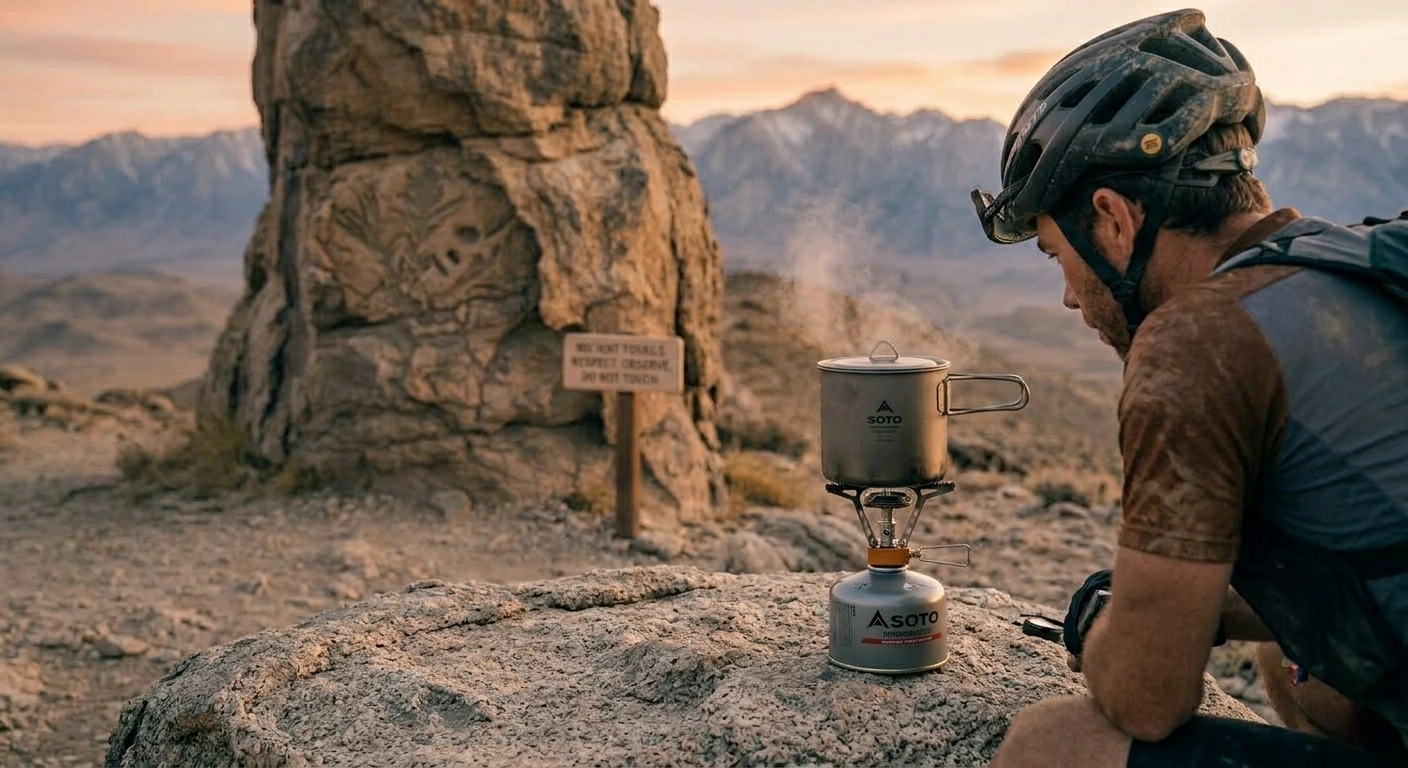
Fire is a significant threat to the integrity of rugged terrain. In many drought-prone areas, campfires are strictly prohibited to prevent catastrophic wildfires. For eco-friendly bikepacking, the use of a lightweight, efficient stove is the preferred method for cooking. Stoves leave no “scar” on the earth and allow for precise fuel management.
If a fire is permitted and necessary, only use established fire rings and keep the fire small. Only use “dead and down” wood that is smaller than an adult’s wrist. Never cut live branches or standing dead trees, as these provide critical habitat. For a comparison of eco-friendly cooking gear, consult our Ultimate Gear List. Ensuring the fire is completely extinguished before sleeping or departing is a non-negotiable safety protocol.
6. Respect Wildlife and Habitat Integrity
Remote, rugged terrain serves as the primary habitat for sensitive wildlife species. Eco-friendly bikepacking involves observing animals from a distance and avoiding any behavior that forces them to flee. Sudden movements or high-speed descents in narrow canyons can stress animals, leading to energy depletion that is fatal during winter or breeding seasons.
- Food Storage: Use bear-resistant containers or odor-proof bags to prevent animals from associating humans with food. This habit is detailed in our Bikepacking Food Ideas.
- Quiet Movement: While making noise is necessary for safety in bear country, general quietness allows you to witness the ecosystem without disrupting it.
- Water Access: Avoid camping directly next to water holes in desert environments, as this prevents thirsty wildlife from approaching their only source of hydration.
7. Be Considerate of Other Wilderness Users
The final rule of eco-friendly bikepacking concerns the social environment. Multi-use trails are shared with hikers, equestrians, and other cyclists. Maintaining a positive reputation for the bikepacking community is essential for ensuring continued access to these routes.
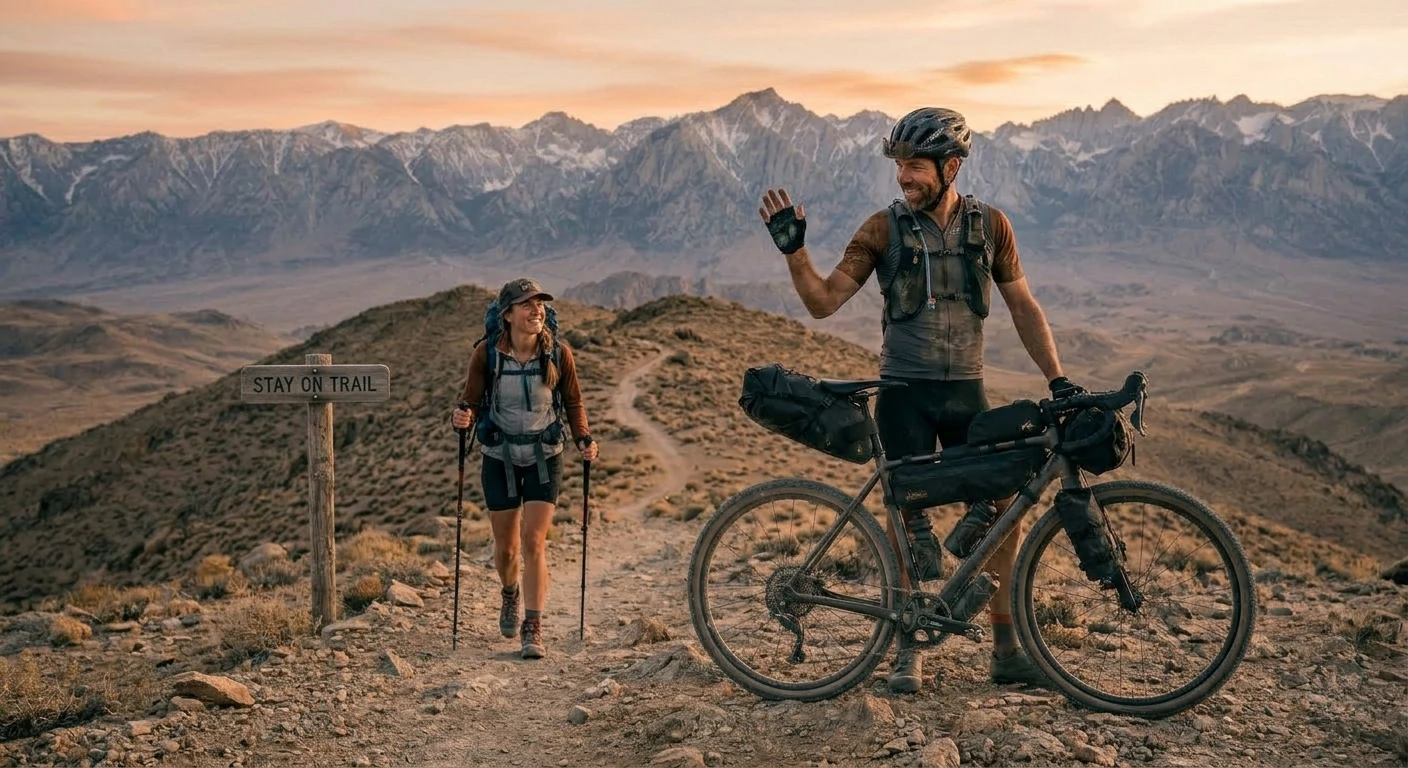
Always yield to uphill travelers and non-motorized users. According to IMBA Trail Etiquette , cyclists should yield to both hikers and horses. Communication is key; a simple “hello” or a bell ring prevents startling others on blind corners. By practicing “stealth camping” and keeping noise levels low, you preserve the sense of solitude that everyone seeks in the backcountry. This social stewardship is a primary pillar of the Bikepacking for Beginners philosophy.
Gear Recommendations for Eco-Friendly Travel (Affiliate Style)
Enhancing your eco-friendly bikepacking setup involves selecting products designed for durability and minimal environmental impact. The following items are vetted for their technical performance and sustainable attributes.
1. Kula Cloth: Antimicrobial Pee Cloth
- Key Features: Silver-infused antimicrobial fabric, snap-on attachment, waterproof backing.
- Pros: Eliminates the need for toilet paper on day trips; reduces waste volume; easy to clean on the go.
- Cons: Requires a specific cleaning routine; not for “Number 2” waste.
- Check Price on Amazon: Kula Cloth Sustainable Hygiene
2. Sawyer Squeeze Water Filtration
- Key Features: 0.1-micron absolute hollow fiber membrane, field-cleanable, ultra-light.
- Pros: Eliminates the need for single-use plastic bottles; incredibly reliable; fast flow rate.
- Cons: Must be protected from freezing; filter can clog in silty water if not backwashed.
- Check Price on Amazon: Sawyer Squeeze Filter
3. Stasher Reusable Silicone Bags
- Key Features: Food-grade silicone, pinch-loc seal, dishwasher/microwave safe.
- Pros: Perfect for repacking food to eliminate trash; extremely durable and puncture-resistant.
- Cons: Heavier than standard Ziplocs; can be difficult to dry completely in the field.
- Check Price on Amazon: Stasher Reusable Bags
Conclusion: The Legacy of Sustainable Exploration
Mastering eco-friendly bikepacking is a transformative achievement that elevates a cyclist from a mere visitor to a dedicated guardian of the wilderness. By adhering to the 7 essential rules—ranging from durable surface travel (Section 2) to respecting wildlife (Section 6)—the rider ensures that their presence does not degrade the very landscapes they seek to explore. The success of an expedition is not measured by the miles covered, but by the lack of impact left behind.