
Disclosure: This post contains affiliate links. If you buy through our links, we may earn a small commission at no extra cost to you. Thank you for supporting Maive Verse!
What to Wear Hiking: Easy Outfit Guide for Every Season
Figuring out what to wear hiking does not have to be complicated. The right clothing keeps you comfortable, dry, and safe on the trail. Whether you are heading out on a warm summer morning or a cool fall afternoon, the right outfit makes all the difference.
Before you read best hiking gear advice, know this: choosing the wrong outfit can leave you sweaty, cold, or chafed before you even reach the first mile marker. The right layers make all the difference.
This guide breaks down exactly what to wear hiking in any season, from your base layer all the way to your hat. We cover the best materials, what to avoid, and the specific pieces that real hikers swear by. Whether you are planning your first trail or your fiftieth, this is the go-to outfit guide for every level.
Table of Contents
Quick Gear Comparison
| Item | Material | Best Season | Beginner Priority |
|---|---|---|---|
| Base Layer Shirt | Merino Wool or Polyester | All Seasons | Essential |
| Hiking Pants | Nylon or Polyester Blend | Spring, Summer, Fall | Essential |
| Rain Jacket | Waterproof Shell | All Seasons | Essential |
| Hiking Socks | Merino Wool | All Seasons | Essential |
| Sun Hat | Nylon or Polyester | Summer, Spring | Recommended |
| Fleece or Mid-Layer | Polyester Fleece | Fall, Winter, Spring | Recommended |
| Gaiters | Nylon Shell | Winter, Muddy Trails | Optional |
| Neck Gaiter or Buff | Merino Wool or Polyester | Fall, Winter | Optional |
Merino Wool Base Layer Shirt
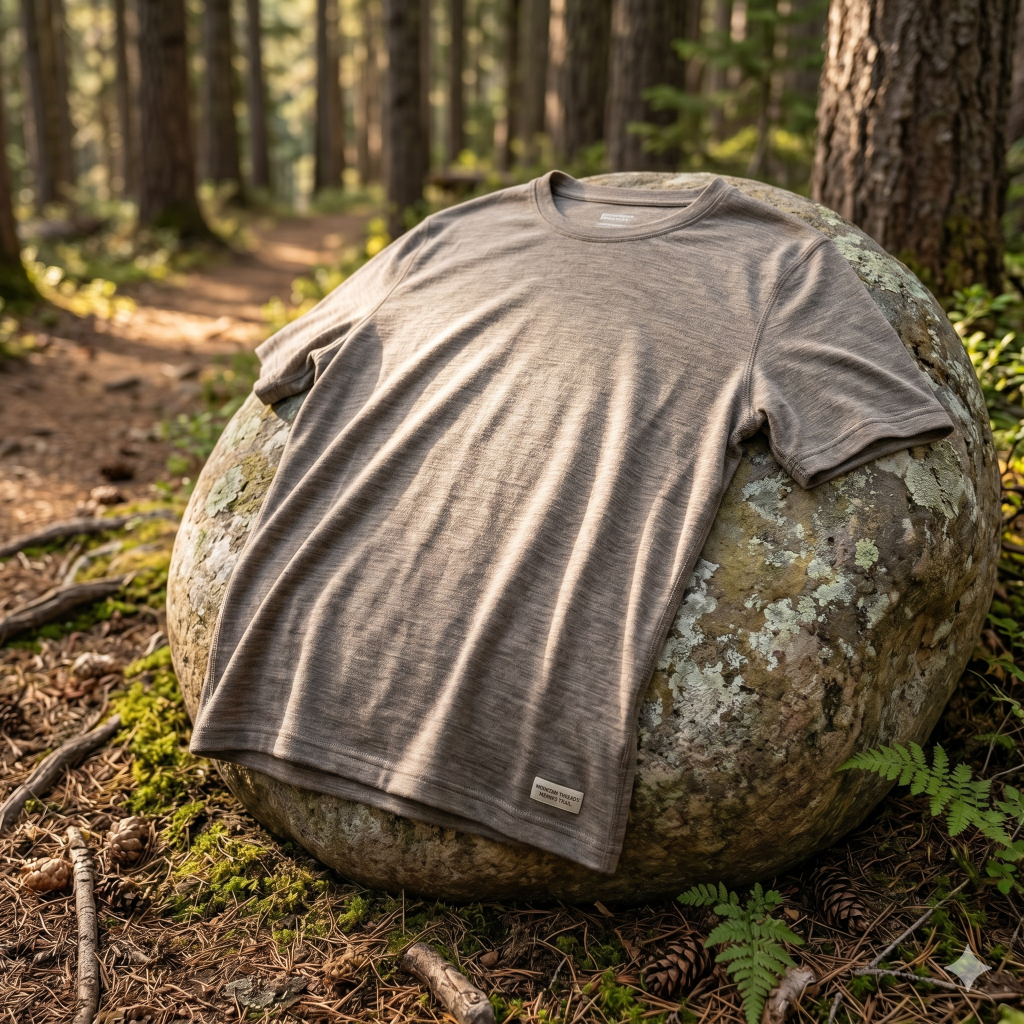
The base layer is the most important piece of clothing for what to wear hiking. A good merino wool shirt like the Smartwool Merino 150 wicks sweat away from your skin, regulates your body temperature, and resists odor even after multiple wears. Unlike cotton, which stays wet and causes chafing, merino dries fast and stays comfortable all day. It works in summer to keep you cool and in fall or winter under a mid-layer to trap heat. Look for a 150-weight merino for warm weather and a 250-weight for colder days.
Hiking Pants or Convertible Pants
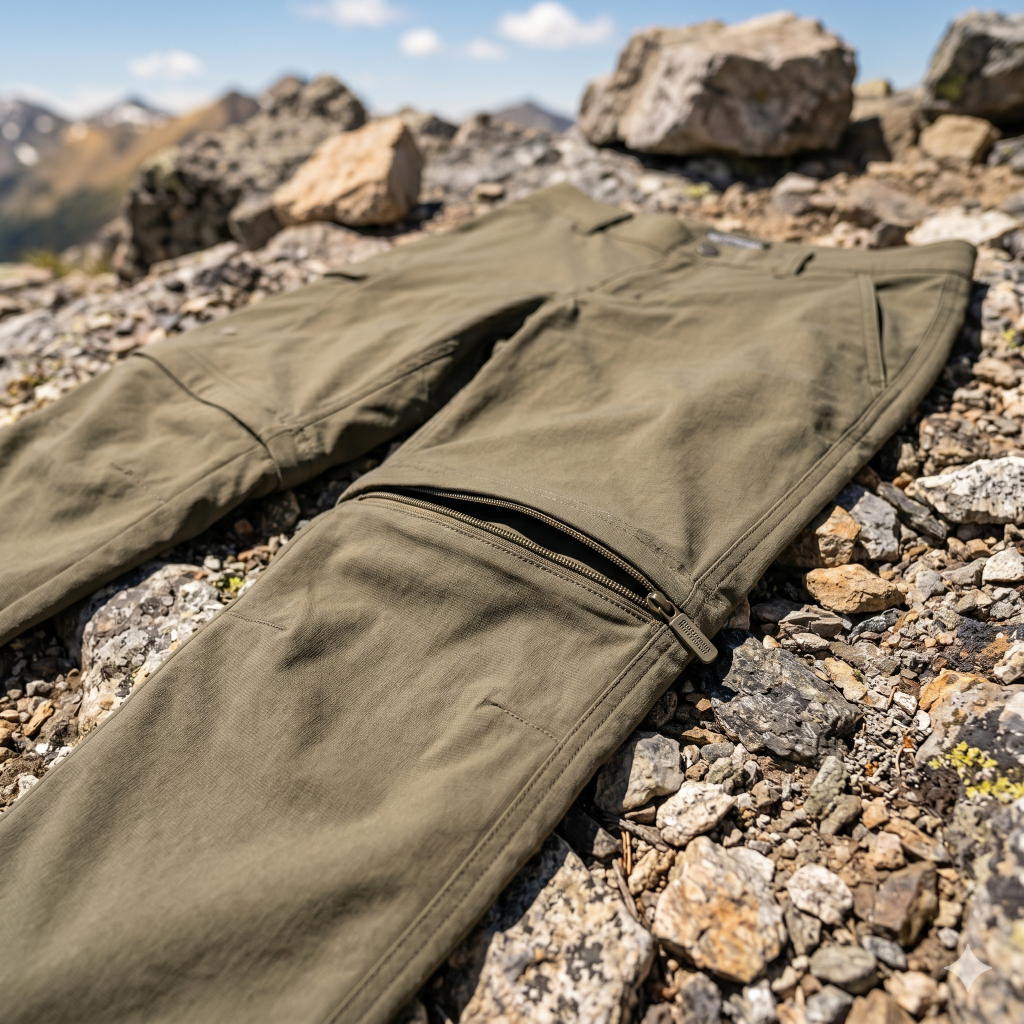
Regular jeans are one of the worst things you can wear on a trail. They are heavy when wet, restrict movement, and take forever to dry. A pair of lightweight nylon hiking pants like the Columbia Saturday Trail Pants or REI Co-op Sahara Pants moves with you, dries in minutes if you cross a creek, and holds up to brush and rocks. Convertible hiking pants that zip off into shorts are a great choice if you hike in changing temperatures, since you can adjust throughout the day without stopping to change.
Waterproof Rain Jacket
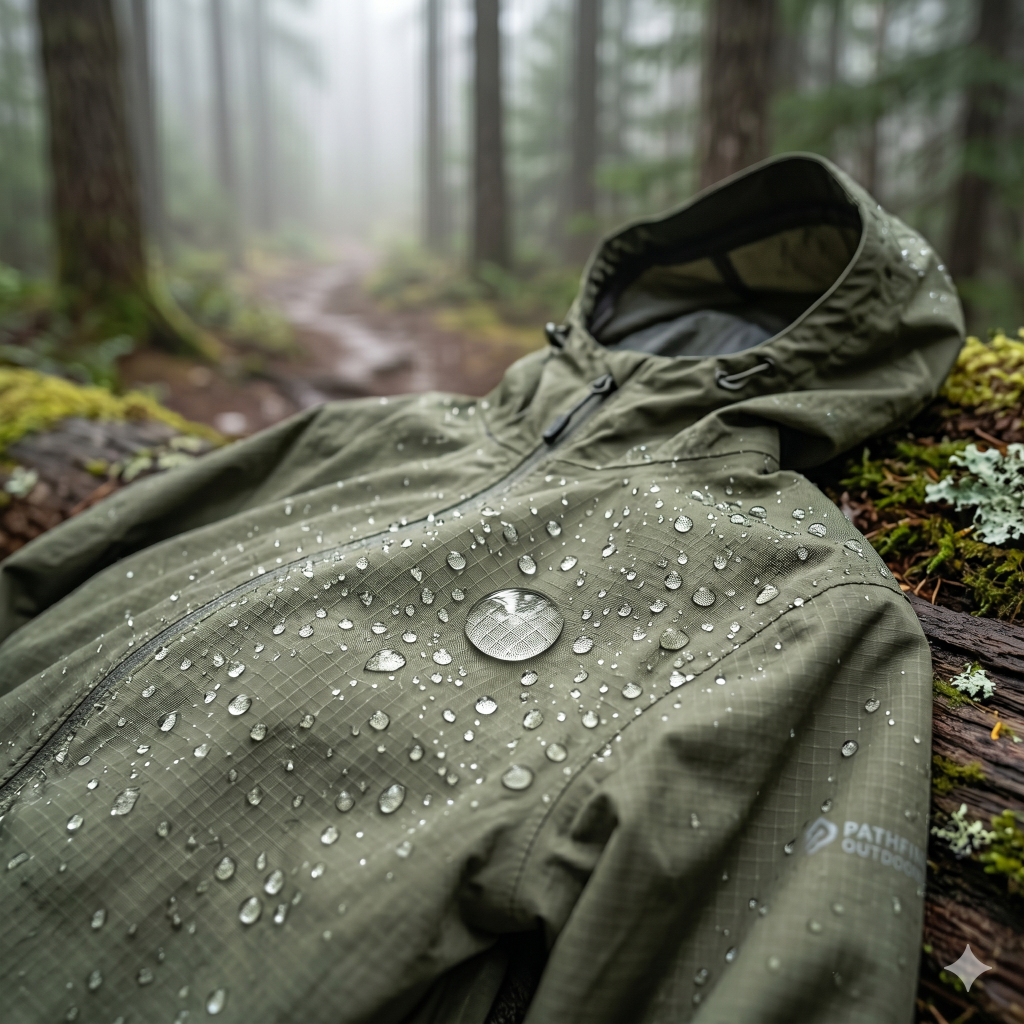
Weather changes fast in the mountains and on longer trails. A packable waterproof rain jacket like the Marmot PreCip Eco or Columbia Watertight II is small enough to fit in a daypack pocket and light enough that you will not notice it until you need it.
Look for jackets with taped seams and a durable water repellent (DWR) coating for real waterproofing. A hood that adjusts is a must so it stays on in wind. Even on sunny days, a rain jacket doubles as a wind layer and emergency warmth layer.
Merino Wool Hiking Socks
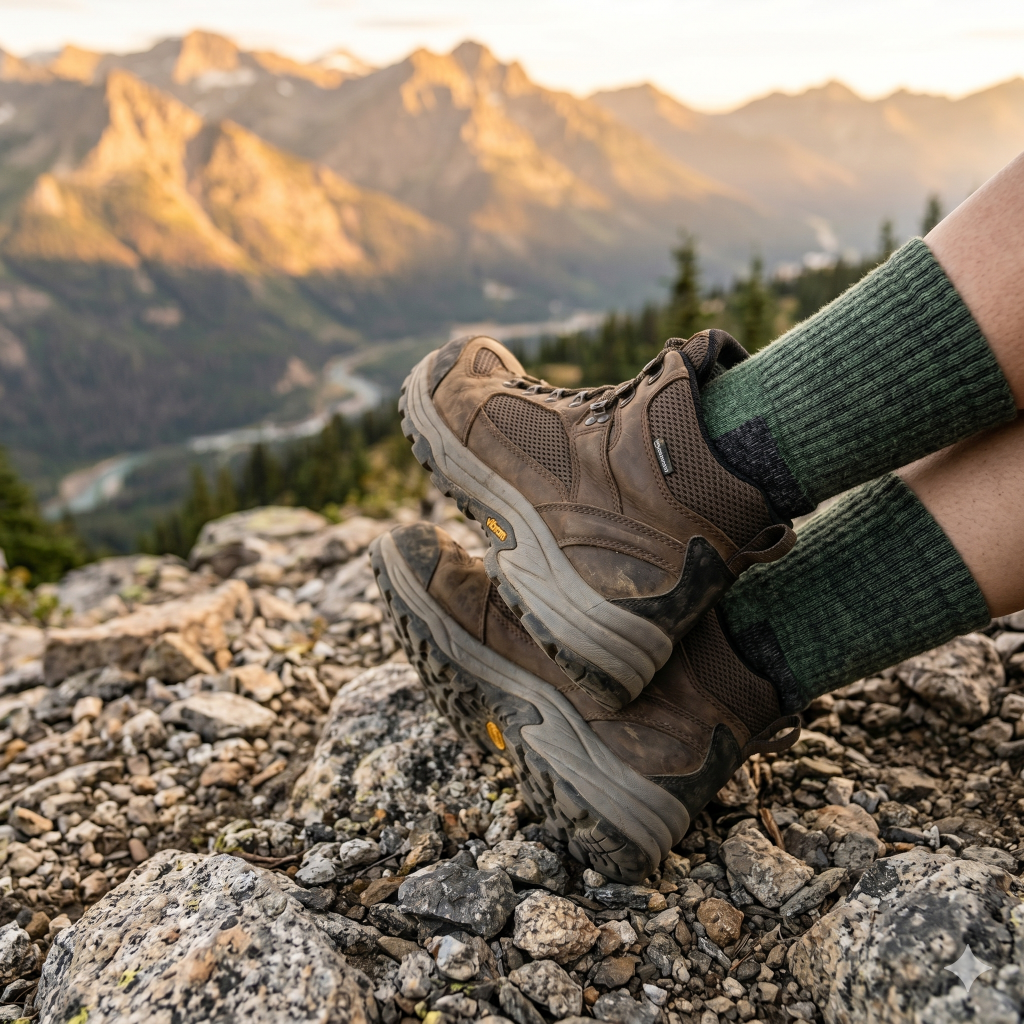
Most beginners underestimate how much their socks matter on a hike. Cotton socks hold moisture, bunch up in your boots, and cause blisters by mile two. A quality pair of merino wool hiking socks like Darn Tough Vermont or Smartwool PhD Outdoor cushions your foot, wicks sweat, and prevents hot spots that lead to blisters.
Choose a medium-cushion sock for most day hikes and a heavy-cushion sock for rocky or longer trails. One good pair of hiking socks can make the difference between a comfortable hike and a painful one.
Wide-Brim Sun Hat
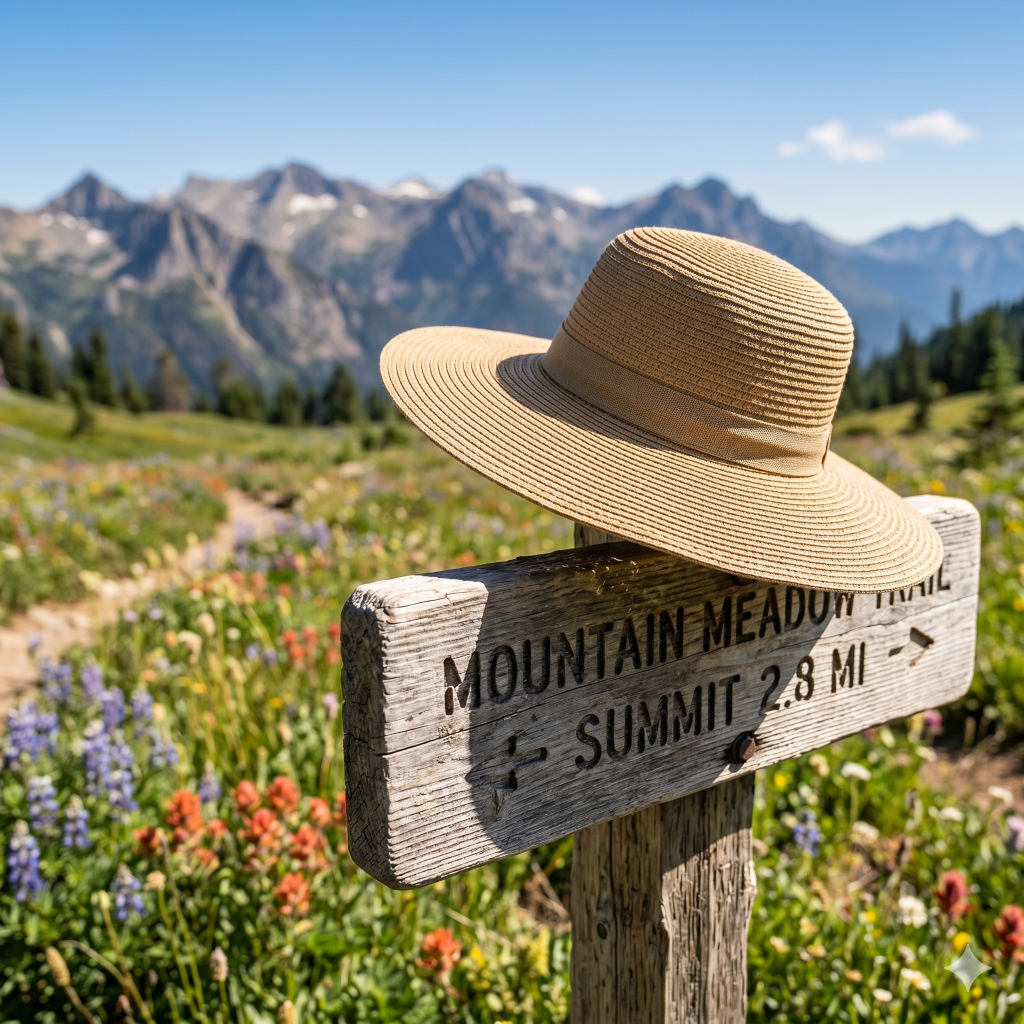
Sun protection is easy to forget until you are three hours into a summer hike with a burned neck and squinting eyes. A wide-brim sun hat like the Sunday Afternoons Adventure Hat or Outdoor Research Sombriolet provides UPF 50 protection for your face, ears, and neck. Unlike a baseball cap, a wide brim blocks sun from every angle. Look for a hat with a chin strap so it stays on in wind, a sweat-wicking headband inside, and breathable mesh panels if you run hot. It is one of the lightest and most effective pieces of what to wear hiking gear you can pack.
Lightweight Fleece Mid-Layer
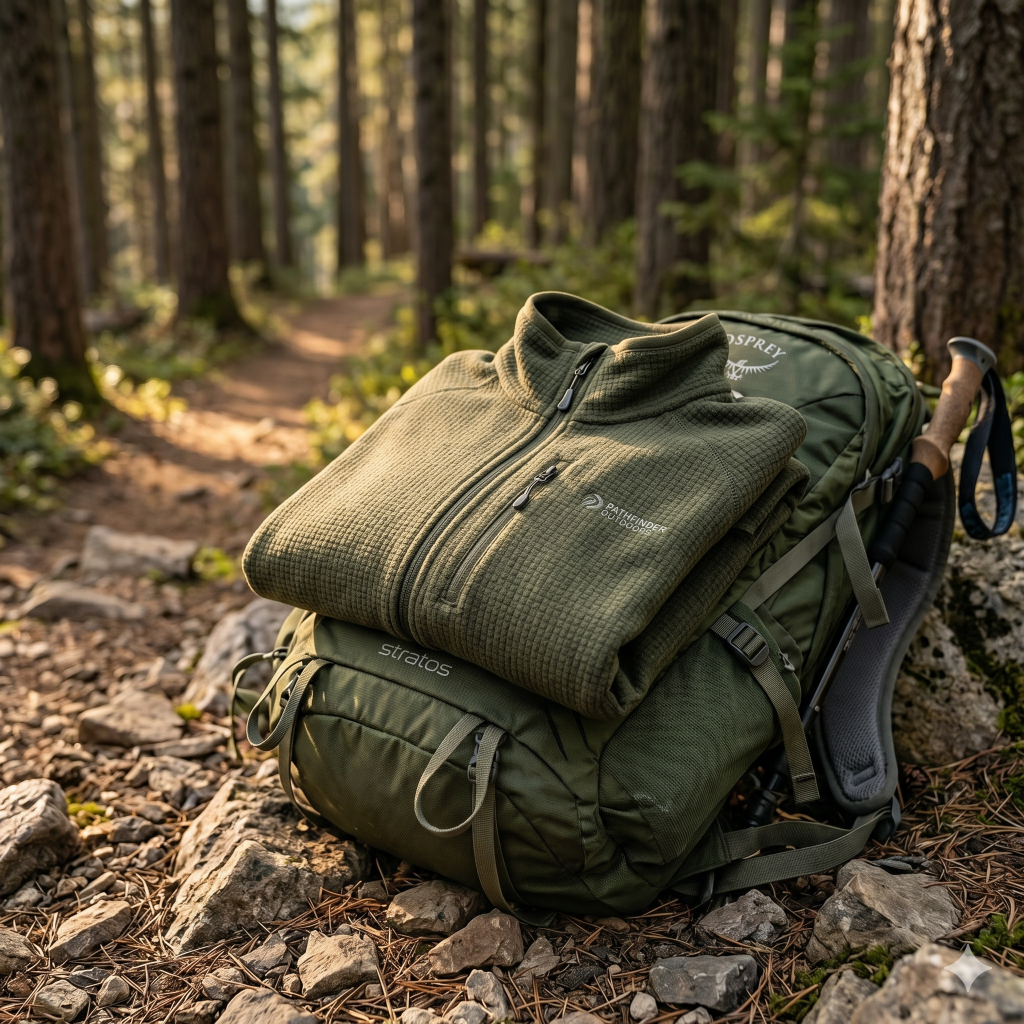
On cool mornings, windy ridgelines, or fall trails, a mid-layer fleece fills the gap between your base layer and rain jacket. The Patagonia R1 Fleece or Columbia Steens Mountain Fleece packs down small enough for a daypack, weighs under a pound, and adds a significant amount of warmth without bulk. Fleece breathes better than down when you are moving, which prevents overheating on steep climbs. If you hike in the shoulder seasons, wearing lightweight layers provides options for adjusting comfort as conditions change.
Trail Gaiters
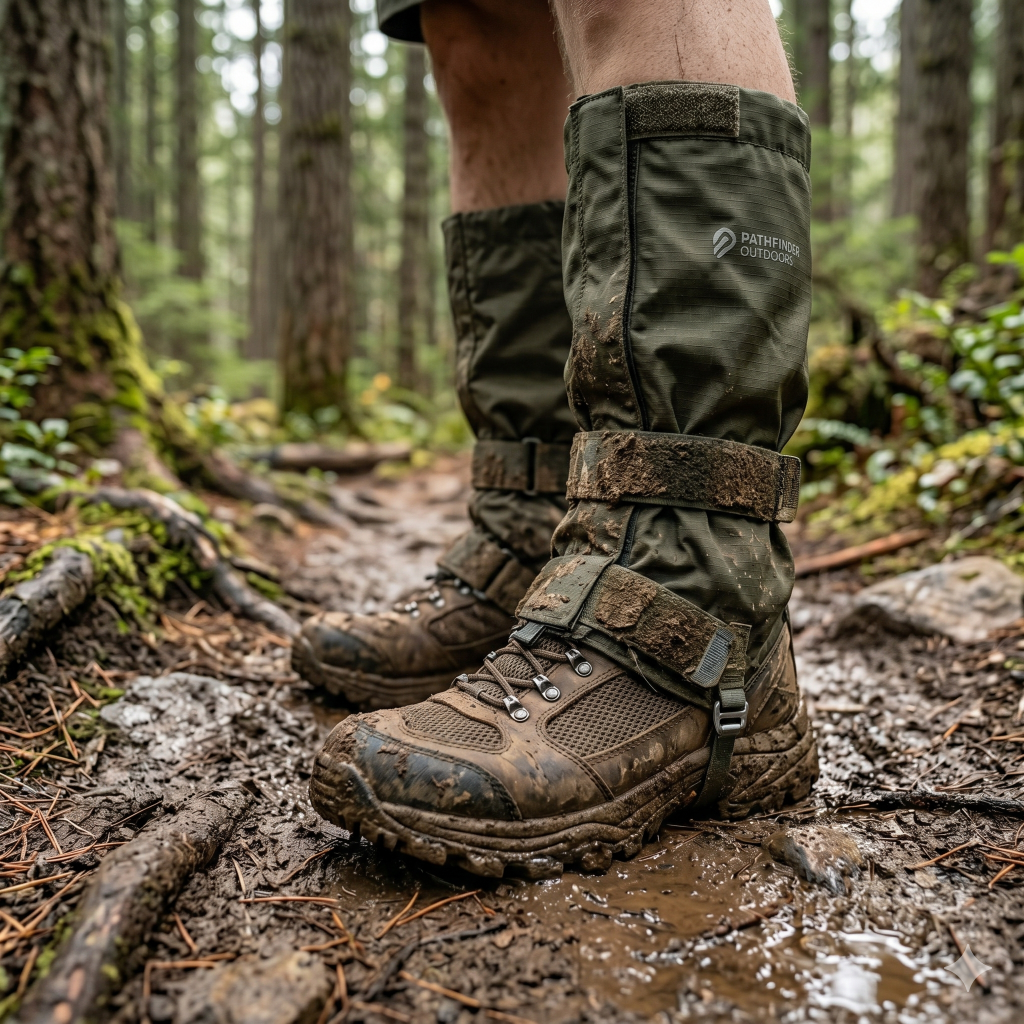
Gaiters are not just for winter hiking. Low gaiters like the Outdoor Research Trail Gaiters snap around your ankle and cover the top of your boot, keeping pebbles, dirt, and debris from getting inside your shoe. On dusty trails, muddy paths, or any terrain with loose ground, gaiters save you from stopping every half mile to empty your shoes. They are especially useful for hikers wearing trail runners instead of high-cut boots. Full gaiters that extend to the knee are best for snow and deep mud on longer routes.
Buff or Neck Gaiter
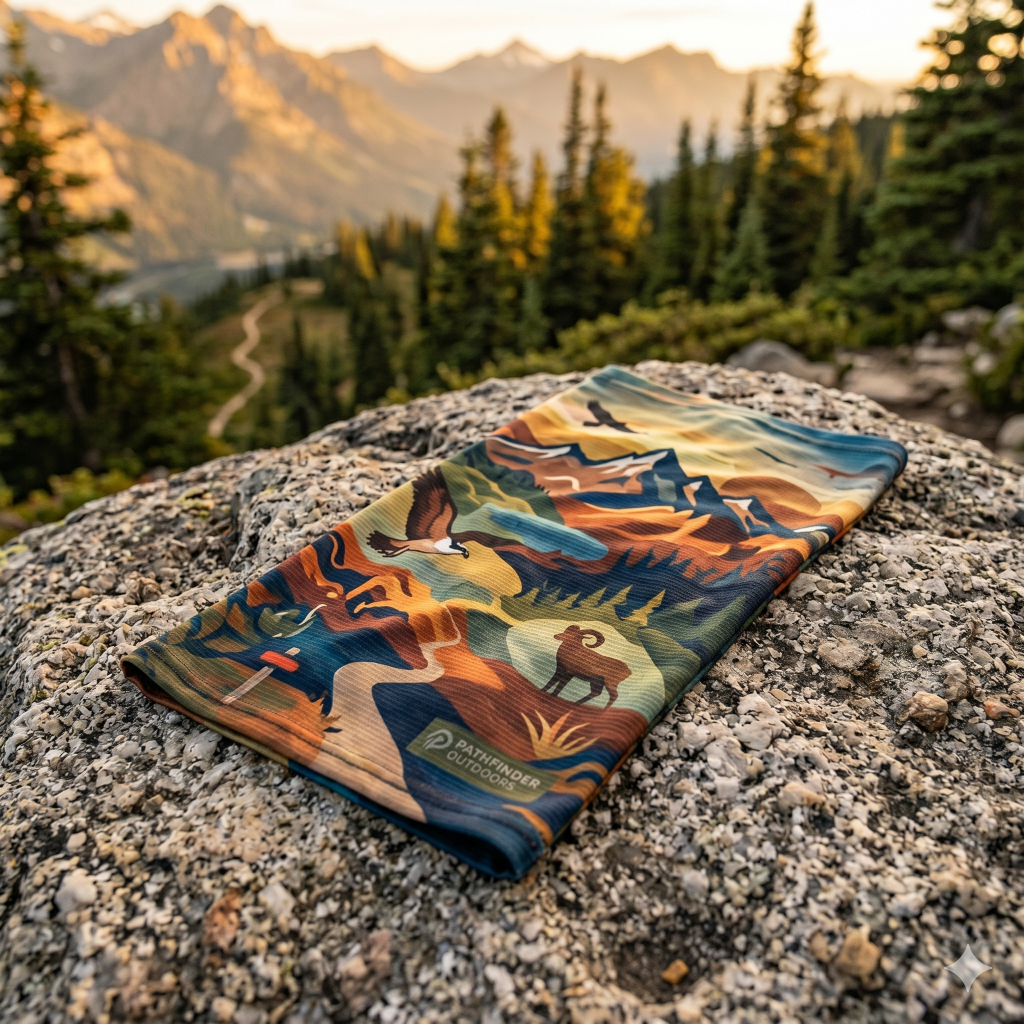
A buff or neck gaiter is one of the most versatile pieces of clothing you can carry. On cold days, pull it up over your nose and mouth to trap heat. On sunny days, wear it as a sun shield for your neck. On dusty trails, use it as a face cover. The Original Buff Merino Wool or Turtle Fur Comfort Shell Neck Gaiter weighs almost nothing and works in every season. It also doubles as a light hat or headband when pulled up. Every beginner hiker should have one as part of knowing what to wear hiking year-round.
What to Wear Hiking by Season
What to Wear Hiking in Summer
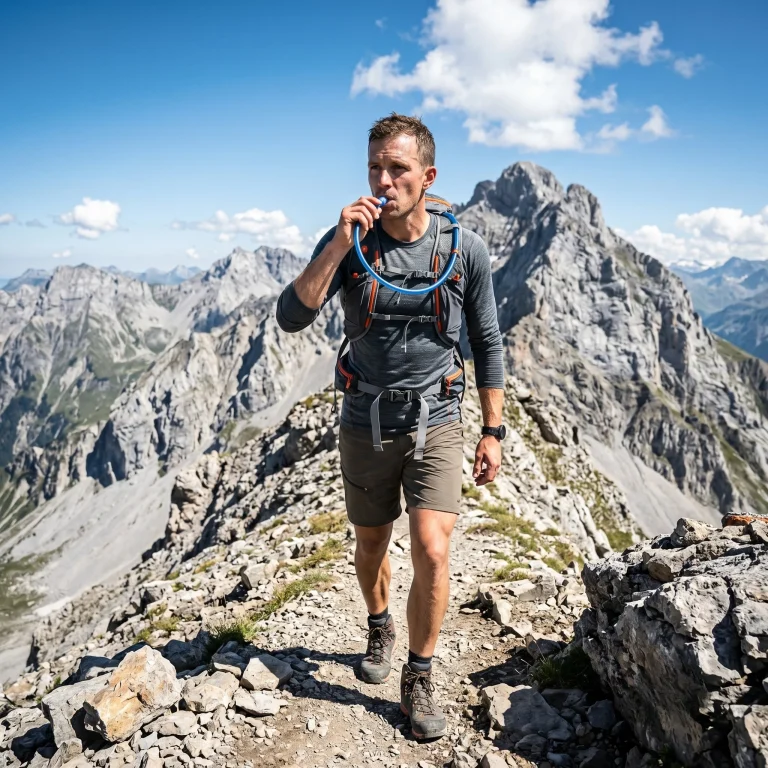
In summer, focus on sun protection and moisture management. Wear a lightweight moisture-wicking base layer shirt, nylon hiking pants or shorts, merino wool hiking socks, and a wide-brim sun hat with UPF 50 rating. Bring a packable rain jacket in your pack because afternoon thunderstorms are common in many mountain regions. Choose light colors that reflect heat and breathable fabrics that move air across your skin. For what to wear hiking in summer, check the National Weather Service hiking heat safety guide before heading out. Avoid cotton in any layer since it holds sweat and causes chafing on long summer hikes.
What to Wear Hiking in Fall
Fall hiking calls for layering. Start with a merino base layer, add a fleece mid-layer for warmth on cool mornings, and carry a rain jacket for wind and rain.
Convertible hiking pants work well since fall mornings are cold and afternoons can warm up fast. Merino wool hiking socks are especially important in fall to keep your feet warm when you cross wet leaves or puddles.
A buff or neck gaiter is useful when temperatures drop in the afternoon. Knowing what to wear hiking in fall keeps you comfortable through the full range of the day.
What to Wear Hiking in Winter
Winter hiking requires careful layering to stay warm and dry. Planning a hike in winter means you need to think carefully about every layer on your body.
A heavier merino base layer (250-weight or higher) plus a fleece mid-layer and a waterproof insulated jacket is the core system. Cold weather wearing lightweight layers is not enough on its own; you need a windproof outer shell to block heat loss.
Wear waterproof pants or shell pants over warm base layer tights. Heavy-cushion merino wool hiking socks and waterproof boots are a must. Add gloves, a warm beanie, and a neck gaiter for cold exposed ridges. Full gaiters keep snow out of your boots on snowy trails. Never skip the waterproof outer layer in winter, even on clear days.
What to Wear Hiking in Spring
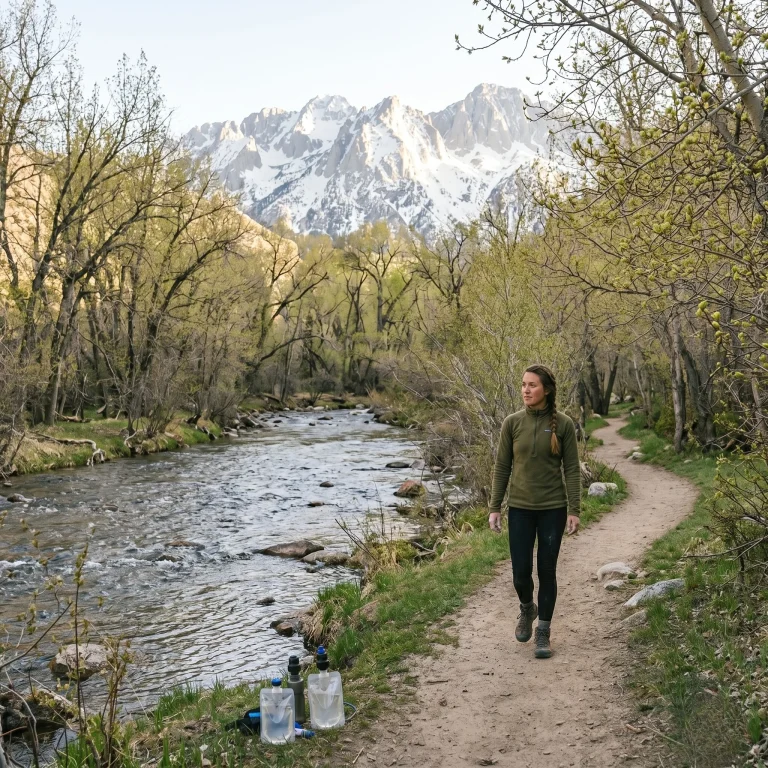
Spring trails are unpredictable. You might start a hike in sunshine and end it in cold rain with snow at elevation. Layer a moisture-wicking base layer, a light fleece or soft shell, and always carry your rain jacket. Waterproof trail shoes or boots are helpful since many spring trails are muddy or have creek crossings from snowmelt. Low gaiters help keep mud out of your shoes. A sun hat works on warm spring days, and a buff handles the cold morning wind. Knowing what to wear hiking in spring means being ready for anything.
Frequently Asked Questions
What should you not wear hiking?
Avoid cotton clothing of any kind on the trail. Cotton jeans, cotton t-shirts, and cotton socks hold moisture against your skin, take hours to dry, and cause blisters and chafing. Also avoid flip-flops, sandals, and unsupported shoes on rocky or uneven terrain. Skip ponchos in windy conditions since they do not stay on well. Avoid dark heavy jackets in summer heat and leave the tight jeans at home. The National Park Service hiking basics guide also recommends avoiding cotton for safety reasons on longer routes.
Is it better to wear shorts or pants for hiking?
It depends on the trail and conditions. Shorts are cooler and more comfortable on warm, well-maintained trails with no brush or bugs. Hiking pants protect your legs from scratches, ticks, poison ivy, and sun on overgrown or off-trail routes. Convertible pants that zip into shorts are the best of both worlds if you are not sure what conditions to expect.
Do you need special clothes for hiking?
You do not need expensive gear to start hiking, but the materials matter. The main thing to avoid is cotton. Any moisture-wicking polyester or merino wool shirt and a pair of lightweight nylon pants will work for most beginner day hikes. As you hike more, investing in purpose-built hiking clothes pays off in comfort, especially on longer or more challenging trails.
What do you wear hiking in cold weather?
In cold weather, dress in three layers: a moisture-wicking merino wool base layer, a fleece or insulated mid-layer for warmth, and a waterproof wind-blocking outer shell. Add gloves, a warm hat, and a neck gaiter for your face on exposed or windy trails. Keep your feet dry with waterproof boots and heavy-weight merino wool hiking socks. The key is to stay dry from both outside moisture and sweat from the inside.
What should beginner hikers wear?
Beginner hikers should start with the basics: a moisture-wicking shirt, lightweight hiking pants or shorts, merino wool hiking socks, and a comfortable pair of hiking shoes or trail runners with good grip. Add a packable rain jacket in your bag and a hat for sun or warmth depending on the season. You do not need to buy everything at once. Start with good socks and good footwear, since those have the biggest impact on trail comfort.
Get Dressed and Hit the Trail
Knowing what to wear hiking makes every outing more enjoyable and safer from the start. The right layers keep you dry in rain, warm on cold mornings, and cool on hot summer climbs. You do not need a full wardrobe refresh to get started. Focus on swapping out cotton for moisture-wicking fabrics, grab a good pair of merino hiking socks, and toss a rain jacket in your pack. Those three changes alone will improve every hike you take. For more beginner hiking tips and gear picks, explore the rest of the Maiveverse hiking guide collection.
Discover more from Maive Verse
Subscribe to get the latest posts sent to your email.