
Master the ski carving technique vs. the skidded turn. Learn the fundamental differences, ideal applications, and why both are essential for expert control.
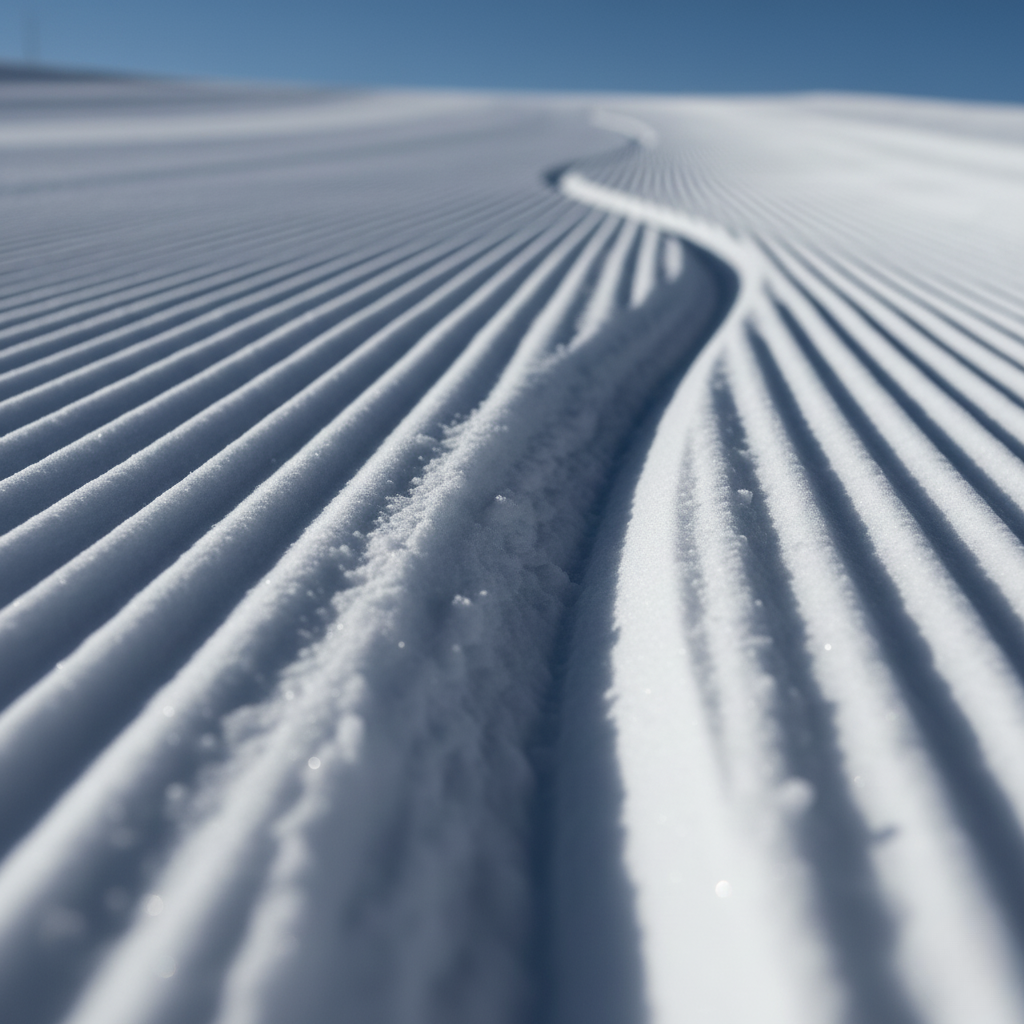
Table of Contents
Introduction: The Fundamental Choice in Skiing
Every turn executed on snow falls into one of two categories: skidding or carving. The difference between these two forms of turning defines a skier’s ability level, efficiency, and relationship with gravity. Understanding when and how to shift between these techniques is the hallmark of truly expert skiing.
A skidded turn involves the ski slipping sideways across the slope, dissipating speed through friction. It is the natural, foundational method of controlling velocity and is the technique used on every run until a skier masters more advanced movements. Conversely, the ski carving technique involves tipping the ski onto its edge and allowing the ski’s sidecut to cut a clean arc in the snow without sliding. This conserves momentum and converts energy into speed.
This guide provides a comprehensive breakdown of the technical differences, the physics behind each turn shape, and a clear methodology for mastering the ski carving technique to enhance power, speed, and precision in varying terrain and snow conditions.
The Skidded Turn: Control and Friction
The skidded turn, sometimes referred to as the parallel skid or basic parallel turn, is the primary tool used by intermediate skiers and is the foundation of all safe skiing. This technique utilizes friction to manage speed and is characterized by the tail of the ski sliding, or “skidding,” slightly downhill at the end of the turn.
The Mechanics of Skidding
The skidded turn is achieved by two primary actions:
- Rotational Force: The skier applies a slight rotational force (or steer) to the ski to initiate the turn. This involves turning the feet and legs, pushing the ski across the fall line.
- Pressure Adjustment: The skier maintains pressure on the outside ski while actively managing the edge angle. The ski is simultaneously tipped and steered, causing it to engage the edge while allowing the tail to drift sideways. This sliding motion is what creates friction.

Why Skidding Is Essential
While often dismissed by advanced skiers, skidding is indispensable and cannot be entirely replaced by carving. Its essential applications include:
- Speed Control: Skidding is the fastest and most reliable way to shed unwanted speed. When approaching a lift line, stopping mid-slope, or navigating a crowded area, the friction created by skidding is necessary for immediate deceleration.
- Safety and Maneuverability: Skidding allows for abrupt changes in direction. In icy patches, moguls, or narrow trails, the ability to pivot the skis quickly is a survival skill that carving cannot provide.
- Icy Conditions: On hard-packed or icy slopes, aggressive edging required for pure carving can be difficult to maintain. Skidding provides a more forgiving platform where slight sliding can mitigate the risk of a catastrophic edge failure.
Most recreational skiing is a blend of light skidding and pressure control. Learning to ski safely is synonymous with mastering the parallel skid. This mastery should be achieved on easy, predictable terrain, following the guidelines provided in the Ski Slope Difficulty Demystified guide before attempting more challenging terrain.
The Carved Turn: Precision and Efficiency
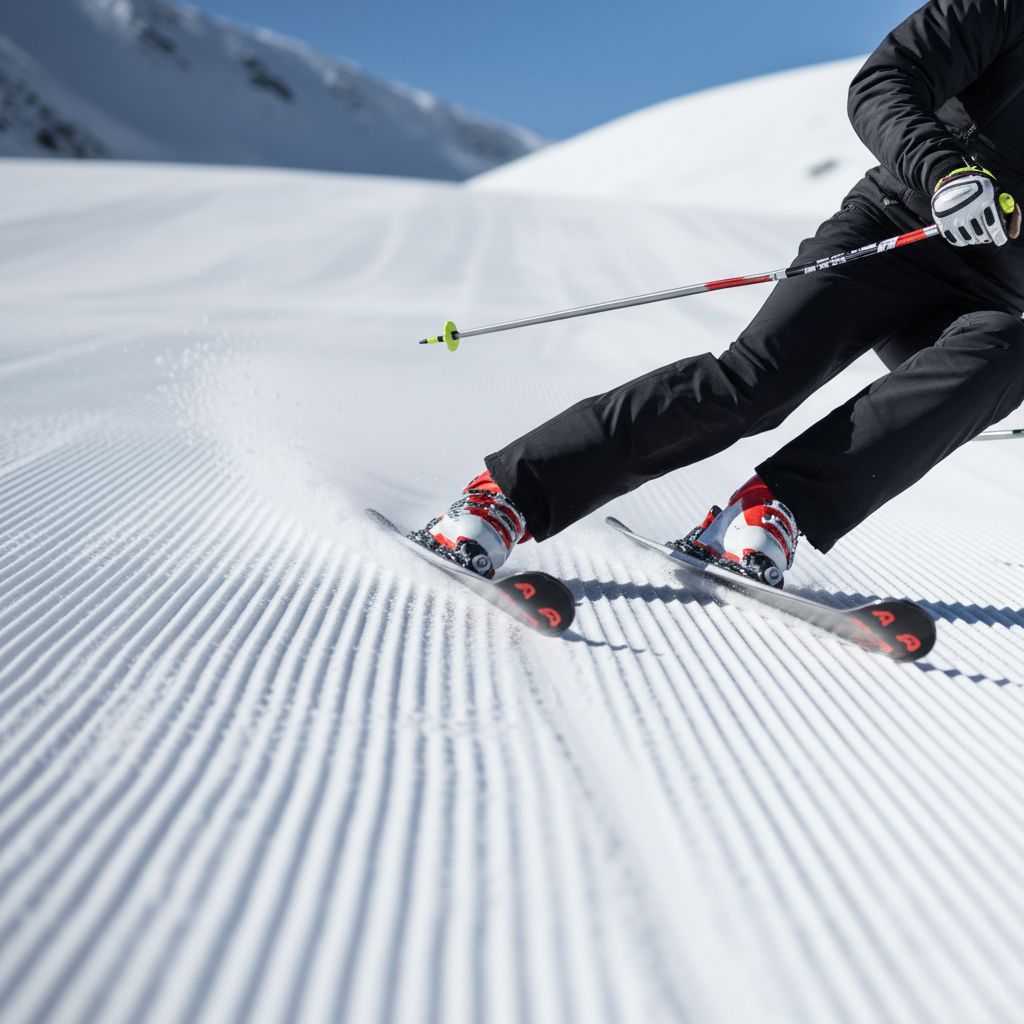
The carved turn represents a significant leap in skiing technique, marking the transition from speed management to speed generation. The hallmark of carving is the clean, surgical line left in the snow, produced entirely by the ski’s sidecut.
The Physics of the Ski Carving Technique
The ski carving technique relies on the geometry of the ski and the force of gravity, not friction, to change direction. The mechanics are defined by:
- Angulation, not Rotation: Unlike skidding, the carved turn is initiated by edging the ski, not steering or rotating it. The skier tilts their entire body, including ankles, knees, and hips, toward the inside of the turn. This is called angulation.
- Sidecut Engagement: As the ski is tilted, the sidecut (the hourglass shape of the ski) is pressed into the snow. This action bends the ski into an arc, and the ski naturally follows that arc, resulting in a perfect cut without slippage.
- Pressure and Momentum: In a carved turn, momentum is conserved throughout the arc. The ground reaction force from the banked turn actually provides energy, allowing the skier to maintain or even accelerate speed through the turn.
The Essential Tools for Carving
Successful execution of the ski carving technique is dependent on three primary factors:
- Edging: Achieving the necessary edge angle requires aggressive ankle and knee flexion, tipping the skis onto a high edge without letting the body fall over.
- Balance: The skier must maintain dynamic, centered pressure over the working (outside) ski throughout the turn.
- Equipment: Carving requires skis with a defined sidecut and a flex pattern appropriate for the skier’s weight and ability. The specific length of the ski is particularly critical; too short, and the turn radius is unstable; too long, and the skier cannot flex the ski enough to engage the sidecut. Reviewing How to Choose Ski Length is essential before purchasing carving-focused skis.
The Applications: When to Carve, When to Skid
A proficient skier understands that carving and skidding are not mutually exclusive; rather, they are complementary tools in the skier’s repertoire. The choice depends entirely on the scenario and the skier’s objective.
When to Prioritize Carving
Carving is the ideal technique when the objective is precision, speed, and efficiency:
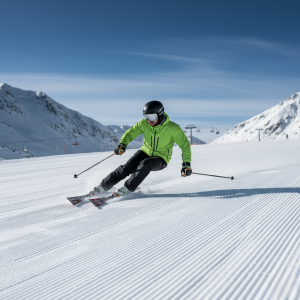
- Groomed Trails (Hardpack): On perfectly groomed, firm snow, carving provides unparalleled grip and speed control. The ski edge holds fast, allowing the skier to execute clean, predictable arcs.
- Cruising (Wide-Open Slopes): When the skier wishes to travel at a consistent, high speed across an open slope, the efficiency of carving minimizes the energy lost to friction.
- Riding Fall Line: On steep, clean terrain where speed is desired and turns are used primarily for line direction rather than speed dissipation.
When to Prioritize Skidding
Skidding remains the superior, and often necessary, technique when the objective is speed dissipation, maneuverability, and safety:
- Crowded Areas: When approaching a lift line, base area, or navigating a busy choke point, skidding allows for rapid deceleration and the ability to pivot to avoid collisions.
- Moguls and Trees: These technical terrains demand short-radius, abrupt changes in direction. A pure carved turn would be too slow to execute and would place the skier in an aggressive, locked position, making absorption of bumps difficult. The turn must include a skid to pivot the ski.
- Icy Patches: When the surface is unpredictable, a hard, committed carve can lead to the edge failing entirely. A controlled skid allows the skier to maintain a degree of movement while keeping pressure light on the edges.
- Heavy or Crusty Snow: In powder that is either very heavy or has a difficult crust layer, a slight skid helps the skier to break through the surface resistance and guide the ski through the turn.

Mastering the Blend: The Expert Turn
The most versatile skiers rarely use a pure carve or a pure skid. Instead, they use a blended turn, where the turn is initiated with angulation (carving), and then, if speed needs to be managed, the tail is released with a slight rotation (skidding) toward the end of the arc. This blending allows the skier to retain momentum while maintaining the flexibility to dump speed or change direction instantly.
Tips for Mastering the Ski Carving Technique
Transitioning from a skidded turn to a committed carved turn requires focus and patience. The shift is mental as much as it is physical, requiring the skier to trust the edge and the ski’s design.
Key Drills and Mental Cues
- Edge Engagement: Focus on tipping the ankles and knees toward the inside of the turn, maintaining pressure on the entire length of the outside ski. The physical sensation should be that of bending the ski’s sidecut into the snow.
- Fore/Aft Balance: Maintain perfectly centered pressure over the boot. Carving requires constant dynamic balance; being too far forward or too far back will cause the tip or tail to wash out (skid).
- The Silent Arc: Practice making a turn where the sound of the ski on the snow is minimized. A carving ski makes a quiet hiss; a skidding ski makes a louder scraping sound.
- Practice PSIA Techniques: Professional organizations like the Ski Magazine’s Guide to Carving offer detailed instructional guides that emphasize proper body positioning and pressure management—the cornerstones of carving.
Conclusion
The evolution from skidding to true carving is a landmark moment in any skier’s development. While the ski carving technique offers unmatched efficiency and a visceral connection to the mountain, the fundamental skidded turn remains critical for safety and maneuverability in high-traffic or technical terrain. The ultimate goal is not to eliminate skidding, but to gain precise control over both techniques, allowing the skier to consciously choose the right tool carve for speed, skid for control for every moment on the slope.