
Car camping vs tent camping pros and cons: 7 epic comparisons to help you choose your ideal adventure style, with expert tips and real insights.
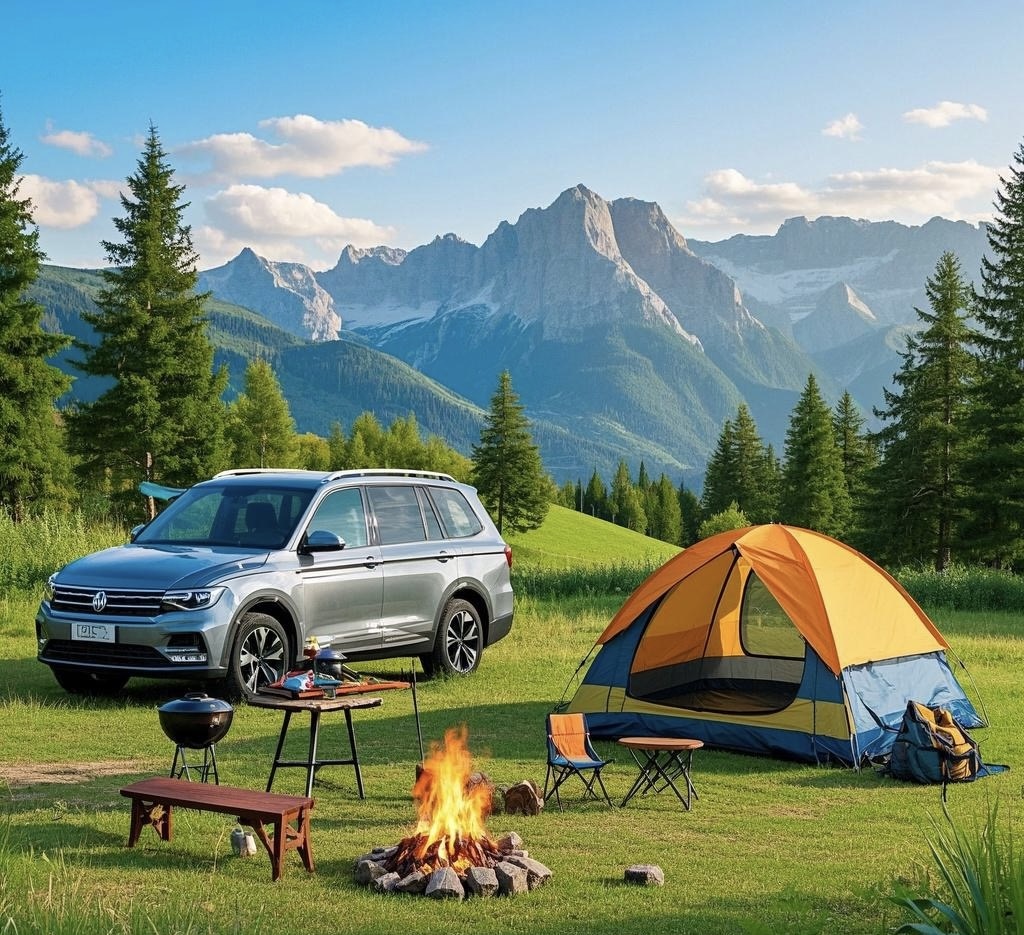
Table of Contents
Introduction
“Should I sleep in my car or pitch a tent?” I’ve been asked this question more times than I can count, usually by wide-eyed camping newbies standing in the outdoor gear section looking completely overwhelmed. Here’s the thing – I’ve made every camping mistake in the book, from forgetting tent stakes in a windstorm to trying to sleep in a Honda Civic during a Colorado blizzard!
After 15 years of both car camping and tent camping adventures, I’ve learned that each style has its own epic advantages and brutal downsides. Recent surveys show that 78% of new campers start with car camping, but 45% eventually transition to tent camping for more adventurous experiences. The choice isn’t just about comfort versus adventure – it’s about finding your perfect outdoor lifestyle.
Whether you’re planning your first camping trip or looking to switch up your outdoor game, understanding these 7 epic pros and cons will save you from the camping disasters I’ve experienced firsthand. Trust me, you don’t want to learn these lessons the hard way!
What is Car Camping?
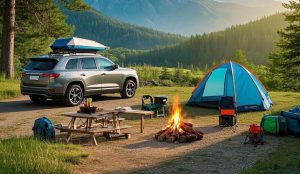
Car camping is essentially using your vehicle as both transportation and accommodation for your outdoor adventures. It’s not just about sleeping in your car seat – we’re talking about SUV camping, minivan conversions, station wagon setups, and even pulling camping trailers.
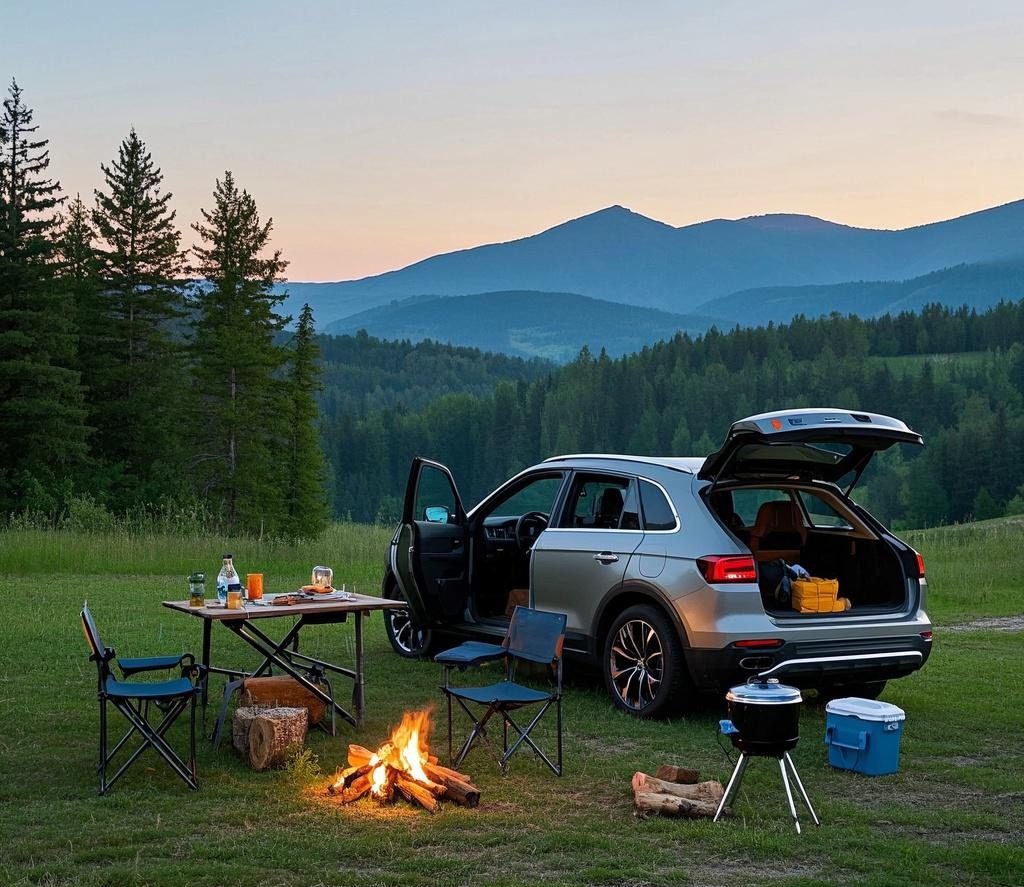
Your car becomes your basecamp, storage unit, and weather shelter all rolled into one. I’ve seen incredible car camping setups with fold-out kitchens, rooftop tents, and sleeping arrangements that rival fancy hotels. The key is that you drive right to your campsite and your vehicle stays nearby as your primary shelter or backup plan.
Car camping works at established campgrounds, dispersed camping areas accessible by road, and even some remote locations where high-clearance vehicles can reach. It’s perfect for families, beginners, and anyone who values comfort and convenience in their outdoor experiences.
What is Tent Camping?
Tent camping is the traditional approach where you carry a portable shelter (your tent) and set up a temporary campsite using gear you can transport. This ranges from frontcountry tent camping at established campgrounds to backcountry camping where you hike everything in on your back.
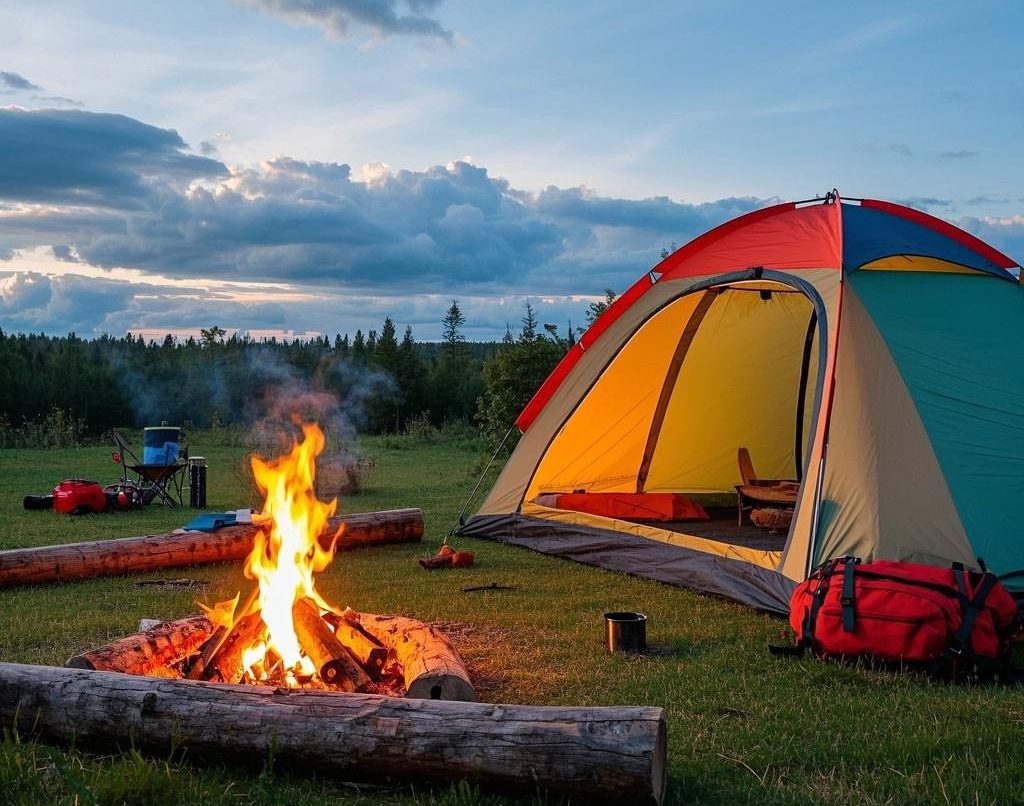
The tent becomes your entire shelter system – bedroom, gear storage, and weather protection. Everything you need for the trip either fits in your backpack or car trunk, depending on whether you’re doing car-accessible tent camping or backpacking-style adventures.
Tent camping requires more outdoor skills like campsite selection, weather awareness, and gear management. But it opens up incredible locations that vehicles simply cannot reach. Some of my most memorable camping experiences happened miles from the nearest road with nothing but what I could carry.
Pros & Cons #1: Car Camping Wins on Comfort and Convenience
Car camping comfort is just next-level compared to tent camping. Your vehicle becomes this amazing basecamp where you can actually sit up straight, organize your gear properly, and escape bad weather instantly.
The convenience factor is ridiculous too. Setup time for car camping? Maybe 10 minutes to pull out your gear and inflate an air mattress. Tent camping setup? At least 30 minutes if everything goes perfectly, which it never does.
Storage space is another game-changer with car camping. You can bring that full-size cooler, multiple camp chairs, a portable camp kitchen, and still have room for everyone’s personal gear. Tent camping means playing Tetris with your backpack and leaving half your comfort items at home.
But Car Camping Limits Your Adventure Potential
Here’s the brutal truth about car camping – you’re stuck wherever your car can go. Some of the most incredible camping spots that give an amazing experience require hiking miles from the nearest road. Alpine lakes, hidden waterfalls, remote mountain peaks – these magical places are tent camping territory only.
Car camping keeps you tethered to developed campgrounds and accessible areas. Don’t get me wrong, many car camping spots are gorgeous, but you’re missing out on true wilderness experiences. Hiking to secluded lakes like the Rockies can offer solitude and natural beauty that car camping setups typically cannot reach, providing a more immersive outdoor experience.
The adventure level is just different too. Car camping feels more like outdoor glamping, while tent camping pushes you to develop real wilderness skills. When everything you need for survival is on your back, there’s this incredible sense of self-reliance that car camping can’t replicate.
Pros & Cons #2: Tent Camping Connects You Deeply with Nature
There’s something magical about tent camping that car camping just can’t match – you’re literally living in the environment instead of just visiting it. The thin tent walls mean you hear every owl hoot, coyote howl, and morning bird song.
Weather becomes this intimate experience when tent camping. You feel temperature changes throughout the night, hear wind patterns shifting, and wake up to frost on your tent walls. It sounds uncomfortable, but it’s actually incredibly grounding. Car camping insulates you from these natural rhythms with climate control and solid barriers.
The connection to place is stronger too. When tent camping, you’re forced to really observe your surroundings, understand weather patterns, and work with the natural environment instead of against it. You will learned more about reading weather, finding water sources, and understanding ecosystems through tent camping than any nature documentary could teach.
But Tent Camping Requires Serious Skills and Preparation
Tent camping often comes with a steep learning curve, and mistakes can sometimes be dangerous. For example, setting up camp in an unsafe location can lead to hazards like flash floods during unexpected rainstorms. While car camping mistakes are usually inconvenient, errors in tent camping can pose serious safety risks. For tips on campsite selection and layout planning, be sure to check out our Ultimate 7-Step Guide on How to Set Up a Campsite Like a Pro.
The skill requirements are real. You need to understand campsite selection, weather prediction, gear systems, and emergency procedures. Leave No Trace principles aren’t just suggestions when tent camping – they’re essential skills for protecting fragile environments. You might have spent years learning these skills through trial and error.
Preparation time is another major downside. Car camping trip planning: throw gear in car, find campground, go. Tent camping trip planning requires thorough preparation—everything from researching weather conditions and studying topographic maps to locating water sources, checking permit requirements, and carefully selecting the right gear. In fact, a weekend tent camping trip can demand more planning than a week-long car camping getaway. For a smooth start, check out our detailed Camping for Beginners Guide and Essential Camping Checklist to make sure you’re fully prepared for your next outdoor adventure.
Pros & Cons #3: Car Camping is Incredibly Budget-Friendly
Car camping saves serious money compared to tent camping, especially when you’re starting out. The gear requirements are way less expensive because weight doesn’t matter. That $80 sleeping bag works perfectly for car camping, while tent camping might require a $300 ultralight version.
You can use gear you already own too. Regular pillows, thick blankets, and even household items work great for car camping. There are people who car camp successfully with nothing but bedding from home and a few basic items. Try that with tent camping and you’ll be miserable.
Campground costs are usually the same, but car camping opens up more budget options. State parks, national forest campgrounds, and even some private campgrounds offer affordable car camping sites. Many tent camping adventures require expensive permits, especially for popular backcountry areas.
But Tent Camping Gear Costs Can Be Astronomical
Quality tent camping gear is expensive, and there’s no way around it. A good ultralight tent, sleeping bag, and pad can easily cost $800-1200. Add in a quality backpack, camp stove, and other essentials, and you’re looking at $1500-2000 just to get started properly.
Low-quality tent camping gear is more likely to fail when reliability matters most. For example, a broken zipper on a sleeping bag during cold weather can lead to sleepless nights and potential health risks in freezing temperatures. Investing in high-quality gear is essential for ensuring safety, warmth, and comfort during tent camping trips.
Tent camping gear typically requires more maintenance and frequent replacement due to exposure to harsh weather, rough terrain, and regular packing and unpacking. Unlike car camping equipment—which often lasts for many years with basic care—tent camping gear tends to wear out faster and may need to be replaced every few seasons.
Pros & Cons #4: Tent Camping Builds Incredible Outdoor Skills
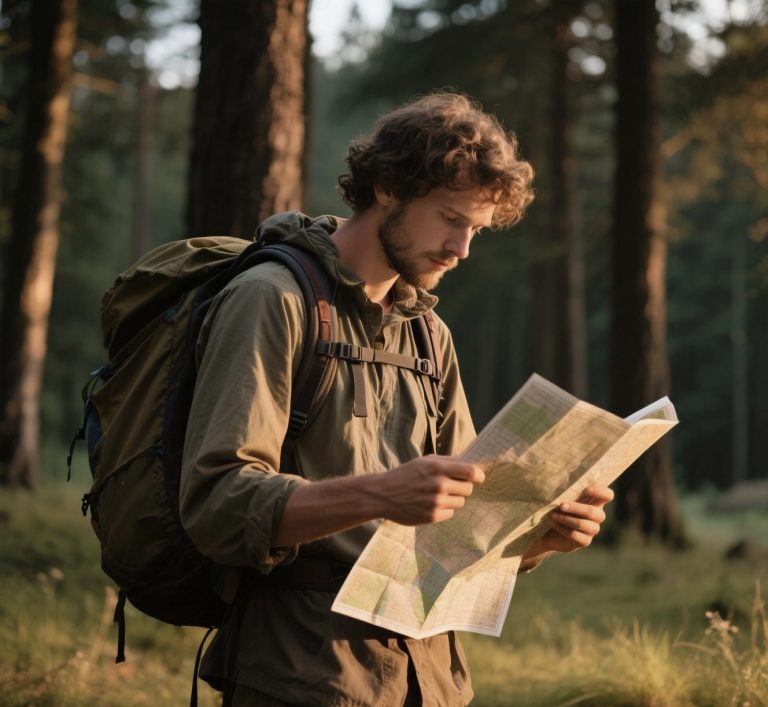
Tent camping helps develop essential outdoor skills that car camping often doesn’t require. Being miles from a vehicle with only the gear you can carry encourages quick problem-solving and self-reliance. Campers may find themselves repairing gear in the field, purifying questionable water sources, or navigating with a map and compass when GPS signals fail—valuable skills for any serious outdoor enthusiast.
The self-reliance aspect is incredibly rewarding. Successfully completing a challenging tent camping trip gives you confidence that extends far beyond camping. These skills transfer to other outdoor activities like hiking, climbing, and even everyday problem-solving.
Tent camping naturally sharpens weather awareness skills. Campers often learn to recognize signs of incoming storms, interpret wind patterns, and make informed safety decisions based on environmental cues. Observing cloud formations and wind shifts becomes second nature—valuable abilities that are less commonly developed through car camping.
But Car Camping Can Make You Lazy and Dependent
The convenience of car camping can sometimes limit skill development. With a vehicle always nearby as a backup, campers may not build the same level of problem-solving ability or outdoor confidence as those who rely solely on what they carry. In some cases, car campers may struggle when basic gear fails, such as a broken stove, due to a lack of knowledge in alternative cooking methods.
Gear dependency is common in car camping, where the ability to bring extra items often leads to overpacking. Campers may bring multiple stoves, backup power sources, and excessive gear for short trips, reducing the need to adapt or problem-solve. Unlike tent camping, which encourages minimalism and resourcefulness, car camping can make it harder to learn how to thrive with less.
Emergency preparedness suffers with car camping. When help is always a car ride away, you don’t develop the same safety awareness or emergency skills. This can be dangerous if you ever venture into more remote areas without proper preparation.
Pros & Cons #5: Car Camping Accommodates Everyone
Car camping is incredibly inclusive – it works for families with babies, elderly grandparents, people with disabilities, and anyone who wants to enjoy nature without physical challenges.
Car camping enhances the social aspect of outdoor experiences by making it easier to enjoy group activities, shared meals, and comfortable gathering spaces. With fewer logistical challenges, campers can focus more on spending quality time together. This makes car camping especially appealing for families and larger groups seeking a relaxed and sociable outdoor adventure.
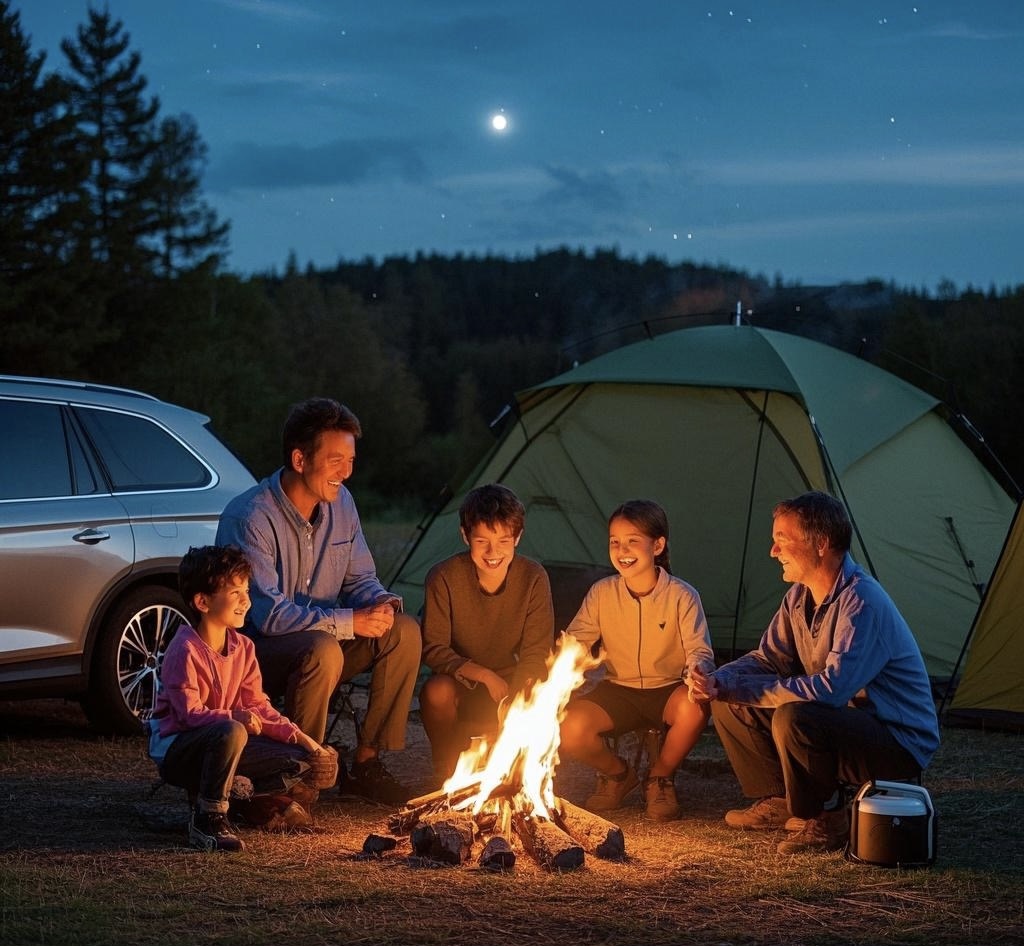
Seasonal camping is way more accessible with car camping. Winter car camping is totally doable with proper preparation, while winter tent camping requires advanced skills and expensive gear.
But Tent Camping Offers Unmatched Solitude and Peace
The crowds at car camping areas can be brutal, especially on weekends. Popular car camping spots turn into outdoor suburbia with generators running, music playing, and people everywhere. Car camping trips might be ruined by noisy neighbors and overcrowded campgrounds.
Tent camping, especially backcountry camping, offers solitude that car camping simply cannot match. When you’re willing to hike several miles with your gear, you leave 90% of other campers behind. Some of the most peaceful and restorative camping experiences happen miles from the nearest road.
The silence is different too. Car camping areas have constant background noise – generators, car doors, conversations, and traffic. Tent camping in remote areas offers true silence broken only by natural sounds. This level of peace is incredibly healing but impossible to find in car camping areas.
Pros & Cons #6: Tent Camping Provides Authentic Wilderness Adventure
Tent camping satisfies something deep in the human soul that car camping just doesn’t touch. There’s this primal satisfaction in carrying everything you need for survival and making it work in the wilderness. Multi-day tent camping trips become genuine adventures with real challenges and meaningful accomplishments.
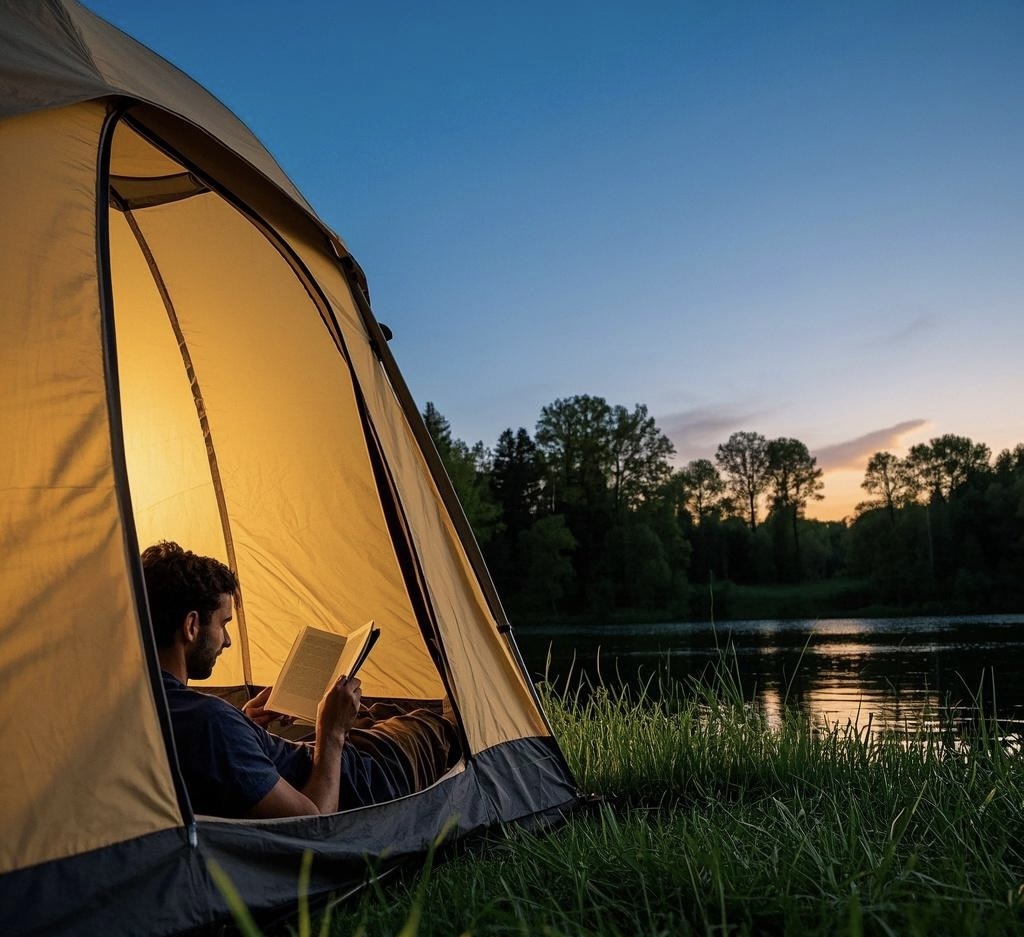
The physical and mental challenges are rewarding too. Hiking to remote campsites, dealing with weather, and solving problems with limited resources builds character and confidence. You will learn more about yourself during challenging tent camping trips than years of comfortable car camping.
Photography and wildlife viewing opportunities are often better with tent camping. Remote locations offer incredible sunrise/sunset shots, wildlife encounters, and landscape photography impossible from car camping areas. Some of the best outdoor photography happens during tent camping adventures.
But Car Camping Eliminates Many Outdoor Risks
Tent camping presents real risks that are largely minimized in car camping. Exposure to severe weather, wildlife encounters, navigation challenges, and gear failures become more critical when you’re far from immediate help. Without proper preparation and decision-making, these factors can pose serious safety concerns in remote tent camping environments.
The physical demands of tent camping aren’t for everyone. Carrying a 40-pound pack for miles, setting up camp in challenging conditions, and dealing with weather exposure require good fitness and outdoor experience. Car camping removes these physical barriers completely.
Emergency evacuation is much harder with tent camping. If someone gets injured or seriously ill miles from the trailhead, rescue becomes complicated and expensive. Car camping keeps you close to roads and emergency services, providing a crucial safety margin.
Pros & Cons #7: Both Styles Offer Unique Benefits Worth Experiencing
Car camping and tent camping are not competing styles—they offer complementary experiences. Car camping is ideal for social outings, family trips, and situations where comfort, relaxation, and connection are the main goals. It provides an accessible way to enjoy the outdoors without the physical demands and challenges of backcountry travel.
Tent camping excels when it comes to personal growth, wilderness immersion, and building real outdoor skills. It’s ideal for campers who want to challenge themselves, disconnect from modern conveniences, and experience nature more intimately. While tent camping often leads to unforgettable adventures, car camping offers more comfort and social ease, making both styles valuable depending on your goals.
The best approach is using both styles strategically. Weekend trips with friends often become car camping adventures where comfort and convenience let us focus on enjoying each other’s company. Solo trips or challenging adventures usually involve tent camping, where you can test your skills and seek solitude.
Choosing Between Them Can Be Genuinely Difficult
The hardest part about car camping vs tent camping isn’t the camping itself – it’s deciding which style fits your current needs and goals. Your preferences might change with life circumstances, fitness levels, and outdoor experience. You will go through phases where you prefer each style exclusively.
Budget considerations complicate the decision too. Quality tent camping gear requires significant investment, while car camping can be done cheaply with basic equipment. But tent camping opens up adventure opportunities that justify the cost for many people.
Time constraints matter too. Car camping fits busy schedules better because it requires less planning and preparation. Tent camping demands more time for trip planning, skill development, and longer adventures to justify the effort involved.
Conclusion
There’s no single “best” camping style—only the right choice for your needs and goals. Car camping offers comfort, convenience, and accessibility, making outdoor adventures more attainable for a wide range of campers. In contrast, tent camping delivers a deeper connection to nature, opportunities for personal growth, and more immersive wilderness experiences that car camping often cannot replicate.
One of the great things about camping is its flexibility—you don’t have to stick with just one style. Many outdoor enthusiasts begin with car camping for its ease and convenience, then transition into tent camping as they seek more adventure and deeper nature immersion. Over time, your approach to car camping vs tent camping can shift depending on your lifestyle, companions, and camping goals.
Car camping vs tent camping isn’t about which is better—it’s about choosing the right experience for your comfort level, goals, and the kind of adventure you want. Advice? Start with whatever style excites you most and makes you want to get outdoors. If car camping’s comfort and convenience appeal to you, embrace it fully. If tent camping’s adventure and challenge call to your soul, dive in headfirst. The most important thing is getting outside consistently and building your outdoor confidence.
Remember, there are no camping police judging your choices. The best camping style is the one that gets you outdoors regularly, creates positive memories, and fits your lifestyle. Whether you prefer car camping for its comfort or tent camping for its raw adventure, the car camping vs tent camping decision is less about right or wrong and more about what works best for you. No matter your choice, you’re already winning by choosing nature over screens and fresh air over four walls.
What’s your camping story? Share your car camping vs tent camping experiences by sending us an email – your insights might help other outdoor enthusiasts find their perfect camping style!