
This post may contain affiliate links. If you buy through them, we may earn a small commission at no extra cost to you.
The best backpacking tents balance three things that pull against each other: weight, space and weather protection. A tent light enough to forget on the climb can feel cramped and drafty in a storm, and one that feels like a cabin in the rain can weigh as much as your food for the whole trip. The trick is knowing which compromise suits the trips you actually take.
Six tents below, from a premium ultralight to a budget pick with thousands of reviews, every one checked for stock, rating and the specifications on the listing. If you are still assembling a kit, our backpacking for beginners guide covers the full list, and our round-up of the best backpacking backpacks will help you find a pack the tent fits in.
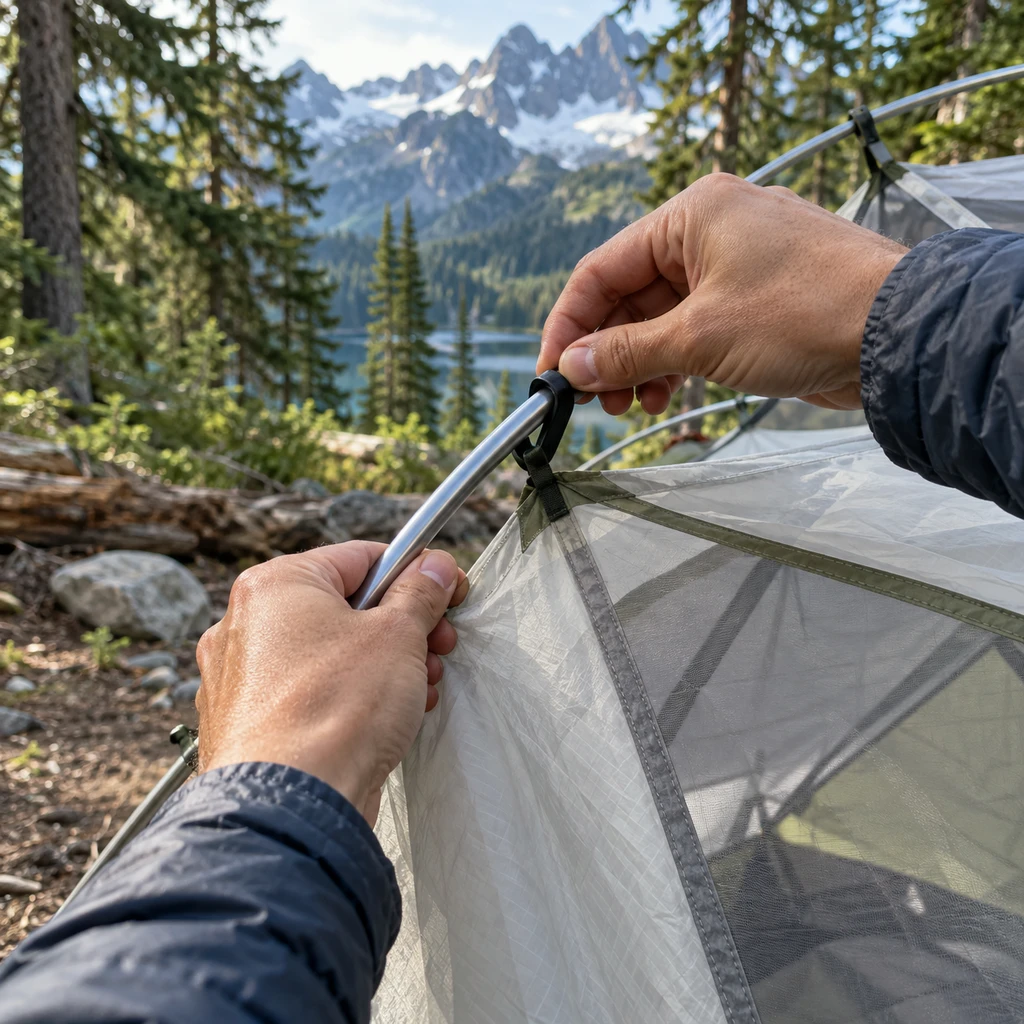
Table of Contents
What Separates the Best Backpacking Tents
Weight comes first, because you carry it every step. For a two person tent, under three pounds is ultralight, three to four and a half pounds is the comfortable middle, and anything over five starts to feel like car camping gear. Packed size matters almost as much, because a tent that will not fit inside your pack ends up strapped to the outside, where it snags on branches.
Then structure. A freestanding tent stands up on its poles alone, so you can pitch it on rock or a wooden platform and pick it up to shake out dirt. A semi freestanding tent saves weight by needing a stake or two to hold its shape. Single wall tents combine body and fly into one layer, which is light but prone to condensation; double wall tents separate a mesh inner from a waterproof fly, which breathes better and is easier to live with.
Then doors and vestibules. Two doors and two vestibules mean nobody climbs over anybody at night, and each person gets a covered spot for boots and a pack. On a wet trip that covered space is worth more than a few ounces saved.
Last, durability. Lighter fabrics are thinner. A tent that saves a pound by using very fine nylon needs more care with the site you choose and a footprint underneath it.
The Best Backpacking Tents at a Glance
| Tent | Structure | Doors | Reviews | Best For |
|---|---|---|---|---|
| Big Agnes Copper Spur HV UL | Freestanding, double wall | 2 | 4.6 stars, 43 | Best overall |
| NEMO Dragonfly OSMO | Freestanding, double wall | 2 | 4.3 stars, 33 | Best for space |
| Naturehike Cloud-Up 2 | Freestanding, double wall | 2 | 4.5 stars, 2,364 | Best value |
| Naturehike Star Trail | Ultralight, mesh inner | 1 | 4.4 stars, 79 | Lightest pack weight |
| Clostnature Lightweight | Freestanding, double wall | 2 | 4.5 stars, 3,021 | Budget |
| Night Cat 2 Person | Freestanding, double wall | 2 | 4.5 stars, 322 | First tent |
The Six Best Backpacking Tents in Detail
Big Agnes Copper Spur HV UL: Best Overall
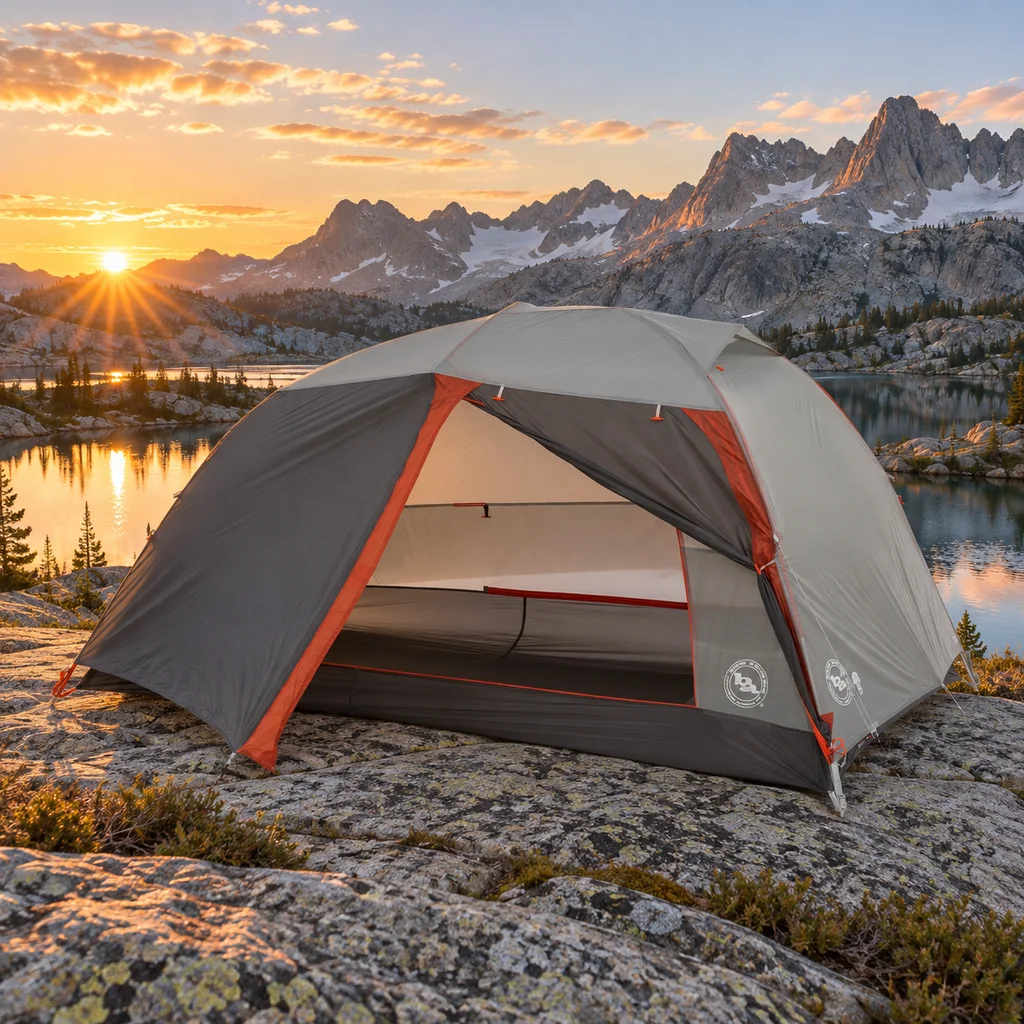
The Copper Spur HV UL is the tent many long distance hikers end up with, and the latest version has been fully redesigned. It is a high volume freestanding design with awning style vestibules that expand the covered living space, and double zippers on the doors let you open just the top on a windy, wet night.
The details are what you notice after a week. A 3D bin mezzanine at the foot holds gear off the floor, an oversized ceiling pocket sits at the head, media pockets route earbud cords, and Big Agnes includes its mtnGLO tent light technology for reading inside. The TipLok tent buckle at each corner captures the pole tip, attaches the fly and works as a stake out loop in one piece.
Four point six stars across 43 reviews. It is the expensive choice here, and the light fabric rewards a footprint and a little care choosing the site.
Specs That Matter
- Structure: freestanding, double wall
- Doors: two, with awning style vestibules
- Storage: 3D bin mezzanine and ceiling pocket
- Extras: mtnGLO tent lighting
- Corners: TipLok tent buckles
Who It Is For
Thru hikers and frequent backpackers who want the best balance of weight and livable space.
NEMO Dragonfly OSMO: Best for Space
The Dragonfly OSMO is built around NEMO’s OSMO poly nylon ripstop, which the listing says holds its water repellency five times longer and stretches three times less when wet. That last part matters more than it sounds: a fly that sags in the rain touches the inner tent and lets water through.
The pole design is the other highlight. Hubbed, pre bent DIAPOLE recycled aluminum poles include a Precurve cross pole that the listing says adds 34 percent more volume at the head. Tall doors with Gatekeeper tiebacks and a vestibule on each side make it easy for two people to come and go.
Four point three stars across 33 reviews. Color coded poles and matched webbing make setup intuitive, and the fabrics are PFAS free and bluesign approved, which will matter to some buyers.
Specs That Matter
- Fabric: OSMO poly nylon ripstop, PFAS free
- Poles: hubbed DIAPOLE recycled aluminum
- Doors: two, with vestibules
- Setup: color coded poles and webbing
- Reviews: 4.3 stars, 33
Who It Is For
Couples who want headroom and easy setup without going heavy.
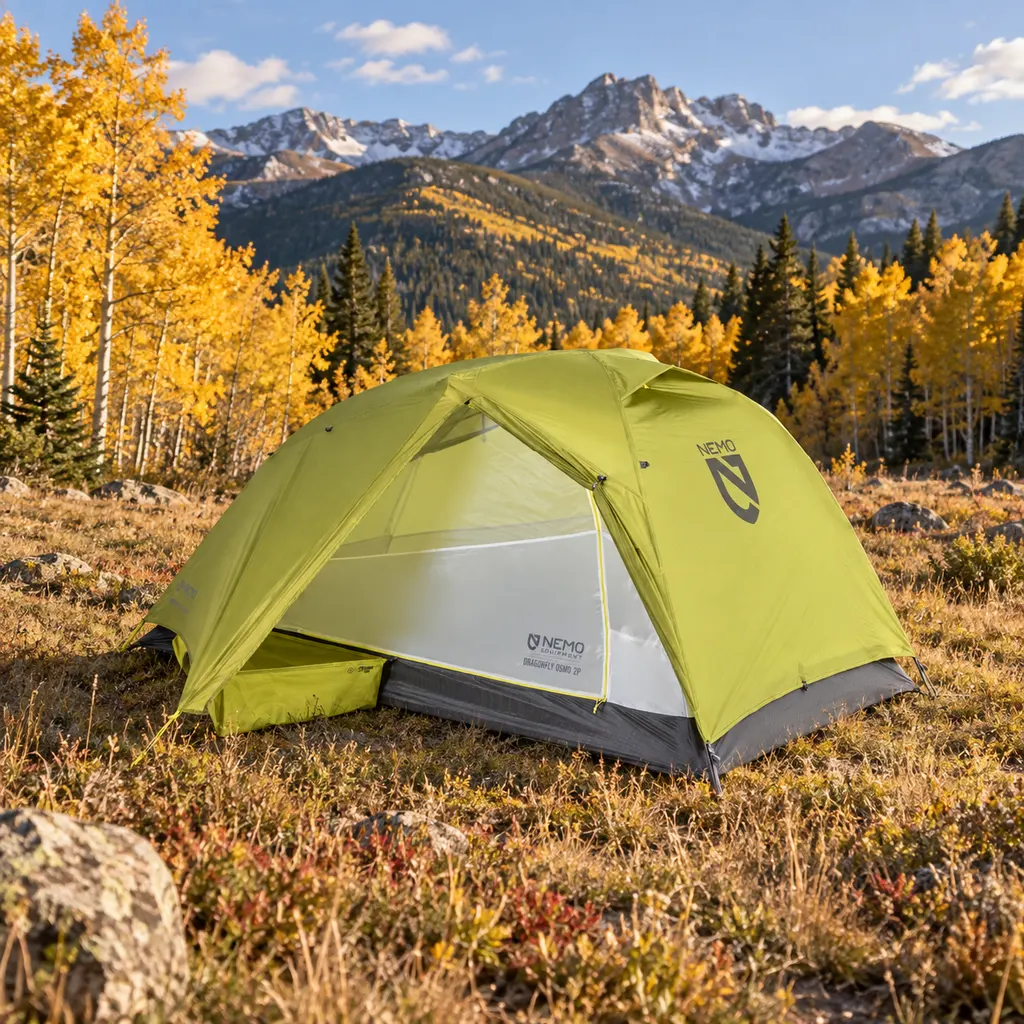
Naturehike Cloud-Up 2: Best Value
The Cloud-Up 2 is the most reviewed proper backpacking tent here, with 2,364 reviews at 4.5 stars, and it comes with a footprint, which most premium tents charge extra for. The listing gives 4.25 pounds without the footprint and a packed size of about 15.7 by 5.1 by 5.1 inches.
The fly is 210T polyester rated to 3000mm with taped seams, and the frame uses 7001 aluminum poles. The interior measures about 82.7 by 49.2 inches with 41.3 inches of headroom, enough for two to sit up. The upgraded version adds a vent above the door to cut condensation.
It is heavier than the premium picks, but at its price it is the easiest way into a real freestanding double wall tent.
Specs That Matter
- Weight: 4.25 lb, without footprint
- Packed: about 15.7 x 5.1 x 5.1 in
- Fly: 210T polyester, 3000mm, taped seams
- Poles: 7001 aluminum
- Includes: footprint
Who It Is For
New backpackers who want a reliable two person tent at a fair price.
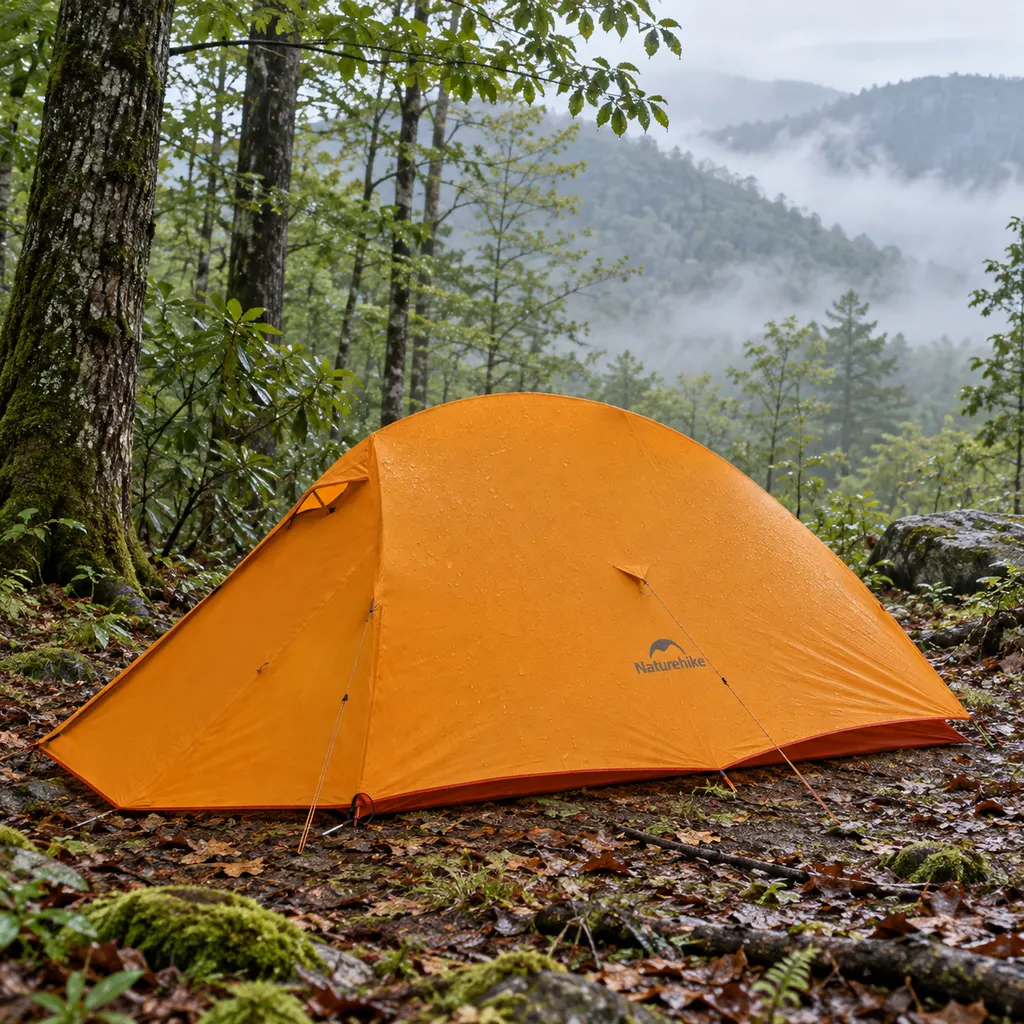
Naturehike Star Trail: Lightest Pack Weight
The Star Trail is the ultralight option, at 2.76 pounds for the two person version according to the listing, packing down to about 17.7 by 5.1 inches. That is a full pound and a half lighter than the Cloud-Up.
The savings come from fabric. The fly is 10D nylon rated to 1500mm and the floor is 20D nylon rated to 3000mm, both much thinner than the polyester on budget tents. A full mesh inner keeps bugs out and moves a lot of air in summer.
Four point four stars across 79 reviews. Thin fabrics need care: use a footprint, clear the site of sticks, and do not expect it to shrug off a long storm the way a heavier tent would.
Specs That Matter
- Weight: 2.76 lb, two person version
- Packed: about 17.7 x 5.1 in
- Fly: 10D nylon, 1500mm
- Floor: 20D nylon, 3000mm
- Inner: full mesh
Who It Is For
Weight conscious hikers on three season trips who will baby their gear.
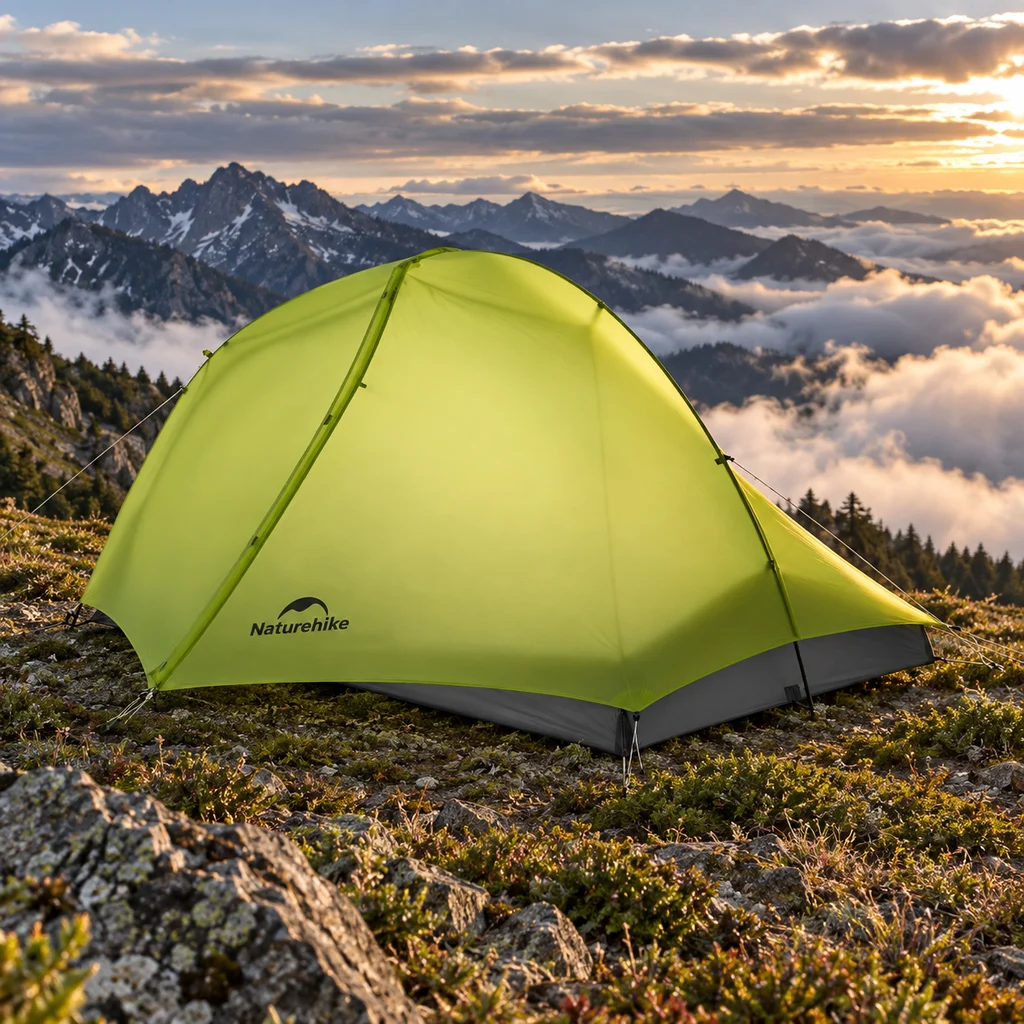
Clostnature Lightweight Tent: Best Budget
Three thousand and twenty one reviews at 4.5 stars makes the Clostnature the most bought tent on this list. The listing gives a total of 5.29 pounds, or 4.52 pounds at minimum trail weight with just the fly, inner and poles.
For the money the spec sheet is generous: a polyester fly and bathtub floor with a PU 5000 coating and factory sealed seams, two aluminum poles, a full mesh inner, and two D shaped doors with two vestibules. The interior is about 7 feet 3 inches by 4 feet 11 inches with 3 feet 10 inches of height.
It is the heaviest tent here, but it is freestanding, quick to pitch and roomy, which makes it a sound first tent or a spare for friends.
Specs That Matter
- Weight: 5.29 lb total, 4.52 lb minimum
- Fly and floor: polyester, PU 5000
- Doors: two, with two vestibules
- Size: about 7 ft 3 in x 4 ft 11 in
- Poles: two aluminum
Who It Is For
Budget buyers and anyone who values space and waterproofing over weight.
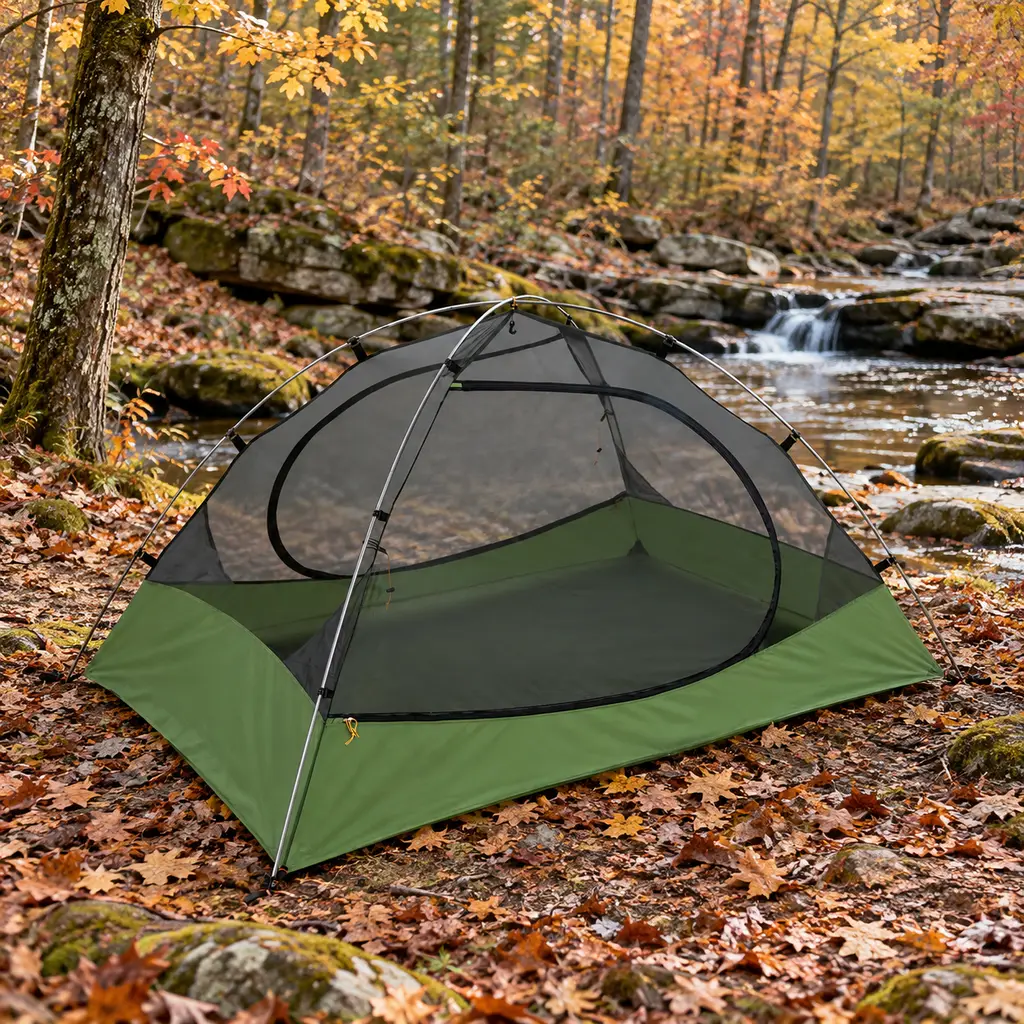
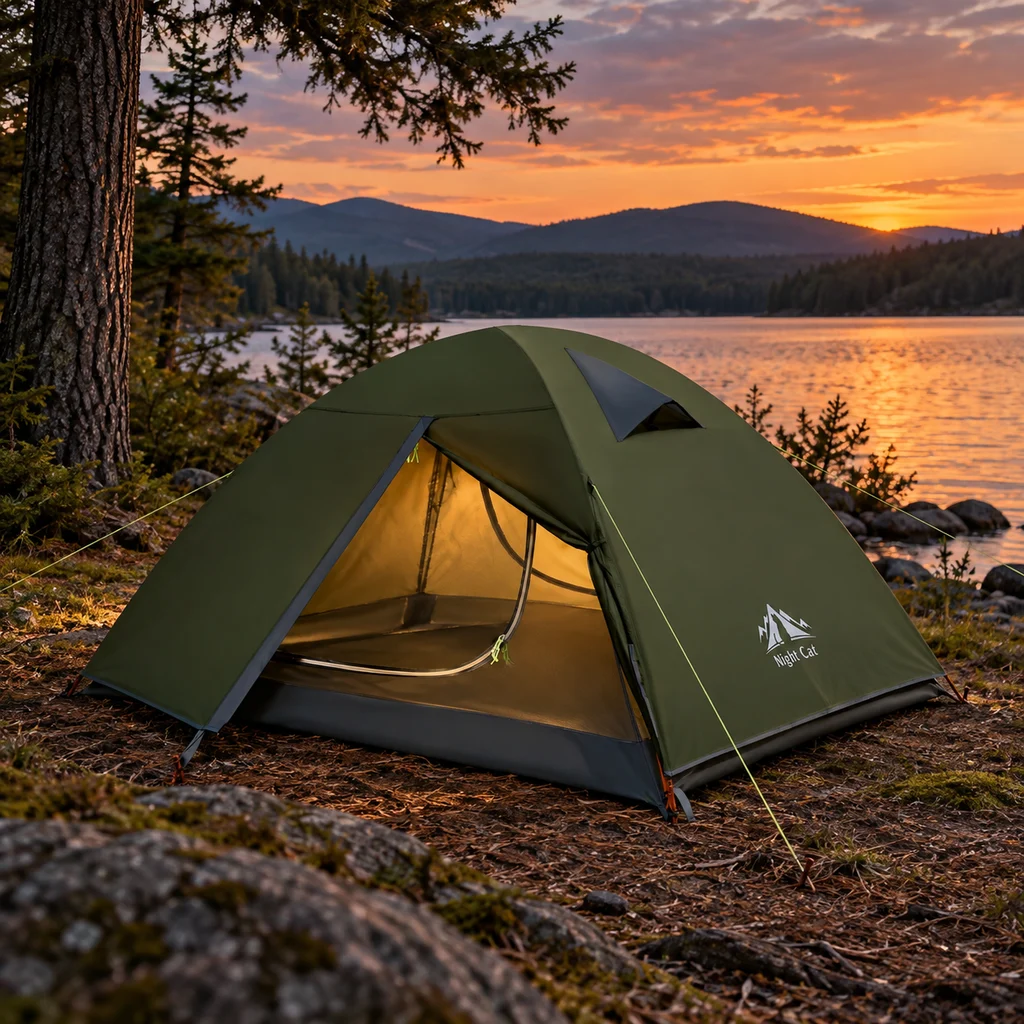
Night Cat 2 Person: Best First Tent
The Night Cat is designed for easy solo setup, with two lightweight aluminum poles and a pitch the listing says takes about three minutes. That makes it a good choice for anyone who has never pitched a tent in the dark.
It has a full coverage rainfly, a welded waterproof floor and seam taped construction rated to 3000mm, two D shaped doors, dual vestibules and interior storage pockets. The interior is about 6.8 by 4.6 feet with 3.6 feet of height.
Four point five stars across 322 reviews. The listing does not give a trail weight, so treat it as a comfortable rather than an ultralight tent.
Specs That Matter
- Poles: two aluminum
- Waterproofing: 3000mm, taped seams, welded floor
- Doors: two D shaped, dual vestibules
- Size: about 6.8 x 4.6 x 3.6 ft
- Reviews: 4.5 stars, 322
Who It Is For
First time backpackers and couples doing shorter trips.
How to Choose the Right Backpacking Tent
For Long Trips and Thru Hikes
Weight and livability matter most when you sleep in a tent for weeks. The Big Agnes Copper Spur HV UL or the NEMO Dragonfly OSMO are the picks. Pair either with a light quilt or bag from our list of the best backpacking sleeping bags and a pad from our sleeping pad guide.
For Weekend Trips
The Naturehike Cloud-Up 2 is the sweet spot: freestanding, footprint included and light enough for two or three nights. For fall trips, read our guide to cold weather backpacking and expect more condensation as nights cool.
For a First Tent on a Budget
The Clostnature or the Night Cat. Both are roomy and easy to pitch, and the weight penalty matters less on short trips. Practice pitching in the yard before your first night out, and check our tips on camping in the rain before you need them.
What the Specifications Mean
Denier and Fabric
Denier measures the thickness of the yarn. A 10D fly is very thin and light; 20D to 40D floors trade a little weight for durability. Ripstop weaves add a grid of stronger threads that stop small tears spreading. Nylon is lighter and stronger; polyester stretches less when wet and is cheaper.
Waterproof Ratings
The millimeter figure is a hydrostatic head rating: the height of a column of water the fabric resists. 1500mm is fine for a fly that sheds water, 3000mm is solid, and floors need higher numbers because you kneel on them. Taped or sealed seams matter as much as the fabric rating.
Trail Weight Against Packed Weight
Minimum trail weight counts only the fly, inner and poles. Packed weight includes stakes, guylines, stuff sacks and sometimes a footprint. Compare the same number across tents, and expect to carry somewhere near the packed figure.
Floor Area and Peak Height
A two person tent typically measures about 80 to 88 inches long and 45 to 52 inches wide. Narrow floors fit two standard pads with nothing to spare. Peak height decides whether you can sit up to change, which matters more on long rainy days than any spec on the box.
Pitching and Caring for Your Tent
Pick a flat, durable site at least 200 feet from water when regulations allow, following Leave No Trace principles. Clear sticks and stones, lay the footprint so it does not stick out beyond the fly, and orient the narrow end toward the wind.
Stake the corners first, then the fly, then guy out the sides. A taut fly sheds rain and wind and stays off the inner tent. Open the vents even on cold nights; condensation comes from your own breath, and airflow is the only cure.
At home, always dry the tent fully before storing it, loosely rather than tightly packed. Mold can ruin a tent in a week. Our guide to storing camping gear covers the details, and water treatment is covered in our guide to how to purify water backpacking.
Frequently Asked Questions
How much should a backpacking tent weigh?
For two people, under three pounds is ultralight and three to four and a half pounds is typical. Split between two hikers, even a four pound tent is only two pounds each.
Do I need a footprint?
With thin ultralight floors, yes, or at least a cheap groundsheet. It protects the floor from abrasion and punctures and is much cheaper to replace than the tent.
Freestanding or non freestanding?
Freestanding tents are easier, pitch on rock and platforms, and can be moved once set up. Non freestanding and trekking pole tents save weight but need good stakes and practice.
Is a one person tent worth it?
For solo hikers who count every ounce, yes. Many solo backpackers still prefer a two person tent for the extra room for gear on rainy days.
How do I stop condensation?
Open the vents, pitch away from lakes and low hollows where cold, damp air settles, keep wet gear in the vestibule and wipe the inner walls in the morning.
For most backpackers the Big Agnes Copper Spur HV UL tops our list of the best backpacking tents, while the Naturehike Cloud-Up 2 is the best value and the Clostnature the best tent on a tight budget. Whichever you pick, pitch it at home once before your first trip. Planning a bike trip instead? See our guide to the best bikepacking tents, and pack a filter from our list of the best backpacking water filters.
Discover more from Maive Verse
Subscribe to get the latest posts sent to your email.