

This post may contain affiliate links. If you buy through them, we may earn a small commission at no extra cost to you.
The best hiking boots for autumn are not the burliest ones on the shelf. Fall trails in most of the country mean cold mornings, wet leaf litter, mud that was dust in July, and days short enough that you finish in the dark. That calls for grip on slick ground, a waterproof layer you can live with, and a boot light enough to still feel good on mile ten.
Below are six of the best hiking boots genuinely stocked on Amazon right now, chosen for distinct jobs rather than ranked one through six. Ratings and review counts were checked at the time of writing. If you are not sure which category you belong in yet, read our guide to choosing hiking boots first and then come back to this list.
What Separates the Best Hiking Boots From the Rest
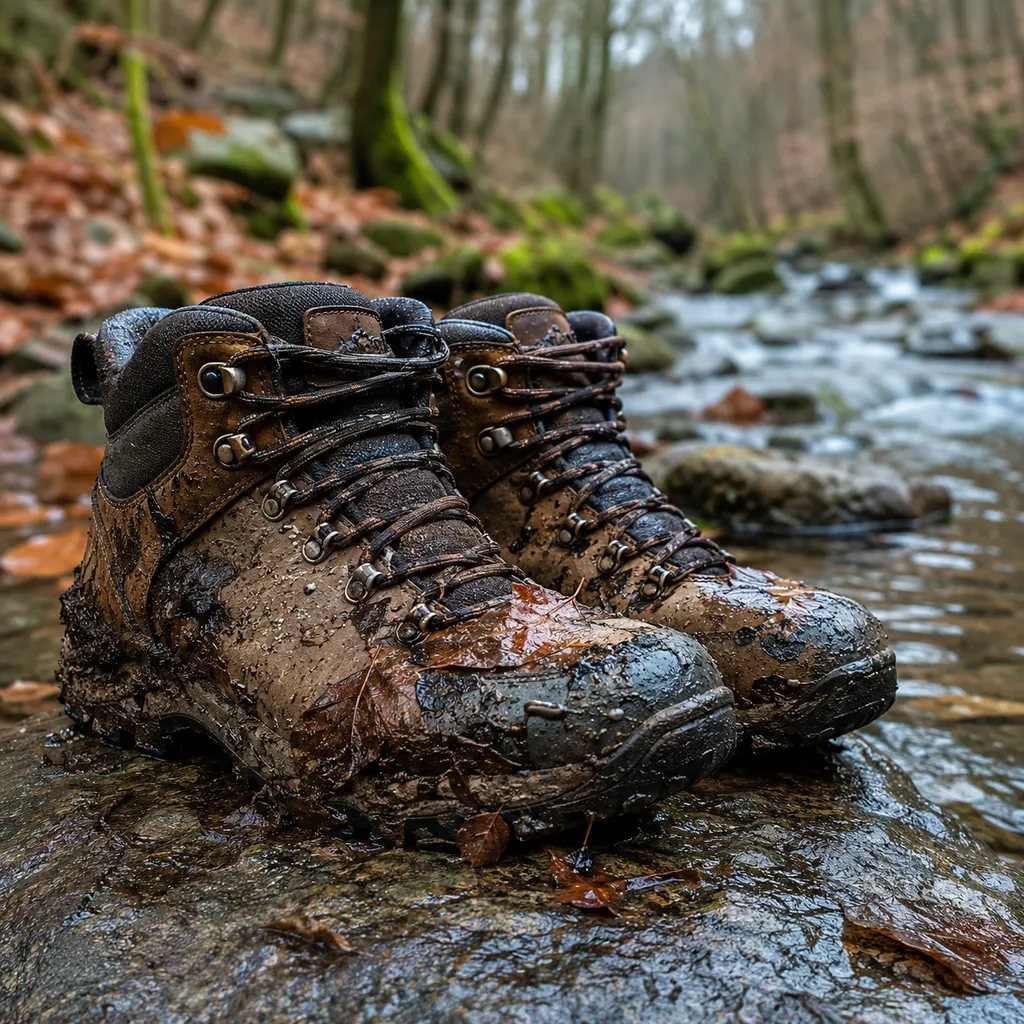
Four things decide whether a boot is worth its shelf space in October.
- Traction on wet rock and leaves. Lug depth matters less than rubber compound. Vibram Megagrip and similar soft compounds hold on wet stone where a hard, cheap rubber skates.
- Waterproofing that breathes. A membrane is worth it in autumn. In August heat it is a liability, which is why the same boot is not right all year.
- Heel hold. The single best predictor of a blister free day, and the thing a review photo can never show you.
- Warmth once you stop. Autumn descents finish cold, so pair boots with the layers in our hiking outfit guide.
- Weight you will actually carry. Every extra ounce on the foot costs more energy than the same ounce in the daypack.
The Six Picks at a Glance
A quick side by side before the detail, so you can rule out four of them fast.
| Boot | Upper | Waterproof | Cuff | Best for |
|---|---|---|---|---|
| Merrell Moab 3 Mid | Pigskin leather and mesh | Yes, membrane | Mid | All round day hiking |
| Columbia Newton Ridge Plus II | Suede leather and mesh | Yes, membrane | Mid, 5 inch shaft | Best value |
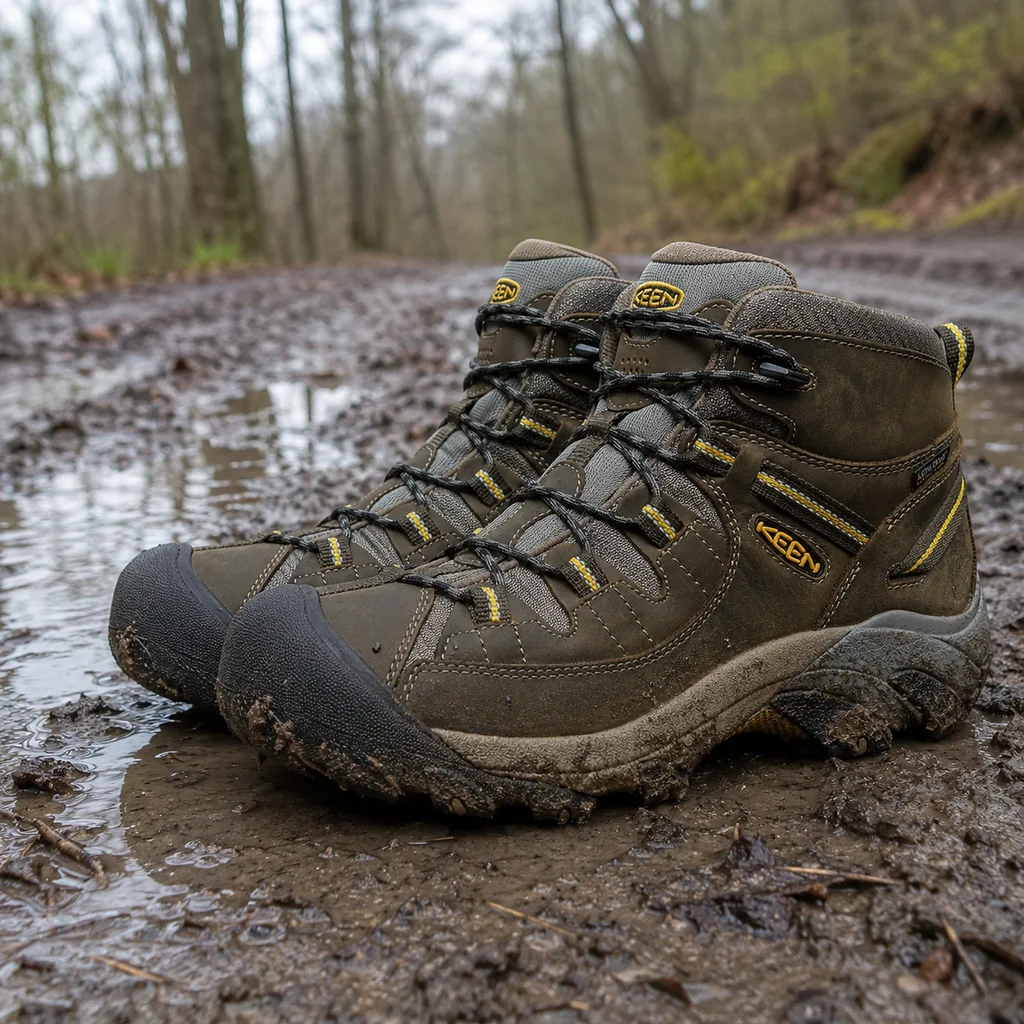
| KEEN Targhee II Mid | Leather and mesh | Yes, KEEN.DRY | Mid, 4 inch shaft | Wide feet and mud |
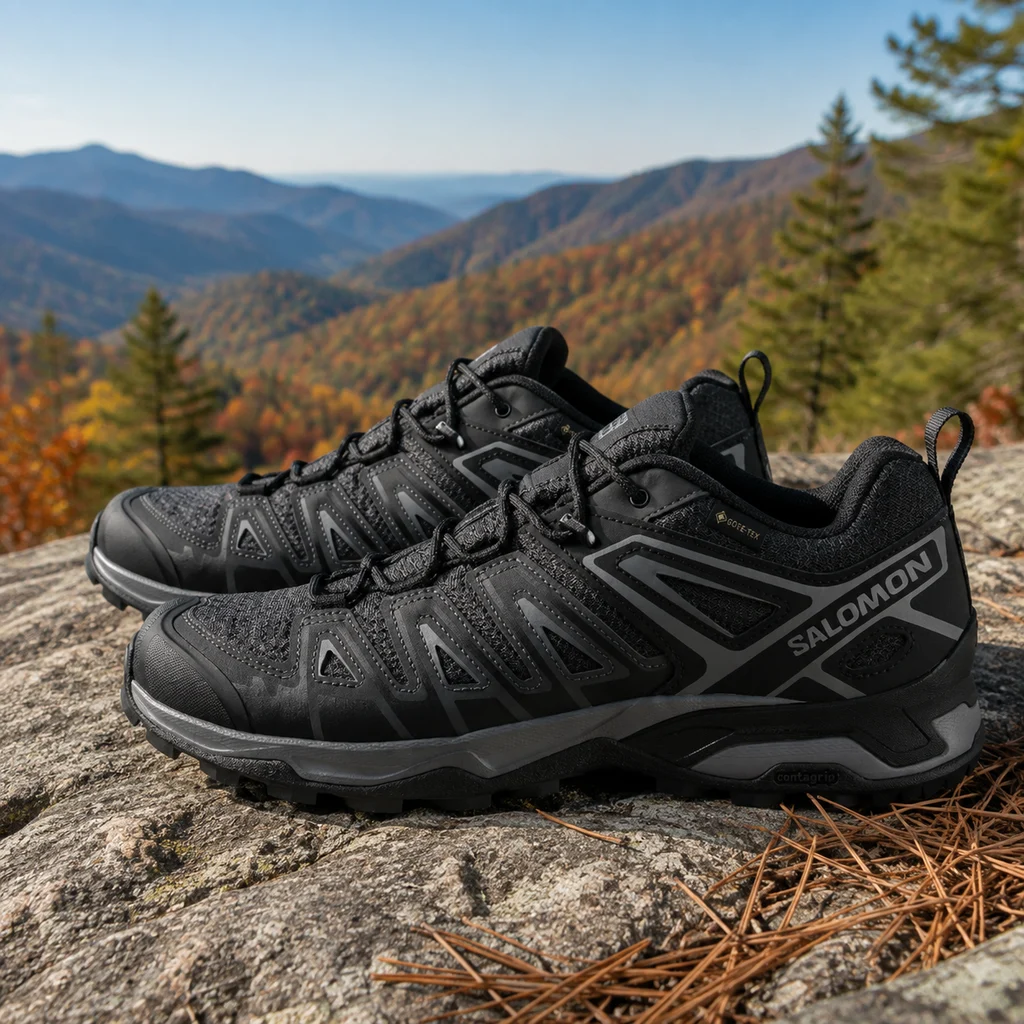
| Salomon X Ultra Pioneer Mid | Synthetic mesh | Yes, GORE-TEX | Mid, low profile | Fast, light miles |
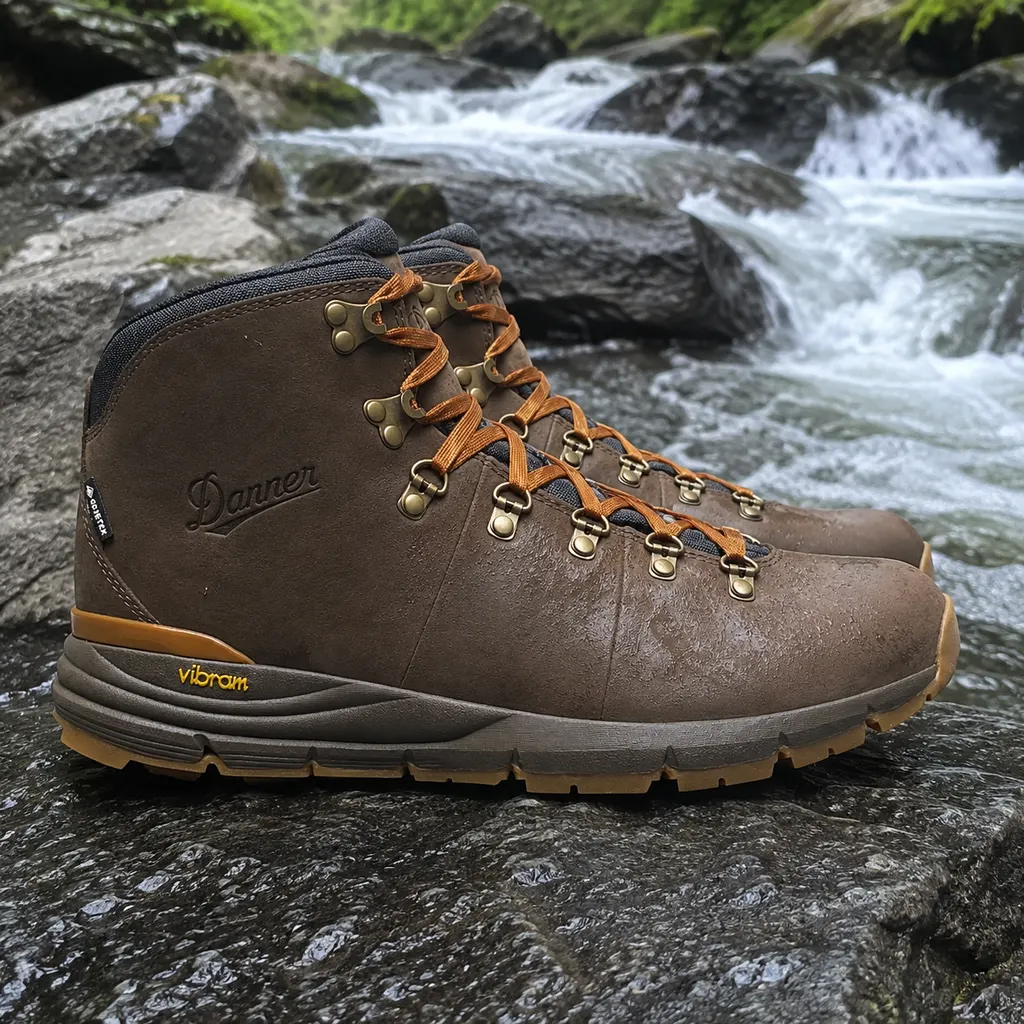
| Danner Mountain 600 | Suede leather | Yes, Danner Dry | Mid, 4.5 inch | Wet rock and all day comfort |
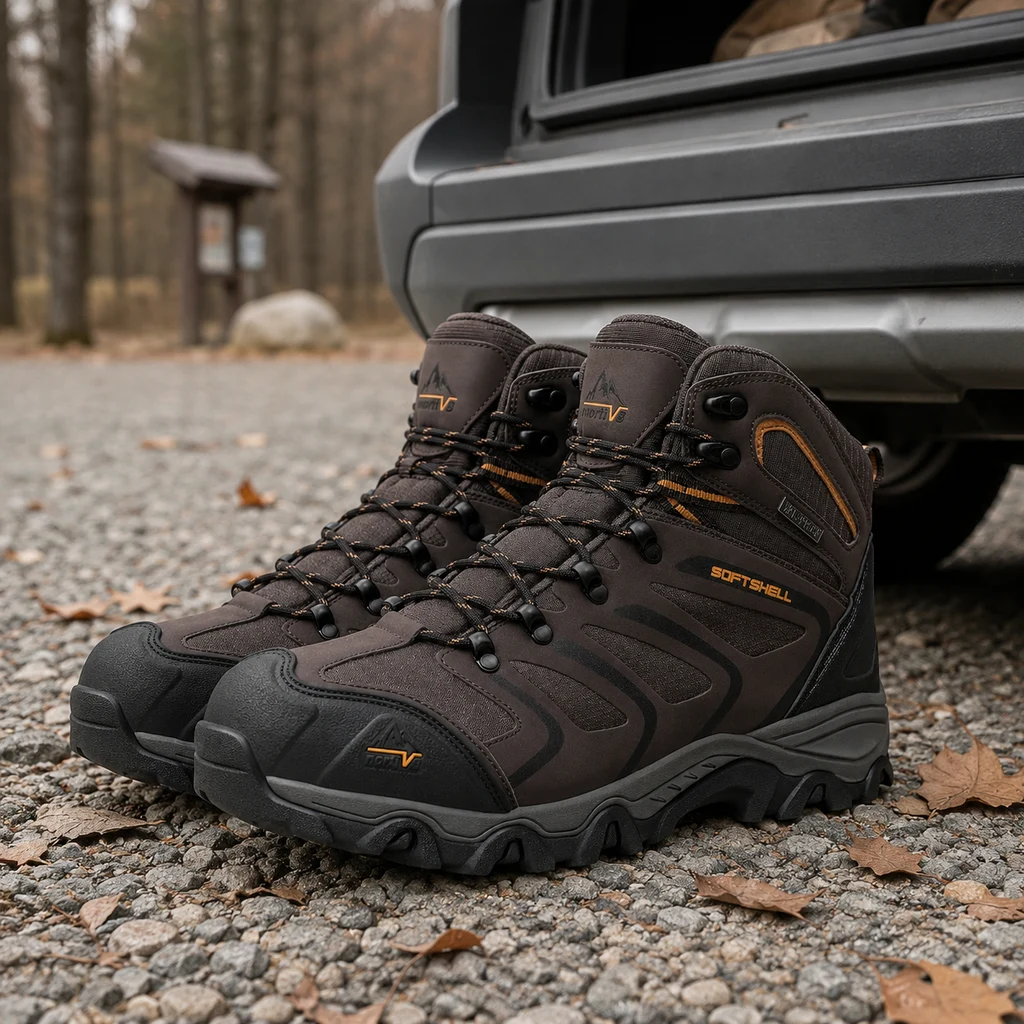
| NORTIV 8 Waterproof | Fabric and synthetic | Yes | Ankle height | Tightest budget |
The Six Boots in Detail
Merrell Moab 3 Mid Waterproof: Best Overall
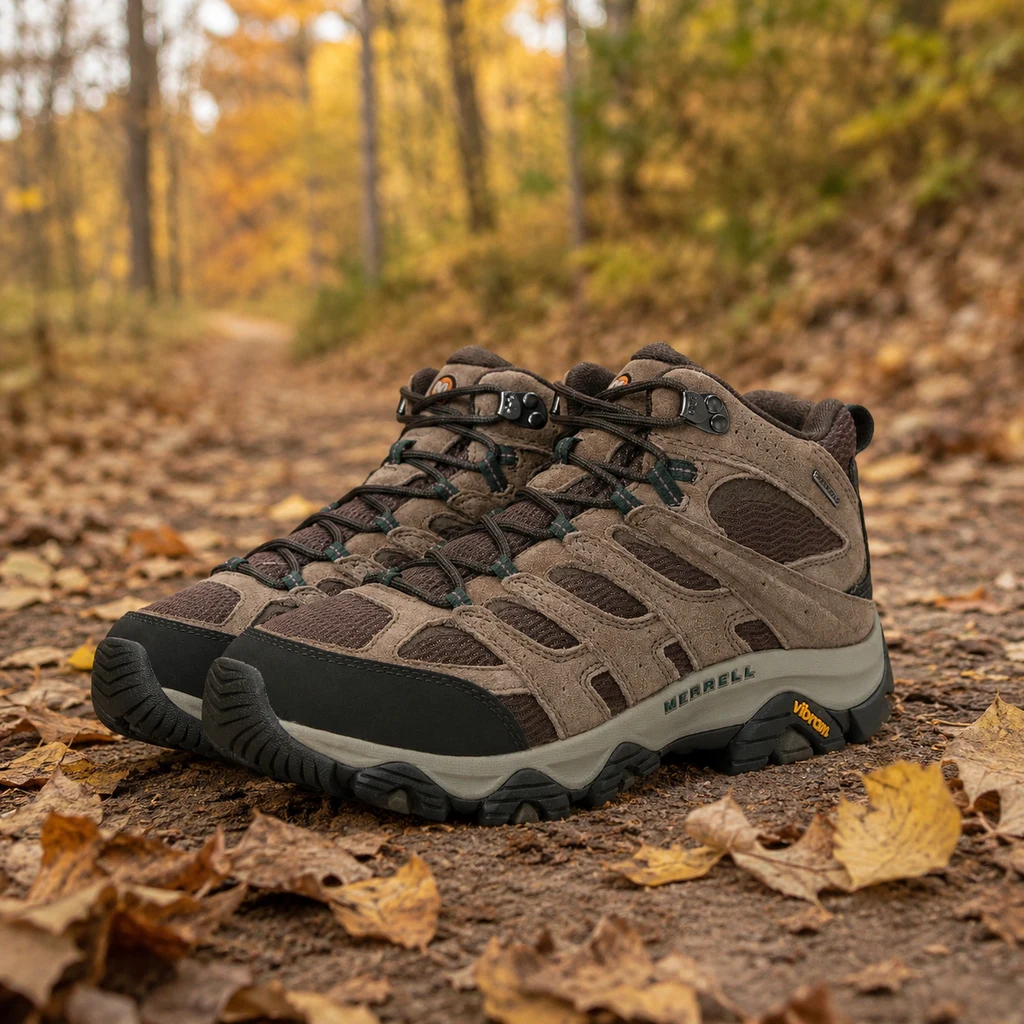
The Moab has been the default answer to this question for over a decade, and the third version keeps the reason why: it fits a huge range of feet straight out of the box. The upper is pigskin leather with mesh panels, sealed with a waterproof membrane, and there is a bellows tongue to keep grit out and a rubber toe cap for the rocks you will kick.
Underfoot it runs a Vibram TC5+ outsole and a Kinetic Fit footbed over an air cushion heel, which is a comfortable rather than aggressive setup. It is not the boot for scrambling or heavy loads, but for a fall day hike with a light pack it is hard to argue with. Rated 4.5 stars across more than five thousand ratings.
Who It Is For
Anyone buying one pair of boots for general day hiking who does not want to think about it too hard.
Columbia Newton Ridge Plus II Waterproof: Best Value
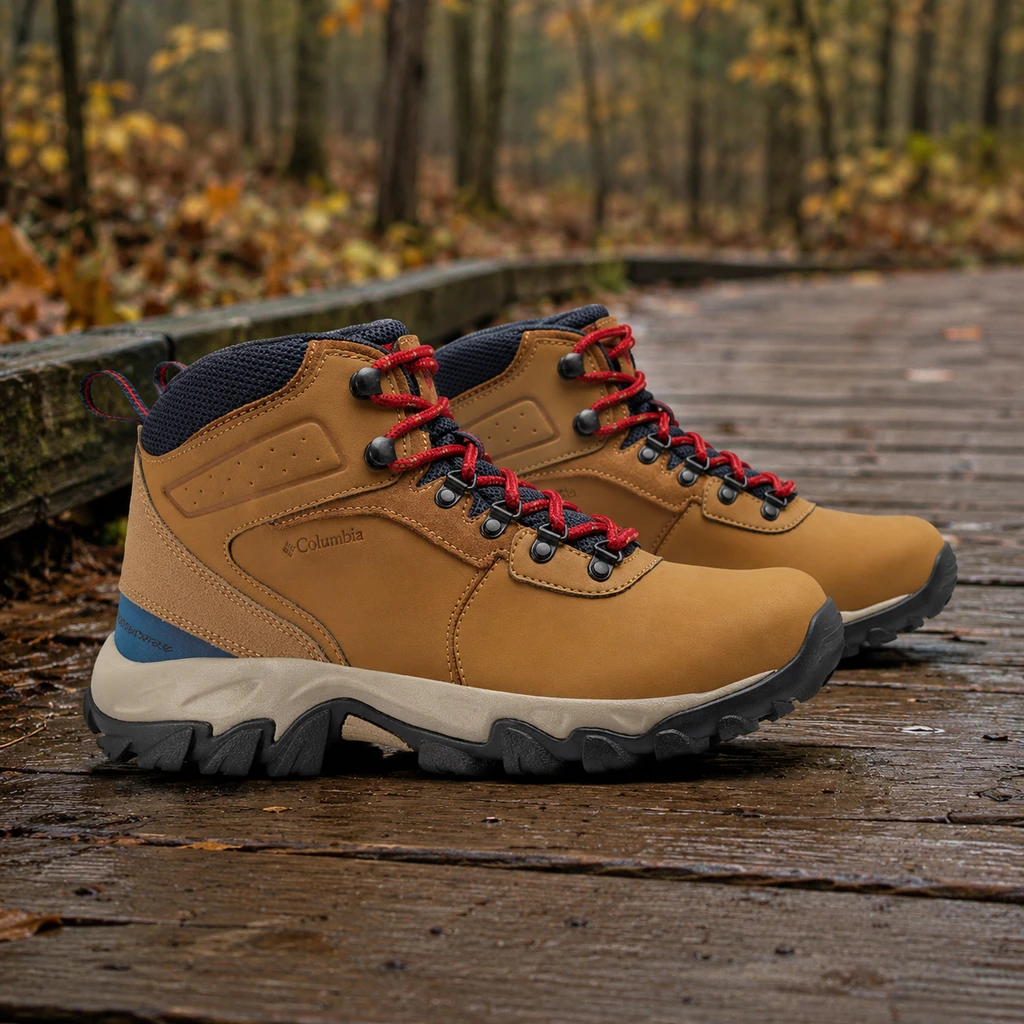
With more than thirty seven thousand ratings at 4.5 stars, this is one of the most bought hiking boots in the country, and it earns that with a proper suede leather and mesh bootie build rather than a plastic imitation of one. Metal lace hooks, a five inch shaft and a waterproof membrane put it well ahead of what the price band usually delivers.
The outsole is Columbia Omni-Grip, which uses a dual zone tread that behaves well on wet ground and packed snow. The midsole is lighter than the leather upper suggests. It is a little less refined than the premium boots here and the break in is longer, but on pure value for a first pair, nothing on this list beats it.
Who It Is For
First time buyers, occasional hikers, and anyone who wants leather without the premium tag.
KEEN Targhee II Mid Waterproof: Best for Wide Feet
KEEN builds on a famously roomy last, and the Targhee is the boot people land on after two narrow pairs have wrecked their toes. The waterproofing is the KEEN.DRY membrane, and the upper mixes premium leather with breathable mesh over a quick dry lining, so it recovers reasonably fast after a stream crossing.
The traction story is the strong part: KEEN ALL-TERRAIN rubber with four millimetre multi directional lugs, which is real mud grip rather than a shallow decorative tread. There is an external support shank, a bruise plate under the forefoot and a removable arch supporting footbed. At 4.2 stars over thirteen thousand ratings it is the most polarising boot here, and almost all of that comes down to sizing, so measure carefully.
Who It Is For
Hikers with wide or high volume feet, and anyone who hikes in mud more than on dry rock.
Salomon X Ultra Pioneer Mid GORE-TEX: Best Lightweight
If your idea of a good day is covering ground quickly, the X Ultra Pioneer is the one to look at. It is built on the running shoe side of the family, with a synthetic mesh upper, a low profile mid cuff and a GORE-TEX membrane, so it feels far less like armour than the leather boots above.
Grip comes from Salomon All Terrain Contagrip, which is confident on dry rock and holds well enough on wet. The tight mesh keeps trail debris out without a heavy gusset. The trade is durability: mesh scuffs faster than suede, so this is a boot for trails rather than for off trail thrashing. It sits at 4.4 stars over nineteen hundred ratings.
Who It Is For
Fast day hikers, trail runners moving up to boots, and anyone who hates heavy footwear.
Danner Mountain 600: Best for Wet Rock
The Mountain 600 is the most comfortable boot on this list on a long day, and the highest rated at 4.6 stars. The suede upper sits over a Danner Dry waterproof barrier, and it ships with two sets of laces, which is a small thing that says a lot about who it is built for.
The outsole is the reason to buy it. Vibram SPE with a Megagrip compound and self adapting lugs is the best wet rock rubber here by a clear margin, which matters more in autumn than in any other season. Inside there is a triple density OrthoLite footbed over a rubberised EVA midsole. At about one and a fifth pounds it is not heavy for what it is, and the styling survives being worn off the trail.
Who It Is For
Hikers on slick granite, creek beds and rainy shoulder season trails who want all day comfort.
NORTIV 8 Waterproof Hiking Boots: Best Budget
Sitting at number two in Amazon Men’s Hiking Boots with over twenty three thousand ratings at 4.4 stars, this is the boot people buy when a name brand is not in the budget. The upper is a fabric and synthetic mix with a waterproof treatment, on an EVA and rubber sole unit with removable cushioned insoles.
Set expectations correctly and it delivers. The cushioning is softer than the premium boots and the upper will not take years of scree, but for a few well graded hikes a season, or as a spare pair to keep in the car, it does the job. Many buyers also use it for yard work and hunting, which tells you how durable the outsole is relative to the price.
Who It Is For
Tight budgets, occasional hikers, and anyone who needs a second pair to leave in the trunk.
How to Choose Between These Six
The best hiking boots are the ones matched to the day you actually have planned, so skip the ranking argument. Check the forecast with a trail weather app the night before, because the ground condition decides this more than the trail rating does.
Graded Trails and a Light Pack
The Moab 3 or the X Ultra Pioneer. Both are comfortable immediately and neither punishes you on a flat return leg. Pair either with a well fitted day pack and you have covered most autumn hiking in the United States.
Mud, Creek Crossings and Wet Rock
The Targhee II for mud, the Mountain 600 for rock. Deep lugs clear soft ground and soft compound rubber sticks to hard ground, and no single sole does both perfectly. Wet weather also changes what you wear above the ankle, which our hiking outfit guide covers.
Buying on a Budget
The Newton Ridge Plus II if you can stretch, the NORTIV 8 if you cannot. The Columbia gives you real leather and a better outsole for a modest step up, and it will outlast the cheaper boot by a wide margin.
Sizing and Fit Notes for These Boots
Boot lasts vary more between brands than between sizes, so treat your street size as a starting guess only. New hikers should read the beginner hiking guide alongside this, because fit problems usually show up as fatigue rather than as pain.
- KEEN runs wide and roomy through the forefoot. Narrow feet often need to size down or add a volume reducing insole.
- Salomon runs narrow and snug, in line with its running shoe roots.
- Merrell and Columbia sit in the middle and suit an average width foot.
- Danner runs slightly long, so trying the half size down is worth it.
- Try boots on in the evening with hiking socks, and check heel lift before you check toe room.
The full method, including the downhill toe test that catches most sizing errors, is in our boot fitting walkthrough. The REI guide to boot construction is a useful second opinion on lasts and shanks.
Making Them Last More Than One Season
Autumn is hard on footwear. Even the best hiking boots come home stained with leaf tannin, ground down at the flex points and caked in mud. Five minutes of care after each hike roughly doubles the useful life of a pair, and it matters more if you hike