
Master your mission with the ultimate bikepacking gear list. Discover 11 essentials for 3-day wilderness trips, including technical pros, cons, and packing tips.
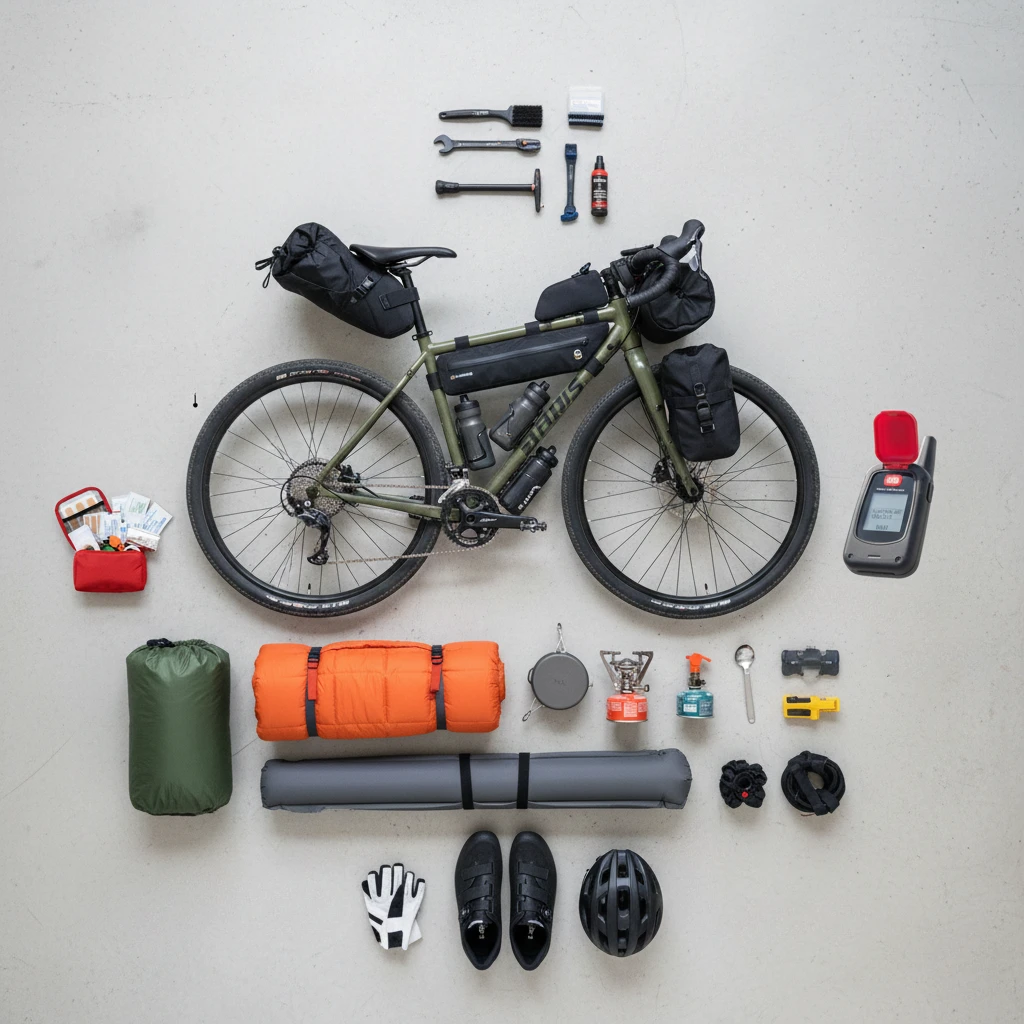
Table of Contents
Introduction: The Technical Goal of 3-Day Self-Sufficiency
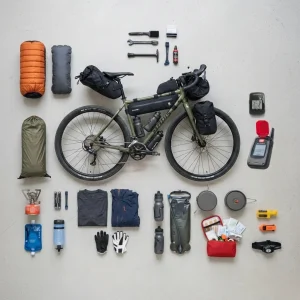
Developing an ultimate bikepacking gear list is a prerequisite for any successful multi-day wilderness expedition. Unlike a standard day ride, a 3-day adventure demands a rigorous balance between weight, volume, and mechanical utility. Every item carried must contribute to the rider’s safety, thermal regulation, or mechanical survival. For those who have already reviewed the foundational Bikepacking for Beginners Guide, this gear list represents the next level of technical preparation.
The primary challenge of a 3-day itinerary is managing caloric intake and hydration while maintaining a bike that remains maneuverable on technical trails. High-quality technical equipment is designed to distribute weight across the frame to preserve the bike’s natural handling characteristics. This list focuses on high-performance solutions that have been vetted for long-distance reliability. Self-sufficiency in remote terrain requires gear that is both durable and minimalist. Transitioning to multi-day trips is a calculated process that begins with a standardized wilderness packing protocol.
1. The Core Platform: Adventure-Ready Frames and Tires
The first entry on any ultimate bikepacking gear list is the bicycle itself, specifically optimized for loaded travel. The frame must provide enough mounting points for cages and bags without compromising the rider’s posture. Mechanical stability is paramount when navigating unpaved forest service roads or rugged singletrack. Tire selection is the primary factor in traction and vibration dampening over 72 hours of continuous riding. For more on selecting a frame, see our Selecting the Ideal Bicycle section.
Technical Tire Selection for Wilderness Terrain
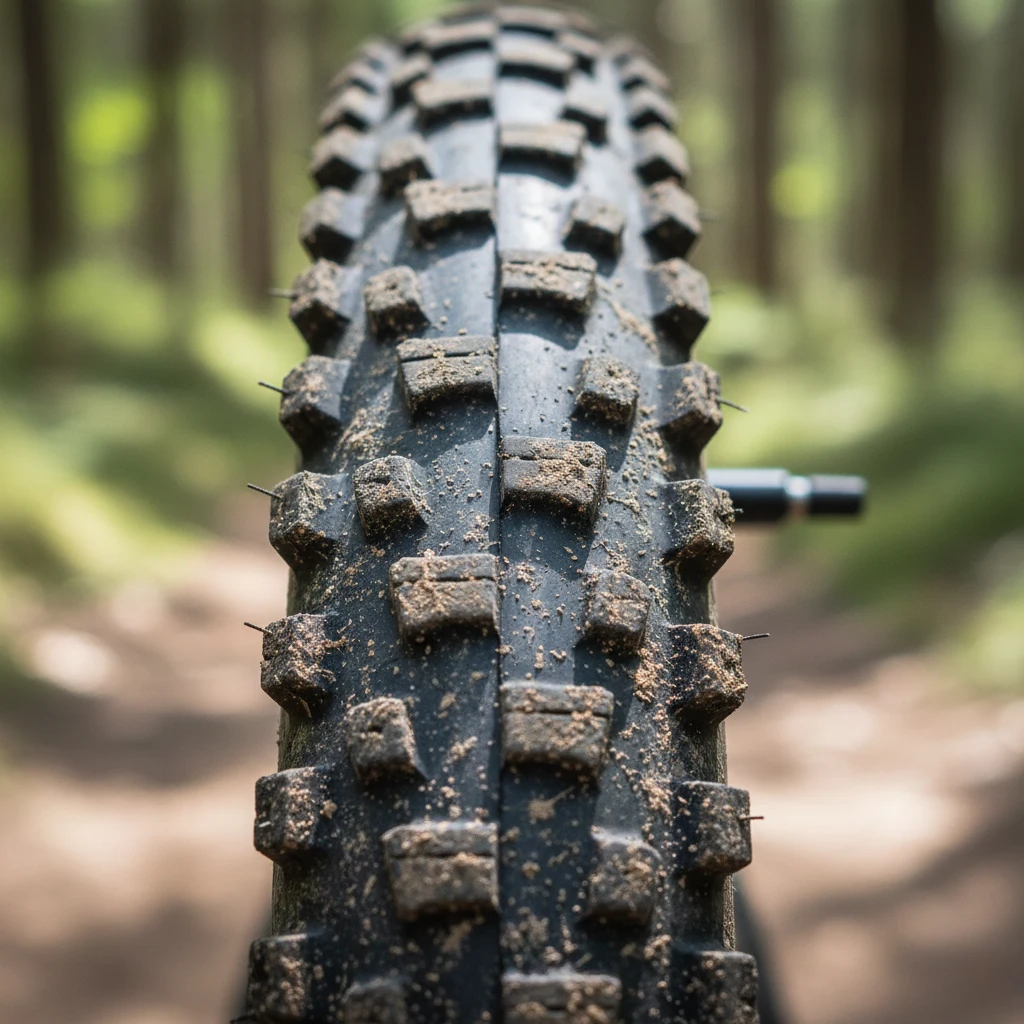
For a 3-day trip, tires with a width between 2.1 and 2.4 inches offer the best balance of speed and flotation. Low-profile center knobs reduce rolling resistance on hardpack, while aggressive side knobs provide security in corners. Utilizing a tubeless setup is a mandatory safety measure for remote travel. This system allows the tires to seal small punctures automatically, preventing the need for frequent trailside repairs. High-volume tires also protect the rims from impact damage on rocky terrain.
2. Technical Bag Systems for Optimal Weight Distribution
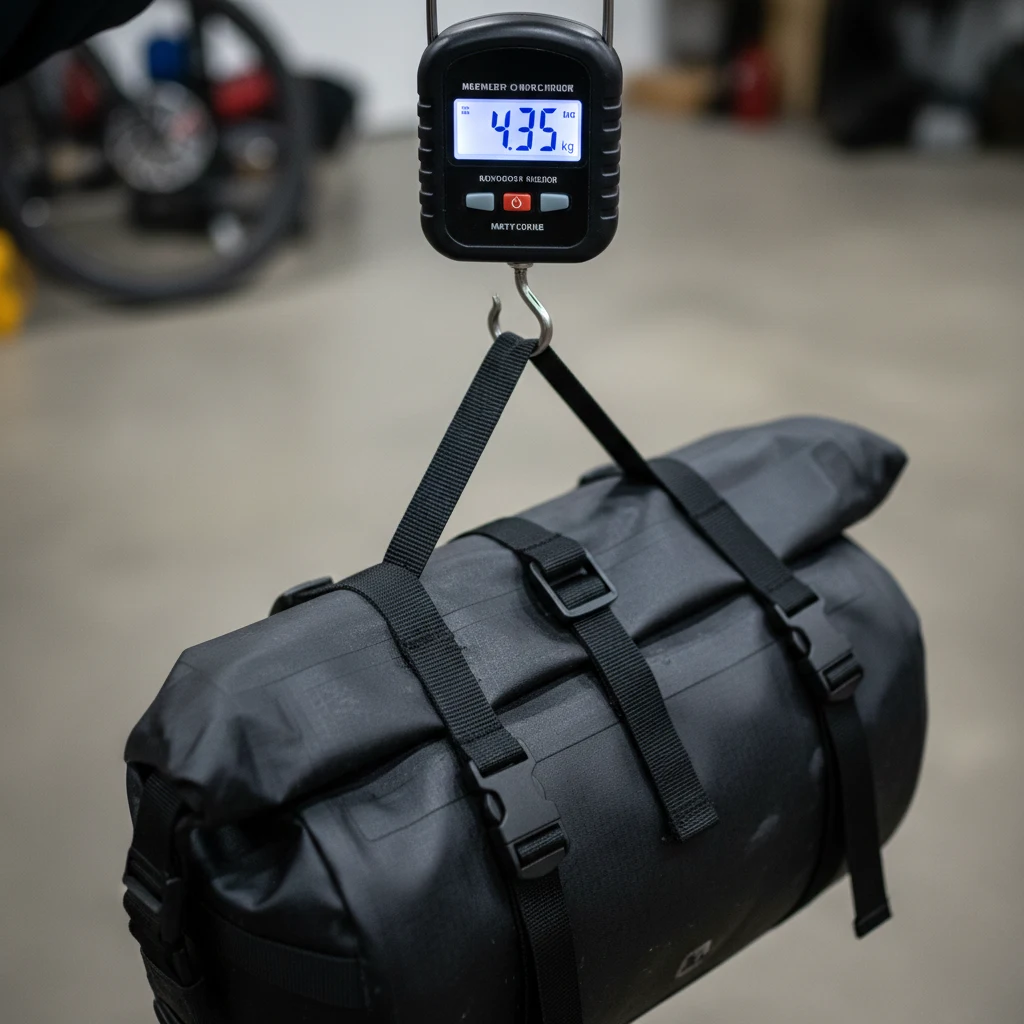
The bag system is the “organs” of the ultimate bikepacking gear list, dictating how the load is carried. Soft-sided bags that attach directly to the frame are superior to traditional racks for off-road use. This setup minimizes mechanical failure points and prevents the load from rattling loose over high-frequency vibrations. Strategic packing ensures that the bike remains balanced during steep climbs and rapid descents.
Recommendation: Revelate Designs Terrapin System 14L
- Key Features: Dual-purpose dropper-post compatible, waterproof drybag, rigid mount.
- Pros: Eliminates “tail wag” sway; 100% waterproof for river crossings; incredibly durable.
- Cons: Heavier than minimalist bags; requires 5 inches of tire clearance.
- Check Price Here: Revelate Designs Terrapin 14L
Technical Bag Mounting Protocols
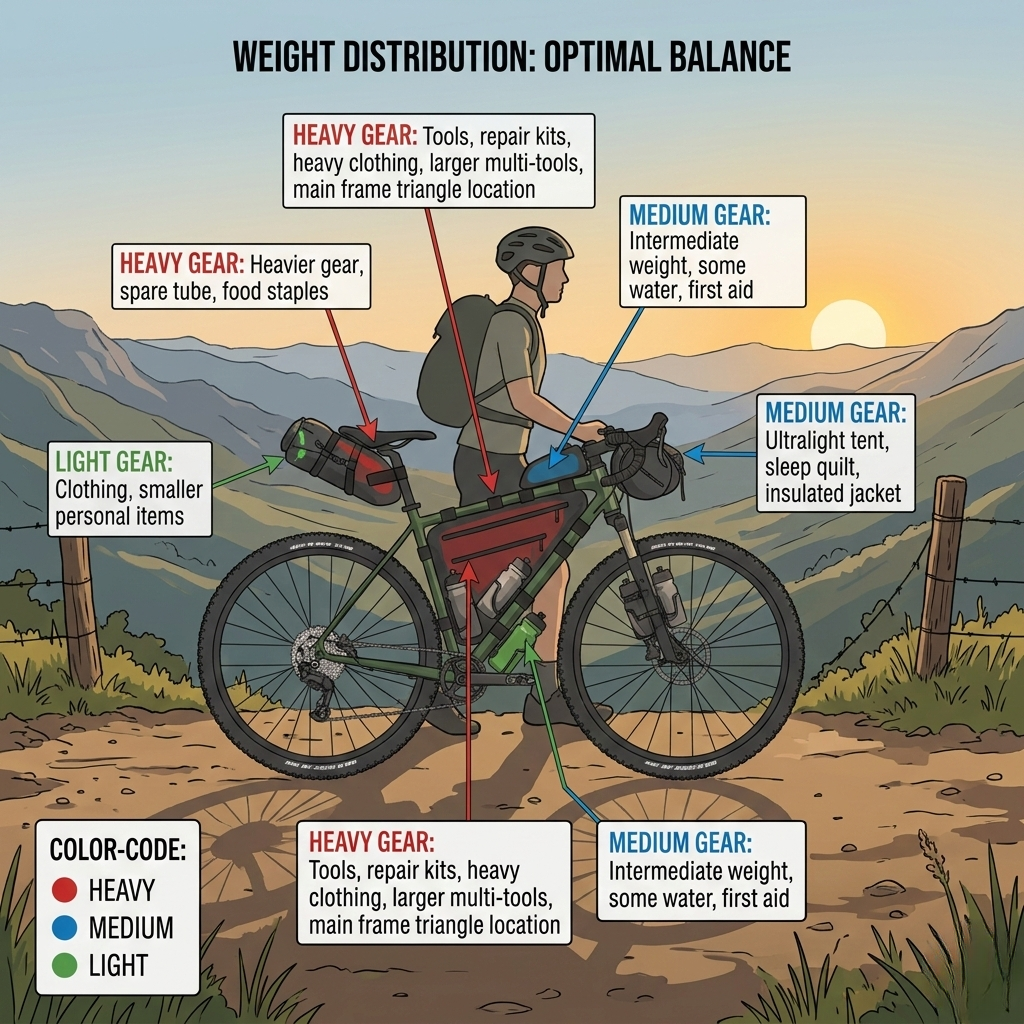
Strategic mounting requires centering the mass between the two wheels. The frame bag should hold the heaviest items to keep the center of gravity low. The seat pack and handlebar roll should contain the lightest, most voluminous gear. For insights into custom bag sizing, Rockgeist provides excellent technical resources. Proper attachment ensures a silent and efficient ride over Variable Terrain.
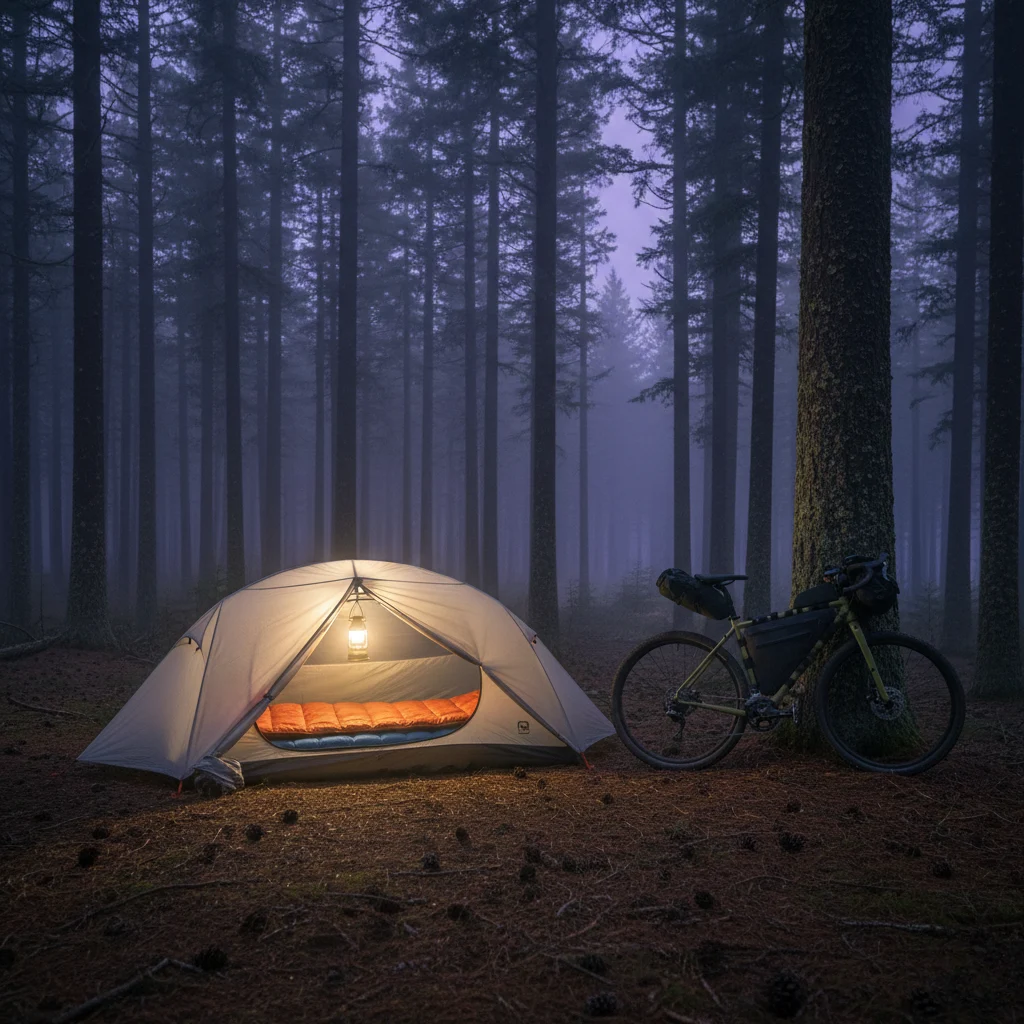
3. The 3-Day Sleep System: Ultralight Shelters
A restorative sleep system is critical for physical recovery during a 3-day mission. The ultimate bikepacking gear list prioritizes equipment that packs down to a volume of less than 5 liters. This allows the gear to fit within the narrow constraints of a handlebar roll. The choice of shelter depends on the expected bug pressure and humidity levels of the wilderness area. High-performance fabrics like Dyneema offer significant weight savings.
Recommendation: Big Agnes Fly Creek HV UL1 Bikepack
- Key Features: Shortstik poles for easy packing, integrated helmet storage, waterproof solution-dyed fabric.
- Pros: Fits perfectly between drop bars; easy one-pole setup; great internal organization.
- Cons: Fragile floor requires a groundsheet; cramped for riders over 6 feet.
- Check Price on Amazon: Big Agnes Fly Creek HV UL1
Bivys vs. Tents for Fast Packing
For minimalist riders, a bivy sack or a tarp system offers the lowest possible weight. A bivy provides a waterproof barrier and can be set up in very tight spaces. Tarps offer excellent ventilation but require more skill to pitch correctly. For technical guidance on pitching tarps, refer to the MSR Shelter Guide. This setup is ideal for fast-and-light missions where every gram counts on your ultimate bikepacking gear list.
4. Thermal Management: High-Loft Quilts and Pads
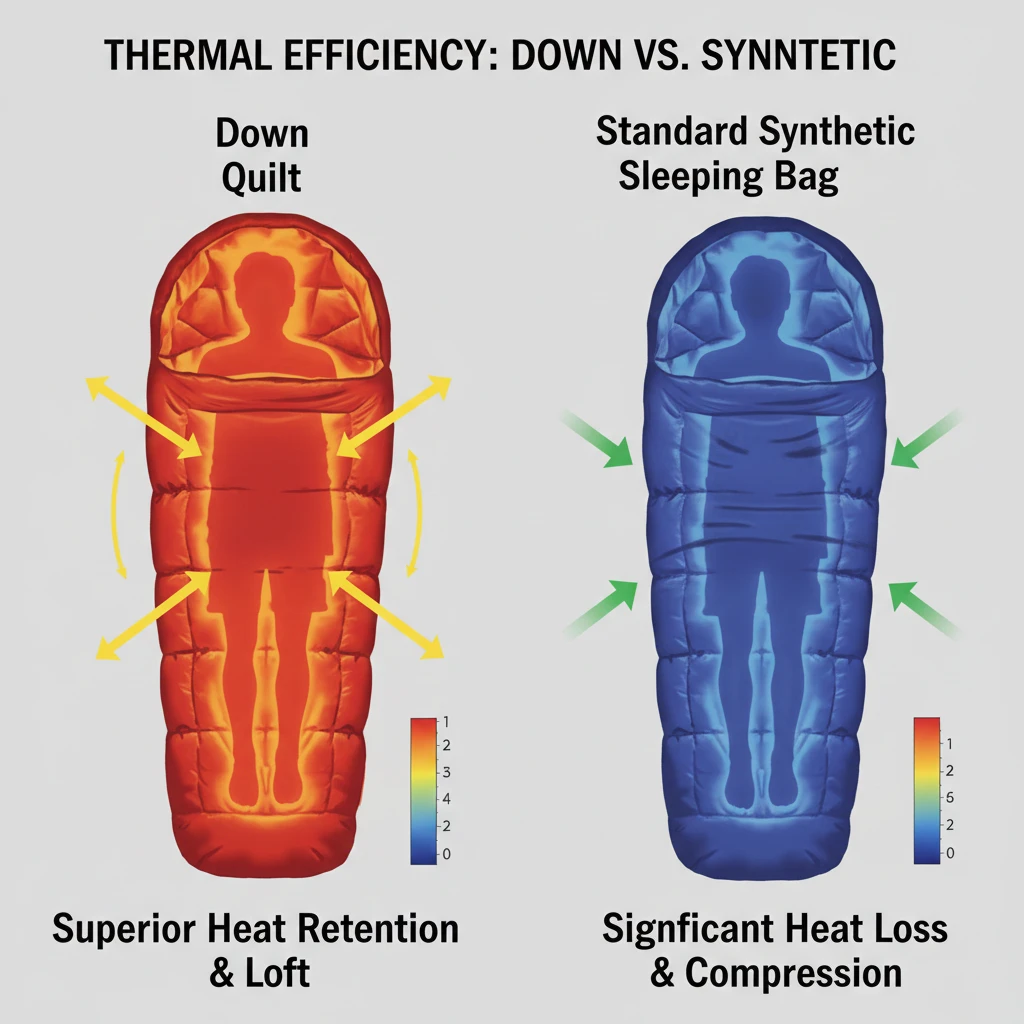
Maintaining core temperature during wilderness nights is a safety requirement. The ultimate bikepacking gear list utilizes high-loft down for its superior compressibility. Unlike traditional sleeping bags, quilts eliminate the underside insulation, which is already compressed by the rider’s weight. This reduces bulk and allows for better temperature regulation. Pair the quilt with a high R-value pad to prevent conductive heat loss.
Recommendation: Therm-a-Rest NeoAir XLite NXT
- Key Features: 4.5 R-value, 3-inch thickness, ultra-compact pack size.
- Pros: Industry-leading warmth-to-weight ratio; much quieter than previous versions; thick enough for side sleepers.
- Cons: Expensive; requires careful handling to avoid punctures.
- Check Price on Amazon: Therm-a-Rest NeoAir XLite NXT
Insulation Physics for High Elevations
A 20-degree Fahrenheit rated quilt is the most versatile option for 3-season bikepacking. The Enlightened Equipment Revelation is a benchmark in this category. It uses 850+ fill power down to provide massive warmth with minimal weight. The quilt can be opened flat like a blanket on warm nights or cinched tight during cold mountain frosts. This flexibility is essential for the Route Planning and Climate of your trip.
5. Backcountry Kitchen: Efficient Nutrition and Fuel
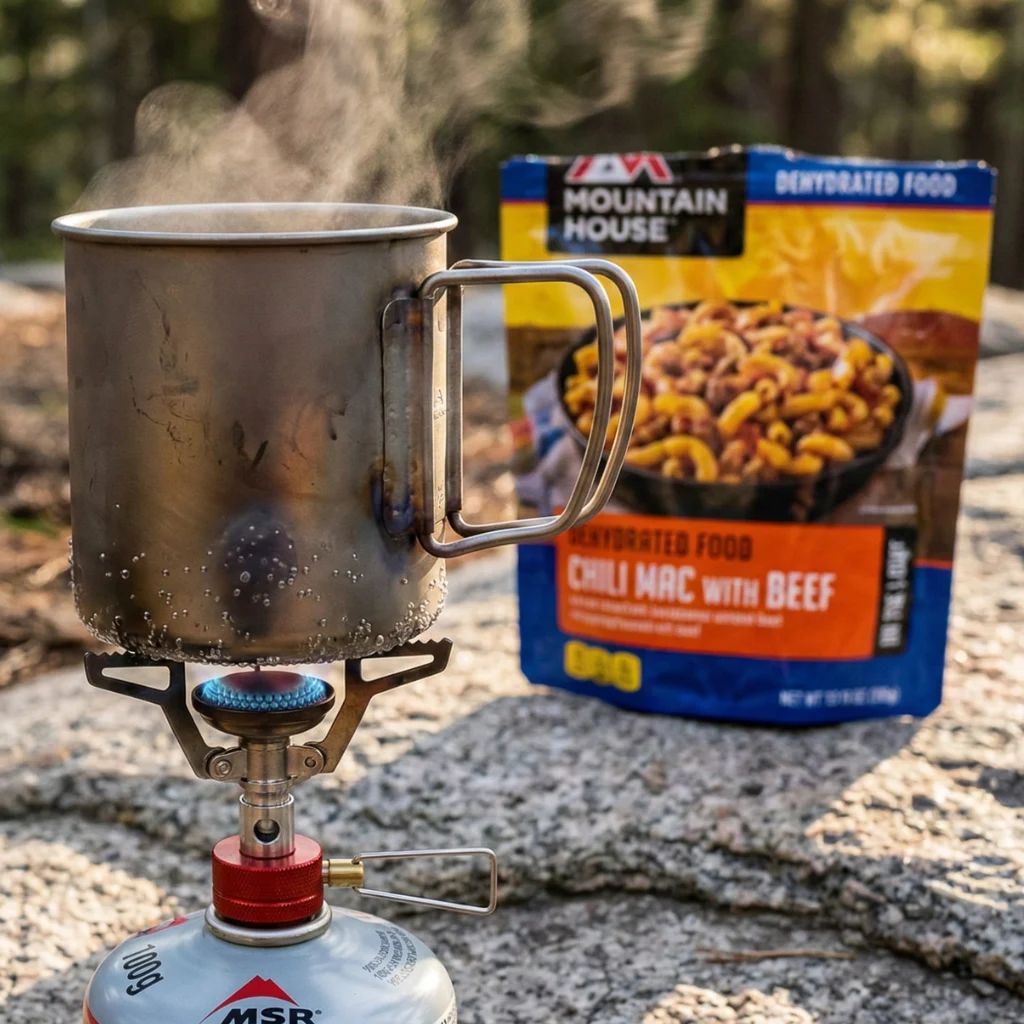
Caloric intake is the fuel for the mechanical work of cycling. A 3-day trip requires a ultimate bikepacking gear list that includes a reliable method for boiling water and preparing nutrient-dense meals. Maintaining energy levels is essential for the concentration needed to navigate Difficult Trails. Beginners should focus on meals that only require hot water to minimize cleanup.
Recommendation: MSR PocketRocket 2 Ultralight Stove
- Key Features: 2.6-ounce weight, wind-shielding design, precision flame control.
- Pros: Boils water in under 4 minutes; fits inside a titanium mug; extremely reliable.
- Cons: Requires specialized fuel canisters; can be unstable on uneven ground.
- Check Price on Amazon: MSR PocketRocket 2
High-Density Caloric Meal Planning
Food should be chosen for its caloric density and ease of preparation. Dehydrated meals from brands like Peak Refuel offer a high protein-to-weight ratio. Supplement these with high-fat snacks like nuts and nut butters to provide sustained energy for long climbs. For advanced nutrition strategies, consult the Bikepacking.com Food Guide.
6. Hydration Strategy: Filtration and High-Capacity Storage
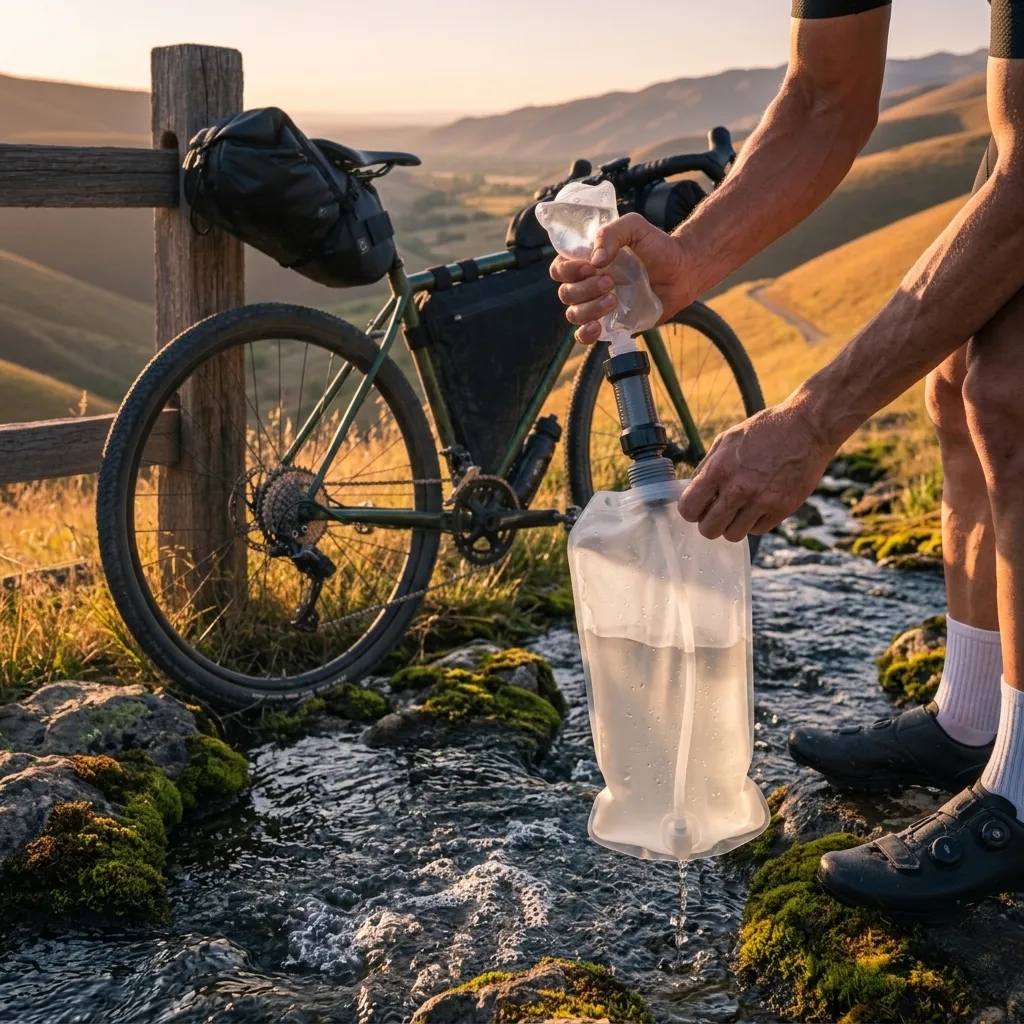
Water is the heaviest item in any ultimate bikepacking gear list, weighing 2.2 pounds per liter. Carrying a full 3-day supply is physically impossible, making a reliable filtration system mandatory. The strategy involves balancing how much you carry with how often you can resupply from natural sources. Managing thirst is a critical safety protocol, much like the Backcountry Safety Protocols.
Recommendation: Sawyer Squeeze Water Filtration System
- Key Features: Hollow fiber membrane, removes 99.99% of bacteria and protozoa, zero moving parts.
- Pros: Fast flow rate; can be used as an inline filter or gravity filter; incredibly light.
- Cons: Must be protected from freezing; filter can become clogged in silty water.
- Check Price on Amazon: Sawyer Squeeze Filter
Optimizing Fluid Capacity on the Frame
Using a hydration bladder inside a frame bag is the most efficient way to carry 2-3 liters of water. This keeps the weight low on the frame and allows for easy sipping through a tube while riding. Bladders like the Hydrapak Velocity are designed to withstand the pressure of being packed into tight spaces. This system ensures consistent hydration without requiring the rider to stop and reach for a bottle.
7. Technical Apparel: The 3-Layer System for Stability
Clothing for a 3-day trip must be versatile enough to handle high-output exertion and static camp time. The ultimate bikepacking gear list relies on a 3-layer system to manage moisture and retain heat. Synthetic or wool fabrics are required because they maintain insulation when wet. For those familiar with High-Performance Fabrics, the principles of breathability and waterproofing are identical.
Recommendation: Patagonia Nano Puff Jacket
- Key Features: PrimaLoft Gold Insulation Eco, windproof shell, recycled materials.
- Pros: Maintains warmth when wet; packs into its own pocket; extremely lightweight.
- Cons: Less breathable than active mid-layers; the shell is thin and prone to snags.
- Check Price on Amazon: Patagonia Nano Puff (Affiliate Link)
Base Layers and Weather Protection
The base layer is responsible for moving sweat away from the skin. Merino wool is the gold standard because of its natural odor resistance—a vital feature for 3 consecutive days of wear. The Smartwool Classic Thermal provides excellent temperature regulation. Combine this with a 100% waterproof rain shell like the Outdoor Research Helium for total weather protection on your journey.
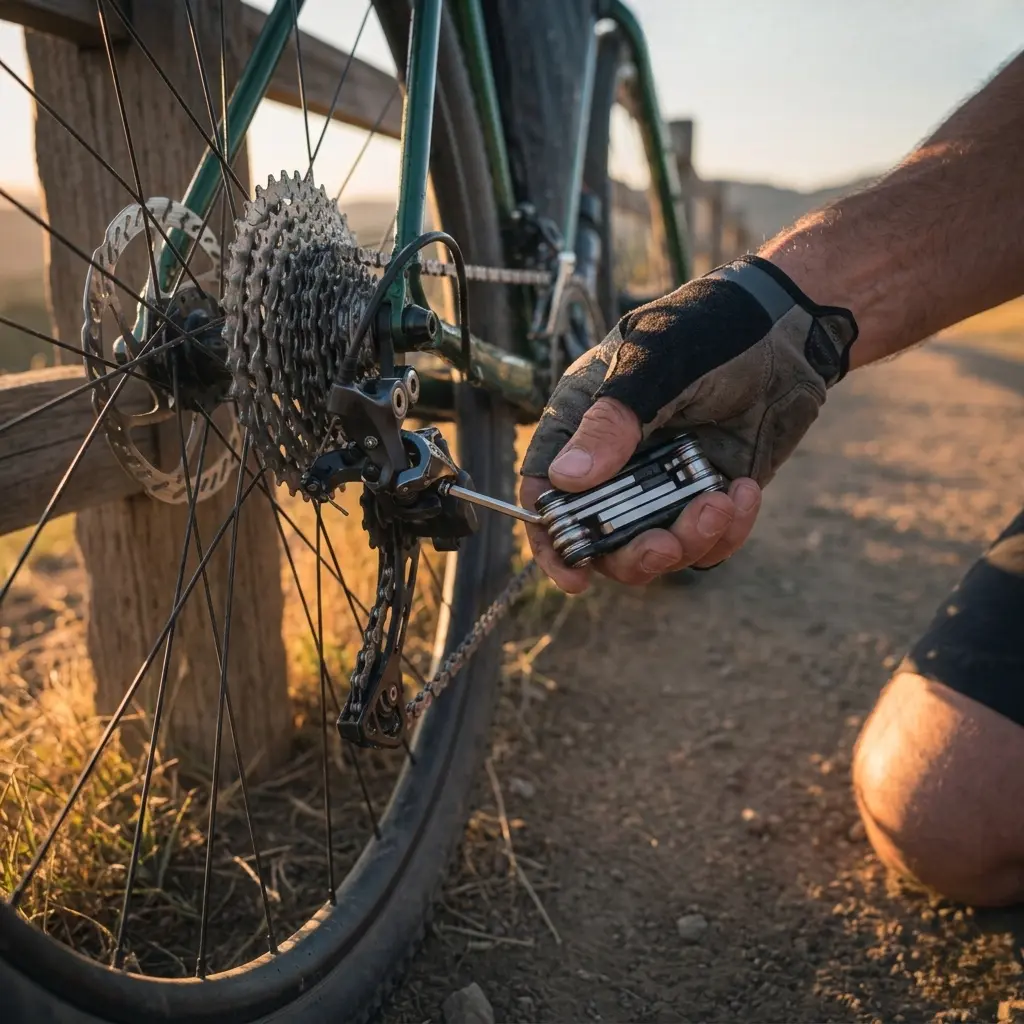
8. Essential Mechanical Toolkit: Field Repair Readiness
Self-sufficiency on a bicycle means being prepared to fix any common mechanical failure. A 3-day wilderness trip takes the rider far from professional assistance, making the toolkit a primary safety item on the ultimate bikepacking gear list. The ability to perform a Chain Repair or plug a tire is the difference between an adventure and a rescue scenario.
Recommendation: Crankbrothers M19 Multi-Tool
- Key Features: 19 tools including chain breaker and spoke wrenches, high-tensile steel, hard case.
- Pros: Extremely durable; includes all hex keys needed for modern bikes; excellent leverage.
- Cons: Heavier than minimalist tools; requires separate pliers for some repairs.
- Check Price on Amazon: Crankbrothers M19
Technical Tire Repair Protocols
Tubeless tires are robust, but a large gash requires a manual plug. The Dynaplug Racer allows for the fastest possible repair without removing the wheel. Always carry a spare tube and a “boot” (a piece of reinforced plastic) for catastrophic sidewall failures. Mastery of these repairs is as critical as knowing how to Maintain Your Drivetrain on an unfamiliar trail.
9. Navigation and Communication: Digital and Analog Kits
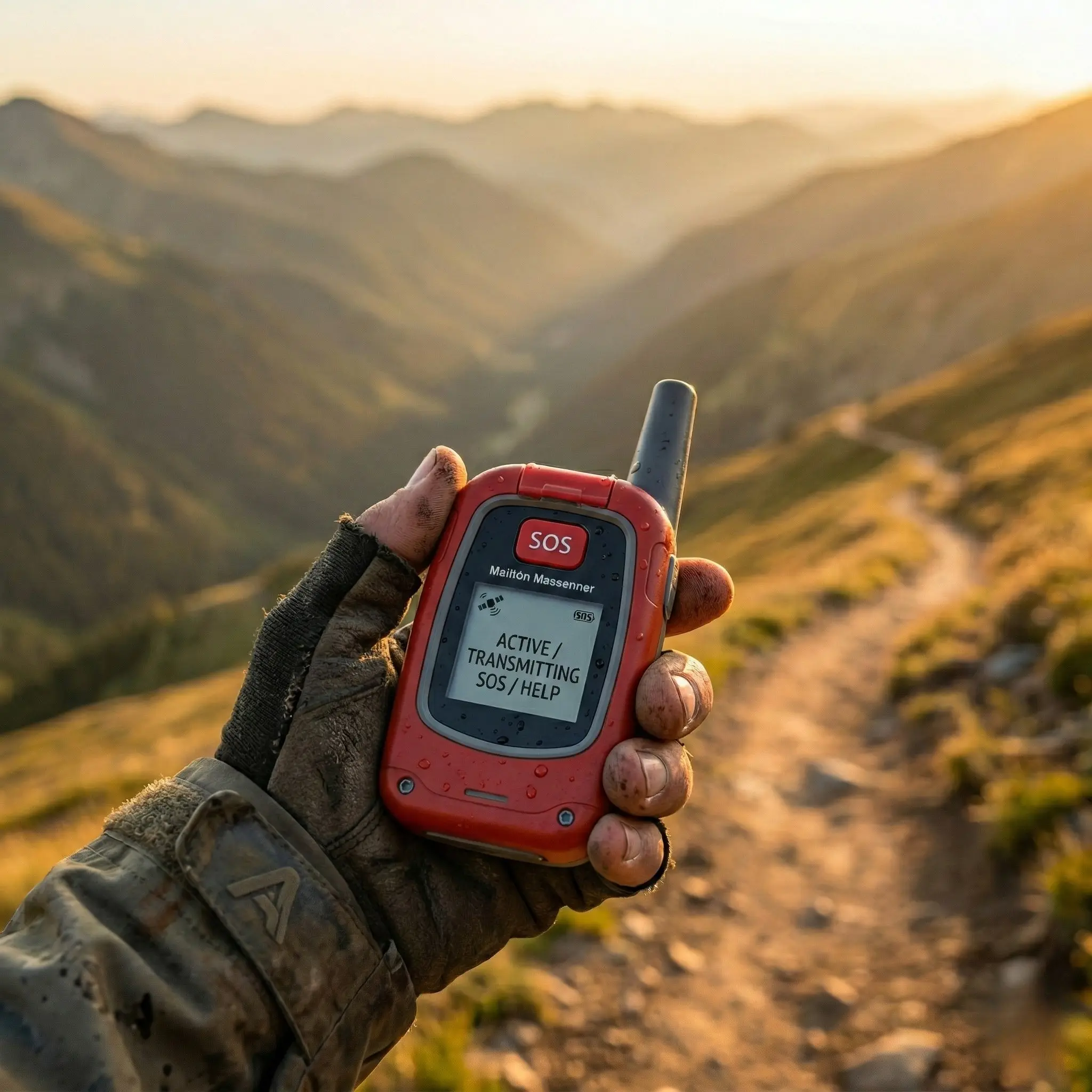
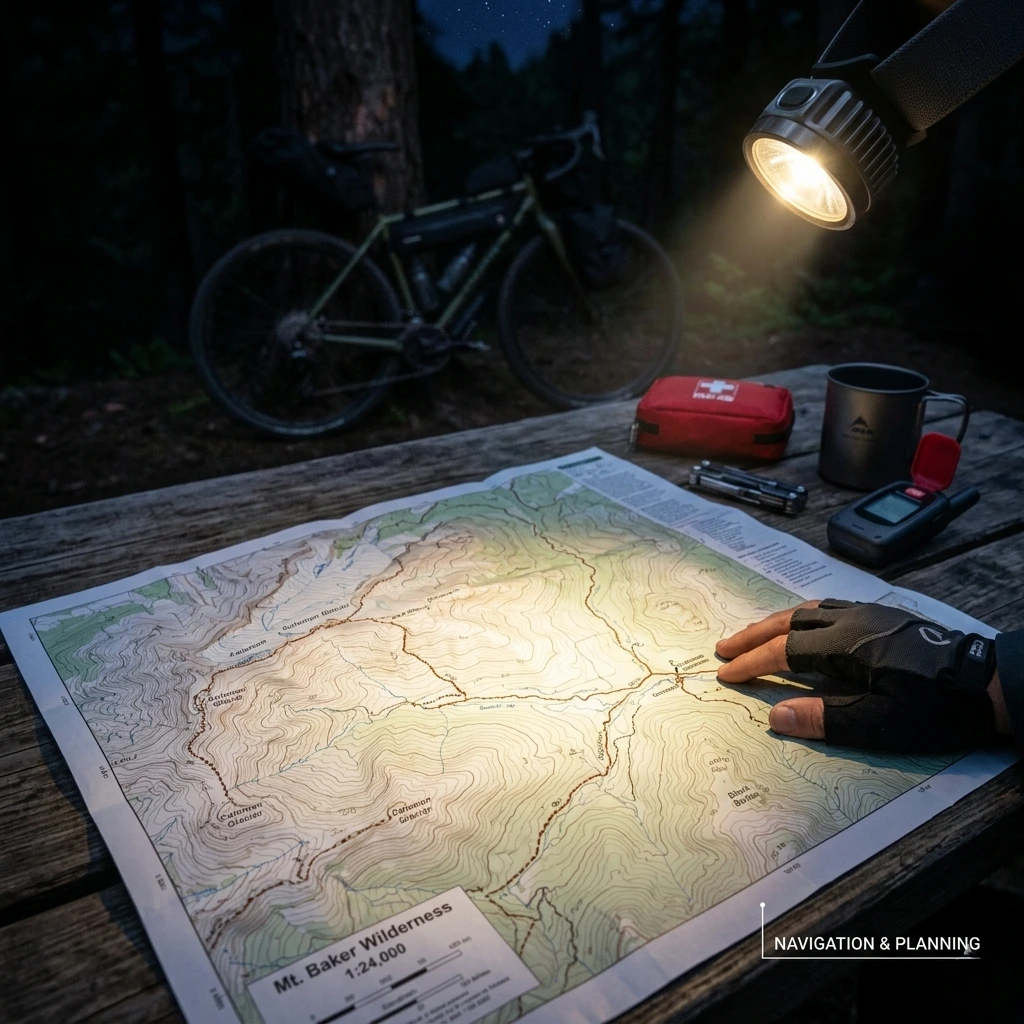
Disorientation is a leading cause of backcountry emergencies. The ultimate bikepacking gear list includes redundant navigation tools to ensure the rider can stay on course regardless of battery life. Modern digital platforms provide high-resolution topographic data, but they must be balanced with traditional skills.
Recommendation: Garmin in Reach Mini 2
- Key Features: Global satellite coverage, two-way messaging, SOS button, TracBack routing.
- Pros: Lifeline in areas without cell service; battery lasts up to 14 days; tiny and lightweight.
- Cons: Requires a monthly subscription fee; messaging can be slow in dense trees.
- Check Price on Amazon: Garmin inReach Mini 2
Redundancy in Mapping
A dedicated GPS unit like the Garmin Edge 540 Solar is superior to a smartphone for long-distance navigation. The solar charging feature extends battery life indefinitely in sunny conditions. However, relying exclusively on electronics is a safety risk. Carrying a paper topographic map and a compass is a foundational safety skill for any 3-day mission.
10. Wilderness First Aid: Trauma and Hygiene Care
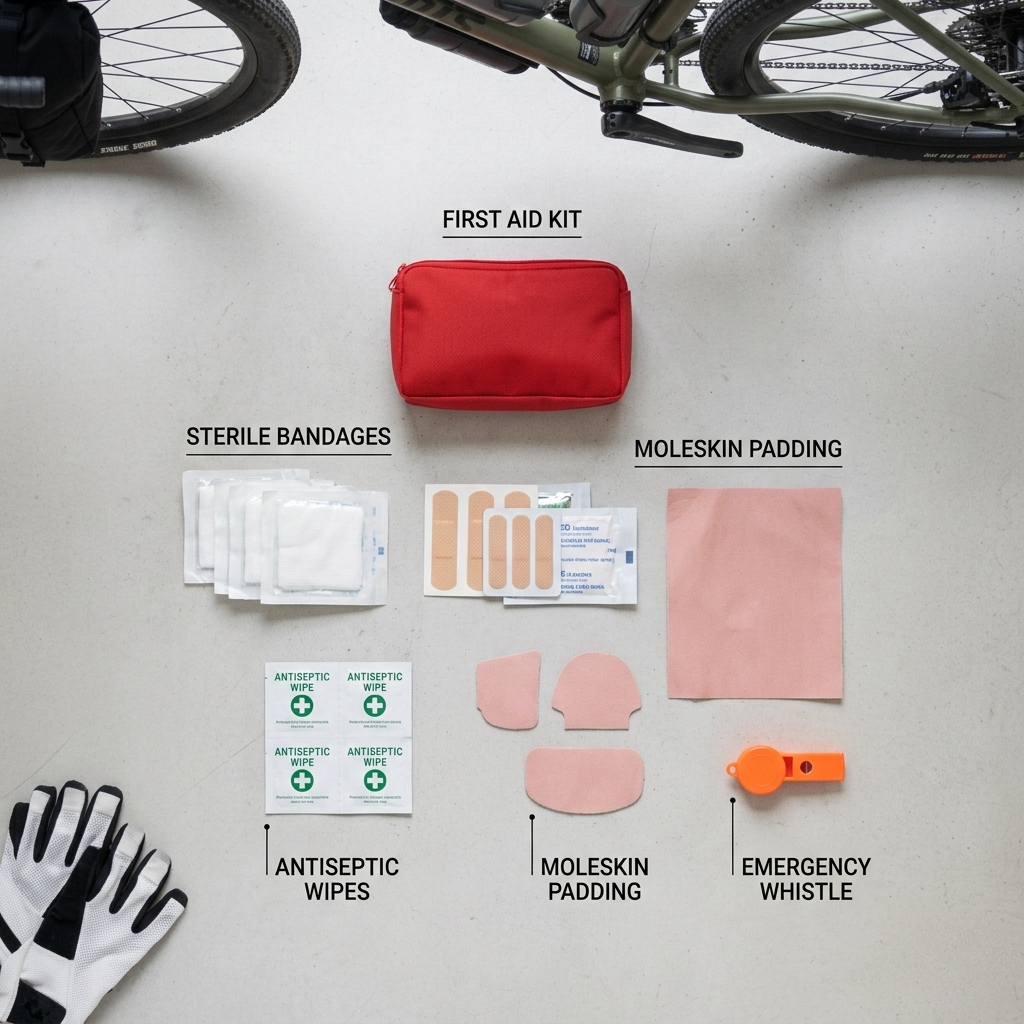
Injuries on a bikepacking trip range from minor abrasions to significant trauma. The ultimate bikepacking gear list must include a first aid kit that is tailored for cycling-specific risks. Preparedness is the primary pillar of the Leave No Trace Center for Outdoor Ethics. A minor cut can become an infection in the wilderness if not managed with antiseptic protocols.
Recommendation: Adventure Medical Kits Ultralight .7
- Key Features: 100% waterproof bag, wound care supplies, basic trauma gear.
- Pros: Very compact; includes a wilderness first aid manual; perfectly sized for solo riders.
- Cons: Lacks a tourniquet for major trauma; limited supply of bandages.
- Check Price on Amazon: AMK Ultralight .7
Hygiene and Health Maintenance
Include a small supply of common medications like ibuprofen for inflammation and antihistamines for stings. Sun protection and lip balm are essential for 72 hours of exposure. For hygiene, carry a small bottle of hand sanitizer and a pack of biodegradable wipes. Proper hygiene prevents gastrointestinal issues that can end a trip prematurely. For certified training, consider a NOLS Wilderness First Aid Course.
11. Lighting and Energy: Proactive Power Management
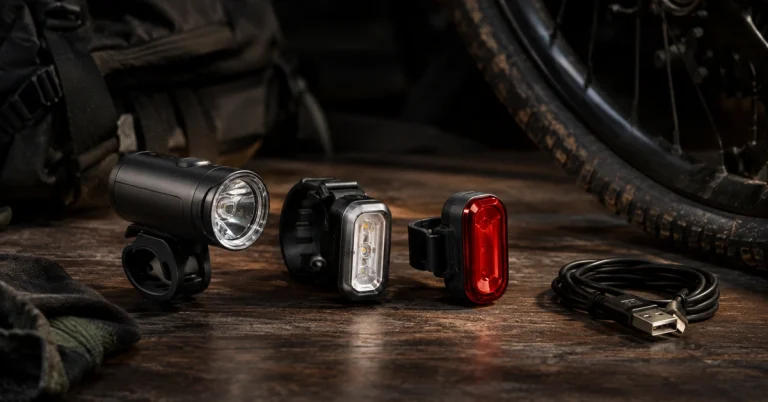
The final essential on the ultimate bikepacking gear list is a comprehensive energy management system. Navigating in the dark or maintaining a campsite requires high-quality lighting. Furthermore, the reliance on digital navigation tools necessitates a portable power source. Managing your “energy budget” is a skill as vital as Physical Conditioning.
Recommendation: Petzl Actik Core Headlamp
- Key Features: 600 lumens, hybrid battery system (rechargeable or AAA), red light mode.
- Pros: Powerful enough for emergency night riding; red light preserves night vision; very comfortable.
- Cons: USB-B charging is outdated; not fully waterproof (IPX4 only).
- Check Price on Amazon: Petzl Actik Core
Portable Power and Charging Strategy
A 10,000mAh power bank is typically sufficient to keep a GPS unit and smartphone charged for 3 days. The Nitecore NB10000 is the lightest 10k power bank in the world, specifically designed for ultralight sports. Store it in a waterproof bag inside the frame bag to protect it from vibration and moisture. This ensures you can maintain Self-Sufficiency Protocols throughout the trip.
Conclusion: The Foundation of Wilderness Mastery
Compiling an ultimate bikepacking gear list is an ongoing process of testing, refining, and optimizing. By focusing on the 11 essentials—from the core bicycle platform to proactive energy management—any cyclist can transition safely into the world of multi-day expeditions. The success of a 3-day wilderness adventure is not measured by the speed of the ride, but by the level of self-sufficiency achieved in remote environments.
Remember that every expert was once a beginner who learned through deliberate preparation. Keep your Bicycle Maintenance frequent and your gear updated. As you gain experience, your reliance on heavy gear will decrease as your technical skills and terrain awareness increase. The wilderness rewards those who arrive prepared.
The trail is waiting, and with the correct equipment, you are ready to conquer it. Treat the environment with respect, pack with intention, and enjoy the unique rhythm of life on two wheels. The transition to expert bikepacking is a path paved with preparation and a passion for the outdoors. Step out with a plan, respect your limits, and embrace the unparalleled liberation of the backcountry.
Discover more from Maive Verse
Subscribe to get the latest posts sent to your email.