
Discover essential cold weather camping tips to stay warm and safe. Learn smart layering, gear choices, and strategies from seasoned campers.
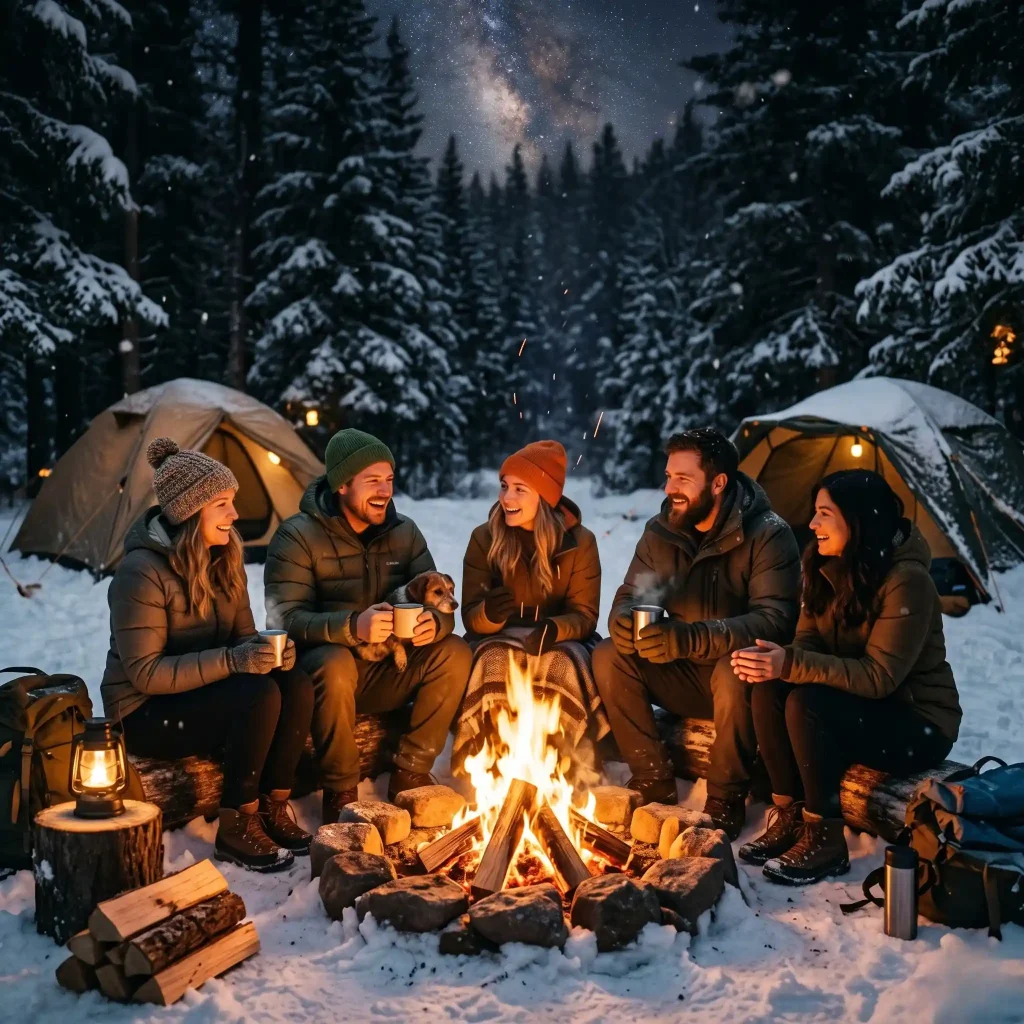
Table of Contents
Introduction
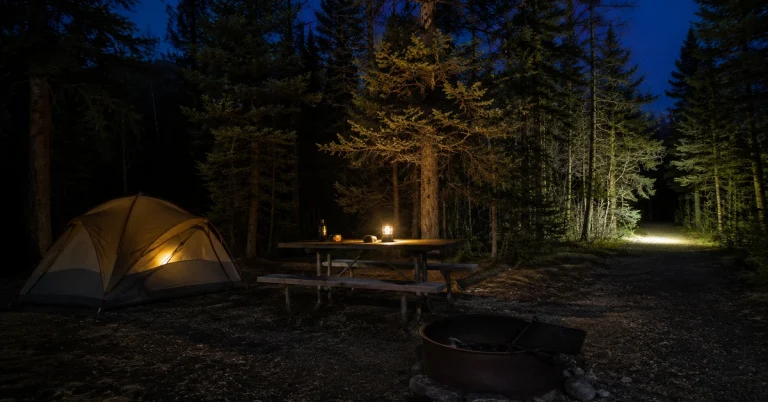
Cold weather camping can be one of the most rewarding outdoor experiences, offering pristine snow-covered landscapes and peaceful solitude that summer camping simply can’t match. However, staying warm during winter camping requires proper preparation, the right gear, and knowledge of proven cold weather camping tips that can make the difference between a memorable adventure and a miserable night.
Whether you’re planning your first winter camping trip (check out our comprehensive camping for beginners guide for foundational knowledge) or looking to improve your cold weather camping skills, these essential cold weather camping tips will help you stay comfortable and safe when temperatures drop below freezing. Before heading out, make sure you’ve covered all the basics with our essential camping checklist and master these cold weather camping tips.
10 Essential Cold Weather Camping Tips for Staying Warm
1. Choose the Right Sleeping System
Your sleeping system forms the foundation of successful cold weather camping. A quality sleeping bag rated 10-15 degrees below the expected low temperature is crucial for winter camping safety. For example, if temperatures will drop to 20°F, choose a bag rated for 5°F or colder. Sleeping bag ratings can be misleading, especially for women who typically sleep colder than men. Consider adding a sleeping bag liner, which can boost warmth ratings by 5-15 degrees while providing extra comfort.
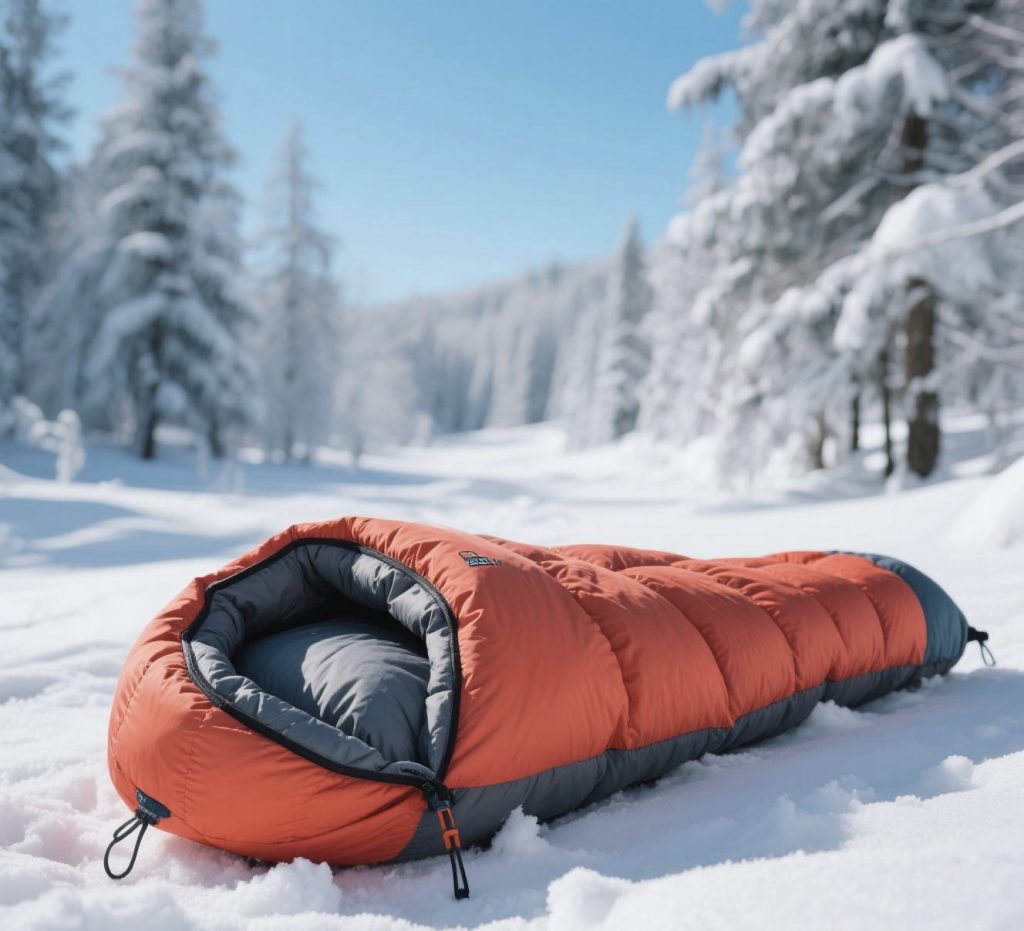
Pro Tip: Store your sleeping bag loosely in a large compression sack during cold weather camping rather than stuffing it tight. This preserves the loft of insulation and maintains maximum warmth retention throughout your trip.
2. Insulate Yourself from the Ground
Ground insulation is one of the most overlooked cold weather camping tips. The earth will draw heat from your body faster than cold air, making proper ground insulation essential. Use a sleeping pad with an R-value of at least 4 for cold weather camping conditions.
For extreme cold, stack two sleeping pads or add a closed-cell foam pad beneath your inflatable pad. This redundancy also provides backup if one pad fails during your trip.
Description for this block. Use this space for describing your block. Any text will do. Description for this block. You can use this space for describing your block.
Pro Tip: Inflate your sleeping pad only 80-90% full in cold weather. Over-inflation in warm conditions can cause the pad to become rock-hard when temperatures drop, reducing comfort and insulation effectiveness.
3. Master the Art of Layering
Effective layering is fundamental to cold weather camping success. The three-layer system works best:
- Base layer: Moisture-wicking materials like merino wool or synthetic fabrics
- Insulating layer: Down or synthetic insulation to trap warm air
- Shell layer: Windproof and waterproof outer protection
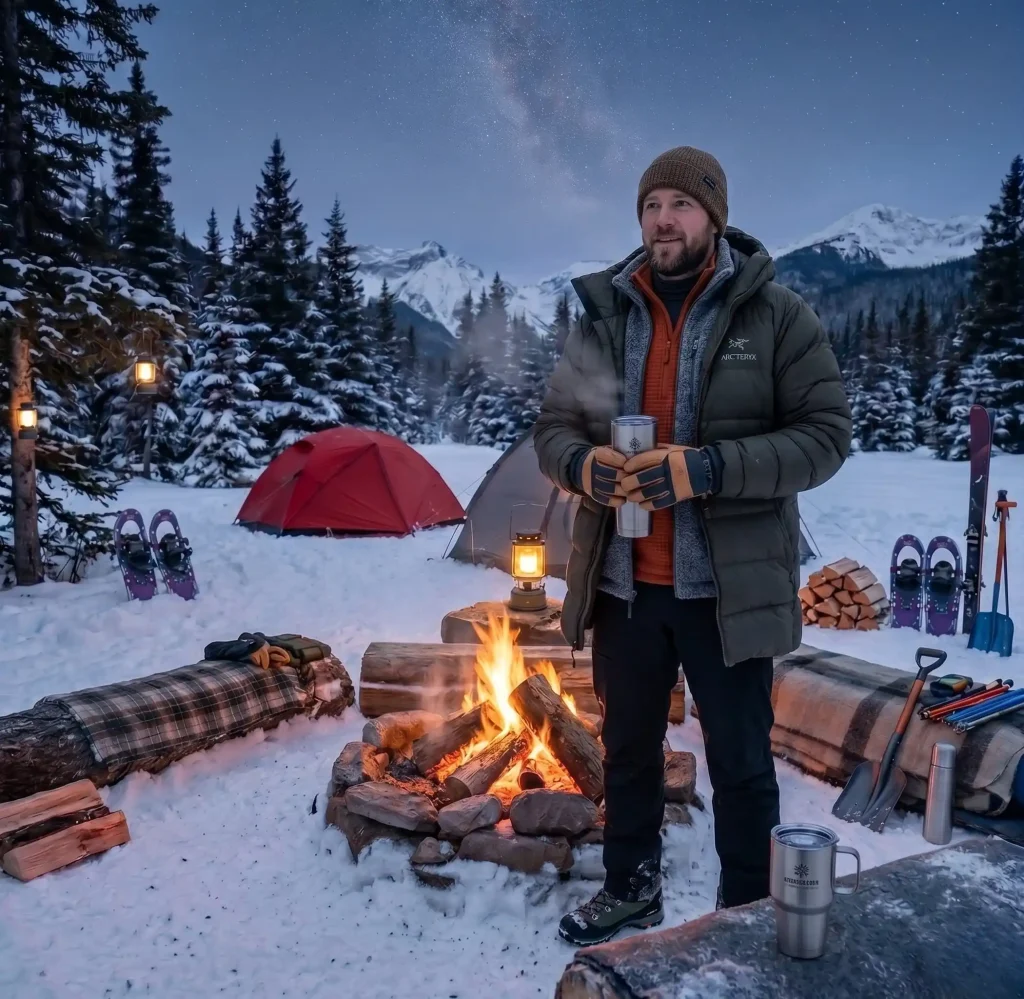
Avoid cotton clothing entirely during cold weather camping, as it retains moisture and loses insulating properties when wet.
Pro Tip: Bring one extra insulating layer beyond what you think you’ll need. Temperatures can drop unexpectedly, and having that extra fleece or down jacket can be the difference between comfort and a miserable night.
4. Protect Your Extremities
Hands, feet, and head lose heat rapidly in cold conditions. These cold weather camping tips for extremities can prevent frostbite and maintain comfort:
- Wear insulated, waterproof gloves with liner gloves underneath
- Use wool or synthetic socks, never cotton
- Bring extra socks and keep spare pairs in your sleeping bag
- Wear a warm beanie or balaclava to bed
- Consider chemical hand and foot warmers for extreme conditions
Pro Tip: Rotate between two pairs of socks daily. Wear one pair while the other dries inside your sleeping bag. This ensures you always have dry socks, which is critical for preventing frostbite and maintaining foot warmth.
5. Use the Hot Water Bottle Technique
Fill a wide-mouth water bottle with hot water before bedtime and place it in your sleeping bag 30 minutes before entering. This simple cold weather camping tip provides hours of supplemental warmth and helps prevent your water from freezing overnight.
Use a insulated bottle cover or wrap the bottle in a towel to prevent burns and extend heat retention. This essential technique ranks among the most effective cold weather camping tips for maintaining warmth throughout the night.
Pro Tip: Place the hot water bottle at your feet first, then move it to your core area once your feet are warm. Your feet are farthest from your heart and warm up slowest, so prioritizing them creates overall body comfort faster.
6. Fuel Your Internal Furnace
Proper nutrition becomes critical during cold weather camping. Your body burns significantly more calories maintaining core temperature in cold conditions. Pack high-calorie, high-fat foods that provide sustained energy.
Eat a substantial meal before bed to give your metabolism fuel for overnight heat production. Hot drinks throughout the day help maintain core temperature and boost morale during challenging conditions.
Pro Tip: Pack nuts, cheese, and chocolate as emergency snacks. These high-fat foods provide quick energy for heat production and won’t freeze solid like many other foods, making them accessible even in extreme cold.
7. Stay Dry at All Costs
Moisture management is perhaps the most important of all cold weather camping tips. Wet clothing loses insulating properties and can lead to hypothermia even in moderate temperatures. For comprehensive safety protocols, review our camping safety tips guide.
- Change out of sweaty clothes immediately after activity
- Ventilate your tent to reduce condensation
- Keep spare dry clothes in waterproof bags
- Never sleep in the clothes you wore during the day
Pro Tip: Pack silica gel packets or newspaper in your gear bags to absorb excess moisture. These simple additions help keep critical items like spare socks and base layers dry throughout your trip.
8. Choose Your Campsite Wisely
Site selection dramatically impacts warmth and comfort during cold weather camping. For detailed guidance on campsite selection and setup, see our guide on how to set up a campsite. Look for these features:
- Protection from wind behind natural windbreaks
- Avoid low-lying areas where cold air settles
- South-facing slopes receive more sun exposure
- Dense tree cover provides wind protection and insulation
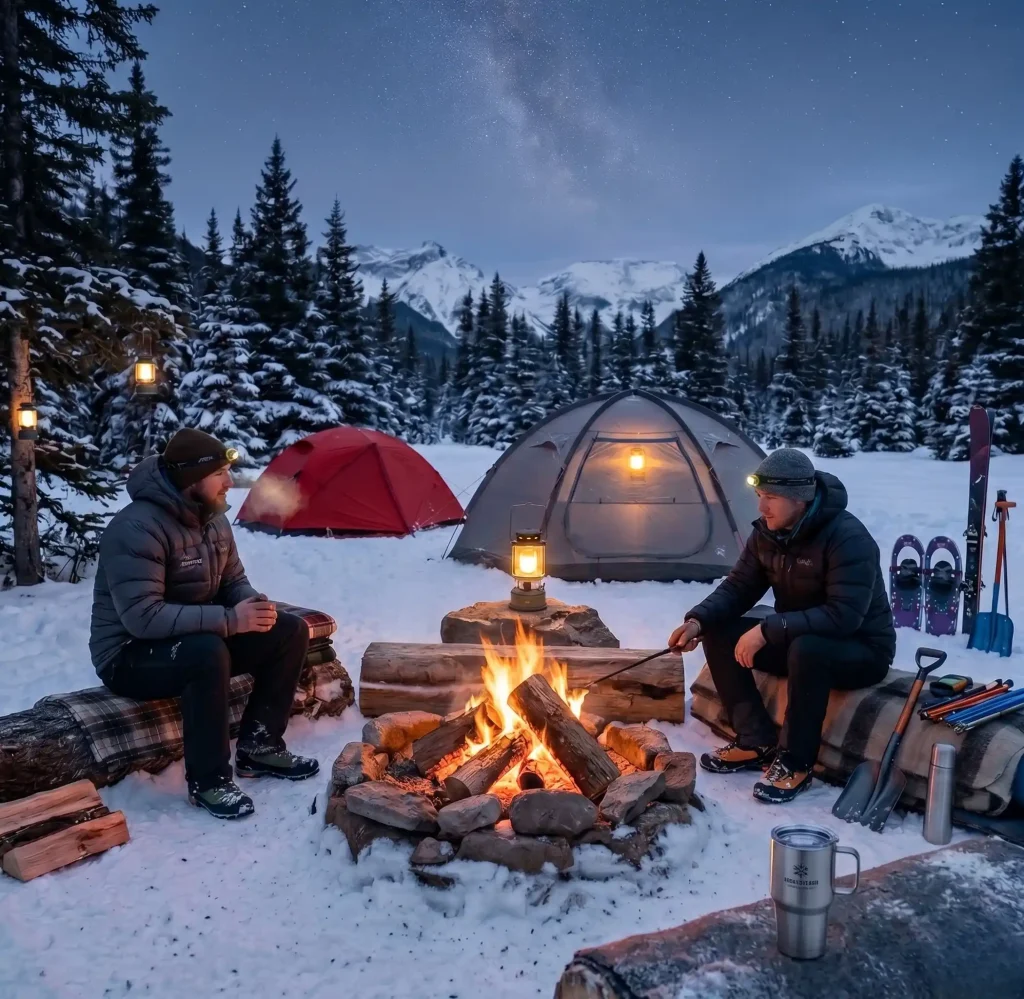
Pro Tip: Look for areas with deep snow rather than shallow or bare ground. Deep snow acts as excellent insulation from the frozen earth below, creating a warmer ground temperature for your tent.
9. Optimize Your Tent Setup
Your tent becomes your primary shelter during cold weather camping. These setup tips maximize warmth retention:
- Use a four-season tent designed for winter conditions
- Create a vestibule for gear storage and cooking
- Bank snow around your tent’s perimeter for insulation
- Keep tent ventilation cracked to prevent dangerous condensation buildup
Pro Tip: Dig a small pit (called a “cold well”) near your tent entrance where cold air can settle. This creates a temperature differential that keeps the warmer air at your sleeping level, potentially raising interior temperature by 5-10 degrees.
10. Pre-warm Your Sleeping Bag
Don’t wait until you’re already cold to get in your sleeping bag. Start warming it 30-60 minutes before bedtime using hot water bottles, body heat, or even doing jumping jacks nearby.
A warm sleeping bag is far more effective than trying to warm up a cold one with your body heat alone.
Pro Tip: Keep your sleeping bag inside your tent during the day rather than in your car or outside. This prevents the insulation from getting extremely cold and reduces the energy needed to warm it up at bedtime.
Conclusion
Successful cold weather camping requires preparation, proper gear, and knowledge of proven techniques for staying warm. These cold weather camping tips focus on the fundamentals: quality insulation, effective layering, moisture management, and smart campsite decisions.
For those seeking maximum comfort during cold weather, the National Park Service winter camping guidelines provide official safety recommendations.
Start with shorter trips to test your gear and techniques before attempting extended cold weather camping adventures. Remember that staying warm isn’t just about comfort; it’s essential for safety in winter camping conditions.
Incorporating cold weather camping tips into your planning like packing extra dry layers, eating high-energy meals, and insulating your sleeping setup can dramatically improve your experience and confidence in harsh conditions.
With proper preparation and these essential cold weather camping tips, you can enjoy the unique beauty and solitude that winter camping offers while staying safe and comfortable throughout your adventure. Remember that mastering cold weather camping tips takes practice, so start with shorter trips and gradually build your skills and confidence.
Discover more from Maive Verse
Subscribe to get the latest posts sent to your email.