
Planning your first trip or upgrading? Our guide to the best camping gear helps you choose essential equipment for any outdoor adventure in 2025.
This post may contain affiliate links. As an Amazon Associate, we earn from qualifying purchases. Maiveverse may also earn commissions from other affiliate programs—at no extra cost to you.
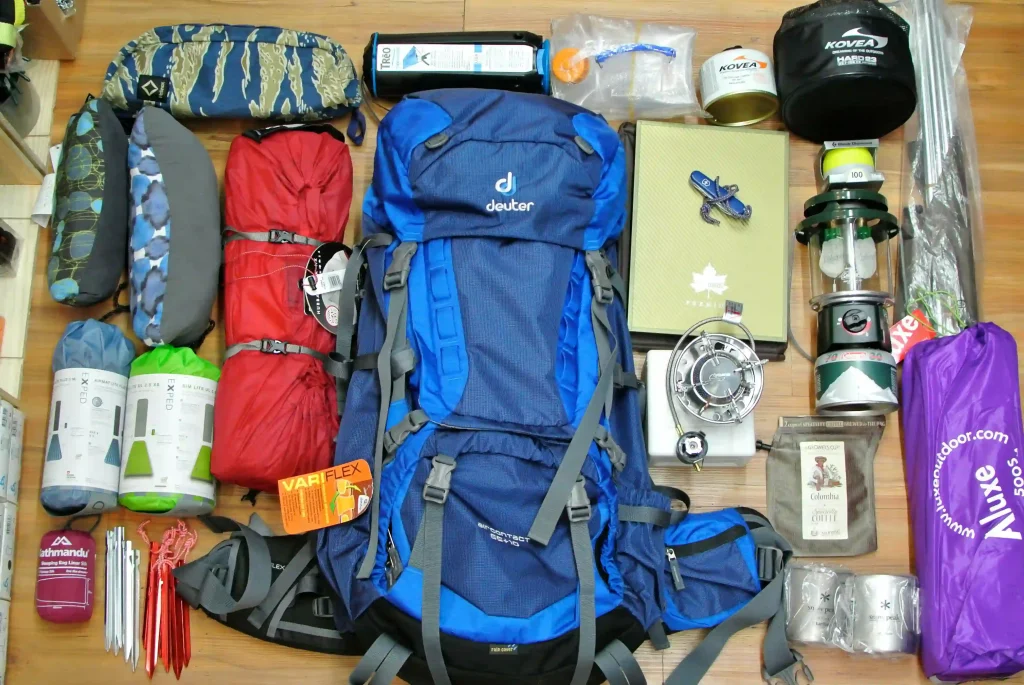
Table of Contents
Introduction
Picture this: You’re three hours into a weekend camping trip when the first drops of rain start falling. Your “waterproof” tent begins leaking, your sleeping bag feels like it’s made of paper towels, and your flashlight just died. What should have been a relaxing escape into nature has turned into a survival scenario.
Sound familiar? We’ve all been there – or heard the horror stories. The difference between an unforgettable outdoor adventure and a miserable experience often comes down to one thing: having the right gear.
Whether you’re a weekend warrior planning your first car camping trip or a seasoned backpacker looking to upgrade your kit, this comprehensive guide will help you choose the best camping gear for your needs and budget. We’ve tested hundreds of products, read thousands of reviews, and compiled everything you need to know about finding the best camping gear that will serve you reliably for years to come.
Finding the best camping gear isn’t just about buying the most expensive equipment – it’s about selecting gear that matches your camping style, climate conditions, and adventure goals. From the best camping gear for beginners to premium equipment for serious outdoor enthusiasts, we’ll cover every category you need to build your perfect camping kit.
What to Look for in Camping Gear
Before diving into specific product recommendations, understanding these key factors will help you make smarter purchasing decisions:
Weight Matters – Every ounce counts when backpacking, but car campers can prioritize comfort over portability. The best camping gear balances weight with functionality based on your transportation method.
Durability vs. Cost – Quality gear costs more upfront but saves money long-term. The best camping gear comes from reputable brands that stand behind their products with solid warranties.
Season and Climate – Three-season gear works for spring through fall, while four-season equipment handles winter conditions. Match your gear to when and where you’ll camp most often.
Brand Reputation – Stick with established outdoor brands known for quality and customer service. Read recent reviews to ensure consistent quality.
Budget Planning – Start with essentials and build your kit over time. A $200 tent that lasts 10 years costs less than replacing cheap tents every season.
Top Camping Gear Categories
Best Tents
Your tent is your home away from home, protecting you from weather and insects while providing a comfortable space to rest.
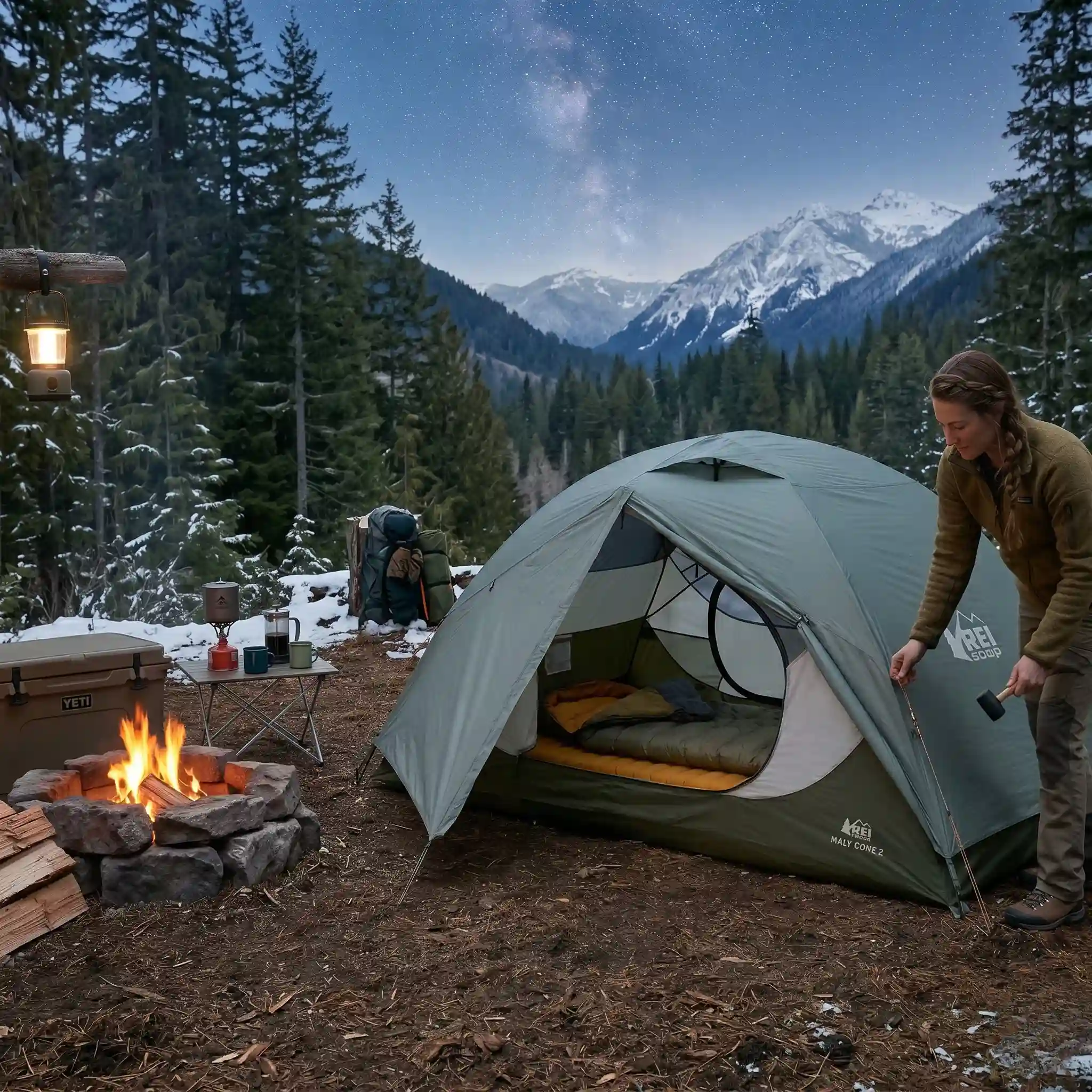
REI Co-op Half Dome SL 2+
- Pros: Excellent value, easy setup, spacious interior, storage pockets, strong warranty
- Cons: Heavier than ultralight options, limited color choices, bulky
- Ideal for: Weekend backpackers and car campers seeking reliability
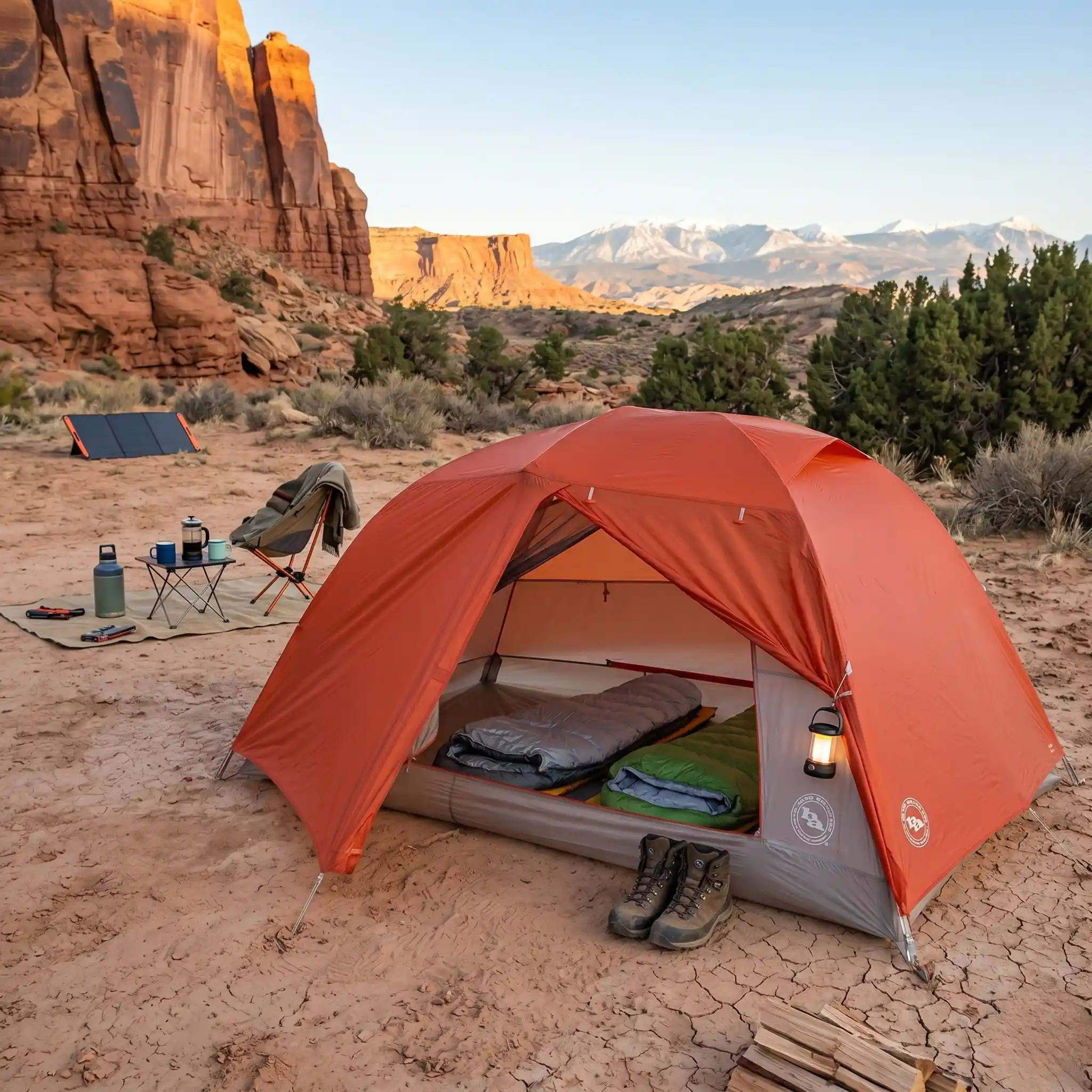
Big Agnes Copper Spur HV UL2
- Pros: Ultralight (2lb 11oz), exceptional build quality, great ventilation
- Cons: Expensive, requires careful handling
- Ideal for: Serious backpackers prioritizing weight savings
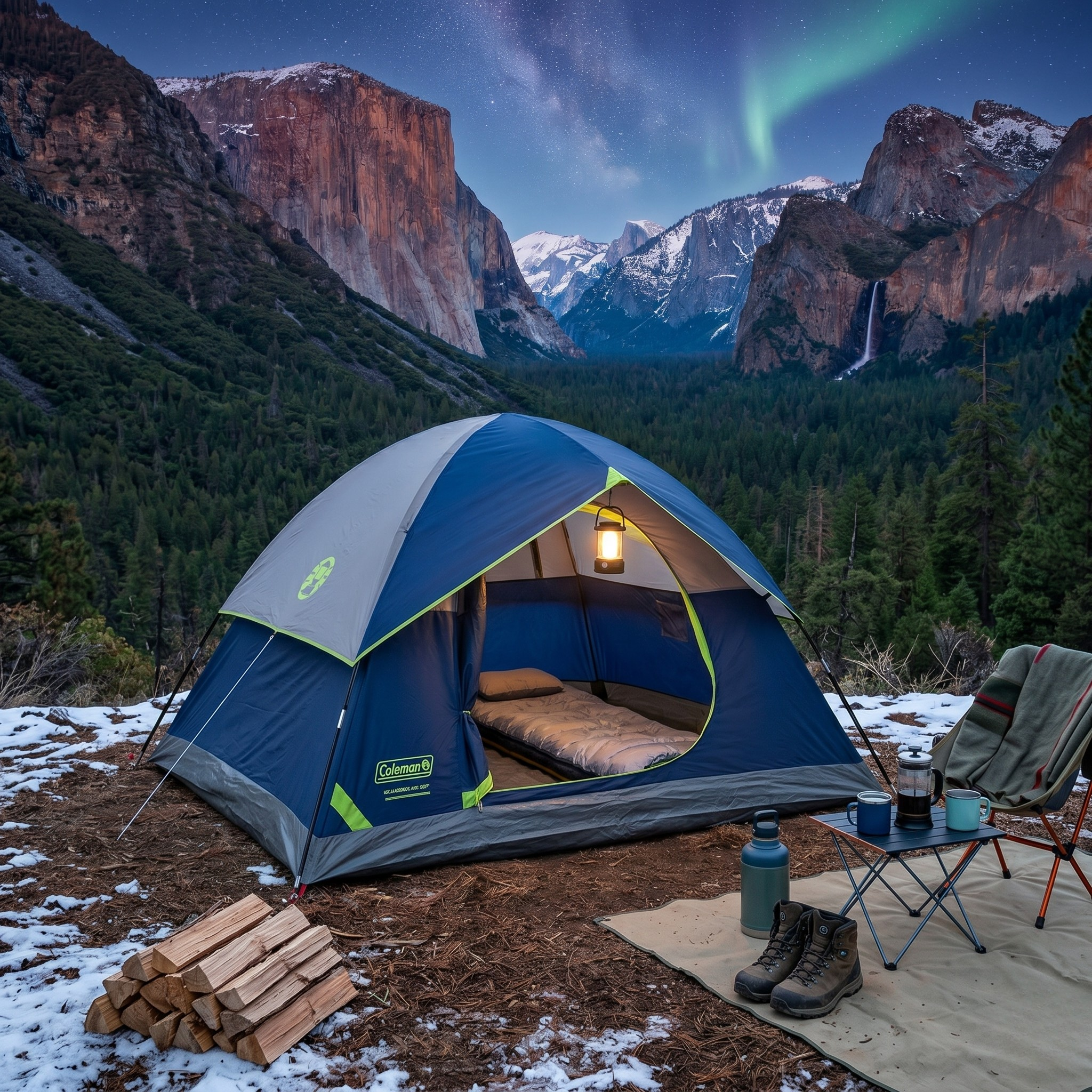
Coleman Sundome 4-Person
- Pros: Budget-friendly, quick setup, spacious for families
- Cons: Heavy, not suitable for backpacking, basic materials
- Ideal for: Car camping families and beginners
Best Sleeping Bags & Pads
Quality sleep gear ensures you wake up refreshed and ready for adventure. Temperature rating, packability, and comfort are key considerations.
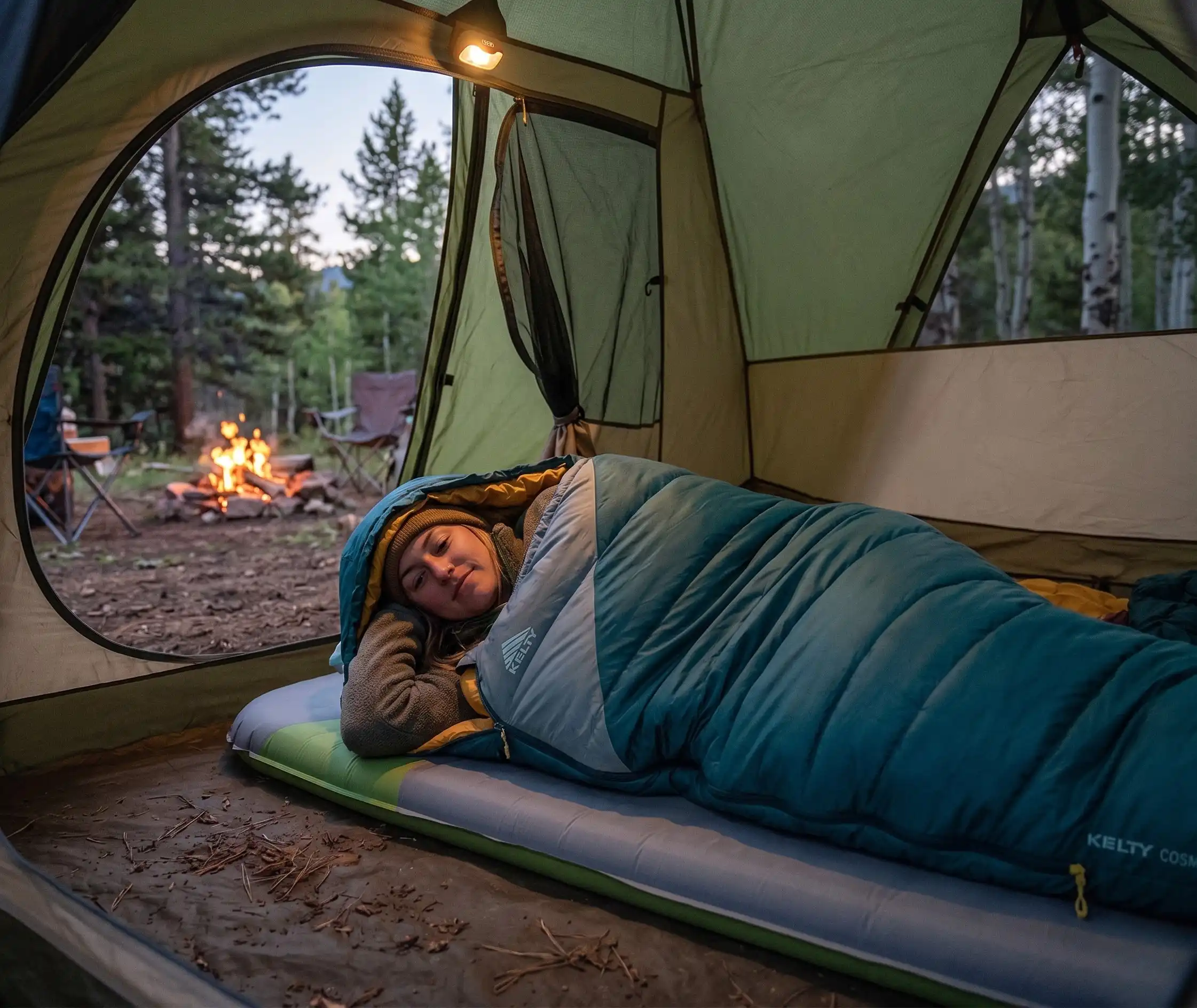
Kelty Cosmic 20°F Down Sleeping Bag/
- Pros: Excellent warmth-to-weight ratio, compressible, lifetime warranty
- Cons: Loses insulation when wet, higher price point
- Ideal for: Three-season backpackers in dry climates
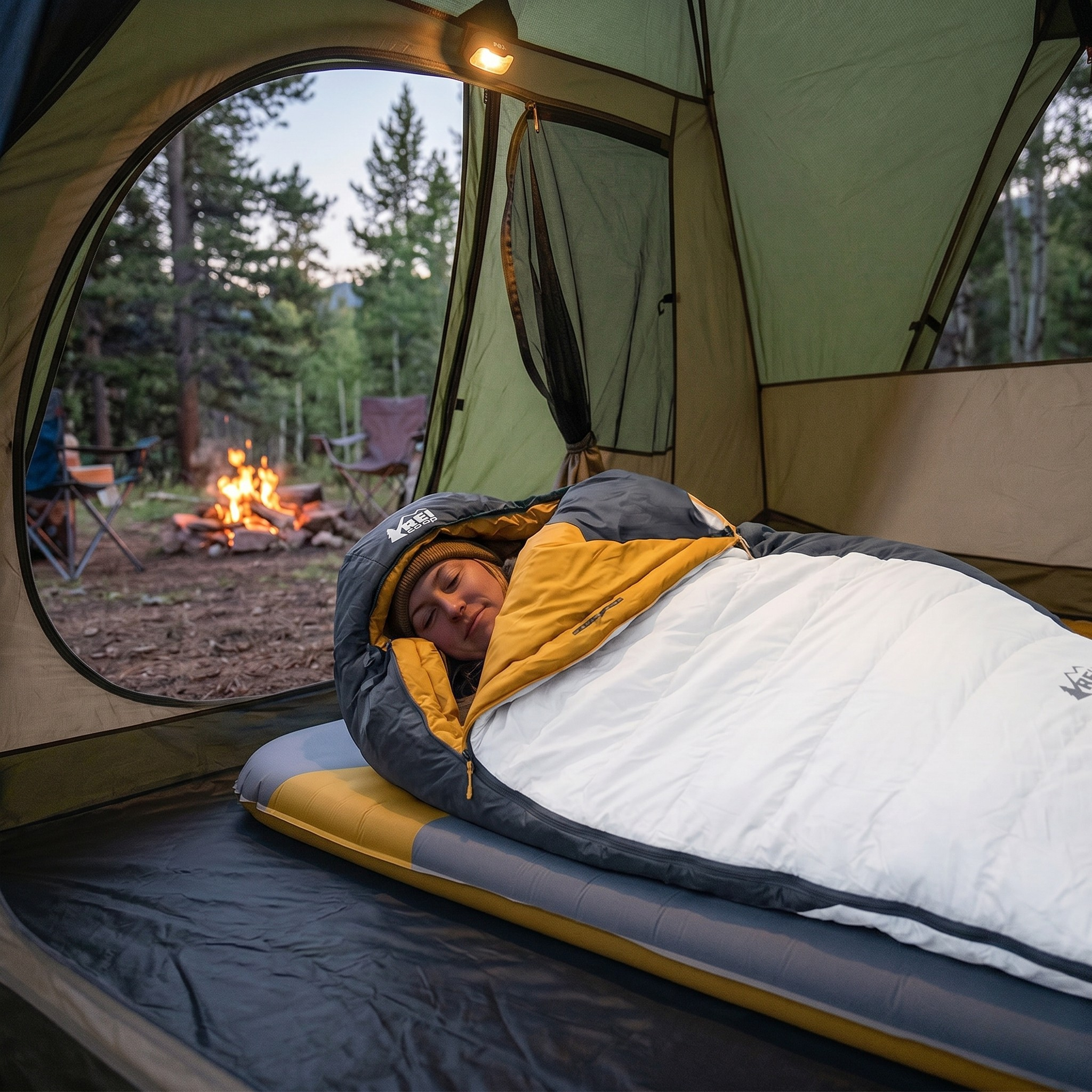
REI Co-op Trailbreak 30°F Synthetic
- Pros: Retains warmth when damp, machine washable, good value
- Cons: Bulkier than down, heavier, zipper snagging
- Ideal for: Humid climate campers and beginners
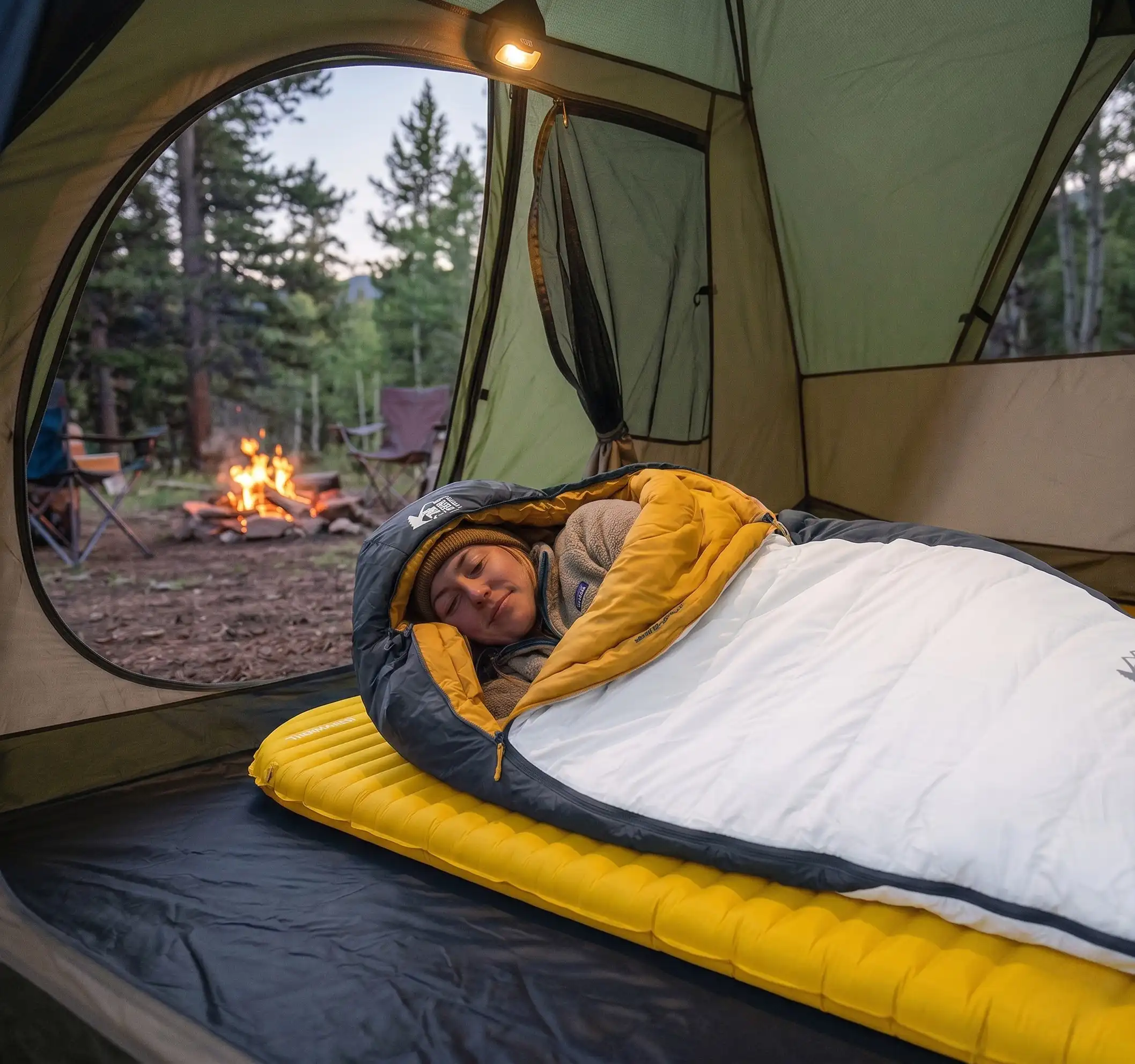
Therm-a-Rest NeoAir XLite Sleeping Pad
- Pros: Ultralight (12 oz), excellent R-value, packs small
- Cons: Expensive, can be noisy, requires careful handling
- Ideal for: Weight-conscious backpackers
Best Cooking Gear
Reliable cooking equipment keeps you fed and morale high. Consider fuel type, cooking style, and group size when choosing.
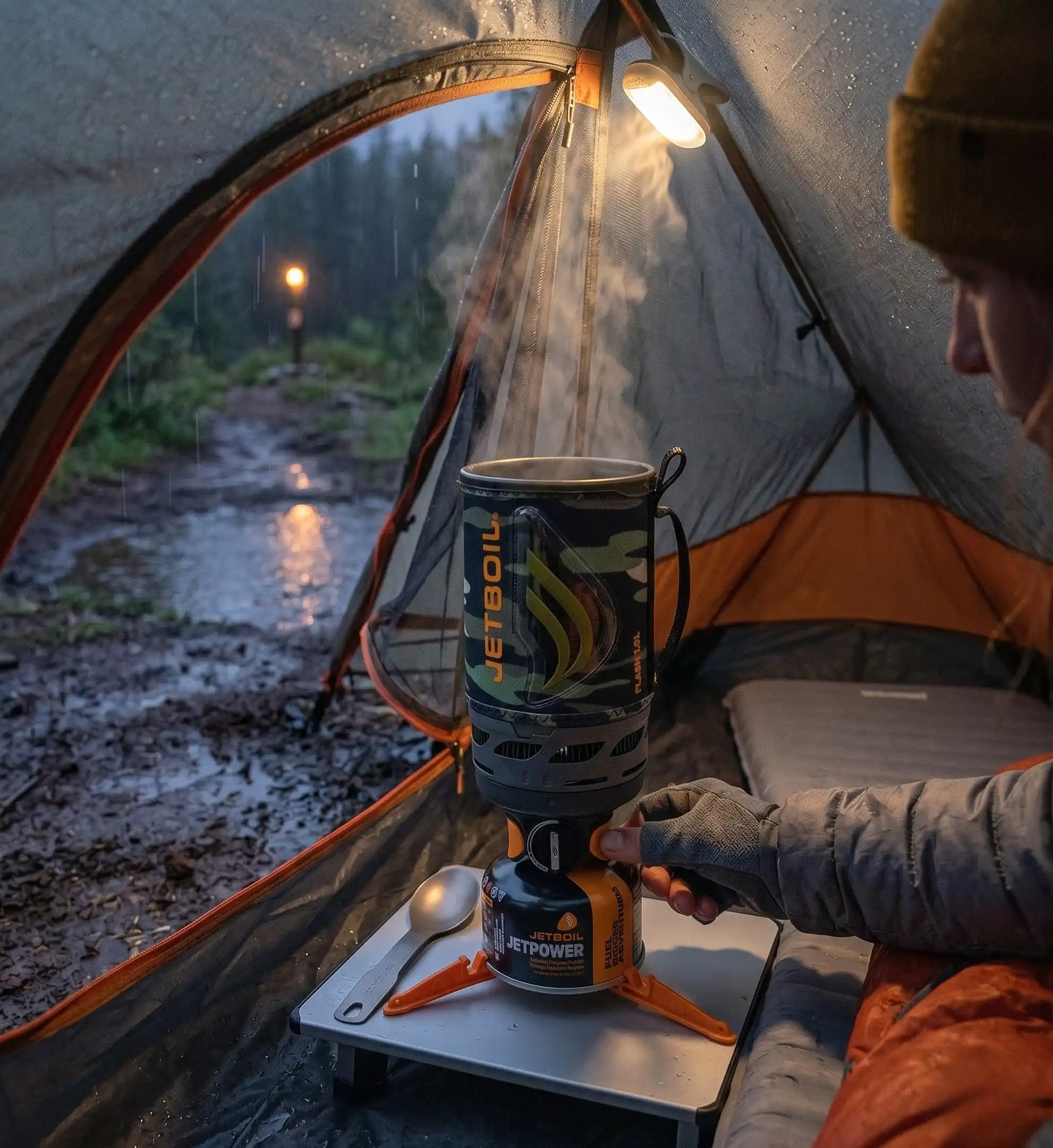
Jetboil Flash Cooking System
- Pros: Fast boiling, integrated design, fuel efficient, easy cleanup
- Cons: Limited cooking versatility, proprietary fuel canisters
- Ideal for: Solo backpackers focusing on simple meals
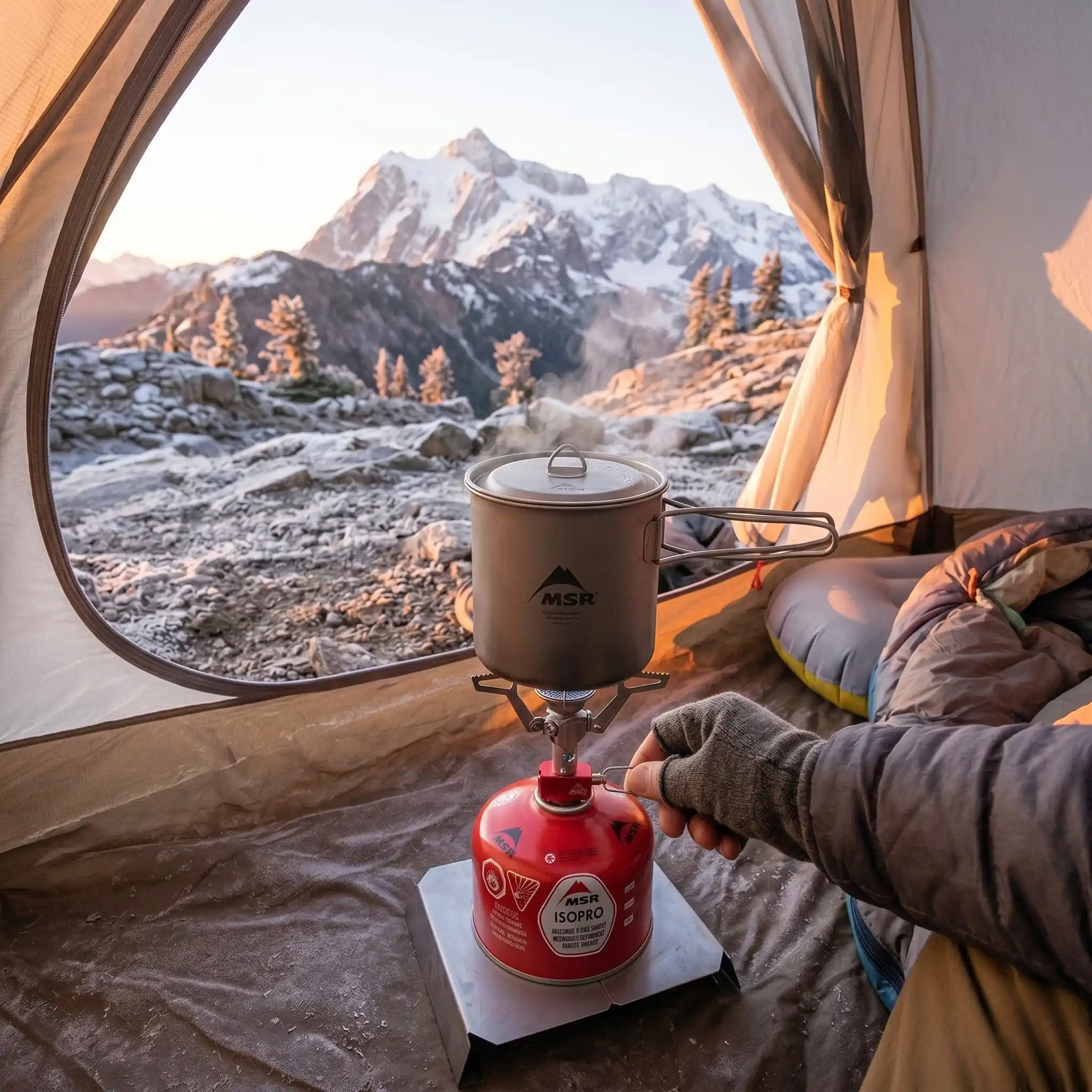
MSR PocketRocket 2 Stove
- Pros: Lightweight (2.6 oz), affordable, works with standard fuel cans
- Cons: No wind protection, requires separate cookware
- Ideal for: Minimalist backpackers and budget-conscious campers
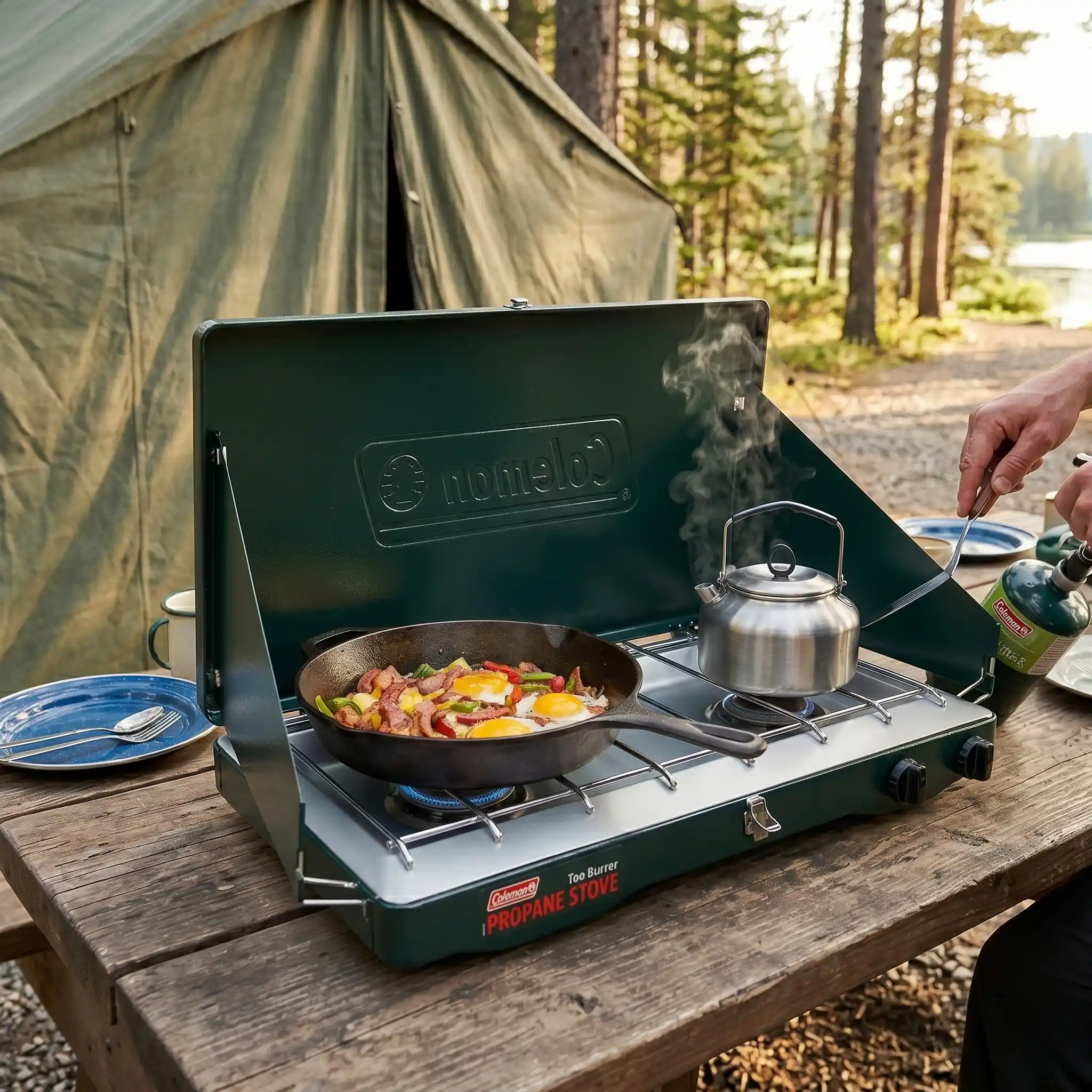
Coleman Classic Propane Stove
- Pros: Reliable ignition, adjustable flame, affordable fuel
- Cons: Heavy for backpacking, requires propane tanks
- Ideal for: Car camping and base camp cooking
Best Backpacks
Your pack carries everything else, so fit, comfort, and organization features matter enormously.
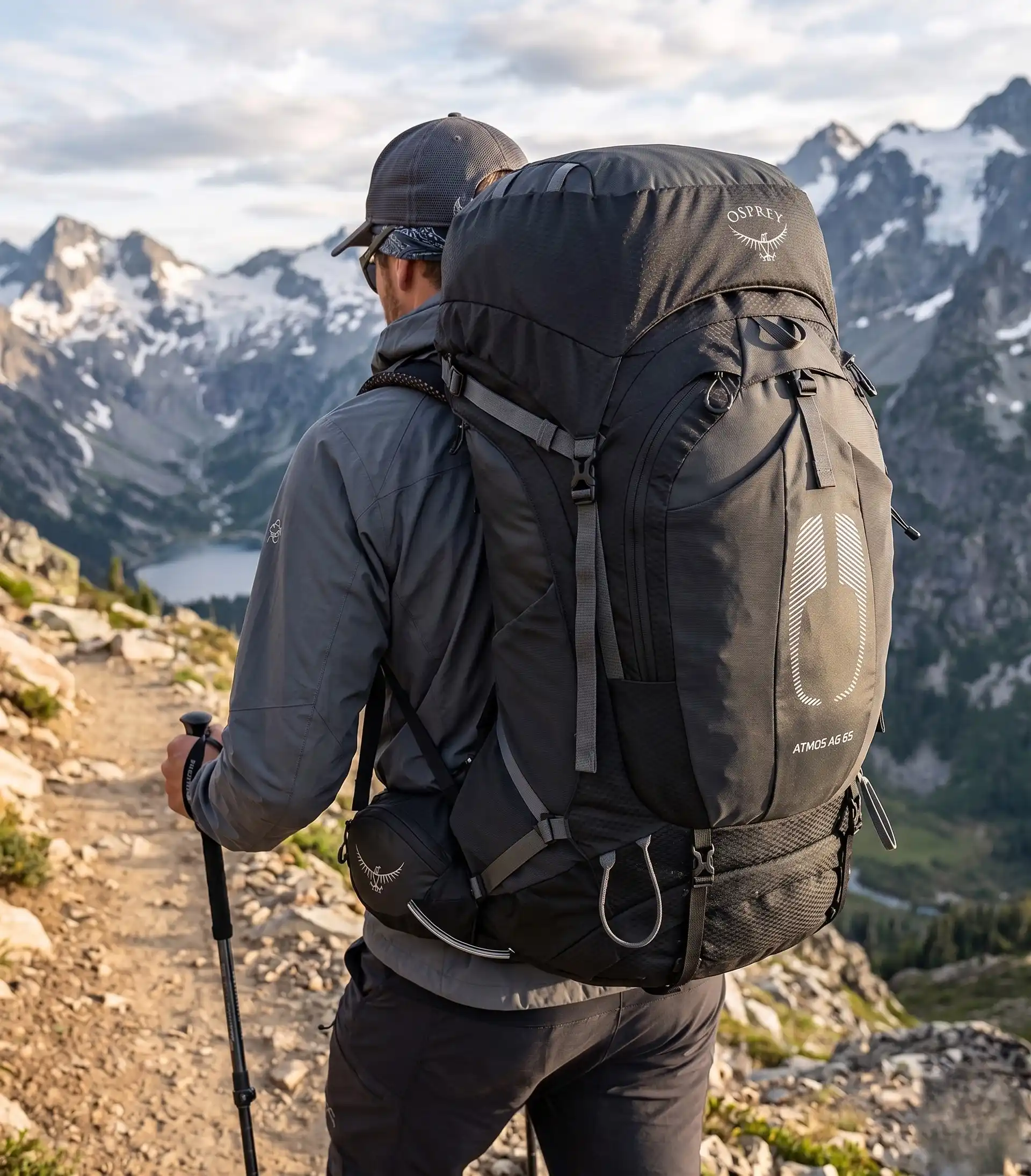
Osprey Atmos AG 65L
- Pros: Exceptional comfort, excellent suspension system, lifetime warranty
- Cons: Heavier than frameless packs, higher price
- Ideal for: Multi-day backpackers prioritizing comfort
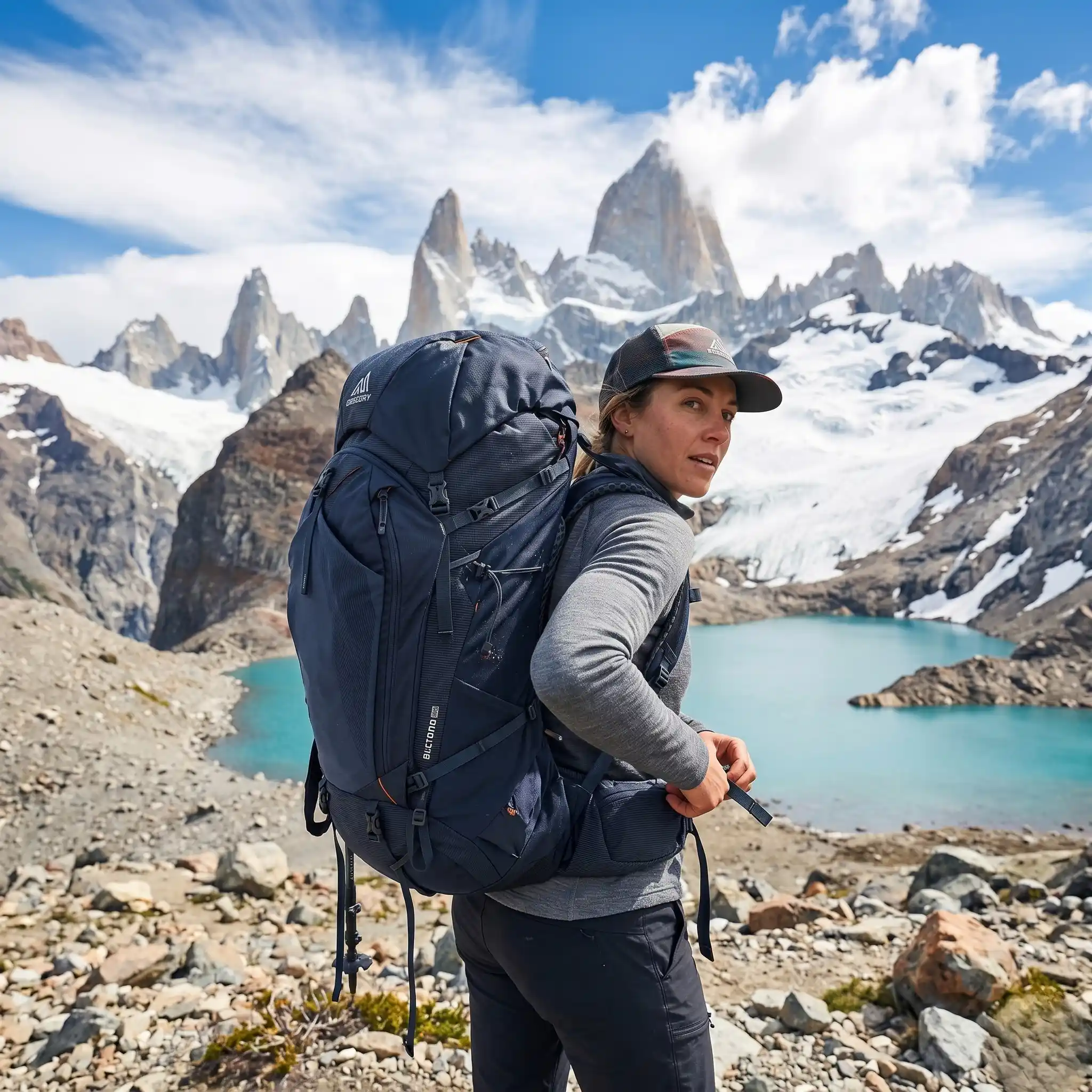
Gregory Baltoro 65L
- Pros: Customizable fit, durable construction, multiple access points
- Cons: Complex adjustment system, weight
- Ideal for: Serious backpackers carrying heavy loads
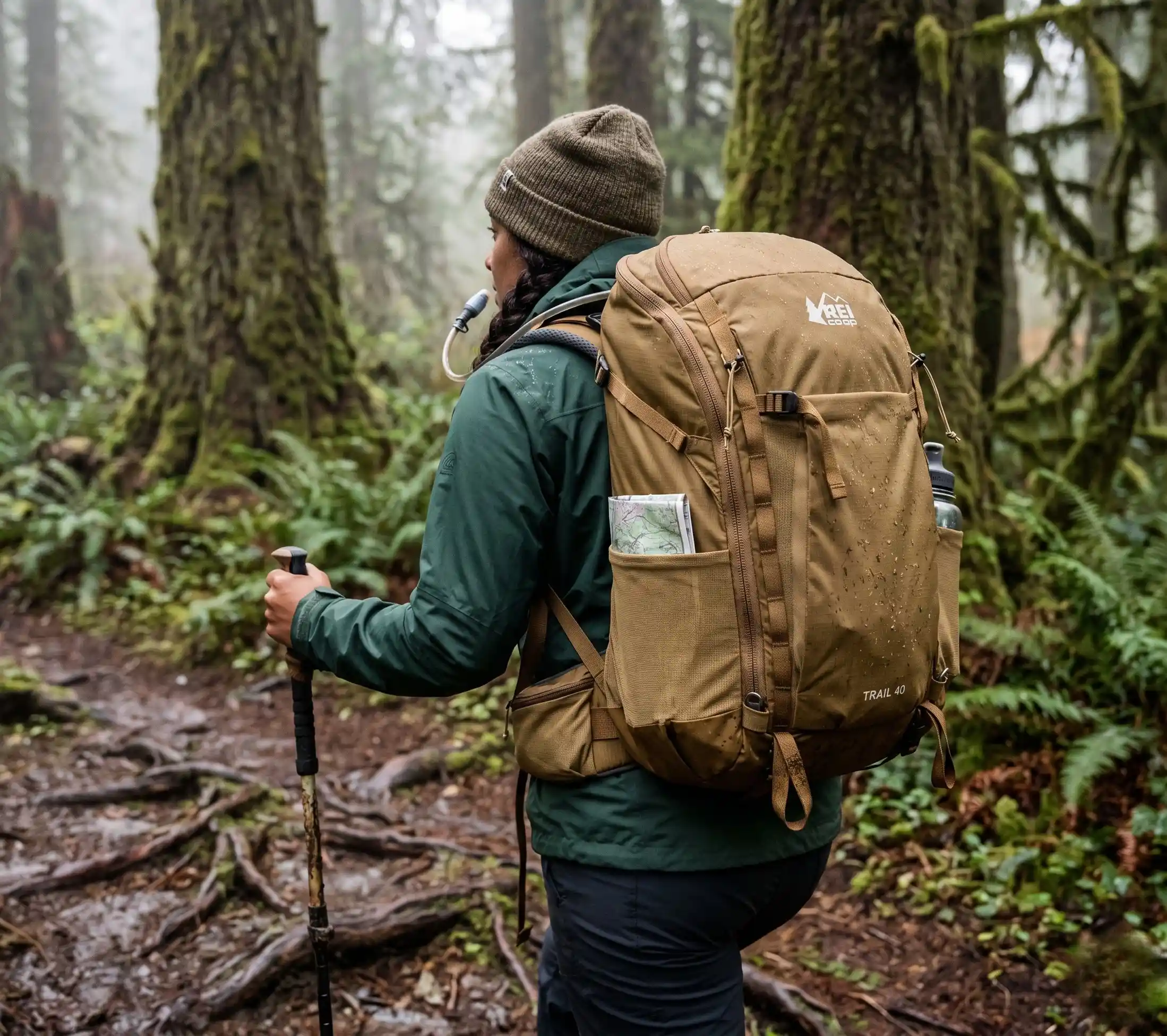
REI Co-op Trail 40L
- Pros: Great value, simple design, good for beginners
- Cons: Basic features, limited adjustment
- Ideal for: Weekend hikers and budget-conscious buyers
Best Lighting (Headlamps, Lanterns)
Reliable lighting is crucial for safety and convenience after dark.
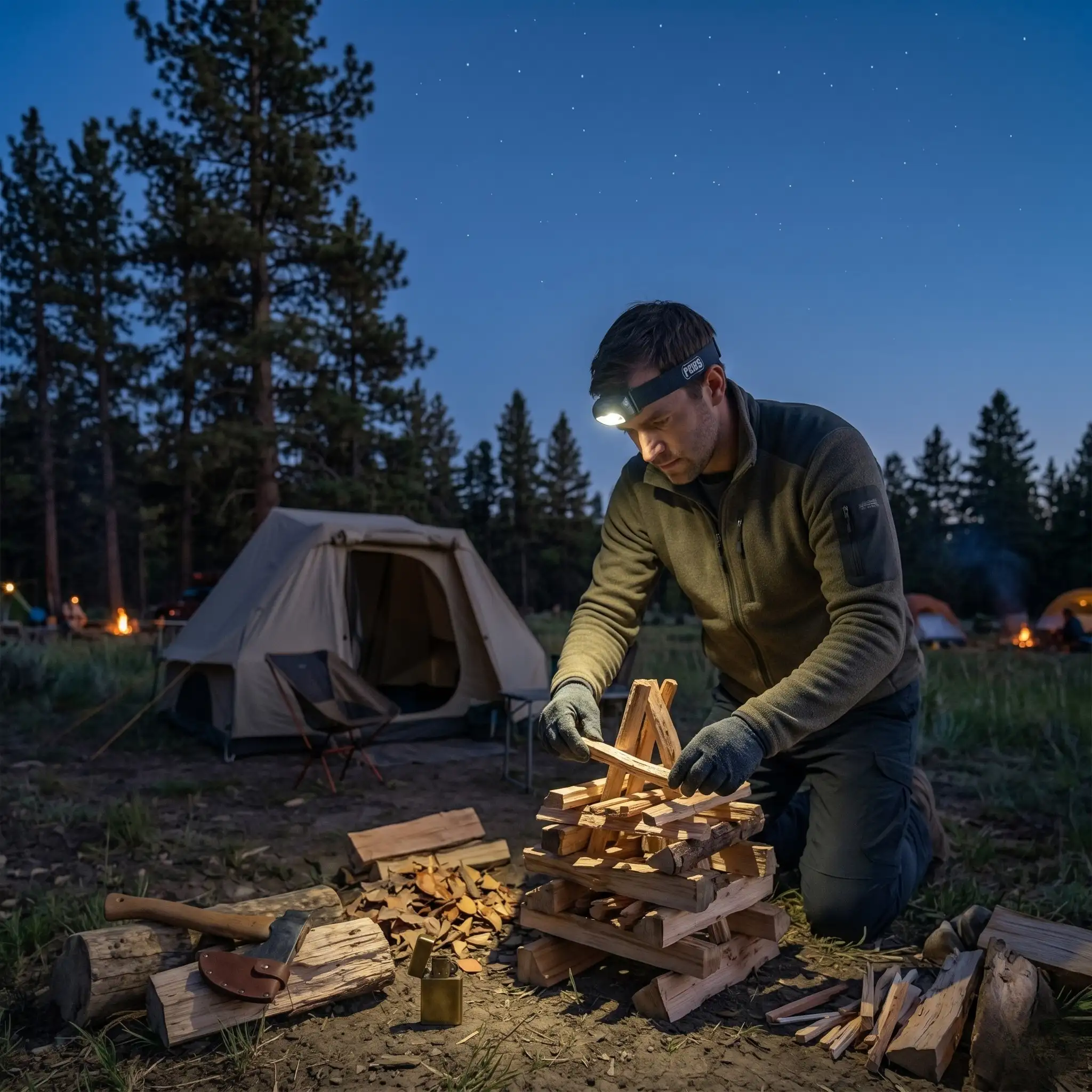
Petzl Actik Headlamp
- Pros: Rechargeable, bright (450 lumens), multiple light modes
- Cons: More expensive than basic models
- Ideal for: Regular campers wanting rechargeable convenience
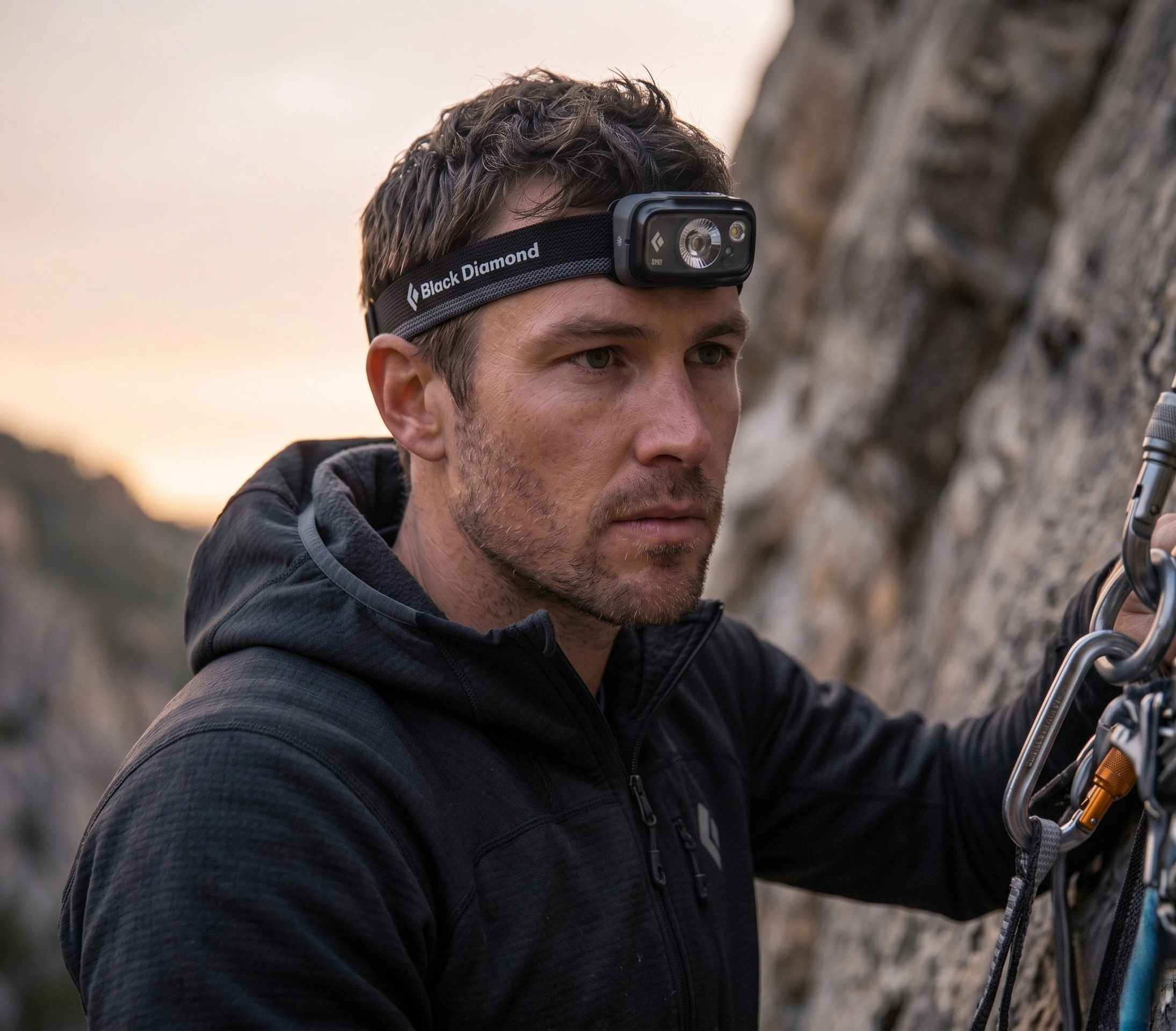
Black Diamond Spot 400 Headlamp
- Pros: Waterproof, long battery life, good beam distance
- Cons: Uses AAA batteries only
- Ideal for: Reliable backup lighting and general use
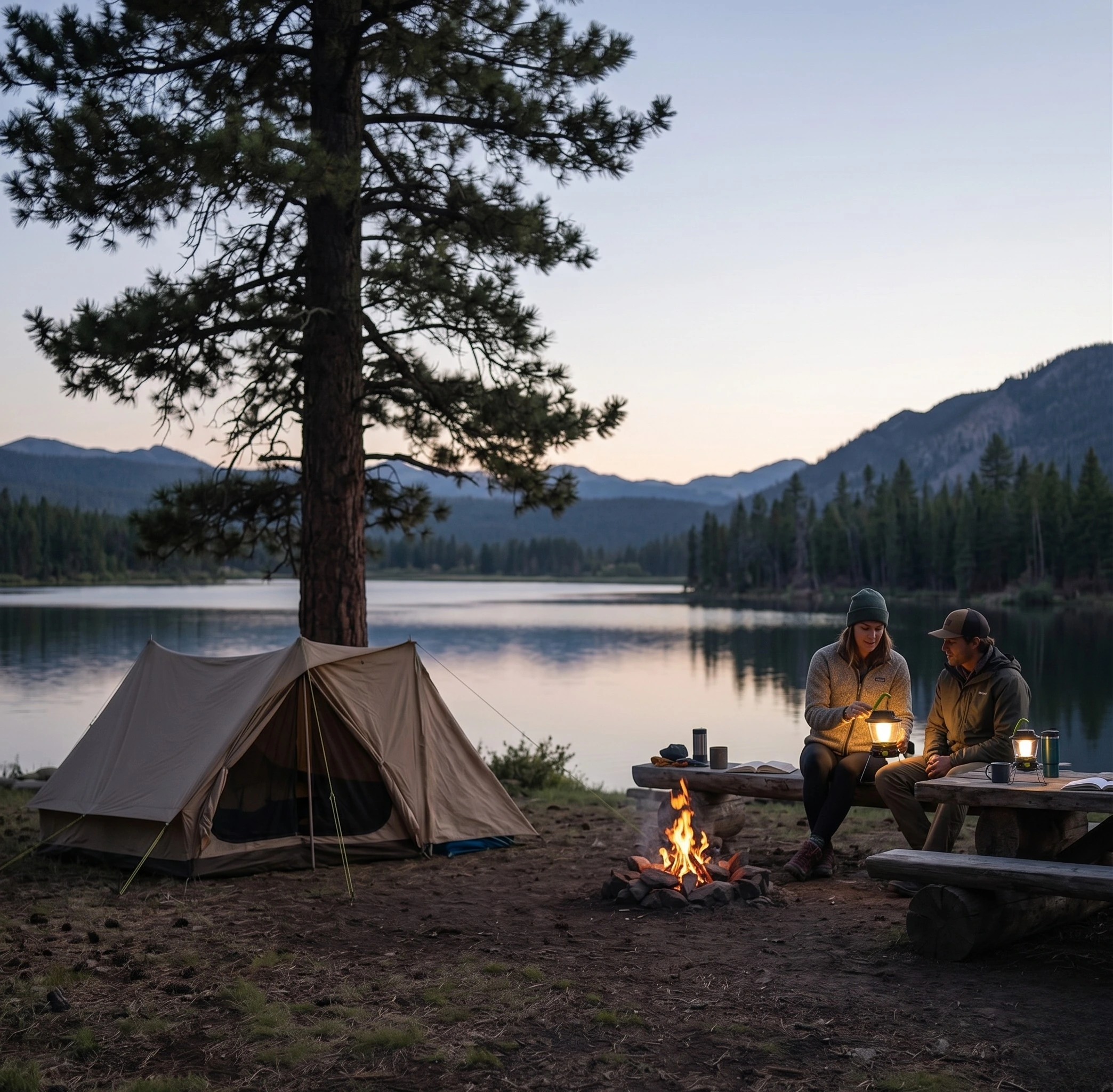
Goal Zero Lighthouse 600 Lantern
- Pros: Solar charging, USB device charging, collapsible design
- Cons: Heavy for backpacking, slow solar charging
- Ideal for: Car camping and base camp use
Best Multi-tools or Knives
A quality multi-tool or fixed blade knife handles countless camping tasks.
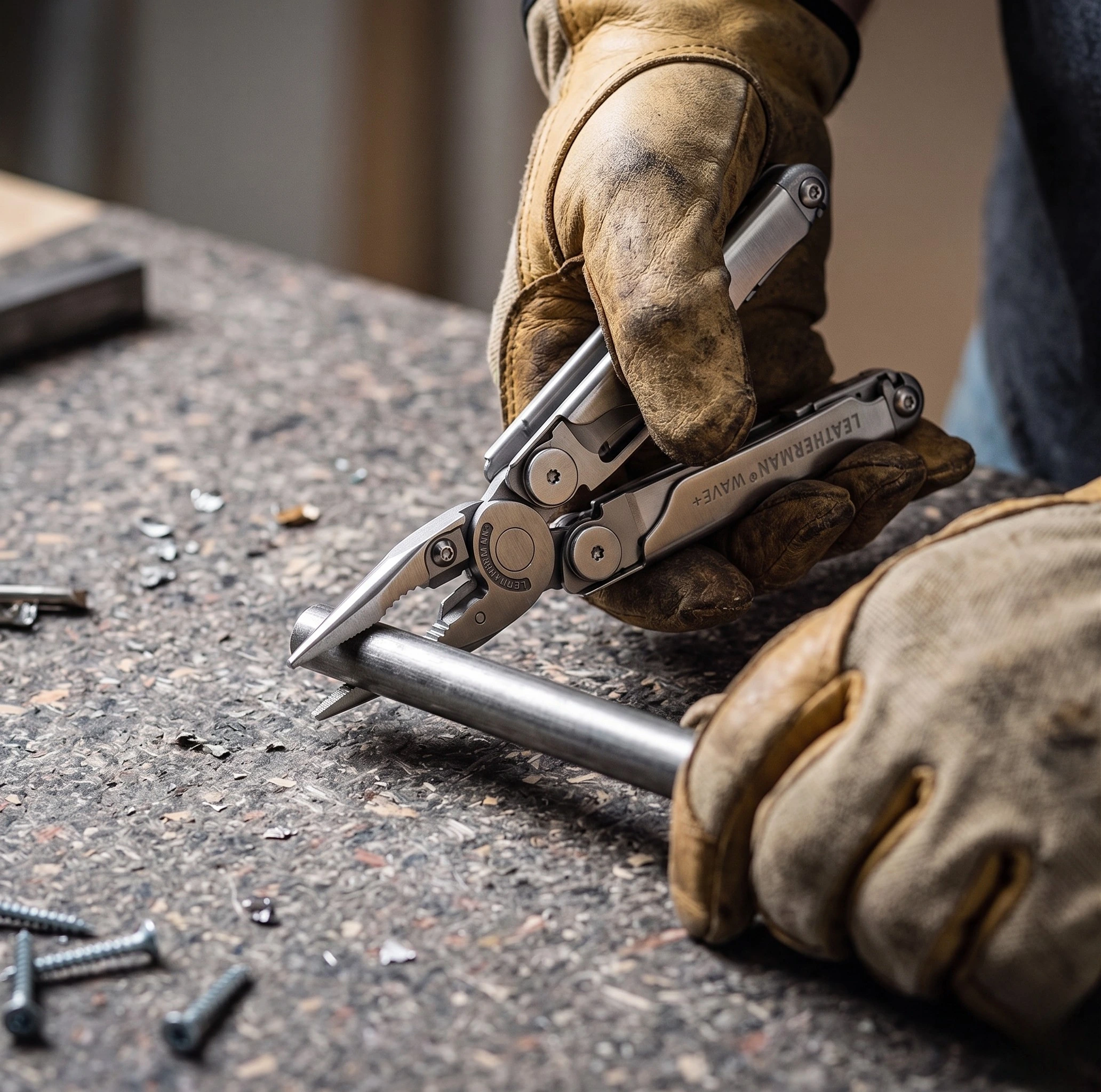
Leatherman Wave+ Multi-tool
- Pros: 18 tools in one, premium build quality, replaceable wire cutters
- Cons: Heavy (8.5 oz), expensive
- Ideal for: Car campers and those needing maximum versatility
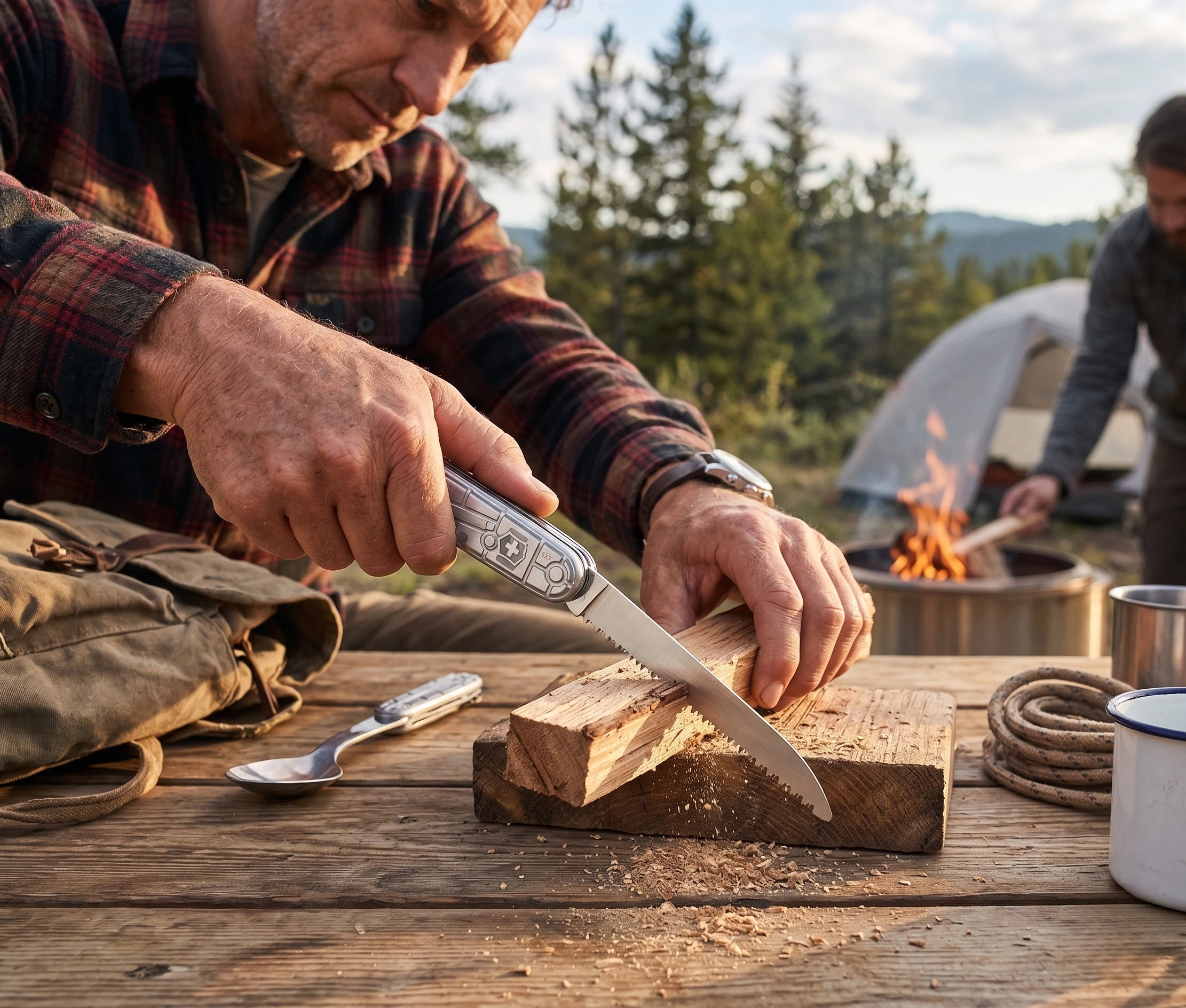
Victorinox Swiss Army Huntsman
- Pros: Lightweight, classic design, excellent value
- Cons: Smaller tools, no locking blades
- Ideal for: Backpackers and everyday carry
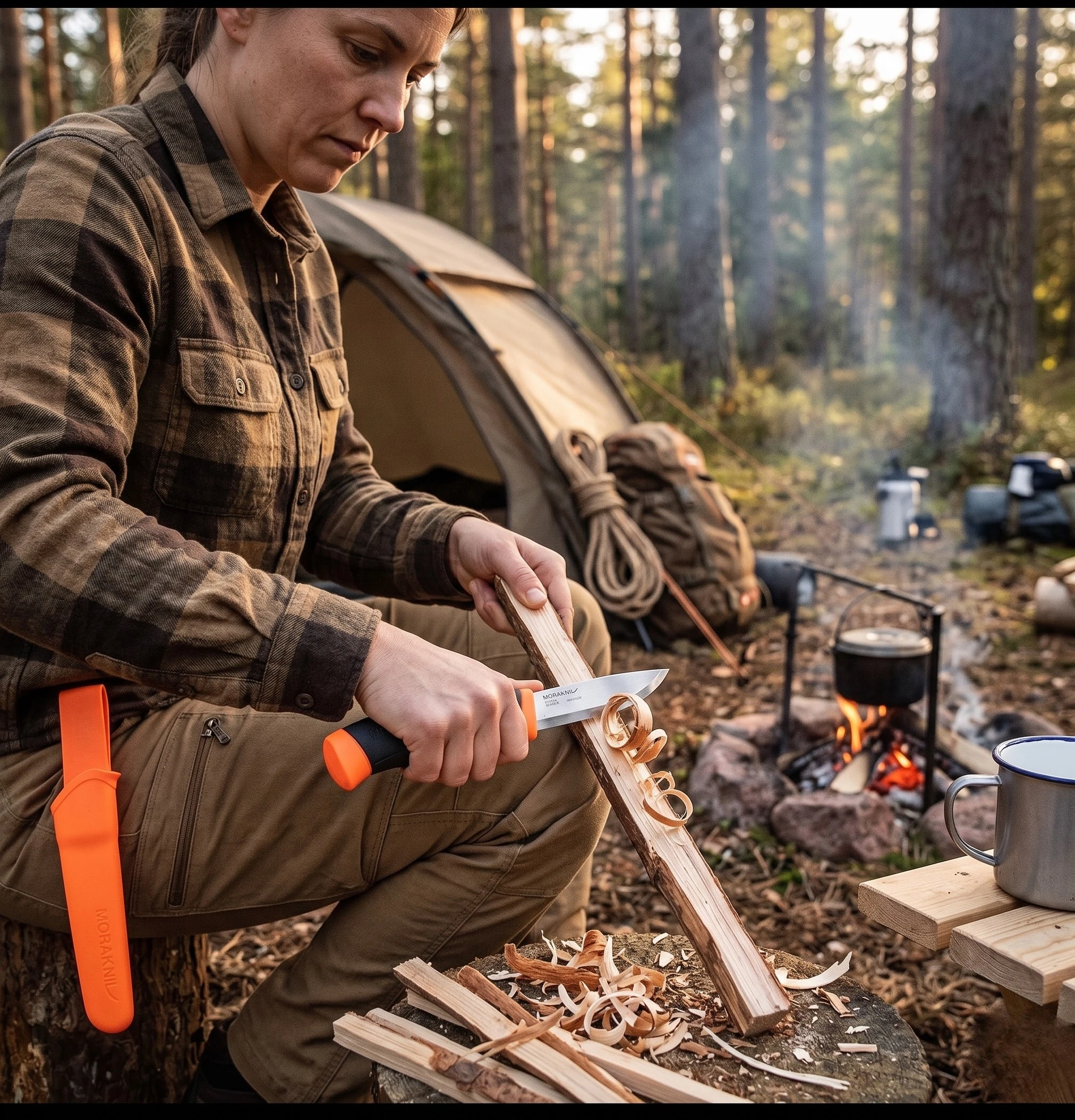
Mora Companion Fixed Blade
- Pros: Sharp carbon steel, comfortable grip, extremely affordable
- Cons: Requires separate sheath, basic construction
- Ideal for: Budget-conscious campers needing a reliable blade
Best Clothing & Footwear
Proper layering and footwear keep you comfortable across changing conditions.
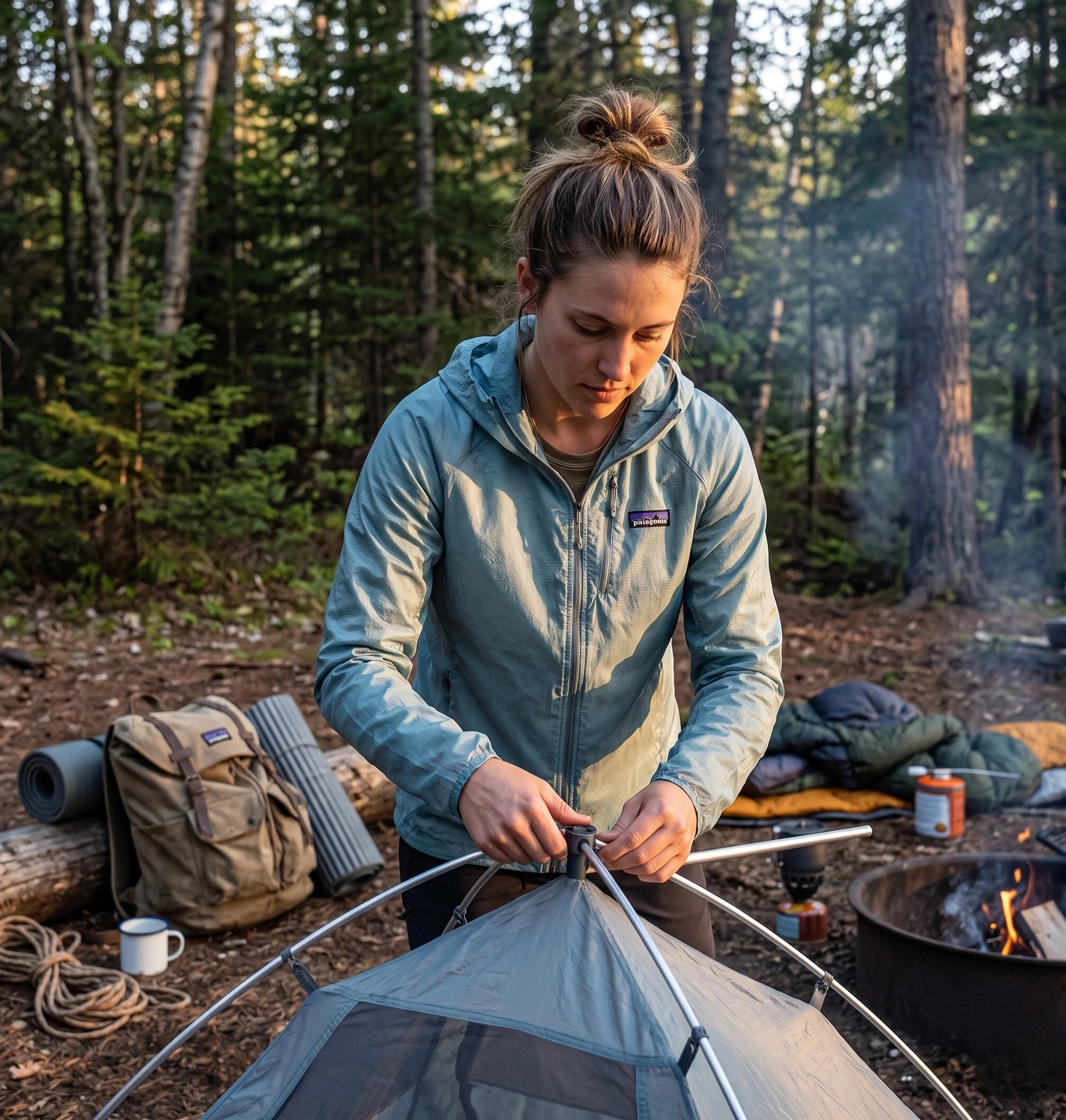
Patagonia Houdini Jacket
- Pros: Ultralight wind protection, packs tiny, durable
- Cons: Not waterproof, minimal insulation
- Ideal for: Active outdoor enthusiasts needing packable wind protection
Merino Wool Base Layers (Smartwool or Icebreaker)
- Pros: Natural odor resistance, temperature regulation, comfort
- Cons: Higher cost, requires careful washing
- Ideal for: Multi-day trips and temperature-variable conditions
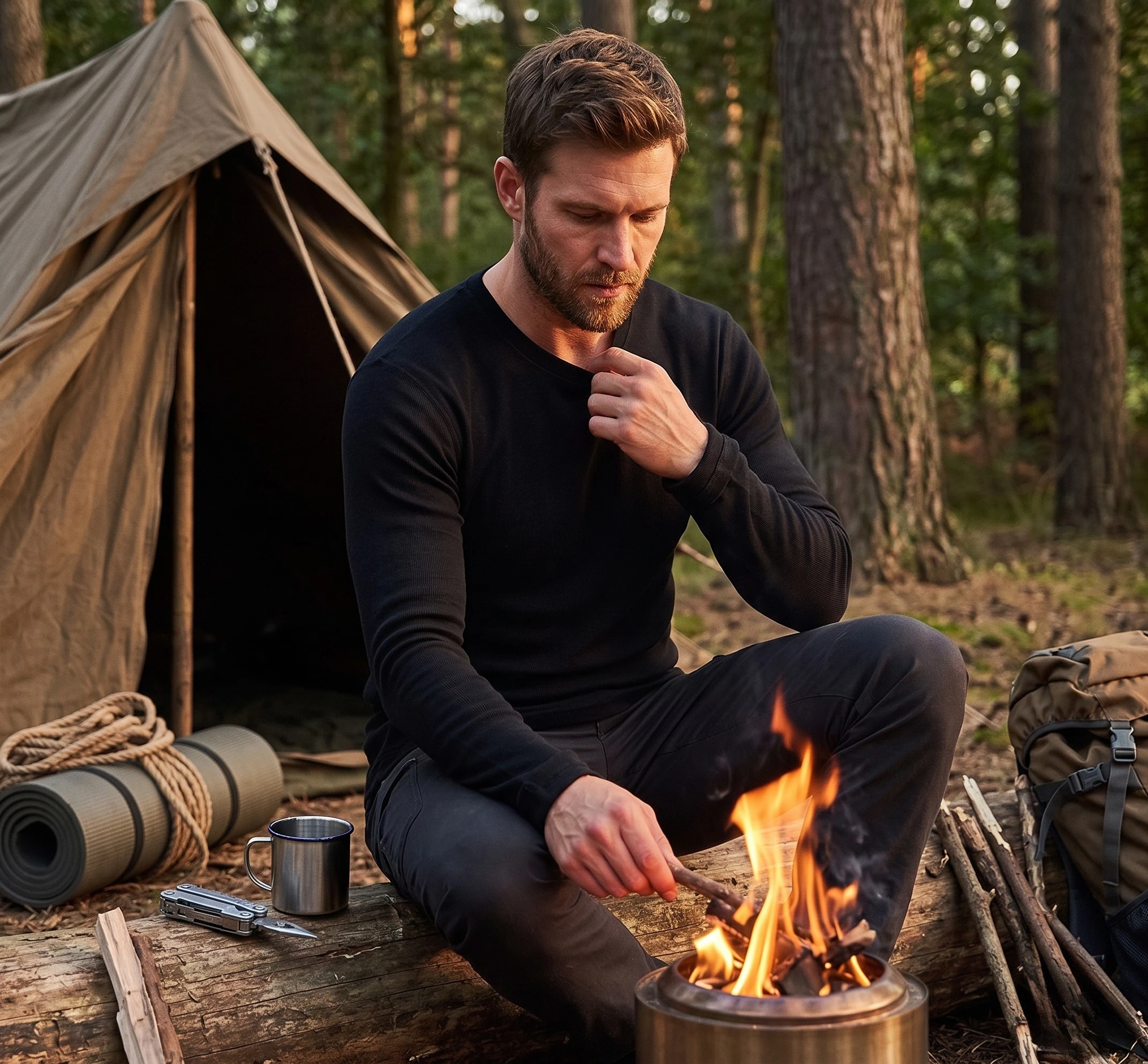
Salomon X Ultra 5 Mid GTX Hiking Boots
- Pros: Lightweight, excellent grip on technical terrain, improved breathability over previous models
- Cons: Higher price point, requires proper fit
- Ideal for: Day hiking and light backpacking on mixed terrain
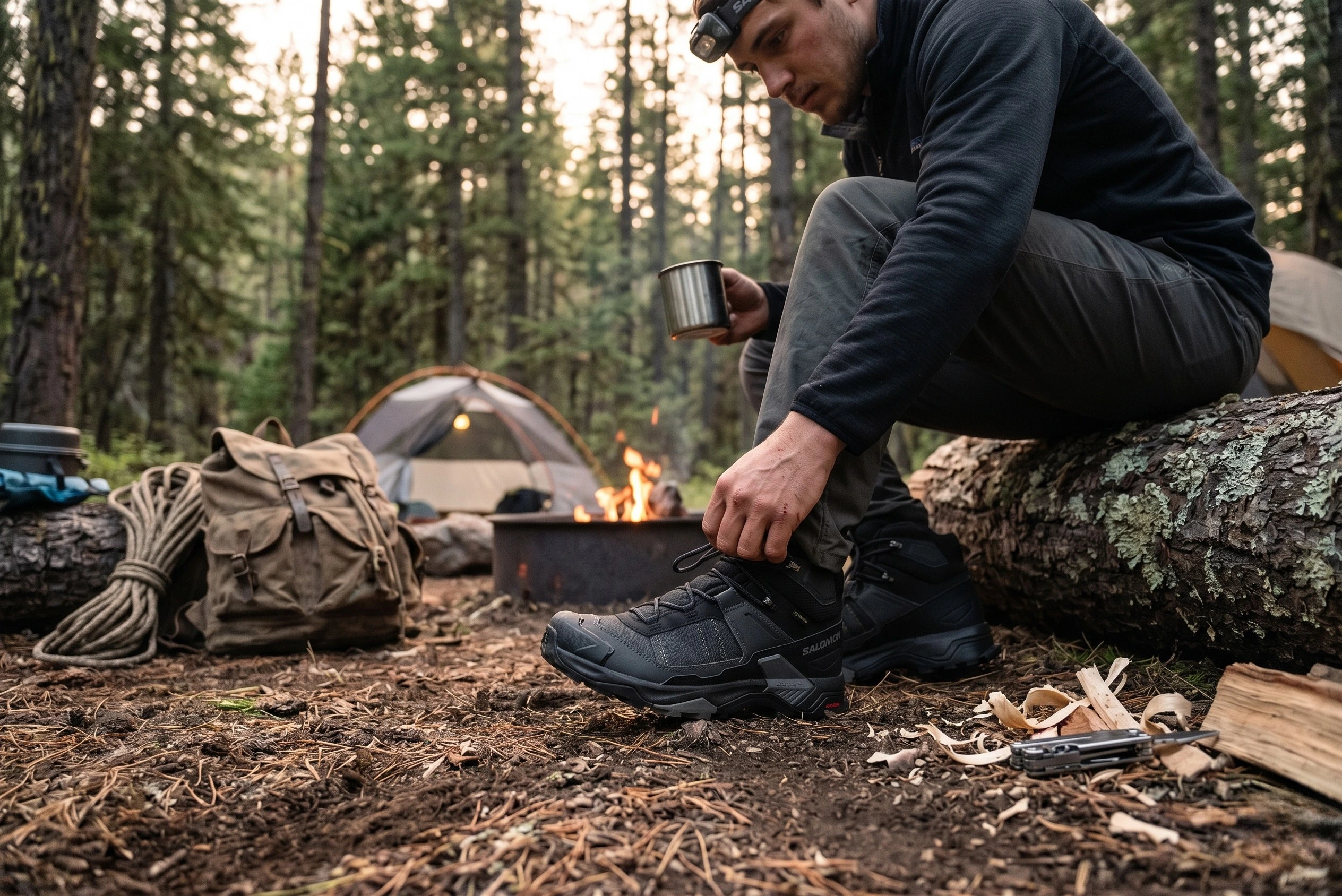
Best Coolers/Food Storage
Proper food storage prevents spoilage and keeps wildlife safe.
YETI Tundra 45 Cooler
- Pros: Superior ice retention, bear-resistant, extremely durable
- Cons: Heavy, expensive, limited internal organization
- Ideal for: Car camping and extended trips where ice retention matters
- Price Range: $300-350
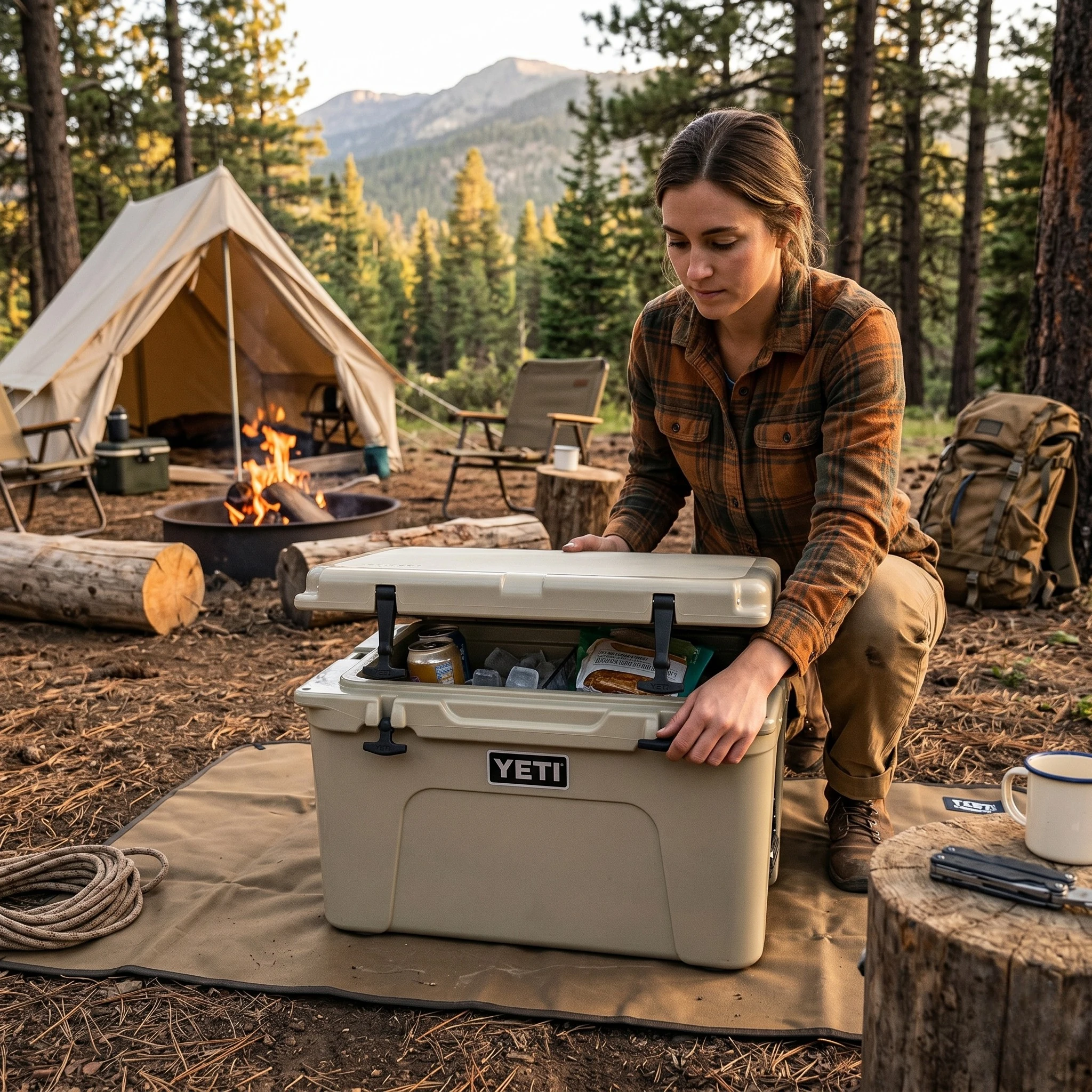
Coleman Xtreme 70-Quart Cooler
- Pros: Large capacity, budget-friendly, adequate ice retention
- Cons: Not bear-proof, basic construction
- Ideal for: Large groups and budget-conscious car campers
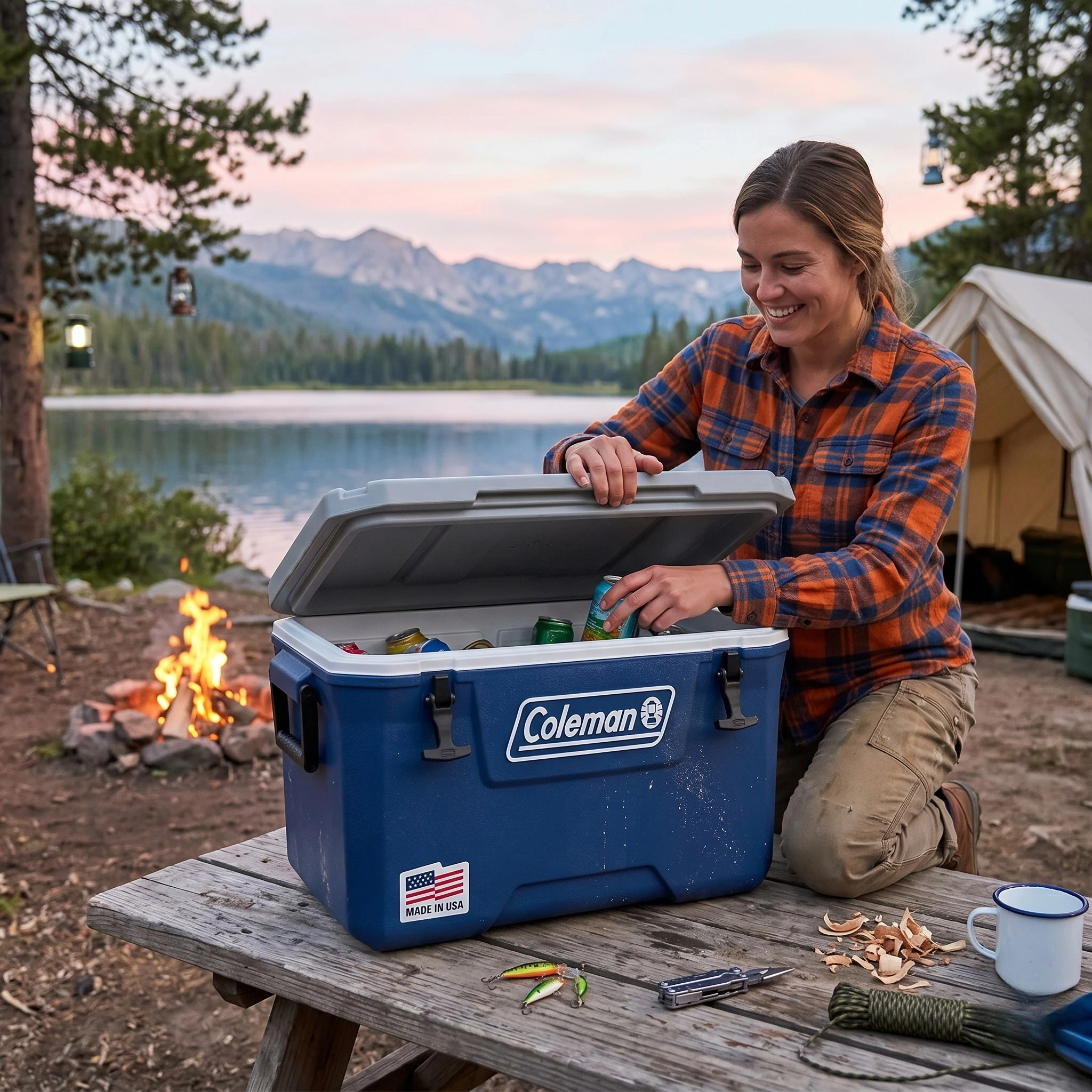
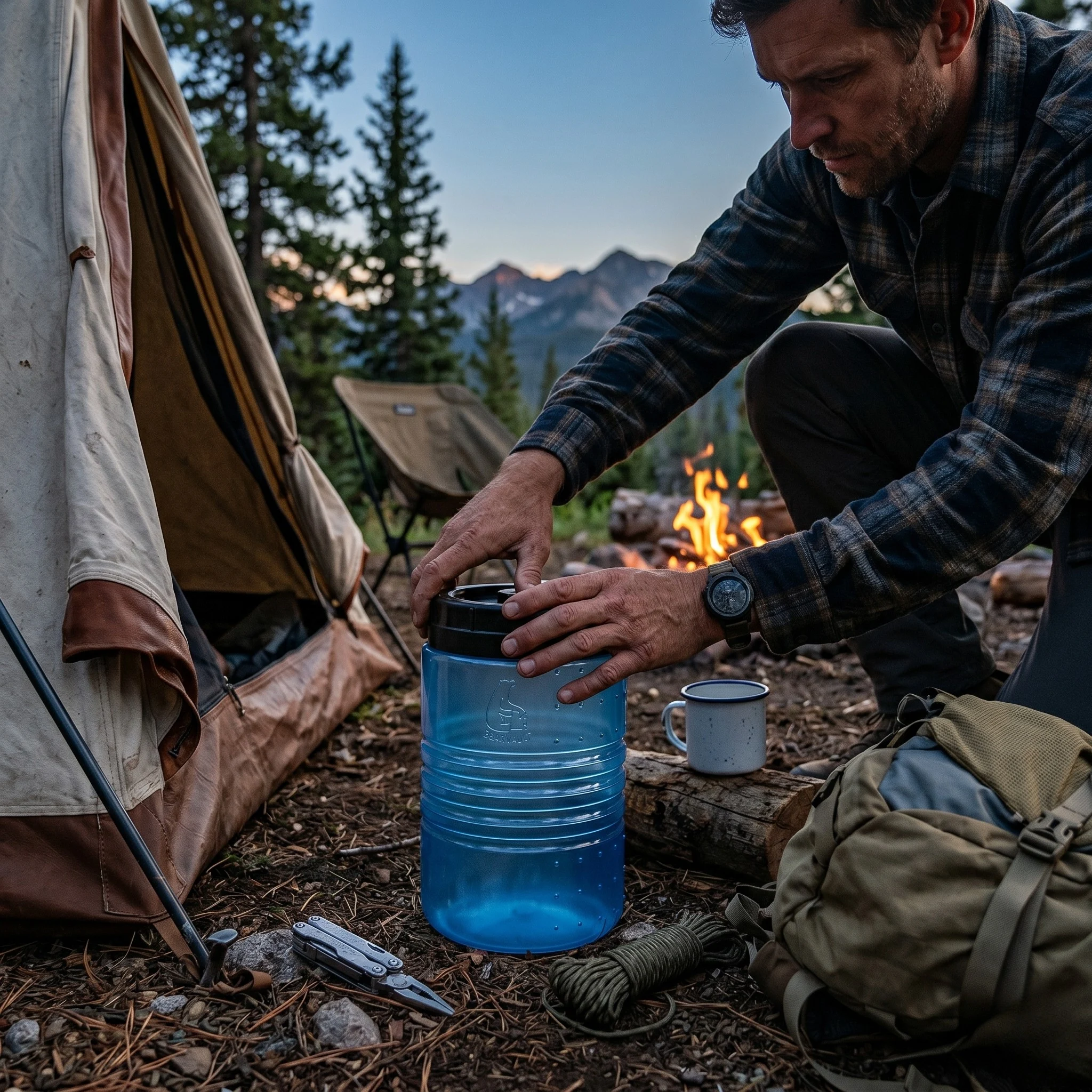
Bear Vault BV500 Food Container
- Pros: Bear-approved, lightweight, clear visibility
- Cons: Limited capacity, expensive for what it is
- Ideal for: Backpackers in bear country
Best First Aid/Emergency Kits
Safety gear isn’t exciting, but it’s essential for handling emergencies.
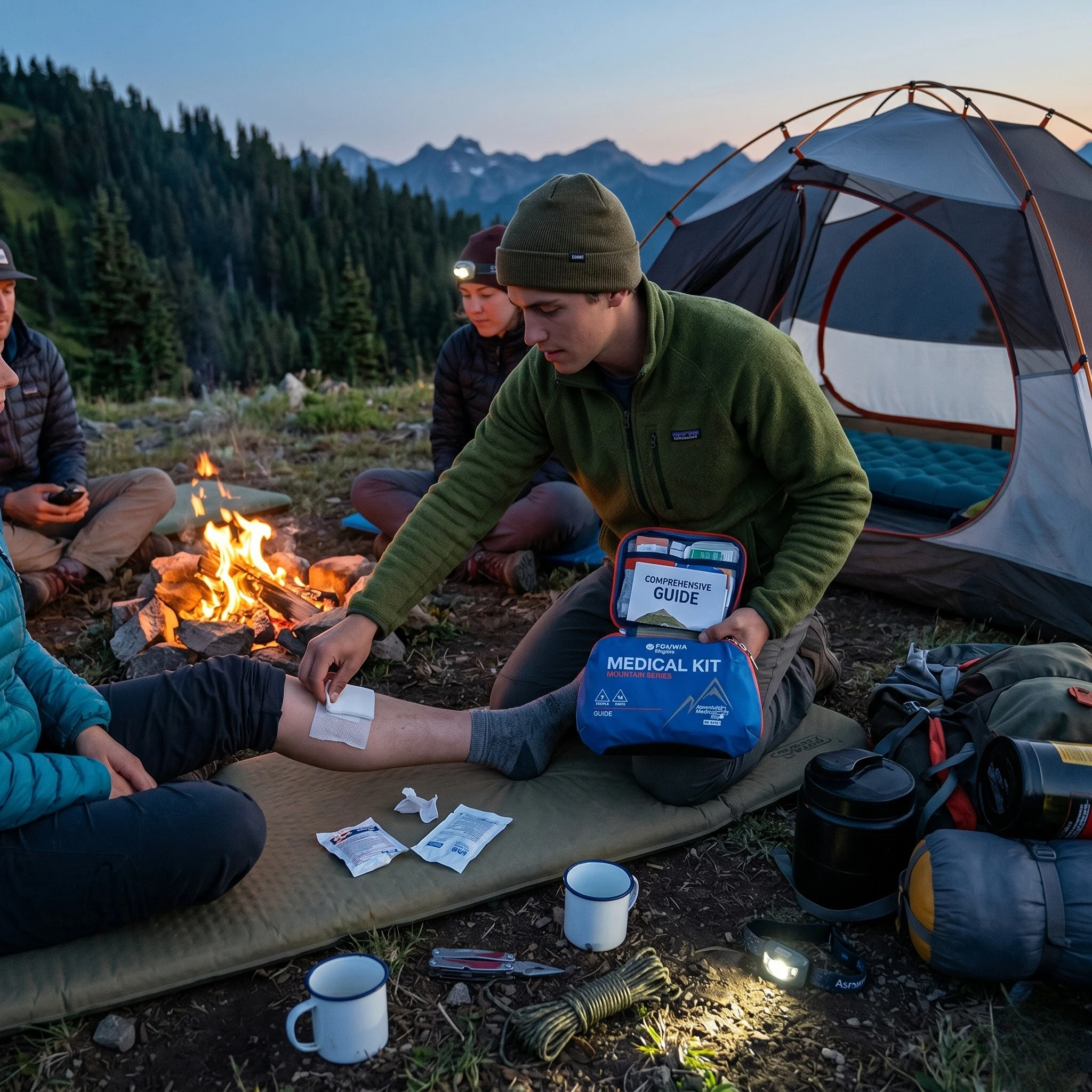
Adventure Medical Kits Mountain Fundamentals
- Pros: Comprehensive supplies, organized compartments, includes guide
- Cons: Heavier than minimalist kits
- Ideal for: Groups and multi-day trips
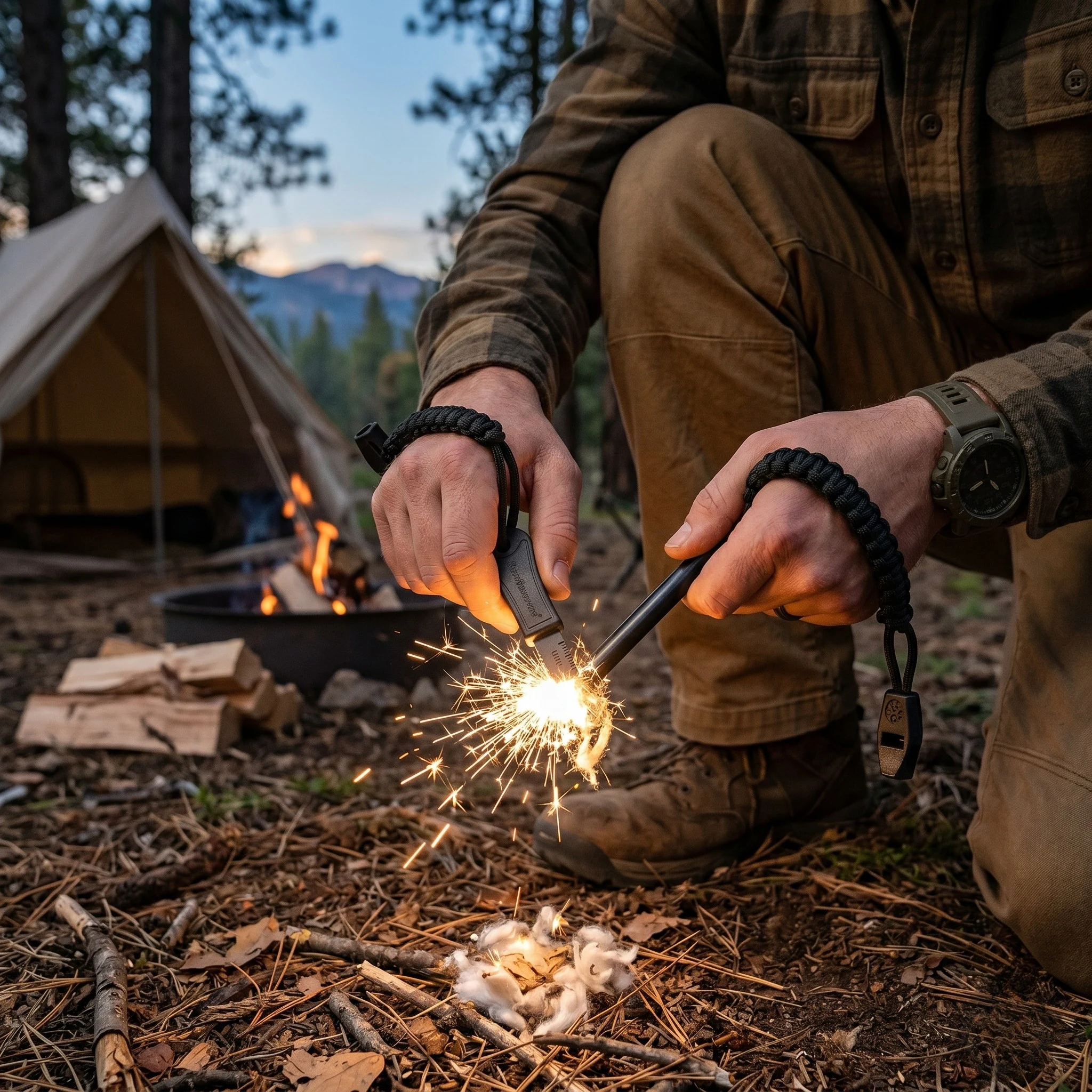
Emergency Whistle & Fire Starter Combo
- Pros: Critical safety items, lightweight, inexpensive
- Cons: Requires skill to use effectively
- Ideal for: All campers as backup safety gear
Camping Gear Comparison Table
| Category | Budget Option | Mid-Range | Premium | Best For |
|---|---|---|---|---|
| Tent | Coleman Sundome | REI Half Dome SL | Big Agnes Copper Spur | Car/Backpack/Ultralight |
| Sleeping Bag | REI Trailbreak | Kelty Cosmic | Western Mountaineering | Synthetic/Down/Premium |
| Backpack | REI Trail 40L | Osprey Atmos 65L | Gregory Baltoro | Day/Weekend/Extended |
| Stove | MSR PocketRocket | Jetboil Flash | MSR WindPro II | Simple/Integrated/Versatile |
| Headlamp | Black Diamond Spot | Petzl Actik Core | Petzl Swift RL | Basic/Rechargeable/Professional |
Tips for Choosing the Right Gear for You
Solo vs. Group Camping Solo campers can prioritize lightweight, compact gear, while groups need larger capacity equipment and backup items. Consider sharing group gear like stoves and first aid kits to reduce individual weight.
Backpacking vs. Car Camping Car campers can choose comfort over weight – larger tents, camp chairs, coolers, and multi-course cooking setups. Backpackers must prioritize every ounce and choose multi-use items.
Climate and Season Considerations Desert camping requires sun protection and water storage. Mountain camping needs insulation and weather protection. Humid climates favor synthetic insulation over down.
Budget Allocation Strategy Invest most in items you’ll use frequently: pack, boots, tent, and sleeping system. Start with quality basics and upgrade specialty items as you discover your camping style.
Try Before You Buy Many outdoor retailers offer rental programs. Test expensive items like backpacks and tents before purchasing. Join local hiking groups to try different gear brands and styles.
Frequently Asked Questions
Q: How much should I spend on my first camping setup?
A: Budget $500-800 for essential backpacking gear or $300-500 for car camping basics. Start with quality tent, sleeping bag, and footwear, then build your kit over time.
Q: What’s the most important piece of camping gear?
A: Your shelter system (tent + sleeping bag/pad) keeps you safe and comfortable. Don’t compromise on these essentials.
Q: Should I buy gear online or in-store?
A: Try packs and boots in-store for proper fit, but online often offers better prices and selection. Many retailers match online prices and offer generous return policies.
Q: How do I know what temperature rating sleeping bag to choose?
A: Choose a bag rated 10-15°F below the coldest temperature you expect to encounter. Comfort ratings are more realistic than survival ratings.
Q: Is expensive gear always better?
A: Not always, but quality gear typically lasts longer and performs better. Focus your budget on items that impact safety and comfort most.
Q: How often should I replace camping gear?
A: Well-maintained quality gear can last decades. Replace items when they no longer function safely or effectively, not on a set schedule.
Q: What’s the difference between 2-season, 3-season, and 4-season gear?
A: 2-season (spring/summer), 3-season (spring/summer/fall), and 4-season (all seasons including winter) indicate the conditions gear is designed to handle.
Conclusion
The right camping gear transforms outdoor adventures from endurance tests into memorable experiences. While the initial investment might seem substantial, quality equipment pays dividends in comfort, safety, and reliability over years of use.
Selecting the best camping gear requires balancing your specific needs with your budget. The best camping gear for you depends on whether you’re car camping with family, backpacking solo, or tackling multi-day wilderness expeditions. What matters most is choosing reliable, well-reviewed equipment that will perform when you need it most.
Remember that building a collection of the best camping gear is a journey, not a destination. Start with quality essentials in key categories – shelter, sleep system, and cooking gear – then expand your kit as you discover your preferred camping style. The best camping gear investments are items you’ll use trip after trip, season after season.
Our recommendations represent the best camping gear across different price points and use cases. From budget-friendly options for beginners to premium gear for serious adventurers, these products have proven themselves in real-world conditions. The best camping gear is gear you can trust, whether you’re dealing with unexpected weather, challenging terrain, or extended wilderness stays.
Ready to Start Your Next Adventure?
Don’t let another camping season pass with subpar gear. Begin building your kit with one quality piece at a time, starting with the category that will make the biggest difference to your camping experience.
Discover more from Maive Verse
Subscribe to get the latest posts sent to your email.