
Master the stem turn to parallel progression with our proven guide. Use these 4 essential drills to eliminate the wedge and ski with dynamic confidence.
Table of Contents
The Leap from Stem to Parallel
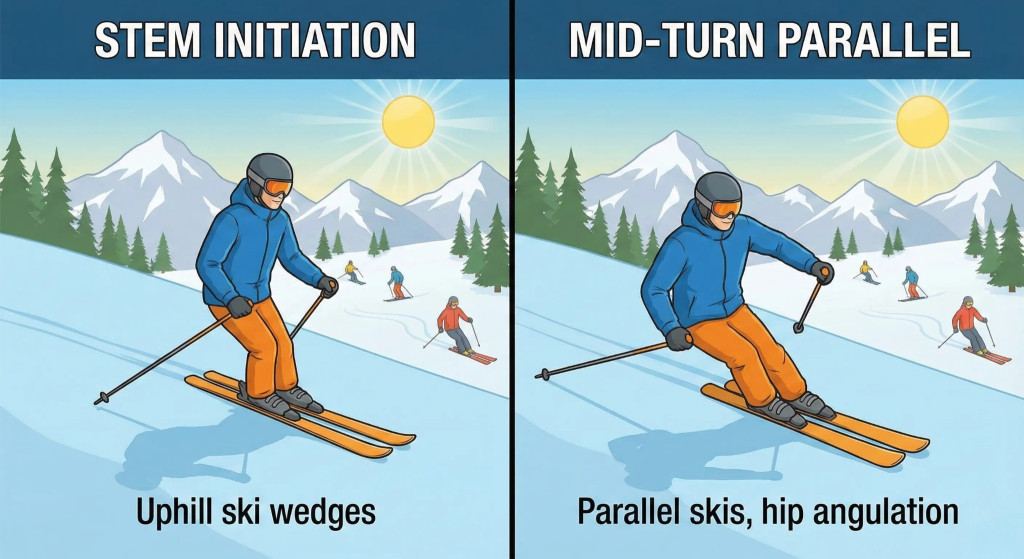
The journey to confident skiing inevitably leads to eliminating the “stem turn.” The stem is a common technical intermediary where the uphill ski is pushed out into a wedge shape to initiate the turn and control speed before the skis are brought together. While the stem is an effective tool for initial control, it is inefficient, strenuous, and prevents the skier from tackling steeper or more varied terrain.
The goal of the stem turn to parallel progression is to replace that reliance on the braking power of the wedge with quick footwork and precise edge application, moving the skier toward dynamic, unified turns. This shift results in greater speed retention, less fatigue, and a smooth, rhythmic feel. Successfully mastering this progression allows the skier to confidently execute parallel ski turns, which is the standard for efficient skiing across the entire mountain.
This guide provides an objective breakdown of the fundamental flaws in the stem turn and offers four specific, actionable drills designed to build the muscle memory required for seamless, parallel foot steering.
Diagnosing the Stem Turn
Before the habit of the stem turn can be eliminated, the skier must understand why the body instinctively uses it. The stem is essentially a nervous reaction a quick, subconscious way to find friction and slow down when control is temporarily lost or balance is threatened.
The Stem Turn Mechanics
The stem turn is characterized by a distinctive three-part movement pattern:
- Initiation (The Stem): The skier pushes the uphill ski tail outward, creating a small wedge angle. This sets the initial edge and provides immediate friction, reducing speed before the turn truly begins.
- Execution: The skier transfers weight onto the downhill (outside) ski, which then guides the turn arc.
- Unification: The skier pulls the stemmed ski parallel to the outside ski, usually mid-turn or at the very end of the arc.
The Core Flaw: Lateral Pressure and Rotation
The fundamental technical problem with the stem is that it introduces unnecessary lateral movement and excessive muscular effort to an action that should be quick, efficient, and relaxed.
- Excessive Friction: The stemmed ski acts as a brake, causing the skier to lose forward momentum. This requires the skier to expend far more energy to accelerate into the next turn.
- Balance Imbalance: The act of pushing the ski out forces the center of mass to shift awkwardly, delaying a solid commitment to the downhill (outside) ski, which should be driving the turn.
- Over-Rotation: The stemming motion often encourages the skier to rotate the upper body prematurely, creating a rotational imbalance that is difficult to correct when trying to link quick turns in succession.
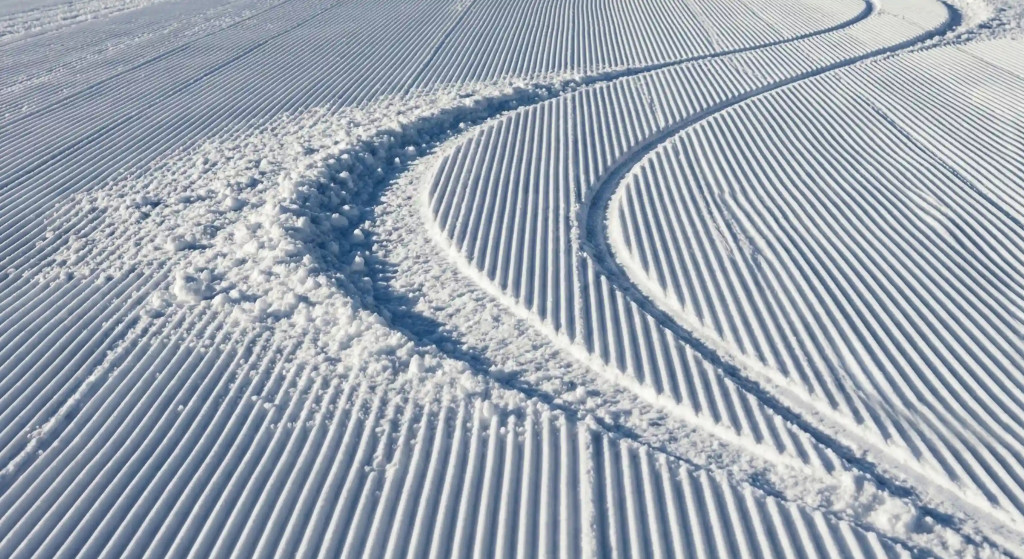
The ultimate solution to overcoming the stem is convincing the body that it does not need friction (the wedge) to start the turn; it only needs balance and edging. The goal is to move the skis simultaneously and use a subtle ankle and knee movement for edging, rather than a large leg movement for steering.
The 4-Step Progression Drills
The elimination of the stem turn requires specific drills that isolate balance, focus pressure onto the outside ski, and synchronize the movement of both feet. These should be practiced on groomed Blue runs where the skier feels comfortable.
Drill 1: The One-Ski Focus (Balance and Commitment)
The primary reason skiers stem is a lack of trust in the downhill (outside) ski. This drill forces that commitment by removing the “crutch” of the inside ski.
- Goal: Train the body to balance and apply all pressure to the downhill ski, eliminating the need to “save” the turn with the inside ski.
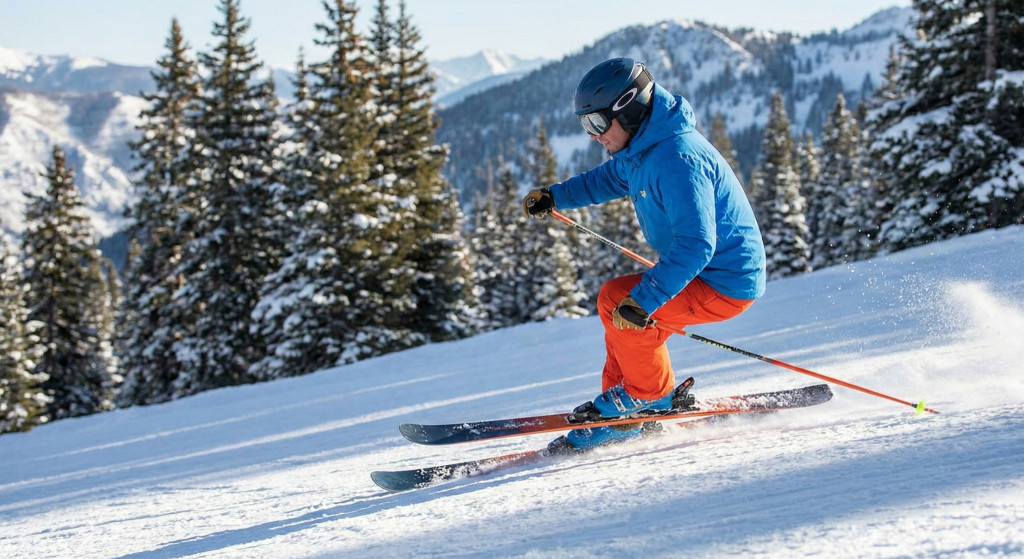
- Execution: Traverse the hill on a gentle blue or easy green run. Lift the inside (uphill) ski completely off the snow. Turn across the fall line and complete the turn entirely on the outside ski. The lifted ski can be held forward (the “Inside Ski Forward Drill”) or placed just slightly above the turning ski.
- Focus: Feel the pressure run from the outside hip, through the knee, and into the outside ski’s edge. This drill proves that only one ski is necessary to control the turn.
Drill 2: The Wedge-Christie Drill (Unification)
This drill directly targets the movement required to eliminate the final stem and unify the skis earlier in the turn phase.
- Goal: To eliminate the stem and train the inside ski to join the turn actively.
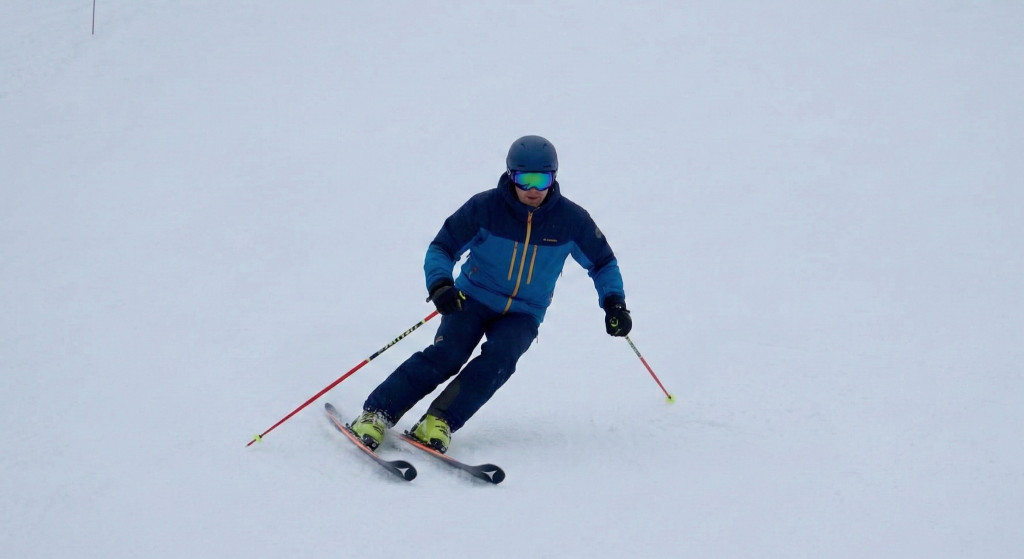
- Execution: Start the turn in a small, soft wedge. As soon as the turn is initiated and you commit weight to the outside ski, immediately slide the inside ski parallel to the outside ski and maintain that parallel stance through the rest of the turn.
- Focus: The key is timing. The inside ski must be pulled parallel before the fall line is reached. The outside ski should be driving the turn, and the inside ski simply joins the ride. This drill quickly transforms the stem initiation into a controlled, parallel finish.
Drill 3: The Sideslip and Edge Release (Confidence in the Edge)
The ability to release the edge quickly is necessary for fluid parallel initiation. This drill builds confidence in momentarily letting the skis go flat.
- Goal: To build confidence in tipping the skis simultaneously and trusting the edge to hold.
- Execution: Find a slightly steeper pitch (a Blue run). Traverse across the hill, then flatten both skis simultaneously to allow the skis to slip straight sideways down the hill (side-slip). Stop the slip instantly by tipping both skis onto their uphill edges.
- Focus: This teaches the ankles and knees to work in unison to flatten and re-engage the edge, which is the exact movement required to initiate a parallel turn. This is the moment where true ski edge control (Internal Link) becomes tactile and instinctive.
Drill 4: Pole Plant for Timing (The Rhythm Cue)
The pole plant is the non-braking action that provides the critical timing cue for initiating the next parallel turn.
- Goal: To create a rhythmic cycle that promotes forward momentum and timely edge release.
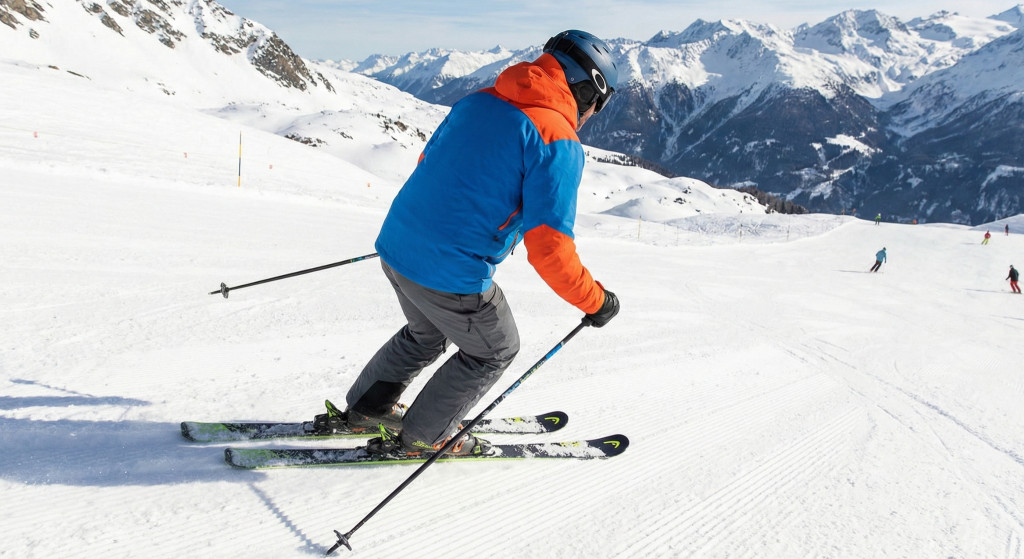
- Execution: Ski down a Blue run, using the Wedge-Christie until the skis are parallel. As you finish the turn, touch the snow with the pole on the downhill side, and immediately begin the next turn in the opposite direction.
- Focus: The pole plant should act like a metronome, demanding that the skier actively moves forward into the next turn. This forward commitment prevents the hips from dropping back and eliminates the need to stem for balance. This simple action is crucial for linking turns smoothly.
The Professional Ski Instructors of America (PSIA) stress that mastery of this progression involves consistent repetition of these isolated movements, forcing the body to adopt new, more efficient habits. For technical diagrams and movement cues used in instructor training, refer to the resources from the Professional Ski Instructors of America (PSIA).
Conclusion
The shift from the stem turn to parallel skiing is a systematic progression built on isolated, deliberate practice. The elimination of the stem requires overcoming the ingrained habit of using friction for control and replacing it with precise footwork and edge pressure. By mastering the one-ski balance, actively unifying the skis in the Wedge-Christie drill, and utilizing the pole plant as a rhythm cue, any intermediate skier can successfully complete the stem turn to parallel transition. This commitment to focused drills guarantees a successful progression to dynamic, fluid, and efficient all-mountain skiing.