
This post contains affiliate links. If you buy through them, we may earn a small commission at no extra cost to you. Thank you for supporting Maive Verse.
Summer camping promises starry nights, lazy mornings, and campfire dinners, but a heat wave can turn your tent into an oven and your trip into a sweaty ordeal. Learning how to stay cool while camping is often the difference between a restless, overheated night and a genuinely refreshing escape into the outdoors.
The good news is that comfort in hot weather comes down to smart planning and a few simple habits far more than it does expensive equipment. Below are nine practical, field-tested ways to beat the heat, protect your energy, and actually enjoy the sunshine instead of hiding from it in a puddle of sweat.
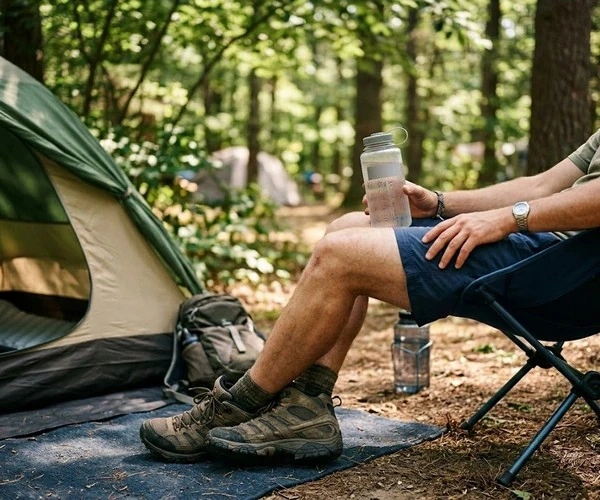
Table of Contents
One quick word before the tips. Heat is not just uncomfortable, it can be genuinely dangerous. Watch for the early warning signs of heat exhaustion such as dizziness, headache, nausea, muscle cramps, and unusually heavy sweating, and treat them as a signal to stop, rest in the shade, and rehydrate. Always check the forecast before you leave and brush up on the basics of heat safety so you know what your body is telling you.
How do you stay cool while camping with no electricity?
Learning how to stay cool while camping without electricity is simpler than it sounds. Pitch in shade and rig a reflective tarp so the sun never hits your tent directly, then open every door and window for cross ventilation once the evening air cools. Soak a cooling towel or bandana in water from a stream or jug and drape it over your neck, park a battery powered fan by your sleeping area, and sip cold water often. Stacking these low tech habits keeps you comfortable off grid without a single outlet.
1. Pick a Shady, Breezy Campsite
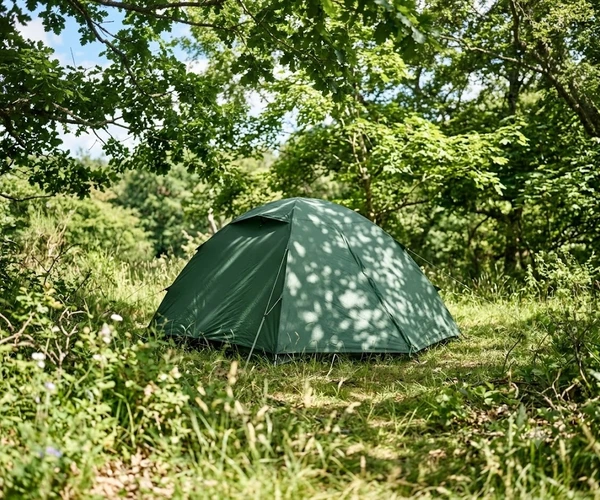
Your single biggest cooling decision happens before you even unpack: where you pitch. A site shaded by mature trees can feel many degrees cooler than an exposed clearing, and it protects your tent from the punishing midday sun that bakes the fabric all afternoon. Look for natural tree cover on the south and west sides, since that is where the hottest sun comes from later in the day.
Elevation and airflow matter too. A slightly higher, open spot catches the prevailing breeze, while low hollows trap warm, stagnant air. Camping near a lake, river, or stream gives you both a cooling breeze coming off the water and a convenient place to dunk a towel or cool your feet. If you arrive in the heat of the day, take five minutes to feel where the wind is moving before you commit to a spot.
2. Rig Reflective Shade Over Your Tent
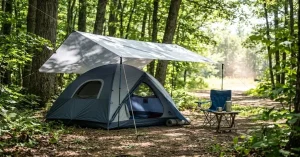
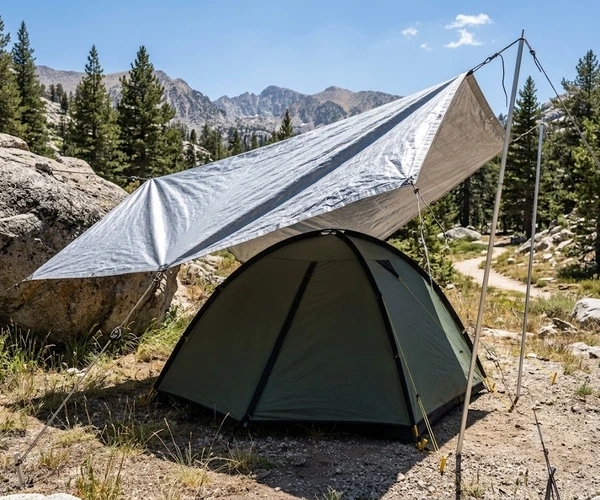
Even a great campsite has gaps in its shade as the sun moves, so bring your own. Stringing a lightweight tarp or dedicated sunshade a foot or two above your tent creates a pocket of shaded air and stops direct sun from heating the tent body. The gap between the tarp and the tent is the secret, because it lets hot air escape instead of trapping it against the fabric.
A tarp with a reflective silver side works best, since it bounces sunlight away rather than absorbing it. Angle it to block the sun during the hottest part of the day and pitch it high enough that air can still flow underneath. This one trick can keep the inside of your tent noticeably cooler through the afternoon, which pays off when it is finally time to sleep.
3. Maximize Your Tent’s Airflow
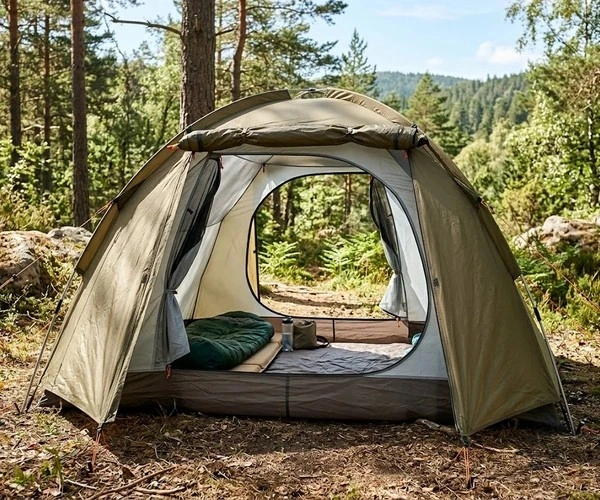
A tent is basically a fabric box, and without moving air it becomes a greenhouse. Set yours up to breathe. Open every mesh window and vent, roll back the door panels, and position the tent so the doors line up with the prevailing breeze to create cross-ventilation straight through the middle.
At night, if rain is not in the forecast, leave the rainfly off entirely or roll it back so only the mesh canopy remains. The fly is designed to trap warmth and block wind, which is exactly what you do not want on a hot night. A few small adjustments make a surprising difference:
- Point the largest mesh panel toward the wind
- Drop or fully vent the rainfly when the sky is clear
- Keep gear out of doorways so air can move freely
- Crack vents on opposite ends to pull a breeze through
4. Time Your Tent to the Sun
When you pitch and strike your tent changes how hot it gets. A tent left sealed up in full sun all day can hold that heat well past sunset, so treat it like a car on a summer afternoon. If you are staying multiple nights, open it up completely in the morning to air out overnight humidity, then close it or move it into shade before the sun is at its strongest.
If your schedule allows, pitch your tent later in the day once your chosen spot has fallen into shade, and take it down or open it wide first thing in the morning. Keeping the tent shaded and ventilated during daylight means you climb into cool fabric at bedtime instead of trapped afternoon heat.
5. Run a Portable Battery-Powered Fan
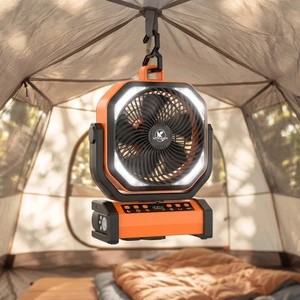
Moving air is the fastest way to feel cooler, because it helps sweat evaporate and carries body heat away. A good portable rechargeable camping fan clips to your tent ceiling or hangs from a loop and quietly pushes air over you all night on a single charge. Look for one with a rechargeable battery, a hanging hook, and multiple speeds so you can dial it in.
Position the fan to blow across your body rather than straight down, and pair it with an open vent so it pulls in cooler outside air instead of just recirculating warm air. On truly stifling nights, aiming a fan across a damp towel creates a simple evaporative cooler that takes the edge off the heat.
6. Cool Your Body Directly
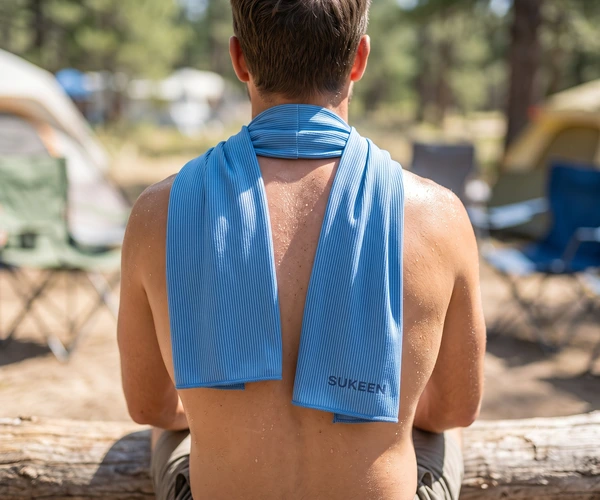
Sometimes the quickest fix is to cool yourself rather than your surroundings. A cooling towel made from moisture-holding fabric can be soaked, wrung out, and draped over your neck, where it chills the blood flowing to your head and brings your whole body temperature down. Re-wet it whenever it dries out and you have instant relief that weighs almost nothing in your pack.
The pulse points on your neck, wrists, and the insides of your elbows and knees are where cooling works fastest. A damp bandana, a dip in a nearby stream, or even splashing water on your face and forearms can reset how hot you feel. Keep a spare bottle of water just for this so you are not dipping into your drinking supply.
7. Dress for the Heat
What you wear on a hot trip matters as much as any gear. Loose, light-colored clothing reflects sun and lets air circulate against your skin, while tight, dark cotton traps heat and holds sweat. A breathable, moisture-wicking shirt pulls perspiration away from your body so it can evaporate and actually cool you instead of leaving you clammy.
Cover up rather than strip down in strong sun. A wide-brimmed hat shades your face and neck, long lightweight sleeves protect your arms from burning, and sunglasses cut the glare that adds to fatigue. Save a dry set of clothes just for sleeping so you are not climbing into bed in sweat-soaked layers.
8. Hydrate Smart and Eat Cooling Foods
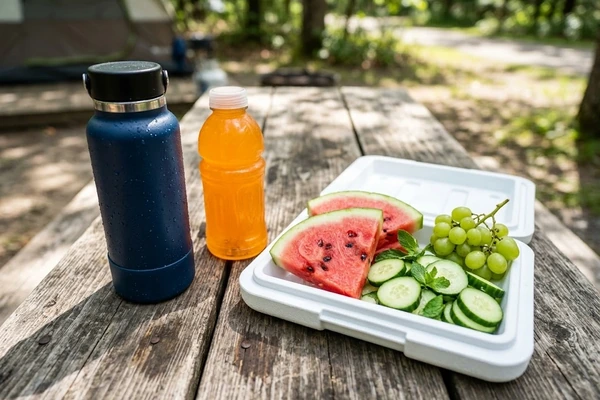
Heat pulls water out of you faster than you notice, and even mild dehydration makes you feel hotter and more exhausted. Drink steadily throughout the day rather than waiting until you are thirsty, and add an electrolyte mix to at least some of your water to replace the salts you lose through sweat. A good rule is to keep sipping whenever you are active and to check that your urine stays pale.
Food choices help too. Lean toward hydrating, no-cook meals on hot days and save the heavy, warming stews for cooler evenings. A few easy wins:
- Freeze water bottles at home and let them thaw in your cooler for ice-cold drinks
- Pack water-rich snacks like watermelon, cucumber, oranges, and grapes
- Choose cold wraps and salads over hot meals at midday
- Sip electrolyte drinks, not just plain water, when you are sweating hard
9. Set Up to Sleep Cooler
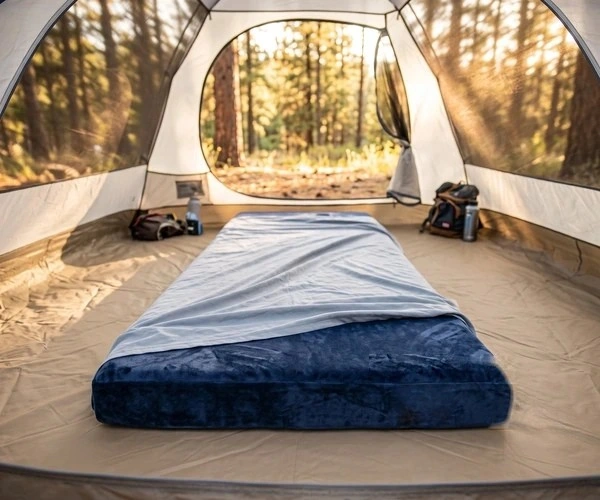
The ground stores heat, and a standard sleeping bag is built to trap it, so a few swaps make hot nights far more bearable. Skip the heavy mummy bag and use a lightweight quilt or a simple sleeping bag liner instead. A cooling sleeping pad or a pad designed for airflow keeps you from lying directly on warm ground and stops that heat from radiating up into your back all night.
Give your body room to breathe as you sleep. Wear minimal, dry sleepwear, keep that battery fan running on low, and position your head near an open vent. If it is truly sweltering, a lightly dampened sheet over you will cool through evaporation as the fan moves air across it. Cooling down before bed, with a quick rinse or a wipe-down, also helps you fall asleep before the heat creeps back in.
Frequently Asked Questions
What is the best way to keep a tent cool during the day?
Keep it shaded and open. Rig a reflective tarp above the tent, pitch it under natural tree cover when you can, and open every vent and door so hot air does not build up inside. If you are away from camp, leave the tent ventilated in the shade rather than sealed in direct sun.
How do you sleep when it is too hot to camp?
Focus on airflow and evaporation. Remove the rainfly if the sky is clear, run a battery fan across your body, sleep on a cooling or airflow-friendly pad, and wear light, dry sleepwear. A lightly damp towel or sheet combined with moving air can lower how hot you feel enough to drift off.
Does a battery fan really make a difference in a tent?
Yes, more than most people expect. Even a small fan keeps air moving so your sweat can evaporate, which is how your body naturally cools itself. Paired with an open vent to draw in outside air, a fan can turn a stuffy, still tent into something you can comfortably sleep in.
How to Stay Cool While Camping All Season Long
Knowing how to stay cool while camping is not about one magic gadget, it is about stacking small, smart choices. Pick a shady site, shade and ventilate your tent, keep air moving, cool your body directly, dress for the weather, hydrate well, and set up a cooler place to sleep. Do a few of these and a hot forecast stops being a reason to cancel.
Plan ahead, listen to your body, and you can chase the long days of summer without melting. For more warm-weather trip ideas and gear tips, browse our other camping guides and get ready to make the most of the season.
Discover more from Maive Verse
Subscribe to get the latest posts sent to your email.