
This post may contain affiliate links. If you buy through them, we may earn a small commission at no extra cost to you.
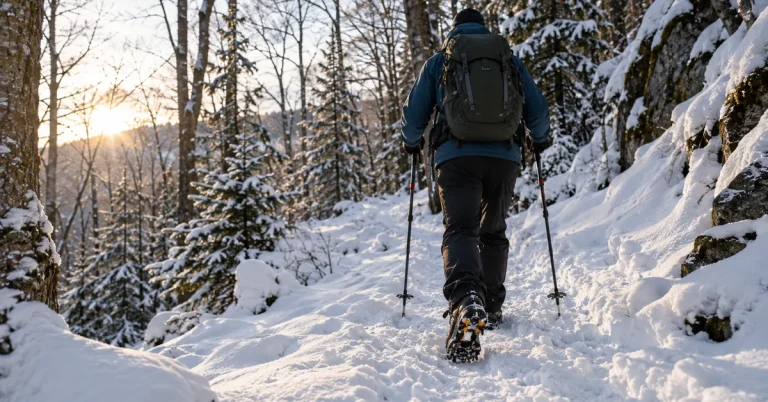
The best insulated jackets for hiking are chosen for the moment you stop moving, not the moment you set off. Walking uphill you will be too warm in almost anything; standing at a windy summit in damp base layers is when insulation earns its place. That single distinction decides between down and synthetic more than any specification does.
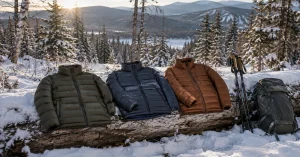
Six jackets below, every one checked for stock, rating and the specifications its listing publishes, spanning 53 to 4,119 reviews, covering men’s and women’s fits. If you are heading out in real winter conditions, our snow and ice guide covers what goes on your boots.
Table of Contents
What Separates the Best Insulated Jackets for Hiking
Down against synthetic is the first decision and the only one that really matters. Down gives more warmth per gram and packs smaller than anything synthetic, and it collapses to nothing when wet. Synthetic fill is heavier and bulkier for the same warmth and keeps a usable amount of it damp. Dry cold favours down; wet snow, rain and sweat favour synthetic.
Then fill power if it is down. The number measures loft rather than quantity, so 800 fill down traps more air per gram than 550 fill. A jacket can have high fill power and very little fill, which is how ultralight pieces end up less warm than their spec sheet implies.
Then packability, because a hiking insulated jacket spends most of its life in a pack. If it does not compress into something you will actually carry, you will leave it at home on exactly the day you needed it, which is the most common way this category fails its owner.
Last, the water story. Most of these are water resistant rather than waterproof, which is correct: the insulated layer goes under a shell in real rain. What a durable water repellent finish buys you is tolerance of light snow and drizzle without wetting out, which matters more than it sounds for down.
The Best Insulated Jackets for Hiking at a Glance
| Jacket | Fit | Fill | Reviews | Best For |
|---|---|---|---|---|
| Columbia Powder Lite II | Men’s | Synthetic | 112 | Best overall |
| Eddie Bauer CirrusLite | Men’s | Down | 2,288 | Best packable down |
| The North Face Junction | Women’s | Synthetic | 455 | Best women’s |
| Outdoor Ventures Puffer | Men’s | Synthetic | 1,475 | Best value men’s |
| Outdoor Ventures Puffer | Women’s | Synthetic | 4,119 | Best value women’s |
| Columbia Tipton Peak III | Men’s | Synthetic | 53 | Warmest for cold |
The Six Best Insulated Jackets for Hiking in Detail
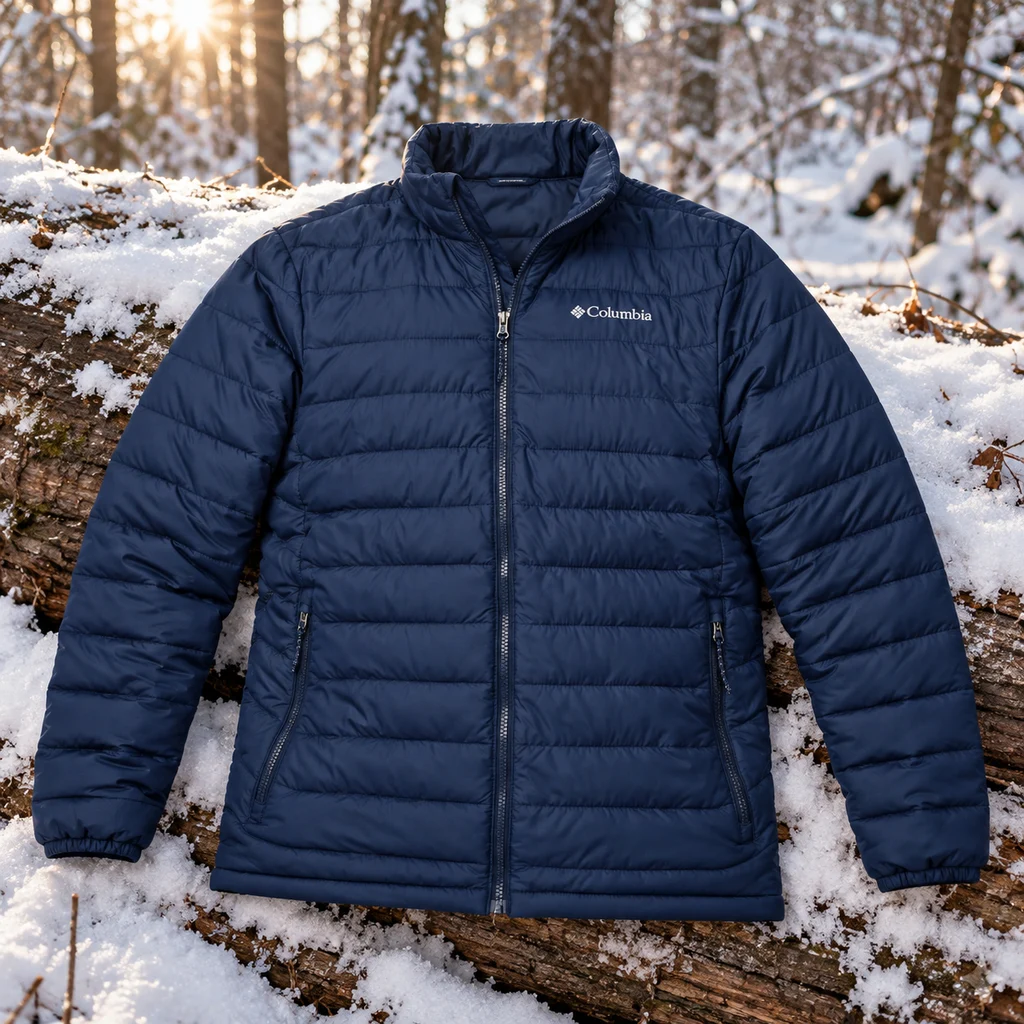
Columbia Powder Lite II: Best Overall
Four point seven stars, the joint highest here, and the sensible default for hiking rather than for standing around a car park. Synthetic insulation means it keeps working when it is damp, which on a Pacific Northwest or New England winter day is the condition it will spend most of its time in.
Columbia’s reflective lining is the feature that distinguishes it: a printed metallic pattern inside that reflects body heat back rather than relying purely on loft. It is a real effect rather than marketing, and it lets the jacket be thinner than its warmth suggests.
Water resistant shell, hand pockets, and a cut that layers under a shell without bunching. It is the one to buy if you want a single insulated layer for hiking through autumn and winter.
Specs That Matter
- Fill: synthetic insulation
- Feature: heat reflective lining
- Shell: water resistant
- Fit: men’s, layers under a shell
- Rating: 4.7 stars across 112 reviews
Who It Is For
Hikers wanting one insulated layer that works damp as well as dry.
Eddie Bauer CirrusLite Down: Best Packable Down
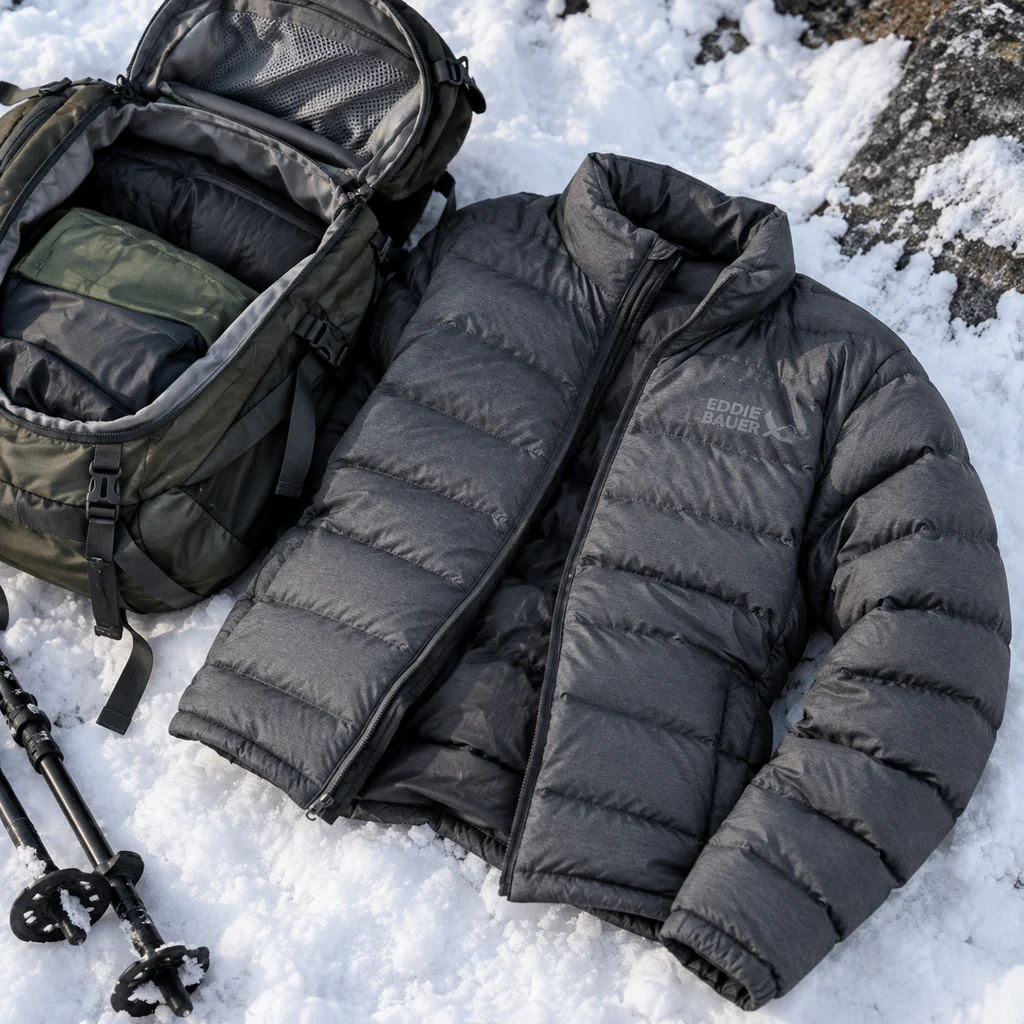
Two thousand three hundred reviews at 4.5 stars, and the down pick. Down gives you more warmth for less weight and packs down smaller than any synthetic here, which is exactly what you want from a jacket that lives compressed in a pack all day.
The trade is unambiguous: wet down loses almost all its loft and takes a long time to recover. In dry cold this is the warmest thing here for its weight; in sleet it is the wrong tool unless it is under a shell.
A well established design with a long review history, which is worth something in a category full of new listings. Buy it for cold dry days, alpine starts and anything where pack space is tight.
Specs That Matter
- Fill: down
- Packability: compresses small for its warmth
- Weight: light for the insulation provided
- Best conditions: cold and dry
- Rating: 4.5 stars across 2,288 reviews
Who It Is For
Hikers in cold dry conditions who want maximum warmth for minimum pack space.
The North Face Women’s Junction: Best Women’s Jacket
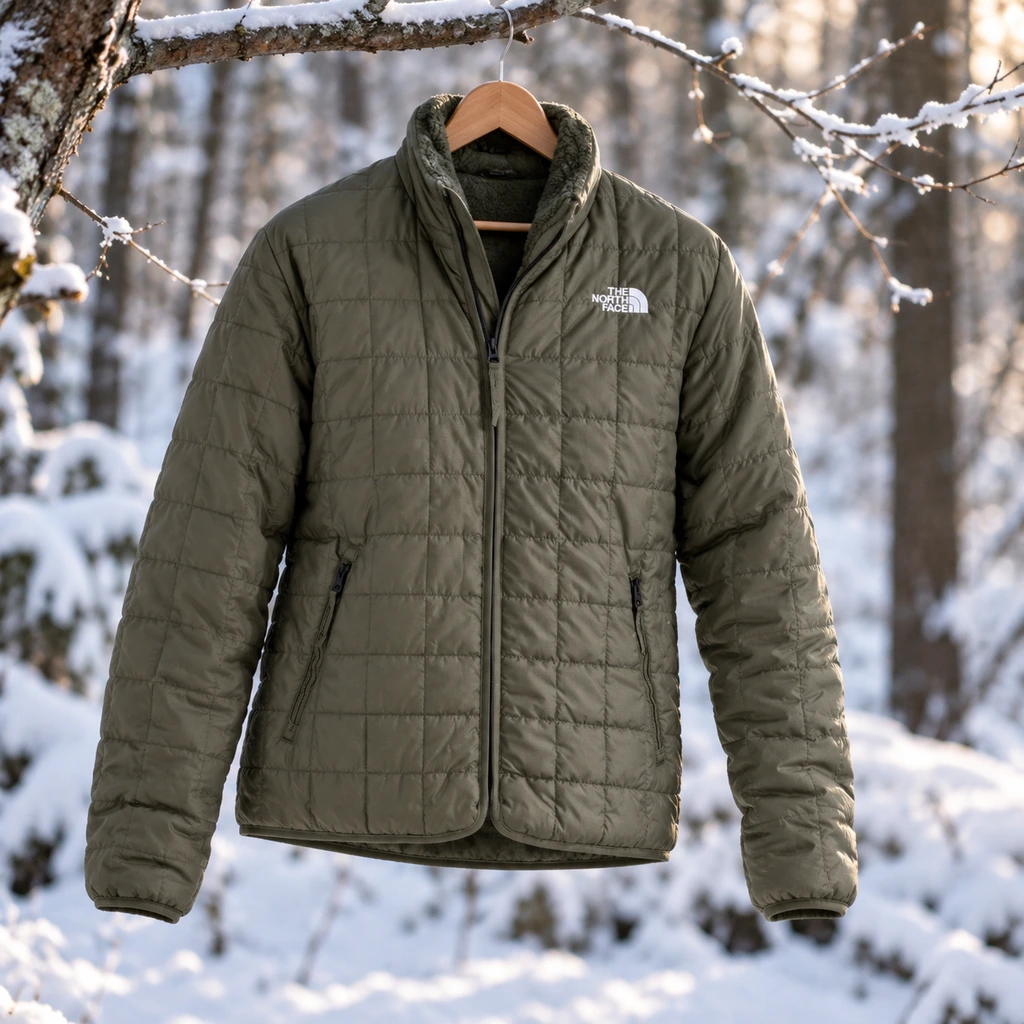
The women’s specific pick, available in standard and plus sizes, which is not a given in this category and is the reason it is here. Synthetic insulation and a water repellent finish, so it handles wet snow rather than only dry cold.
Cut matters more in women’s outdoor insulation than most reviews admit, because a jacket cut for a different shape either gaps at the hem or binds across the shoulders, and both let heat out. A genuinely women’s specific pattern is worth paying for.
Zip hand pockets, four point five stars across 455 reviews. It is the most expensive women’s option here and the one that will still be in use in five years.
Specs That Matter
- Fill: synthetic insulation
- Finish: water repellent
- Sizing: standard and plus sizes
- Features: zip hand pockets
- Rating: 4.5 stars across 455 reviews
Who It Is For
Women who want a properly cut insulated layer that handles damp conditions.
Outdoor Ventures Men’s Packable Puffer: Best Value
Fourteen hundred reviews at 4.5 stars at a fraction of the branded price, with a hood and genuine packability. For a first insulated layer, or the spare that lives permanently in the car, it is hard to argue with.
Synthetic fill, so it behaves sensibly when damp, and it stuffs into its own pocket. What you give up against the Columbia is the heat reflective lining and some durability in the face fabric, neither of which stops it doing the job on a day hike.
Buy it as the jacket you are willing to sit on, lend out and stuff into a daypack every time. That willingness is worth more than the last ten percent of performance, because it means the jacket is actually with you.
Specs That Matter
- Fill: synthetic insulation
- Packing: packs into its own pocket
- Features: hood, winter weight
- Fit: men’s
- Rating: 4.5 stars across 1,475 reviews
Who It Is For
A first insulated jacket, or the spare that lives in the pack and the car.
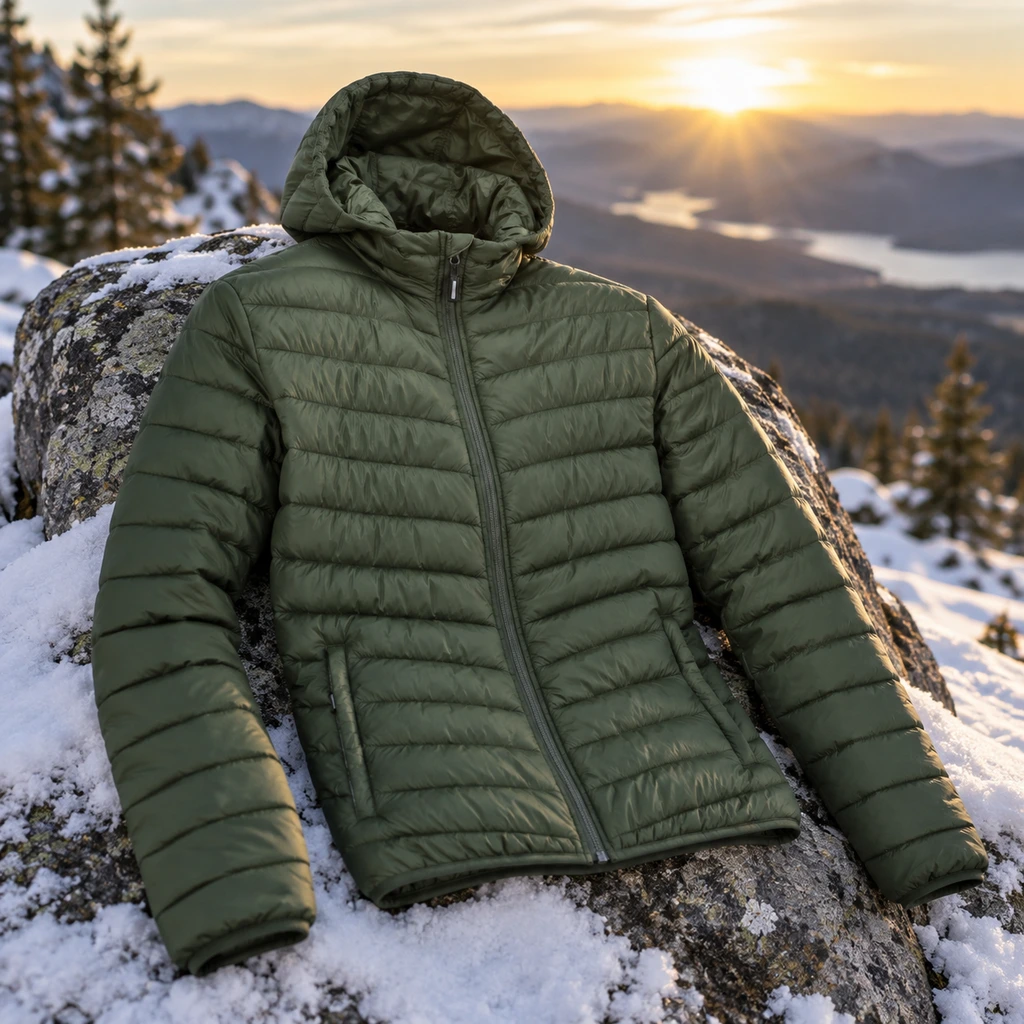
Outdoor Ventures Women’s Packable Puffer: Best Value Women’s
Four thousand reviews at 4.4 stars, which is the largest review base in this round up by some way. The women’s counterpart to the jacket above, lightweight, hooded and packable, at the same value price point.
The same reasoning applies: synthetic fill that tolerates damp, packs into its own pocket, and costs little enough that it goes in the bag on days you were not sure you would need it. That is the whole point of an insulated layer for hiking.
It will not match the North Face on fabric durability or cut refinement. It will match it on the specific job of keeping you warm at a cold lunch stop, which is what most people actually buy one for.
Specs That Matter
- Fill: synthetic insulation
- Packing: lightweight and packable
- Features: hood
- Fit: women’s
- Rating: 4.4 stars across 4,119 reviews
Who It Is For
Women wanting a packable insulated layer without the premium price.
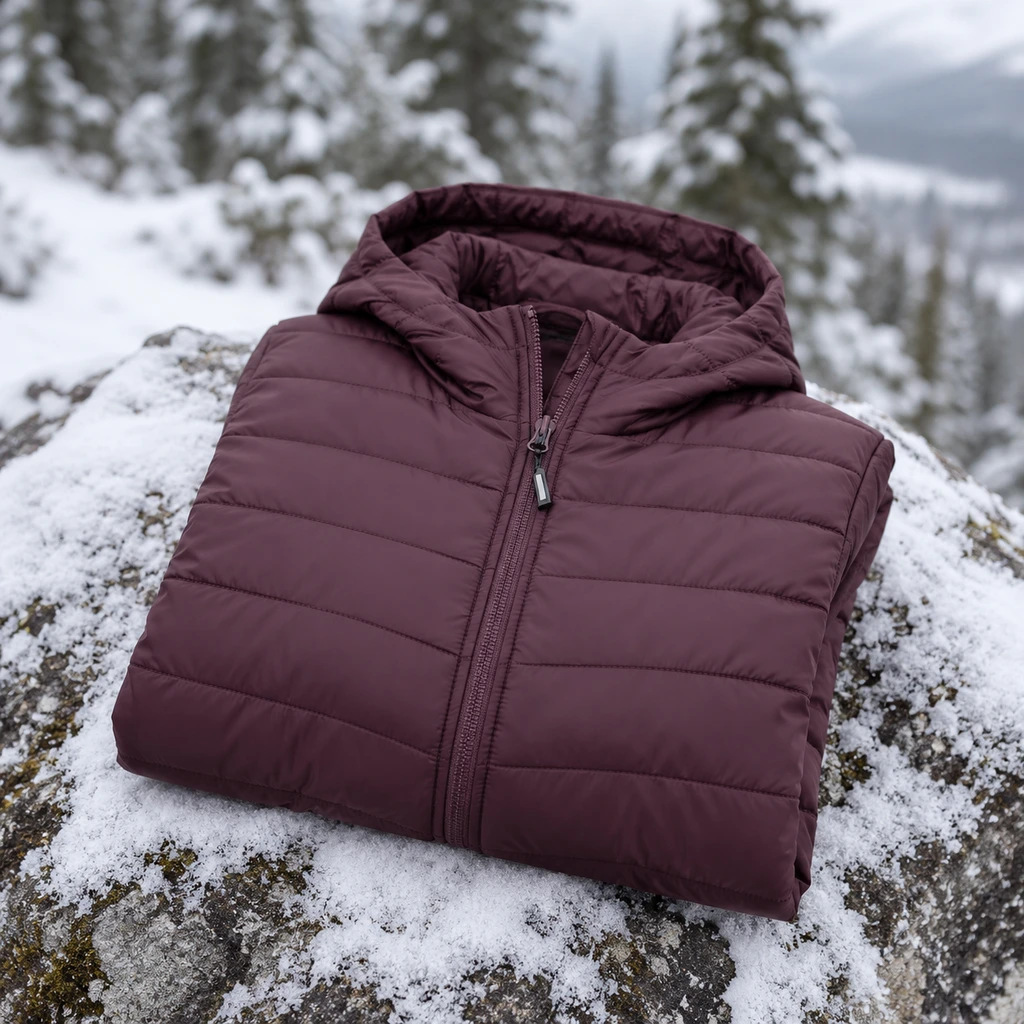
Columbia Tipton Peak III: Warmest for Cold Days
The heavier Columbia, for people who are cold rather than people who are working hard. Four point seven stars, though on only 53 reviews, which is the honest caveat and the smallest sample here.
More insulation than the Powder Lite means more warmth standing still and more overheating walking uphill, which is the trade. If your hiking is short days, cold weather and a lot of stopping, that is the right side of the trade to be on.
Same heat reflective lining approach as the Powder Lite. Buy it if you already know you run cold, and buy the Powder Lite if you do not.
Specs That Matter
- Fill: synthetic insulation, heavier weight
- Feature: heat reflective lining
- Use: cold weather, lower exertion
- Fit: men’s
- Rating: 4.7 stars across 53 reviews
Who It Is For
Hikers who run cold, or days with more standing around than climbing.
How to Choose Between Them
One Jacket for Most Hiking
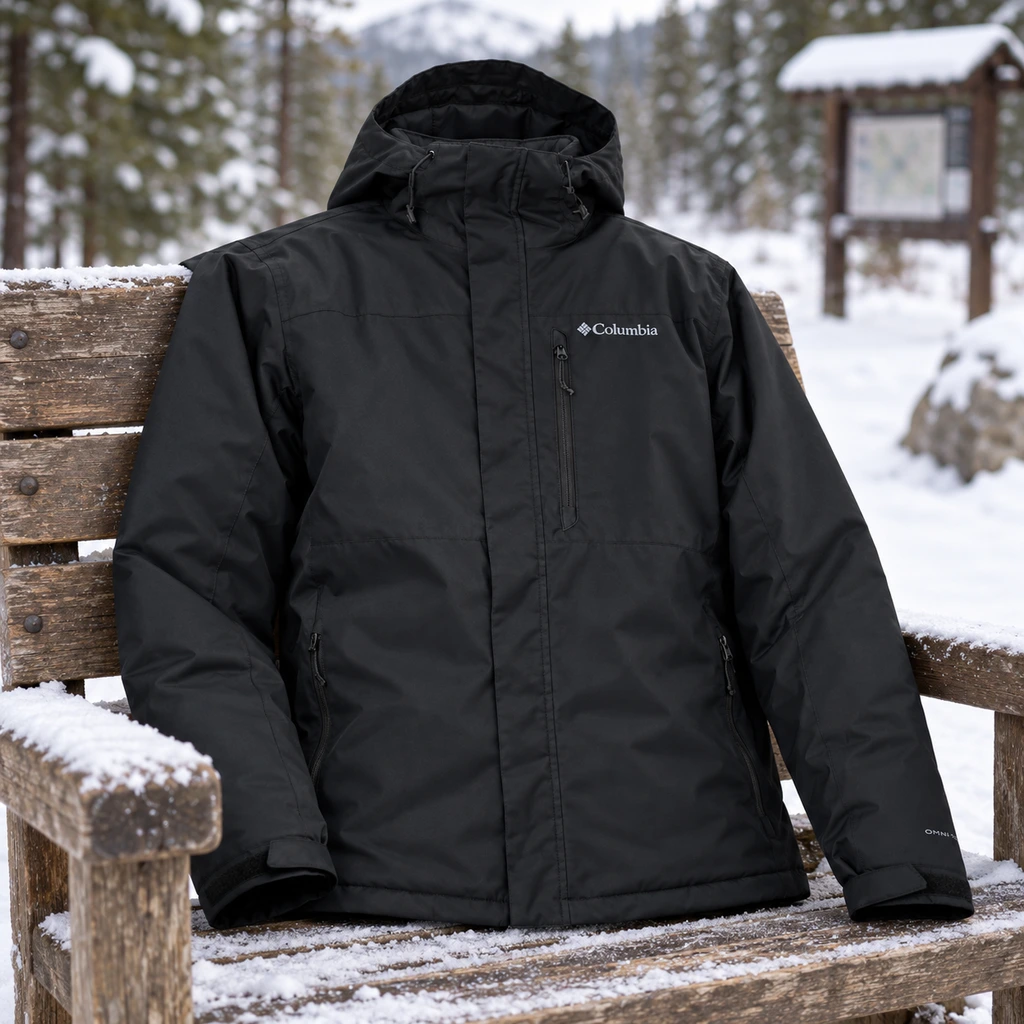
The Columbia Powder Lite II, or the Outdoor Ventures puffer in the matching fit if price is the constraint. Synthetic fill is the right default because hiking generates sweat and weather generates damp.
Cold, Dry and Counting Grams
The Eddie Bauer CirrusLite. Down is unbeatable for warmth per gram and pack size, as long as you can keep it dry under a shell.
You Want a Women’s Specific Cut
The North Face Junction for fit and durability, or the Outdoor Ventures women’s puffer for value. Standard and plus sizing on the former is the differentiator.
You Run Cold
The Columbia Tipton Peak III, accepting the small review base. More insulation is the simple answer when the problem is being cold rather than being damp.
What the Specifications Mean
Fill Power Is Not Fill Weight
Fill power measures how much space an ounce of down occupies, so it describes quality rather than quantity. A jacket with 800 fill power and very little down is less warm than one with 600 fill power and plenty. Manufacturers quote the number that flatters them, which is usually the first one.
Why Synthetic Wins for Hiking
Hiking means sweating, and sweat is water. Synthetic fill keeps a meaningful part of its loft when damp and dries fast; down collapses and stays collapsed. Unless your conditions are reliably dry and cold, synthetic is the safer default even though it is heavier.
Water Resistant Against Waterproof
None of these is a rain jacket, and none should be. The insulated layer goes under a shell when it actually rains. A repellent finish is there to shrug off light snow and drizzle so the insulation does not wet out on the walk between showers.
Hood or No Hood
A hood adds warmth for very little weight and is the difference between usable and unusable on a windy summit. The only reason to skip one is if you always wear a shell with a hood over the top, in which case two hoods fight each other.
Using It Well and Making It Last
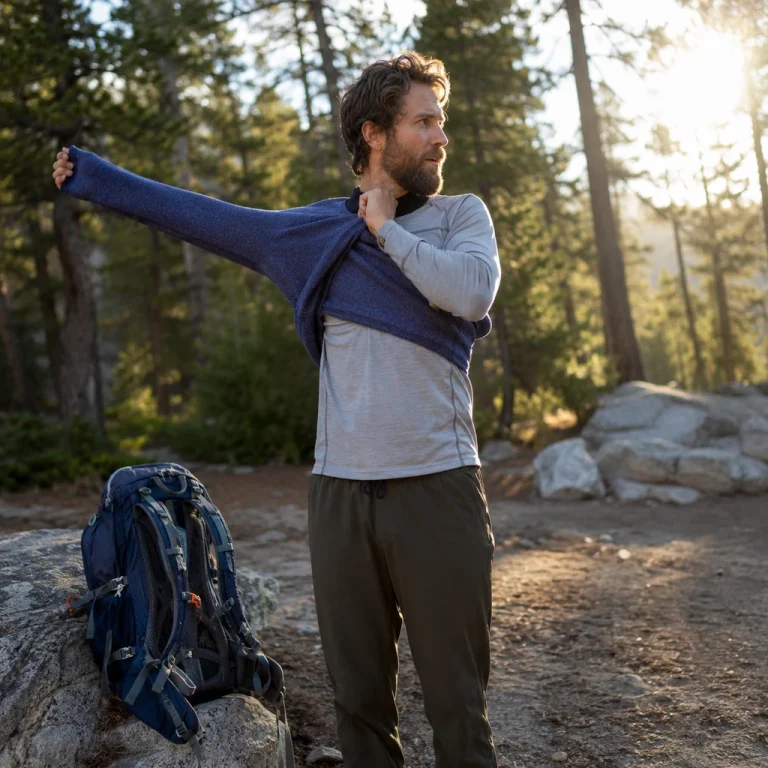
Put it on before you are cold, at the top of the climb rather than after ten minutes of standing there. Re warming a cold body costs far more energy than staying warm, and the jacket cannot generate heat you have already lost.
Wash it occasionally rather than never. Body oils and dirt mat down both down and synthetic fill and cost you real warmth. Use a technical wash rather than detergent, and for down, tumble dry with dryer balls to break the clumps up.
Store it uncompressed. Months in a stuff sack permanently damages loft in both fill types, which is the most common way an expensive jacket quietly stops being warm. Hang it or leave it loose in a drawer between seasons.
Repair small tears immediately with gear tape, especially on down, because a jacket that leaks fill loses warmth in the exact spot you tore it. Then keep it with the rest of the winter kit, see our gear checklist and the day hiking checklist.
Frequently Asked Questions
Down or synthetic for hiking?
Synthetic for most hiking, because you sweat and the weather is damp. Down only if your conditions are reliably cold and dry, or if pack space matters more than wet weather performance.
Should an insulated jacket be waterproof?
No. It goes under a shell in real rain. A water repellent finish is enough to handle drizzle and light snow, and making it fully waterproof would stop it breathing.
How warm a jacket do I need for hiking?
Less than you think for walking and more than you think for stopping. Choose for the coldest point you will stand still at, then take it off on the climbs rather than buying something thinner.
Can I wear an insulated jacket while walking?
Usually not for long. You will overheat and sweat into the insulation, which makes it less effective when you actually need it. Walk in your mid layer, stop, then add the insulated jacket.
How do I wash an insulated jacket?
Technical wash rather than detergent, gentle cycle, and tumble dry low with dryer balls to restore loft. Never dry clean down and never leave either type compressed in storage.
For most hikers the Columbia Powder Lite II is the pick, with the Outdoor Ventures puffers as the value answer in either fit. Take the Eddie Bauer CirrusLite for cold dry days, the North Face Junction for a women’s specific cut, and the Tipton Peak III if you run cold. Then read hiking in snow and ice for traction, the layering guide for the system, and rain jackets for the shell that goes over the top.
Discover more from Maive Verse
Subscribe to get the latest posts sent to your email.