
This post contains affiliate links. If you buy through them, we may earn a small commission at no extra cost to you. Thank you for supporting Maive Verse.
Packing for a hot-weather trip is a completely different game than tossing gear in a bag for a cool autumn weekend. A smart summer camping packing list has to account for relentless sun, sticky humidity, aggressive bugs, and nights that barely cool down. Forget one small item and you can end up sweaty, bitten, and miserable a mile from the nearest store.
This guide walks through every warm-weather essential by category, from breathable shelter and sun-smart clothing to serious water filtration and bug defense. Use it as a complete summer camping checklist you can scan before every trip, and grab the printable version near the bottom so nothing gets left behind in the driveway.
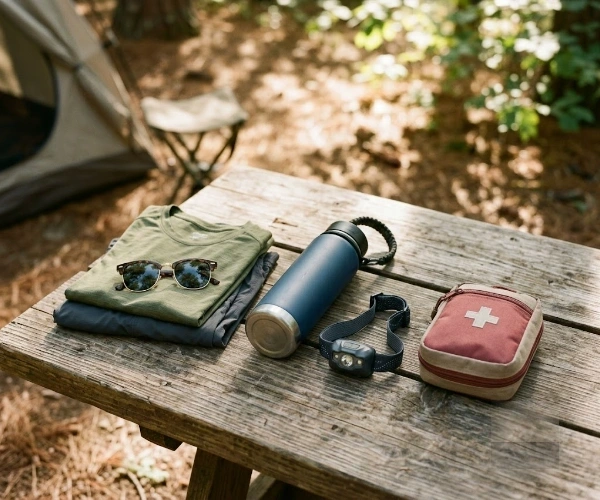
Table of Contents
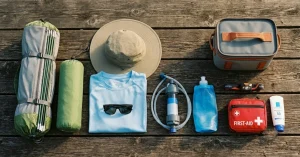
[[IMG:summer-camping-gear-flatlay]]
Why Your Summer Camping Packing List Is Different
Summer changes the physics of camping, and it reshapes your summer camping packing list from the ground up. Heat drains your energy and your water supply faster, so hydration and shade jump straight to the top of the priority list. Humidity keeps sweat from evaporating, which means moisture-wicking fabrics matter far more than heavy insulation. Warm, still evenings are also prime time for mosquitoes, ticks, and biting flies, so bug protection stops being optional and becomes a core part of the kit.
The result is a packing list that leans light and breathable instead of warm and bulky. You will still carry the ten essentials every camper needs, but the emphasis shifts toward airflow, sun protection, and cooling. Everything below is organized so you can build your summer camping packing list category by category without missing the small things that make a hot trip genuinely comfortable.
Shelter and Sleep Setup for Hot Nights
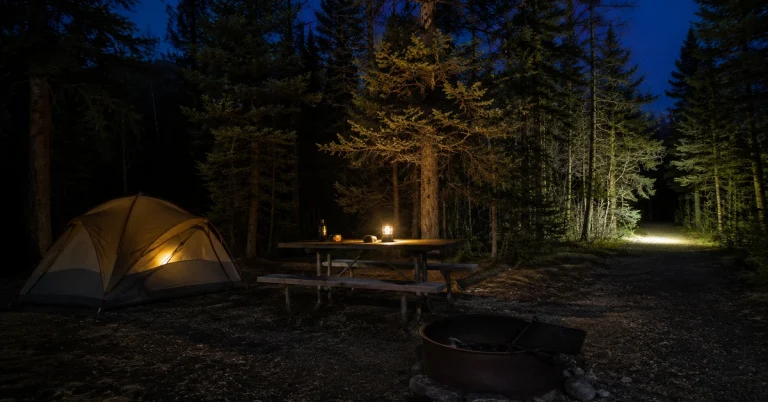
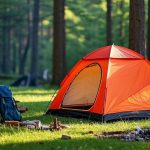
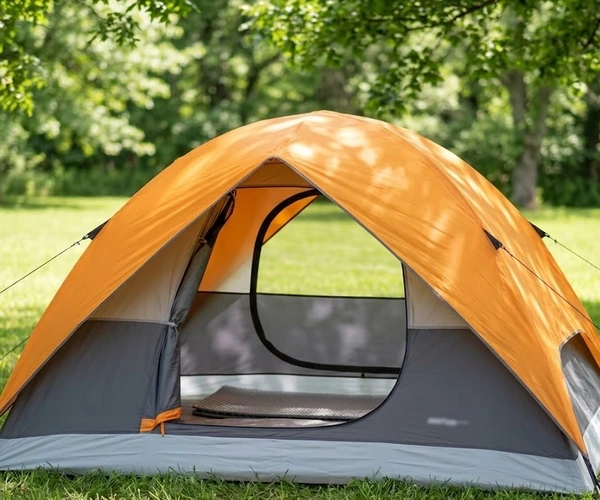
When the temperature stays high after dark, your tent needs to breathe. A breathable mesh tent with large no-see-um mesh panels lets hot air escape while keeping bugs outside, which is the single biggest upgrade for summer comfort. Look for a design with a partial rainfly so you can leave the top open on clear nights and still stay protected if a storm rolls through before dawn.
Skip the heavy winter bag entirely. A lightweight sleeping bag liner or a summer-rated quilt is usually all the warmth you need, and it packs down to almost nothing. Pair it with an insulated sleeping pad that keeps you off the warm, lumpy ground, and add a compressible camp pillow so you are not balling up a jacket under your head every night.
- Breathable mesh tent with a partial rainfly
- Summer sleeping bag liner or lightweight quilt
- Insulated sleeping pad
- Compressible camp pillow
- Ground tarp or footprint
Warm-Weather Clothing and Sun Protection
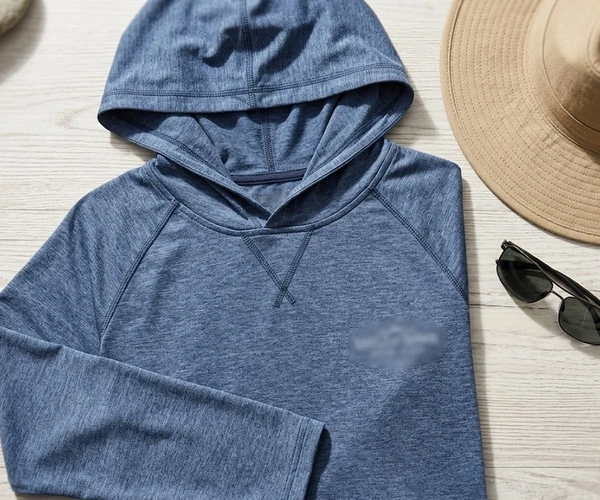
Cotton is the enemy in the heat because it soaks up sweat and stays wet. Build your clothing layers around light, quick-drying synthetics or merino wool instead. A UPF 50 sun shirt shields your arms without trapping heat, and insect-repellent apparel treated with permethrin gives you a hands-off barrier against ticks and mosquitoes on wooded trails.
Protect the parts of you that burn first. A wide-brim sun hat keeps the sun off your face and neck far better than a ball cap, and a pair of polarized sunglasses cuts glare off water and reduces eye strain on bright afternoons. Pack one light layer for the rare cool night, but keep the rest of your clothing airy and loose.
- UPF-rated sun shirt
- Insect-repellent treated pants and shirts
- Wide-brim hat
- Polarized sunglasses
- Quick-dry shorts and moisture-wicking socks
- One light layer for cooler evenings
Hydration and Water Filtration
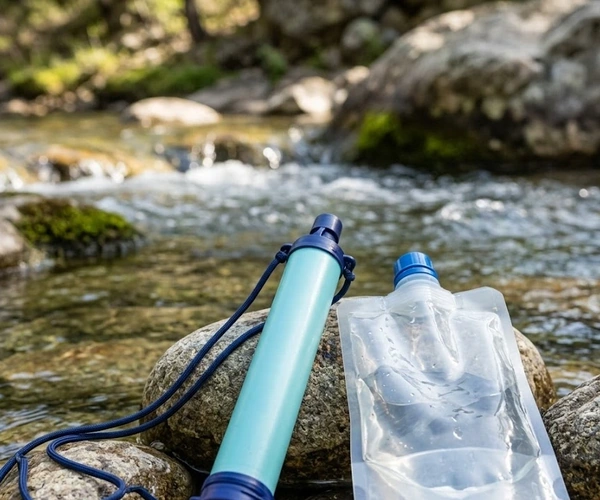
Nothing derails a summer trip faster than running low on clean water. A reliable camping water filter lets you refill from streams and lakes without hauling every drop from home, and a high-flow model means you are not standing at the water source for twenty minutes. If you are car camping, bring a large jug as backup and treat the filter as your safety net for longer hikes.
Make drinking easy so you actually do it. A hydration bladder tucked in your daypack lets you sip constantly on the trail, while a collapsible water bottle packs flat once it is empty. In serious heat, plain water is not always enough on its own, which is why electrolytes belong on the list a little further down.
- Camping water filter or purifier
- Hydration bladder for the trail
- Collapsible or insulated water bottles
- Large water jug for base camp
Cooking, Food and Cooler Essentials
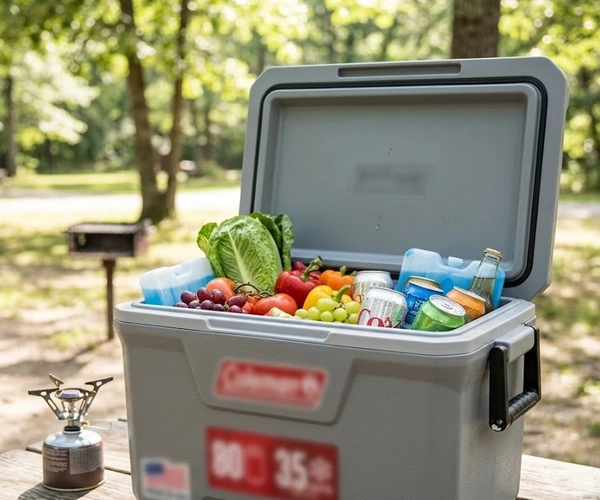
Heat is hard on food, so cold storage matters more in July than in October. A well-insulated camping cooler packed with reusable ice packs keeps perishables safe for days instead of hours. Freeze water bottles ahead of time so they pull double duty as ice and drinking water once they melt.
For cooking, a compact portable camp stove beats fussing with a fire during a heat wave, especially where summer fire bans are common. Plan simple, no-cook lunches for the hottest part of the day and save stove meals for the cooler evening. Bring sealable containers to keep bugs out of your food and to pack out anything you do not finish.
- Insulated cooler
- Reusable ice packs or frozen bottles
- Portable camp stove and fuel
- Cookware, utensils, and a sharp knife
- Sealable food containers and trash bags
- Biodegradable soap and a wash bin
Bug and Shade Defense
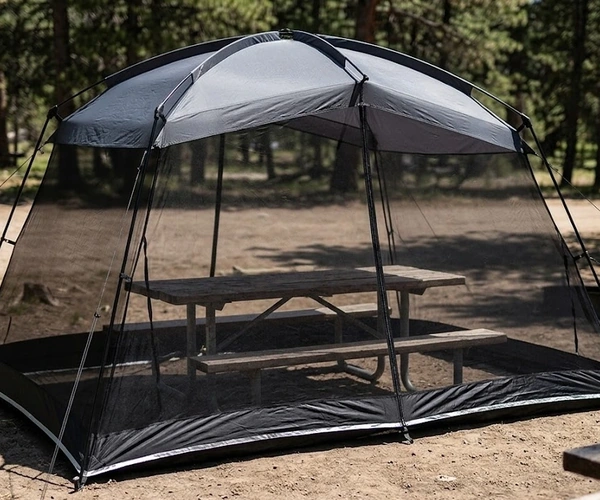
Shade is a resource you have to bring with you at most summer sites. A UV-blocking tarp or a dedicated sunshade rigged over your picnic table turns a brutal, exposed campsite into a livable base camp. For eating and relaxing without a cloud of insects, a screen house shelter is worth every ounce it adds to the load.
On your body, a good insect repellent spray with DEET or picaridin handles the mosquitoes that repellent clothing misses. Check yourself for ticks each evening, especially after walking through tall grass, and follow the CDC guidance on tick and mosquito bites if you are camping in a high-risk region. A little prevention keeps small bites from turning into a ruined trip.
- UV-blocking tarp or sunshade
- Screen house or bug shelter
- Insect repellent spray
- Permethrin spray for gear
- After-bite relief and a tick remover
Lighting, Power and Navigation
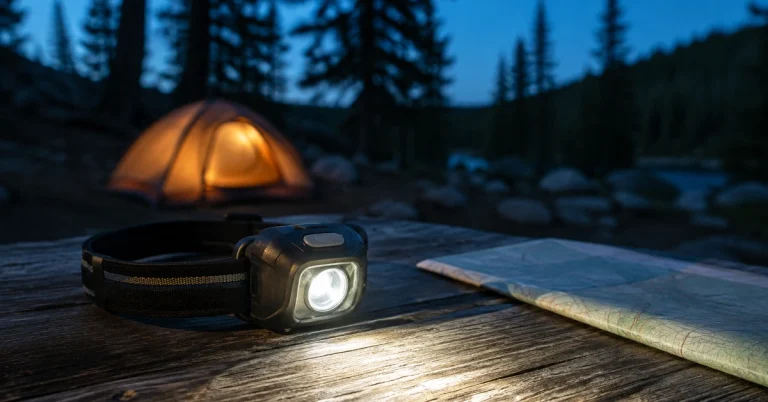
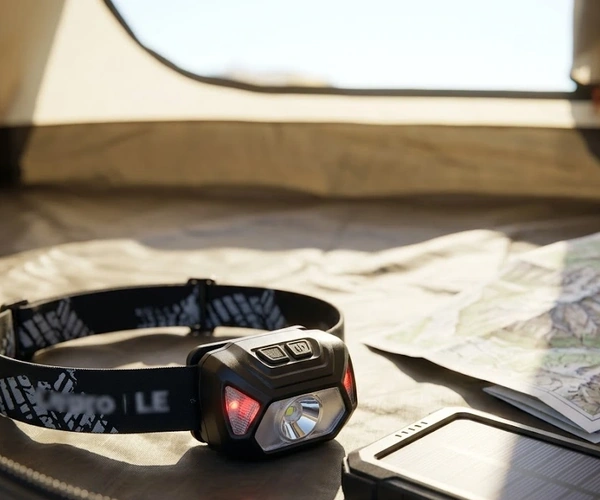
Long summer days are deceptive, and darkness still arrives eventually. A rechargeable headlamp keeps your hands free for cooking and tent chores after sunset, and it is the one light source you should never leave behind. Pack spare batteries or a backup light so a dead headlamp never leaves you fumbling in the dark.
Keep your devices alive with a solar power bank that tops off during those long, sunny afternoons. For backcountry trips, do not rely on your phone alone. A handheld GPS or compass and a paper map are cheap insurance when the trail markers disappear. The National Park Service camping resources are a solid place to check conditions and regulations before you go.
- Rechargeable headlamp plus a backup
- Solar power bank or battery pack
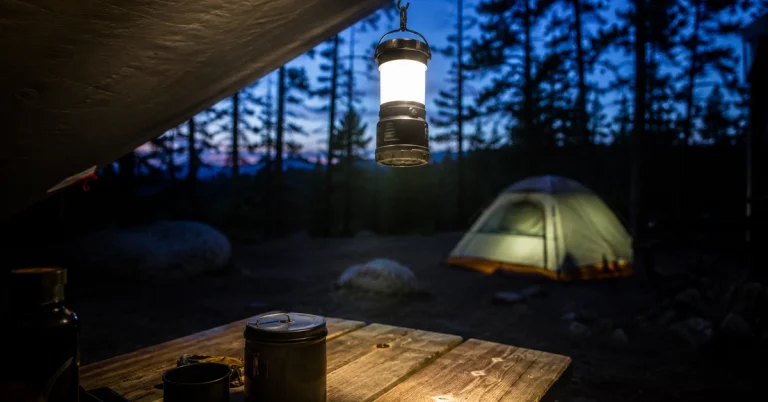
- Lantern for the campsite
- Handheld GPS or compass and paper map
- Fully charged phone in a waterproof case
Health, Safety and First Aid
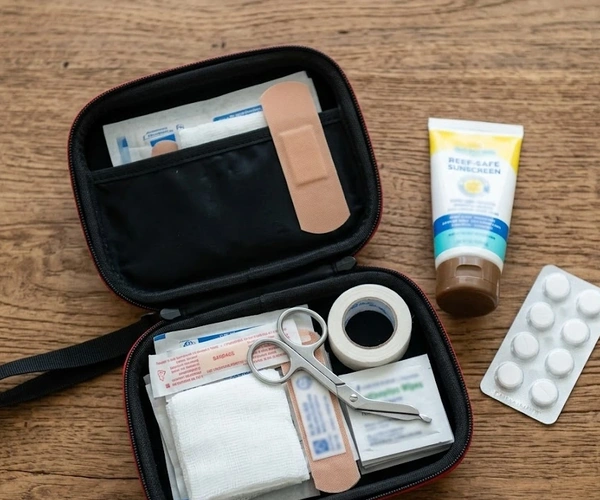
A stocked camping first aid kit is non-negotiable, and summer trips call for a few heat-specific additions. Sunburn, blisters, and insect bites are the most common warm-weather ailments, so make sure your kit handles all three. Add any personal medications and a small guide to basic wilderness first aid if you are heading somewhere remote.
Two items earn their place on every hot-weather list. A broad-spectrum reef-safe sunscreen protects your skin and the waterways you swim in, and electrolyte tablets replace the salts you sweat out so plain water actually hydrates you. Follow Leave No Trace principles to keep the sites you love clean for the next camper, and let someone at home know your itinerary before you leave.
- Comprehensive first aid kit
- Reef-safe sunscreen, SPF 30 or higher
- Electrolyte tablets or powder
- Personal medications
- Emergency whistle and a stocked repair kit
The Complete Summer Camping Packing List (Printable Checklist)
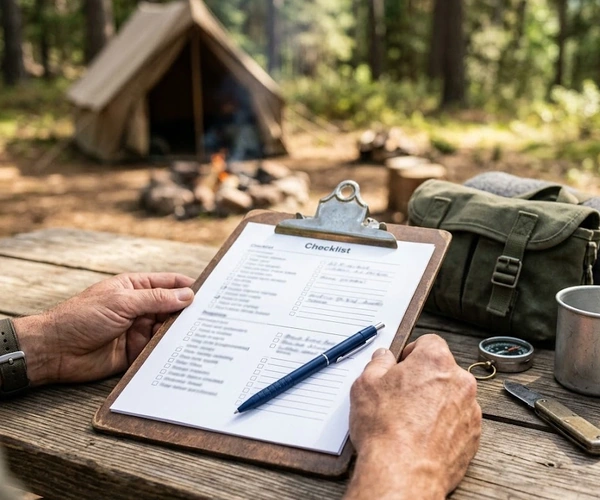
Here is the heart of your summer camping packing list in one scannable place. Print it or screenshot it, then run through each line the night before you leave so nothing gets left behind. For more warm-weather advice, browse our full library of camping guides before your next trip.
- Shelter: breathable tent, sleeping pad, liner, pillow
- Clothing: sun shirt, hat, sunglasses, repellent apparel
- Water: filter, bladder, bottles, base-camp jug
- Kitchen: cooler, ice packs, stove, food containers
- Shade and bugs: UV tarp, screen shelter, repellent spray
- Power and light: headlamp, solar bank, lantern
- Safety: first aid kit, sunscreen, electrolytes, map
Frequently Asked Questions
What should be at the top of a summer camping packing list?
Water and shade come first. In hot weather, a reliable water filter, enough bottles or a hydration bladder, and a UV-blocking tarp or breathable tent do more for your comfort and safety than any other gear. Build the rest of your summer camping packing list outward from those two priorities.
How do I keep food cold while summer camping?
Use a well-insulated cooler packed with reusable ice packs or frozen water bottles, and keep it in the shade. Pre-chill everything before it goes in, open the lid as little as possible, and store raw meat in sealed containers at the bottom where it stays coldest.
What clothes are best for hot-weather camping?
Light, loose, quick-drying layers in synthetic or merino fabrics beat cotton every time. A UPF sun shirt, a wide-brim hat, and insect-repellent treated pants protect you from sun and bugs while still letting heat escape from your body.
How much water should I pack for summer camping?
Plan for at least one gallon per person per day for drinking and cooking, and more in extreme heat or at high elevation. A filter lets you top up from natural sources, but always carry enough backup water to reach the next reliable refill.
How do I keep bugs away at a summer campsite?
Combine layers of defense: repellent spray on skin, permethrin-treated clothing, a screen shelter for meals, and a tidy campsite with food sealed away. Doing a nightly tick check adds one more layer of protection in wooded or grassy areas.
Final Thoughts
A great trip starts long before you reach the trailhead. Work through this summer camping packing list category by category, adapt it to your destination and the length of your stay, and you will spend far less time wishing you had packed differently. The goal is simple: stay cool, stay hydrated, keep the bugs at bay, and leave room to actually enjoy the warm nights under the stars.
Once your gear is sorted, the rest is easy. Pack smart, double-check the essentials on your summer camping packing list, and get out there while the season is at its best.
Discover more from Maive Verse
Subscribe to get the latest posts sent to your email.