

This post contains affiliate links. If you buy through them, we may earn a small commission at no extra cost to you. Thank you for supporting Maive Verse.
Table of Contents
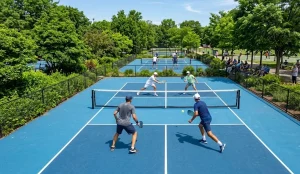
Stepping onto an outdoor court changes the game more than most intermediate players expect. A reliable outdoor pickleball strategy is what separates players who simply rally from players who consistently close out points and win matches. Once you learn to read the wind, control the pace, and position yourself with intention, the same shots you already own start producing far better results.
This guide is built for intermediate players who have the basic strokes down and now want a tactical edge. We will walk through court positioning, the third shot drop, dinking battles, smart shot selection, and the outdoor-specific adjustments that quietly decide close games. None of it requires a flashy new weapon, just sharper decisions and steadier habits. If you are still dialing in your equipment, browse our pickleball guides for paddle and gear breakdowns.
Why Outdoor Pickleball Strategy Differs From Indoor Play
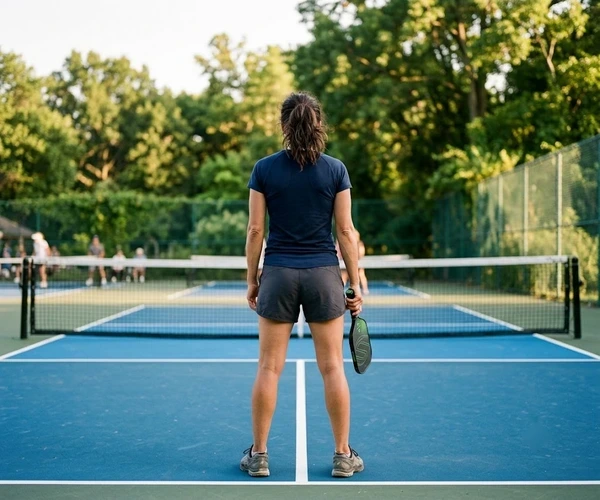
Indoor pickleball is a controlled environment. Outdoors, you are negotiating with the weather on every single point. Wind pushes your dinks long, sun blinds you on overheads, and the heavier outdoor ball travels lower and faster off the paddle. Players who ignore these variables keep using their indoor habits and wonder why their unforced errors pile up. The smarter approach is to expect the conditions to interfere and to build a game plan that stays steady when they do.
Wind, Sun, and Surface Change Everything
The three biggest outdoor variables are wind, sun, and court surface. Each one rewards patience and punishes low-percentage shots. Before the first serve, take thirty seconds to scout the court and note what you are dealing with.
- Wind direction and strength, so you know which end favors aggression and which end demands margin.
- Sun position, so you can plan who takes the overheads on the blinded side.
- Surface texture and grip, since rougher outdoor courts slow the ball and grab the heavier outdoor pickleball more than slick indoor floors.
Master Your Court Positioning
Positioning is the highest-return skill in doubles, and it costs nothing to improve. Most points at the intermediate level are lost in the transition zone, the stretch of court between the baseline and the kitchen line. Your goal on almost every rally is to advance to the non-volley zone line safely and then hold it as a team.
Get to the Kitchen Line Fast
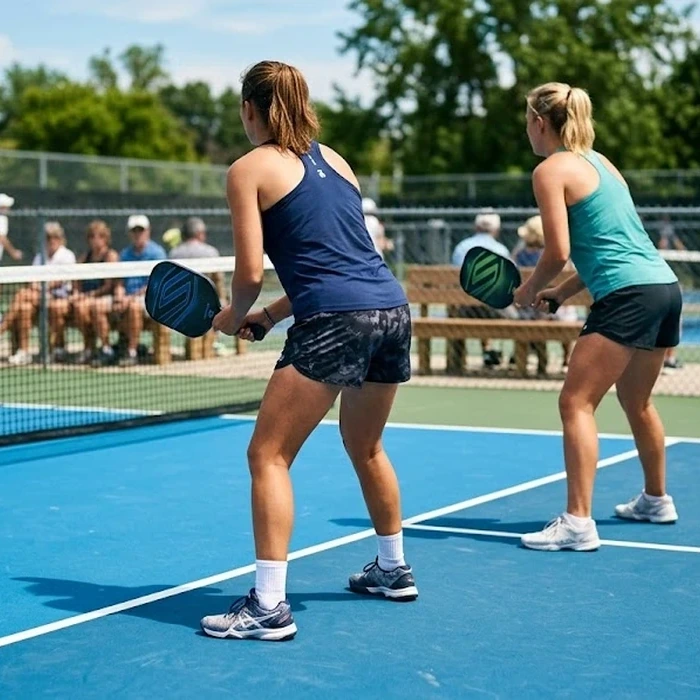
The team that controls the kitchen line controls the point. From there you can hit down on the ball, cut off angles, and force opponents into defensive resets. The catch is that you have to arrive under control, not sprinting into a ball you cannot handle. Move forward in steps that match the pace of play.
- Split-step as your opponent makes contact so you are balanced and ready to react.
- Advance only after a shot that buys you time, such as a soft third shot drop or a deep return.
- Avoid no-mans-land by either committing forward or holding back, never lingering mid-court.
Move as a Unit With Your Partner
Good doubles teams move like they are connected by an invisible rope. When your partner shifts left to cover a wide ball, you shift left too, closing the middle. When one of you is pulled back, the other retreats to keep the line even. Drilling this lateral and forward-back coordination removes the gaps that opponents love to exploit down the middle and into the open court.
The Third Shot Drop and Reset Game
The third shot is the most important shot in pickleball, and outdoors it is even more decisive. After the serve and return, the serving team is stuck at the baseline while the returning team owns the kitchen line. The third shot drop is your ticket forward, a soft arcing shot that lands in the kitchen and forces opponents to hit up, giving you time to advance.
When to Drop and When to Drive
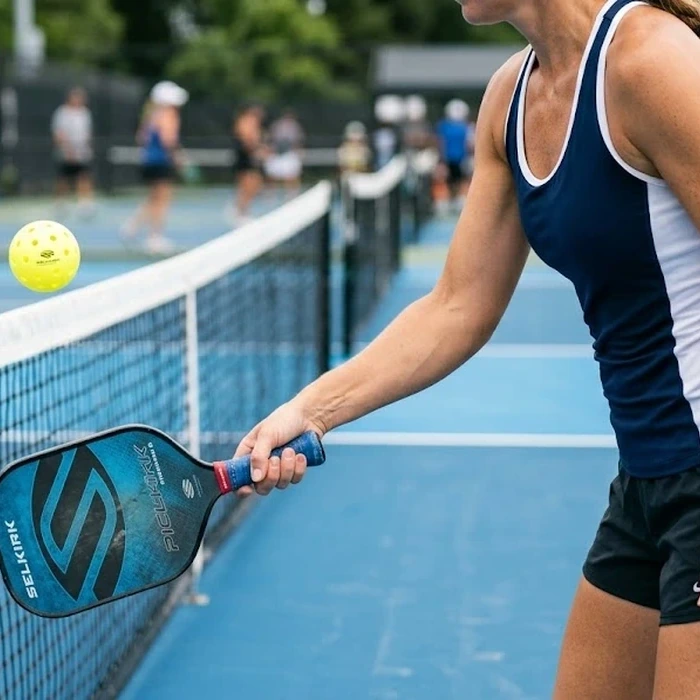
Intermediate players often fall in love with one option. The truth is that both the drop and the drive belong in your toolkit, and reading the situation tells you which to use. A control-oriented paddle helps you shape the soft drop with confidence, and you can compare control paddles if your current one feels too poppy outdoors.
- Drop when opponents are set at the line and you need time to move forward.
- Drive when the return floats high or short and you can attack at the opponents feet.
- Mix the two so opponents cannot cheat forward to crush every soft ball.
Building a Reliable Soft Game
A dependable soft game is what carries you through windy days when driving is risky. Practice landing third shots into the kitchen from the baseline until the motion feels automatic. The softer you can play under pressure, the fewer free points you hand over, and the more you force opponents to earn every winner against you.
Winning the Dinking Battle
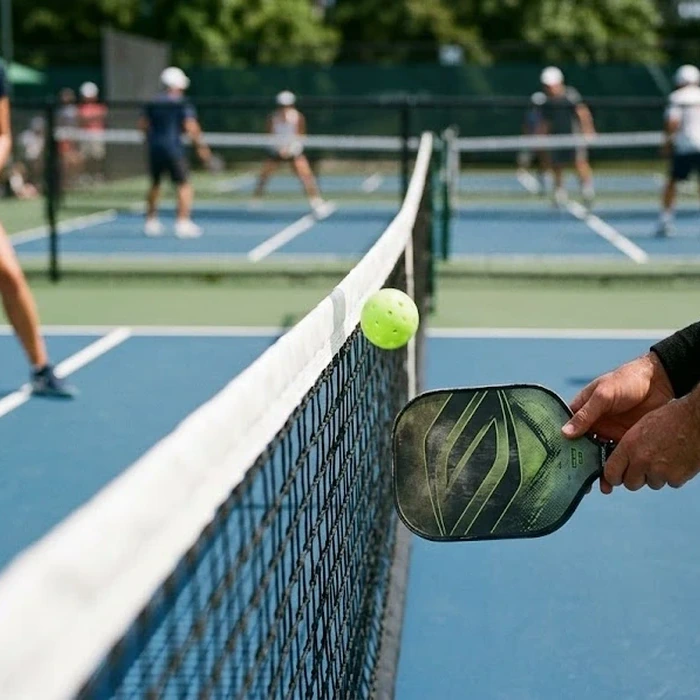
Once both teams reach the kitchen line, the rally slows into a dinking exchange. Dinking is a patience game disguised as a skill game. The player who is willing to hit one more controlled ball, rather than forcing a winner too early, usually comes out ahead. Outdoors, wind makes this exchange even more demanding because a slightly long dink becomes an attackable ball.
Cross-Court Dinks and Angles
Cross-court dinks are your safest and most effective option. The net is lower in the middle, the diagonal distance is longer, and the angle pulls your opponent off the court to open the line. Aim the majority of your dinks cross-court and only go down the line when you have created a clear opening or want to change the rhythm.
Forcing the Pop-Up
Your real goal in the dink battle is to draw a pop-up, a ball that floats high enough to attack. You create pop-ups by keeping your dinks low, deep into the kitchen, and to your opponents backhand. The moment a ball sits up, transition from soft to firm and drive it down at the feet of the player who is least ready.
Smart Shot Selection Under Pressure
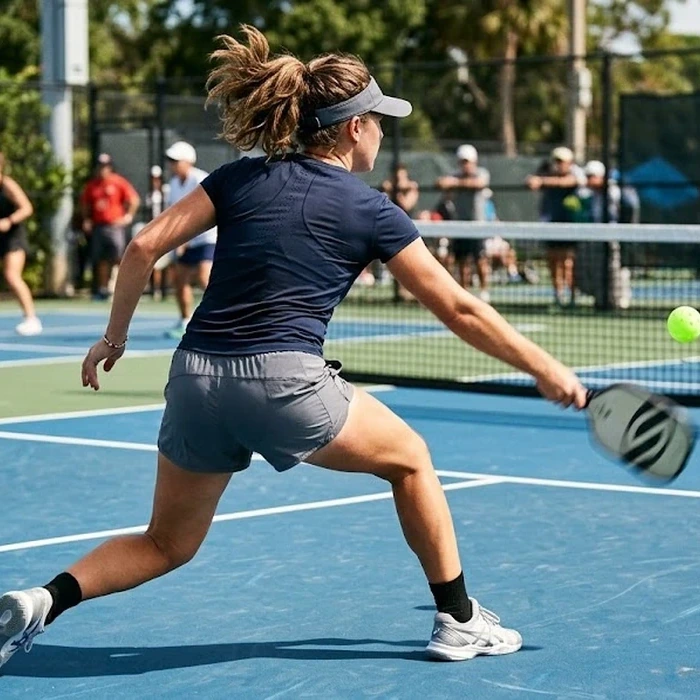
Shot selection is where intermediate players gain the most ground without changing their strokes at all. Winning pickleball is largely about choosing the highest-percentage shot for the situation and resisting the urge to go for the spectacular. Under pressure, simple and steady beats risky and flashy almost every time.
Target the Weaker Opponent
Every doubles team has a weaker side. Identify the less consistent opponent or the weaker wing early, then direct pressure there during important points. You are not being unkind, you are playing percentages. Steady targeting of the same vulnerability forces errors and breaks the rhythm of the stronger player who keeps getting left out of the rally.
Keep It Low and Down the Middle
Two simple rules cover most situations. Keep the ball low so opponents cannot hit down on you, and use the middle to create confusion about who should take the ball. A low ball through the middle is one of the highest-percentage attacks in doubles.
- Low balls take away your opponents ability to attack and force defensive returns.
- Middle balls create hesitation and miscommunication between two opponents.
- Deep balls push opponents back off the line and reopen your path forward.
Playing the Elements: Wind and Sun Tactics
Outdoor conditions are not just obstacles, they are tactical opportunities. Players who adjust deliberately turn a gusty afternoon into a weapon, while opponents who ignore the wind beat themselves. A good pair of polarized sport sunglasses and a wide-brim hat or visor make a real difference in how clearly you track the ball on bright, breezy days.
Adjusting for Wind Direction
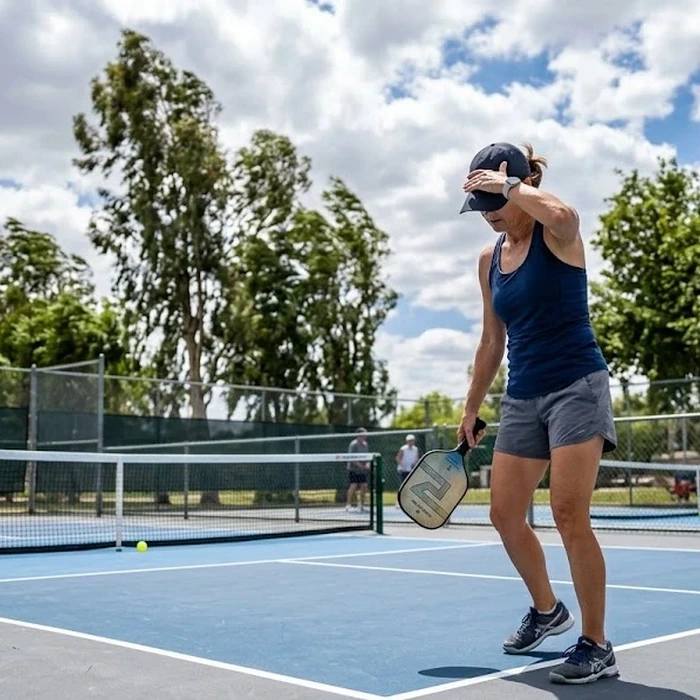
Wind should reshape your shot selection end by end. When the wind is at your back, balls carry, so you add margin and lean on softer shots. When you are hitting into the wind, the ball drops short, so you can drive more aggressively and follow it forward. Crosswind is the trickiest, demanding extra aim correction on every dink and drop.
- Tailwind: shorten your swing, prioritize control, and expect the ball to float deep.
- Headwind: add pace and depth, since the wind will knock the ball down for you.
- Crosswind: aim a touch upwind and give yourself bigger margins over the net and inside the lines.
Advanced Tactics: Stacking and Poaching
Once the fundamentals are solid, stacking and poaching add a layer of strategy that pressures opponents and protects your strengths. These are not gimmicks, they are tools used at every competitive level to keep your best shots on the right side of the court and to disrupt a comfortable opponent.
When Stacking Makes Sense
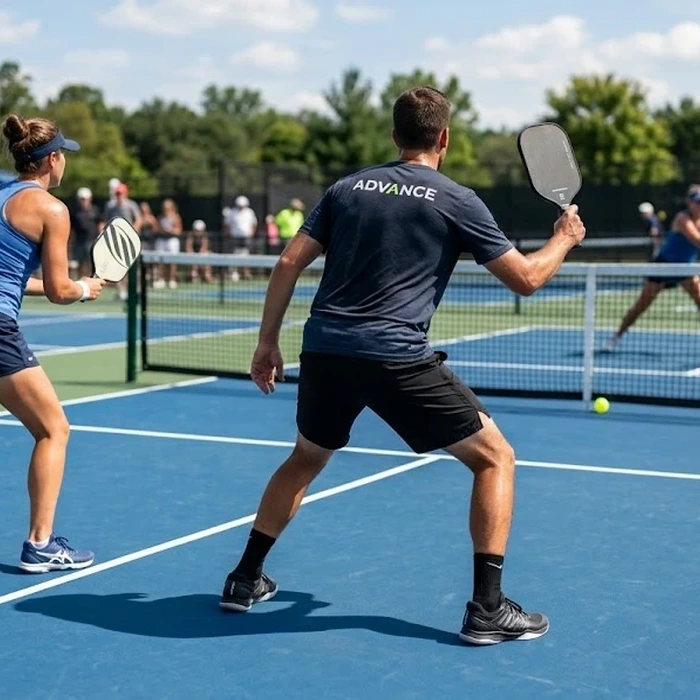
Stacking is simply arranging yourselves so both players stay on their preferred side regardless of the score. The most common reason is keeping a strong forehand in the middle, where most balls are decided. If one partner has a dominant forehand or one of you is left-handed, stacking can keep two forehands guarding the center of the court.
Poaching to Break Their Rhythm
Poaching means crossing in front of your partner to cut off a ball, usually at the net. A well-timed poach ends points quickly and plants doubt in your opponents minds, making them aim for smaller targets to avoid you. Communicate with your partner first, then commit fully. A half-hearted poach leaves the court wide open behind you.
Serve and Return Strategy Outdoors
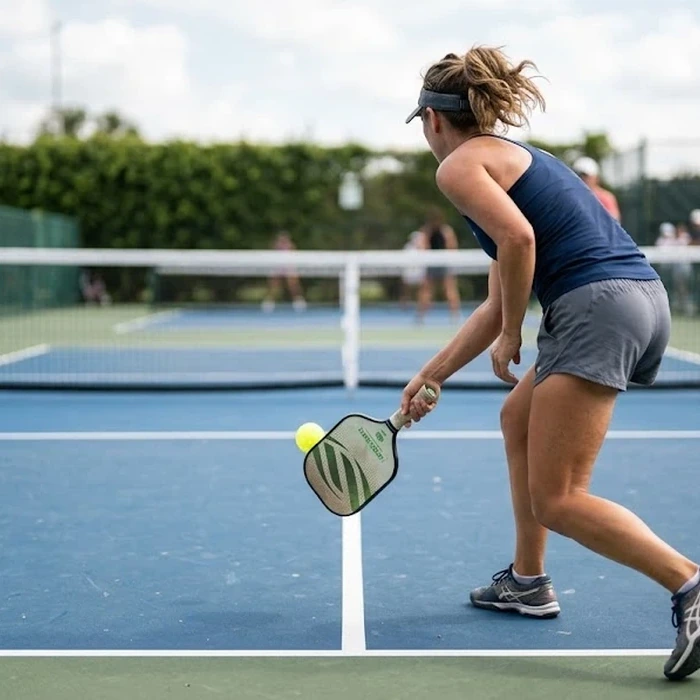
The serve and return set the tone for the entire point. Outdoors, with a heavier ball and shifting wind, depth and placement matter far more than raw power. The aim is not to ace anyone, it is to start every point on your terms and deny opponents an easy path to the kitchen.
Deep Serves and Smart Placement
A deep serve pins the returner behind the baseline and slows their advance to the line. Pair depth with placement to make life harder still. Quality outdoor pickleballs such as the Franklin X-40 fly truer in wind than worn or cheap balls, so your placement actually lands where you intend.
- Serve deep to keep the returner back and buy yourself a beat on the third shot.
- Move your serve around, mixing wide and into the body to prevent easy timing.
- Use the wind, serving with extra margin into a tailwind and with more pace into a headwind.
Gear That Supports Your Outdoor Game
Strategy comes first, but the right equipment lets you execute it consistently. None of the gear below will fix poor decisions, yet each piece removes a small obstacle between you and your best play. You can see a curated set of our outdoor favorites on the Maive Verse Amazon storefront.
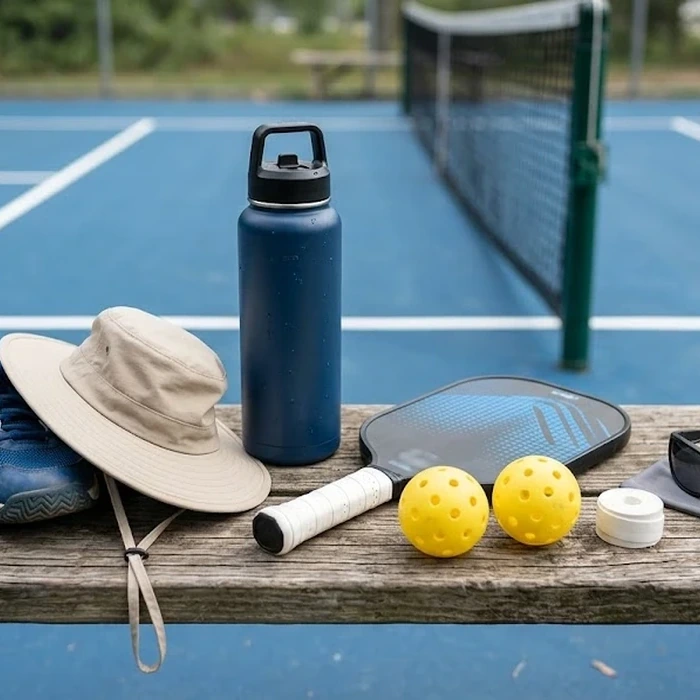
Start with the basics that touch every point. A well-matched outdoor paddle that balances control and pop helps you shape soft thirds and still attack pop-ups. Pair it with a fresh set of outdoor balls and a quality overgrip so the handle stays secure when your hands get sweaty in the heat.
Comfort and visibility round out the kit. Proper court shoes give you the lateral grip you need for quick kitchen-line movement, while moisture-wicking apparel and a large insulated water jug keep you steady through long outdoor sessions. A simple paddle bag keeps everything organized between courts.
Frequently Asked Questions
How is outdoor pickleball strategy different from indoor?
Outdoor play adds wind, sun, and a heavier, faster ball, so margins shrink and patience matters more. You lean harder on deep serves, controlled third shot drops, and cross-court dinks, and you adjust shot selection end by end based on the conditions. Indoors you can be more aggressive because the environment is stable.
What is the best strategy for windy conditions?
Play the percentages and let the wind work for you. Add margin and soften your shots with a tailwind, drive with more pace into a headwind, and aim slightly upwind in a crosswind. Above all, keep the ball low and avoid high, floaty shots that the wind can turn into easy put-aways for your opponents.
Should intermediate players always use the third shot drop?
No, the drop is a default, not a rule. Use it when opponents are set at the kitchen line and you need time to advance, but drive the third shot when the return floats high or short. Mixing both keeps opponents honest and prevents them from cheating forward on every soft ball. For more fundamentals, explore our full pickleball library.
Putting It All Together
A winning outdoor pickleball strategy is really a stack of small, repeatable decisions. Get to the kitchen line under control, choose the third shot that fits the moment, win the dinking battle with patience, target the weaker opponent, and let the wind and sun shape your shot selection instead of surprising you. Layer in stacking and poaching once the basics feel automatic, and your results will climb without any change to your raw skill.
Pick one or two ideas from this guide and drill them this week rather than trying to change everything at once. For official rules and court specifications, the USA Pickleball site is the authoritative source, and you can find more tactics and gear breakdowns any time on the Maive Verse blog. Now get out there and start winning more games.
Discover more from Maive Verse
Subscribe to get the latest posts sent to your email.