
Learn when to replace ski boots with these 5 critical warning signs. Stop ski boot pain problems and upgrade before safety becomes an issue.
Table of Contents
Why Your Ski Boots Matter More Than You Think
Ski boots are the most critical piece of equipment in any skier’s arsenal. They’re the direct connection between body and skis, transmitting every movement and absorbing tremendous forces throughout the day. Yet many skiers push their boots years past their prime, suffering through discomfort and compromised performance. For a comprehensive overview of all essential skiing gear, check out our Complete Winter Skiing Equipment Guide 2025.
The cost of ignoring ski boot problems extends far beyond sore feet. Worn-out boots reduce control and precision, making skiing more difficult and less enjoyable. Poor fit and outdated technology can lead to injuries that sideline entire seasons. Safety issues from degraded materials put skiers at genuine risk on the mountain.
Knowing when to replace ski boots saves money in the long run. Rather than battling equipment that fights every turn, investing in new boots transforms the skiing experience. This guide covers five critical warning signs that boots have reached the end of their useful life. Recognizing these red flags early prevents problems before they impact skiing or cause injury.
Sign #1: Persistent Pain and Discomfort
When Normal Break-In Becomes Chronic Problems
New ski boots require a break-in period, typically lasting a few ski days. After that initial adjustment, properly fitted boots should feel snug but not painful. Persistent pain after multiple sessions indicates serious fit problems that won’t resolve with more skiing time.
Pay attention to specific pressure points that don’t improve. Pain on the instep, around ankles, or at the toe box that continues session after session signals fit issues. These problems often worsen over time as swelling and inflammation develop from repeated irritation.
Identifying Problem Areas
Hot spots—areas of intense, burning pain—are major red flags. These develop where boots press too hard against bone or soft tissue. Common locations include the fifth metatarsal (outside of the foot), malleolus bones (ankle), and navicular bone (top of the foot). Hot spots can lead to bursitis, nerve damage, or stress fractures if ignored.
Numbness or tingling indicates circulation or nerve compression problems. Toes going numb during skiing suggests boots are too tight or improperly fitted. This isn’t just uncomfortable—it’s dangerous in cold conditions where frostbite risk increases.
Pain That Requires New Boots
Some pain can be fixed through professional boot fitting adjustments. Skilled boot fitters can punch out pressure points, grind shell material, or modify footbeds. However, if boots have already been extensively modified without resolving pain, replacement becomes necessary.
Whole-foot pain or cramping that persists throughout ski days often means the boot shape fundamentally doesn’t match the foot. No amount of adjustment can fix a boot that’s the wrong last shape or volume for a particular foot type. This requires finding boots built on a more compatible last.
When boots cause pain that extends beyond the ski day—aching feet at night, lingering bruises, or sensitivity days later—it’s time for new boots. Equipment shouldn’t cause this level of discomfort. Modern boots with better fit technology and customization options can eliminate these problems.
Sign #2: Visible Wear and Damage
Checking Your Boot Soles
Boot soles wear down from walking on pavement, concrete, and gravel. Check the toe and heel areas where most contact occurs. If sole material is worn smooth or shows significant thinning, replacement is overdue. Worn soles affect binding release function, creating serious safety concerns.
DIN standards require specific sole dimensions and hardness for proper binding function. Excessively worn soles may not release correctly in falls, dramatically increasing injury risk. Most manufacturers recommend replacing boots when sole wear exceeds 1-2mm in depth.
Structural Damage Assessment
Inspect the shell carefully for cracks, especially around buckle mounting points and the instep area. Small cracks can propagate quickly under the stress of skiing. A cracked shell compromises boot stiffness and support, making skiing difficult and potentially dangerous.
Check buckles, straps, and hardware for damage or excessive wear. Buckles that don’t hold tension, stripped screws, or frayed power straps indicate boots nearing end of life. While some hardware can be replaced, multiple failing components suggest overall boot degradation.
Liner Condition Matters
Pull out liners and examine them thoroughly. Look for compressed foam that no longer rebounds, torn fabric, or holes in the liner material. Liners pack out significantly over their lifetime, and excessively compressed liners can’t be brought back to original condition.
Check for separated seams, damaged laces, or deteriorating foam around critical areas. The tongue and ankle areas receive the most stress and often show damage first. Liner replacement can extend boot life, but if the shell is also showing wear, full boot replacement makes more financial sense.
Sign #3: Poor Temperature Control
Cold Feet Problems
Consistently cold feet while skiing indicates insulation breakdown or circulation issues from poor fit. Older boot liners lose insulating properties as foam compresses and materials degrade. If feet are cold despite wearing appropriate socks, the boots are likely the problem.
Modern ski boots use advanced insulation materials that maintain warmth better than older designs. Boots over 5-7 years old often can’t match current technology for temperature management. Upgrading to newer boots can dramatically improve comfort on cold days.
Moisture Management Issues
Boots that stay wet or take days to dry have likely lost their moisture-wicking capabilities. Older liner materials stop pulling moisture away from feet effectively. This creates a miserable skiing experience and accelerates material breakdown.
Persistent moisture leads to bacteria growth, bad odors, and fungal infections. It also reduces insulation effectiveness—wet liners conduct heat away from feet rapidly. If boots remain damp despite proper drying techniques, the materials have degraded beyond recovery.
Heat Moldable Liner Degradation
Many modern liners feature heat-moldable foam that conforms to foot shape. After multiple heating cycles or years of use, these materials lose their moldability. The foam becomes permanently compressed and can’t be re-molded effectively.
Liners that feel packed out despite recent heat molding have exhausted their useful life. The materials have permanently deformed and lost their supportive properties. New boots with fresh heat-moldable liners will fit dramatically better and provide proper support.
Sign #4: Loose Fit After Years of Use
Understanding Liner Compression
All boot liners compress over time from body weight and skiing forces. This is normal and expected. However, excessive compression creates a loose fit that undermines performance. Boots should feel snug even when fully buckled—if there’s significant movement inside the boot, performance suffers dramatically.
The heel is particularly critical. Heel lift during skiing indicates serious fit problems. Even minimal heel movement dramatically reduces control and can cause injuries. If boots no longer hold the heel solidly in place when buckled normally, they’re done.
Shell Stretching Problems
Plastic shells can stretch over years of use, especially in high-stress areas. This is more common in softer-flexing boots or those used in warmer climates. Shell stretching is often permanent and can’t be reversed.
Test shell fit by removing the liner and standing in the bare shell. There should be minimal space around the foot—if there’s substantial room, the shell has stretched beyond acceptable limits. This loose fit means the boot can’t transmit movements precisely to the skis.
Performance Impact of Loose Boots
Loose boots require over-tightening buckles to achieve adequate fit. This creates pressure points and circulation problems. It’s a losing battle—no amount of cranking buckles down can compensate for a boot that’s fundamentally too large.
Edge-to-edge transition becomes sloppy with loose boots. Skis respond slowly to inputs because movement must take up slack in the boot before transmitting to the ski. This makes skiing more difficult and tiring, forcing compensation for equipment inadequacies. New boots restore the direct connection needed for effortless skiing.
Sign #5: Technology Outdated
Safety Improvements in Modern Boots
Ski boot technology has advanced significantly in recent years. Newer boots incorporate better materials, improved shell designs, and enhanced safety features. Boots over 8-10 years old are missing important developments that improve both safety and performance.
Modern boots feature improved plastic formulations that maintain flexibility across temperature ranges. Older boots often become dangerously stiff in cold conditions or overly soft when warm. Current technology provides more consistent performance regardless of conditions.
Performance Advances
Walk modes, adjustable flex, and customizable canting are now common even in mid-range boots. These features dramatically improve comfort and performance. If current boots lack these capabilities, upgrading unlocks significant improvements in skiing experience.
Boot fit technology has evolved substantially. Modern boots offer better out-of-box fit for diverse foot shapes. Heat-moldable shells and liners, coupled with improved last designs, mean fewer fit compromises. Skiers battling fit issues in old boots often find modern designs solve problems they thought were unavoidable.
When Age Alone Requires Replacement
Even boots that look fine may need replacement based purely on age. Plastic degrades over time regardless of use. UV exposure, temperature cycling, and simple aging make plastics brittle and prone to catastrophic failure.
Most manufacturers recommend replacement after 100-150 ski days or 8-10 years, whichever comes first. This isn’t just a sales tactic—materials genuinely degrade. Boots failing mid-run creates dangerous situations that can cause serious injuries. The cost of new boots is insignificant compared to medical bills from preventable accidents.
How to Choose Replacement Ski Boots
Getting Professional Boot Fitting
Invest in professional boot fitting when purchasing new boots. A skilled boot fitter analyzes foot shape, skiing style, and ability level to recommend appropriate models. This service typically costs $50-150 but ensures proper boot selection and fit.
Professional fitters can make custom modifications during the initial fitting. Shell work, footbed molding, and liner adjustments create a personalized fit that off-the-shelf boots can’t match. This investment pays dividends in comfort and performance.
Top Ski Boot Recommendations for 2025
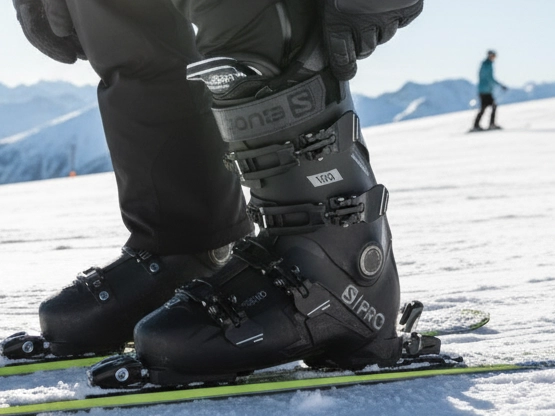
For Intermediate Skiers: The Salomon S/Pro 100 offers excellent all-mountain performance with great out-of-box fit. The wider 100mm last accommodates more foot shapes comfortably.
Pros
Cons
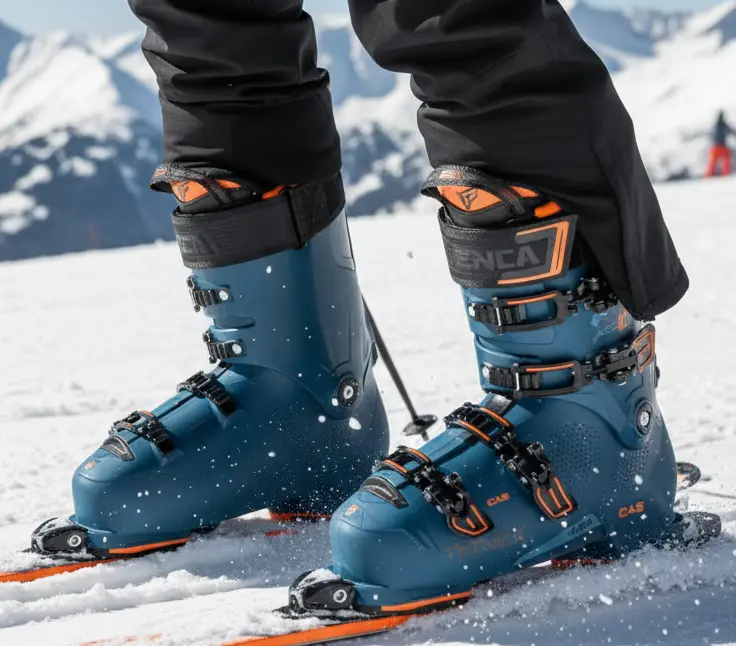
For Advanced Skiers: Tecnica Mach1 MV 120 provides race-like performance with better comfort than pure race boots. The medium-volume fit works for many skiers.
Pros
Cons
For Comfort-Focused Skiers: Nordica Cruise 80 combines easy entry, walk mode, and plush liners for all-day comfort without sacrificing too much performance.
Pros
Cons

Boot Accessories Worth Buying
Custom footbeds dramatically improve boot fit and performance. They provide arch support, improve alignment, and reduce foot fatigue. Budget $150-300 for quality custom-molded footbeds.
Boot heaters and heated insoles solve cold feet problems definitively. Modern rechargeable systems provide 6-10 hours of warmth. They’re particularly valuable for skiers with circulation issues.
Take Action: Don’t Ignore These Warning Signs
Ski boot problems don’t improve with time—they only worsen. Recognizing these five warning signs early prevents injuries, improves skiing performance, and enhances mountain enjoyment. Old ski boots safety concerns alone justify replacement even if other issues aren’t present.
Calculate cost per ski day for boots. A $600 pair of boots used 20 days per year for 5 years costs just $6 per day. That’s an insignificant expense for equipment so critical to safety and performance.
Schedule a boot fitting appointment before next season. Professional fitters can assess whether current boots are salvageable or replacement is necessary. Don’t let questionable boots ruin another season—invest in properly fitted, modern ski boots and experience the difference immediately.
Ready to upgrade your ski boots? Visit a qualified boot fitter or check out the latest models from top brands to find your perfect fit!
Discover more from Maive Verse
Subscribe to get the latest posts sent to your email.