
Debating kayaking lessons for beginners vs self-teaching? Discover the pros, cons, and tips to choose the best way to learn kayaking safely.
Table of Contents
Introduction
Kayaking has a way of pulling people in calm waters, fresh air, and the freedom of paddling at your own pace. But for beginners, the big question always comes up: what’s the best way to learn? Some choose structured kayaking lessons for beginners, while others take the self-teaching route with YouTube videos and trial-and-error on a quiet lake.
Both options can lead to confident paddling, but the path you choose can make a big difference in how quickly you learn, how safe you feel, and how much fun you actually have on the water.
This guide breaks down kayaking lessons versus self-teaching: covering the pros, cons, real-life considerations, and tips to help you decide what works best for your style.
Understanding Kayaking Lessons for Beginners
What Structured Lessons Include
Most beginner kayaking lessons cover the fundamentals: holding a paddle correctly, basic strokes, turning, and stopping. Instructors also teach critical safety skills such as the wet exit (getting out of the kayak if it flips), partner rescues, and how to re-enter your kayak in deep water. Lessons often include gear basics too, so you’ll know the difference between recreational and touring kayaks before investing.
Average Cost of Kayaking Lessons
Prices vary depending on location and the type of water. A half-day beginner course might range from $50 to $100, while multi-day courses can reach $250 or more. Whitewater and sea kayaking lessons typically cost more due to the additional safety training required.
Where to Find Local Kayaking Classes
Community recreation centers, local outfitters, and outdoor retailers often host lessons. Organizations like the American Canoe Association also provide certified instructors and accredited courses across the U.S.
The Case for Taking Kayaking Lessons
Safety First – Professional Guidance
Safety is one of the strongest reasons to consider lessons. A qualified instructor knows how to teach essential rescue skills that could save your life on the water. Learning proper technique from the start also helps prevent bad habits, like poor paddle grip, that can lead to strain or injuries.
Faster Learning Curve
Beginners often pick up the basics within a single session. Instead of weeks of trial and error, structured lessons streamline the process and help you gain confidence quickly.
Confidence Building for Nervous Beginners
For anyone uneasy about deep water or flipping over, an instructor’s reassurance makes a difference. Practicing capsizing in a safe, supervised setting helps beginners realize that flipping is manageable, not terrifying.
Access to Quality Gear During Lessons
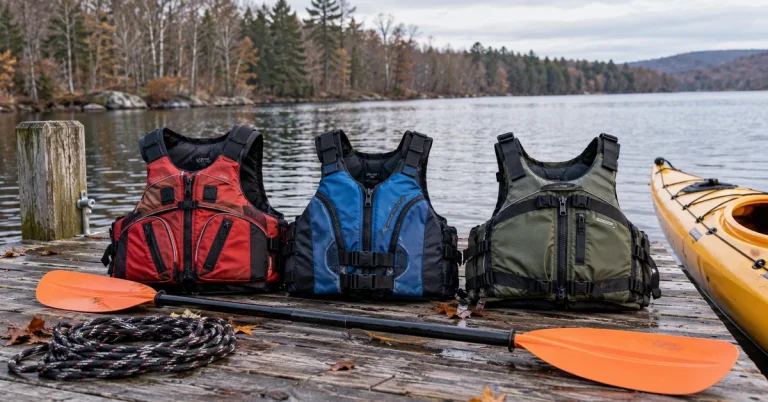
Lessons often include rental kayaks, paddles, and personal flotation devices (PFDs). This allows beginners to try different types of kayaks before committing to a purchase.
The Case for Self-Teaching Kayaking
Lower Cost & Flexibility
Self-teaching usually means renting or borrowing a kayak and heading to a calm body of water. It’s budget-friendly and can be scheduled whenever you like, with no need to commit to set class times.
Learning at Your Own Pace
Some people enjoy experimenting and figuring things out as they go. For hands-on learners, self-teaching allows the freedom to repeat skills until they feel natural.
Real-Life Trial and Error Experiences
There’s value in personal discovery—like realizing mid-paddle that a strong wind changes everything. While this approach can be frustrating at times, those mistakes often become lasting lessons.
Free Online Resources and Tutorials
From detailed YouTube tutorials to blog guides, there’s an abundance of free information available. Beginners can pair digital resources with hands-on practice for steady progress.
Key Skills Every Beginner Must Learn
No matter how you choose to learn, certain kayaking skills are essential.
Basic Paddling Techniques
Understanding forward strokes, sweeps, and reverse strokes is foundational. Good technique prevents fatigue and keeps your kayak tracking straight.
Safety Skills (Wet Exit, Rescue Techniques)
Knowing how to exit safely if your kayak flips is non-negotiable. Rescue skills, such as the T-rescue or paddle float re-entry, are equally important.
Reading Water & Weather Conditions
Beginners should always check forecasts, watch for currents, and avoid windy conditions. Recognizing risks before paddling is a major safety factor.
Essential Kayaking Gear Checklist
Having the right gear matters. A safety and essential kayaking gear checklist ensures beginners are well-prepared.
Pros and Cons Breakdown
| Aspect | Lessons | Self-Teaching |
|---|---|---|
| Safety | Instructor guidance, structured rescues | Trial and error, higher risk |
| Cost | $50–$250+ | Minimal (rentals or own gear) |
| Learning Curve | Fast, structured progress | Slower, depends on self-discipline |
| Confidence | Builds quickly under supervision | May take longer, frustration possible |
| Gear Access | Included in many courses | Must rent or buy independently |
| Flexibility | Scheduled times, less flexible | Learn anytime, at your own pace |
Situations Where Lessons Are Best
Whitewater or Sea Kayaking Beginners
Environments with currents, tides, or rapids demand formal training. These conditions can be dangerous without proper instruction.
Families with Kids
If children are involved, lessons offer extra peace of mind. A structured setting ensures safety. For tips, check Kayaking with Kids: Safety Tips and Best Family Kayaks.
People Nervous Around Water
Those who feel uneasy benefit from professional reassurance and structured practice.
Situations Where Self-Teaching Works
Calm Lakes or Slow Rivers
Flat, calm waters are safe environments for beginners practicing solo.
Budget-Conscious Paddlers
If lessons aren’t financially realistic, self-teaching is still possible with the right safety gear and research.
Experienced Outdoor Enthusiasts Transitioning to Kayaking
People already skilled in outdoor sports may adapt quickly to kayaking basics on their own.
Hybrid Approach – The Best of Both Worlds
Start with a Lesson, Continue on Your Own
One or two beginner lessons can cover safety and technique, followed by independent practice.
Join Local Kayak Groups & Clubs
Community groups often organize meetups, offering informal learning opportunities and safety in numbers.
Use Guided Tours as “Mini Lessons”
Many outfitters offer guided tours that double as informal instruction.
Safety Considerations Regardless of Path
Always Wear a PFD
A personal flotation device is essential. See Kayaking Safety Tips: 15 Rules Every Beginner Should Know for more.
Seasonal Clothing Choices
Wearing the right clothing keeps you safe and comfortable. For guidance, read What to Wear Kayaking: Beginner’s Clothing Guide.
Check Weather & Water Before Heading Out
Conditions can change quickly. Beginners should avoid high winds, cold water, or fast-moving rivers.
Never Paddle Alone
Paddling with a partner adds safety. The American Canoe Association strongly recommends a “paddle buddy system” for all beginners.
Tips for Beginners Choosing Between Lessons and Self-Teaching
- Consider budget: Lessons are an investment, but may save money long-term by preventing accidents.
- Assess your learning style: Hands-on learners might prefer self-teaching, while others thrive with instruction.
- Think about your local water: If your main option is the ocean or river, lessons are strongly advised.
- Check your time commitment: Those with flexible schedules might benefit more from structured classes.
Conclusion
Choosing between kayaking lessons and self-teaching comes down to individual needs. Lessons provide structure, safety, and faster learning, while self-teaching offers flexibility and lower cost. For many beginners, a hybrid approach—starting with one or two lessons before practicing independently—strikes the right balance.
Whichever path is chosen, safety should always come first. Make sure you’re equipped with essential kayaking gear, choose calm waters to practice, and focus on steady progress. For gear upgrades, check our guide on the best kayak paddles for beginners.
FAQs
Q: What are the three golden rules of kayaking?
The three golden rules are: (1) Always wear a properly fitted PFD, (2) Keep your paddle strokes relaxed and use torso rotation for power, and (3) Stay aware of your environment—check weather, water conditions, and potential hazards before you launch. Following these rules helps keep kayaking safe and efficient for beginners.
Q: Is kayaking hard for a beginner?
Kayaking is relatively easy to pick up, especially on calm water. Most beginners learn the basics—forward strokes, turning, and balance—within the first session. The challenge comes with rougher conditions like rivers or coastal paddling, which usually require lessons and more practice.
Q: Is kayaking good for losing belly fat?
Yes, kayaking can help with weight loss, including belly fat, when paired with a balanced diet. Paddling is a full-body workout that engages your core, arms, shoulders, and back. A steady 1-hour paddle can burn around 300–500 calories, making it an effective exercise for improving overall fitness.
Q: How to kayak for beginners step by step?
Step 1: Choose a stable beginner kayak and wear a PFD.
Step 2: Launch from calm, shallow water.
Step 3: Learn basic paddle strokes (forward, reverse, and sweep for turning).
Step 4: Practice balance and posture, keeping your torso engaged.
Step 5: Stay near shore until you feel confident, then gradually move to deeper water.
For extra guidance, see our guide on kayaking safety tips and essential gear for beginners.
Discover more from Maive Verse
Subscribe to get the latest posts sent to your email.