
Try fun and easy water activities for beginners—no skills needed! Great for all ages to stay cool, active, and enjoy the outdoors this summer.
Table of Contents
10 Easy Water Activities for Beginners
1. Stand-Up Paddleboarding (SUP)
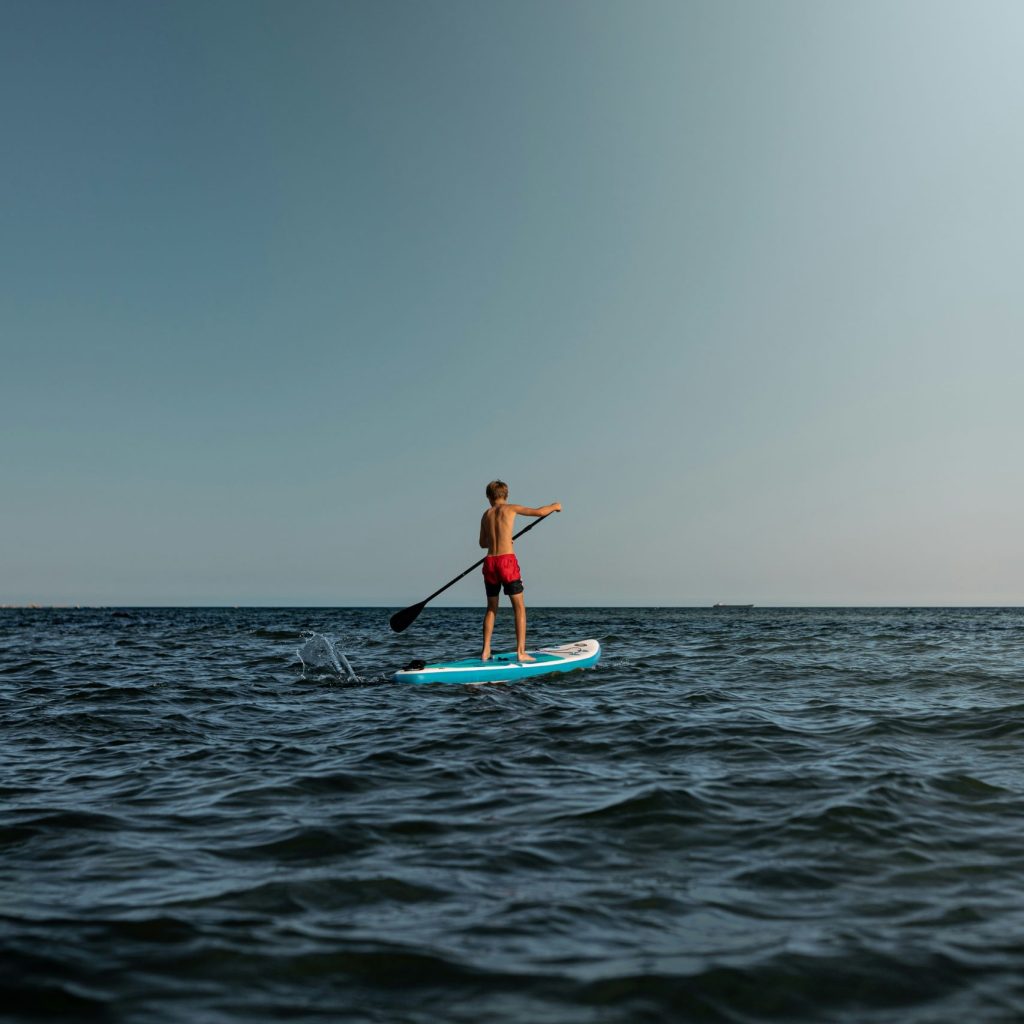
SUP is one of the most beginner-friendly water sports out there. Wide boards (32+ inches) offer excellent stability, making it easy to stay upright even if you’re nervous about balance. Most people get the hang of it within their first 15-20 minutes on the water.
What you need: Wide SUP board, paddle, and life jacket. Rentals typically cost $30-50 for a half day.
Safety tip: Start in calm, shallow water where you can easily stand up if you fall. Lakes, protected bays, and calm ocean areas work perfectly for beginners.
2. Recreational Kayaking
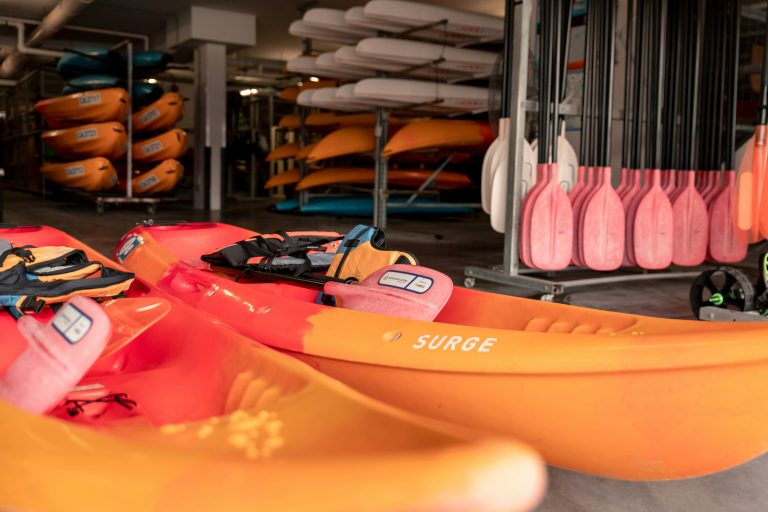
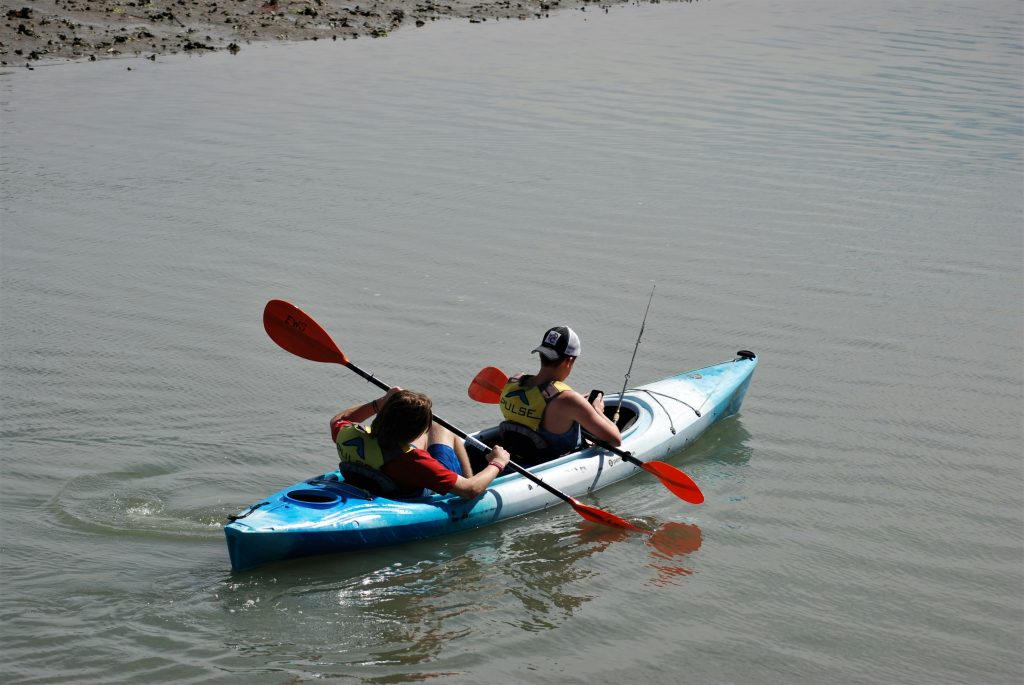
Single kayaks in calm waters are surprisingly stable and easy to maneuver. Unlike whitewater kayaking, recreational kayaking on lakes or protected waterways is gentle and relaxing. It’s a great way to explore shorelines and get some light exercise.
Equipment needed: Kayak, paddle, life jacket, and a dry bag for valuables. Expect rental costs around $25-40 for half a day.
Beginner tip: Your core muscles will feel it the next day, even though the activity feels effortless while you’re doing it. Start with shorter trips to build up endurance.
3. Shallow Water Snorkeling
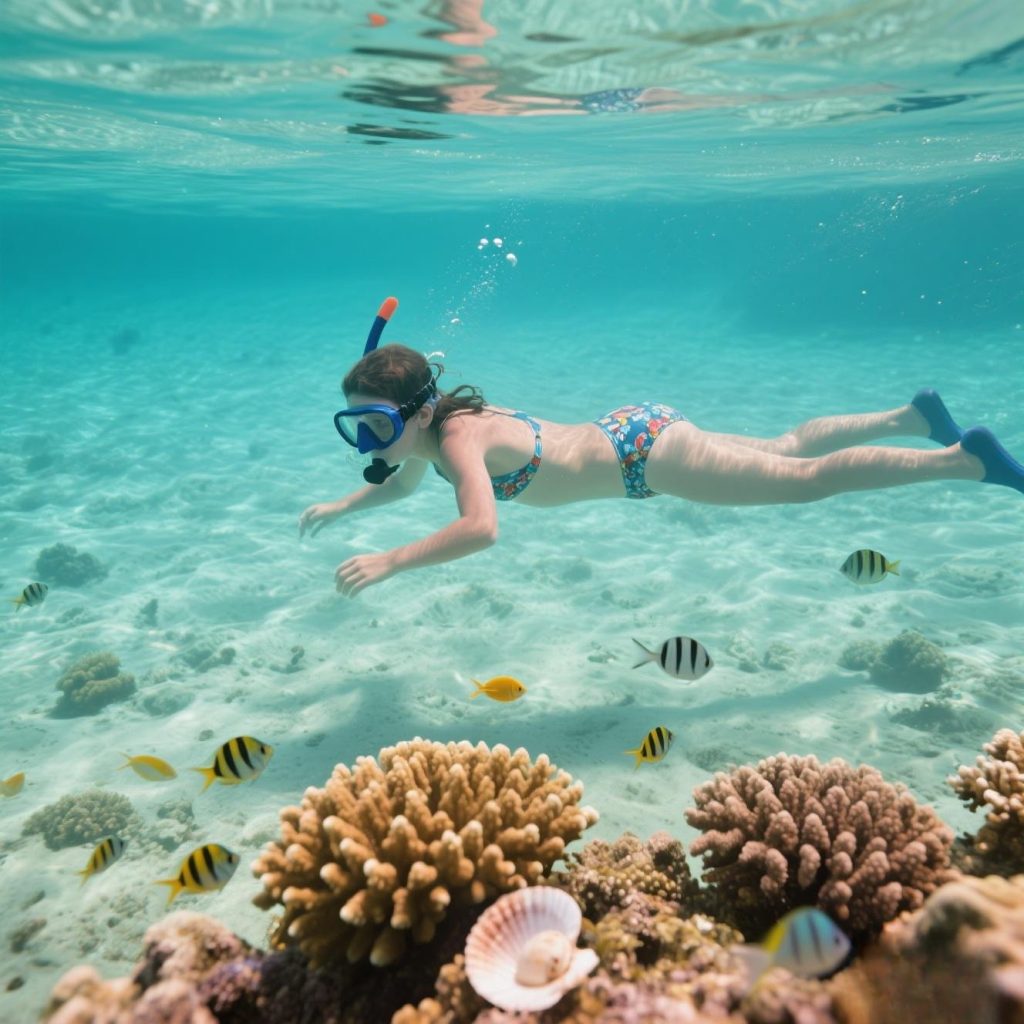
You don’t need deep ocean dives to enjoy snorkeling. Many lakes, quarries, and shallow coastal areas offer great opportunities to see aquatic life up close. Even in 6-8 feet of water, there’s plenty to discover.
Gear list: Mask, snorkel, and fins (optional but helpful for easier movement). A basic set costs $40-60 to purchase, or about $15 to rent.
Important note: Practice clearing water from your snorkel in shallow areas first. Getting comfortable with the breathing technique makes the whole experience much more enjoyable.
4. River Tubing
This has to be one of the most relaxing water activities around. River tubing involves floating downstream in an inner tube, letting the gentle current do most of the work. It’s perfect for hot summer days and requires zero technical skills.
What’s included: Large inner tube and life jacket (recommended for non-swimmers). Most outfitters provide everything for $20-35 per person.
Heads up: You will get wet, sometimes unexpectedly when hitting small rapids or rocks. Waterproof cases for phones are definitely worth bringing.

5. Beach Swimming with Flotation Aids
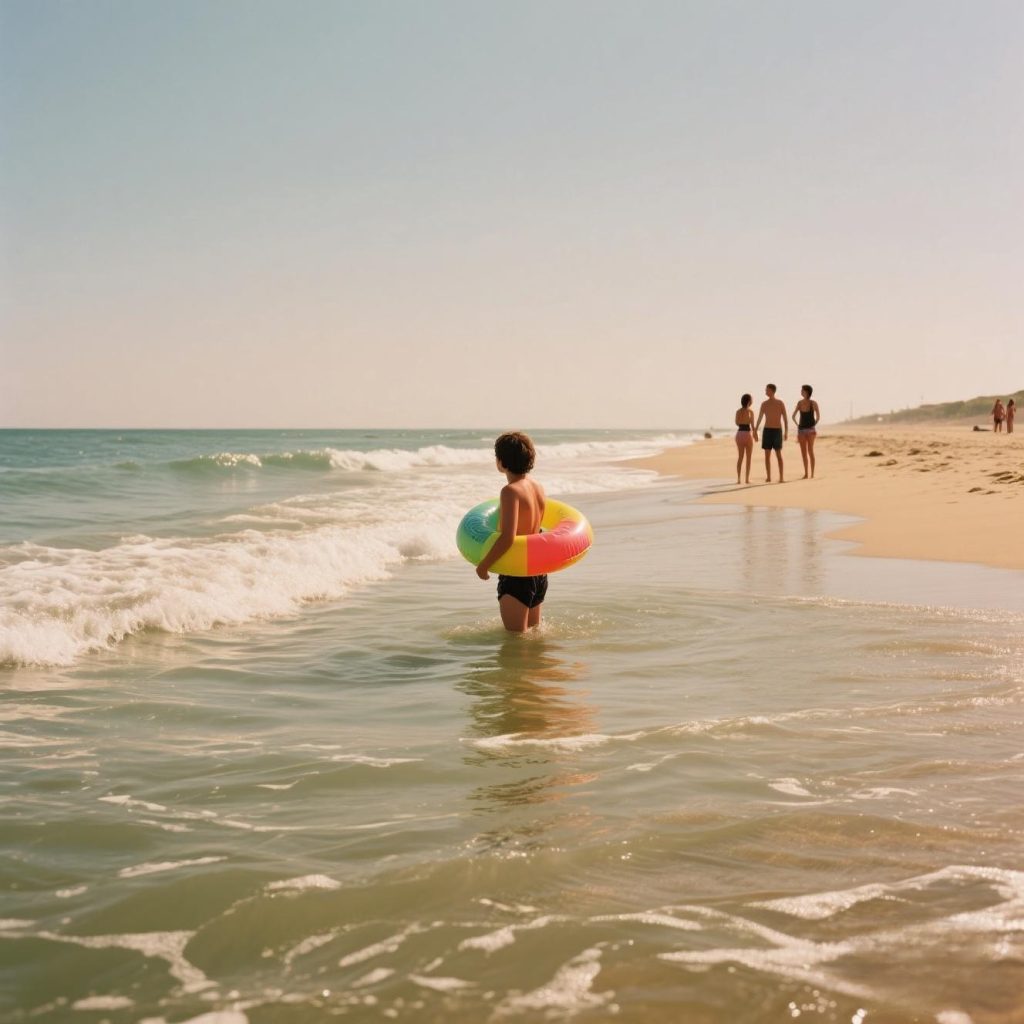
There’s absolutely nothing wrong with using floatation devices to enjoy ocean or lake swimming. Pool noodles, floatation belts, and inflatable loungers can make water time more comfortable and confidence-building for beginners.
Basic gear: Pool noodles, floatation belt, or inflatable lounger. Most items cost under $20 at sporting goods stores.
Safety reminder: Always swim between lifeguard flags when available and never swim alone. Water conditions can change quickly, even in shallow areas.
6. Shore or Dock Fishing
Fishing requires zero swimming ability but definitely counts as a water activity. It’s peaceful, can be done solo or with groups, and there’s always that exciting possibility of actually catching something. Many parks have fishing docks specifically designed for easy access.
Starter equipment: Basic rod and reel combo, simple tackle box, bait, and required fishing license. Initial setup runs about $50-80.
Beginner reminder: Always check local fishing regulations and licensing requirements before heading out. Rules vary significantly between locations.

7. Water Walking and Aqua Fitness
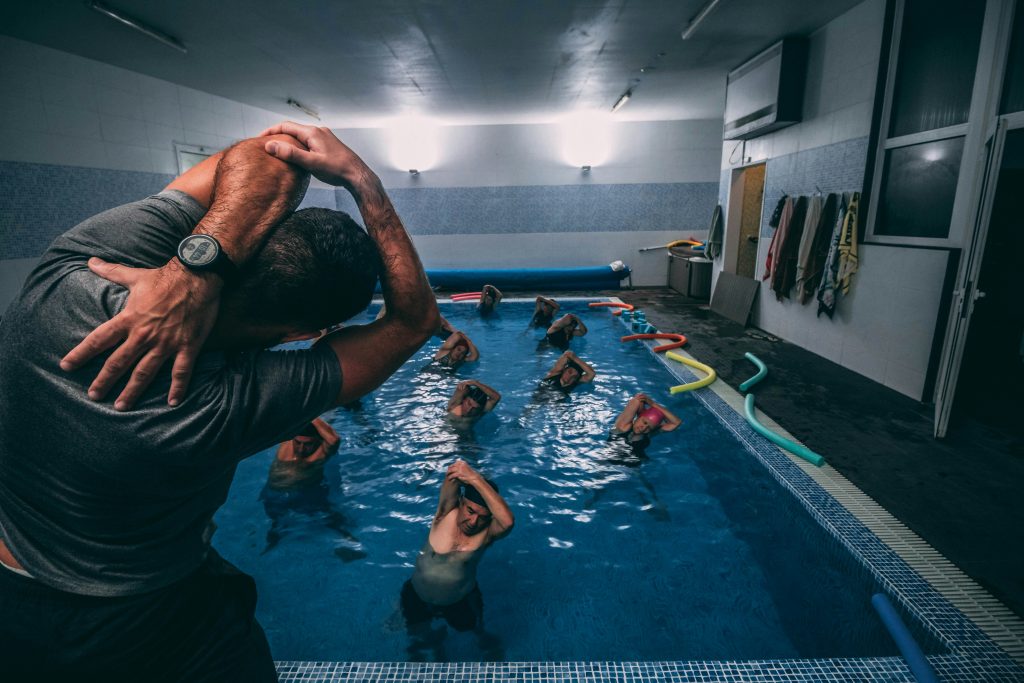
Water walking in chest-deep water provides excellent low-impact exercise. Many community centers and lakes with designated swimming areas are perfect for this activity. The water’s resistance gives you a workout while being gentle on joints.
What to bring: Swimsuit and water shoes for rocky bottoms. Some people add water weights, but they’re not necessary for beginners.
Why it works: You get cardiovascular benefits and muscle strengthening without the joint impact of land-based exercise. Perfect for people with mobility concerns or joint issues.
8. Lake Canoeing
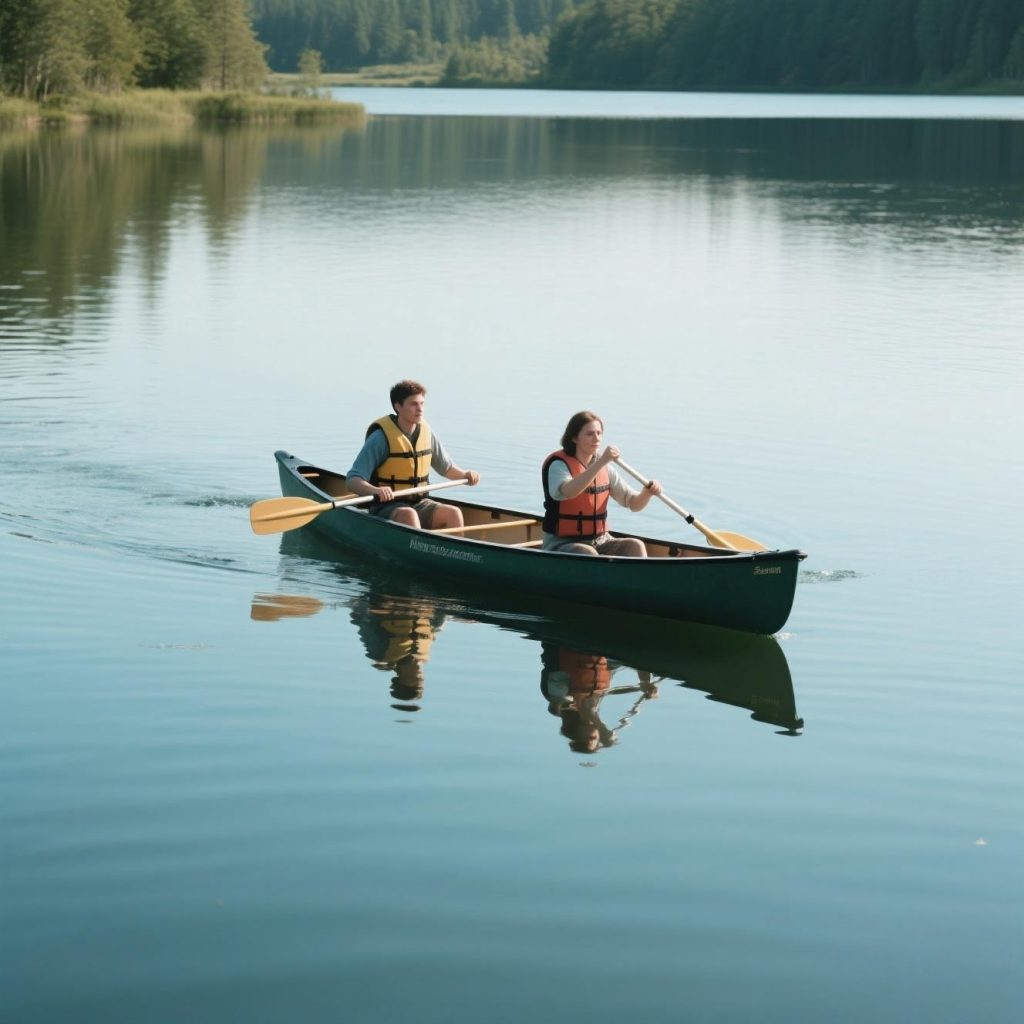
Canoes offer more stability and space than most people expect, especially on calm lake water. They’re easier to get in and out of compared to kayaks, and the open design makes them less claustrophobic for some beginners.
Equipment needed: Canoe, paddles (always bring a spare), and life jackets. Rental costs are similar to kayaks, around $30-45 for half a day.
Weather tip: Wind can make paddling much more challenging than expected. Check conditions before heading out, and stick to protected areas on breezy days.
9. Pool or Lake Floating
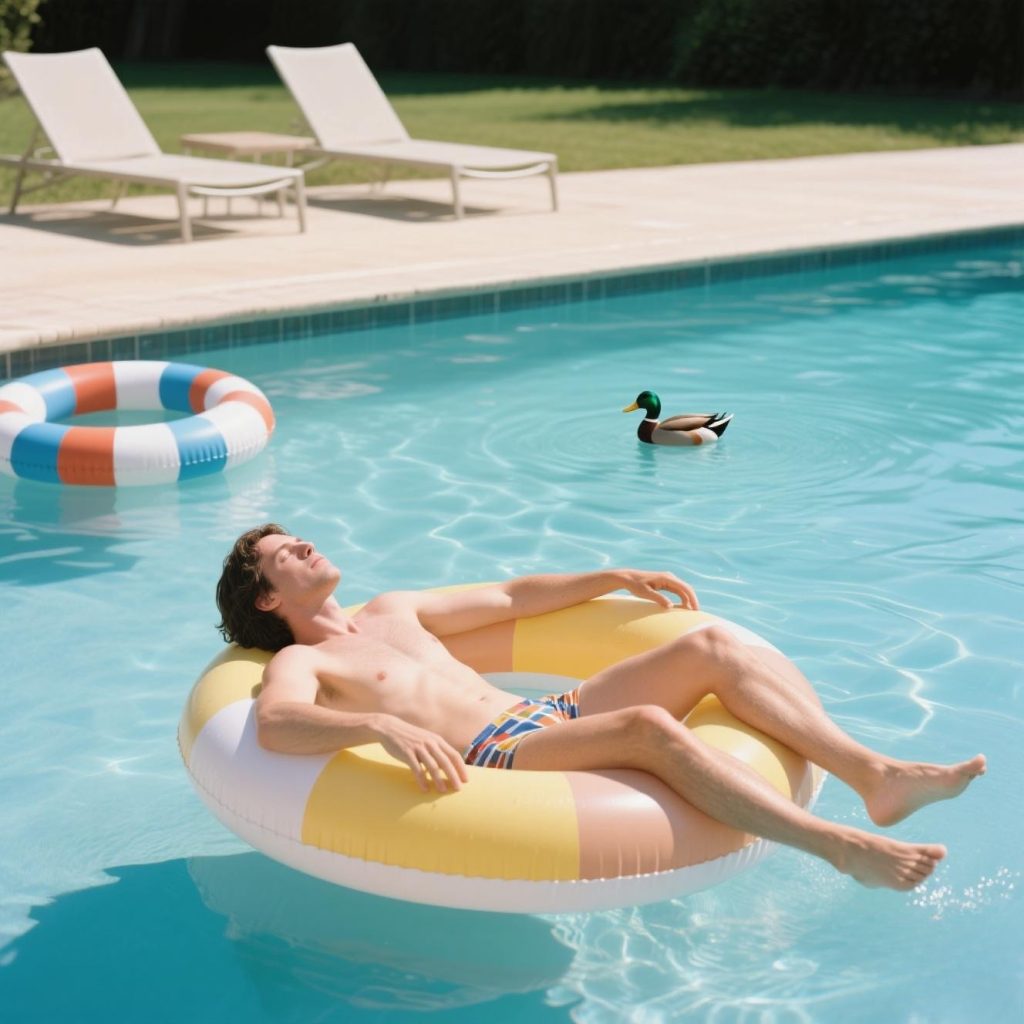
Sometimes the simplest activities are the most refreshing. Floating on quality inflatable rafts is surprisingly relaxing and perfect for pools, calm lakes, or protected beach areas. It’s ideal for people who want to enjoy water time without any physical exertion.
Recommended gear: Sturdy inflatable raft with cup holders, sunscreen, and maybe a waterproof speaker. Quality rafts range from $25-50.
Comfort tip: Look for rafts with built-in pillows or backrests. The small extra cost makes a big difference in comfort during longer floating sessions.
10. Shallow Water Treasure Hunting
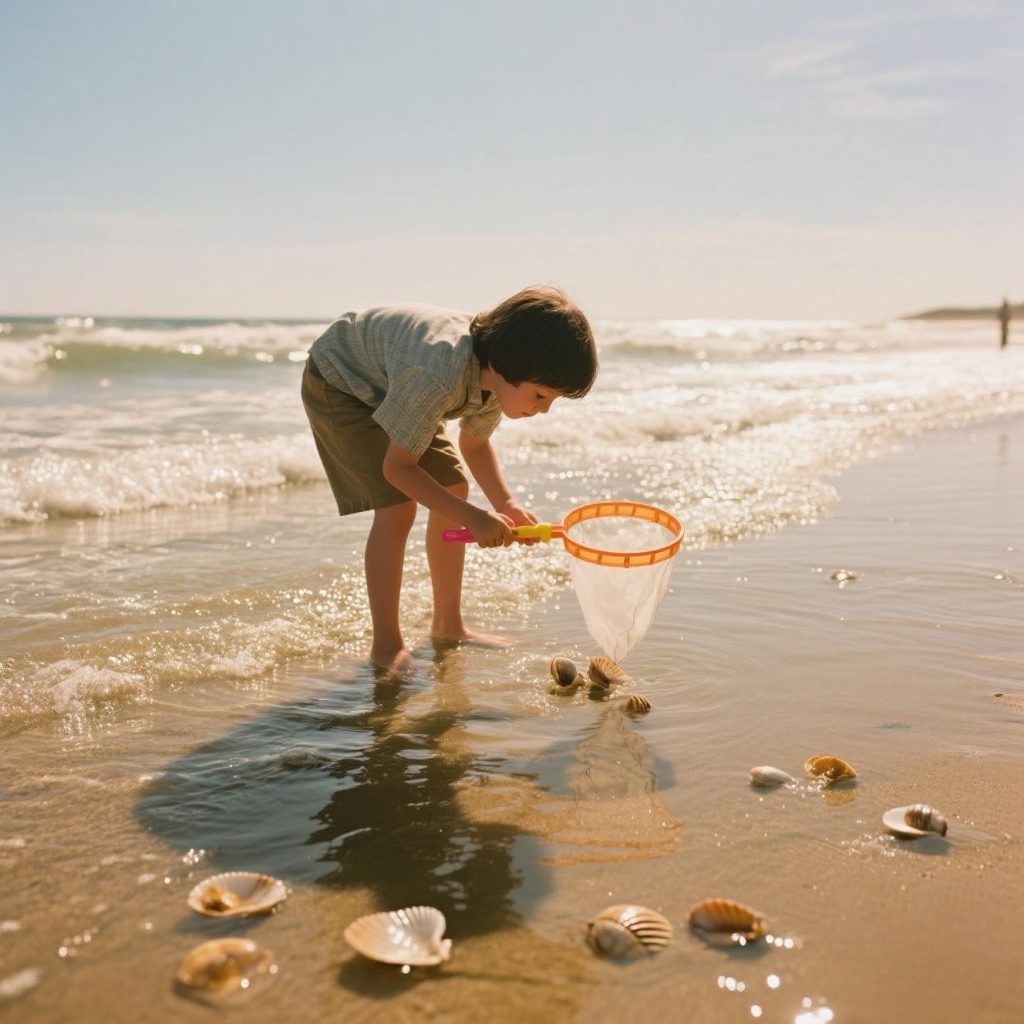
Metal detecting in shallow water areas combines the fun of treasure hunting with gentle water activity. Beach areas, swimming holes, and shallow lake sections often yield interesting finds, from lost jewelry to historical artifacts.
Basic setup: Waterproof metal detector, small digging tool, and collection bag. Entry-level waterproof detectors start around $100-150.
Realistic expectations: Most finds will be bottle caps and fishing lures, but occasional valuable discoveries make it exciting. Plus, you’re helping clean up water areas.
Essential Safety Guidelines
Water safety doesn’t have to be complicated, but it’s always important. Let someone know your plans and expected return time. Weather can change quickly near water, so check forecasts and be willing to postpone if conditions look questionable.
Life jackets aren’t just for children or weak swimmers – they’re smart safety gear for anyone enjoying water activities. Modern life jackets are comfortable and don’t restrict movement significantly. For comprehensive water safety guidelines and tips, the American Red Cross offers excellent resources on everything from choosing proper flotation devices to recognizing water emergencies.
Getting Started on a Budget
The good news is you don’t need to invest in expensive gear right away. Most popular water destinations have rental facilities where you can try different activities before buying equipment. Many community programs and park districts also offer beginner classes at reasonable rates.
Consider starting with one activity that sounds most appealing, then branching out as you build confidence and interest. Skills and comfort levels developed in one water activity often transfer to others, making each new experience easier to tackle.
Water Activity FAQs
Do I need to know how to swim? For activities like fishing, tubing with life jackets, and shallow water walking, swimming isn’t required. However, basic swimming skills are recommended for paddleboarding, kayaking, and snorkeling.
What’s the safest option for kids? Shallow water activities with proper supervision work best. Pool floating, water walking in designated areas, and tubing with life jackets are excellent family-friendly choices.
When is the best time to try these activities? Late spring through early fall typically offers the best conditions. Early morning and late afternoon often have calmer winds and more comfortable temperatures.
Water activities offer something for everyone, regardless of experience level or swimming ability. The key is starting with activities that match your comfort zone and gradually building confidence from there. Before you know it, you might find yourself trying activities that seemed intimidating just a few months earlier.
Ready to dive in? Try one of these beginner water activities and share your experience! Check out our beginner’s gear guide for water adventures to get started with the right equipment. Curious about camping too? Check out our other articles for tips to help you get started outdoors.
Discover more from Maive Verse
Subscribe to get the latest posts sent to your email.