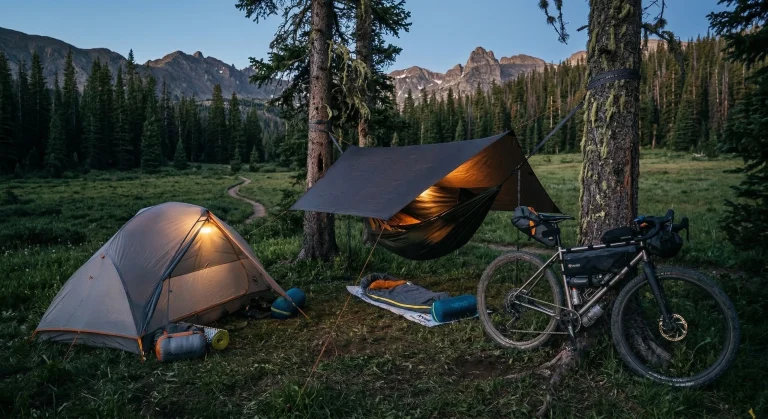

Discover 7 hidden gravel bike benefits for your next adventure. Master multi-surface versatility, comfort, and why they are the ultimate machines.
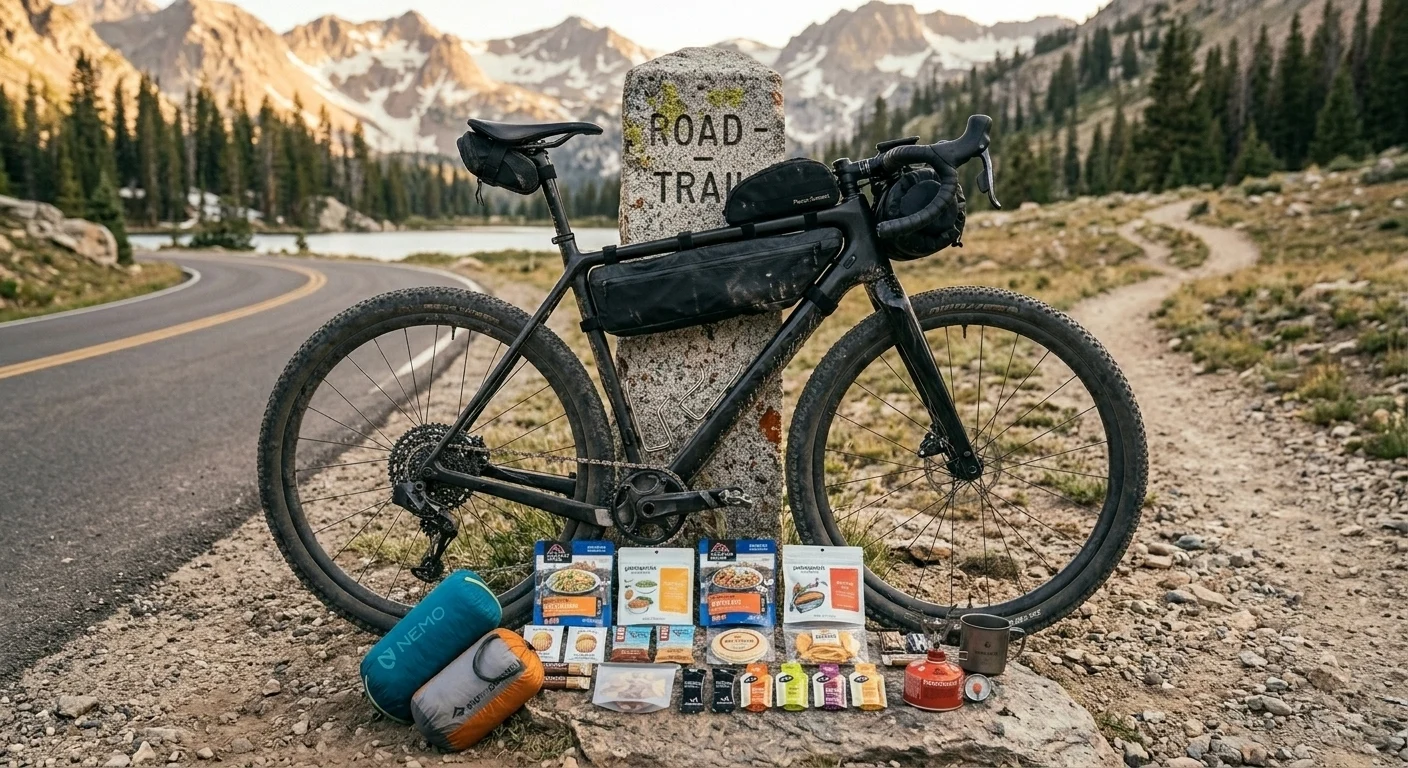
Table of Contents
Introduction: The Versatility of the Modern Gravel Platform
The emergence of the gravel bike represents a significant shift in cycling engineering, combining the efficiency of a road bike with the ruggedness of a mountain bike. Understanding the specific gravel bike benefits is essential for any rider looking to expand their range beyond paved surfaces. These machines are not merely a compromise; they are highly specialized tools designed for “any-road” capability. For those transitioning into multi-day travel, the gravel bike serves as the primary engine for the Bikepacking for Beginners Guide.
Unlike traditional road frames, gravel bikes are designed with a focus on stability, durability, and cargo capacity. This makes them the “ultimate adventure machine” for 2026, capable of handling everything from local commutes to transcontinental wilderness expeditions. The technical foundation of a gravel bike allows a rider to explore terrain that was previously off-limits to drop-bar bicycles. This guide analyzes the seven key advantages that distinguish the gravel platform from other cycling disciplines.
1. Unmatched Multi-Surface Adaptability
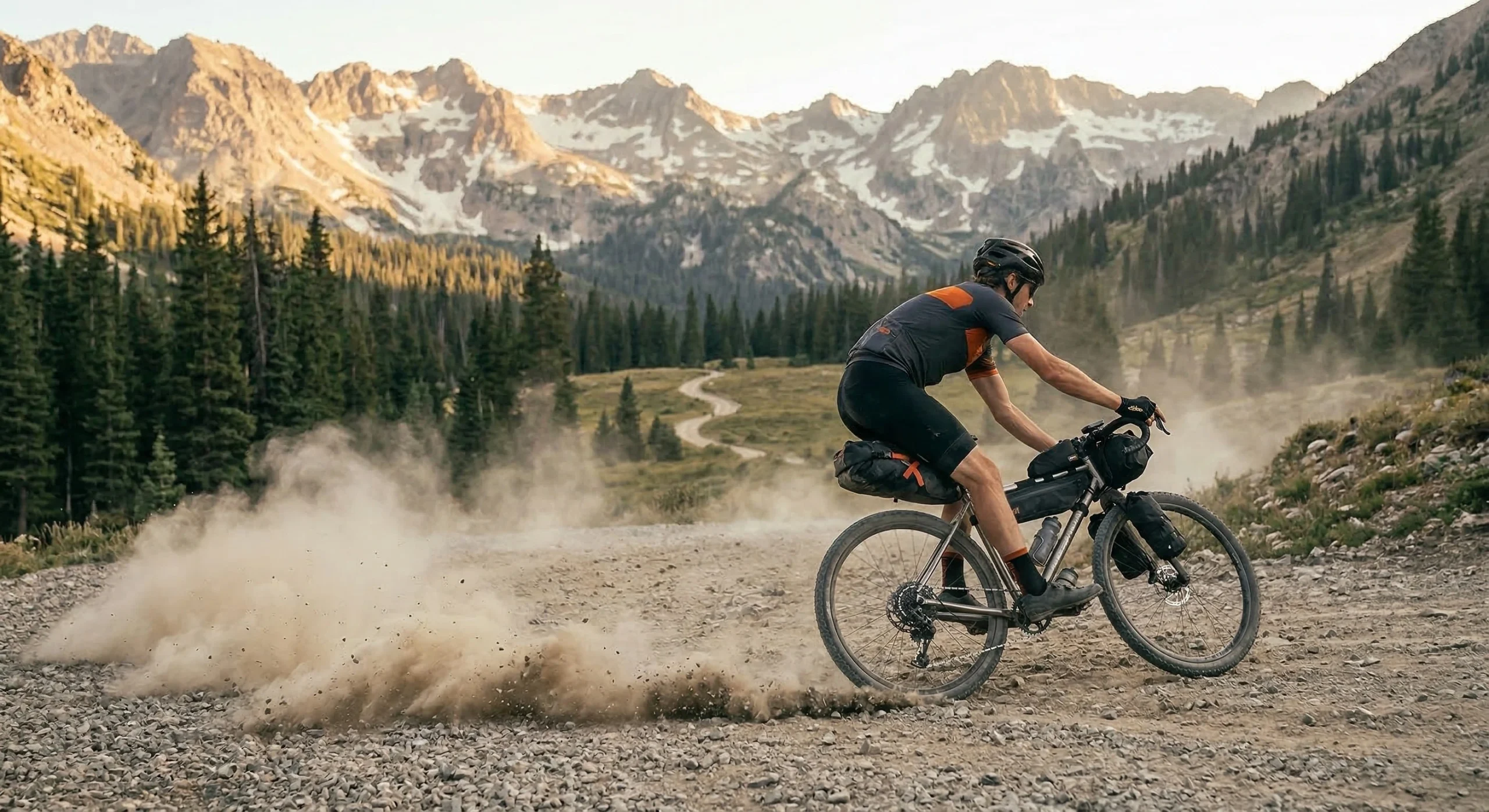
The primary entry on any list of gravel bike benefits is the ability to transition seamlessly between surfaces. A gravel bike allows the rider to connect paved sections with fire roads, canal paths, and moderate singletrack without changing equipment. This adaptability eliminates the logistical need for multiple bicycles or vehicle transport to specific trailheads.
Mechanical efficiency on asphalt remains high due to the drop-bar geometry and lightweight frames, yet the bike remains competent when the pavement ends. This surface-blind performance is a core requirement for those planning a 3-Day Wilderness Adventure . By removing the barrier of surface type, the gravel bike increases the opportunities for exploration in any geographic region.
2. Ergonomic Geometry for Endurance Comfort
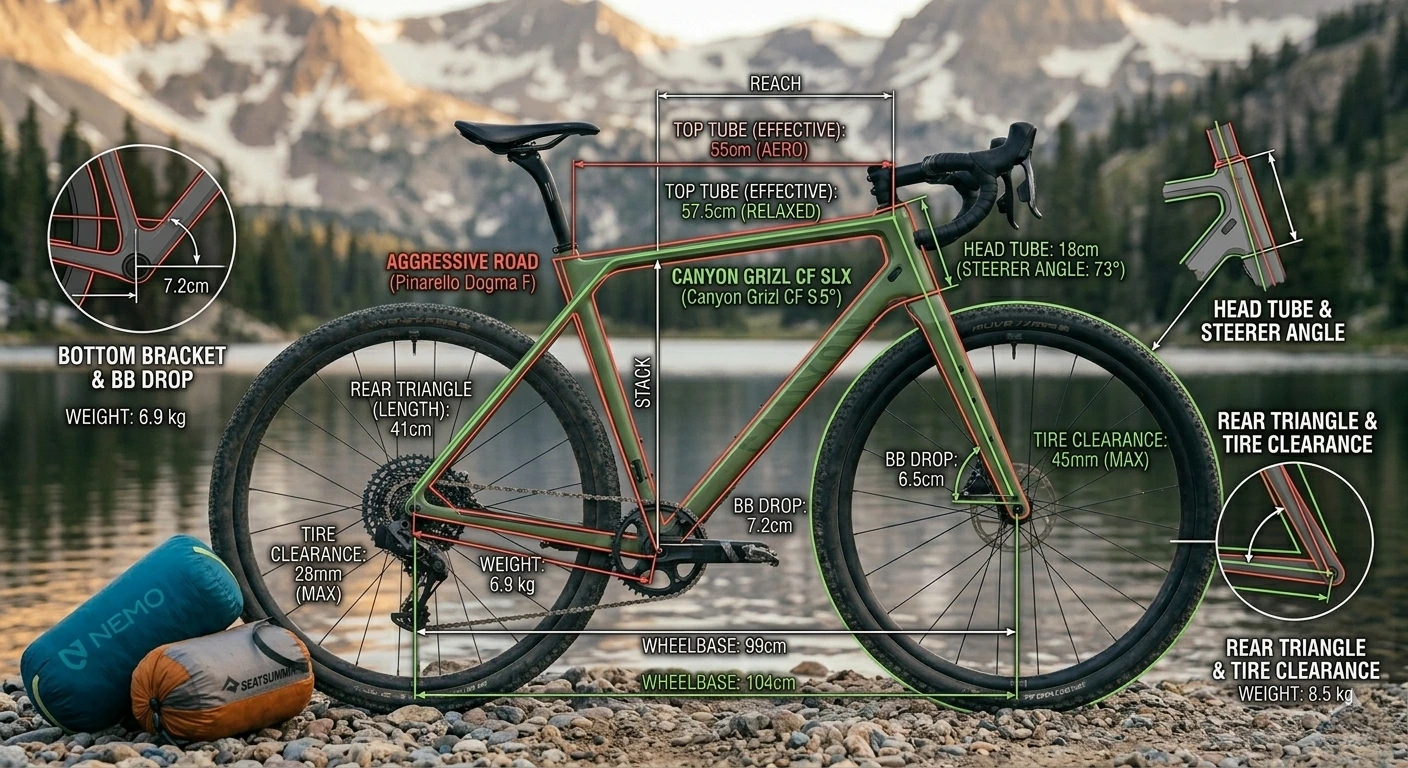
Gravel bikes utilize an “endurance” or “adventure” geometry that prioritizes rider comfort over absolute aerodynamics. One of the hidden gravel bike benefits is the taller head tube and shorter reach, which places the rider in a more upright position. This reduces strain on the lower back, neck, and wrists during long hours in the saddle.
This relaxed positioning is critical for maintaining the focus needed for complex Off-Road Navigation. A comfortable rider is more efficient and less prone to the fatigue-induced errors that occur on technical terrain. The geometry also provides a lower bottom bracket height, which increases the bike’s stability when fully loaded with gear.
3. Superior Vibration Dampening through Tire Volume
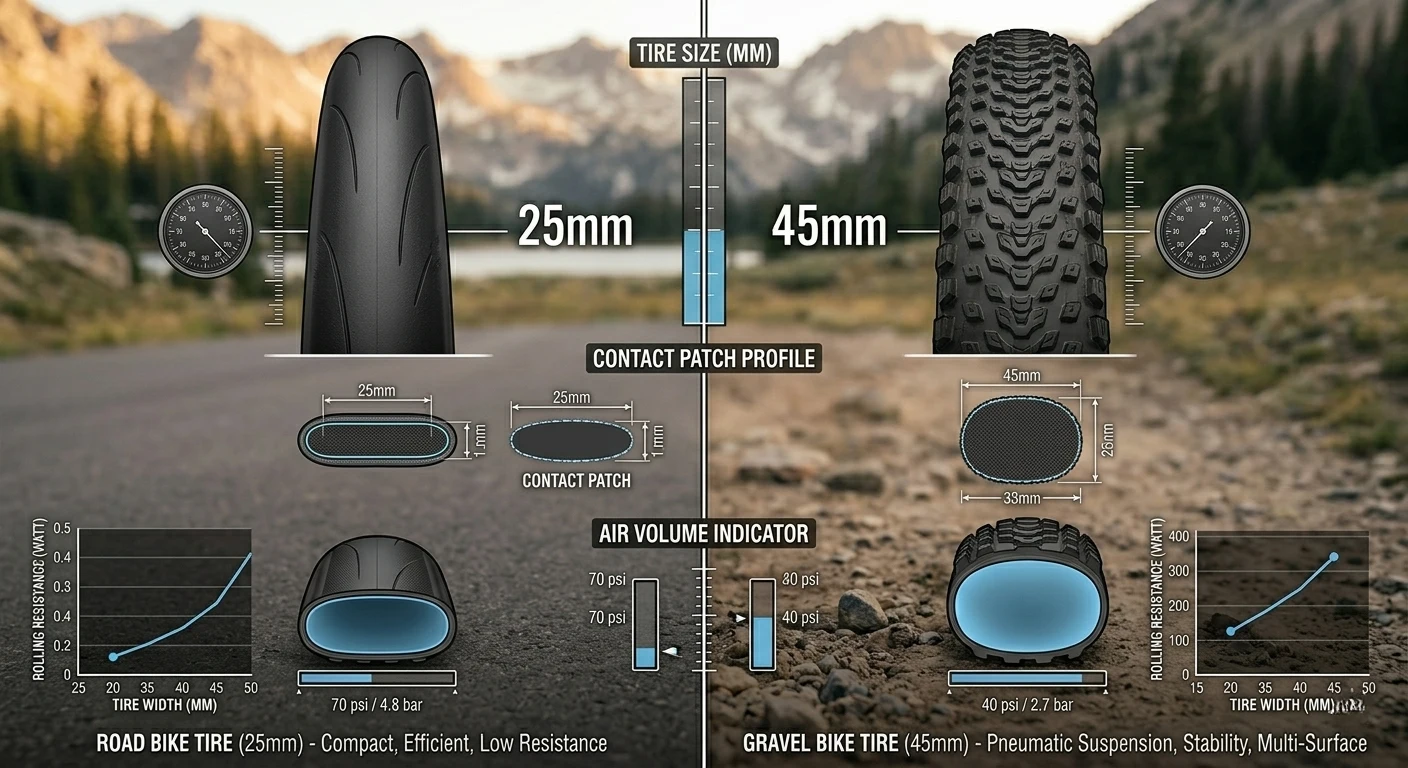
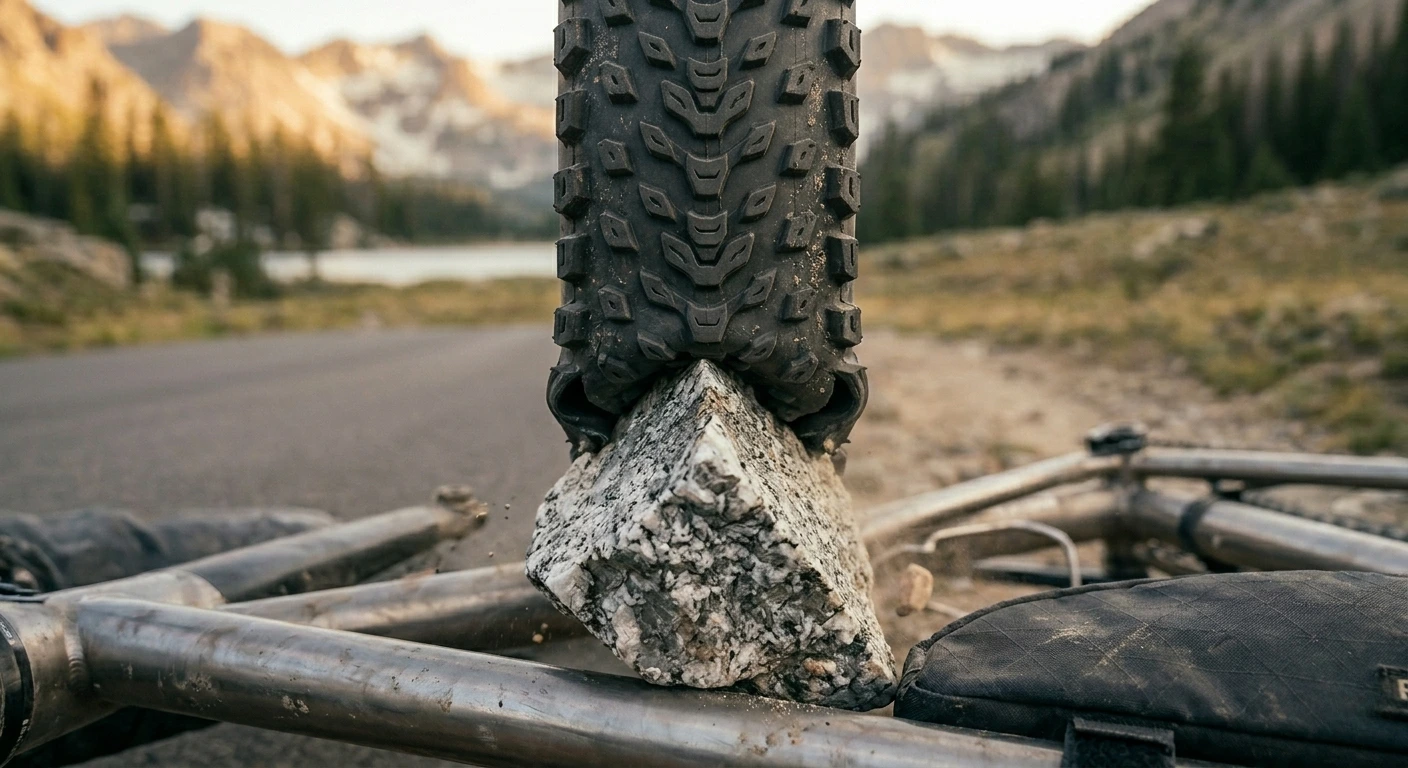
High-volume tires are the defining mechanical characteristic of the gravel platform. Modern gravel frames typically accommodate tires ranging from 40mm to 50mm in width. This increased air volume acts as a natural suspension system, absorbing high-frequency vibrations from “washboard” gravel and rocky paths.
The ability to run lower tire pressures significantly improves traction and comfort. This dampening effect reduces the physical toll on the rider’s body, allowing for higher mileage days with less recovery time required. According to technical standards from the International Mountain Bicycling Association (IMBA), tire volume is the most influential factor in off-road ride quality for rigid frames.
4. Integrated Mounting Points for Bikepacking
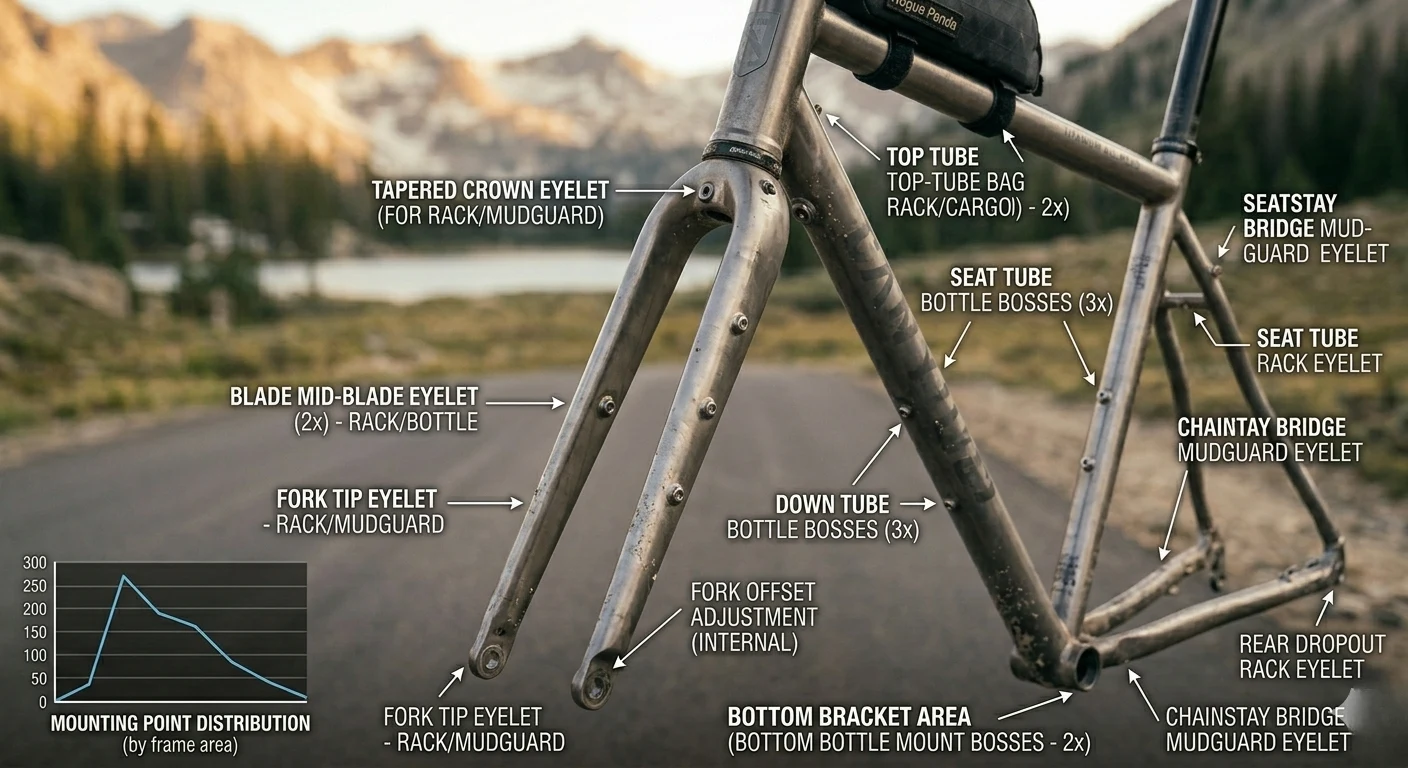
A standard road bike lacks the necessary hardware for carrying heavy loads over rough terrain. One of the most practical gravel bike benefits is the abundance of integrated mounting points, often referred to as “bosses.” These allow for the secure attachment of racks, fenders, and specialized bags directly to the frame and fork.
- Three-Pack Fork Mounts: Ideal for carrying extra water or small dry bags.
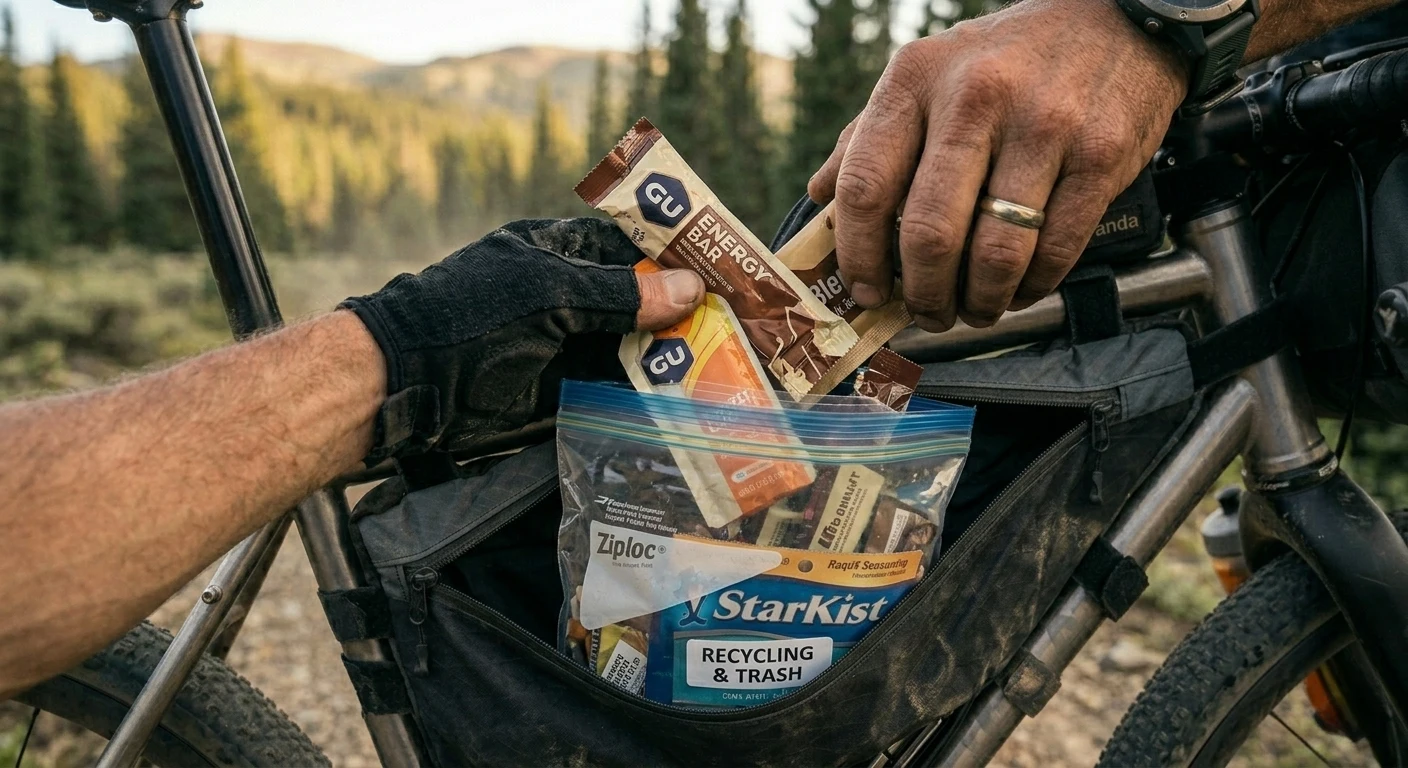
- Top-Tube Mounts: Perfect for “gas tank” bags to store nutrition and electronics.
- Underside Down-Tube Mounts: Useful for carrying heavy tool rolls or a third water bottle.
- Fender/Rack Eyelets: Ensuring the bike can be converted into a capable commuter or long-distance tourer.
This mechanical integration is a prerequisite for anyone following a professional Bikepacking Packing Guide. It ensures that the load is distributed evenly without the use of unstable clamps or straps.
5. Low-Range Gearing for Technical Climbs
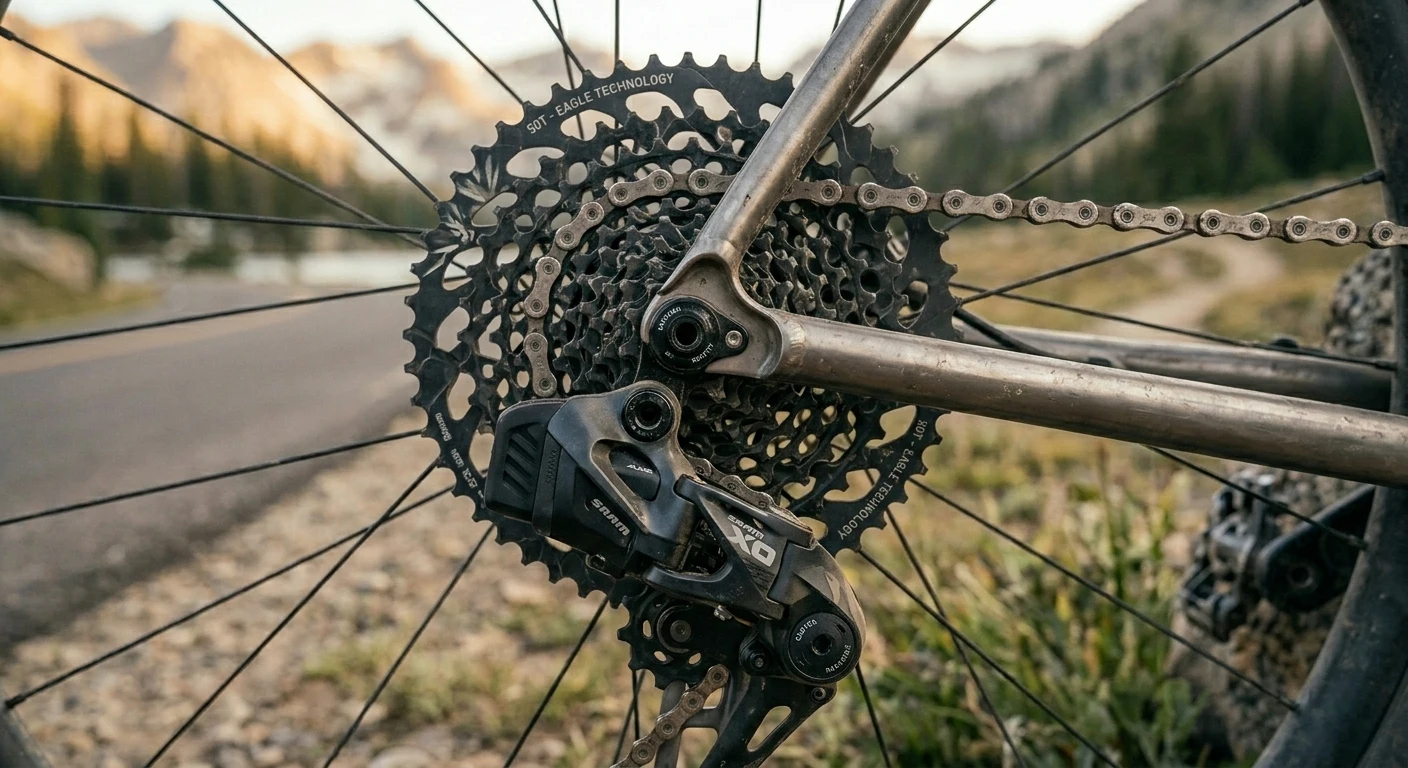
Gravel bikes are frequently equipped with “wide-range” drivetrains, often featuring a single front chainring (1x) and a massive rear cassette. This provides lower gear ratios than a traditional road bike, which is essential for climbing steep, loose gradients while the bike is loaded with gear.
This mechanical advantage allows the rider to maintain a consistent cadence even on the most difficult slopes. Having a “bail-out” gear is a significant safety benefit when navigating the remote Bikepacking Routes found in mountainous regions. The 1x system also reduces mechanical complexity, minimizing the risk of “dropped chains” in muddy or bumpy conditions.
6. Increased Stability on Loose Terrain
Technical stability is a primary safety pillar of the gravel bike design. These bikes feature a longer wheelbase and a slacker head tube angle compared to road bikes. This design ensures that the bike “tracks” straight through loose gravel, sand, or mud rather than twitching or sliding.
This stability provides the rider with increased confidence during high-speed descents on unpaved surfaces. The ability to maintain control under low-traction conditions is one of the most vital gravel bike benefits for beginner adventurers. A stable machine reduces the cognitive load on the rider, allowing them to focus on the environment rather than constant balance corrections.
7. The Financial Efficiency of a Single Machine
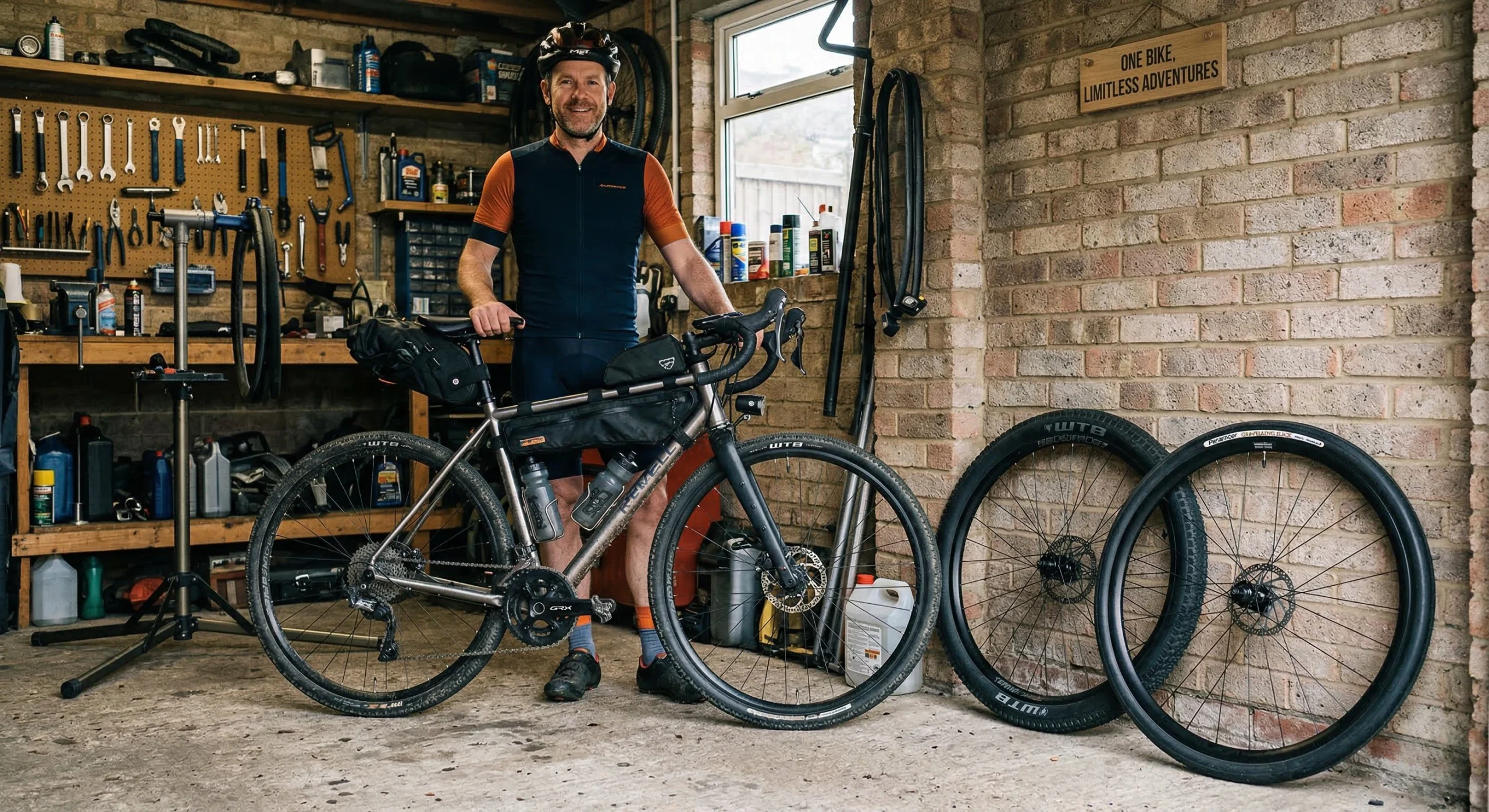
For many enthusiasts, the most significant advantage is the “one-bike” economy. A high-quality gravel bike can effectively replace a dedicated road bike and a cross-country mountain bike for many recreational purposes. By owning one versatile machine, the rider saves on initial purchase costs, maintenance time, and storage space.
The versatility of the platform allows for easy customization via tire swaps. Fitting slick tires transforms the machine into a fast road cruiser, while knobby tires prepare it for a weekend of singletrack. This financial efficiency makes gravel cycling one of the most accessible entry points into adventure sports. Researching these values is an important part of any Complete Equipment Guide.
Technical Comparison: Gravel vs. Road vs. Mountain Bikes
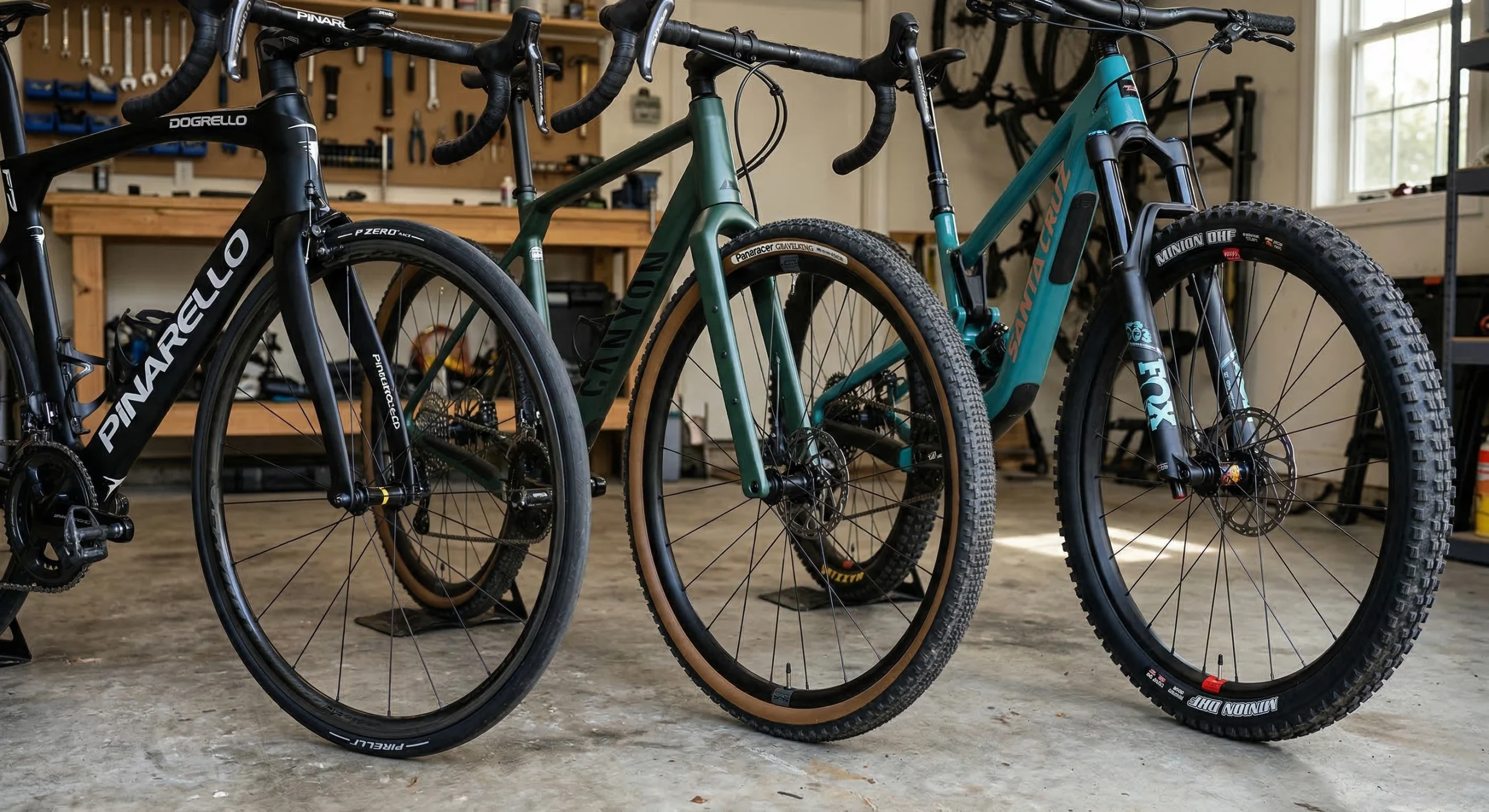
To truly master the gravel bike benefits, one must understand where the platform sits relative to its peers. While it shares DNA with both road and mountain bikes, its performance metrics are distinct.
| Feature | Road Bike | Gravel Bike | XC Mountain Bike |
|---|---|---|---|
| Tire Width | 25mm – 30mm | 38mm – 50mm | 2.1″ – 2.4″ |
| Surface Speed | High (Asphalt) | Balanced | High (Singletrack) |
| Mounting Points | Minimal | Maximum | Moderate |
| Stability | Low / Twitchy | High | Very High |
| Suspension | None | Tire Volume / Opt. Fork | Active (Front/Rear) |
Essential Upgrades to Maximize Gravel Bike Benefits
While a stock gravel bike is highly capable, specific technical upgrades can further enhance its performance for wilderness use. These modifications focus on reliability and traction.
Choosing the Correct Tread Pattern
Tread selection should be dictated by the percentage of time spent off-road. Semi-slick tires with smooth centers and knobby shoulders offer the best balance for mixed-surface riding. For riders exploring exclusively soft or muddy terrain, a full-knob pattern is required to maintain power transfer.
Tubeless Conversion for Reliability
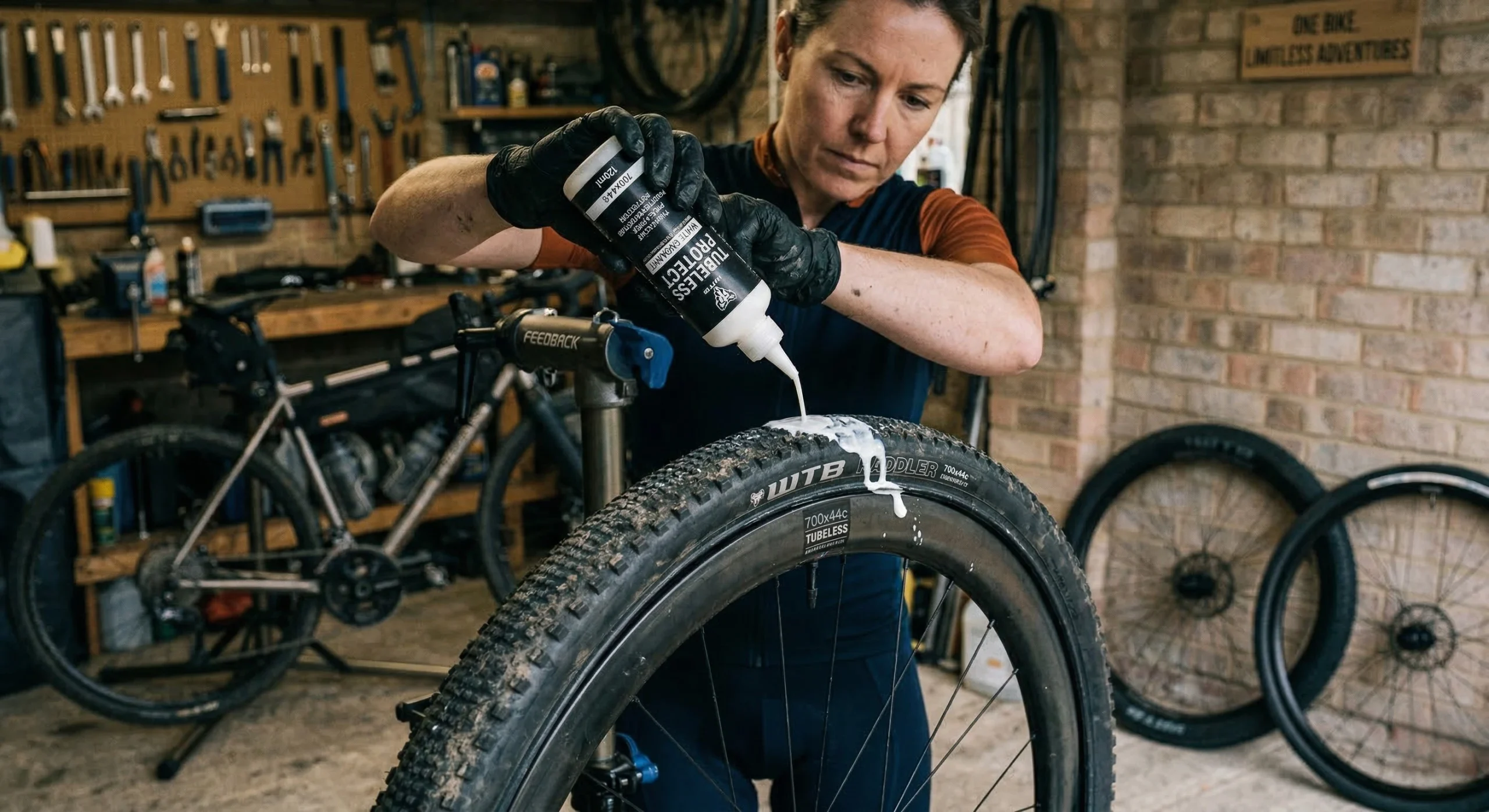
Converting to a tubeless tire system is the single most important technical upgrade for a gravel bike. This system uses liquid sealant to automatically plug small punctures from thorns or sharp rocks. It allows the rider to use lower air pressures for increased traction without the risk of “pinch flats” (snake bites) common with inner tubes.
Maintenance Protocols for Adventure Machines
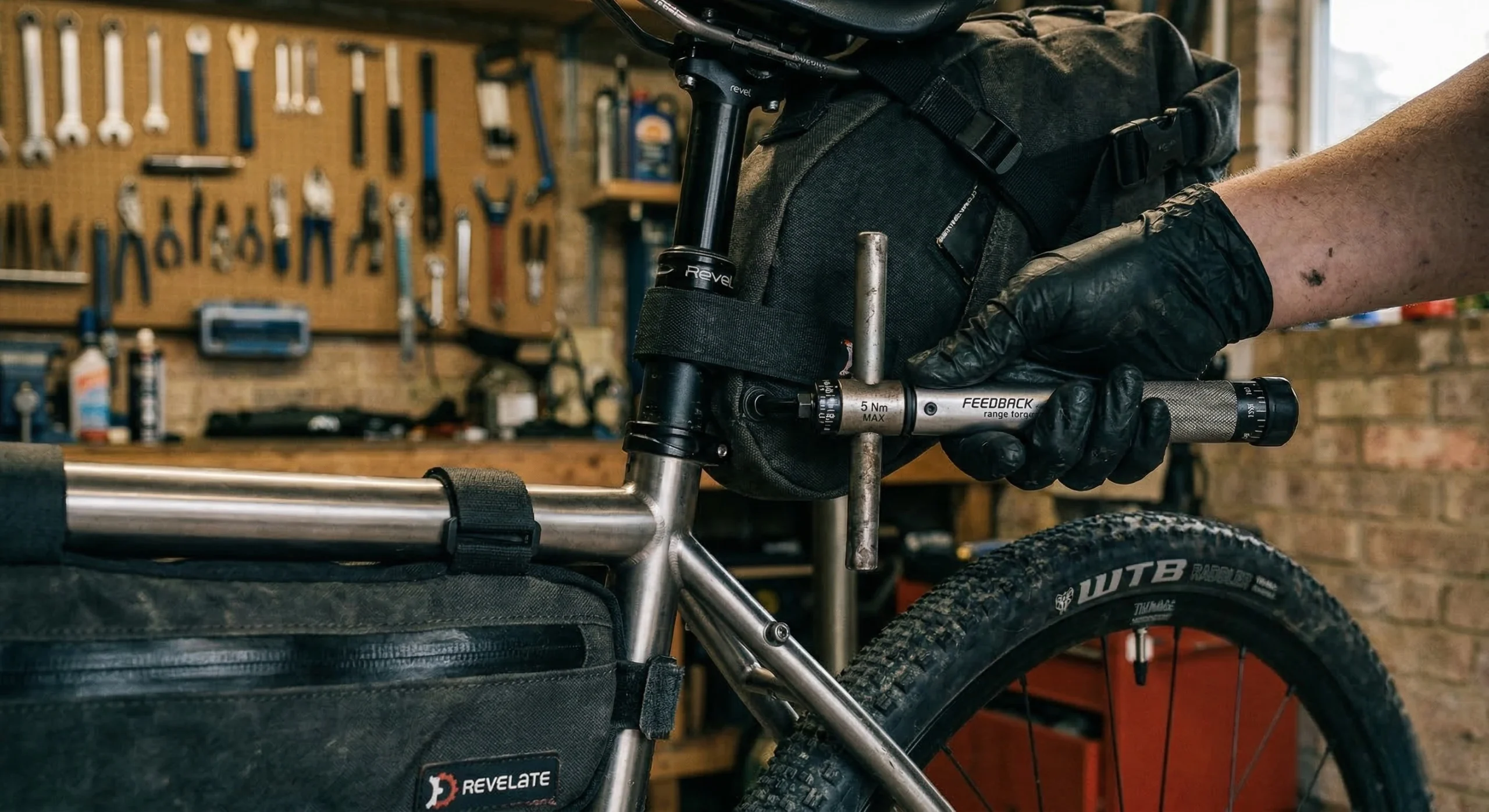
Because gravel bikes are exposed to more dust, mud, and vibration than road bikes, a disciplined maintenance schedule is required to preserve the gravel bike benefits. High-frequency vibrations can loosen bolts and rack mounts over time.
- Drivetrain Cleaning: Grit from the trail acts as a grinding paste on the chain and cassette; clean and lube after every dusty ride.
- Bolt Check: Perform a full “torque check” on all frame bosses and accessory mounts monthly.
- Brake Inspection: Disc brake pads wear faster in wet or muddy conditions; check thickness before any multi-day trip.
- Hydraulic Fluid: Ensure hydraulic brakes are bled annually to maintain consistent stopping power on long descents.
Consistent mechanical care is a fundamental skill taught by the Park Tool Repair Resource. A well-maintained bike is a silent and reliable partner in the wilderness.
Conclusion: The Evolution of Adventure Cycling
Mastering the use of a gravel bike unlocks a new dimension of self-reliance and exploration. By prioritizing multi-surface adaptability (Section 1), endurance comfort (Section 2), and technical stability (Section 6), any rider can transition from local roads to remote summits. The gravel bike benefits are not just about gear; they are about the freedom to choose any path without being limited by the surface beneath your tires.
Remember that the bike is only one part of the adventure system. It must work in harmony with your Bikepacking Gear and your Navigation Strategy. As you gain experience across different terrains, your understanding of your machine’s capabilities will deepen, transforming it from a simple vehicle into a true extension of your intent.
The road—and the trail—is waiting, and with the right gravel machine, you are ready to conquer both. Treat the land with respect, pack with purpose, and embrace the unique rhythm of the unpaved world. The transition to adventure cycling is a path paved with preparation and a passion for the outdoors. Step out with a plan, respect your machine’s limits, and enjoy the unparalleled liberation that only a gravel bike can provide.