Discover 11 essential camping safety tips to keep you safe outdoors. From campsite selection to wildlife encounters – stay protected.

Table of Contents
Introduction
When you’re heading out into the great outdoors, there’s nothing quite like the freedom and adventure that camping brings. But here’s the thing – all that fun can turn into a real nightmare if safety isn’t your top priority. The wilderness doesn’t forgive mistakes, and being prepared isn’t just smart, it’s essential for making sure you come home with nothing but great memories.
Here are eleven crucial ways to keep yourself and your group safe on your camping adventures:
1. Plan Your Trip Like Your Life Depends On It
Plan your trip like your life depends on it—because honestly, it might. Before you even pack your first sock, research your destination thoroughly. Check weather forecasts, trail conditions, and any alerts or closures. One of the most overlooked camping safety tips is to always tell someone reliable exactly where you’re going, which trails you plan to take, and when you expect to return.

If something goes wrong, this information becomes your lifeline for rescue teams. If you’re new to camping, check out our comprehensive camping for beginners guide to help you plan your first adventure properly.
2. Master The Art Of Campsite Selection
Your campsite choice can make or break your safety. Look for level ground that’s away from dead trees or loose rocks that could fall. Avoid camping in dry creek beds or low-lying areas where flash floods could catch you off guard. Set up at least 200 feet from water sources to protect both the environment and yourself from wildlife that comes to drink. For step-by-step

instructions on creating the perfect camp setup, read our detailed guide on how to set up a campsite.
3. Treat Fire Like The Powerful Force It Is
Fire is your friend until it isn’t. Always check local fire restrictions before your trip, and never build a fire when conditions are too dry or windy. Keep your fire small and contained in established fire rings, never leave it unattended, and always have water nearby for emergencies. When you’re done, drown it completely, stir the ashes, and drown it again until it’s cold to the touch.

4. Pack Your Safety Net
Your first aid kit should be tailored to your group’s needs and the activities you’ll be doing. Include basics like bandages, antiseptic, pain relievers, and any personal medications. One of the smartest camping safety tips is not just to pack a kit, but to know how to use everything in it. Consider taking a wilderness first aid course before your trip, because knowing how to handle

emergencies when help is hours away is invaluable. Make sure you don’t forget any essential safety items by following our essential camping checklist.
5. Respect Wildlife From A Distance
Animals are amazing to observe, but they’re not your friends. Store all food, toiletries, and scented items in bear-proof containers or hang them properly. One of the most important camping safety tips is to keep your campsite clean and never feed wildlife—it’s dangerous for both you and them. If you encounter animals, stay calm, make yourself appear large, back away slowly, and never run unless you’re dealing with a bear that’s already charging.

6. Dress For Success And Survival
Weather in the outdoors can change faster than you can say “storm clouds.” Always pack layers, including waterproof gear, even if the forecast looks perfect. Hypothermia can happen even in mild temperatures if you get wet and cold. Don’t forget sun protection either – sunburn and heat exhaustion are real dangers that can ruin your trip or worse.

7. Navigate Like Your Phone Doesn’t Exist
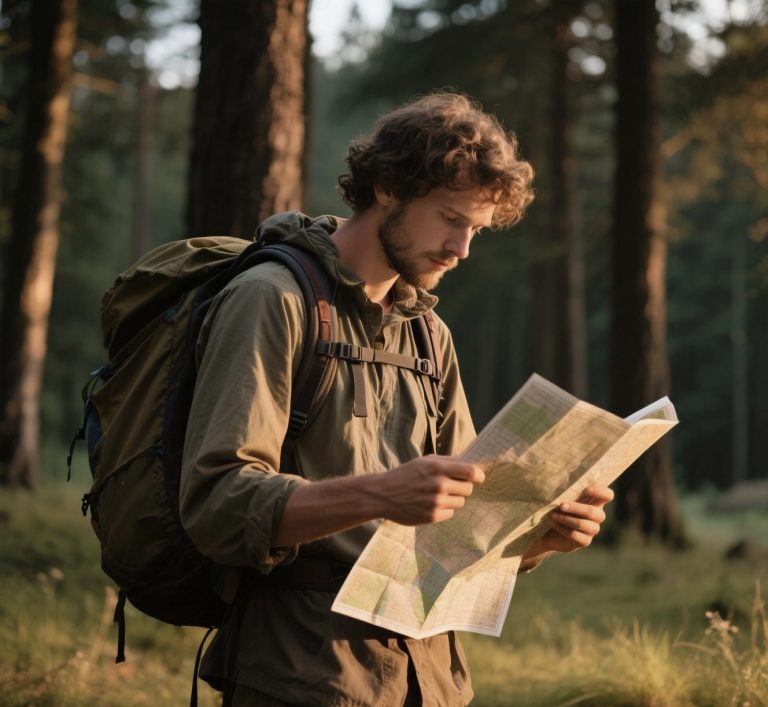
While GPS is great, batteries die and signals disappear in remote areas. Always carry a physical map and compass, and more importantly, know how to use them. Stay on marked trails whenever possible, and if you must go off-trail, mark your route so you can find your way back. If you do get lost, stay put and signal for help rather than wandering further into unknown territory.

8. Stay Hydrated And Water-Wise
One of the most crucial camping safety tips is to stay hydrated. Dehydration can sneak up on you quickly, especially at higher altitudes or in hot weather. Bring more water than you think you’ll need, and know how to purify water from natural sources using filters, tablets, or boiling. Never drink untreated water from streams or lakes, no matter how clean it looks—waterborne illnesses can turn a fun trip into a medical emergency.

9. Set Up Your Shelter Before Dark
Nothing turns a camping trip sour like fumbling around in the dark trying to set up your tent. Always arrive at your campsite with enough daylight to properly set up camp, cook dinner, and organize your gear. If you’re delayed, have headlamps and flashlights easily accessible, and know how to set up your shelter in low-light conditions.

10. Keep Communication Options Open


Cell service might be spotty or nonexistent, but that doesn’t mean you should be completely cut off. Consider bringing a satellite communicator, personal locator beacon, or two-way radio for emergencies. Even a simple whistle can be a lifesaver if you need to signal for help. Make sure someone in your group knows how to use any emergency communication devices you bring.
11. Know Your Limits And Listen to Your Body


This might be one of the most important camping safety tips of all. Don’t let ego or peer pressure push you beyond your physical capabilities or comfort zone. If you’re feeling exhausted, dizzy, or unwell, speak up and take action. Altitude sickness, heat exhaustion, and simple fatigue can quickly become dangerous situations. It’s always better to cut a trip short than to end up in a life-threatening situation because you pushed too hard.
Conclusion
Your Safety is Your Responsibility. These camping safety tips aren’t just suggestions – they’re your blueprint for wilderness survival and enjoyment. The great outdoors offers incredible experiences, but it demands respect and preparation in return. By following these proven camping safety tips, you’re not just protecting yourself and your loved ones; you’re ensuring that every camping adventure becomes a cherished memory rather than a cautionary tale.
Remember that implementing these camping safety tips becomes second nature with practice. The more you camp, the more these precautions will feel like natural parts of your outdoor routine. Whether you’re a seasoned outdoors enthusiast or just starting your camping journey, these safety measures should always be your top priority.
Stay safe out there, respect the wilderness, and make every camping trip an adventure to remember. The mountains, forests, and wild places are waiting for you – just make sure you’re prepared to meet them safely. Don’t forget to follow the 7 Leave No Trace Principles too to maintain our beautiful campsites. When you combine these essential camping safety tips with proper planning and a healthy respect for nature, you’ll discover that the safest campers are often the ones having the most fun.
Discover more from Maive Verse
Subscribe to get the latest posts sent to your email.