📌 Affiliate Disclosure: Some links in this post are affiliate links. If you buy something through them, we may earn a small commission — at no extra cost to you. We only recommend gear we’d genuinely suggest to a friend.
Every beginner needs a solid hiking gear checklist for beginners before hitting the trail — and building one starts with cutting through the noise. Standing in the gear aisle at REI before your first hike can feel genuinely overwhelming. There are hydration bladders, trekking poles, bear canisters, gaiters, GPS devices — and a lot of price tags that make your eyes water. Here’s the truth: you do not need most of that stuff for a beginner day hike.
This hiking gear checklist for beginners cuts through the noise. We’ll cover exactly what you actually need before your first trail, what’s nice to add later, and what you can skip entirely right now. No gear snobbery, no upselling — just honest, practical advice so you can spend less time shopping and more time outside.
New to hiking altogether? Start with our guide Hiking for Beginners: A Friendly Guide to Your First Trail first, then come back here to pack your bag.
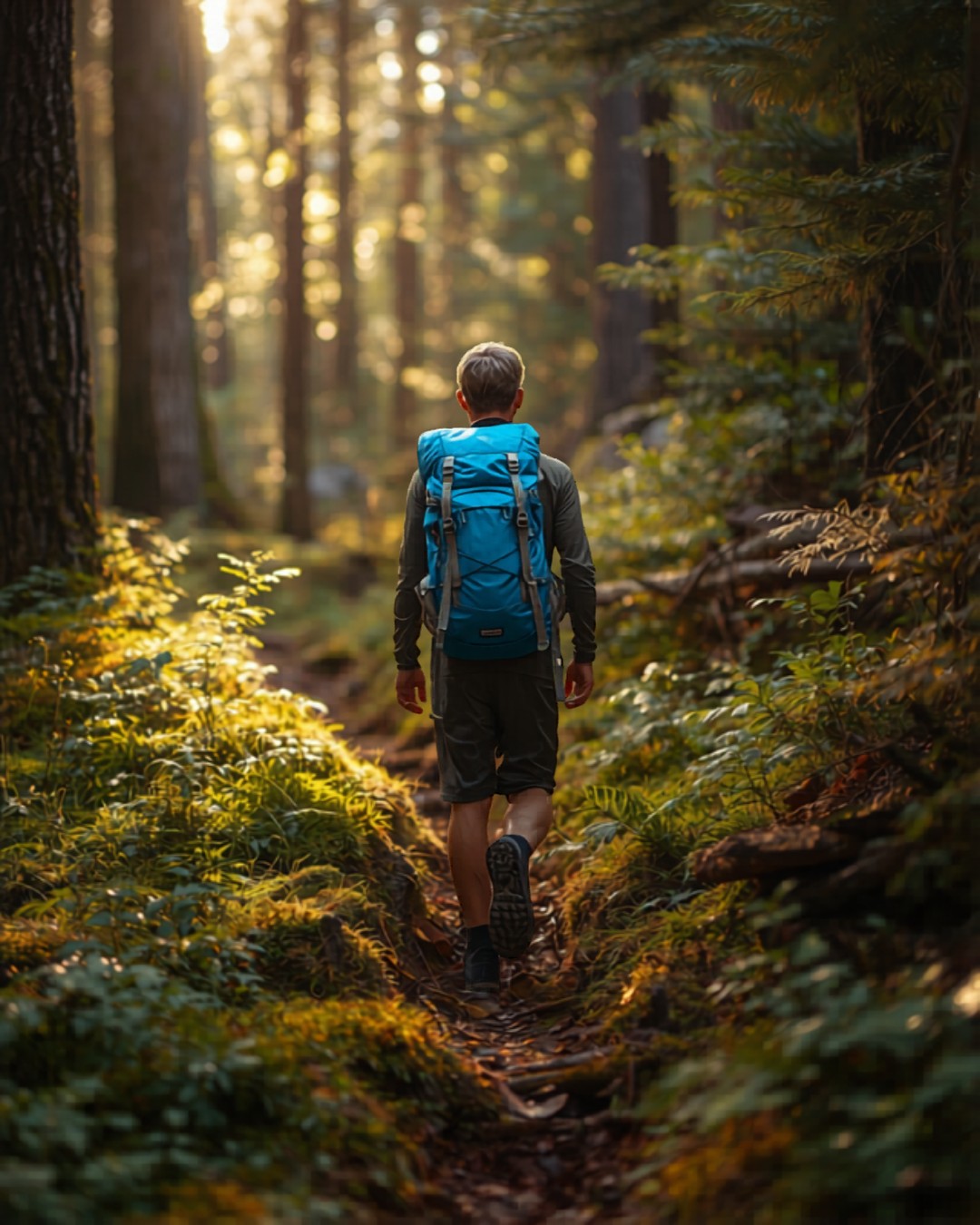
Table of Contents
- The Honest Truth About Beginner Hiking Gear
- Your Hiking Gear Checklist for Beginners (10 Essential Items)
- Nice-to-Have Gear: Buy These Later
- What You Can Skip as a Beginner
- Budget Guide: Where to Spend and Where to Save
- Frequently Asked Questions
- Ready to Hit the Trail?
The Honest Truth About Beginner Hiking Gear
Here’s something the outdoor industry doesn’t always say out loud: most beginner day hikes can be done with gear you probably already own. A pair of sturdy athletic shoes, a water bottle, sunscreen, and a snack will get you through a two- or three-mile trail just fine.
That said, having the right basics in your pack makes a real difference — especially when it comes to safety and comfort. The goal of this checklist isn’t to send you on a spending spree. It’s to make sure you’re prepared, comfortable, and safe so that your first hike feels like a win rather than a slog.
We’ve organized everything into three tiers: essentials (bring these every time), nice-to-haves (worth adding as you hike more), and skip it for now (gear that beginners genuinely don’t need yet).
Your Hiking Gear Checklist for Beginners (10 Essential Items)
These ten items form the core of any solid hiking gear checklist for beginners. If you have all of these, you’re ready to go.
1. Footwear: Hiking Shoes or Trail Runners
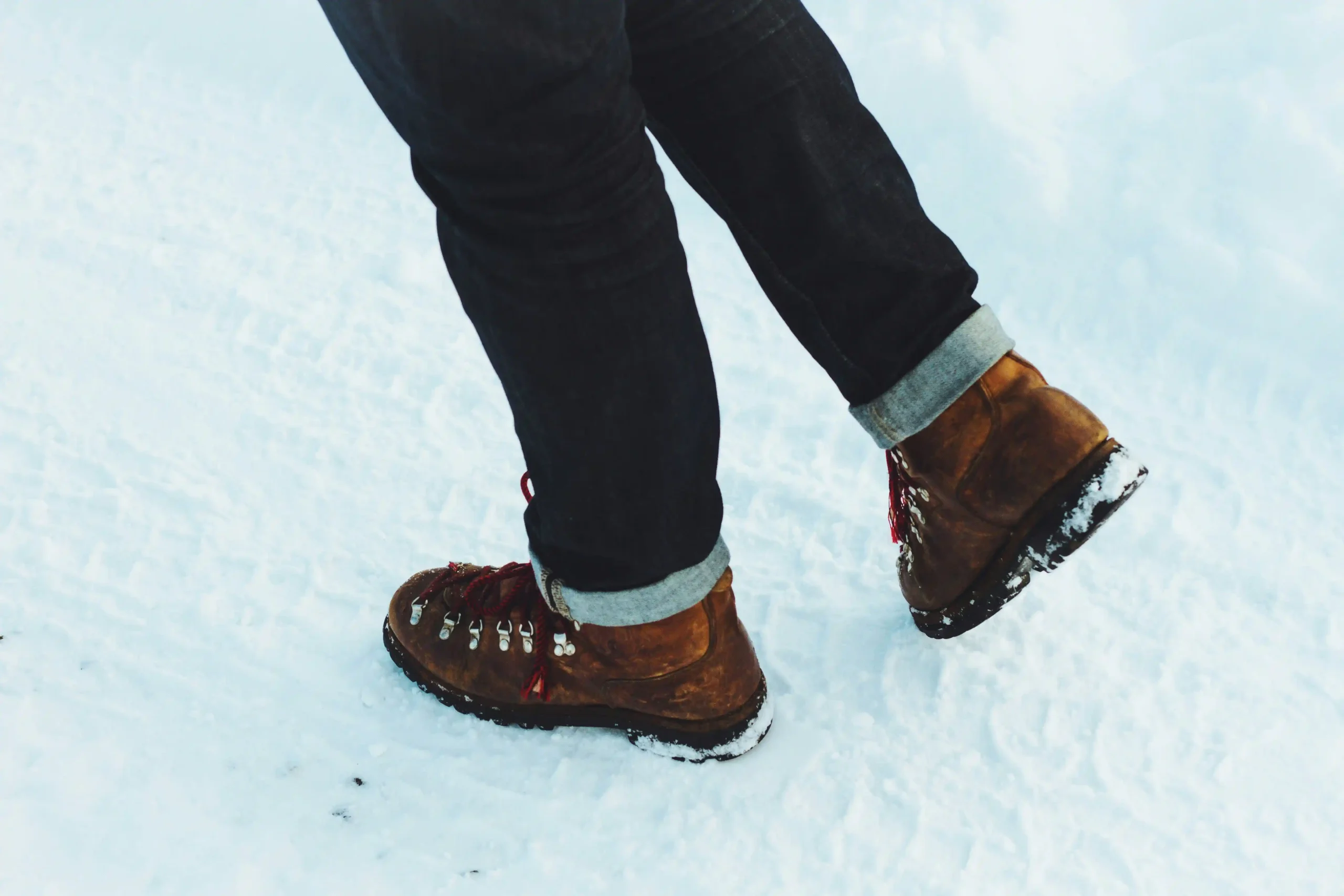
Your feet carry you the whole way — this is the one place worth spending a little more if you can. You don’t need full heavy-duty hiking boots for most beginner trails. A pair of trail runners or low-cut hiking shoes with good grip and some ankle support is ideal for day hikes on maintained paths.
Look for: rubber outsole with traction lugs, some water resistance, and a snug (not tight) fit. Avoid flip-flops, dress shoes, or fresh-out-of-the-box shoes you haven’t broken in yet — blisters on mile two are no fun for anyone.
Hiking in colder months or on icy terrain? Check out our roundup of the 10 Best Winter Hiking Boots for Extreme Conditions for more guidance.
👉 Shop Trail Running Shoes & Hiking Footwear on Amazon →
2. Moisture-Wicking Socks (Not Cotton)
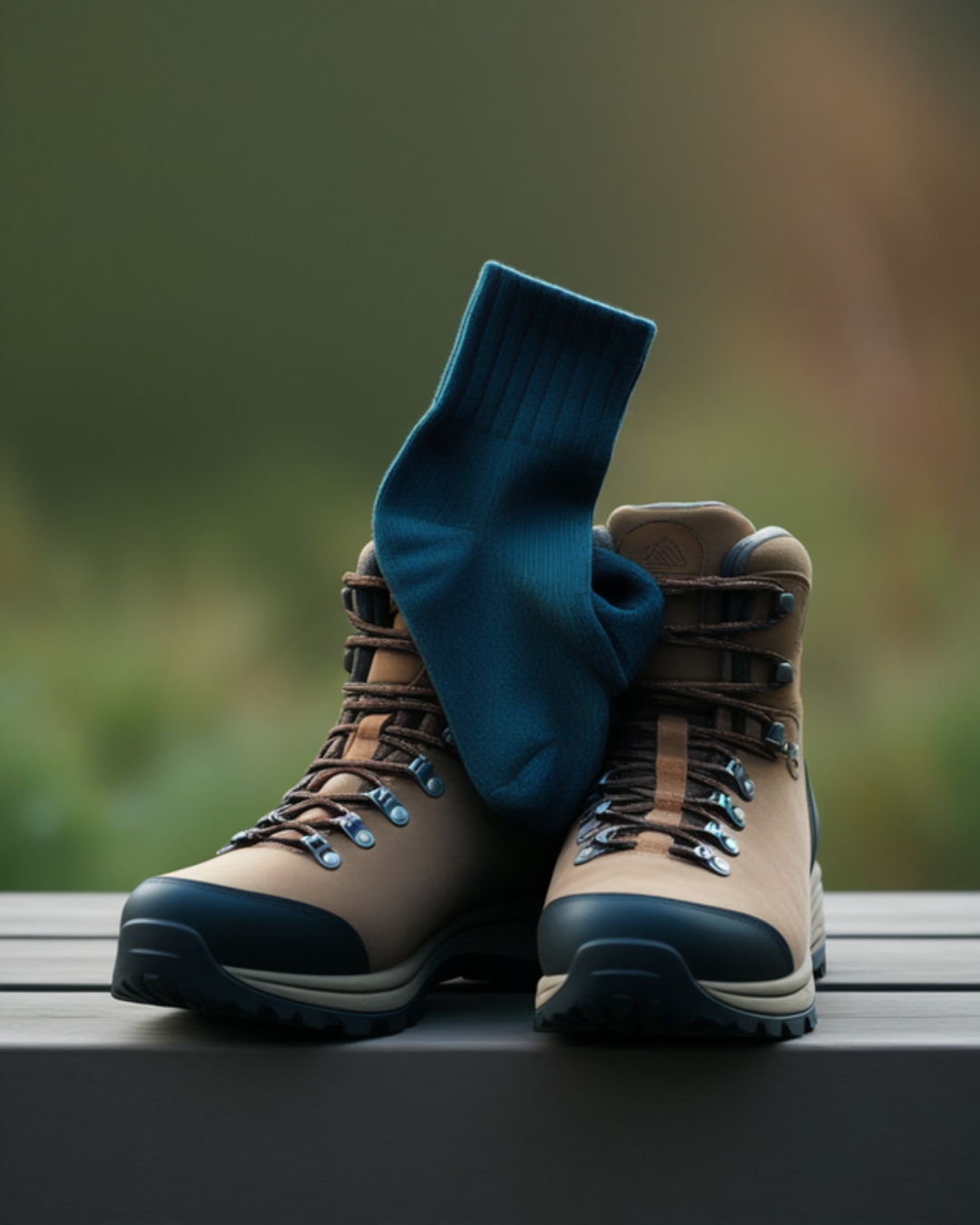
This one surprises a lot of beginners: your socks matter almost as much as your shoes. Cotton socks hold moisture, which causes friction, which causes blisters. Wool or synthetic hiking socks stay drier, cushion your feet, and prevent hot spots.
A few pairs of wool hiking socks (Darn Tough and Smartwool are popular, reliable options) will outlast years of regular socks and protect your feet on every hike. They’re one of the best low-cost upgrades a beginner can make.
👉 Shop Wool Hiking Socks on Amazon →
3. A Daypack (20–30 Liters)
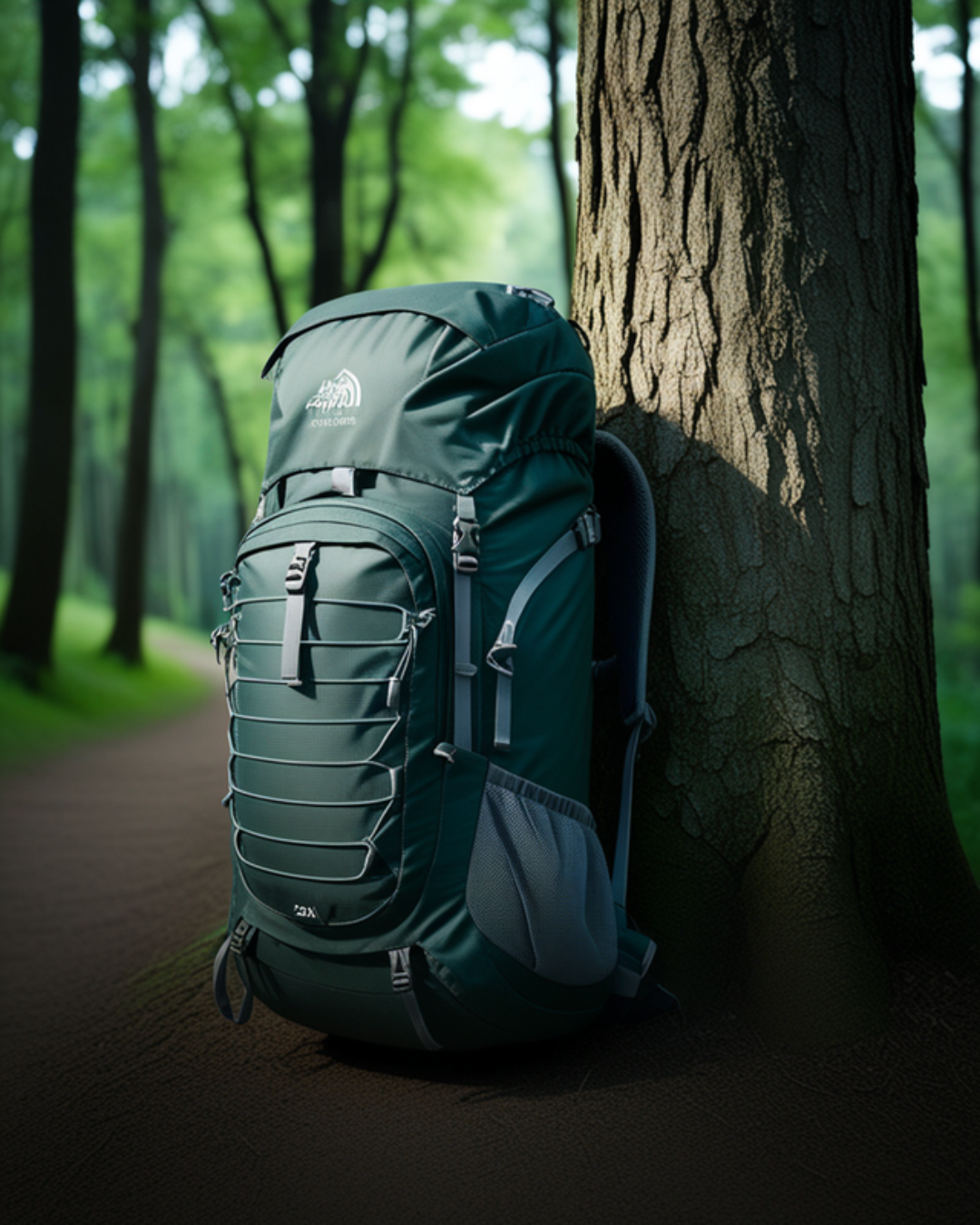
For most day hikes, a 20–30 liter backpack is just right. It’s large enough to carry water, snacks, a layer, and your essentials without being so big that it throws off your balance or weighs you down.
What to look for: padded shoulder straps, a hip belt (even a simple one helps distribute weight), and a separate sleeve or mesh pocket for water bottles. You don’t need a $200 technical pack for beginner trails — a comfortable, well-fitting bag in the $40–$80 range works great.
👉 Shop Hiking Daypacks on Amazon →
4. Water — More Than You Think You’ll Need
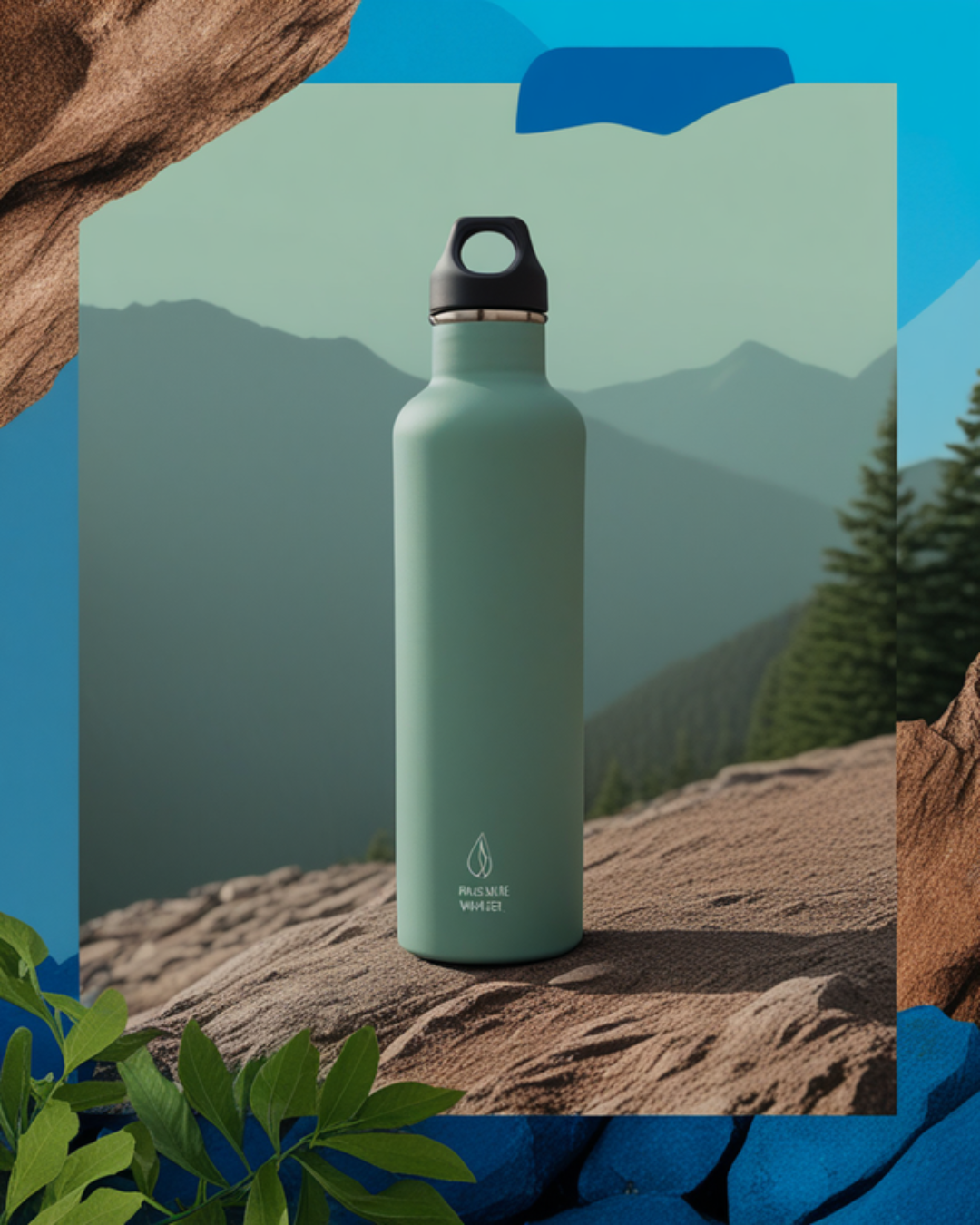
Dehydration sneaks up on you on the trail, especially when you’re focused on the views. The general rule of thumb is half a liter (about 17 oz) of water per hour of hiking, adjusting for heat and effort level.
For most beginner day hikes under 4 miles, two standard water bottles (1–1.5 liters total) will do. A hydration bladder that slides into your pack is a comfortable upgrade once you’re hiking longer distances — it lets you sip without stopping. Either way, bring more than you think you need. Trails always seem longer than they look on the map.
👉 Shop Hiking Water Bottles on Amazon →
5. Navigation: Trail Map or Offline App
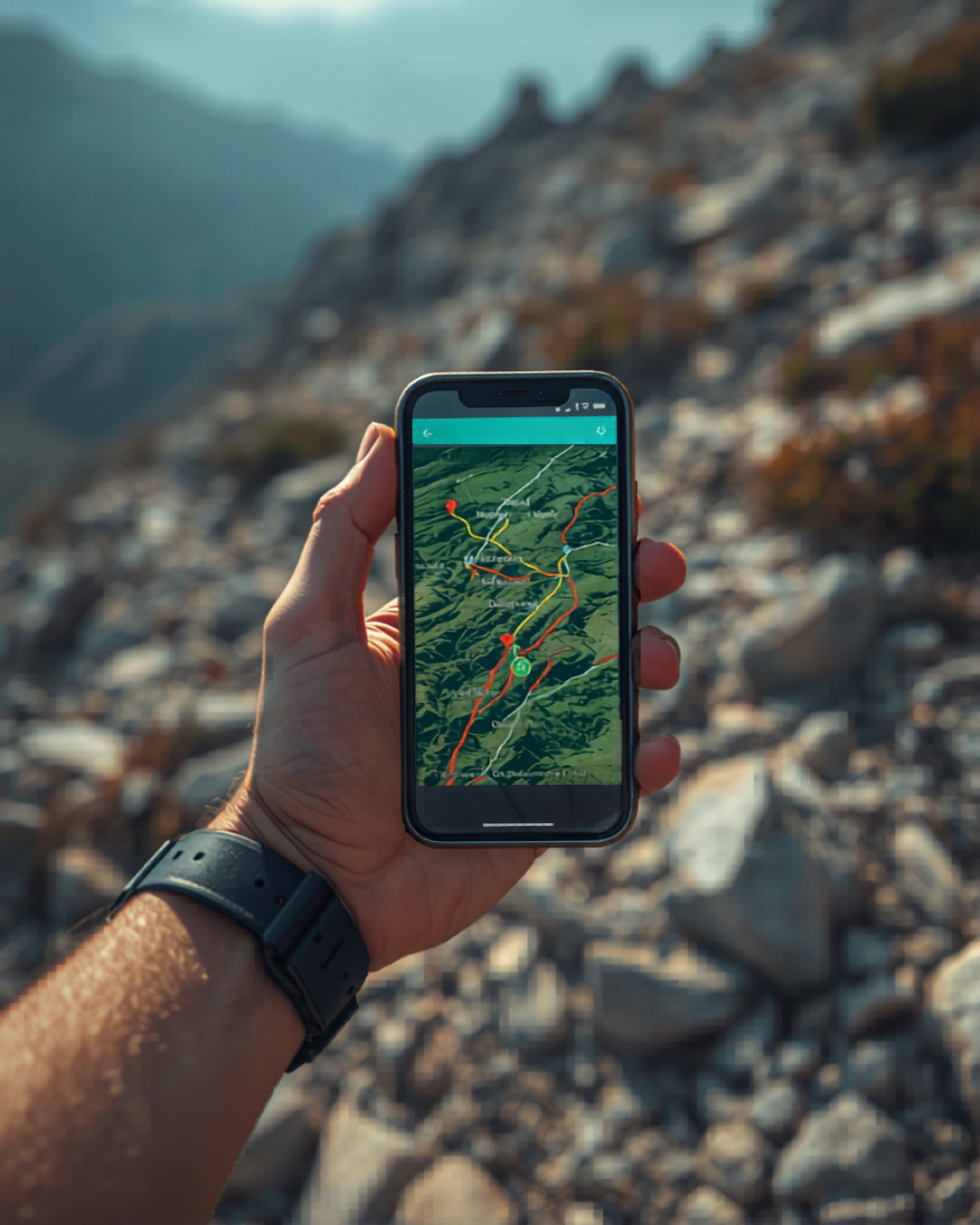
Even on a well-marked trail, it’s worth knowing where you’re going. Download a free hiking app like AllTrails or Gaia GPS before you leave home and save the trail map for offline use — cell service on trails is unreliable.
For popular local trails, the AllTrails app shows trail length, elevation, difficulty, photos, and recent hiker reviews. It’s genuinely excellent for beginners. If you’re heading somewhere remote, a printed paper map as a backup is smart too.
6. Sun Protection: Sunscreen, Sunglasses, and a Hat
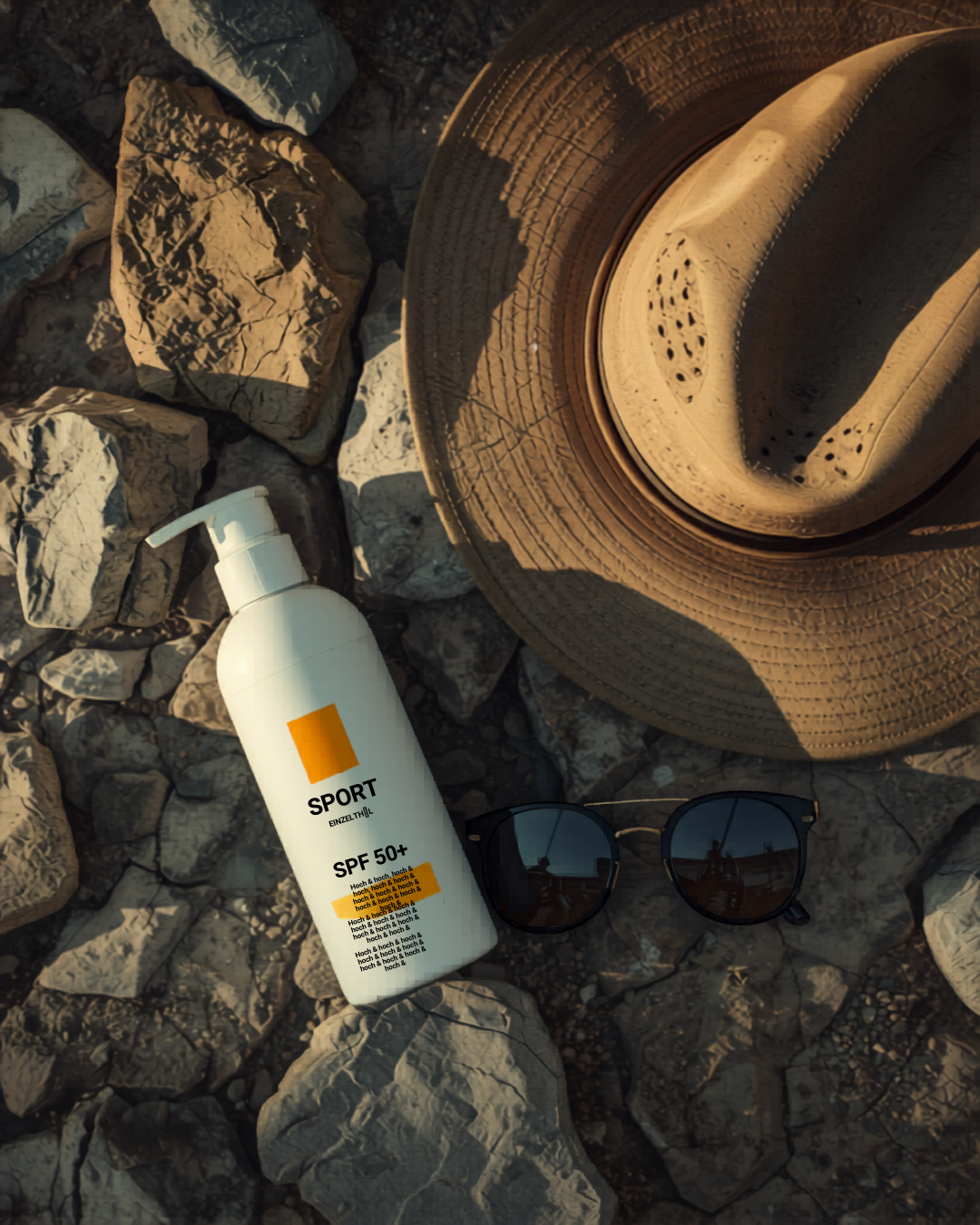
Tree cover varies wildly by trail, and higher elevation means stronger UV exposure even on cloudy days. Pack SPF 30+ sunscreen, a pair of sunglasses with UV protection, and a wide-brim hat or baseball cap. Apply sunscreen before you leave the trailhead — you’re already moving once you get there.
This trio weighs almost nothing and prevents the kind of miserable sunburn that makes your second hike feel like punishment.
👉 Shop Sport Sunscreen on Amazon →
7. Snacks (Trail-Tested Ones)
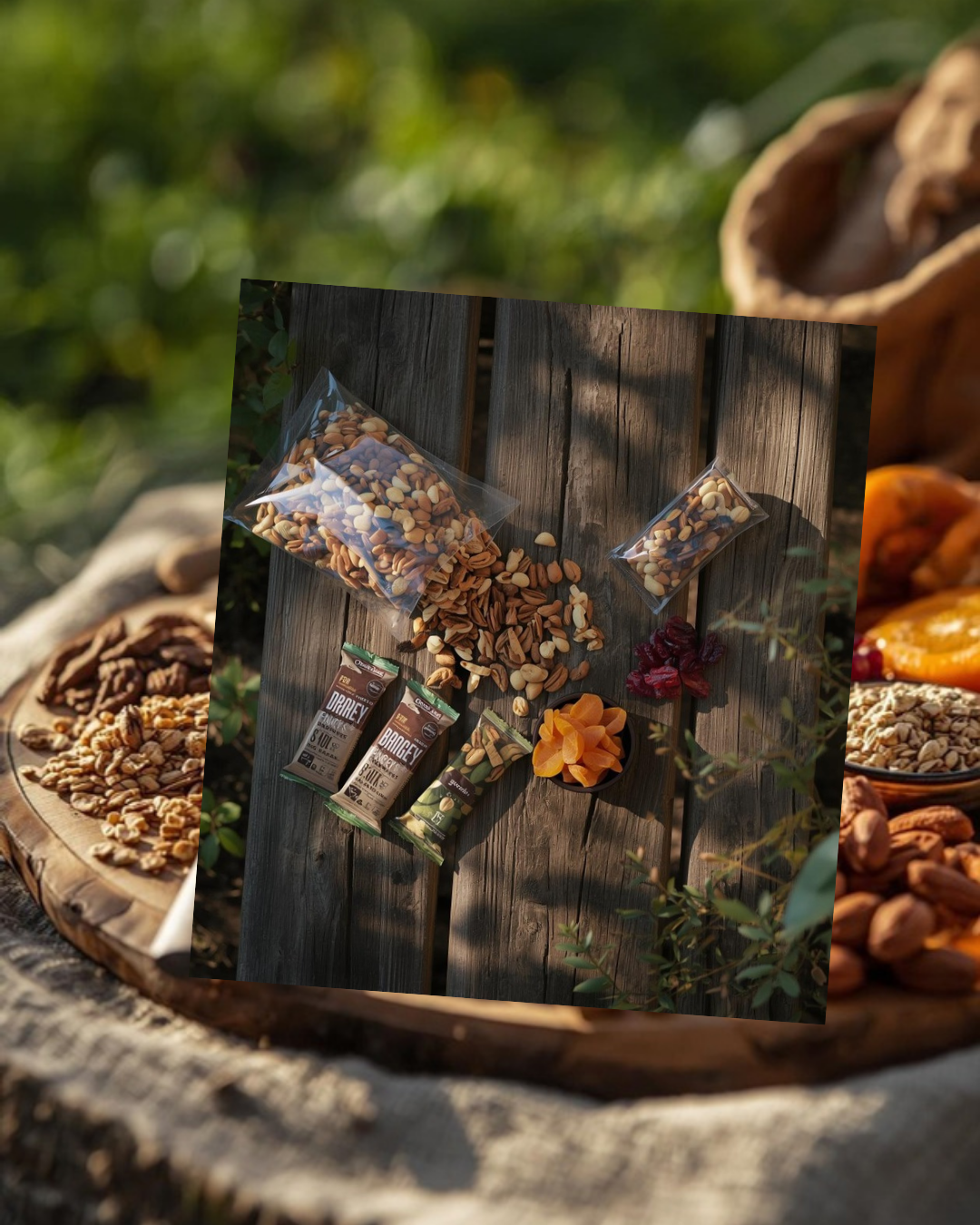
You’ll burn more energy than you expect. Pack snacks that travel well and give you actual fuel: trail mix, energy bars, a banana, crackers with nut butter. Avoid foods that need refrigeration or melt in your pack.
For hikes under 3 hours, one or two snacks is plenty. For longer outings, plan on a full meal’s worth of calories. Eating a small snack before you feel hungry helps keep your energy steady — don’t wait until you’re running on empty at mile four.
👉 Shop Trail Snacks & Energy Bars on Amazon →
8. A Basic First Aid Kit
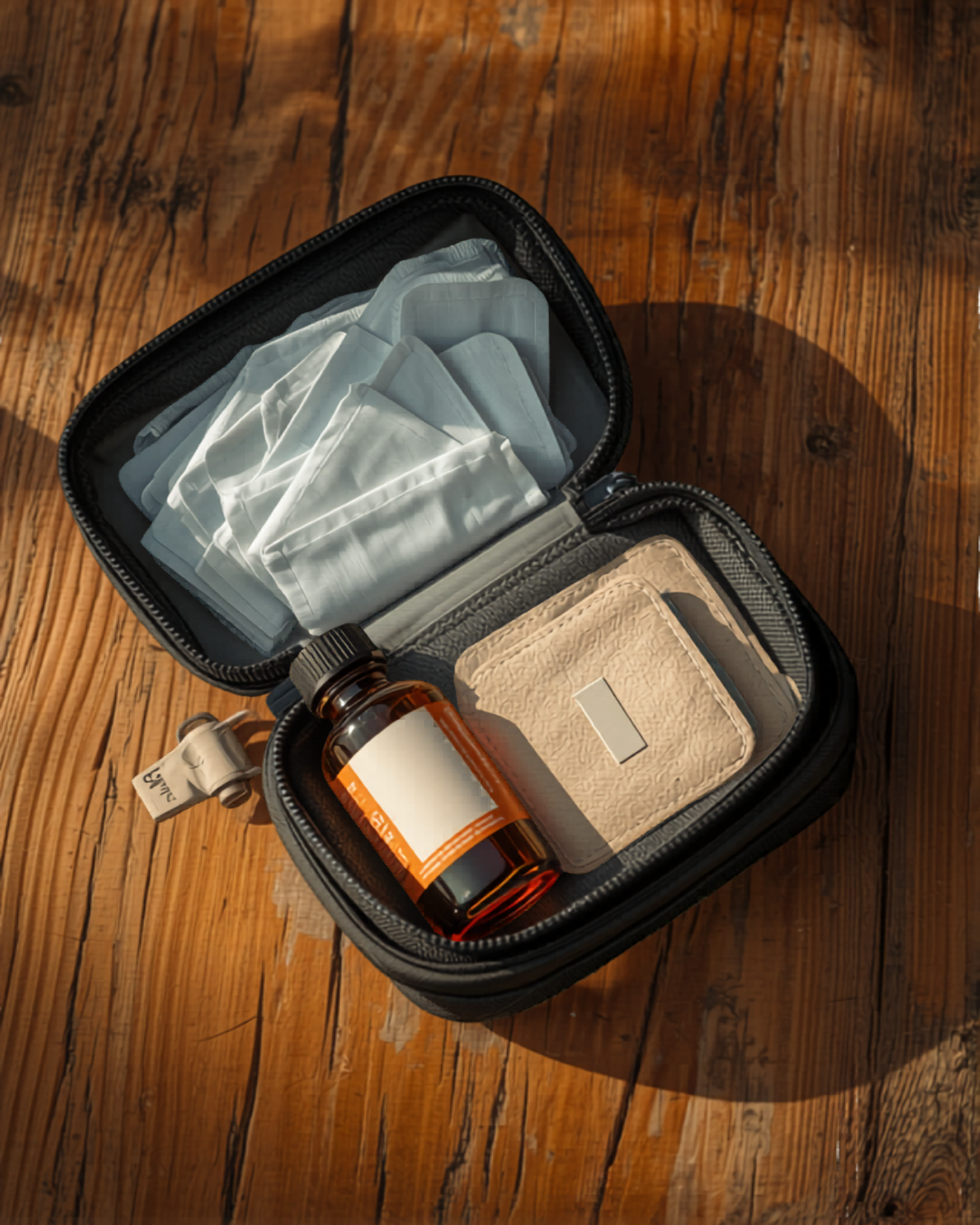
You don’t need a full medical bag. A compact trail first aid kit with the basics covers most situations: bandages, blister pads (moleskin is great), antiseptic wipes, pain reliever (ibuprofen or acetaminophen), and medical tape.
Pre-assembled hiking first aid kits are available for $15–$25 and are small enough to tuck into any daypack pocket. Blisters and small scrapes are by far the most common trail incidents for beginners — being prepared makes them a minor inconvenience instead of a hike-ender.
👉 Shop Hiking First Aid Kits on Amazon →
9. An Extra Layer of Clothing
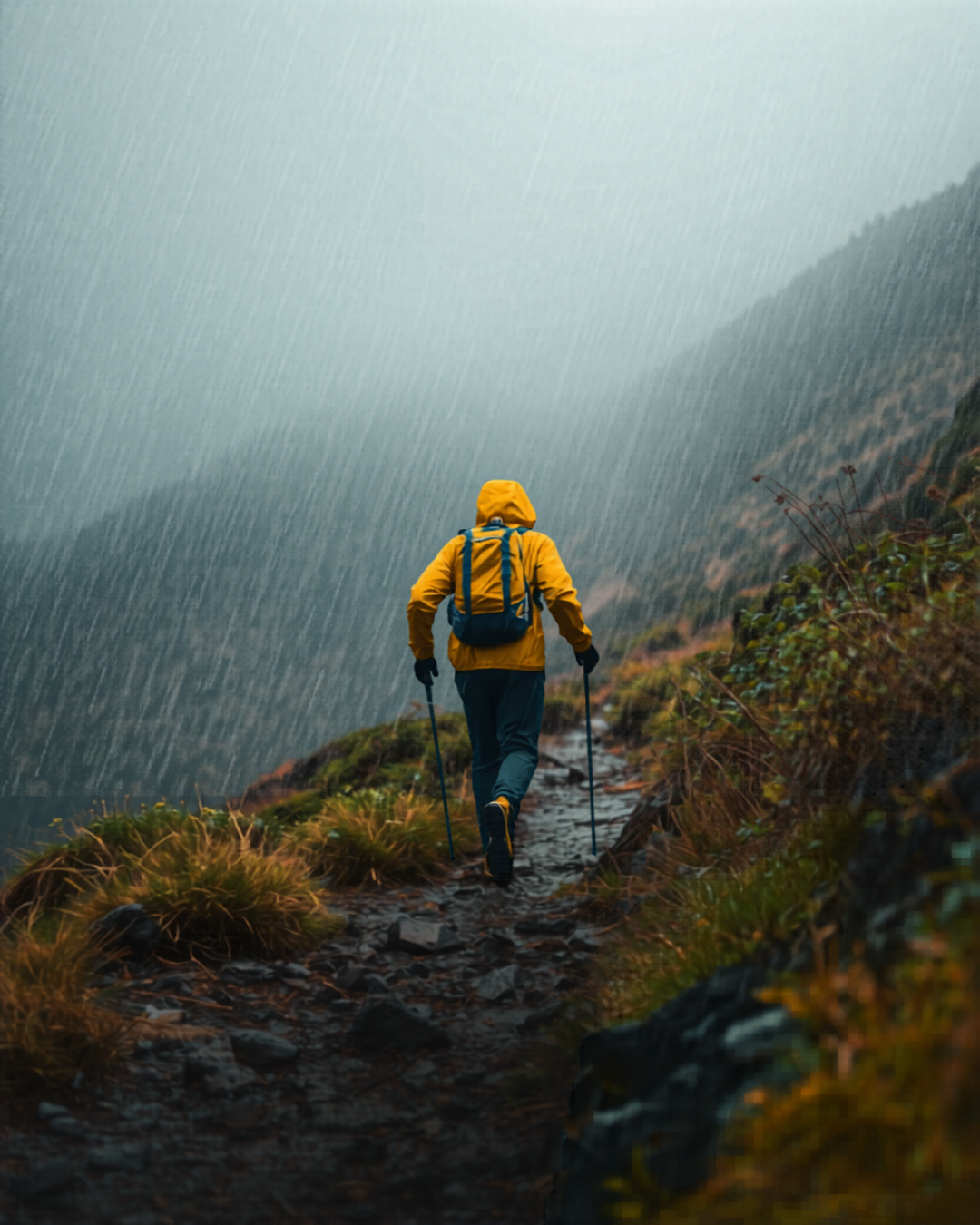
Weather changes faster than forecasts predict, especially in the mountains or near the coast. Always pack at least one extra layer — a lightweight fleece, a packable rain jacket, or a long-sleeve shirt depending on the season.
The goal isn’t to haul a full wardrobe. A compressible jacket that stuffs into its own pocket adds almost no weight and turns a caught-in-the-rain situation from miserable to manageable. This is the layer you’ll hope you never need but be really glad you brought.
👉 Shop Packable Rain Jackets on Amazon →
10. A Charged Phone (With Offline Maps Saved)
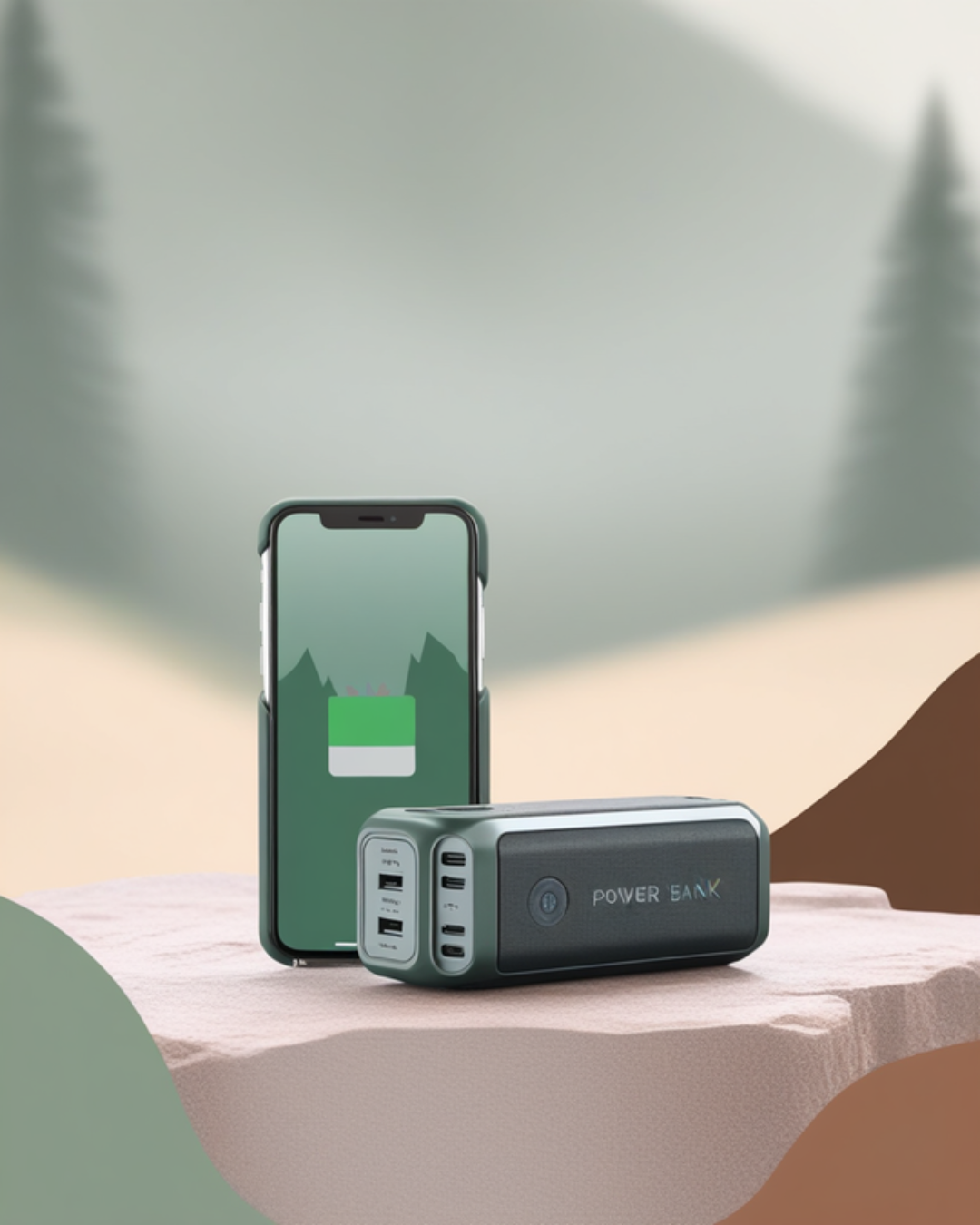
Your phone is your emergency device, your navigation tool, and your camera. Make sure it’s fully charged before every hike and that your trail map is downloaded for offline use. A small portable power bank (10,000 mAh is a solid size) is worth adding if you hike regularly — it fits in a daypack pocket and can recharge your phone twice on the go.
Tell someone where you’re hiking and when you expect to be back. This takes 30 seconds and is one of the most important safety habits you can build from day one.
👉 Shop Portable Power Banks on Amazon →
Nice-to-Have Gear: Buy These Later
Once you’ve got a few hikes under your belt, these additions will meaningfully improve your experience. None of them are urgent for a first outing — but they’re worth adding over time.
Trekking Poles
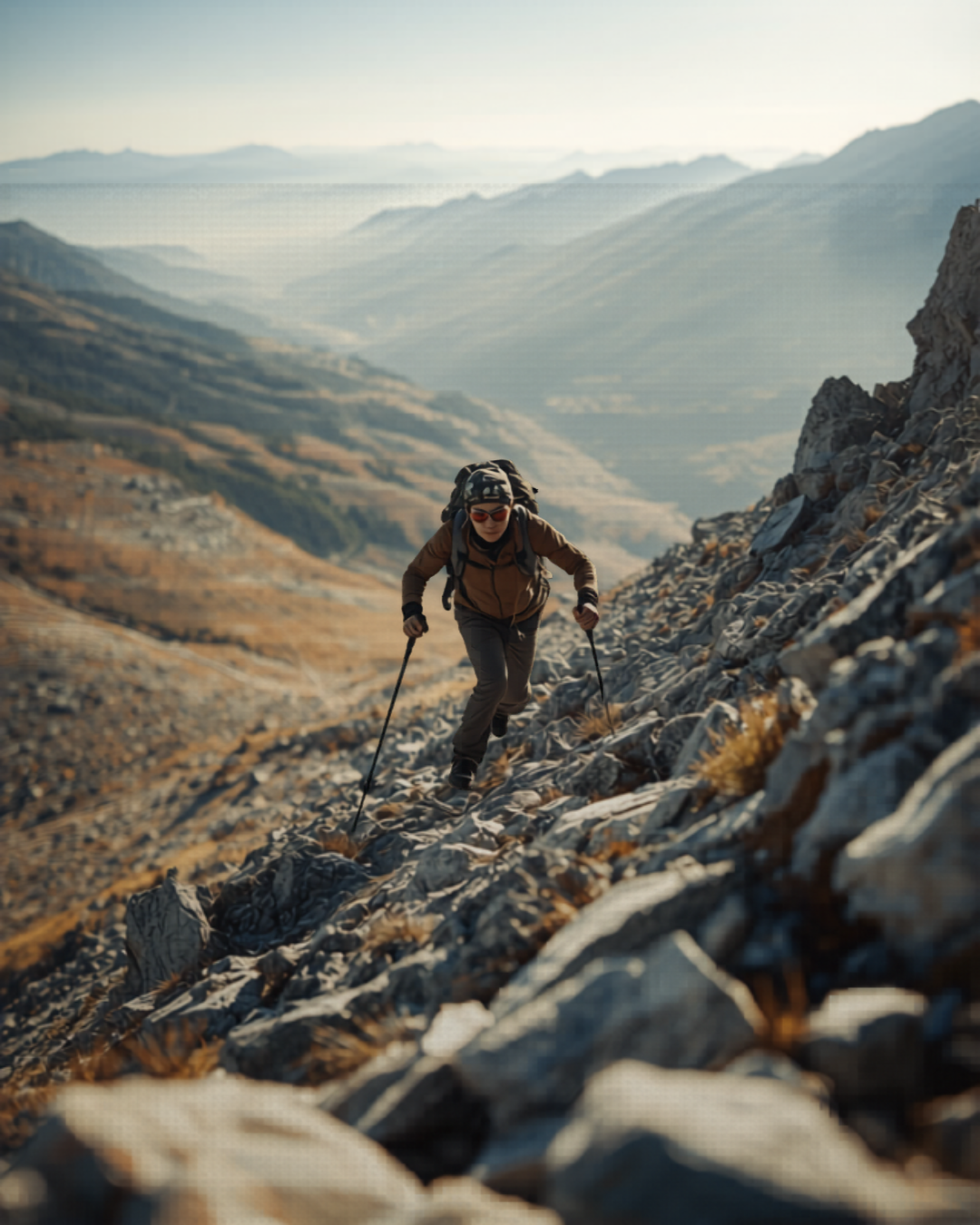
Hugely helpful on steep descents and for people with knee concerns. Lightweight, collapsible pairs are the most versatile and pack down small when not in use.
👉 Shop Trekking Poles on Amazon →
Headlamp
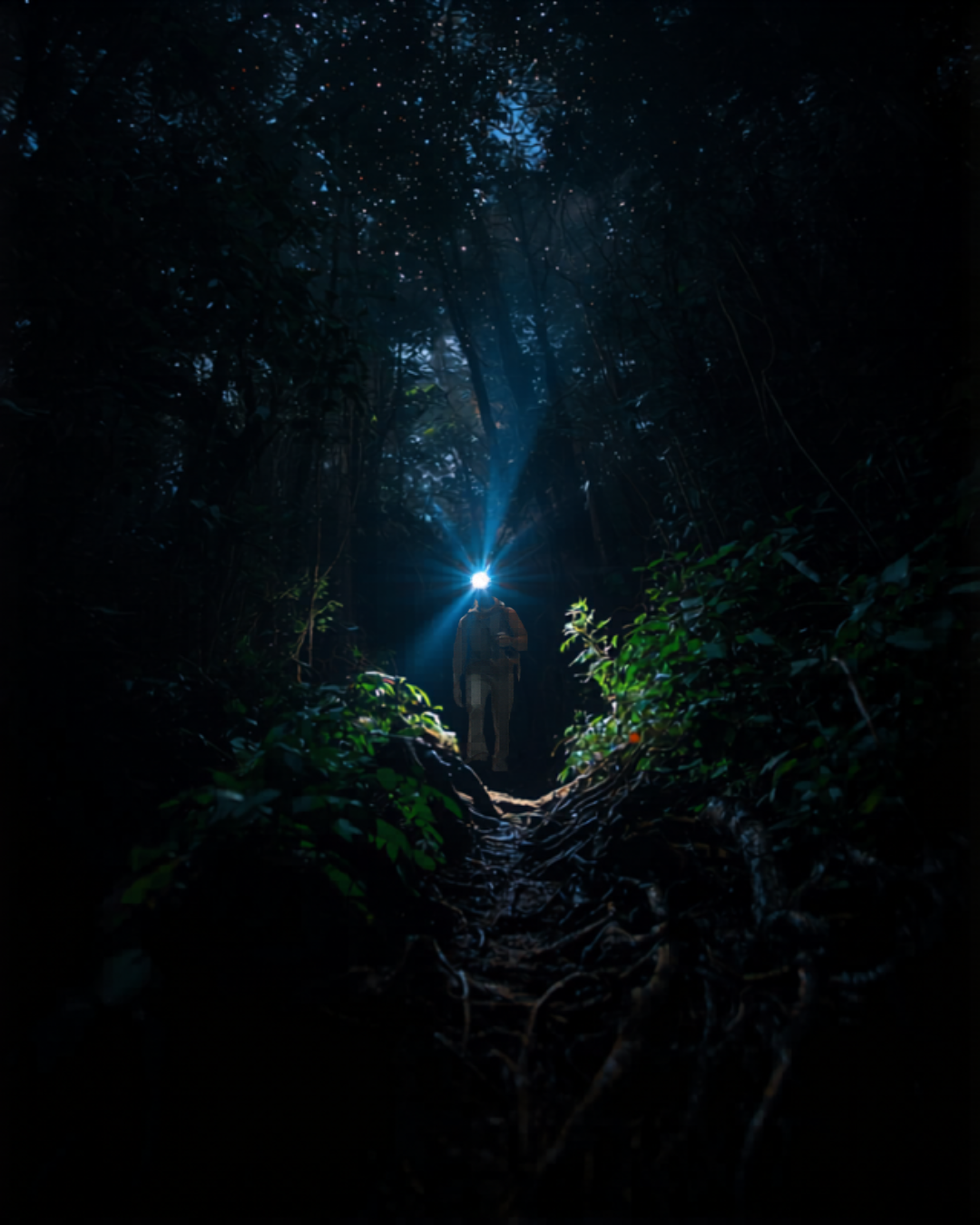
Essential if there’s any chance of hiking past sunset. Lightweight and inexpensive — a great add for your second or third kit. Hands-free lighting beats a phone flashlight every time on trail.
Hydration Bladder
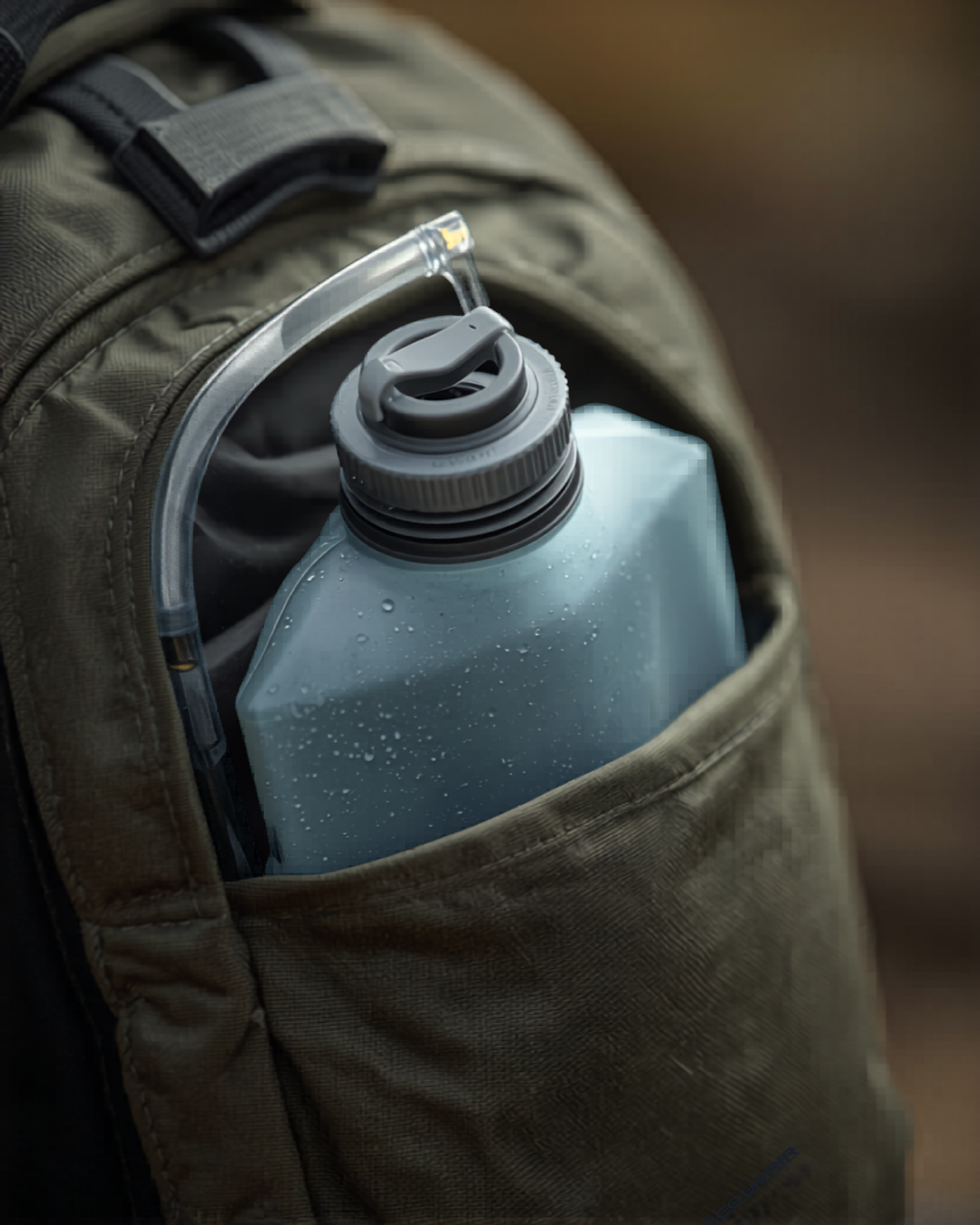
More convenient than water bottles for hikes over 4 miles. A CamelBak-style hydration bladder fits inside most daypacks with a dedicated sleeve, and the drink tube lets you sip without breaking stride.
👉 Shop Hydration Bladders on Amazon →
Low-Cut Gaiters
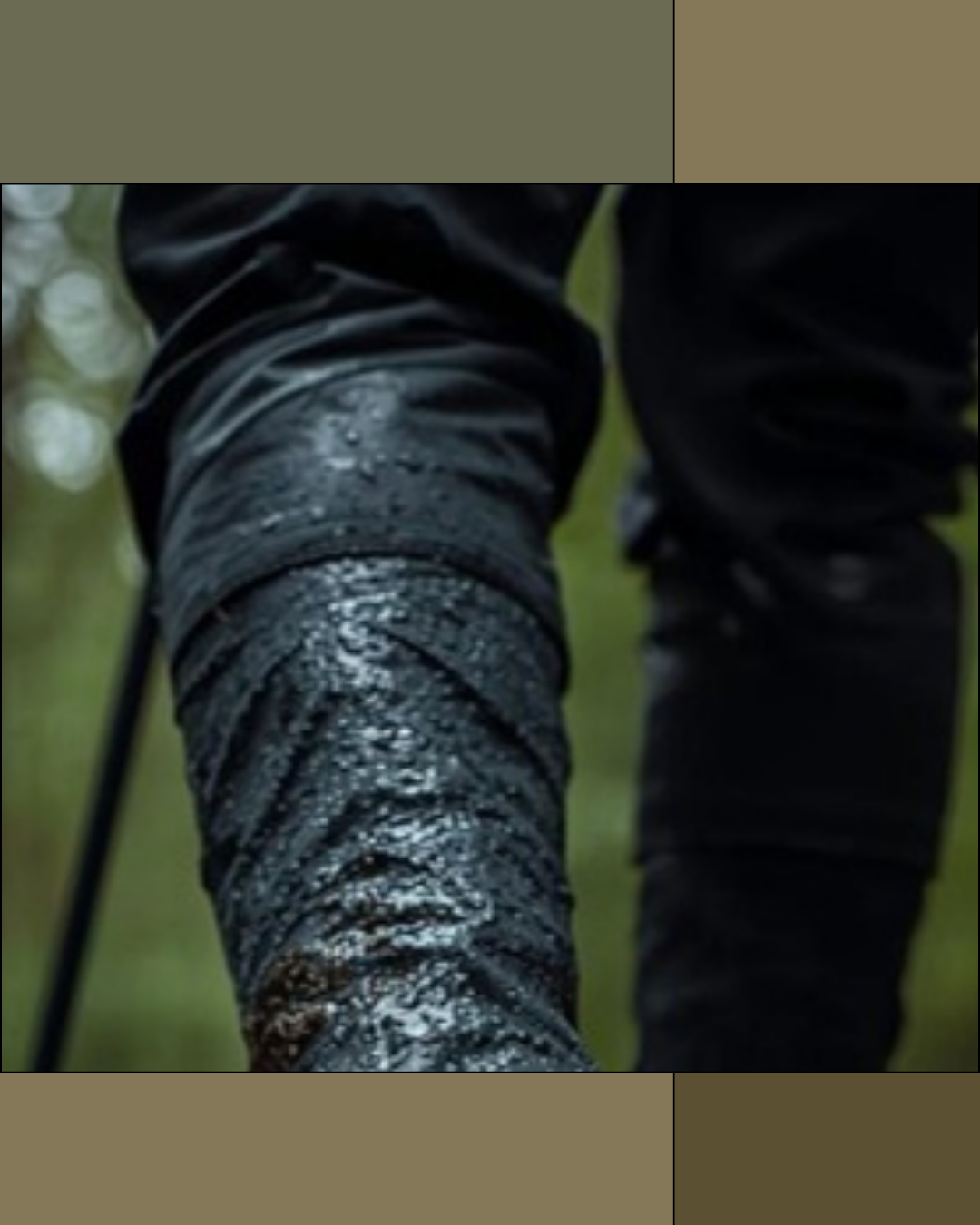
Keep debris, mud, and water out of your shoes on rocky or muddy trails. They’re inexpensive, lightweight, and slip over your footwear in seconds. If you hike in Pacific Northwest forests or anywhere trails stay muddy, you’ll appreciate these quickly.
👉 Shop Trail Gaiters on Amazon →
Electrolyte Packets & Lightweight Microfiber Towel
Electrolyte packets help on hot days or long hikes where you’re sweating more than usual — they replace sodium and minerals that plain water doesn’t. A lightweight microfiber towel is useful for rain, creek crossings, and sweaty summits. Both weigh almost nothing.
👉 Shop Electrolyte Packets on Amazon →
What You Can Skip as a Beginner
The gear industry is happy to sell you things you don’t need yet. Here’s what you can confidently leave off your hiking gear checklist for beginners for now:
- Heavy-duty hiking boots: Unless you’re on rocky, off-trail terrain or carrying a heavy pack, low-cut trail shoes are lighter, more comfortable, and break in faster.
- A dedicated GPS device: AllTrails on your phone does everything a standalone GPS does for beginner day hikes.
- Bear canister or bear spray: Relevant for backcountry camping in bear country — not needed for day hikes in most regions. Check your specific park’s guidelines.
- Water filter: For day hikes where you’re starting and ending at a trailhead, carrying your water is simpler. Filters become important for longer backcountry trips.
- Trekking poles (immediately): They’re wonderful, but learn to hike first. Add them when you’re tackling steeper terrain regularly.
- Satellite communicator: Great for serious remote adventures — unnecessary for local beginner trails near civilization.
Budget Guide: Where to Spend and Where to Save
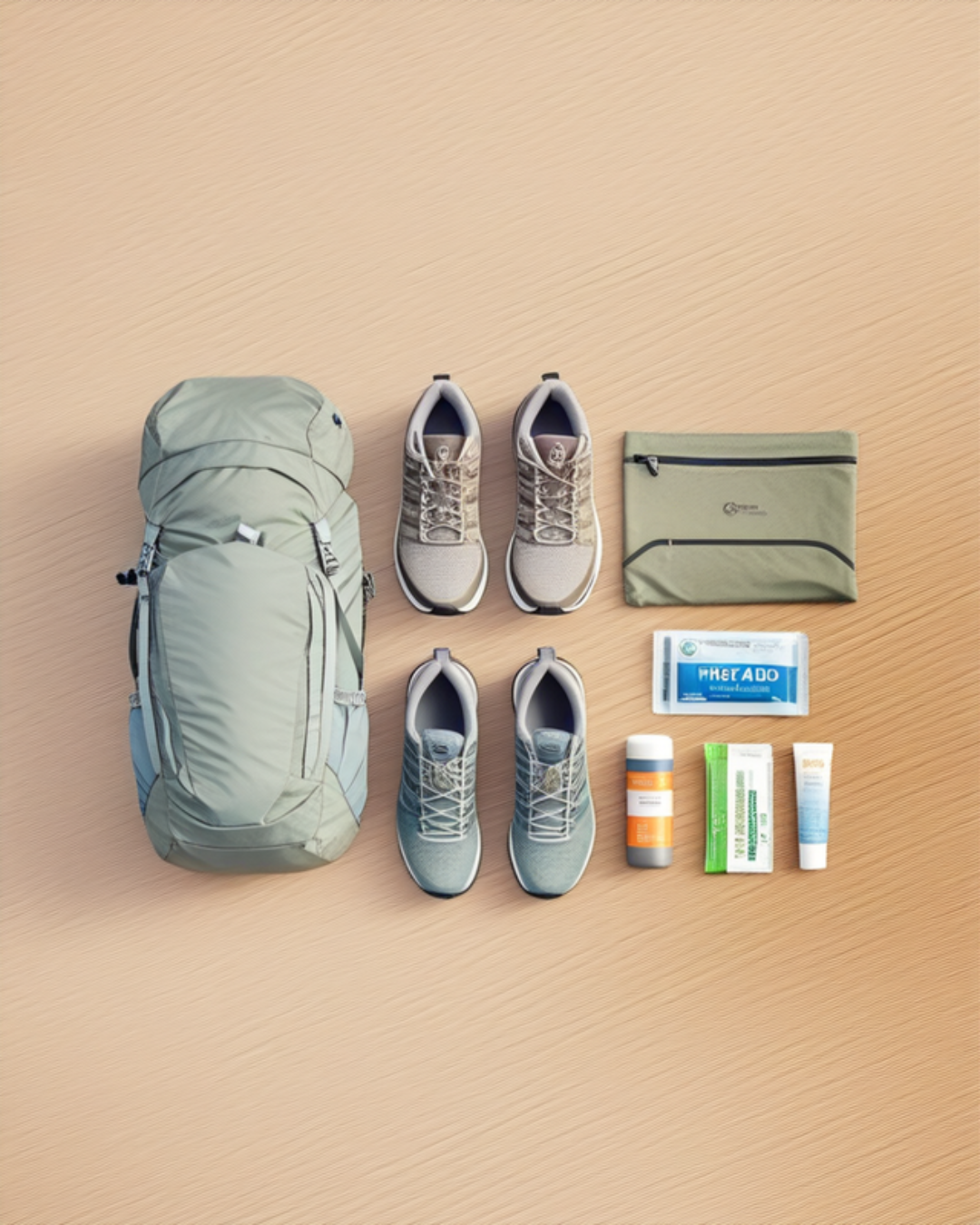
You don’t have to spend a lot to get started. Here’s a realistic breakdown of what a beginner hiking kit might cost:
| Item | Budget Option | Mid-Range | Worth Splurging? |
|---|---|---|---|
| Trail shoes / hiking boots | $60–$80 | $100–$140 | Yes — fit and grip matter |
| Hiking socks (2–3 pairs) | $12–$20 | $22–$35 | Yes — cheap socks cause blisters |
| Daypack (20–30L) | $35–$50 | $60–$100 | Medium — comfort matters on longer hikes |
| Water bottles or bladder | $10–$15 | $25–$40 | No — a basic bottle is fine to start |
| Sunscreen + hat + sunglasses | $15–$30 | $40–$60 | No — existing items work great |
| First aid kit | $15–$20 | $25–$35 | No — a basic pre-made kit is plenty |
| Rain/wind jacket | $30–$50 | $80–$130 | Medium — gets better with price |
Total beginner kit (budget): ~$170–$230 for everything from scratch. If you already own athletic shoes, a water bottle, and a backpack, you can get trail-ready for well under $100.
A good approach: start with what you have, do a few hikes, and then invest in upgrades based on what you actually found uncomfortable or missing. You’ll know a lot more about what you need after three hikes than you do right now.
Frequently Asked Questions
What do I absolutely need for my first hike?
At minimum: comfortable closed-toe shoes with grip, water (more than you think you’ll need), a snack, sunscreen, and a downloaded trail map on your phone. Those five things cover you for most beginner day hikes under 5 miles.
Can I hike in regular sneakers?
Yes, for short well-maintained trails. If your sneakers have decent grip and aren’t falling apart, they’ll get you through a few early hikes. As you go longer or tackle more varied terrain, dedicated trail shoes will make a noticeable difference in comfort and confidence.
How much water should I bring hiking?
Plan for about half a liter (16–18 oz) per hour of hiking. On a hot day or a steep trail, bump that up. When in doubt, bring more — running out of water on a trail is one situation you genuinely want to avoid.
Do I need a hydration pack or are water bottles fine?
Water bottles are completely fine for beginner day hikes. A hydration bladder (like a CamelBak) is more convenient for longer distances but not necessary when you’re starting out. Use what you have.
Is hiking expensive to get into?
It doesn’t have to be. Many people start hiking with gear they already own. If you need to buy basics, a functional beginner kit can cost $50–$100 using budget-friendly options. Hiking itself — the trail, the fresh air, the views — is almost always free.
What should I NOT bring hiking as a beginner?
Leave the jeans at home (they’re heavy and miserable when wet), skip the perfume or strong scents in wildlife areas, and don’t bring glass containers. You also don’t need every piece of tech gear you see advertised — keep it simple until you know what you actually use.
Ready to Hit the Trail?
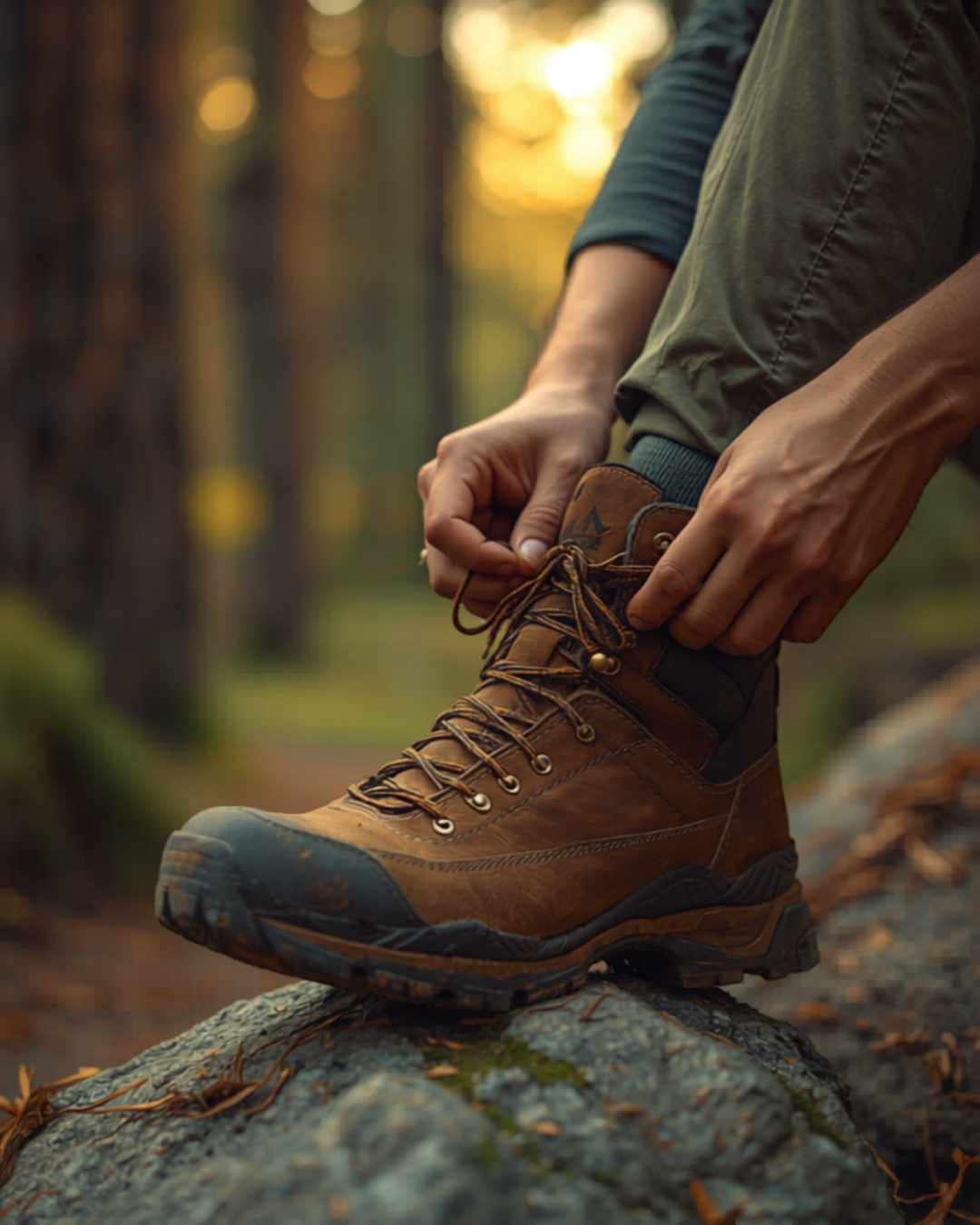
Getting your hiking gear checklist for beginners sorted is one of the best feelings before a hike — you zip up that pack, lace up your shoes, and suddenly the trail feels very doable. Remember: you don’t need to get it all perfect on the first try. Every hike teaches you something new about what works for you.
Start small, stay safe, and enjoy every step. The outdoors really is for everyone — including you, right now, with whatever gear you’ve got.
👇 We’d love to hear from you: What’s on your first hiking checklist? Drop it in the comments — your experience might be exactly what another beginner needs to see.
Discover more from Maive Verse
Subscribe to get the latest posts sent to your email.