
This post may contain affiliate links. If you buy through them, we may earn a small commission at no extra cost to you.
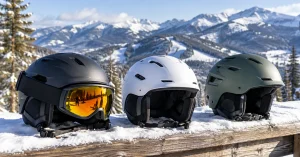
The best ski helmets all do the same basic job, so the decisions that matter are narrower than the marketing suggests: does it have MIPS or an equivalent rotational system, does it actually fit your head shape, and can you control the venting when you are working hard. Everything else is finish.
Six helmets below, every one checked for stock, rating and the specifications its listing publishes, spanning 336 to 12,028 reviews. Buy one before you buy anything else on this list: a goggle upgrade is optional, and a head injury is not.
Table of Contents
What Separates the Best Ski Helmets
Rotational protection first. A helmet shell plus expanded polystyrene foam handles a straight impact well. What it does not handle is the angled impact that twists your head, which is how most real crashes happen. MIPS adds a low friction layer that lets the shell rotate a few millimetres around your skull, cutting the rotational force reaching your brain.
Then fit, which matters more than the price. Heads are not all the same shape, and a helmet that is round when your head is oval leaves pressure points at the front and gaps at the sides. A dial adjuster at the back takes up slack but cannot fix the wrong shape. Shake your head hard with the straps undone: a helmet that fits does not move.
Then venting. Skiing generates a lot of heat on the way up and almost none on the way down, so closeable vents are worth more than a high vent count. A fixed vent helmet is either too cold on a chairlift or too hot on a hike, and the ability to switch is what you are paying for.
Last, construction. In mould helmets fuse a thin polycarbonate shell to the foam liner and are lighter; hard shell ABS helmets are heavier and take repeated knocks better. For resort skiing in mould is the sensible default.
The Best Ski Helmets at a Glance
| Helmet | Rotational | Venting | Reviews | Best For |
|---|---|---|---|---|
| OutdoorMaster Kelvin | No MIPS | Adjustable | 12,028 | Tightest budget |
| OutdoorMaster Kelvin II | MIPS | Adjustable | 336 | Cheapest MIPS |
| OutdoorMaster ELK | MIPS | Adjustable | 466 | Best venting |
| SMITH Holt | No MIPS | Fixed | 1,066 | Brand heritage |
| Giro Ledge MIPS | MIPS | Fixed | 976 | Highest rated |
| Retrospec Comstock | No MIPS | Breathable vents | 1,767 | Budget alternative |
A note on brand spread: three of the six are OutdoorMaster, because they dominate the budget end of this category on Amazon by volume. They are positioned differently here rather than repeated, and the Smith, Giro and Retrospec picks are the alternatives worth comparing against them.
The Six Best Ski Helmets in Detail
OutdoorMaster Kelvin: Tightest Budget
Twelve thousand reviews at 4.6 stars makes this comfortably the most bought ski helmet on Amazon, and the reason is simple: it is a certified helmet with adjustable venting at a price that removes the excuse for skiing bare headed.
Adjustable vents are the feature that earns it a place over cheaper shells. Open them for the hike or the traverse, shut them on the chairlift, and you are not choosing between sweating and freezing. The dial fit system takes up slack across a wide size range.
It has no MIPS, which is the honest trade at this price. A certified helmet without rotational protection is a very long way ahead of no helmet, and the Kelvin II below is the version to buy if you can stretch.
Specs That Matter
- Protection: certified shell and foam liner, no MIPS
- Venting: adjustable vents
- Fit: dial adjustment system
- Use: men, women and youth
- Rating: 4.6 stars across 12,028 reviews
Who It Is For
First time skiers and anyone replacing a helmet on the tightest budget.
OutdoorMaster Kelvin II MIPS: Cheapest MIPS
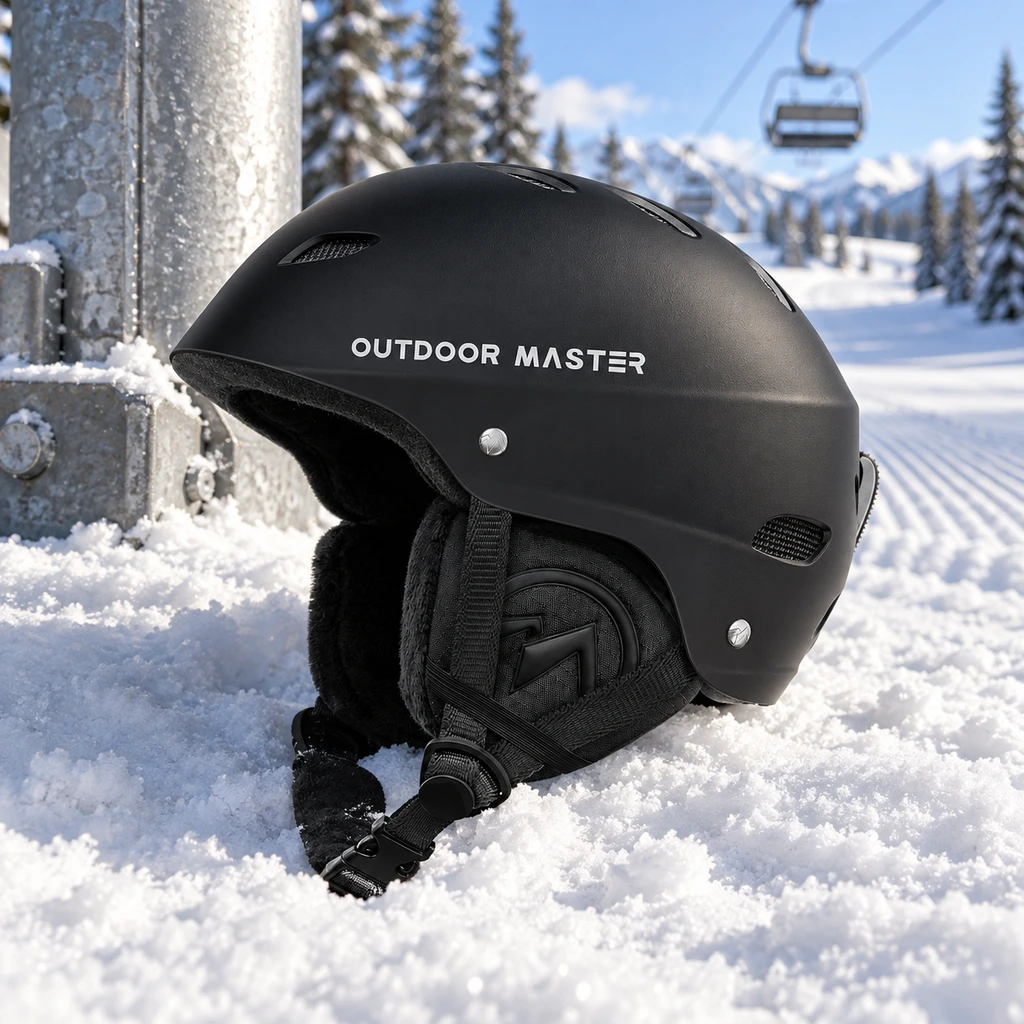
The same basic helmet as the Kelvin with a MIPS liner added, and that makes it the cheapest route to rotational protection here. If your budget stretches at all past the base Kelvin, this is where the money should go.
MIPS is the one feature in this category with genuine evidence behind it rather than marketing. It addresses the angled impacts that cause most concussions, which a plain foam liner does not.
Four point six stars, on a much smaller review base than the original Kelvin because it is newer. Adjustable venting and the same dial fit system carry over.
Specs That Matter
- Protection: MIPS rotational protection layer
- Venting: adjustable vents
- Fit: dial adjustment system
- Relationship: MIPS version of the Kelvin
- Rating: 4.6 stars across 336 reviews
Who It Is For
Anyone who wants MIPS at the lowest price it is available for.
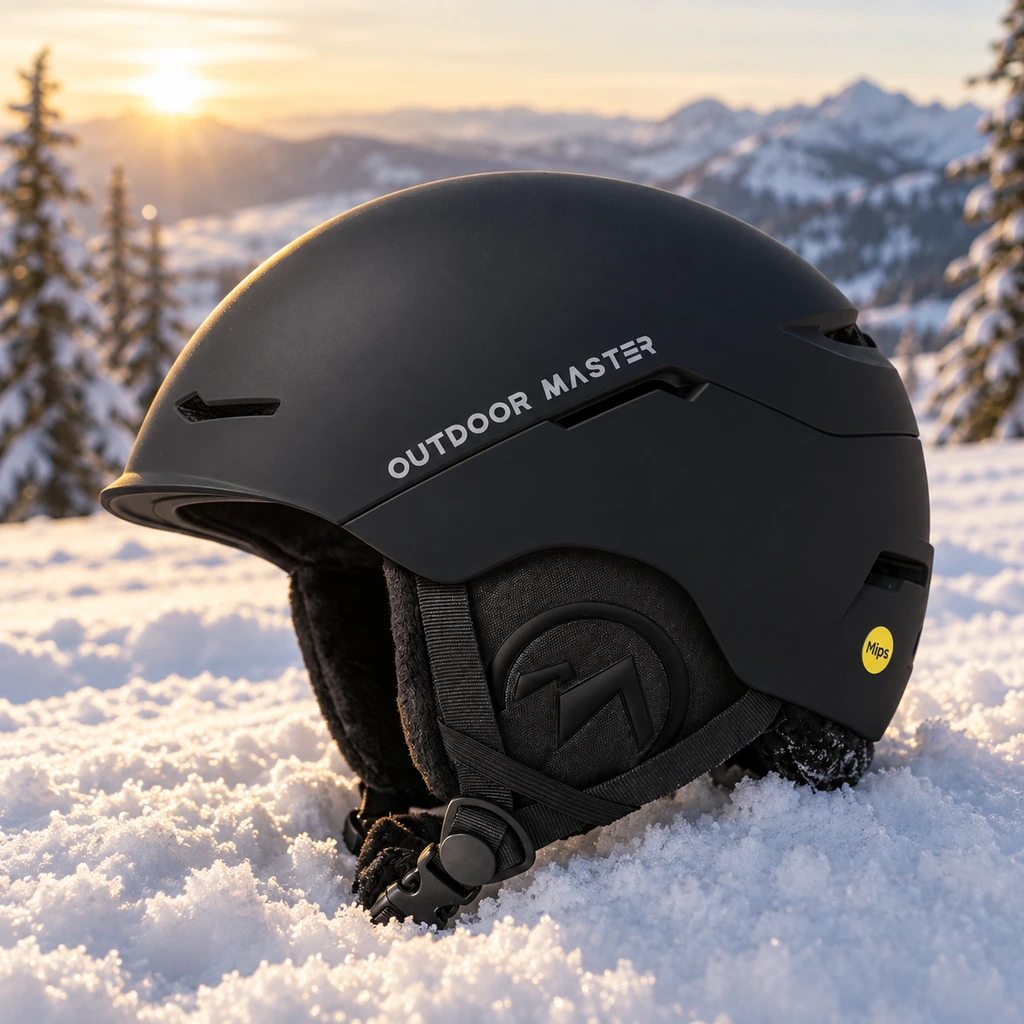
OutdoorMaster ELK MIPS: Best Venting
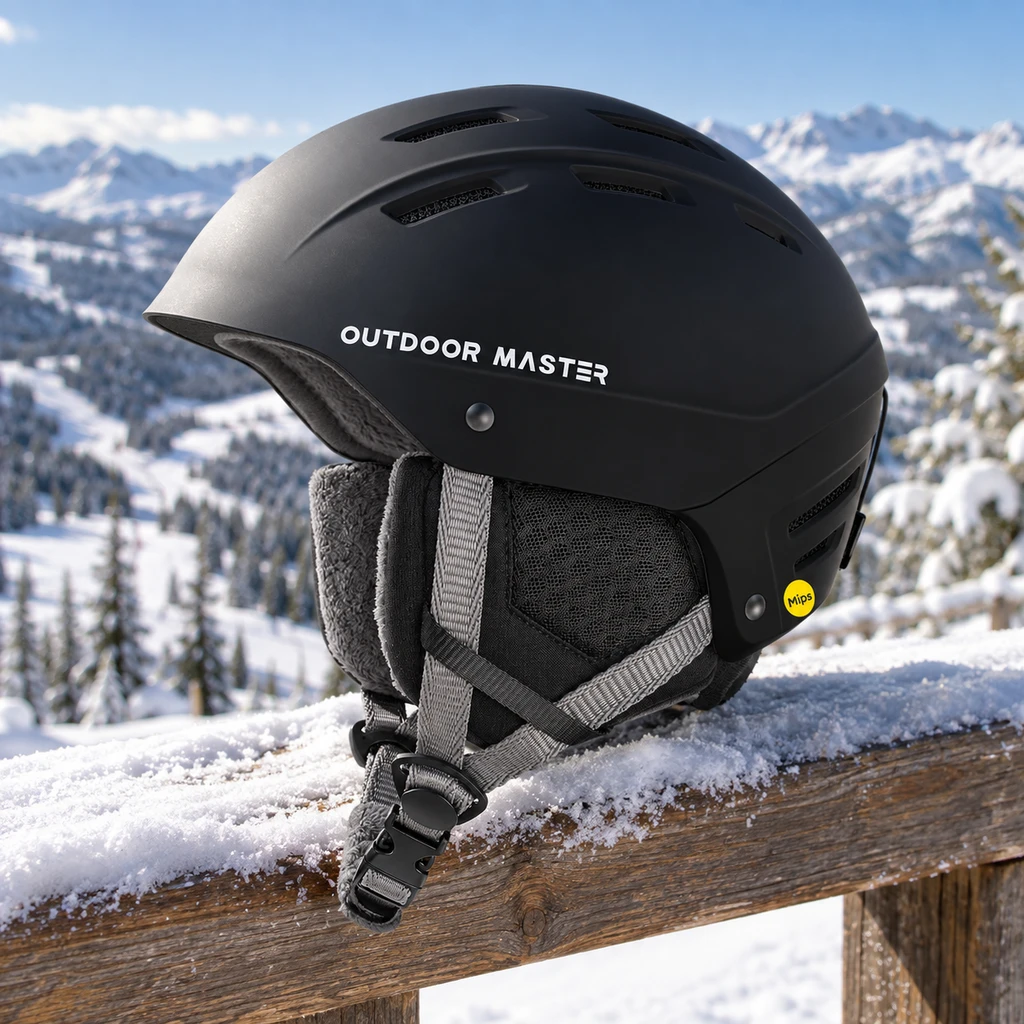
The ventilation pick. If you sidestep, hike for turns or simply run hot, the ELK gives you the most control over airflow of the three OutdoorMaster helmets, with MIPS included.
Heat management is the underrated reason helmets come off. A skier who overheats on every traverse eventually stops wearing the helmet on warm spring days, which is exactly when the slush grabs an edge. Solving venting solves that.
Four point six stars across 466 reviews, snow sport rated for skiing and snowboarding across men, women and youth sizing. It is the OutdoorMaster to buy if you ski hard rather than cruise.
Specs That Matter
- Protection: MIPS rotational protection
- Venting: extensive adjustable ventilation
- Use: ski and snowboard, men, women and youth
- Fit: adjustable sizing system
- Rating: 4.6 stars across 466 reviews
Who It Is For
Skiers who run hot, hike for turns, or ski into spring.
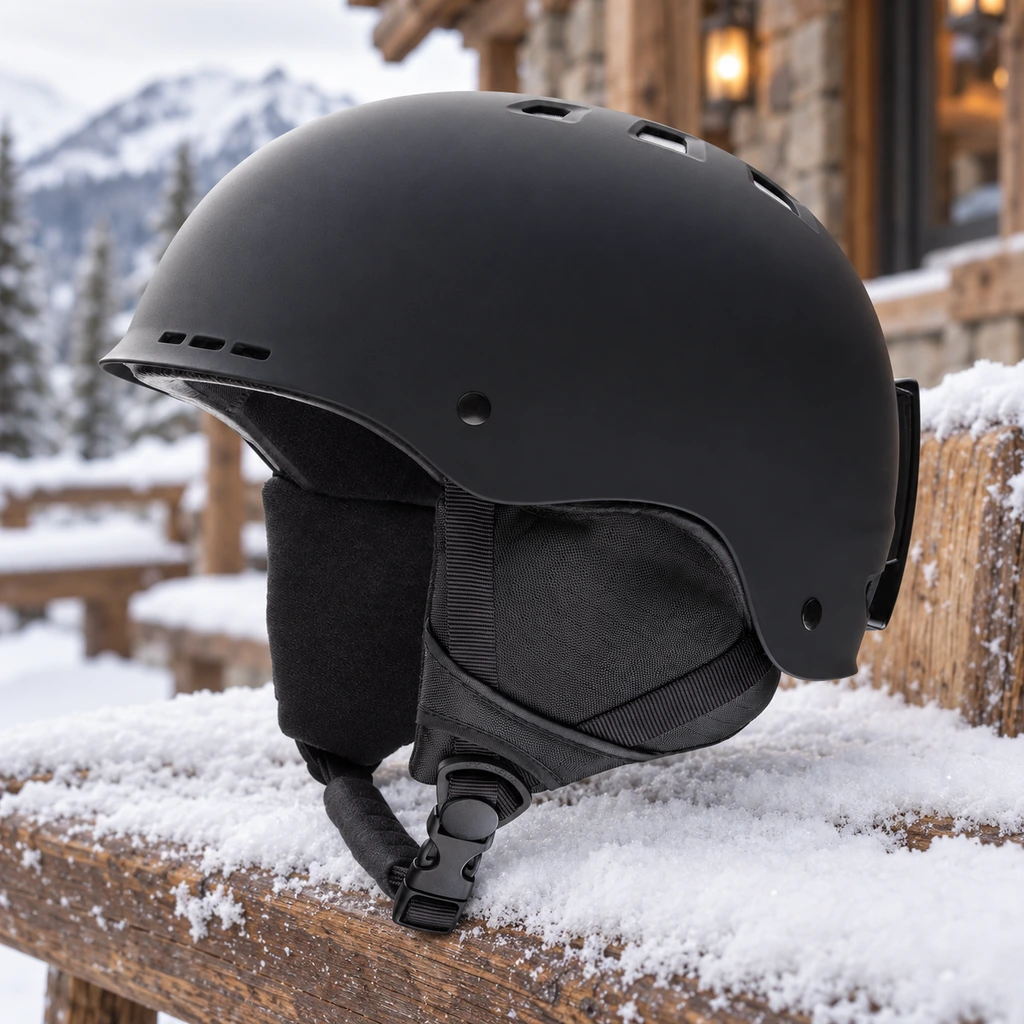
SMITH Holt: Brand Heritage
Smith have been making snow protection for decades and the Holt is their long running entry level lid. Four point six stars across more than a thousand reviews, and it is the one here most likely to match a set of Smith goggles cleanly at the brow.
Goggle integration is not a trivial point. A helmet and goggle that do not mate leave a strip of forehead exposed, which is the classic gaper gap, and it is both cold and a sunburn risk at altitude. Matching brands is the easy way to avoid it, and our goggle guide covers the rest.
Fixed venting rather than adjustable, and no MIPS on this model, so it is bought for fit, finish and brand rather than for features. If rotational protection is your priority, take the Giro or a Kelvin II.
Specs That Matter
- Protection: certified shell, no MIPS on this model
- Venting: fixed vents
- Strength: goggle integration with matching brand goggles
- Build: established snow sport brand
- Rating: 4.6 stars across 1,066 reviews
Who It Is For
Skiers who already own Smith goggles and want a clean brow fit.
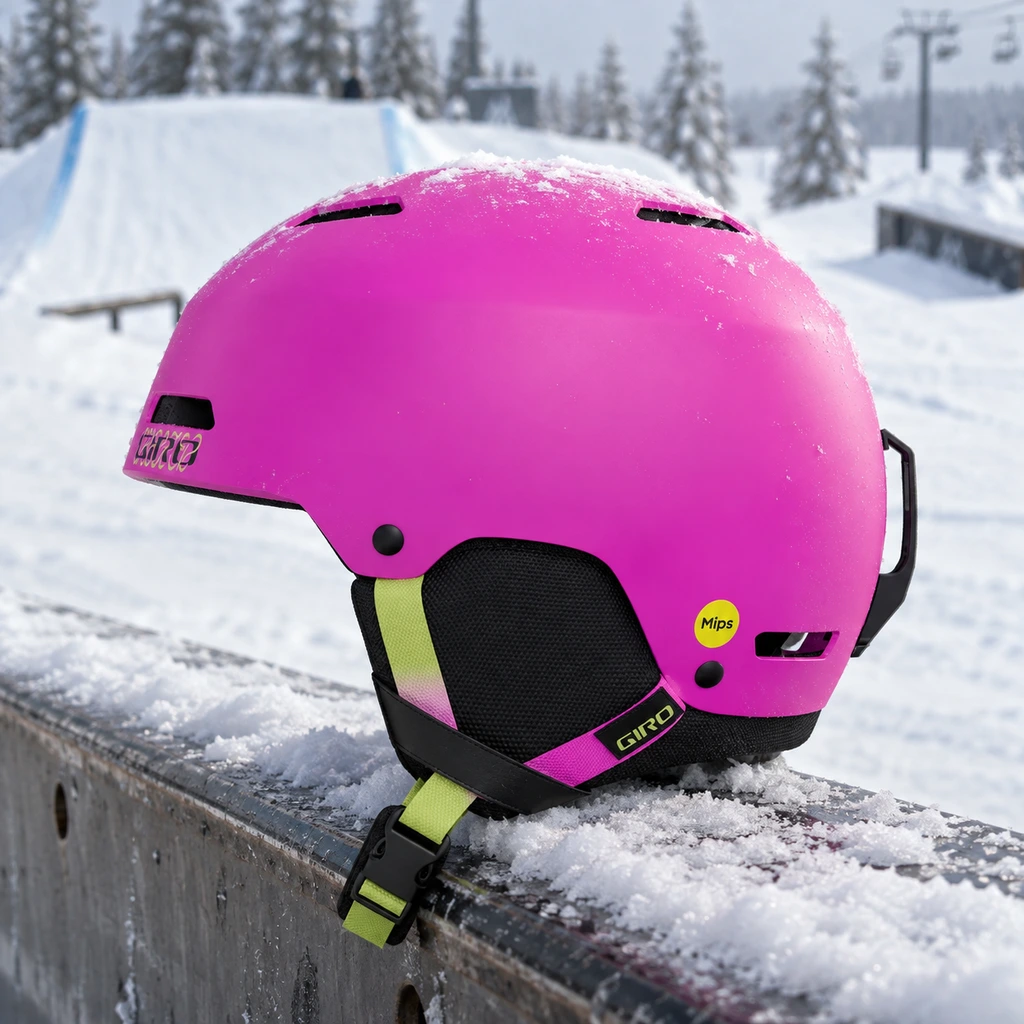
Giro Ledge MIPS: Highest Rated
Four point seven stars, the highest score on this list, and a proper skate style hard shell with MIPS. The low profile round shape is why it is popular in parks with people who dislike the bulbous in mould silhouette, and it comes in everything from plain black to bright colourways.
Hard shell construction takes repeated knocks better than in mould does, which suits rails, boxes and the kind of day where the helmet spends time being dropped on concrete. It is heavier as a result.
Fixed venting is the compromise. On a cold midwinter day that is a non issue; on a warm spring afternoon you will notice. Stock on this one was limited when checked, so buy it when you see it.
Specs That Matter
- Protection: MIPS rotational protection
- Construction: hard shell, skate style
- Venting: fixed vents
- Suitability: resort and park
- Rating: 4.7 stars across 976 reviews
Who It Is For
Park skiers and anyone who wants MIPS in a plain hard shell.
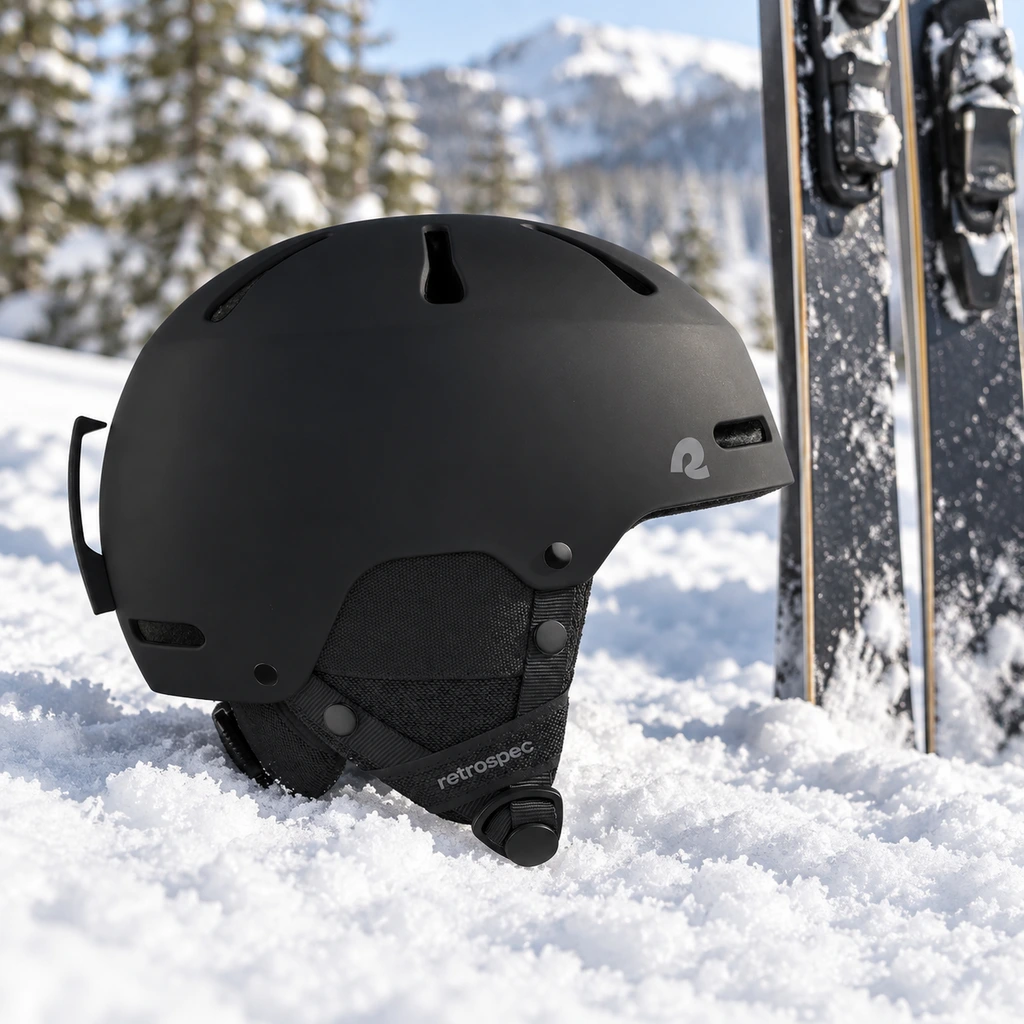
Retrospec Comstock: Budget Alternative
The alternative to the OutdoorMaster Kelvin at a similar price, with 4.5 stars across more than seventeen hundred reviews. A protective shell, breathable vents and an adjustable fit system across adult and youth sizing.
Buy it if the Kelvin does not fit your head shape, which is the most common reason to look past the obvious budget option. Two helmets at the same price with different shell shapes means one of them probably fits you properly, and fit is the thing that decides whether a helmet works.
No MIPS at this price point. The same reasoning applies as with the Kelvin: certified and worn beats unprotected, and the MIPS versions are a short step up.
Specs That Matter
- Protection: protective shell with liner, no MIPS
- Venting: breathable vents
- Fit: adjustable fit system
- Sizing: adults and youth
- Rating: 4.5 stars across 1,767 reviews
Who It Is For
Anyone whose head shape does not suit the OutdoorMaster shell.
How to Choose Between Them
You Want MIPS for the Least Money
The OutdoorMaster Kelvin II. Same helmet as the best selling Kelvin with the rotational layer added, which is the upgrade worth paying for before any other.
You Are Buying a First Helmet Cheaply
The Kelvin, or the Retrospec Comstock if the Kelvin does not suit your head. Both are certified, adjustable and vastly better than skiing bare headed.
You Run Hot
The OutdoorMaster ELK. The most airflow control here with MIPS included, which matters on hikes, traverses and spring skiing.
You Already Own Smith Goggles
The Smith Holt, for the brow fit. Mismatched helmet and goggle leaves a cold gap across the forehead that no amount of adjustment closes.
You Want the Highest Rated
The Giro Ledge MIPS. Hard shell, plain looks, MIPS, and the best score here, with the caveat that venting is fixed and stock has been thin.
What the Specifications Mean
MIPS in One Paragraph
A slippery layer between your head and the liner that lets the helmet rotate slightly on impact. Angled impacts twist the brain inside the skull, and that twisting is what causes concussion. Cutting a few milliseconds of rotational force is a meaningful reduction in injury risk, which is why it has become standard above the budget tier.
In Mould Against Hard Shell
In mould fuses a thin shell to the foam: light, comfortable, and best for a single big impact. Hard shell ABS is heavier and survives repeated knocks, which suits park skiing and gear that gets thrown in a car boot. Neither is safer in general.
Why You Replace a Helmet After a Crash
Foam liners work by crushing, and crushed foam does not spring back. A helmet that has taken a real impact is finished even if it looks fine, the same principle as a bike helmet. Replace it every five years regardless, because the foam and the straps age.
Fit Beats Every Feature
A cheap helmet that fits protects better than an expensive one that does not, because a loose helmet rotates out of position before it absorbs anything. Measure your head circumference, buy to that, and use the dial for fine adjustment rather than to fix a size gap. Our bike helmet guide covers the same fit logic.
Using It Well and Making It Last
Never store it with goggles strapped over the vents in a hot car, and do not leave it in direct sun on a dashboard. Heat and ultraviolet degrade both the foam and the shell, which is how helmets quietly stop working before their fifth birthday.
Clean the liner with mild soap and water and let it air dry; solvents and alcohol attack the foam. Most liners and ear pads come out, which is worth doing a couple of times a season if you sweat into them.
Carry it rather than hanging it off a pack strap where it swings into lift towers and rocks. Small repeated knocks add up on an in mould shell, and the damage is not visible.
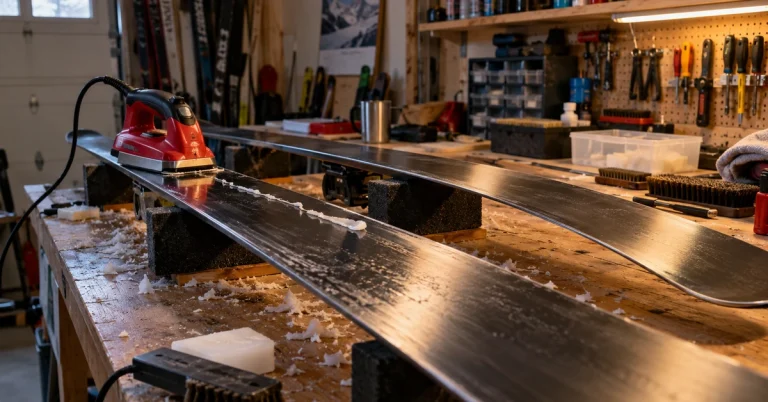
Replace after any real impact, after five years, or when the fit system stops holding. Then check the rest of the kit: boots and goggles age on a similar schedule, and the skis themselves want a pre season service.
Frequently Asked Questions
Do I really need MIPS in a ski helmet?
It is not required, and it is the single upgrade with the best evidence behind it. If the choice is a MIPS helmet or no helmet because of price, buy the non MIPS helmet. If it is a small price step, take MIPS.
How should a ski helmet fit?
Snug all round with no pressure points, and it should not move when you shake your head with the chin strap undone. Use the dial for fine adjustment, not to compensate for the wrong size.
How long does a ski helmet last?
About five years of normal use, or one real impact, whichever comes first. Foam liners crush permanently and do not recover, so a helmet that has taken a hit is finished even if it looks undamaged.
Can I use a bike helmet for skiing?
No. Snow helmets are certified to different standards, cover more of the head, and insulate. A bike helmet is vented for summer and leaves your ears and the back of your head exposed.
Are expensive ski helmets safer?
Not meaningfully. Every helmet sold has to meet the same certification. What money buys is MIPS, better venting control, lighter weight and finish. Fit matters more than any of it.
For most skiers the OutdoorMaster Kelvin II MIPS is the pick: rotational protection at close to budget helmet money. Go to the ELK if you run hot, the Giro Ledge if you want the highest rating, the Smith Holt if you already own Smith goggles, and the plain Kelvin or the Retrospec if price is the binding constraint. Then read how to wax skis for the pre season service, the fitness plan for the legs, and the equipment guide for everything else.
Discover more from Maive Verse
Subscribe to get the latest posts sent to your email.