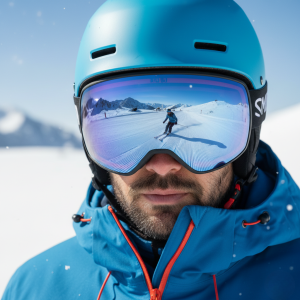

Master the slopes with the best ski goggles this season. Learn how anti-fog technology and interchangeable lens systems ensure perfect vision.
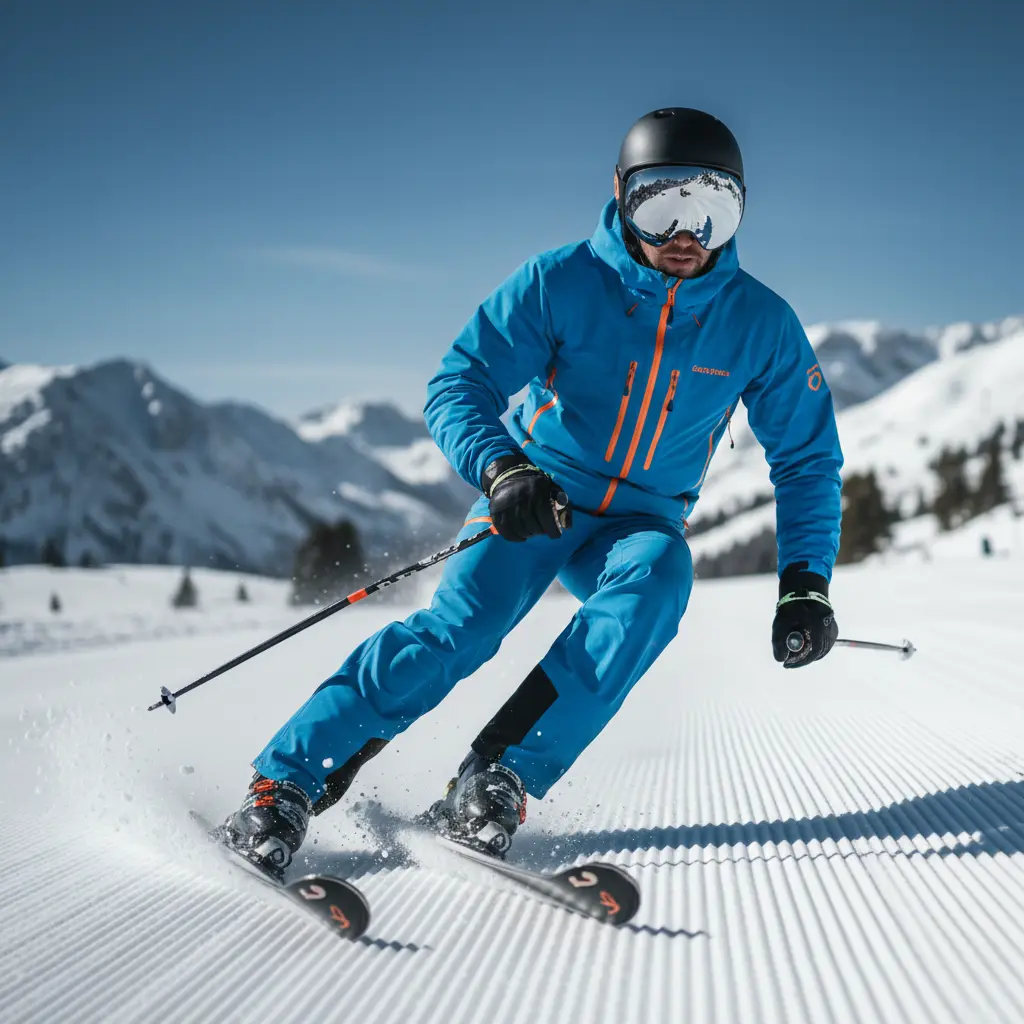
Table of Contents
The Importance of High-Performance Optics
Selecting the best ski goggles is the most critical decision for on-mountain safety. Vision is the primary sensory input used to navigate terrain and identify hazards. Proper eyewear acts as a sophisticated optical filter, neutralizing flat light and glare that cause disorientation.
- Primary Function: Shields eyes from wind, UV radiation, and high-velocity snow particles.
- Safety Goal: For those on their first ski day, clarity prevents terrain misjudgment and injury.
- Contrast Enhancement: Modern lenses highlight dips and bumps that are invisible to the naked eye.
- System Integration: Goggles are a vital part of a complete winter skiing equipment Guide 2026.
- Reaction Time: Clear optics reduce the millisecond delay in reacting to ski slope difficulty changes.
Elite Performance: Top-Tier Professional Optics (Smith & Oakley)
In the premium category, the best ski goggles utilize proprietary technologies to filter light wavelengths. This is especially vital when skiing in flat light.
1. Smith I/O Mag (Best Overall)
Pros
Cons
- Key Features: ChromaPop contrast enhancement, Mag lens change system, 5X anti-fog inner lens, Carbonic-X spherical lens.
- Best For: Resort skiers demanding the highest clarity for Mogul Skiing for Beginners.
2. Oakley Flight Deck L (Best Field of View)
Pros
Cons
- Key Features: Prizm lens technology, Rimless design, Ridgelock lens system, F3 anti-fog coating.
- Best For: Skiers who prioritize maximum downward visibility to maintain Ski Edge Control.
- Technical Performance Metrics:
- TPU Frames: Retain flexibility in sub-zero temperatures for a consistent seal.
- Triple-Layer Foam: Wicks moisture and prevents “goggle rot.”
- Impact Protection: Polycarbonate lenses meet high-velocity safety standards.
- Authority Tech Insight: Explore the science behind these lenses via Smith Optics Tech.
Technical Integration: High-End Mid-Range Options (Anon & Giro)
This category of the best ski goggles focuses on the interaction between eyewear and apparel, such as best ski jackets with high collars.
3. Anon M4 Cylindrical (Best Magnetic System)
Pros
Cons
- Key Features: Magna-Tech quick lens change, MFI (Magnetic Facemask Integration), Perceive optics, reinforced frame.
- Best For: Enthusiasts also looking for Snowboarding Gear for Beginners.
4. Giro Article II (Best Mid-Range Performance)
Pros
Cons
- Key Features: VIVID Lens Tech by Zeiss, Expansion View Technology (EXV), Slash Seal lens change, EVAK venting.
- Best For: Consistent resort use across variable mountain weather.
- Specialized System Features:
- MFI Integration: Snaps face masks to goggles to prevent warm air from rising and fogging the lens.
- Zeiss Optics: Reduces eye strain by filtering blue light, a hallmark of the best ski goggles.
- EVAK Venting: Uses a non-absorbent foam to allow moisture to escape without allowing snow in.
- Maintenance Tip: Always dabbing moisture instead of wiping is essential for Off-Season Maintenance.
Backcountry Performance: Specialized Ventilation and Lenses (Julbo)
For active skiers who engage in Snowshoeing or hiking, ventilation is the primary metric for the best ski goggles.
5. Julbo Aerospace (Best Ventilation)
Pros
Cons
- Key Features: SuperFlow System, Reactiv Photochromic lens, Spherical design, permanent anti-fog.
- Best For: High-output hiking and backcountry touring.
- Backcountry Optical Requirements:
- Photochromic Versatility: Lenses that adapt to shadows and sun without requiring a lens swap.
- Steam Management: The SuperFlow system eliminates fogging when moving slowly uphill.
- Weight Reduction: Minimalist frames reduce the load on the face during long Land Activities.
- Authority Guide: Learn how to select the right airflow for your face via the REI Goggle Guide.
Maximum Value: Top Picks for Beginners and Families (OutdoorMaster & Zionor)
You can find the best ski goggles without a $300 investment. These Amazon-native brands offer pro-level features for recreational use.
6. OutdoorMaster PRO (Best Budget/Amazon Pick)
Pros
Cons
- Key Features: Magnetic interchangeable system, 20+ lens options, OTG (Over The Glasses) design.
- Best For: Beginners on a Ski Fitness 8-Week Plan who want multiple lenses.
7. Zionor Lagopus (Best Beginner Value)
Pros
Cons
- Key Features: TPU frame, UV400 protection, anti-fog double lens, extra-long strap.
- Best For: Occasional skiers and children.
- Budget Purchasing Criteria:
- OTG Compatibility: Essential for those who cannot wear contacts on the mountain.
- Replacement Costs: Inexpensive lenses allow for low-cost repairs after scratches.
- Strap Length: Ensure the strap fits over a helmet, not just a beanie.
- Safety Standards: All recommended models meet standard UV protection requirements.
Essential Buying Guide: Fit, VLT, and Maintenance
Before purchasing the best ski goggles, you must understand how Visible Light Transmission (VLT) and fit dictate performance.
- VLT Percentage (Light Control):
- 10% – 20%: Dark/mirrored lenses for bright, sunny “bluebird” days.
- 30% – 50%: Versatile amber/rose lenses for variable cloudy weather.
- 50% – 80%: High-contrast yellow/clear lenses for Skiing in Flat Light.
- The “Gaper Gap” (Fit Protocol):
- Seal Integrity: The top of the goggle must sit flush against the helmet brim.
- Nose Bridge: There should be no gap at the nose, which leads to fogging and freezing.
- Cheek Pressure: Goggles should seal without obstructing breathing or pressing on nostrils.
- Compatibility Chart: Cross-reference brands using the Evo Goggle Sizing Guide.
- Permanent Clarity Maintenance:
- Dab, Don’t Wipe: Wiping a wet inner lens destroys the sensitive anti-fog coating.
- Air Dry Only: Remove goggles from the helmet and air dry completely after every session.
- No Dashboard Heat: Excessive heat melts the seal of the dual lens, causing internal fog.
- Storage: Always store in a microfiber bag to prevent scratches during travel.
- Authority Safety Standards: Consult the NSAA Safety Standards for gear awareness.
- Optical Integration with Other Gear:
- Ski Poles: Use rhythm to keep goggles moving and air flowing. Check the Best Ski Poles Guide.
- Helmets: Modern helmets feature “brim vents” that must align with the goggle’s top vents.
- Face Masks: Breathable materials prevent moisture from entering the goggle seal.
Conclusion: Investing in Your Mountain Vision
Selecting the best ski goggles is an investment in your safety and enjoyment of the winter season. Whether you prioritize the top-tier contrast of the Smith I/O Mag or the incredible value of the OutdoorMaster PRO, visual clarity is the foundation of confident skiing. By ensuring a proper helmet fit and adhering to strict anti-fog maintenance, you eliminate the most common source of mountain frustration.
Clear vision allows you to anticipate turns rather than reacting to obstacles, a skill that transforms your technique from survival to mastery. Remember that your goggles are part of a technical system that includes your Best Ski Poles and your overall Ski Fitness. As you progress from green runs to the most difficult slopes, your reliance on high-quality optics will only increase.
The mountain is waiting, and with the right pair of goggles, you will see it more clearly than ever before. Treat your gear with respect, store it dry, and always have the correct lens for the conditions. The transition from beginner to expert is paved with clear vision. Ensure your stance is solid, your equipment is ready, and your goggles are clear, then step into the snow with total confidence.