
Stop ski injuries before they start! Use our complete 8-week Ski Fitness plan to build core, leg, and knee strength for a safer, high-performance season.
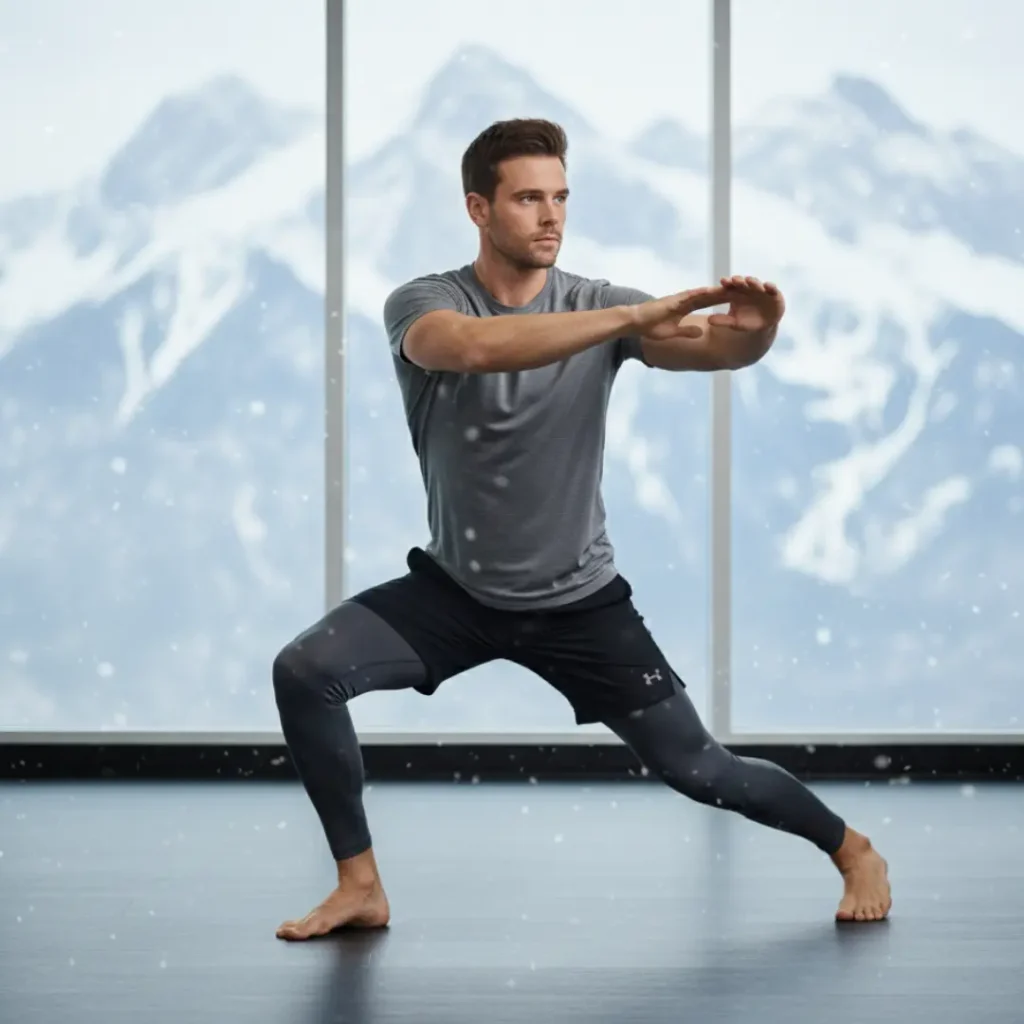
Table of Contents
Introduction
Entering the ski season without proper physical preparation significantly increases the risk of injury, especially to the knees and core. Skiing is a dynamic, high-impact sport that requires unique strength, endurance, and flexibility. Pre-season conditioning is a proactive measure designed to build the specific muscle groups—quadriceps, hamstrings, glutes, and core—needed for effective turning, absorbing shocks, and maintaining balance. This comprehensive guide outlines an 8-week structured fitness plan focusing on the key physical attributes required to maximize performance and ensure a safe, sustained season on the slopes.
Phase 1: Foundational Strength and Endurance (Weeks 1–4)
The initial phase focuses on establishing a baseline level of cardiovascular fitness and building general muscle strength. The goal is to prepare the body for the heavier, ski-specific loads of Phase 2.
Cardiovascular Training
Skiing demands sustained energy, making aerobic fitness critical.
- Goal: Maintain a high heart rate for 30–45 minutes, three times per week.
- Activities: Running, cycling, or using an elliptical machine. These activities should be performed at a moderate intensity (65–75% of maximum heart rate).
- Targeted Benefit: Enhances the body’s ability to clear lactic acid, delaying muscle fatigue often felt mid-run.

Lower Body General Strength
Focus on compound movements that recruit multiple lower body muscle groups. These movements build the raw power necessary for absorbing moguls and executing quick edge changes.
- Exercises (3 sets of 10–12 reps):
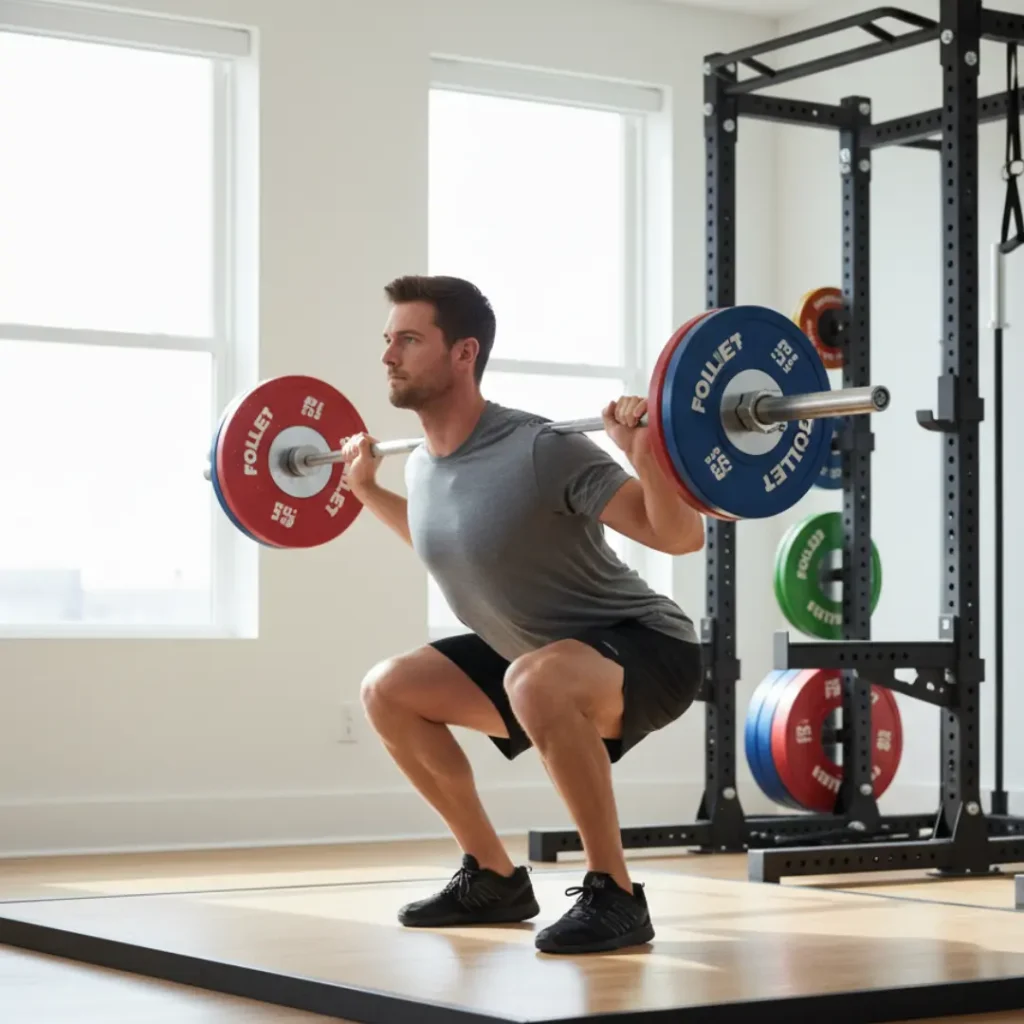
- Squats: Focus on depth and form, ensuring the knees track over the toes.
- Lunges: Incorporate forward, reverse, and lateral lunges to develop stability in all planes of motion.
- Step-Ups: Use a box or bench, driving through the heel to engage the glutes and hamstrings.
Core Stability
A strong core is essential for balancing over the skis and maintaining an athletic stance.
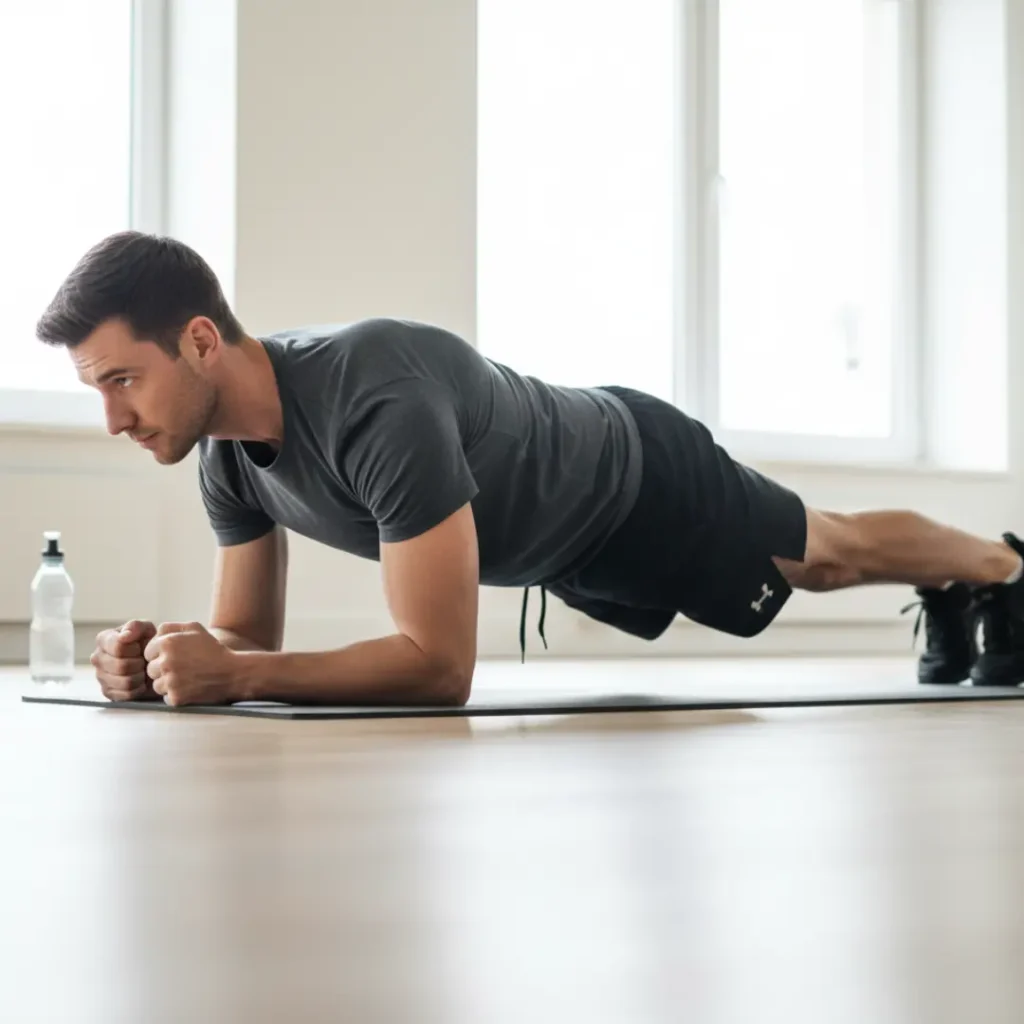
- Exercises (3 sets, hold or perform for 45 seconds):
- Planks: Focus on maintaining a straight line from head to heels without letting the hips drop.
- Russian Twists: Targets the oblique muscles, important for initiating turns.
- Bird-Dogs: Improves spinal stability and coordination between the opposite limbs.
Phase 2: Power, Agility, and Balance (Weeks 5–8)
The second phase transitions to exercises that mimic the movements and rapid demands of skiing. Intensity increases, and plyometric exercises are introduced to develop explosive power.
Plyometrics and Power
Plyometrics train muscles to exert maximum force in short intervals, which is necessary for quick turn initiation and shock absorption.
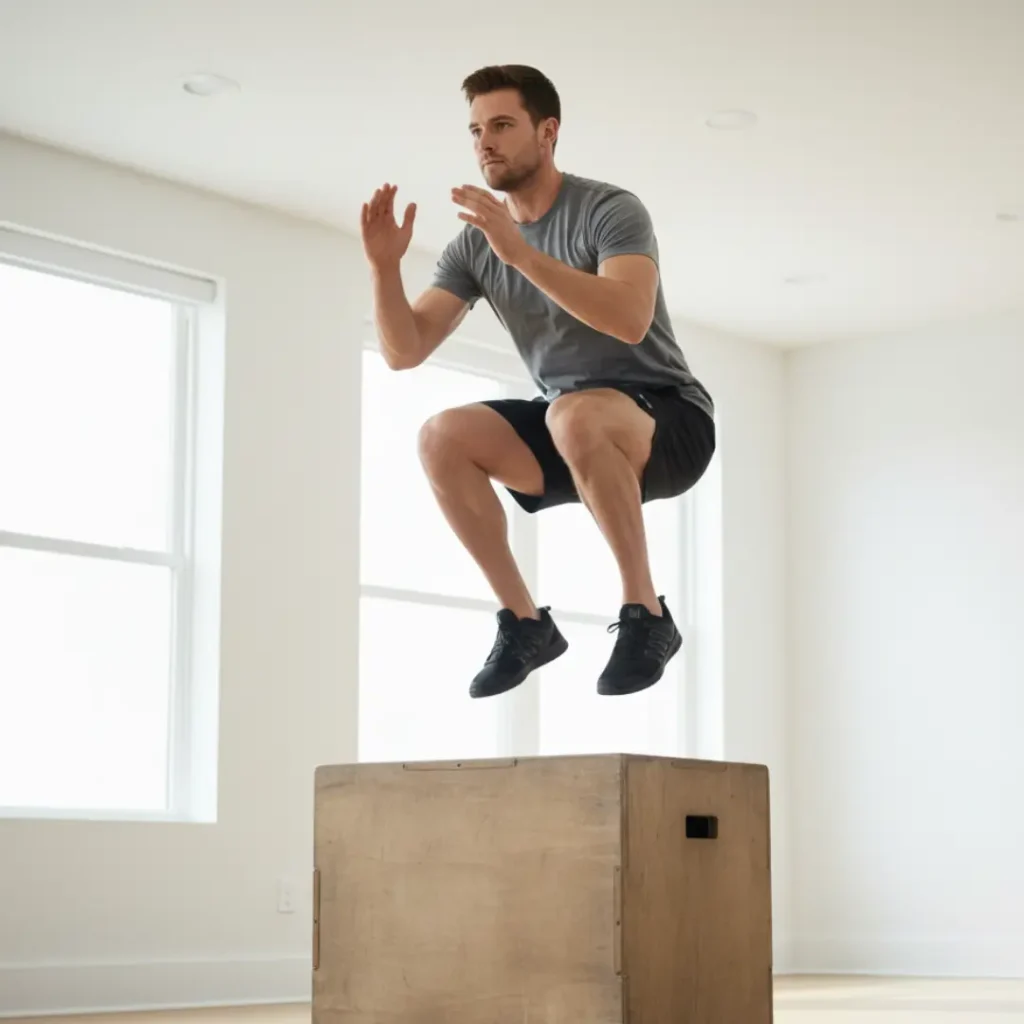
- Exercises (3 sets of 8–10 reps):
- Box Jumps: Increases explosive leg power, crucial for initiating jumps or recovering balance.
- Lateral Bounding: Simulates the side-to-side forces encountered when linking turns on the slope. Focus on pushing off the ground and landing softly.
- Ski Jumps (Quick side-to-side hops): Performed for 30 seconds straight, this builds endurance in the ankle, knee, and hip stabilizers, directly mimicking the feel of short-radius turns.
Balance and Proprioception
Proprioception, or the body’s sense of position and movement, is vital for skiing. Improving it allows the body to correct imbalances faster.
- Exercises (3 sets of 60 seconds per leg):
- Single-Leg Squats (Pistol Squats): Performed with assistance or to a limited depth, this exercise builds functional strength and stability in the primary balance leg.
- Single-Leg Deadlifts: Improves hamstring, glute, and low-back endurance, crucial for maintaining the forward athletic stance.
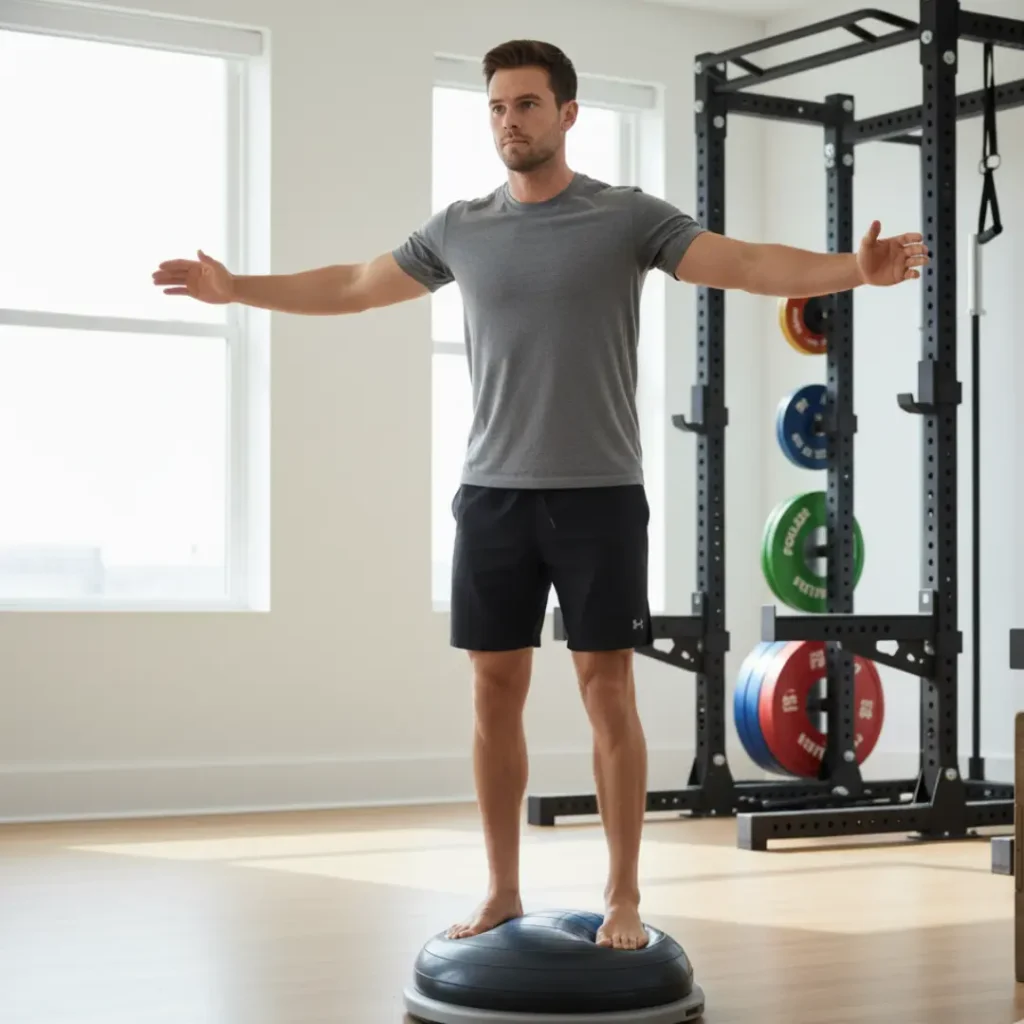
- Balance Board or Bosu Ball: Performing squats or simply standing on an unstable surface forces the small stabilizing muscles in the ankle and knee to engage constantly.