
Solo kayaking tips for beginners: essential safety tips, gear checklist, and expert advice to paddle confidently and stay safe on the water.
Table of Contents
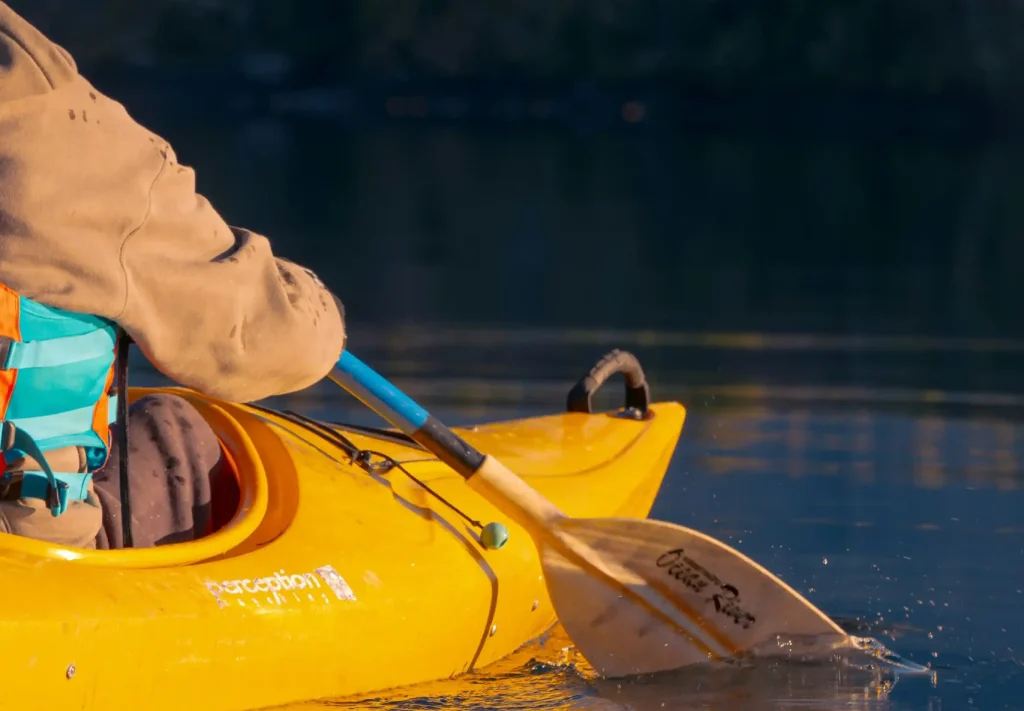
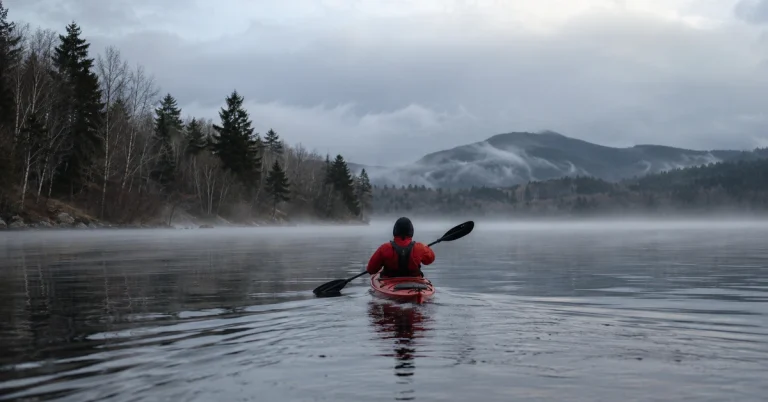
Kayaking is one of the best ways to enjoy nature, clear your mind, and build confidence on the water. But what if you want to go solo? Paddling alone can be peaceful and rewarding — yet it comes with added responsibility. If you’re new to the sport, it’s important to know how to prepare, what gear you’ll need, and which safety rules to follow.
This guide covers the essentials of solo kayaking for beginners: from safety practices and must-have equipment to tips that will help you paddle with confidence.
Solo Kayaking Tips
Whether you’re planning your first solo trip or just curious about paddling alone, these tips will help you build the right foundation. Below, we’ll cover four key areas every beginner should focus on:
- Planning and preparation → choosing the right location and conditions.
- Safety practices → how to stay visible, communicate, and manage risks.
- Essential equipment → the gear you should never skip.
- Skills and confidence → building the ability to paddle independently.
1. Plan Your Trip Carefully
Good preparation makes solo kayaking safer and more enjoyable. When you don’t have a partner, the responsibility of making smart decisions falls entirely on you.
Key tips:
- Choose calm waters → Beginners should stick to lakes, ponds, or slow-moving rivers. Avoid open seas or strong currents.
- Check the weather → Wind, rain, or storms can make conditions dangerous. Always review a trusted forecast before leaving.
- Tell someone your plan → Share your route and estimated return time with a friend or family member.
- Start small → Keep your first solo trips short. You can always expand distance as your skills grow.
📌 Related: Before planning your trip, check out our Kayaking Safety Tips: 15 Rules Every Beginner Should Know for more preparation advice.
2. Follow Essential Safety Practices
Safety is non-negotiable when kayaking alone. Without a partner nearby, you need to make yourself visible and prepared for unexpected situations.
Safety reminders for solo paddlers:
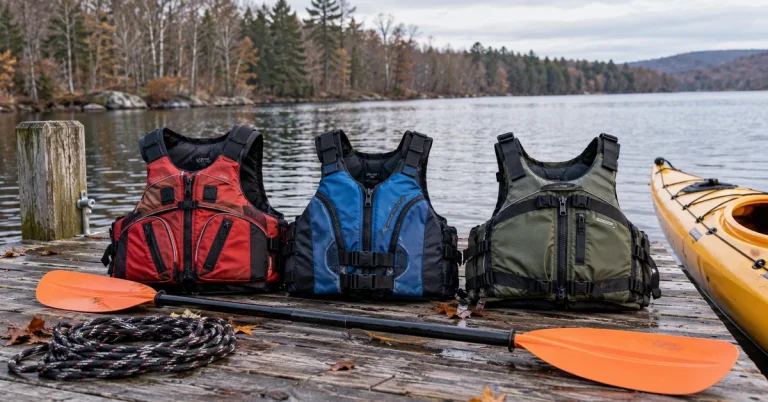
- Always wear a PFD (life jacket) → It’s your most important piece of safety gear.
- Stay visible → Use bright clothing, reflective tape, or a high-visibility flag.
- Carry a whistle or signaling device → A simple whistle can alert others if you’re in trouble.
- Avoid risky conditions → Don’t paddle at night, during storms, or in areas with strong tides.
- Know self-rescue basics → Practice how to re-enter your kayak from the water.
🌍 For additional safety guidelines, the American Canoe Association provides trusted resources on paddling best practices.
3. Pack the Right Equipment
Solo kayaking requires a few extra items beyond the basics, since you won’t have a partner to lend you gear if something goes wrong.
Must-have gear for solo kayaking beginners:
- Kayak paddle → Lightweight and suited for your kayak type. Beginners can check our guide on the Best Kayak Paddles for Beginners.
- Personal Flotation Device (PFD) → A properly fitted life jacket is essential.
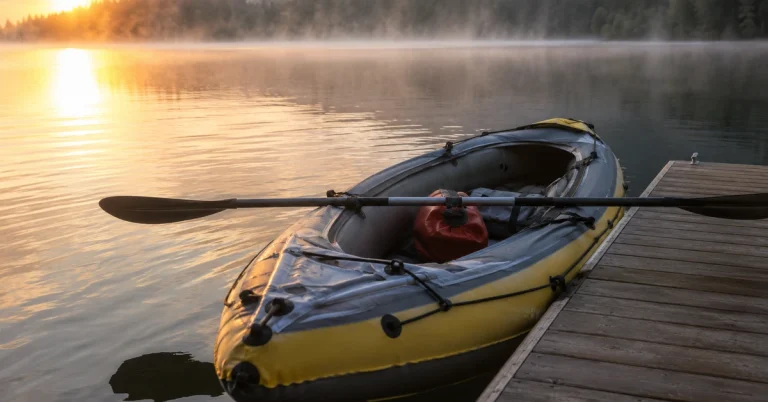
- Dry bag → Keeps essentials like phone, keys, and snacks safe from water.
- Navigation tools → Carry a waterproof map or GPS device.
- First aid kit → Even a small kit can make a difference.
- Spare paddle → Helpful if yours breaks or drifts away.
Tip: Keep your gear organized and within easy reach to avoid fumbling on the water.
4. Build Skills and Confidence Gradually
Solo kayaking isn’t just about equipment, it’s also about skills and mindset. Confidence comes from practicing the fundamentals before heading out alone.
Ways to improve your kayaking skills:
- Take lessons → Even one or two kayaking lessons for beginners can teach valuable techniques.
- Practice self-rescue → Know how to get back into your kayak if you capsize.
- Learn efficient strokes → Master the forward stroke and sweep stroke to move smoothly and turn efficiently.
- Start with short, familiar routes → Gain confidence before attempting new locations.
- Paddle often → Consistency builds muscle memory and reduces anxiety on the water.
Conclusion
Solo kayaking can be an incredibly rewarding way to connect with nature and build independence — but it requires preparation, awareness, and the right gear. By planning your route carefully, following key safety practices, packing essential equipment, and steadily improving your paddling skills, you’ll set yourself up for safe and enjoyable solo adventures.
Before your first trip, don’t forget to review our guide on Safety Tips and Essential Kayaking Gear for Beginners. A little preparation goes a long way in making your solo paddling both safe and memorable.
Discover more from Maive Verse
Subscribe to get the latest posts sent to your email.