
Wondering where to go kayaking as a beginner? Explore 12 perfect locations with calm waters, safe conditions, and stunning views for your first paddling trip.
Table of Contents
Introduction
When I first decided to try kayaking, I thought it would be easy — you know, hop in a boat, paddle around a bit, and enjoy the view. The reality? I spent more time spinning in circles than actually moving forward. Choosing the right location for your first paddles makes all the difference. Calm water, easy access, and safe surroundings can turn what might’ve been a frustrating experience into a memory that hooks you on the sport.
Over the years, I’ve paddled in all sorts of places — quiet lakes, slow-moving rivers, and even a few bays that tested my nerves. I’ve also made my fair share of mistakes, like forgetting sunscreen (ouch) or launching into choppy water that had me wishing I’d stayed on shore. If you’re brand new to kayaking, you don’t need to make the same mistakes I did. Below are twelve beginner-friendly kayaking spots across the U.S. that are perfect for learning the ropes while still giving you those “wow” moments in nature.
Where to Go Kayaking as a Beginner
1. Lake Tahoe, California/Nevada
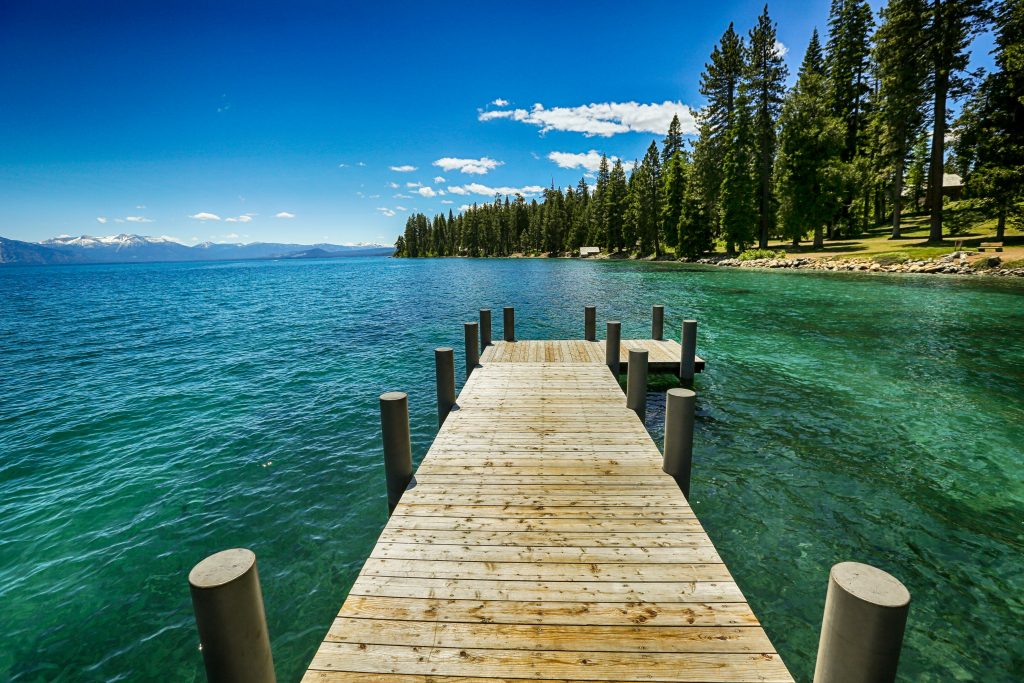
Lake Tahoe looks like it was made for postcards. Crystal-clear water, pine-covered mountains in the background, and more hidden coves than you’ll know what to do with. My first paddle here was a mix of awe and embarrassment — I managed to launch my kayak sideways and ended up drenched before I even started. But once I got going, the calm shoreline made me feel like maybe I actually knew what I was doing.
If you’re just starting out, mornings are your best bet. The water is glassy, boat traffic is light, and you can hug the shoreline without worrying about strong waves. I made the mistake of going on a Saturday afternoon once — dodging speedboats and jet skis isn’t exactly beginner-friendly.
Pro tip: stick near Sand Harbor for easy access and calm coves. And seriously, don’t skip sunscreen. Tahoe’s sun will roast you even if it’s cloudy.
2. Colorado River, Arizona (Horseshoe Bend Area)
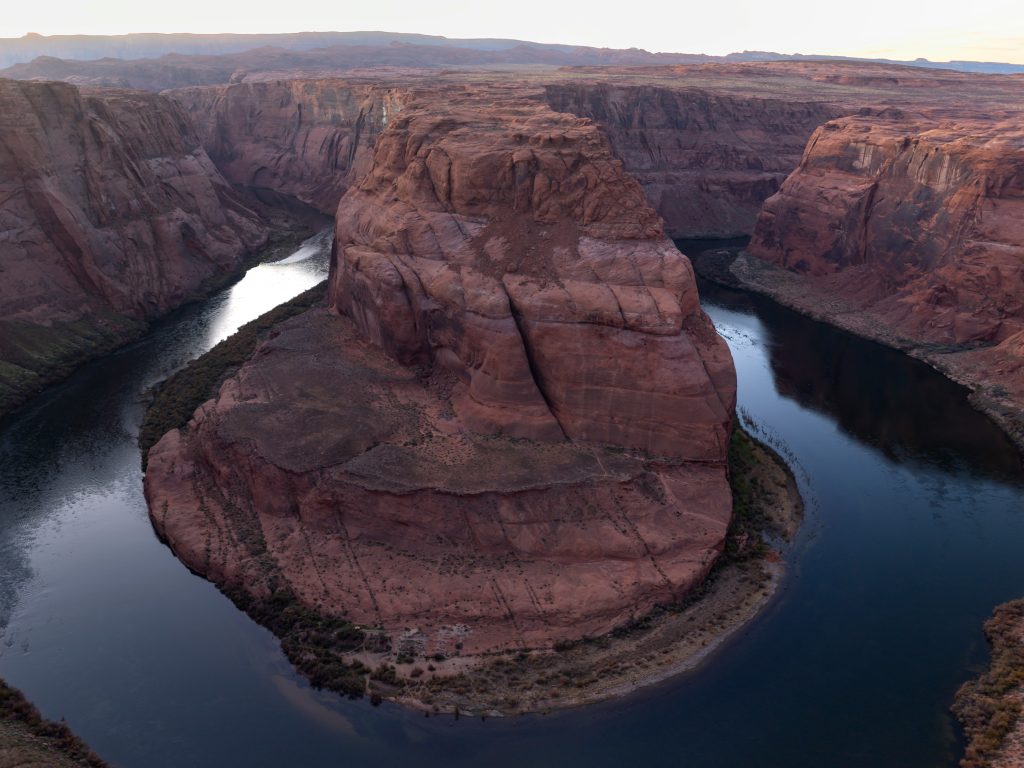
The Colorado River sounds intimidating — I pictured raging rapids when I first heard of it. But the section near Horseshoe Bend is surprisingly chill. Wide, slow-moving, and dotted with sandy banks where you can pull over for a snack break.
The first time I paddled here, I got a little too confident and drifted closer to a fast-moving section. Steering against even a mild current taught me quickly that technique matters more than brute strength. Luckily, I’d rented from a local outfitter that gave me a five-minute crash course on paddling basics, which honestly saved me from a lot of frustration.
Beginners should look for half-day trips instead of committing to a full float. And bring plenty of water — desert heat sneaks up fast, even on the river.
3. Lady Bird Lake, Austin, Texas
If you like the idea of kayaking without leaving the city, Lady Bird Lake in Austin is a winner. The water is calm, rentals are everywhere, and there’s a good chance you’ll see turtles sunbathing on logs. One evening, I paddled out just in time to watch thousands of bats fly out from under the Congress Avenue Bridge — one of the coolest surprises I’ve had on the water.
Because it’s smack in the middle of downtown, you don’t have to stress about wilderness survival skills here. The vibe is casual, with plenty of other beginners splashing around. Just don’t be surprised if you bump into a paddleboarder or two — it gets busy.
Tip: evenings are magical, but mornings are less crowded if you want a more relaxed experience.

4. Lake George, New York (Adirondacks)
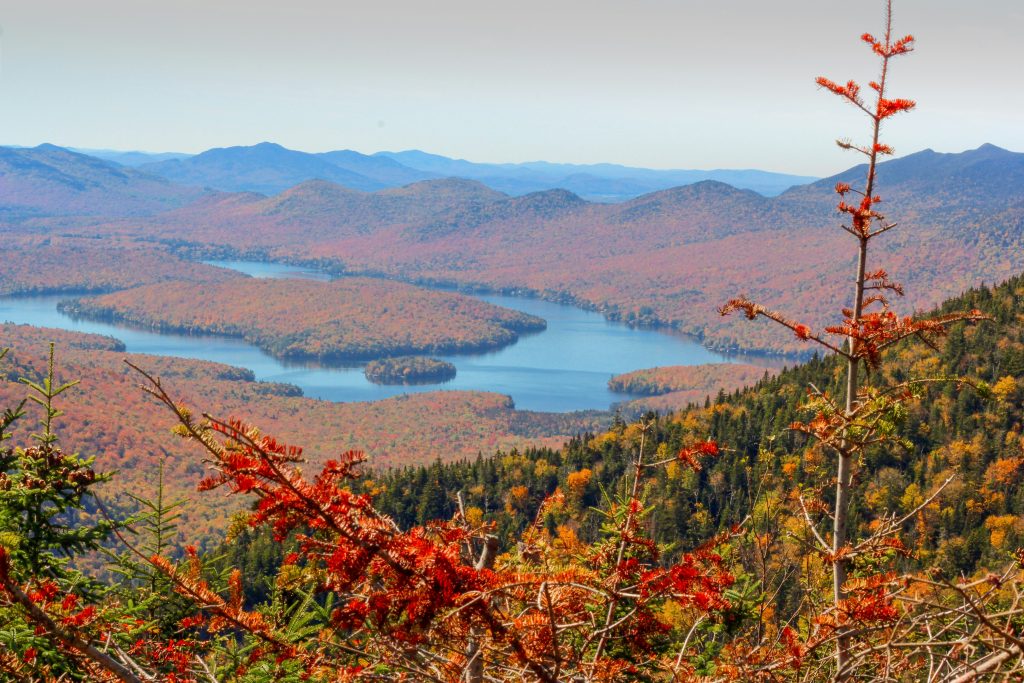
Lake George is one of those places that makes you feel like you’re paddling through a painting. The Adirondack mountains frame the water, and there are dozens of quiet bays where you can practice without feeling rushed. My rookie mistake here was trusting the clouds — I thought I didn’t need sunscreen. Two hours later, I looked like a boiled lobster.
The Bolton Landing area is perfect for beginners. It’s less chaotic than the southern end of the lake and has easy access points. The water near the islands is calm enough to give you confidence, but you still get that big-lake adventure feeling.
Bring snacks, and maybe a waterproof bag for your phone — you’ll want photos.
5. Boundary Waters Canoe Area, Minnesota
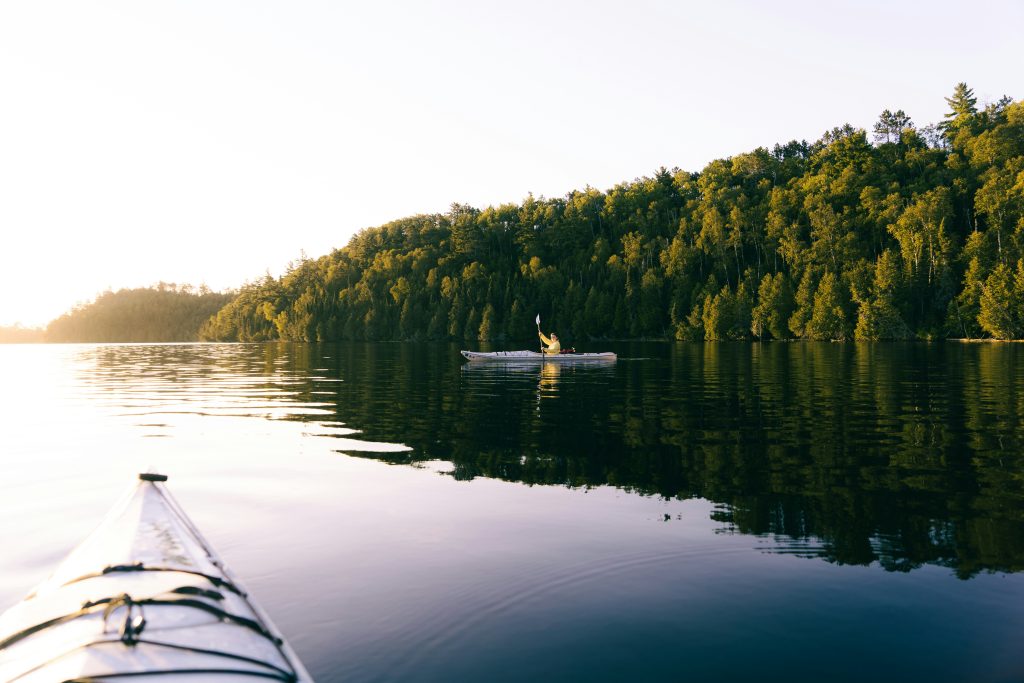
The Boundary Waters feel wild, almost untouched. Lakes stretch as far as you can see, connected by calm channels. I’ll admit, the first time I went, I panicked a little when my GPS died. Turns out, following landmarks and using a paper map actually works. Who knew?
For beginners, stick to short routes close to your entry point. Wind can be your biggest challenge here, so always check the forecast before heading out. The still mornings are incredible — mist rising from the water, loons calling in the distance — but afternoons can get choppy fast.
This is one of those places where you fall in love with paddling. Just don’t overpack; carrying gear between lakes is less fun than it sounds.
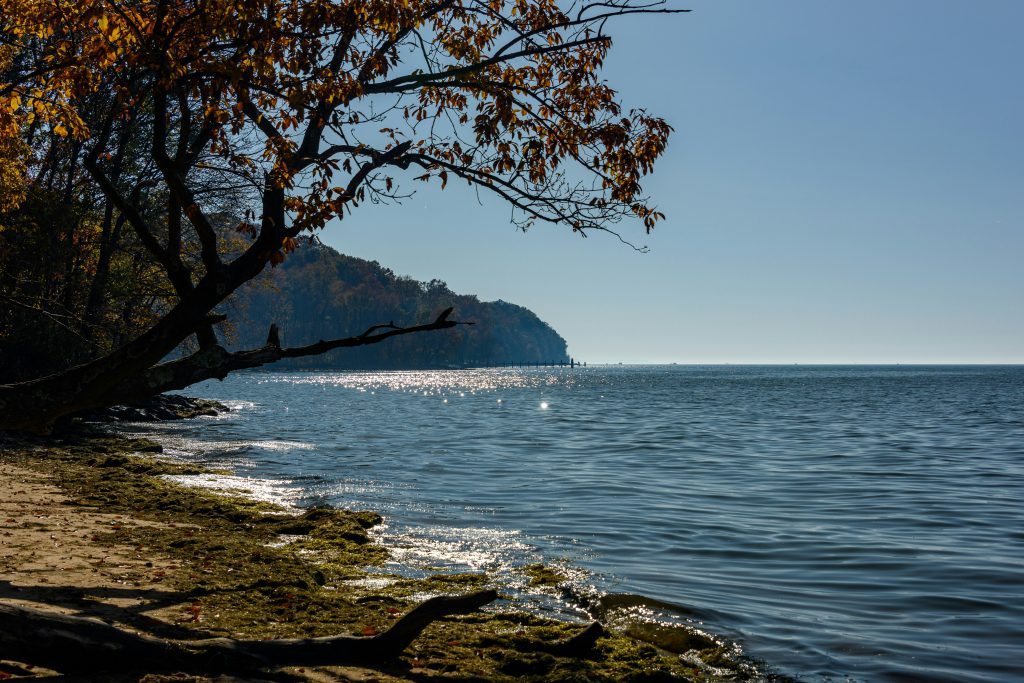
6. Chesapeake Bay, Maryland
Chesapeake Bay is massive, but tucked away inside are sheltered coves and marshes perfect for first-time kayakers. My most humbling moment here was trying to paddle against the tide. Ten minutes later, I was sweaty, frustrated, and moving backwards. Lesson learned: always check the tide charts.
Beginners should aim for quiet creeks like Spa Creek or Harness Creek near Annapolis. The wildlife is a bonus — herons, osprey, and the occasional crab fisherman waving from shore.
Bring water shoes if you plan to hop out in shallow marsh areas. The mud is no joke.
7. Lake Union, Seattle, Washington
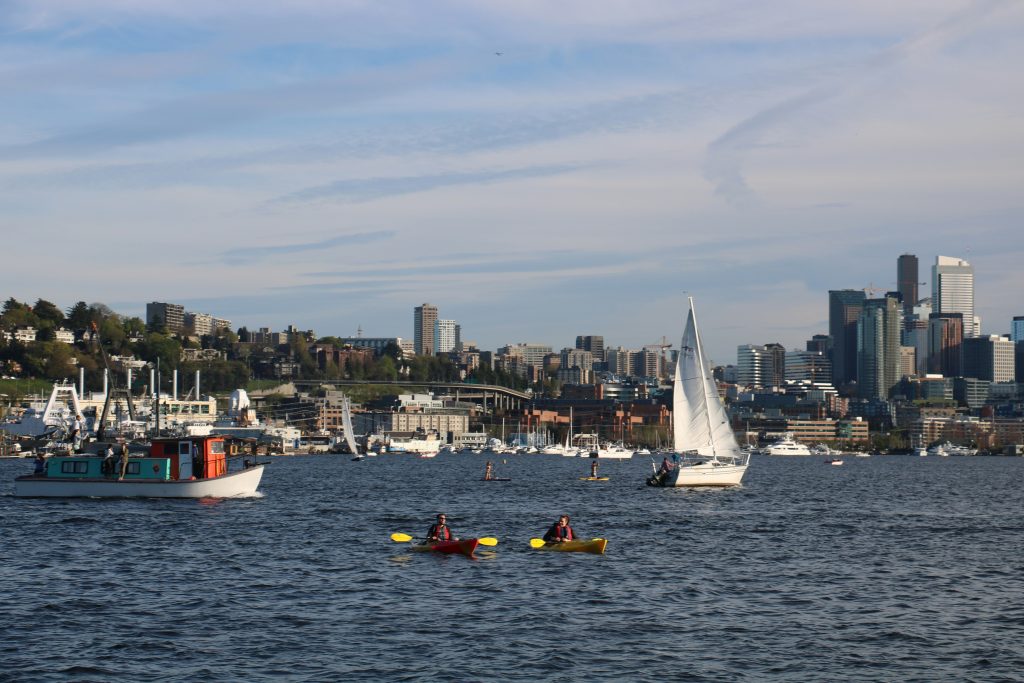
Imagine paddling with a skyline view, houseboats on one side, and the occasional seaplane buzzing overhead. That’s Lake Union. It’s beginner-friendly because the water is calm, but it does get busy with boats. My first time there, I almost collided with a floatplane dock — not my proudest moment.
Go early in the morning if you want it quiet. Rentals are easy to find, and you’ll be surrounded by other casual paddlers, which makes it less intimidating. Plus, the coffee shops nearby make it easy to reward yourself afterward.
This is a great spot if you want kayaking to feel more like a city adventure than a wilderness trip.
8. Everglades National Park, Florida
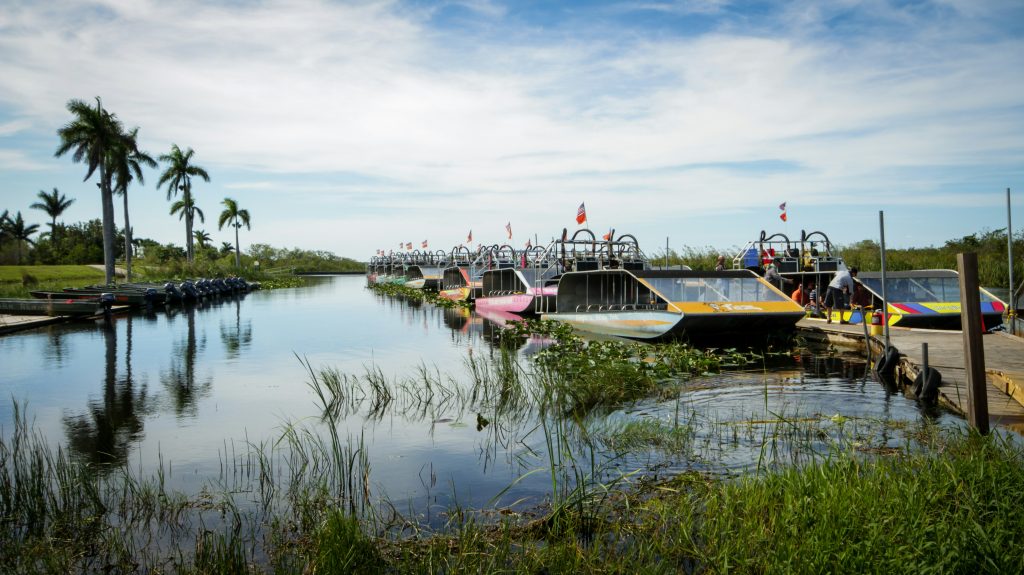
Kayaking the Everglades is like stepping into another world. Mangrove tunnels twist around you, and the water is so calm it feels like gliding. My heart nearly stopped when a giant manatee surfaced right next to my kayak — I thought it was an alligator at first. Once I realized it was friendly, it turned into one of my favorite wildlife encounters.
For beginners, stick with the marked water trails near Flamingo or Nine Mile Pond. Rangers can point you toward safe routes. Bug spray is essential here. Without it, you’ll be dinner before you even launch.
Don’t worry too much about gators; they usually avoid people. Just keep your hands in the boat.
9. Lake Powell, Utah/Arizona
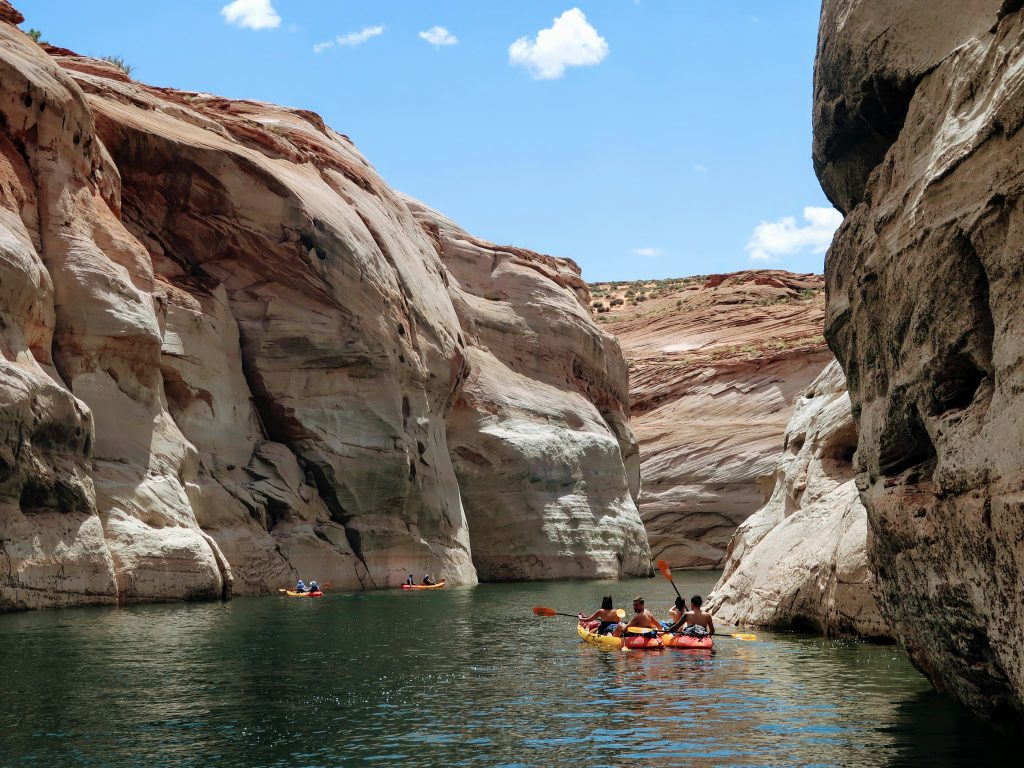
Red rock canyons and turquoise water make Lake Powell unforgettable. It feels like paddling on another planet. One time I wandered into a side canyon and found a hidden sandy beach — total jackpot. But I also learned how easy it is to lose your sense of direction here.
Always bring a waterproof map or GPS. The heat can be brutal, so mornings and evenings are the best times for beginners. Hugging the canyon walls helps block the wind and makes paddling easier.
And yes, bring extra water. You’ll drink more than you think.
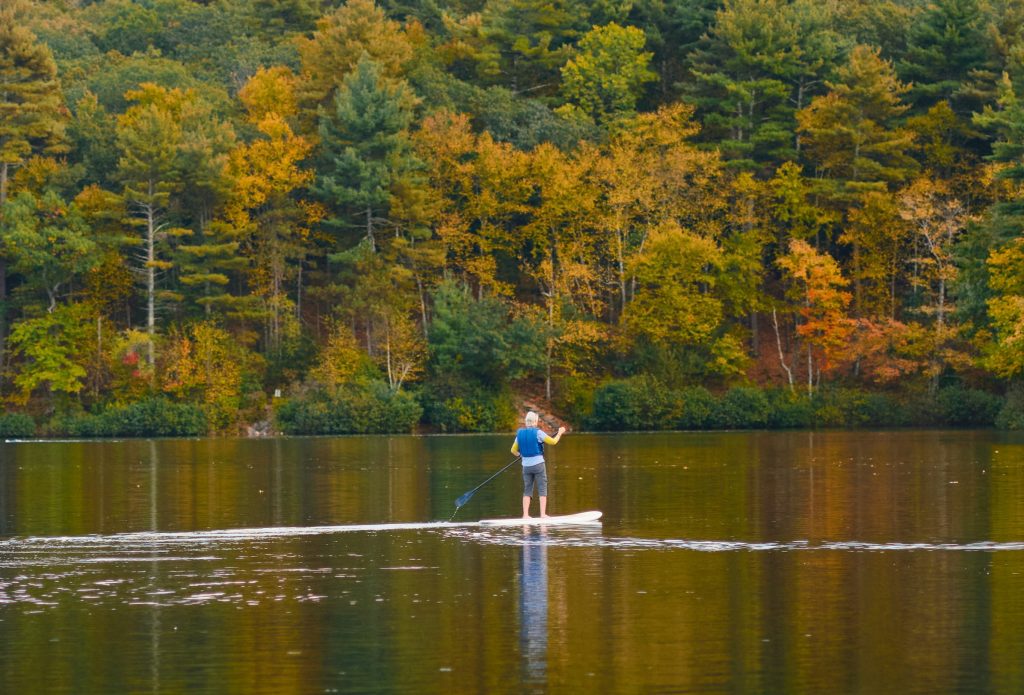
10. Walden Pond, Massachusetts
Walden Pond is small, calm, and famous thanks to Henry David Thoreau. For beginners, that makes it perfect — you can paddle the whole thing in under an hour without breaking a sweat. The first time I went, it felt more like meditation than exercise. No waves, no stress, just stillness.
It’s also a great place to practice basics like turning, stopping, and re-entering the kayak if you tip. If you do fall in, no big deal — the shoreline is always close.
Bring a journal if you’re into that kind of thing. Something about Walden inspires reflection.
11. San Juan Islands, Washington
This one feels adventurous, but beginners can still enjoy it with the right plan. The San Juan Islands are known for wildlife — seals, porpoises, and even orcas if you’re lucky. The first time I went, I’ll admit I was nervous. Open water can feel intimidating. But going with a guided tour made all the difference.
Guides know the safe routes, and they’ll keep you away from strong currents. The payoff? Watching a seal pop up five feet from your kayak is unreal.
If you’re brand new, don’t try this solo. Pairing beginner skills with a guide equals safety and confidence.

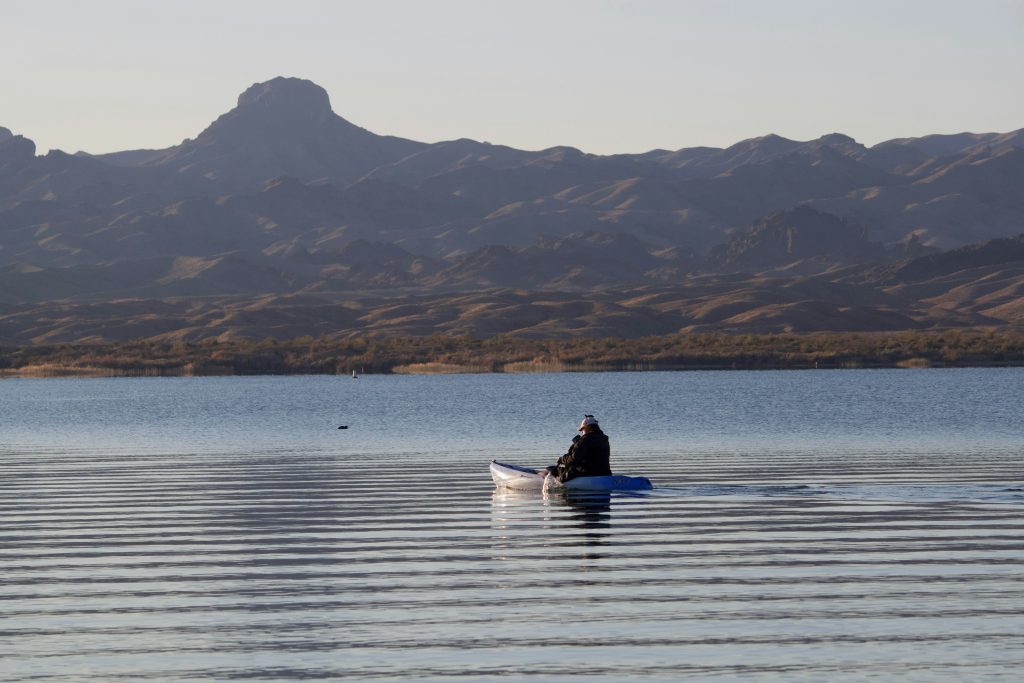
12. Lake Havasu, Arizona/California
Lake Havasu has a party reputation, but it’s also got calm coves that are great for beginners. I accidentally launched near a jet ski zone once, and it felt like kayaking in a washing machine. After that, I found a quiet cove, and the difference was night and day.
Stick to the less crowded northern coves if you want a peaceful paddle. The London Bridge area is fun to see from the water, but go early before boat traffic picks up.
This is a good spot if you want a mix of scenery and social vibe.
Beginner Kayaking Tips Before You Go
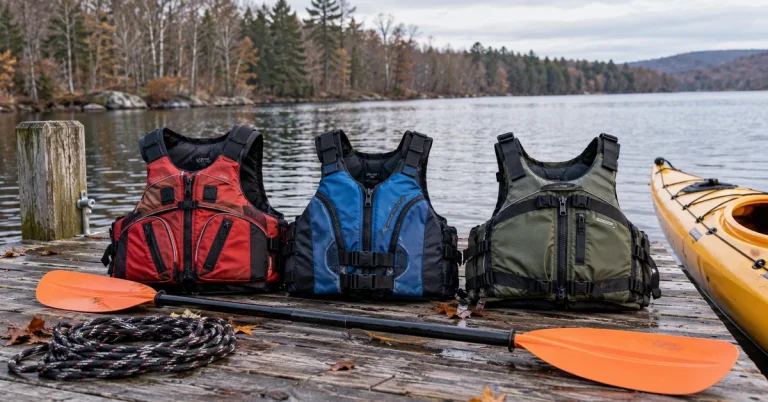
- Always wear a life jacket, no exceptions.
- Check weather and wind — anything over 10 mph wind can make paddling tough.
- Start with lakes or slow rivers, not whitewater.
- Learn how to enter and exit the kayak before launching.
- Bring snacks, sunscreen, and way more water than you think you’ll need.
Conclusion
Every kayaker starts as a beginner, and every paddler has a story about the first time they went in circles or tipped over. What matters is choosing the right place to start. Calm water, easy access, and a little preparation can turn kayaking from intimidating into downright addictive.
So pick one of these beginner-friendly locations, grab a paddle, and give it a shot. You’ll make mistakes, sure, but that’s part of the adventure. And if you want to feel extra confident before heading out, don’t miss these safety tips and essential kayaking gear for beginners — they’ll help you hit the water prepared and worry-free.
Discover more from Maive Verse
Subscribe to get the latest posts sent to your email.