
Sit-on-top vs sit-inside kayaks: Which is better for beginners? Compare stability, comfort, and ease of use to choose the perfect kayak for your first adventure.
So you’re thinking about getting into kayaking? That’s awesome! But before you dive in, there’s one major question every beginner faces: Sit-On-Top vs Sit-Inside Kayaks – which is better for beginners? This choice can truly shape your first kayaking experience, so it’s important to understand the pros and cons of each design.
Both kayak types are great, but they offer different experiences depending on your needs, skill level, and where you plan to paddle. Let’s break it all down in a beginner-friendly way so you can make the best choice for you.

Table of Contents
Sit-On-Top vs Sit-Inside Kayaks: Key Differences
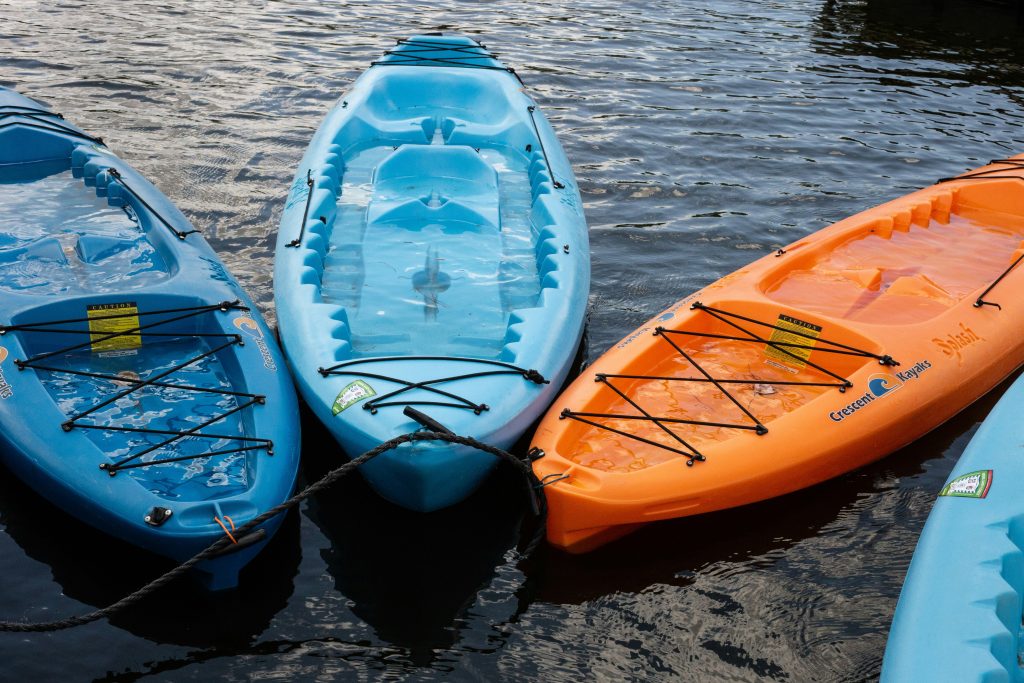
Photo by Omar Roque on Unsplash
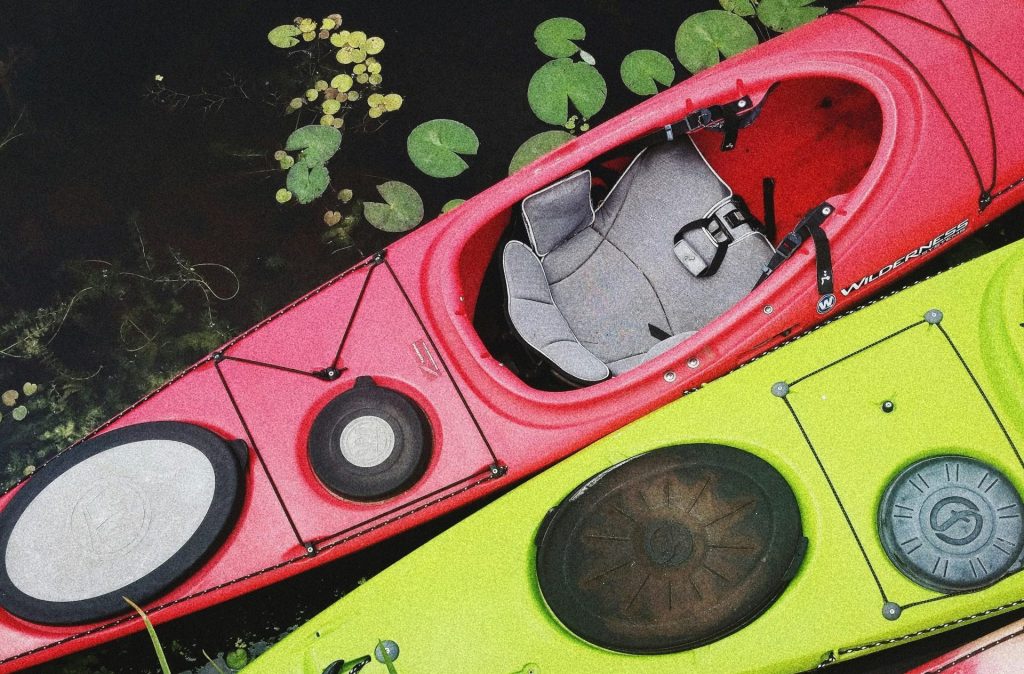
Photo by Olena Bohovyk on Unsplash
The core difference is where you sit. Sit-on-top kayaks have an open deck where you sit directly on top of the hull, with your legs exposed. Sit-inside kayaks have a closed cockpit, where you sit inside the hull with your legs tucked under the deck.
This simple difference affects everything: stability, comfort, dryness, and even skill development. Let’s explore how each one performs in real-world situations.
Stability: A Top Concern for New Kayakers
Stability can be the deciding factor for many beginners. Sit-on-top kayaks tend to feel more stable initially due to their wider design and higher buoyancy. That initial stability makes it easier to relax and enjoy your first few paddles without worrying about tipping over.
However, sit-inside kayaks often offer better secondary stability. This means they perform better in waves, turns, or when you shift your body weight. If you plan to kayak in rougher waters later on, this could be a valuable feature to grow into.
The Wet Factor: Staying Dry vs Staying Cool
Let’s talk about water. Sit-on-top kayaks are self-draining thanks to scupper holes — but you will get wet. Water splashes from paddling and waves are expected. Great for warm weather, not so much for chilly mornings.
Sit-inside kayaks keep you much drier in calm conditions. The enclosed cockpit offers protection from splashes, and your gear is more sheltered. However, if you capsize, you’ll need to perform a wet exit and learn to drain the kayak properly.
Entry and Exit: Ease of Use for Beginners
Getting in and out of a kayak might seem simple, but it can be awkward for beginners. Sit-on-top kayaks are easier to enter and exit, especially in deeper water. If you fall off, you can climb back on without much trouble.
Sit-inside kayaks require more balance to slide your legs in and out of the cockpit. If you’re launching from a dock or rocky shoreline, this could be a challenge. But with a little practice, most paddlers adapt quickly.
Storage and Gear Access
Sit-on-top kayaks typically feature open storage areas with bungee cords, perfect for quick access to gear, snacks, or fishing equipment. This makes them a favorite for recreational and fishing use.
Sit-inside kayaks often have sealed hatches that keep items dry, which is a huge plus for longer trips or protecting valuables. Just remember: it’s harder to access gear while on the water.
Climate and Water Temperature
One overlooked factor is where and when you’ll paddle. Sit-on-top kayaks are ideal for warm weather and calm lakes. You’ll stay cool and won’t mind getting wet.
If you’re paddling in colder conditions, a sit-inside kayak helps retain body heat and protects you from cold splashes. You can also use a spray skirt for added protection. According to the U.S. Coast Guard, dressing for the water temperature is essential — something easier to manage in a sit-inside kayak.
Skill Building and Learning Curve
If your goal is to paddle casually and build confidence, sit-on-top kayaks are user-friendly and forgiving. There’s no risk of getting stuck in the cockpit, and self-rescue is straightforward.
Sit-inside kayaks help you develop better paddling technique over time. They respond more precisely to body movement and are more efficient in terms of speed and control. With guidance or training, they can fast-track your skill growth.
Comparison Table: Sit-On-Top vs Sit-Inside Kayaks
| Feature | Sit-On-Top Kayak | Sit-Inside Kayak |
|---|---|---|
| Stability | Excellent initial stability | Better secondary stability |
| Water Protection | You will get wet | Stays dry in calm water |
| Entry & Exit | Easy in any depth | Requires balance/finesse |
| Gear Access | Open deck, quick access | Enclosed storage, dry but limited |
| Cold Weather Use | Not ideal | Warmer with proper gear |
| Skill Development | Forgiving, slower progression | Steeper learning, better control |
Final Thoughts: Which Kayak Is Better for Beginners?
There’s no one-size-fits-all answer. Both sit-on-top and sit-inside kayaks offer great experiences, depending on your needs and where you’ll be paddling.
Choose a sit-on-top kayak if you:
- Want a stable, beginner-friendly option
- Plan to paddle in warm weather or calm water
- Need easy access to gear
- Prefer simple entry and exit
Choose a sit-inside kayak if you:
- Want better protection from cold and splashes
- Are interested in learning advanced techniques
- Plan to kayak in variable weather
- Need secure, dry storage
Many paddlers eventually try both types. If you’re unsure which to choose, think about your local paddling spots and what kind of experience you want.
For more beginner-friendly advice, check out our Kayaking for Beginners: Ultimate 2025 Guide to Epic Start and How to Choose a Kayak for Beginners: 7 Factors You Shouldn’t Skip.
Bottom line: The best kayak for beginners is the one that gets you excited to paddle, helps you feel safe, and keeps you coming back for more!
Frequently Asked Questions
1. What is the difference between sit-on-top and sit-inside kayaks?
Sit-on-top kayaks have an open deck where you sit on top of the hull, while sit-inside kayaks have an enclosed cockpit that you sit inside. This affects stability, dryness, storage, and paddling experience.
2. Are sit-on-top kayaks easier for beginners?
Yes, sit-on-top kayaks are typically easier for beginners. They offer more initial stability, are easy to get on and off, and don’t require advanced skills to paddle safely.
3. Do sit-inside kayaks keep you drier than sit-on-top kayaks?
Sit-on-top kayaks are generally more stable at first because of their wider base. However, sit-inside kayaks offer better control and secondary stability with proper technique.
4. Do sit-inside kayaks keep you drier than sit-on-top kayaks?
Yes, sit-inside kayaks keep you drier in calm conditions. The enclosed cockpit protects your lower body and gear from splashes, unlike sit-on-top kayaks that allow more water in.
5. Can you use a sit-on-top kayak in cold water?
You can, but it’s not ideal. Sit-on-top kayaks expose you to cold water and wind, increasing your risk of hypothermia. In cold weather, sit-inside kayaks offer better protection.
Discover more from Maive Verse
Subscribe to get the latest posts sent to your email.